Best Month to Travel to Shanghai (2026): Weather & Crowds

Contents
- Best Season to Visit Shanghai
- Spring in Shanghai (March to May)
- Summer in Shanghai (June to August)
- Autumn in Shanghai (September to November)
- Winter in Shanghai (December to February)
- Best Month to Visit Shanghai
- January: Cold, quiet, post-holiday
- February: Spring Festival, lantern fairs
- March: Warming, flowers, F1
- April: Mild, best spring weather
- May: Warm, avoid Labour Day
- June: Rainy season begins
- July: Hottest, humid, crowded
- August: Hot, typhoon season
- September: Cooling, best month begins
- October: Best month, Halloween events
- November: Crisp, autumn leaves
- December: Christmas lights, festive markets
- Shanghai Events by Month: What Changes Your Dates
- Crowds and Hotel Prices by Month in Shanghai
- What to Pack for Shanghai, Season by Season
- Where to Stay in Shanghai
- How to Get to Shanghai
- More Shanghai Guides
Show more
Shanghai has two genuinely comfortable windows: late April to mid-May, when the city warms up before the summer humidity arrives, and late September to early November, when the heat finally breaks and the plane trees turn gold. If you want one answer, October is the best month to travel to Shanghai: average highs around 24°C, one of the driest months of the year, and long clear evenings on the Bund. This guide compares all 12 months on temperature, rainfall, crowds, events and hotel rates, so a two-week shift in your dates can turn a sweaty trip into a good one.
Shanghai sits on the Yangtze delta and has a subtropical monsoon climate: four clear seasons, a humid summer and a damp winter. The annual mean temperature is about 17.5°C, July is the hottest month and January the coldest. Spring and autumn are the two seasons locals and repeat visitors recommend, and the table below shows why.
| Season | Months | Weather | Best for |
|---|---|---|---|
| Spring | March to May | 11-21°C, flowers, changeable skies | Parks, gardens, city walks |
| Summer | June to August | 22-33°C, humid, plum rain and typhoons | Indoor sights, evening views, Disney |
| Autumn | September to November | 25°C falling to 15°C, dry and clear | The Bund, day trips, food season |
| Winter | December to February | 3-11°C, damp cold, rare snow | Museums, shopping, low prices |
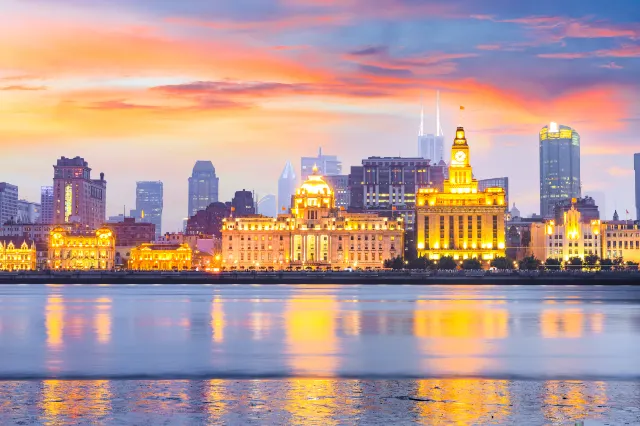
The Bund at sunset, the view most visitors come for. Image: Trip.com
Spring is the season the city looks its best. Plum blossom opens in February and early March, cherry blossom follows from late March, and by April the parks, plane-tree streets and garden courtyards are green again. Daytime highs climb from about 15°C in March to 26°C by late May, and the light is soft for photography. The catch is that the season is short and unstable: a warm week can be followed by a cold front, and May brings the first heavy showers. Pack a light jacket and an umbrella, and treat any day above 22°C as a bonus.
April is the single best spring month. Labour Day, from 1 to 5 May, is one of the busiest domestic travel periods of the year, so either book that week well in advance or shift to the second half of May.

Yu Garden in the old city, at its busiest and best in spring. Image: Trip.com
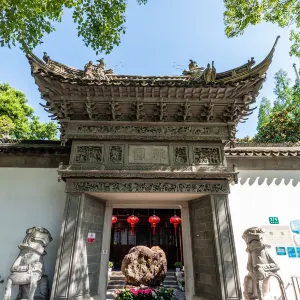
 Great day out, gets crowded after 10/11. Lots of shops and restaurants around too.
Summer is hot, humid and wet, and it is the season most likely to ruin a sightseeing plan. The plum rain season runs from mid-June to early July: two to three weeks of grey skies, steady drizzle and sudden downpours, with humidity near saturation. July and August then turn into a steam room, with highs of 33°C, about ten days above 35°C and heat-index values close to 40°C. Afternoon thunderstorms are normal, and typhoons can affect the city from late August into mid-September, bringing flight delays and temporary closures.
Summer still works if you plan around it: start at 6am, rest indoors from noon to 4pm, and go out again after sunset. Museums, malls, the Shanghai Astronomy Museum and air-conditioned restaurants carry the middle of the day, and hotel rates are lower than in spring or autumn.
Autumn is the most reliable season. September is still warm and carries the tail of typhoon risk, but from late September the humidity drops, skies clear and daytime highs settle into the low 20s. October is the peak: dry, bright and comfortable enough to walk the Bund for hours. November is cooler and quieter, with plane trees turning yellow along Wukang Road and the French Concession, and hairy crab arriving on every restaurant menu. This is the window to book if your dates are flexible.
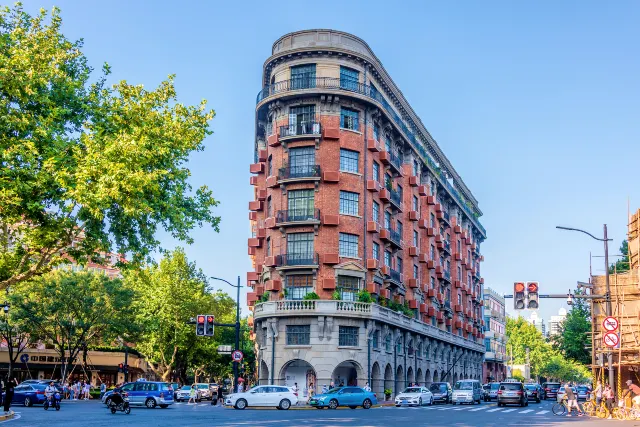
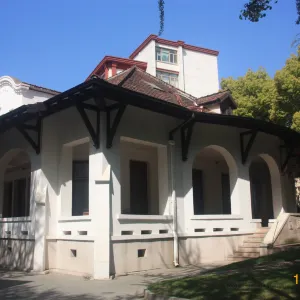
Plane trees and 1920s villas in the Former French Concession, at their best in autumn. Image: Trip.com

Winter is short but feels colder than the numbers suggest. Average temperatures sit between 3°C and 11°C, snow is rare and rarely settles, but the damp air and north wind make 5°C feel like below zero indoors and out. The coldest stretch is late January to early February, which often coincides with Chinese New Year. On the plus side, this is the cheapest season for hotels, museums and galleries are quiet, and the city dresses up for Christmas and New Year with lights along Nanjing Road and the Bund.
The table below uses 1992-2021 averages for Shanghai Hongqiao Airport, the city's long-running weather station. Use it to shortlist two or three months, then read the month-by-month notes underneath for events, crowds and what each month is actually good for.
| Month | Average high | Average low | Rainfall | Verdict |
|---|---|---|---|---|
| January | 8°C | 2°C | 60.5 mm | Cold and quiet; cheapest month |
| February | 10°C | 4°C | 52.4 mm | Lantern Festival, then Chinese New Year crowds |
| March | 15°C | 7°C | 70.9 mm | Cherry blossom and the F1 race |
| April | 21°C | 12°C | 62.2 mm | Best spring weather |
| May | 26°C | 18°C | 75 mm | Warm, but avoid Labour Day week |
| June | 28°C | 22°C | 124.1 mm | Plum rain begins; wettest stretch |
| July | 33°C | 26°C | 107 mm | Hottest and humid |
| August | 33°C | 26°C | 145.5 mm | Hot, wet, typhoon season |
| September | 29°C | 22°C | 90.3 mm | Cools down from late September |
| October | 24°C | 16°C | 50.7 mm | Best overall month |
| November | 18°C | 10°C | 51.3 mm | Crisp, golden leaves, crab season |
| December | 11°C | 4°C | 44.2 mm | Driest month, festive lights, cold |
January is the coldest month, with highs near 8°C and lows close to freezing, made worse by damp wind off the river. The upside is space: the Bund, Yu Garden and the museums are as empty as they get, hotel rates are the lowest of the year and restaurants take walk-ins. Late January is the coldest stretch, so bring a proper coat, gloves and a scarf rather than a light jacket. It is a good month for indoor sightseeing, hot pot and café-hopping, not for long walks along the water.
February is still cold but starts to lift, with highs around 10°C. The month is defined by the Lunar New Year: the date moves between late January and mid-February, and the week around it is the worst time of year to travel in China, with packed trains, closed shops and inflated hotel rates. Before and after the holiday the city is calm again, and the Lantern Festival, on the 15th day of the first lunar month, brings lantern displays and crowds to the old city and Yu Garden. Plum blossom is out in the parks. Book nothing on the holiday itself unless you have to.
March is the transition month: highs reach 15°C, plum and cherry blossom open in sequence, and the first warm weekends bring everyone outdoors. The Chinese Grand Prix usually runs in March at the Shanghai International Circuit, filling hotels in Jiading and the city centre, and Shanghai Fashion Week adds another spike. Evenings stay cool, so keep a jacket. Rain picks up towards the end of the month. For flower photography, aim for late March, when the cherry trees at Gucun Park are at their peak.
April is the best spring month and one of the two best months of the year. Highs settle around 21°C, lows around 12°C, and the rain is lighter than in March or May. Gardens, the French Concession and day trips to the water towns all work. The one trap is Qingming, the tomb-sweeping holiday in early April, when domestic travel spikes for a long weekend. Book hotels two to three weeks ahead, and use weekdays for the Bund and Nanjing Road.
May is warm and green, with highs around 26°C, and it would be a top month if not for the holiday. Labour Day, 1 to 5 May, is one of the year's two peak domestic travel periods, and hotels, trains and attractions all feel it. After about 8 May the crowds thin and the weather holds, which makes the second half of the month an excellent compromise between spring and summer. Humidity starts to climb, and the first heavy showers arrive. Pack light layers and an umbrella.
June is when the plum rain season starts, usually in the middle of the month, and rainfall roughly doubles to about 124 mm. Expect grey skies, frequent showers, high humidity and a lot of indoor time. Temperatures are not extreme, around 28°C by day, but the damp heat is draining. The Dragon Boat Festival gives a short break and brings zongzi to every supermarket. If you travel in June, keep one indoor attraction in every day and choose a hotel close to a metro station so you are not walking in the rain.
July is the hottest month, with average highs of 33°C, lows of 26°C and about ten days above 35°C across the summer. The plum rain ends, but humidity stays high, so the heat index regularly approaches 40°C. Locals shift to early mornings and late evenings, and so should you: the Bund and Shanghai Tower are far better after 19:00. School holidays make family attractions busy despite the heat. Budget for taxis between sights and drink more water than you think you need.
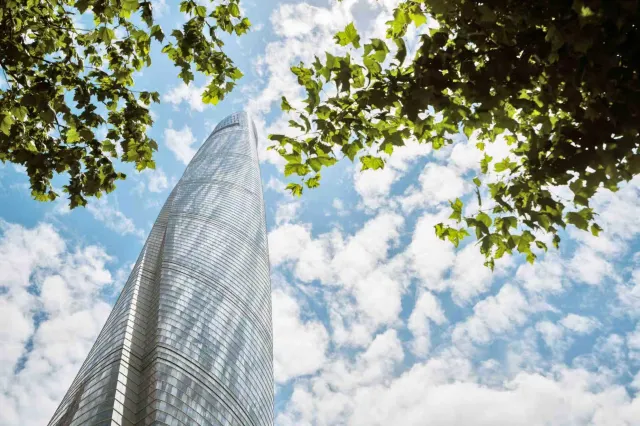
The Lujiazui skyline, clearest on autumn and winter evenings. Image: Trip.com
August is as hot as July and wetter, with about 145 mm of rain and the peak of typhoon season from late August. Most typhoons pass offshore, but the outer bands bring sudden downpours, flight delays and occasional closures. It is the classic month for indoor plans: museums, malls, the aquarium and Shanghai Disneyland, where summer crowds are large but the park runs late. Hotel rates dip in the second half of the month. Buy travel insurance if you are flying in or out.
September opens hot and sticky, then improves sharply in the last ten days. Early September still carries typhoon risk and highs near 29°C; by late September highs drop to the mid-20s, humidity falls and evenings become pleasant. The Mid-Autumn Festival adds a public holiday and mooncake season, and osmanthus starts scenting the streets. If you can choose, travel after about 20 September: you get autumn weather without October's holiday crowds.
October is the best month to travel to Shanghai. Highs average 24°C, lows 16°C, rainfall is among the lowest of the year at about 51 mm, and the air is clear enough for skyline photos. The first week is National Day, 1 to 7 October, the busiest travel week in China, when hotel prices can double and the Bund is shoulder to shoulder. From 8 October onwards the city is close to perfect. Late October also brings Halloween events at theme parks and the first crisp evenings of the year.
November is the quiet alternative to October. Highs fall to about 18°C, lows to 10°C, rain stays low, and the plane trees along Wukang Road and the French Concession turn yellow and then brown. It is the best month for walking, café-hopping and food: hairy crab is in season, and the Shanghai Marathon usually runs this month. Bring a coat for evenings. Hotel rates are moderate and the main sights are comfortable again after the October surge.

December is cold and dry, with highs near 11°C, lows around 4°C and only about 44 mm of rain, the lowest of any month. The cold is damp rather than sharp, so it feels worse than the thermometer suggests. In exchange you get the city's most photogenic month: Christmas lights along Nanjing Road and in the malls, festive markets, and New Year's Eve crowds on the Bund. Museums and galleries are quiet on weekdays. Pack thermal layers, and book a hotel with reliable heating.
Weather decides whether a month is comfortable; the calendar decides whether you can move. These are the events that reliably change prices, crowds or opening hours, and the months they fall in.
| Event | When | What it does | How to handle it |
|---|---|---|---|
| Chinese New Year | Late January to mid-February | Peak rail and hotel demand, some shops closed | Avoid the 7-day holiday; travel either side |
| Lantern Festival | 15th day of the first lunar month | Lantern displays and evening crowds in the old city | Go early evening, book dinner ahead |
| Cherry blossom season | Late March | Weekend crowds at parks | Visit Gucun Park on a weekday morning |
| Chinese Grand Prix | Usually March | Hotel rates rise, especially in Jiading | Book accommodation early or stay downtown |
| Labour Day holiday | 1 to 5 May | One of the two busiest travel weeks | Shift to mid or late May |
| Plum rain season | Mid-June to early July | Constant rain, indoor attractions fill up | Plan one indoor sight per day |
| Typhoon season | Late August to mid-September | Flight delays and short closures | Keep a flexible day in the itinerary |
| National Day holiday | 1 to 7 October | The busiest week of the year | Travel after 8 October if you can |
| Hairy crab season | Late September to November | Restaurants busy at weekends | Book crab dinners in advance |
| Christmas and New Year | December | Festive lights, busy Bund on 31 December | Book a riverside hotel early |
Shanghai has three price levels rather than a smooth curve. Rates jump around the two long holidays and the New Year, sit high through spring and autumn weekends, and fall in the deep heat of July and August and in the cold of January. The table below is a planning aid, not a quote: always compare live rates for your exact dates.
| Period | Months | Crowds and rates | Best for |
|---|---|---|---|
| Peak | 1 to 7 October, 1 to 5 May, Chinese New Year | Highest rates, packed sights, book weeks ahead | Only if your dates are fixed |
| High | April, late September, October, November weekends | Good weather and firm rates | First-time visitors with flexible dates |
| Shoulder | March, early September, December | Moderate rates, fewer queues | Value trips and repeat visitors |
| Low | January, June, July, August | Cheapest rooms, weather is the trade-off | Budget travel and indoor itineraries |
Packing for Shanghai is mostly about damp: cold here feels colder than the temperature, and summer heat feels hotter. Layering matters more than heavy coats.
| Season | Wear | Carry |
|---|---|---|
| Spring | Light jacket, long-sleeve tops, jeans, comfortable walking shoes | Compact umbrella, sunglasses, a scarf for cool evenings |
| Summer | Breathable short sleeves, shorts or light trousers, sandals | Umbrella, water bottle, sunscreen, spare socks, waterproof phone pouch |
| Autumn | Layers, light sweater, medium jacket by November | Umbrella, camera, a warm layer for river cruises |
| Winter | Down jacket, thermal base layers, gloves, hat, warm shoes | Lip balm, hand cream, a thermos, an indoor slipper layer for hotels |
Where you stay matters more in the hot and rainy months, when a short walk can decide your day. These three hotels cover the three bases that work in every season: the Bund for the classic view, Jing'an for restaurants and metro links, and Lujiazui for skyline rooms.

Fairmont Peace Hotel on the Bund

Fairmont Peace Hotel on the Bund puts you on Nanjing East Road, a five-minute walk from the promenade. It is the choice for a first trip in spring or autumn, when you will spend evenings outside; ask for a river-facing room.

Jing'an Shangri-La, Shanghai
 No. 14 of Luxury Hotels in Shanghai
Jing'an Shangri-La, Shanghai sits on top of the Kerry Centre and connects to Jing'an Temple station on Lines 2, 7 and 14. It is the most practical base in the plum rain season and in winter, with restaurants, malls and the metro under one roof.

Pudong Shangri-La, Shanghai
No. 4 of Premium Hotels in ShanghaiPudong Shangri-La, Shanghai faces the river from Lujiazui. High floors get the skyline view, which is worth the premium on clear October and November nights, and Line 2 reaches People's Square in a few stops.
Shanghai has two airports and several railway stations, and the best arrival point depends on the season as much as on your budget. In summer, flying into Hongqiao saves a long cross-city transfer; in winter, a high-speed train from Hangzhou, Suzhou or Beijing avoids weather delays entirely.
| Arriving at | Best for | To the centre | Notes |
|---|---|---|---|
| Pudong Airport (PVG) | International flights | Metro Line 2, Maglev, Airport Link | Allow 60-70 minutes by metro |
| Hongqiao Airport (SHA) | Domestic and nearby international flights | Metro Lines 2 and 10 | 25-35 minutes to People's Square |
| Hongqiao Railway Station | High-speed trains from Beijing, Hangzhou, Suzhou | Metro Lines 2, 10 and 17 | One stop from Hongqiao Airport T2 |
| Shanghai Railway Station | Overnight and regional trains | Metro Lines 1, 3 and 4 | Six minutes to People's Square |
Read the full arrival guides before you book: Shanghai Hongqiao Airport terminals and metro and Shanghai Railway Station guide cover platforms, ticket machines and transfer times.
Flying in is usually cheaper outside the two long holidays, when domestic rail demand peaks. Compare both before you commit:
If you are building a Shanghai itinerary around the best month, these guides cover the rest of the planning:
Popular recommendations

Shanghai Hongqiao Airport: Terminal Map, Layout & Metro
 OneVoyager
Shanghai Railway Station: Metro, Trains & Tickets (2026)
OneVoyager
Shanghai Disneyland 2026: Tickets, Rides & One-Day Plan
OneVoyager
Shanghai Travel Guide: What to Know Before You Visit Shanghai
 Travel Tips