China Travel Payment Guide: Alipay, WeChat Pay, Cards & Cash

Contents
- 4 Ways to Pay in China at a Glance
- Which Payment Method Do You Need for China?
- Paying in China with Alipay
- How to Set Up Alipay and Add an Overseas Card
- How to Pay by Alipay QR Code
- Alipay Limits to Know About
- Paying in China with WeChat Pay
- How to Set Up WeChat Pay and Link a Card
- How to Pay with WeChat Pay
- Paying in China with an Overseas Credit or Debit Card
- Which Overseas Cards Work in China
- What to Check Before You Rely on a Card
- Paying in China with Yuan Cash and Currency Exchange
- How Much Cash Should You Bring to China?
- Where to Exchange Yuan
- Alipay and WeChat Pay Fees for Overseas Cards
- How to Keep Payment Fees Down
- Which Payment Method to Use Where
- Paying for Subways and Buses
- Paying at Hotels and Attractions
- What to Do When a Payment Fails
- 1. You Cannot Add Your Card to Alipay or WeChat Pay
- 2. A QR Code Payment Fails
- 3. Money Is Taken but the Payment Shows an Error
- 4. Nobody Has Change for Cash
- China Payment Checklist Before You Fly
Show more

Click the image to check out special discounts for your trip to China! From 15% off stays to 10% off flights, plan a budget-friendly trip with Trip.com.
How you pay is one of the most useful things to sort out before a trip to China.
QR code payments are everywhere in China, but Alipay and WeChat Pay are not your only options: you can also pay with a credit card or plain yuan cash.
This guide puts it all in one place: how each payment method works, what the fees are, which option fits which situation, and what to do when a payment fails.
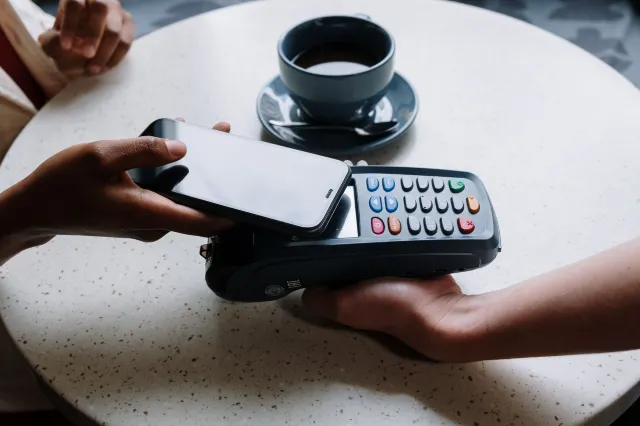
Photo: Pexels
The main ways to pay in China are Alipay, WeChat Pay, overseas credit and debit cards, and yuan cash.
Chinese government guidance confirms that foreign visitors can add an overseas card to China's mobile payment apps.
| Payment method | Where it works | Pros | Watch out for |
| Alipay | Restaurants, shops, taxis, public transport | QR payment plus travel services | Overseas card must be added and verified |
| WeChat Pay | Restaurants, cafes, shops, WeChat mini programs | Tied into local Chinese services | Overseas cards blocked for some payments |
| Overseas credit and debit cards | Hotels, airports, large malls | No payment app needed | Acceptance varies by card brand |
| Yuan cash (CNY) | Shops, restaurants, transport | Works without data or an app | Small change can be scarce |
Contactless cards, mobile wallets, cash and even the digital yuan (e-CNY) all exist in China, but on a short trip the four methods above are the ones worth setting up before you fly.
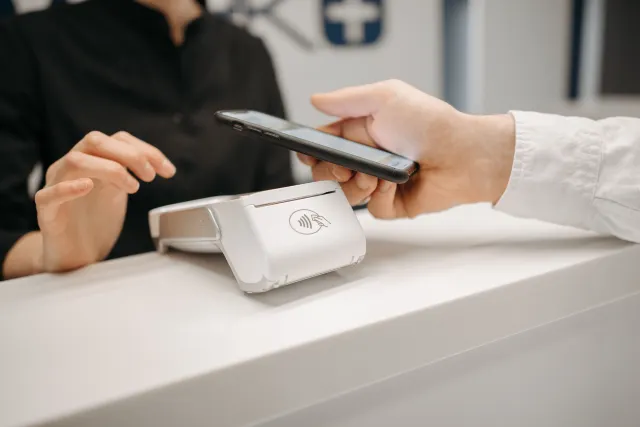
Photo: Pexels
On a first trip to China, set up Alipay as your main wallet and keep WeChat Pay as a backup.
Add a card that works overseas and a little yuan cash, and you can switch methods as the situation changes.
No single method covers every shop and every transaction, so always keep at least two ready.
Alipay is the first app most visitors set up for China.
Overseas cards can be added inside the app, so you do not need a Chinese bank account to use it.
Its real strength is the extras: besides QR payment, you can use it for public transport and ride-hailing in many cities.
- Download Alipay from the App Store or Google Play.
- Sign up with your mobile number.
- Open the Add Card option in the app.
- Enter a credit or debit card that supports international payments.
- Complete the verification step required by your card issuer.
- If you are asked, verify your identity with your passport.
- Once the card is in, the payment features unlock.
Chinese government guidance lists Visa, Mastercard, UnionPay, American Express, JCB, Diners Club and Discover as supported brands.
Whether your own card registers still depends on the issuer and the app's current rules.
There are two ways to pay in a shop.
Option 1: Show your payment code
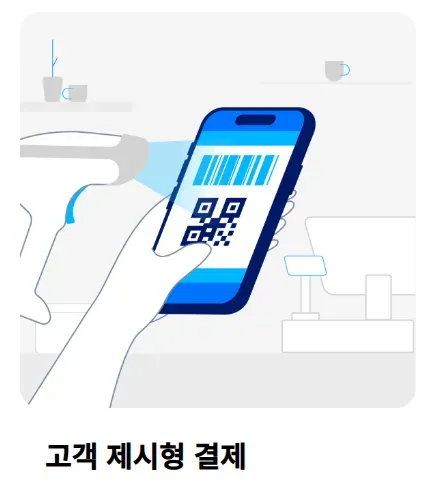
Photo: Alipay
- Open Alipay.
- Tap Pay.
- Show the barcode or QR code on screen to the cashier.
- The cashier scans it and the payment goes through.
Option 2: Scan the shop's QR code
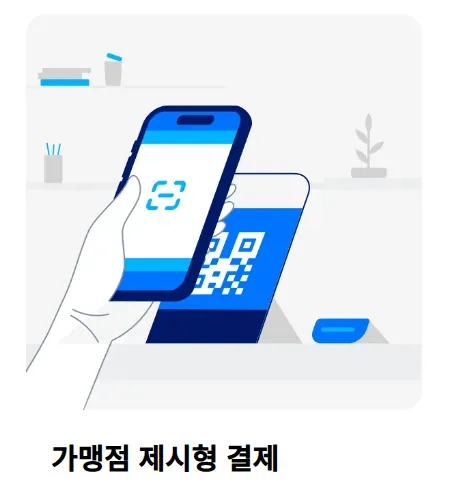
Photo: Alipay
- Tap Scan in Alipay.
- Scan the code at the counter or on your table.
- Check the amount or type it in.
- Confirm and wait for the success screen.
Some shops restrict overseas cards, so if a payment is declined, switch methods.
Adding an overseas card does not unlock everything in Alipay.
Transfers to individuals, some personal QR codes and certain Chinese online services may refuse overseas cards.
Public transport also uses its own QR code, separate from normal shopping payments.
For the subway, pick your city under Transport in Alipay and activate that city's transit code first.
WeChat Pay is the wallet built into WeChat, China's everyday messaging app.
Locals use it to open menus, order food and run mini programs on their phones.
Having it set up makes those day-to-day services much easier to use.
- Download WeChat.
- Sign up with your mobile number.
- Open Me, then Services.
- Tap Wallet, then Add Card.
- Enter your overseas credit or debit card.
- Complete the identity and card verification steps.
- Payments work once the card is verified.
Menu names can shift slightly between app versions and account types.
Chinese government guidance confirms that foreign visitors can make payments by linking overseas-issued bank cards to WeChat Pay.
Like Alipay, WeChat Pay is built around QR codes.
At many restaurants, the QR code on the table takes you from the menu straight to ordering and paying.
Mini program support and overseas card acceptance still vary by service.
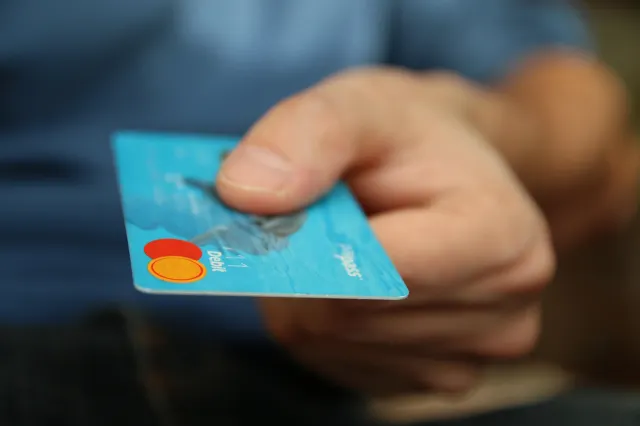
Photo: Pixabay
Cards issued outside China work in far more places than they used to.
Hotels, airports, large malls and major attractions generally take them at the counter.
Government guidance asks major tourist sites and higher-rated tourist hotels to widen foreign card acceptance.
Small restaurants and independent shops often still do not take Visa or Mastercard.
Chinese guidance names these international brands:
Being on the list does not mean every shop will take it.
It comes down to the shop's terminal and its merchant agreement.
Ask your card issuer these questions before you fly.
Adding a card to Alipay or WeChat Pay is a different path from tapping the physical card.
Coverage and fees differ between the two, so check them separately.
Cash is far from dead in China.
The yuan (RMB) is legal tender, and government policy requires shops and service providers to accept cash.
So cash works even if mobile payments are unfamiliar or your data connection drops.
Many small shops run on mobile payments, though, and some keep very little change on hand.
How much you need depends on the trip, but if mobile payments do the heavy lifting, a small emergency float is enough.
For a 3-5 day trip, 200-500 yuan is a sensible buffer.
That is a planning example, not an official figure; if you plan to pay for hotels and transport in cash, take more.
Small notes make change easier on both sides.
There are four common ways to get yuan:
- Exchange before you leave home
- Use the exchange desks at Chinese airports
- Use a Chinese bank's currency exchange service
- Withdraw from an ATM that takes international cards
Government guidance notes that exchange services are available at international airports, major entry points, commercial banks and licensed exchange counters.
At an ATM, check both your bank's fee and the operator's fee.
Note: you can carry up to 20,000 yuan in cash in or out of China without declaring it.
Paying through Alipay or WeChat Pay with an overseas card comes with fees worth checking.
Chinese guidance sets out these general rates:
| Payment amount | Platform fee |
| 200 yuan or less | No extra fee |
| Over 200 yuan | 3% of the amount |
| Physical card at the counter | Depends on issuer and merchant |
For example, 3% on a 300 yuan payment adds 9 yuan.
The amount you actually pay can shift with the app's latest rules and promos, your card's foreign transaction fee, and the exchange rate used.
A few checks before you pay can save real money.
Both apps show the fee before you confirm, so check the amount on screen rather than assuming the 3% always applies.
Do not split a payment into instalments just to dodge a fee; check the actual terms and the merchant's policy instead.
The easiest way to pay depends a little on where you are.
| Where you are | Best options | Why |
| Cafes and restaurants | Alipay and WeChat Pay | QR payment and in-app ordering |
| Convenience stores and malls | Alipay, WeChat Pay | Mobile payment is the default |
| Street food | Alipay, WeChat Pay, Cash | Small stalls may be cash only |
| Subway and bus | City transit QR code or a transit card | Rules differ by city and operator |
| Taxis and Didi | Alipay, WeChat Pay, etc. | Hailing and paying happen in the app |
| Hotels | Overseas Cards · Alipay · WeChat Pay | Confirm with the hotel before you book |
| Attraction tickets | Alipay, overseas cards, cash | Pre-booking and on-site payment vary by site |

Photo: Pixabay
Public transport payment differs from city to city.
Some cities take Alipay's transit QR code; others sell a reloadable card or single-ride tickets.
To use the Alipay code, pick your city under Transport and complete the short activation step.
A few systems, such as some Beijing rail lines, even let you tap a Visa or Mastercard straight at the gate.
Because systems vary, check your destination's official transport site before you arrive.


Photo: Pixabay
Check payment options while you book, not at the desk.
Chinese hotels are expected to take cash, bank cards, Alipay and WeChat Pay, but ask in advance whether they take a foreign Visa or Mastercard directly.
On Trip.com you can search hotels, flights and tours in China and see the accepted payment methods on the booking page.
If payment problems on the ground worry you, book as much as possible before you leave.
A failed QR code or a rejected card is not a disaster.
Work out why it failed, then switch to another method that fits the situation.
If adding your card throws an error, check these first.
Chinese guidance requires the card issuer to approve overseas cards before they can be added.
Security rules or a verification glitch can block it; in that case call your issuer, then the app's support line.
Work through these steps.
- Check your mobile data or Wi-Fi.
- Check the app's account verification status.
- Check the amount against your card limit.
- Ask whether the shop takes international cards.
- Try another card or another wallet.
- If it keeps failing, pay with the physical card or with cash.
Some payments, like personal QR codes, simply cannot be made with an overseas card.
Always ask whether there is another way to pay.
An error screen does not always mean the payment failed; it may have gone through or still be pending.
Do not pay again straight away; check the app's transaction history and your card's pending charges first.
If it did go through, note the time, amount and transaction number, then contact the shop or the wallet's support team.
Screenshot the transaction record in case you need it.
If the shop cannot break a large note, pay with something smaller or use another method.
Yuan cash is legal tender in China, and government policy targets shops that refuse it.
If change keeps being a problem, break your notes into smaller bills at a bank.

Photo: Pixabay
Run through this list before departure and payments in China become a non-event.
Card and SMS verification often happen mid-trip, so make sure your own mobile number can receive those texts abroad.
Pick the mix that suits your itinerary, set it up before you fly, and payments in China stop being a worry.
Find more China travel and payment guides on Trip.com.



Popular recommendations

The 10 Most Exciting Cities in Virginia
 _TS***4m

Everything you need to know before going to Los Angeles zoo
_TS***4m
Latest Trip.com Promo Codes, Flight Discounts & Hotel Savings (Weekly Update)
 Trip.com Official

6 Things to know before Exploring the Montmorency Falls, Quebec
_TS***4m