Guangzhou Dim Sum: 10 Dishes and Where to Eat Them
Contents
- Dim Sum in Guangzhou at a Glance
- 10 Dim Sum Dishes to Order in Guangzhou
- 1. Har gow: the test of any teahouse
- 2. Siu mai: pork and shrimp, open at the top
- 3. Char siu bao: steamed or baked
- 4. Cheung fun: the rice-noodle roll
- 5. Chicken feet: order them once
- 6. Egg tarts and the sweet finish
- 8 Teahouses and Restaurants for Dim Sum in Guangzhou
- Guangzhou Street Food: Where to Eat Between Teahouse Meals
- Shangxiajiu and Baohua Road (Liwan)
- Beijing Road and Huifudong (Yuexiu)
- Xiaobei Road and Jiangnanxi (Yuexiu and Haizhu)
- What a Dim Sum Meal Costs and How to Order
- Prices, tea and service charges
- How to order without an English menu
- Best times, queues and booking
- Getting to Guangzhou and Around the Dim Sum Districts
- Trains, flights and airport transfers
- Metro between the food districts
- Nearby sights between meals
Show more
Guangzhou is where dim sum was born, and the city still eats it the old way: a pot of tea, a stack of bamboo baskets and a morning that runs past noon. The ritual is called yum cha, literally "drink tea", and the food that comes with it is the reason to set an alarm on a day off.
This article covers the 10 dishes worth ordering, eight teahouses and restaurants from Liwan to Tianhe, the street food streets in between, and what a morning of dim sum actually costs.
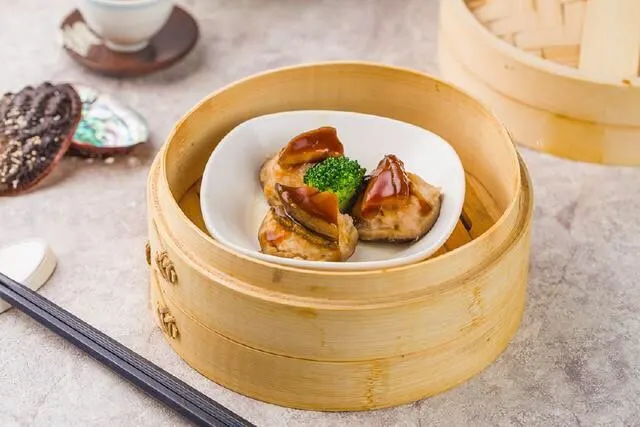
Dim sum is a Cantonese meal built around tea. Teahouses open early, usually between 7 am and 8 am, and keep serving until mid-afternoon; many reopen for a second round at dinner. You order by ticking a paper sheet or by choosing from trolleys, and the food arrives in small bamboo baskets meant for sharing.
Prices below are typical 2026 ranges in CNY at mid-range teahouses. Hotel dining rooms and banquet-style restaurants sit at the top of each range.
| Dish | Cantonese name | What it is | Typical price | Where to try it |
| Har gow | ha gau | Steamed shrimp dumpling in a translucent wheat-starch wrapper | CNY 25-40 | Guangzhou Restaurant, Tao Tao Ju |
| Siu mai | siu maai | Open-top dumpling of pork, shrimp and mushroom | CNY 20-35 | Dian Dou De, Panxi |
| Char siu bao | cha siu baau | Barbecue pork bun, steamed or baked | CNY 18-30 | Tao Tao Ju, Lianxiang Lou |
| Cheung fun | cheung fan | Silky rice-noodle roll with shrimp, beef or plain | CNY 15-30 | Yinji, teahouses |
| Chicken feet | fung zaa | Braised then steamed with black beans and chilli | CNY 20-30 | Dian Dou De, Beiyuan |
| Egg tart | daan taat | Custard tart in flaky or shortcrust pastry | CNY 10-18 | Lianxiang Lou, bakeries |
| Turnip cake | lo bak go | Pan-fried radish cake with dried shrimp and sausage | CNY 15-25 | Teahouses |
| Lotus-leaf rice | lo mai gai | Glutinous rice with chicken and mushroom in a lotus leaf | CNY 20-30 | Teahouses |
| Beef balls | ngau juk kau | Steamed beef meatballs with citrus peel | CNY 18-28 | Teahouses |
| Mango pudding | mong gwo pou ding | Chilled mango cream set in a bowl | CNY 15-25 | Teahouses and dessert shops |
A basket normally holds three or four pieces, so two people ordering six or seven baskets have a full breakfast. Tea is charged per person and topped up without asking.
If you only eat one teahouse meal in the city, start with the six dishes below. They are the ones a Cantonese table orders without looking at the menu, and they show whether the kitchen is any good.
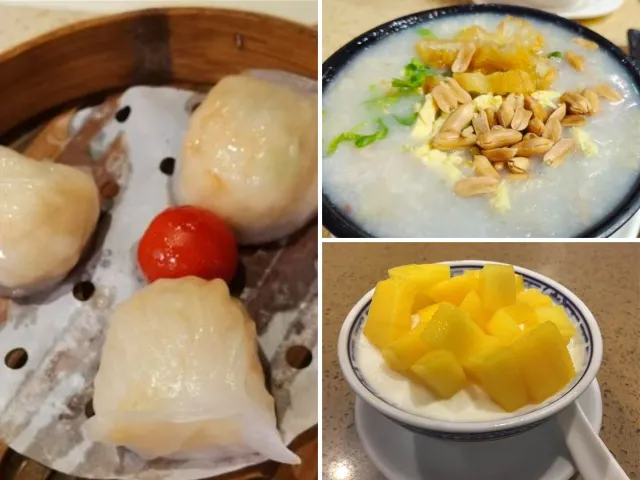
The wrapper should be thin enough to show the pink of the prawn through it and strong enough not to tear when you lift it with chopsticks. Inside is prawn, sometimes with a little bamboo shoot for crunch.
Order it first and judge the rest of the meal by it. A har gow with a thick, gluey skin usually means the kitchen is buying frozen baskets rather than folding them on site.
Siu mai comes in a yellow wrapper left open at the top, filled with pork, shrimp and sometimes mushroom. A good one is juicy and coarse-textured, not a smooth paste.
It is the cheapest way to test a kitchen's steaming: if the siu mai is dry, the baskets have been sitting too long.
The barbecue pork bun comes two ways. The steamed version is a white, pillowy bun; the baked version has a sugary crust and is sold in bakeries as well as teahouses. Both hold chopped char siu in a sweet-savoury sauce.
At breakfast, ask for the steamed one, which arrives hot from the steamer rather than from a warming cabinet.
Cheung fun is a sheet of steamed rice batter rolled around shrimp, beef or nothing at all, then dressed with sweetened soy sauce at the table. The plain version wrapped around a strip of fried dough is the crunchiest introduction.
Look for a shop where the batter is steamed to order; a roll made in advance turns rubbery within minutes.
Chicken feet are braised in soy and spices, then steamed with black beans and chilli until the skin slips off the bone. They are a texture food rather than a meat dish, and they are on every trolley for a reason.
If the idea does not appeal, order spareribs in black bean sauce instead: same seasoning, more familiar texture.
The Cantonese egg tart has a flaky pastry case and a soft custard centre, best eaten warm. The Portuguese-style version sold in Macau chains has a caramelised top and a denser filling.
Order two at the end of the meal with a fresh pot of tea; they are also the easiest dim sum to take away for later.
Also worth ordering:
• Turnip cake (lo bak go), pan-fried so the edges crisp while the middle stays soft.
• Lotus-leaf rice (lo mai gai), a parcel of glutinous rice, chicken and mushroom that arrives still wrapped.
• Beef balls (ngau juk kau), springy and faintly citrusy from dried peel.
• Steamed tiger prawns with garlic, a Cantonese banquet dish that larger restaurants serve alongside dim sum; the prawns are split and steamed with garlic and soy.
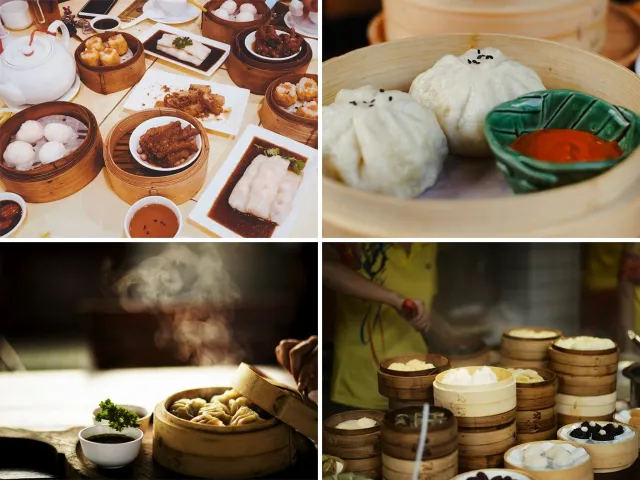
Weekend mornings are the busiest; arrive before 10 am or book a table. The eight places below cover old-school Liwan, garden restaurants and the modern dining rooms of Tianhe, so you can pick by neighbourhood rather than by queue.
Guangzhou Restaurant (Wenchang Road)
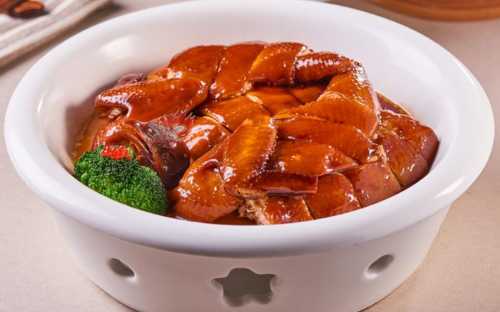
One of the city's oldest Cantonese restaurants, founded in the 1930s, and still a reliable standard for classic dim sum. The Wenchang Road branch in Liwan is the original; the dining rooms are large, so waits move faster than at the tourist-facing branches.
GUANGZHOU RESTAURANT
Tao Tao Ju (Dishifu Road)
A teahouse that has traded since 1880 and remains the name locals give when asked where to take visitors. The Dishifu Road shop is the one to visit for the tiled floors and the old menu; the upstairs room is calmer than the ground floor.
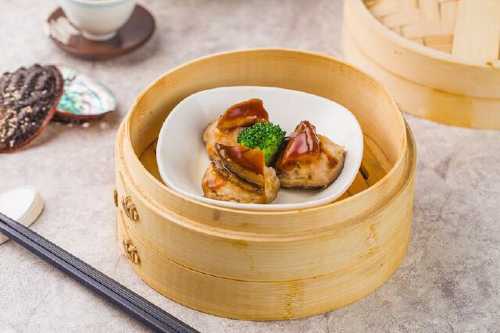
Tao Tao Ju Restaurant (Dishifu Road Main Branch)
Panxi Restaurant
A garden restaurant on Liwan Lake where dim sum is served in pavilions over the water. It is one of the most atmospheric of the old restaurants and a good choice for a long, slow breakfast; the menu runs to classic Cantonese rather than novelty.
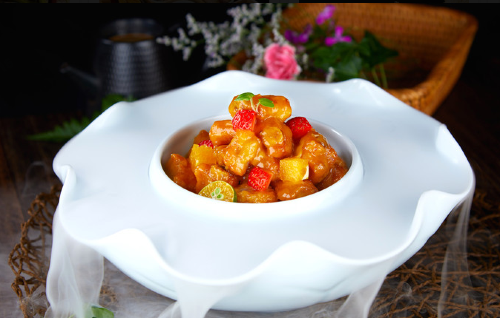
PANXI·RESTAURANT
 No. 8 of Global Traveller-Picked Restaurants in Guangzhou
Dian Dou De (Longjin Zhong Road)
A modern chain that has become the default for younger Guangzhou families, with a long menu and service from morning until late. The Longjin Zhong Road branch is a short walk from Chen Clan Ancestral Hall and the Line 1 and Line 8 interchange.
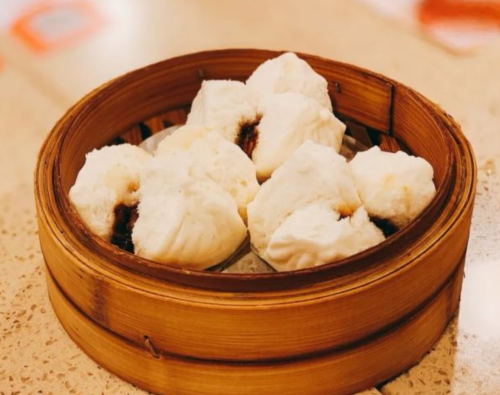
dian dou de ( da cha lou dian )
Lianxiang Lou (Beijing Road)
A pastry shop that dates to the 1880s and is known for lotus-seed paste, mooncakes and egg tarts. The Beijing Road branch is the most central; come for tea and a few sweets rather than a full meal.
lian xiang lou ( bei jing lu da fo si guang ming guang chang dian )
Beiyuan Restaurant
A garden teahouse on Xiaobei Road with a courtyard, wooden screens and a quieter room than the big names downtown. The dim sum list is short and traditional, and the pace suits a weekday morning.
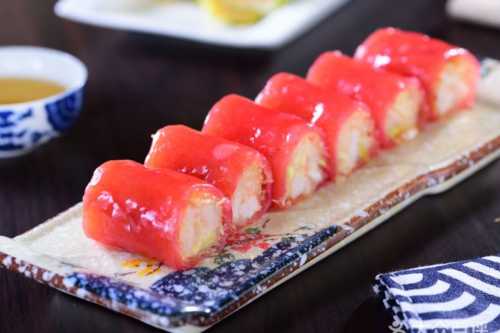
BEI YUAN CUISINE
No. 15 of Must-Visit Restaurants in GuangzhouTao Tao Ju Zhenpin (Tianhe City)
The most convenient address for Tianhe hotels, on the seventh floor of Tianhe City mall. Morning tea runs from 8 am to 4.30 pm and dinner starts at 5 pm; enter through the mall's east gate for the restaurant lifts.
tao tao ju · zhen pin ( tian he cheng dian )
Jade River, White Swan Hotel
A hotel dining room on Shamian Island with Pearl River views and a calmer, pricier dim sum service than the street-side teahouses. Reserve ahead at weekends, and ask for a window table when you book.
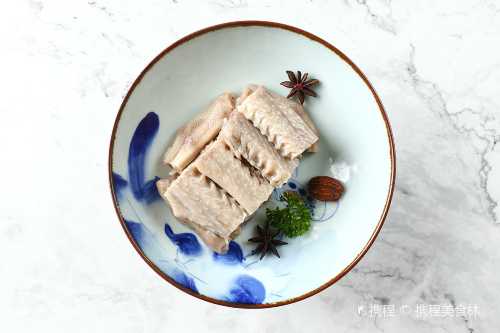
JADE RIVER
No. 2 of Must-Visit Restaurants in GuangzhouDim sum is a sit-down meal, which leaves the rest of the day for the city's snack streets. Most of them are in the old quarters of Liwan and Yuexiu, within a few metro stops of each other.
Shangxiajiu is a pedestrian street of arcaded shophouses running through Shangjiu Road, Xiajiu Road and Dishifu Road. Metro Line 1 stops at Changshou Road, and the food starts as soon as you leave the exit.
Chen Tianji is the fish-skin specialist: chilled, springy fish skin tossed with sesame, peanuts and sesame oil, eaten with congee. The Yongqingfang branch is a few minutes from the old shop and easier to find.
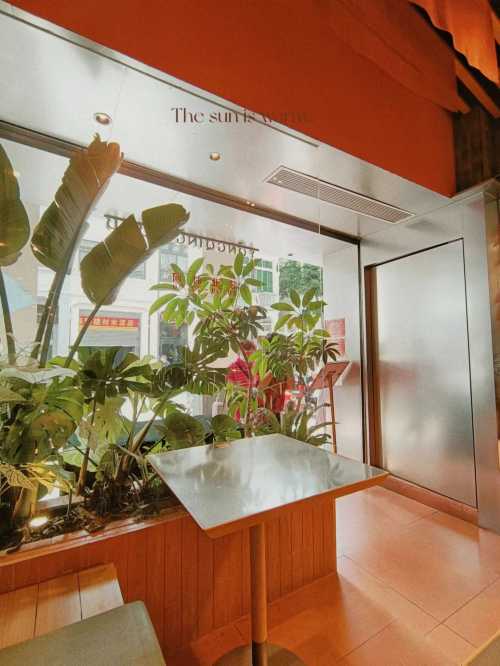
chen tian ji · xi guan lao zi hao ( yong qing fang dian )
Walk off lunch towards Enning Road and Yongqingfang, then loop back along Baohua Road for dessert. The lanes behind the main street are cheaper and less crowded than the frontage.
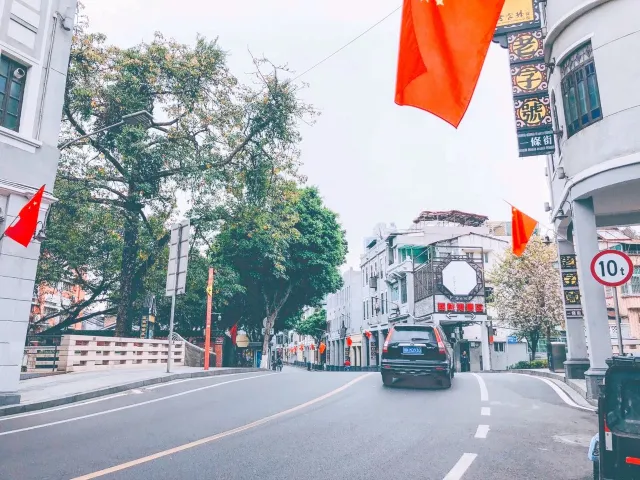
Beijing Road is the shopping street; Huifudong, the lane running off it, is the food street. Stalls open around 10.30 am and again from 4.30 pm, and the whole lane takes about an hour to walk and eat.
Apo Niuza on Wenming Road sells beef offal braised in a dark, spiced broth, served in a paper cup with radish. It is a five-minute walk from the Beijing Road crowd and costs less than a teahouse basket.
a po niu za · fei yi xiao chi ( wen ming lu dian )
Yinji is one of the city's best-known rice-noodle-roll chains, with shops across Guangzhou. The Xiaobei Road branch is near Beiyuan Restaurant, which makes it an easy second breakfast or a cheap lunch after a teahouse morning.
yin ji chang fen dian ( xiao bei dian )
For an evening crawl, take Metro Line 2 to Jiangnanxi in Haizhu, where the whole street is restaurants and the prices are lower than downtown. Cantonese congee, claypot rice and grilled seafood are the things to order.
A basket of dim sum costs CNY 15-40 at a mid-range teahouse, and tea is CNY 5-15 per person. Hotel restaurants add a 10-15% service charge; street-side teahouses usually do not.
Two people eating six or seven baskets with tea should budget CNY 150-250. Ordering fewer, larger dishes such as rice or noodles brings the bill down without losing the point of the meal.
Most teahouses give you a paper sheet to tick, with pictures and prices; staff will point at what is available. If a trolley comes past, you can simply point at the basket you want.
Useful words: har gau for shrimp dumplings, siu mai for pork dumplings, cha siu bao for pork buns and cheung fun for rice-noodle rolls. Ask for po lei or jasmine tea, and keep the lid open when you want a refill.
Weekdays between 8 am and 9.30 am are the calmest. Weekends from 10 am to 1 pm are the busiest, with 20-40 minute waits at the well-known restaurants.
Large restaurants take phone bookings, and hotel dining rooms take reservations online. For a weekend visit, book the day before and arrive on time; tables are usually held for 15 minutes.
From Hong Kong, high-speed trains reach Guangzhou South in under an hour, and buses run to several city-centre stops. Our guide to Hong Kong to Guangzhou transport compares the four options.
Baiyun Airport is connected to the city by Metro Line 3; the airport guide covers terminals, transfers and the last train times: Guangzhou Baiyun Airport.
Line 1 links the three main eating areas: Changshou Road in Liwan, Gongyuanqian in Yuexiu and Tiyu Xilu in Tianhe. Fares start at CNY 2 and are paid by scanning Alipay or WeChat at the gate.
Allow 20-30 minutes between districts. Taxis are cheap by international standards but slow in the morning and evening peaks, when the metro is faster.
Chen Clan Ancestral Hall, a short walk from Dian Dou De, is a good introduction to Lingnan architecture and takes about an hour. Shamian Island, Yongqingfang and Canton Tower fill the rest of a day.
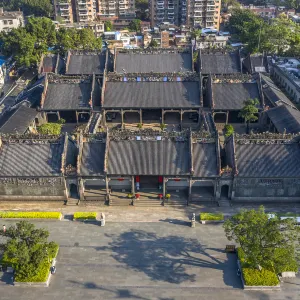
 Really enjoyed our time here. Nice to see the rich history. Incredible building. It is relatively small though, and very very busy. Worth seeing though.
If you are in town for business, our Canton Fair guide covers dates, badges and hotels around the Pazhou complex.
For more regional food, compare notes with our guides to Xi'an street food, Chengdu food and Beijing restaurants.
Popular recommendations
Xi'an Street Food 2026: 10 Snacks and Where to Eat Them
 OneVoyager
Chengdu Famous Food: Mapo Tofu, Kung Pao & Hot Pot (2026)
OneVoyager
Canton Fair 2027: How to Register, Dates, & Travel Guide
OneVoyager
Hong Kong to Guangzhou 2026: 4 Ways by Train, Bus & Flight
OneVoyager
Chongqing Food 2026: 8 Dishes & Best Restaurants to Try
OneVoyager
Guangzhou Railway Stations 2026: Which One Should You Book?
OneVoyager