Jiuzhaigou Valley 2026: Ticket Prices, Trains & One-Day Route

Contents
- Jiuzhaigou Tickets and Booking in 2026
- Where to buy Jiuzhaigou tickets
- Is the sightseeing bus worth it?
- Opening Hours and the Best Time to Visit
- Which season is best?
- How to Get to Jiuzhaigou from Chengdu
- By high-speed train (recommended)
- By plane
- By bus or private car
- What to See Inside Jiuzhaigou's Y-Shaped Valleys
- Rize Valley: Five Flower Lake and Pearl Shoal Waterfall
- Zechawa Valley: Long Lake and Five-Color Pond
- Shuzheng Valley: Nuorilang Waterfall and Shuzheng Lakes
- A realistic one-day route
- Inside the Park: Shuttles, Facilities and Practical Tips
- Getting around
- Altitude and weather
- Food and facilities
- Park rules
- Where to Eat and Stay Near Jiuzhaigou
- Restaurants
- Hotels
- More China Travel Guides
Show more
Jiuzhaigou Valley is a UNESCO World Heritage landscape in northern Sichuan, and the reason many travelers add a Chengdu stop to their China trip. Turquoise lakes, travertine terraces and wide waterfalls sit between forested ridges at 2,000–3,100 m. This guide covers 2026 ticket prices and booking, the fastest route from Chengdu, opening hours, and a realistic plan for the park's Y-shaped valleys.
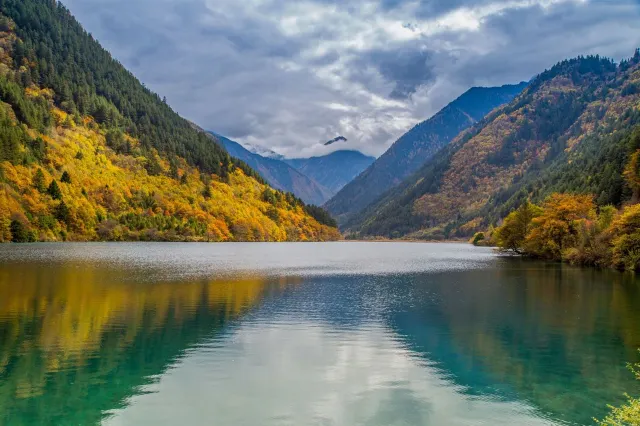
Photo: David Tran via Pexels
Jiuzhaigou National Park uses a two-part ticket: entry plus the internal sightseeing bus. Both are priced by season, and the bus is not optional in practice, because the valleys are spread over more than 60 km of road.

 This trip is returning trip to Huanglong station. The VIP 9 seater seats are better in quality, overall experience is good till we asked for toilet break at the rest stop which is already 1 hr since we started journey and driver said please wait for next stop which is 20 mins away as the road will be jam. At that time the road has no vehicles and whole 1 hour there are very few car (11.45am). We need only 5 to 8 min of toilet break. The reason for next stop is alight at retail shop and he said we have time can shop, sit and rest. Which we rather reach the train station earlier so we can have lunch. He was not happy. And refused to turn on aircon fan saying the fan speed is a control of vent for outside air, the whole vehicle is so stuffy, we had no choice but to open the air vents on top, still it is stuffy. When near the station, he sneezes few times without mask and we 'trap' in enclosed space. Hope driver can be more considerate.
Official sales run through the Jiuzhaigou WeChat mini-program and the Aba Tourism Network. Both require a real name and ID number, release tickets in advance, and close sales when the daily cap is reached. Book 7–14 days ahead in peak season and keep the QR code or confirmation on your phone.
Travelers without a mainland ID can book a Jiuzhaigou ticket package or day tour on Trip.com, which handles the reservation and entry formalities. If you are already in Zhangzha, the ticket office can help passport holders, but queues are long and same-day tickets are not guaranteed.
Yes. The park is a 60 km Y-shaped network of roads, and the buses hop on and off at every major stop. Walking between valleys is not realistic in a day, and the bus ticket is checked at boarding points. Nuorilang Centre is the main interchange between the two upper valleys.
The park opens earlier in peak season and closes at 18:00 year-round. The 14:00 entry cutoff matters more than the opening time: arrive in the morning if you want a full circuit.
The high-speed train plus shuttle is now the default route and has cut the journey from a full-day bus ride to half a day. Flights save time but are weather-prone; buses are the budget option.
Trains leave Chengdu East for Huanglong-Jiuzhai Station, with the fastest taking 1 h 39 min and most services 2–2.5 h. Second class costs about CNY 141, first class about CNY 225, and there can be up to 30 services a day in peak periods. Book on the 12306 app, which accepts passport registration, and check that your train actually stops at Huanglong-Jiuzhai, because some continue to Huangshengguan or Songpan.
The station sits at 2,977 m, 93 km from the park. Official shuttles meet the trains from about 06:00 to 23:00 and drop off at hotels in Zhangzha Town for CNY 28–56. Buy a seat in the shuttle mini-program five days ahead or at the visitor centre outside the station, and have your hotel name written in Chinese for the driver.
Jiuzhai Huanglong Airport (JZH) is 88 km and about 1.5 hours from the park, at 3,448 m. In 2026 direct flights are mainly from Chengdu and Chongqing. Winter fog and snow cause cancellations, and the jump from Chengdu's 500 m to 3,448 m can trigger altitude symptoms, so take the first day easy. Airport buses cost CNY 40–50; taxis and transfers CNY 200–300.
Long-distance buses leave Chengdu Xinnanmen for Zhangzha in about 8 hours for roughly CNY 168, via Wenchuan, Maoxian and Songpan. Landslides can delay the route in the rainy season. A private car or small-group tour takes 7–8 hours from Chengdu and is the easiest way to combine Jiuzhaigou with Huanglong, 105 km away.
The park is shaped like a Y. Rize Valley is the right branch, Zechawa Valley the left, and Shuzheng Valley the trunk that runs back to the entrance. Shuttles run up each branch and stop at the main sights, so you can ride to the top and walk downhill.

Photo: Yong Zhu via Pexels
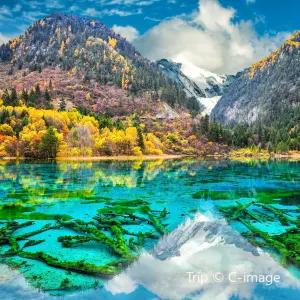

Five Flower Lake is the image most people associate with Jiuzhaigou: a shallow, many-colored lake with sunken logs visible through clear water. A boardwalk leads from there to Pearl Shoal Waterfall, a wide curtain of water best seen in morning light. Further up are Mirror Lake, Panda Lake and Arrow Bamboo Lake, each with its own shuttle stop.
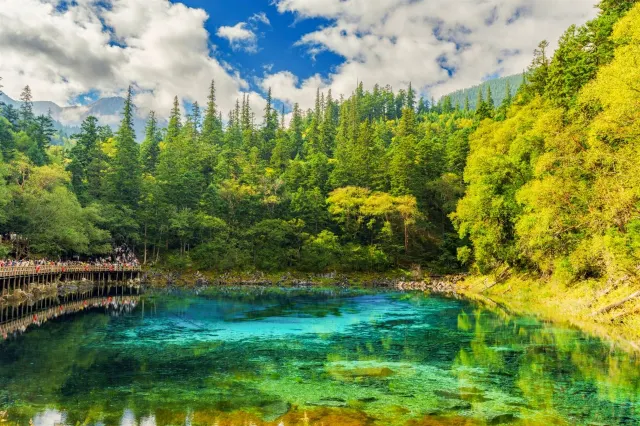
Photo: David Tran via Pexels
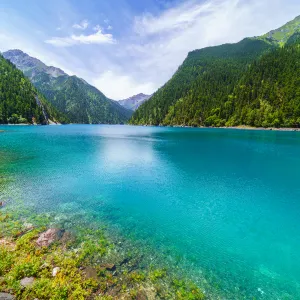

Long Lake is the largest and highest lake in the park at about 3,100 m, with snow peaks behind it. A 750 m boardwalk drops to Five-Color Pond, the smallest lake and the most saturated in color. The Primeval Forest above Long Lake closes in the off-season.
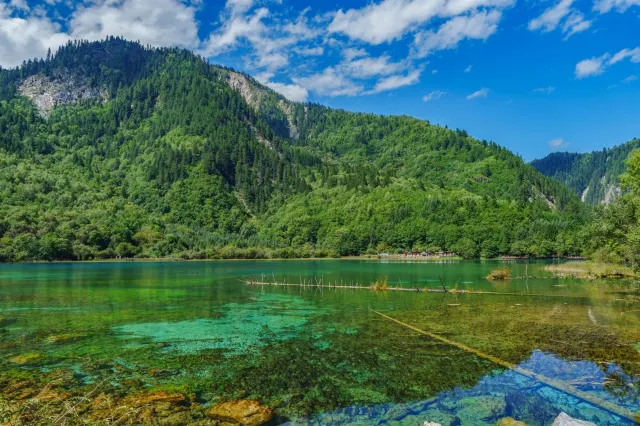
Photo: David Tran via Pexels


Nuorilang Waterfall is the widest travertine waterfall in China, around 320 m across. Below it, the Shuzheng Lakes step down through reed beds and small dams, followed by Tiger Lake and Rhinoceros Lake near the exit. Bonsai Shoal is the first stop after the gate.
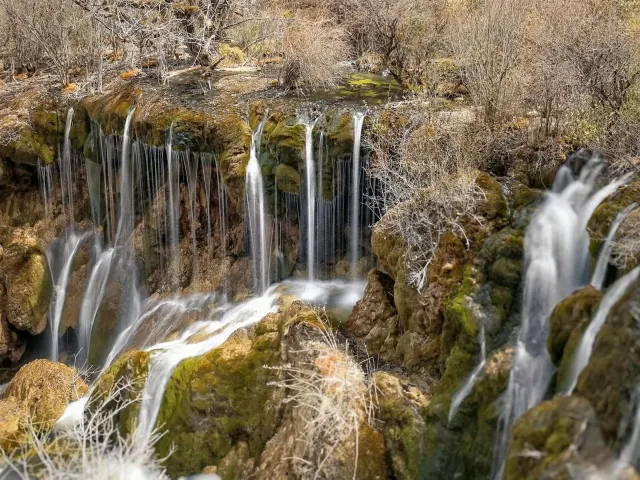
Photo: William Xin via Pexels

Photo: William Xin via Pexels
- 07:30 Enter and take the shuttle straight to Long Lake in Zechawa Valley.
- Walk down to Five-Color Pond, then shuttle back to Nuorilang Centre.
- Lunch at Nuorilang, then shuttle up Rize Valley.
- Walk down from Primeval Forest or Panda Lake through Five Flower Lake and Pearl Shoal Waterfall.
- Shuttle to Shuzheng Lakes and walk down past Nuorilang Waterfall, Tiger Lake and Rhinoceros Lake.
- Leave by 17:30–18:00; the last shuttles fill quickly.
Pick one valley to walk and one to ride. Trying to walk all three in a day is the most common mistake.
Buses are included with the bus ticket and stop at every major sight; signs are in Chinese and English. The last buses leave the upper valleys in the late afternoon, so check the time at Nuorilang before starting a long walk.
The park runs from about 2,000 m at the gate to 3,100 m at Long Lake. Move slowly on stairs, drink water, and skip alcohol on the first night. Weather changes fast: bring a waterproof layer, a warm mid-layer and non-slip shoes, because boardwalks stay wet and a full day easily reaches 15,000 steps.
The Nuorilang restaurant serves a buffet for about CNY 68 and simple rice bowls from around CNY 30. Bring snacks and a refillable bottle; hot water is available at rest stops. Toilets are at the main shuttle stops and are basic but clean.
No accommodation inside the park, no drones, no stepping into the water, no swimming, no pets and no smoking. Visitors must be out by 18:00, and rangers enforce the rules.
Everything is outside the gate, in Zhangzha Town and the village of Pengfeng, 5–10 minutes' walk from the entrance. Staying here lets you enter at opening instead of arriving from Chengdu at midday.
The main street is full of Tibetan and Sichuan restaurants; yak hotpot, butter tea and stir-fried wild vegetables are the local order. Portions are large, and most places accept Alipay and WeChat Pay, so set both up with a foreign card before you travel.
Zhangzha has everything from hostels to four-star hotels, and Pengfeng village has guesthouses closest to the gate. In peak season and during the October holiday, book at least 15 days ahead; prices double or triple for autumn weekends.
Popular recommendations
Jiuzhaigou guide 2026 for first timers (don't miss it): A complete guide to flights, accommodations, transportation, and 3-day, 2-night itinerary planning (updated October)
 Trip.Planner
Jiuzhaigou+Chengdu 7-day, 6-night travel guide 2026: Unlock must-experience activities with an easy itinerary planner (updated October)
Trip.Planner
Ultimate beginner's guide to Sichuan+Yunnan (2026): Flights, accommodations, transportation, and 16-day, 15-night itinerary planning (updated January)
Trip.Planner
2026 Chengdu Travel Guide - Best Things to do in Chengdu
 Travel Tips