[Lanzhou Free Travel] How to enjoy Lanzhou travel in 4 days and 3 nights, a comprehensive itinerary planning guide!

Contents
- Trip Planner
- Lanzhou Itinerary Planning Overview
- Lanzhou Day 1
- Gansu Provincial Museum
- Lanzhou Polar Ocean World
- Lanzhou Old Street
- Lanzhou Day 2
- Baiyun Temple
- Lanzhou Xiguan Grand Mosque
- Nanguan ethnic flavor street
- Yellow River Iron Bridge
- Yellow River Cableway
- Yellow River Mother Statue
- Day 3 in Lanzhou
- Dazhong Lane
- Fuchenghuang Temple
- Zhangye Road Commercial Street
- Lanzhou Museum
- Yellow River Hundred Miles Scenic Line
- Day 4 in Lanzhou
- Dunhuang Art Museum
- Gansu Museum of Bamboo Slips
- Gansu Science and Technology Museum
- Silver Beach Wetland Park
- Yellow River Tower
Show more
[Planning a new trip but don't know where to start? Let Trip.com's AI Itinerary Assistant generate custom itineraries with one click!]
✅ Copy a travel blog link to generate the same itinerary with one click
✅ Featured popular itineraries for the most authentic experience
✅ Import your favorite destinations and automatically arrange the best itinerary
✅ Check opening hours and recommended visit durations at attractions to ensure that every stop meets your expectations
This guide carefully plans a perfect 4-day and 3-night trip to Lanzhou for you. Covering local attractions, authentic food and popular shopping areas, you can easily travel around Lanzhou and enjoy a worry-free holiday. Whether it is an in-depth exploration of history and culture or a fashionable check-in in a modern city, this guide can meet your needs. Come and start your wonderful trip to Lanzhou!
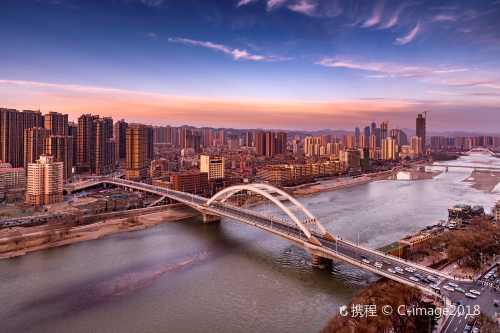

Look for camel bells along the Silk Road in the Gansu Provincial Museum, eat lamb legs and drink sweet mash in Nanguan Street, and watch the sunset and the lights of the iron bridge light up by the Yellow River.
Dunhuang murals depict thousands of years of colors, walking on the plank road in the wetland park to feed water birds, playing with beluga whales in the aquarium, and listening to Qinqiang opera in the old street.
| Date | Journey |
| Day 1 | Gansu Provincial Museum->Lanzhou Polar Ocean World->Lanzhou Old Street |
| Day 2 | Baiyun Temple->Lanzhou Xiguan Grand Mosque->Nanguan Ethnic Flavor Street->Yellow River Iron Bridge->Yellow River Cableway->Yellow River Mother Statue |
| Day 3 | Dazhong Lane->Fuchenghuang Temple->Zhangye Road Commercial Street->Lanzhou Museum->Yellow River Hundred Miles Scenic Line |
| Day 4 | Dunhuang Art Museum->Gansu Museum of Bamboo Slips->Gansu Science and Technology Museum->Yintan Wetland Park->Yellow River Tower |
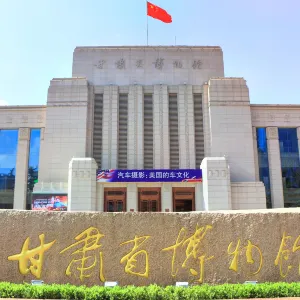
The Gansu Provincial Museum is located in Qilihe District, Lanzhou City. It houses numerous precious cultural relics and treasures. It ranks among the top museums in the country in terms of its splendour and richness. It is one of the landmark buildings for visiting Lanzhou city. Since Gansu is located on the Silk Road and is also the border between Han and Tibetan areas, a large number of cultural relics reflecting the culture of the Western Regions, Central Plains and Tibetan areas have been unearthed and displayed, making the cultural relics in the museum rich and colorful and unique, which is very worth visiting. The bronze statue of Horse Stepping on Flying Swallow and the brick painting of Postman in the museum are famous and precious national treasures that you cannot miss when visiting.
The museum has three floors, divided into several themed permanent exhibition halls: the Silk Road Civilisation Exhibition, Gansu Buddhist Art Exhibition, Gansu Painted Pottery Exhibition, Palaeontology Exhibition and Red Gansu. Among them, the three themes of the Silk Road, Buddhism and Painted Pottery are more exciting, and you can visit according to your interests. There is also a temporary exhibition hall on the first floor, which often hosts temporary exhibitions of cultural relics and artworks. There are many exhibits in the museum, and it usually takes nearly half a day to visit them all.
The Silk Road Civilisation Exhibition is located on the second floor and is the core exhibition of the Gansu Provincial Museum. The famous bronze galloping horse statue of Horse Stepping on Flying Swallow is displayed here. The shape of this bronze statue is now a symbol of Chinese tourism. The statue has only one foot on the ground but can stand firmly, demonstrating the superb casting skills of ancient times. Horse Stepping on Flying Swallow is also the treasure of the entire museum. The famous brick with the picture of the postman is also here. The picture of the postman painted on it has now become the symbol of China's postal industry. In addition to these two national treasures, the museum houses many precious cultural relics from the ancient Silk Road, including artifacts from the Central Plains culture, treasures left behind by Western Regions and even European civilizations that arrived here via the Silk Road in ancient times, as well as the unique culture left by Islam in ancient China. In some areas, the lifestyles and customs of the ancient Western Regions countries have been restored through sand tables and other means, which are very ethnic and eye-opening.
The Gansu Buddhist Art Exhibition is located on the third floor and is also an important exhibition in the museum. There are grottoes replicated from the Mogao Grottoes and the Maijishan Grottoes, huge white pagodas and prayer wheels of Tibetan Buddhism, etc. Walking into the exhibition hall feels like being in a magnificent and huge temple. The Buddha statues, ritual instruments, etc., displayed in the museum are also very exquisite. There are both historical relics of Han Buddhism and precious religious objects of Tibetan Buddhism. Such a fusion can only be seen in areas like Gansu, where Han and Tibetan Buddhism merge. It is very unique.
The Gansu Painted Pottery Exhibition is also on the third floor. As soon as you enter the exhibition hall, you feel like you are in an ancient tribe. The ancient thatched houses and the working tribesmen are all replicated. The portraits in the exhibition hall are so lifelike that if you look closely, you'll have the illusion that they are real people. The museum displays numerous pottery pieces from the Majiayao Culture, Qijia Culture, Yangshao Culture and other cultures dating back four to five thousand years. Although they were thousands of years old, the pottery at that time was already very exquisite, with various beautiful patterns and unique shapes, which can be viewed one by one.
The palaeontology theme exhibition is divided into two exhibition halls. The second floor is the fossil exhibition, which displays the fossils of ancient creatures such as dinosaurs. The most famous one is the Yellow River elephant fossil, which is the largest ancient elephant fossil discovered in my country. On the third floor is an exhibition of models of ancient elephants and dinosaurs. Walking into the exhibition hall feels like being in the world of dinosaurs, which children will like more. The Red Gansu theme exhibition hall on the second floor displays revolutionary relics from the Nanliang base and the Shaanxi-Gansu-Ningxia Border Region during the revolutionary period, which you can visit.
There is a cafe on the second floor of the museum. The prices are the same as those in ordinary cafes outside. If you are tired, you can go in and have a cup of coffee and take a break. There are volunteers in the museum who provide explanations from time to time, but you may not always meet them. You need to make an appointment in advance by phone to ask for a specialist explanation. The price varies from about 100 to 300 yuan, depending on the number of people and the language. You can also connect to the museum's wireless network via your mobile phone and listen to the voice explanation by scanning the QR code of the cultural relics. In addition, the museum also provides free wheelchair rental and luggage storage services. For details, please visit the official website.
Address: No. 3, Xijin West Road, Qilihe District, Lanzhou City, Gansu Province
Business hours: Open from 09:00 to 17:00 tomorrow (no admission at 16:30)
evaluate:
| ❤️Gansu Provincial Museum is located in Qilihe District, Lanzhou City. It is the largest comprehensive museum in Gansu Province. It is also a national first-class museum. It has a rich collection❣️showing the long history and culture of Gansu and the brilliant achievements of the Silk Road. ✅Opening hours: Tuesday to Sunday 9:00-17:00 (no admission at 16:30). Closed on Monday. Except for statutory holidays. Tickets are free, and you need to bring your ID card to collect them. ✅Main exhibition hallsSilk Road Civilisation Exhibition👉🏻Displaying precious cultural relics on the Silk Road😍Including bronze galloping horse👉🏻Horse stepping on flying swallow👉🏻Han Dynasty bamboo slips, etc.Gansu Painted Pottery Exhibition❣️Focus on the painted pottery culture from the Neolithic Age to the Bronze Age. Gansu Buddhist Art Exhibition👉🏻Presenting the essence of Buddhist art such as Dunhuang Mogao Grottoes👉🏻Maijishan Grottoes Paleontological Fossil Exhibition👉🏻Exhibiting dinosaur fossils and other paleontological specimens found in Gansu✅Treasures of the town hall Bronze Galloping Horse👉🏻Horse stepping on flying swallow👉🏻Eastern Han Dynasty bronzes👉🏻Chinese Tourism Logo🥰Human head-shaped painted pottery bottle👉🏻New Stone Age Majiayao cultural treasures. |
 Teacher Li's explanations were excellent. The children found it very interesting. Although the venue was crowded, the teachers took turns explaining the content and even found places for the children to rest. It didn't affect the overall experience at all, and I was very satisfied.
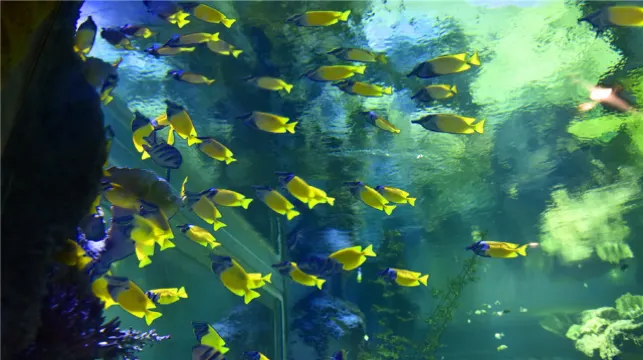
Since its opening in early 2016, Lanzhou Ocean Polar World has become a popular ocean polar theme park. The park is home to a variety of marine and polar animals, and visitors can observe these amazing creatures up close and learn about their living habits. In addition, the park offers special animal performances and interactive rides, such as dolphin shows and sea lion shows, which are wonderful and deeply loved by children. Whether strolling through the ocean tunnel or participating in interactive activities, one can feel the wonder and magnificence of the ocean world.
Address: No. 303, Jianxi East Road, Qilihe District, Lanzhou
Business hours: Open from 09:00 to 18:00 tomorrow
evaluate:
| Tropical Ocean Area: You can see various tropical marine creatures, such as colorful tropical fish. Fantasy Jellyfish Area: You can see jellyfish of various shapes that look like dreams under the lights. Undersea diving area: There are huge sea turtles, agile sharks, etc., as if you are in the underwater dragon palace. Ice Age Area: You can see cute penguins and other polar animals. Beach Ocean Area: Mermaid shows are held here, with actors dressed in gorgeous fishtail costumes performing a beautiful underwater fairy tale. |


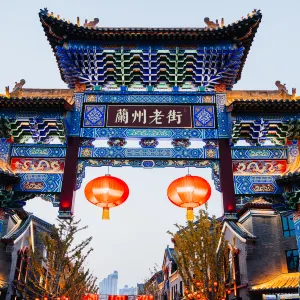
Lanzhou Old Street is located in the city center of Lanzhou. It aims to create a 24-hour commercial district in the northwest. With the development strategy of "dry, hot, red and taste", it brings together national brands, night economy, trendy clothing brands, retail stores, experience-based business formats, catering and entertainment facilities, etc., to lead the creation of a place in Lanzhou where people can eat, drink, play and have fun.
Address: No. 606, Xijin West Road, Tumendun Street, Qilihe District, Lanzhou City, Gansu Province
Opening hours: 24 hours a day, all year round
evaluate:
| Lanzhou Mansion, the landmark building of Lanzhou Old Street, is modelled after the ancient buildings of the Ming and Qing Dynasties. It not only carries a profound historical heritage, but also becomes a brilliant business card showcasing Lanzhou’s millennium-long humanistic culture. Lanzhou Prefecture, the name of an ancient Chinese administrative division, has witnessed the history of Gansu Province since the division of Shaanxi and Gansu, and its capital is Lanzhou. This iconic building adopts a two-courtyard design, cleverly integrating the dual functions of a government office and a folk museum. There is a river in the old street, with small bridges and flowing water, similar to the south of the Yangtze River. There is blue light reflected on the river, which is very dreamy. It was a wonderful feeling to take a walk along the river after dinner. Lanzhou Old Street is an open tourist attraction and a low-density block-style shopping center located in the center of Lanzhou city. It is a great place to experience Lanzhou's nightlife and food. The transportation on the old street is very convenient. Metro Line 1 goes directly to the vicinity of the old street. It is less than a minute's drive to the West Railway Station. Multiple buses can also reach the station. |

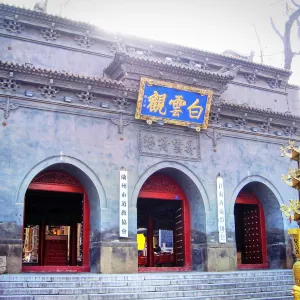
Baiyun Temple, also known as Lu Zu Temple, was first built in the 17th year of Daoguang in the Qing Dynasty (1837 AD). There is a statue of Lu Dongbin enshrined in the Baiyun Temple. There are a group of three buildings, including the East and West River Viewing Towers, a theater, and front, middle and back yards. On both sides are the Yunshui Hall, the Bell and Drum Tower, the Taoist temple, etc. There are gardens, the Eight Immortals Pavilion, Xiaosha Pavilion and other buildings in the rear hall, which are ancient and charming.
Address: No. 987, Nanbinhe East Road, Chengguan District, Lanzhou
Opening hours: Please contact the attraction to confirm specific opening hours
evaluate:
| Lanzhou Baiyun Temple is a key cultural relic protection unit in Gansu Province. The office addresses of Gansu Province and the Lanzhou Taoist Association. 【Scenery】Towering ancient trees and ancient buildings. 【Fun】A A place for religious activities. 【Value for money】Free admission. |

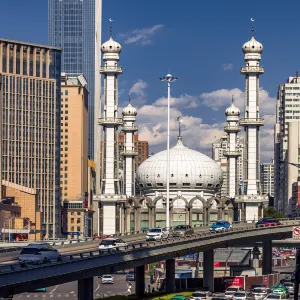
Address: No. 1 Cuiyingmen, Chengguan District, Lanzhou City, Gansu Province
Business hours: Open from 8:00 to 19:00 tomorrow
evaluate:
| I travelled to Lanzhou on my own and checked in at the Xiguan Mosque. Since I am Han Chinese, I couldn't go in to see much. I just took a few photos at the entrance and left. [Scenery] The religious color is distinct. 【Fun】A A place for religious activities. 【Cost-effective】High! |
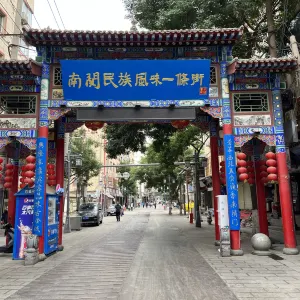
Nanguan Ethnic Flavor Street, located in Lanzhou, Gansu, is an ideal place to experience the local multicultural cuisine. This street is famous for its rich ethnic snacks, bringing together traditional food from many ethnic groups, including the Hui and Tibetan. Visitors can taste authentic Lanzhou beef noodles, hand-pulled lamb, stuffed pig skin and other local snacks here, and experience the strong local style.
The shops on both sides of the street have unique decorations that blend traditional and modern elements, creating a lively and warm atmosphere. When night falls, the streets are brightly lit, vendors greet customers warmly, and tourists come in an endless stream. It is a great place to experience Lanzhou's nightlife.
Nanguan Ethnic Flavor Street has a superior geographical location and convenient transportation. It is close to the city center and major attractions, making it a suitable place for tourists to relax and dine after visiting other attractions. Visitors are advised to visit in the evening to avoid the midday heat while enjoying the vitality of the night market.
Address: No. 234 Jiuquan Road, Chengguan District, Lanzhou City, Gansu Province
Business hours: Open from 07:00 to 21:00 tomorrow
evaluate:
| The Nanguan National Flavor Street includes: Lanzhou Nanguan Mosque, the Eighth Route Army Office in Gansu and the exit of Gansu Anti-Japanese and National Salvation Exhibition Hall, as well as many halal restaurants. It should be related to the existence of the Grand Mosque. 【Scenery】Many antique buildings. 【Value for money】Free tour. |

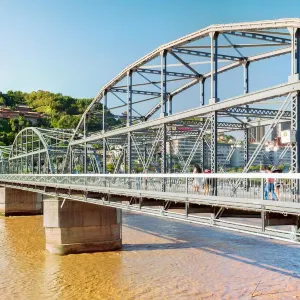
The Yellow River Iron Bridge, also known as the Zhongshan Bridge, is one of the landmark buildings in Lanzhou and a must-visit place for tourists visiting Lanzhou. This iron bridge was built in the late Qing Dynasty and was the first permanent bridge across the Yellow River at that time. The iron bridge was built by the Germans, and all the materials were shipped from Germany. On the north bank of the Yellow River, Iron Bridge is the famous Baita Mountain, which has many buildings and historical sites. Many people like to go there to climb mountains and take pictures of the Yellow River Iron Bridge and the panoramic view of Lanzhou.
Address: At the foot of Baita Mountain, north of the middle section of Binhe Road, Chengguan District, Lanzhou City, Gansu Province
Opening hours: 24 hours a day, all year round
evaluate:
| Lanzhou Yellow River Bridge, also known as Zhongshan Bridge, is located in the middle section of Binhe Road at the foot of Baita Mountain in Lanzhou City, Gansu Province. It was built in a collaborative model with a design by an American bridge company, construction by the German firm of Taylor & Co., and construction by Chinese craftsmen. On May 9, 1908, the 34th year of the reign of Emperor Guangxu of the Qing Dynasty, the construction of the Lanzhou Yellow River Iron Bridge officially started. On August 19, 1909, the first year of the Xuantong reign of the Qing Dynasty, the Lanzhou Yellow River Bridge was completed and opened to traffic. In the 17th year of the Republic of China (1928), it was named "Zhongshan Bridge" in memory of Dr. Sun Yat-sen. The Lanzhou Yellow River Bridge is 233.5 meters long and 8.36 meters wide. It has four piers and five holes, and the span of each hole is 45.9 meters. The upper structure is a trapezoidal through-type steel truss. Each span is a truss system composed of an over-static structure and is divided into five rectangles by vertical steel frames. The Lanzhou Yellow River Bridge is the first bridge in the entire northwest region of China in modern history that was built with foreign technology. This special construction background and construction period make the Lanzhou Yellow River Bridge the key to studying modern history, and it occupies a unique position in China's architectural history. As a transportation structure project, the Lanzhou Yellow River Bridge embodies the style, school and characteristics of the development of architectural art during the Westernisation Movement in modern Chinese history. At the same time, the transportation process of materials needed to build the bridge also created a miracle in modern transportation history. On May 25, 2006, the Lanzhou Yellow River Iron Bridge was announced by the State Council of the People's Republic of China as the sixth batch of national key cultural relics protection units. [5] On April 12, 2019, it was selected into the “China Industrial Heritage Protection List (Second Batch)” hosted by the Publicity and Propaganda Department of the China Association for Science and Technology and co-organised by the Innovation Strategy Institute of the China Association for Science and Technology and the China Urban Planning Society. [6] |

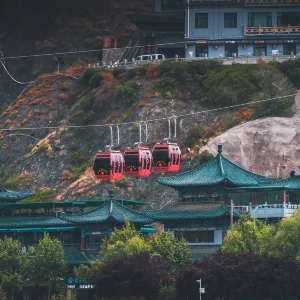
The Yellow River Cableway was completed and put into operation in 1994. It is a single-line pulsating circulating cabin cableway with four groups of cabins, three in each group, and each cabin can accommodate six people. Lanzhou is known as the "Yellow River Capital". The Yellow River runs through the city. Sitting on the cable car and watching the surging Yellow River is a completely different feeling.
Address: No. 328, Nanbinhe Middle Road, Lanzhou
Business hours: Open from 09:00 to 18:00 tomorrow
evaluate:
| It is very close to Zhongshan Bridge, just a few steps away. It is worth taking a ride and experiencing it. Sitting on the top of the mountain, you can overlook the scenery of Lanzhou. It is very nice and walks slowly. Walking down, the body is also exercised, and the beautiful scenery is also panoramic. It is worth recommending. |

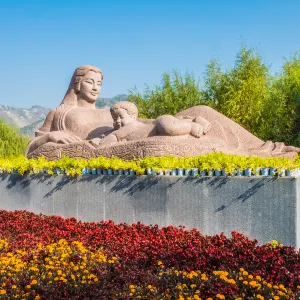
The Yellow River Mother Sculpture is located in the middle section of Binhe Road on the south bank of the Yellow River in Lanzhou. It was created by sculptor Ms. He E. The Yellow River Mother Sculpture consists of "Mother" and "Baby Boy", symbolising the Yellow River Mother who nurtures the Chinese nation's endless vitality and is indomitable, and the happy, blessed and thriving Chinese descendants. The base under the sculpture is engraved with water ripples and fish patterns, which are original patterns derived from ancient painted pottery in Gansu.
Address: Middle section of Binhe Road, Qilihe District, Lanzhou City (north side of Xiaoxihu Park)
Opening hours: 24 hours a day, all year round
evaluate:
| The Yellow River Mother Statue has a beautiful environment and is the best place for weekend leisure and vacation. There are also cruise ships, speedboats and sheepskin rafts at the Yellow River Pier, where you can take a boat tour of the Yellow River and the Waterwheel Park, etc. It is suitable for family fun and taking photos. |

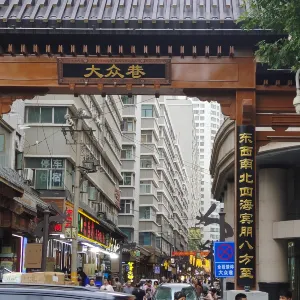
Dazhong Lane is located in the Chengguan District of Lanzhou City. There are some small shops here. Although they are not well-known, they still have authentic taste. It concentrates many time-honoured brands with high reputation in Lanzhou, such as "Ma Zilu Beef Noodles", "Grey Bean King", "Ru Ji Barbecue", "Jincheng Fried Noodles" and so on. In short, Dazhong Lane interprets the pure Lanzhou food legend every day.
Address: Chengguan District, Lanzhou City, Gansu Province
Opening hours: 24 hours a day, all year round
evaluate:
| In Lanzhou, I went to the Xinguang Night Market in Dazhong Lane. It was crowded with people. The various foods were unique and mouth-watering. I chose several of them to taste, and they were delicious. There were Ma Zilu beef noodles, sweet shops, grey beans, stuffed skins, and many other Lanzhou speciality snacks, which were sweet and delicious. It was really a street of delicious food and a must-visit place for tourists who come to Lanzhou. |

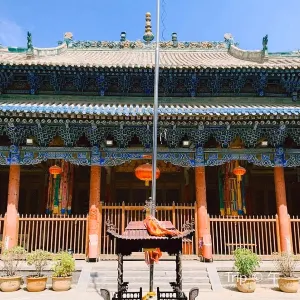
Lanzhou City God Temple is located on Zhangye Road Pedestrian Street. It was founded in the Northern Song Dynasty and was built to worship the Han general Ji Xin as the City God. The existing ancient buildings are from the Ming and Qing dynasties and are a four-entry palace-style wooden garden ancient building complex. It is now the Lanzhou Workers' Club, and has become a cultural antique market with local Lanzhou characteristics, including antiques, calligraphy and paintings, four treasures of the study, jade, porcelain, bronze, carved gourds, carved inkstones, embroidery, cultural gifts, rare stones from the Yellow River, old books, coins, stamps, etc.
Address: No. 202, Zhangye Road, Chengguan District, Lanzhou
Business hours: Open from 09:00 to 18:00 tomorrow
evaluate:
| Lanzhou City God Temple is located on Zhangye Road, Chengguan District, Lanzhou City. It is a national key cultural relic protection unit. It was founded in the Northern Song Dynasty and has been repaired many times in subsequent generations. The existing ancient building complex is from the Qing Dynasty. It covers an area of 9,066 square meters and has a construction area of 12,870 square meters. There are three halls dedicated to the Han general Ji Xin, so it is also called Ji Xin Temple. It is a good place for friends to visit. |
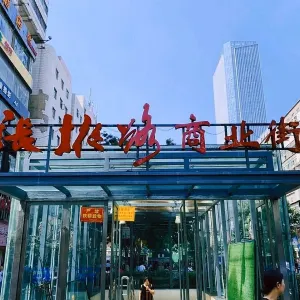
Zhangye Road Commercial Street has been the city's symbol and core area of Lanzhou since ancient times. It is the oldest commercial street in the minds of Lanzhou people and a street that integrates sightseeing, dining and leisure. It is also a street with a rich cultural and historical heritage.
Address: No. 130 Zhangye Road, Chengguan District, Lanzhou
Business hours: Open from 09:00 to 21:00 tomorrow
evaluate:
| Zhangye Road Pedestrian Street has always been a landmark and core area of Lanzhou, a bit like Wangfujing in Beijing or Nanjing Road in Shanghai, with various department stores, speciality shops and retail stores gathered here. 【Products】Rich and diverse. 【Environment】Pedestrian street. 【Service】Excellent! |
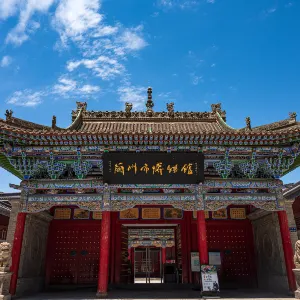
Lanzhou Museum is located in Chengguan District, Lanzhou City, Gansu Province. It is a comprehensive museum integrating cultural relics collection, research, display and education. The museum building is simple and elegant, which complements Lanzhou's long history and culture. It is an important window for tourists to understand the history of Lanzhou and the Gansu region. The museum has a rich collection, covering various cultural relics from the Neolithic Age to modern times, including painted pottery, porcelain, metal, stone, jade, paper, etc., among which the Majiayao culture painted pottery and Han Dynasty bamboo slips are more distinctive.
These precious cultural relics vividly demonstrate Lanzhou's historical status as an important city on the ancient Silk Road, as well as its cultural background of diverse ethnic integration. The museum's permanent exhibition is centred on the "Lanzhou History and Civilisation Exhibition", which systematically presents the development process of Lanzhou from prehistoric civilisation to a modern city through scene restoration, multimedia interaction and other forms. In addition, the museum also regularly holds special exhibitions and cultural activities to provide the public with a diverse cultural experience.
Address: No. 240, Qingyang Road, Chengguan District, Lanzhou
Business hours: Open from 09:00 to 17:00 tomorrow (no admission at 16:30)
evaluate:
| Lanzhou Museum, a national first-class museum, is located in the Baiyi Temple at No. 240, Qingyang Road, Chengguan District, Lanzhou City, Gansu Province. It was established in 1984 and built on the site of the Baiyi Temple in the Ming Dynasty. It covers an area of 4,700 square meters and has a total construction area of nearly 5,800 square meters, including more than 4,000 square meters of exhibition halls and more than 700 square meters of warehouses. Lanzhou Museum has a collection of 12,633 cultural relics, including 53 national first-class cultural relics, 82 second-class cultural relics, and 698 third-class cultural relics. The museum has a complete collection of cultural relics, including fine products, which can be divided into pottery, porcelain, metal, stone, jade, paper, etc., according to their texture. Among them, the painted pottery from the Majiayao culture, the paintings and calligraphy of local celebrities in Gansu during the Ming and Qing dynasties, and the cultural relics stored in the Baiyi Temple Pagoda are relatively abundant and distinctive. The Banshan painted pottery drum, Eastern Han Dynasty ink paper, and Ming Dynasty jewellery crafts are all top-notch cultural relics of their kind. |

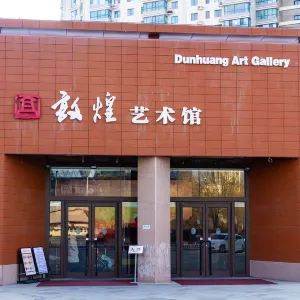
The Yellow River Scenic Line is the core scenic spot of Lanzhou City, Gansu Province. It starts from Yantan in Chengguan District in the east and ends at the west of Xigu District in the west. It is a north-south riverside road with a total length of more than 100 miles. It is the longest urban riverside road in the country. Lanzhou is a provincial capital city with the Yellow River running through it. The people of Lanzhou have made use of this resource and built the Yellow River Scenic Line in accordance with local conditions. The Yellow River Scenic Line takes Zhongshan Bridge as its central axis and relies on the scenery on both sides of the Yellow River. It is a riverside scenic area built on the mountain and is ingeniously created. It is called "Lanzhou Bund" by guests from all over the country.
Address: 50 meters north of Nanbinhe East Road, Chengguan District, Lanzhou
Opening hours: 24 hours a day, all year round
evaluate:
| Our mother river, the Yellow River, runs through the city. The best scenic line of Lanzhou’s mother river is simply the best place to view the Yellow River. |
The Dunhuang Art Museum is a unique venue showcasing Dunhuang art and culture, located in Lanzhou, the capital of Gansu Province. The art museum introduces visitors to the glorious history and cultural connotations of the Dunhuang Grottoes art through rich exhibitions and multimedia displays. The museum houses a large number of reproduced murals, sculptures and cultural relics, vividly reproducing the artistic essence of the Mogao Grottoes in Dunhuang.
Visitors can admire exquisite replicas of murals here and learn about cultural exchanges and the development of religious art along the ancient Silk Road. The art museum also provides guided tours to help visitors better understand the historical stories behind the exhibits. The multimedia exhibition area uses modern technology to enhance the viewing experience, making visitors feel as if they are in the Dunhuang Grottoes.
There is a souvenir shop in the museum, selling books and handicrafts related to Dunhuang culture. It is a good place to buy souvenirs. When visiting, please follow the museum's photography regulations to maintain a good visiting environment. Lanzhou has convenient transportation, and tourists can choose public transportation or a taxi to go to the art museum.
Address: 2nd-3rd Floor, No. 143, Qinzhouhu Street, Dunhuang Shazhou Night Market, Dunhuang City, Jiuquan City
Business hours: Open from 09:00 to 17:00 tomorrow (no admission at 16:30)
evaluate:
| The 1:1 replica concentrates the essence and reflects the spirit of the Mogao Grottoes in Dunhuang. By restoring the history of Mogao Grottoes, people can directly visit and study them in Lanzhou, which meets the needs of some people who cannot go to Mogao Grottoes in Dunhuang. The scenes are comprehensive, the content is rich, and the colors are colorful. |

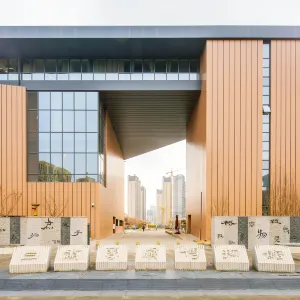
The Gansu Bamboo Slips Museum was established on December 12, 2012. It is mainly responsible for the collection, preservation, protection, restoration, organisation, research, display and utilisation of bamboo slips unearthed in Gansu. The museum has four permanent exhibitions: "The Era of Bamboo Slips", "A Brief Account of the Silk Road", "Frontier People", and "Written in Bamboo Slips and Silk Books". Through physical displays, graphic explanations, video interactions, scene restoration and other display methods, it comprehensively and vividly presents the Silk Road culture and Chinese wisdom in Gansu bamboo slips to the public.
Address: No. 12, Yintan South Road, Qilihe District, Lanzhou
Business hours: Open from 09:00 to 17:00 tomorrow (no admission at 16:30)
evaluate:
| It's a great museum. Those who are interested in history and the humanities can consider spending at least half a day there. There are four groups of public lectures every day. The lectures are very good and you must listen to them. The lectures last about an hour. The museum exhibitions are very good, and a lot of multimedia and models are used. Tourists from other places who are short of time can consider browsing the electronic exhibition on the official account first. After all, there is a lot of content. There are models of the history of the discovery of bamboo slips in various parts of Gansu, including Xuanquanzhi, Pochengzi, Jianshui Jinguan, and Majuanwan. The museum's treasures, "The Book of Advantages and Disadvantages of Xiangli Swords" (the firm standards and methods of swords) and "The Inscription on the Mud Wall of Xuanquanzhi: The Imperial Edicts of the Four Seasons and Months", contain a lot of content suitable for primary and secondary school students. I think that the Bamboo Slips Museum is equivalent to a national library (in China, many bamboo slips have been discovered in Gansu and Hunan, so it is okay to call it a national library). It uses a simple and easy-to-understand way to let everyone understand these books (bamboo slips) and the significance of these books (bamboo slips) for us modern people to study ancient times. In short, if you are interested in history and the humanities, this place is worth it. |

Gansu Science and Technology Museum is located on Yin'an Road, Anning District. It mainly consists of two parts: the Gansu Science and Technology Museum and the Gansu Provincial Science and Technology Association office building, with a total construction area of 41,800 square meters.
Address: No. 568 Yin'an Road, Anning District, Lanzhou City, Gansu Province
Business hours: Open from 09:30 to 16:30 tomorrow
evaluate:
| Formerly known as "Lanzhou Science Palace", renamed Gansu Science and Technology Museum in 2005, and was completed and opened on December 28, 2017. ➤Exhibition theme: Experience science, feel innovation, and develop harmoniously➤Accompanying children: 1 adult can bring 2 children with reservation➤Venue layout: ◉Basic permanent exhibits: 1F: Gansu Science and Technology/Pixel World/Puff Castle 2F: Science and Technology Life/The Birth of Life//Difficult Evolution/Smart Bookstore/Secrets inside the Body 3F: Cosmic Exploration/Exploration and Discovery◉Giant Screen Cinema: (limited to the number of people and only one appointment per day) "Havoc in Heaven" 10:00 show "Raccoon Adventure" 11:25 show "Return to the Permian" 14:15 show "Magic Castle" 16:05 show. |
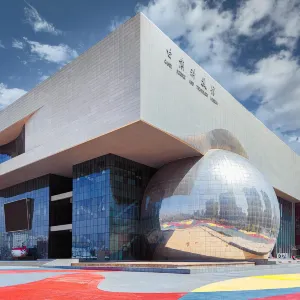

Yintan Wetland Park is located on the east and west sides of the northern section of Yintan Bridge at the western end of Beibinhe Road, Anning District, Lanzhou City. Yintan Wetland Park is a theme park that reflects the ecological diversity of the Yellow River. The park has aquatic plants such as lotus, reeds, and cattails. The park is designed around the concept of "water, grass, roads, bridges and stones", and has created landscapes such as "one water, one road, four lakes and twenty-four bridges". It is known as the "emerald inlaid on the bank of the Yellow River".
Address: North of Yintan Bridge, Beibinhe Road, Anning District, Lanzhou City (near Gansu Agricultural University)
Opening hours: 24 hours a day, all year round
evaluate:
| 🌻 worth a visit! The core sculpture is the bronze statue of Fuxi and Nuwa. ‼ ️Design theme: 📍Fuxi is based on the creation of the Eight Diagrams. He is in a half-squatting posture, with a majestic and solemn shape, and his eyes looking down at the earth; 📍Nuwa is based on the legend of "repairing the sky". She has a soft and dignified posture, looking up at the universe and raising her hands to repair the sky. 📍Symbolic meaning: The combination of the two forms an "S" shape, reflecting the philosophical idea of the harmony of yin and yang and the unity of man and nature. ✅The author of the statue, Wu Weishan, is the president of the China Sculpture Institute. His works have both artistic quality and cultural depth. 🌈Cultural Positioning: The sculpture aims to promote the spirit of the ancestors of Chinese humanity and become one of the cultural landmarks of Lanzhou. ✅This sculpture is not only the largest themed sculpture in Gansu, but also a cultural business card of Lanzhou. ✅In the park, small bridges, flowing water, and pavilions are scattered in an orderly manner, the lake is rippling, geese are playing in the water, and spring is in the air. It is a perfect place to relax and unwind. |
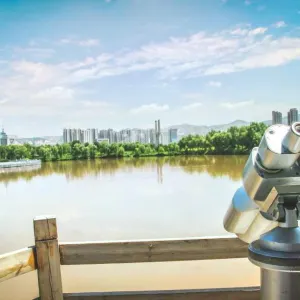

The Yellow River Tower is located in the Matan area of Qilihe District, Lanzhou City. It covers an area of 36,545 square meters (54.8 acres), with a total construction area of 51,685 square meters, including the main building of the Yellow River Tower of 15,100 square meters, a podium of 24,655 square meters, an underground construction area of 11,930 square meters, and a total height above ground of 93.39 meters. The project started construction in 2016, was completed in May 2019 and was handed over to Lanzhou Yellow River Ecotourism Development Group Co., Ltd. for development and operation. The Yellow River Tower makes maximum use of its existing structure and building area to fully showcase the Yellow River culture, Silk Road culture and Lanzhou history and culture. The Lanzhou Yellow River Tower Scenic Area integrates multiple functions such as cultural display, sightseeing, tourism, entertainment, catering, folk experience and leisure, becoming a landmark building for promoting the Yellow River culture and a landmark of the Yellow River landscape. There are themed performance areas on the first and second floors, a tourist service center on the third floor, catering service areas on the fourth and fifth floors, press conference halls, radio and television museums and immersive holographic intelligent media studios on the sixth and seventh floors, tourist experience areas on the eighth to twelfth floors, the Yellow River Archives Exhibition Hall on the eleventh floor, the Yellow River Stone Boutique Exhibition on the thirteenth floor, Yunshang Tea House on the fourteenth floor, the Light and Shadow Museum on the fifteenth floor, and the Yunshang Lanzhou Viewing Platform on the sixteenth floor, as well as the live performance of "Ode to the Yellow River: Great Lanzhou".
Address: No. 1501, Nanbinhe Middle Road, Qilihe District, Lanzhou City, Gansu Province
Business hours: Open from 10:00 to 20:00 tomorrow (no admission at 19:00)
evaluate:
| Different floors, different exhibitions, each floor offers a unique cultural experience. The Yellow River Stone Exhibition, Paleontological Fossil Exhibition, and Yellow River Archives Exhibition are all worth seeing. The top floor on the 16th floor has a great view overlooking the Yellow River. The recommended time for the tour is 2 hours. |

Popular recommendations

10 Rare and Beautiful Pink Sand Beaches around the World
 TripBlog
Latest Trip.com Promo Codes, Flight Discounts & Hotel Savings (Weekly Update)
 Trip.com Official
6 Things to know before Exploring the Montmorency Falls, Quebec
TripBlog
2026 Guide to Shanghai Pudong Airport: Transit Visa & PVG Airport Shuttle
TripBlog