China Public Holidays in the Year of the Snake 2025: Complete Calendar, Dates, Customs & Travel Tips

Contents
- The Chinese National Holiday Calendar
- China Public Holiday Calendar for Year 2025
- Understanding Makeup Work Days in China
- Your Detailed Guide to Each Chinese Public Holiday
- New Year's Day (元旦)
- Chinese New Year or Spring Festival(春节)
- January 28 – February 4
- Qingming Festival or Tomb-Sweeping Day (清明节)
- April 4-6
- Labor Day (劳动节)
- May 1-5
- Dragon Boat Festival (端午节)
- May 31 – June 2
- Mid-Autumn Festival (中秋节)
- October 6
- National Day (国庆节)
- October 1-8
- Travel Tips for China Holidays 2025
Show more
As the Year of the Snake slithers into 2025, China’s vibrant public holidays offer a window into its rich culture and a chance to plan your travel or work schedule wisely. From the explosive festivities of Chinese New Year to the patriotic fervor of National Day, these holidays shape the rhythm of life in mainland China, drawing millions to family reunions, cultural events, and travel hotspots. Whether you’re a tourist dreaming of dragon boat races, an expat navigating makeup work days, or a business traveler avoiding the Golden Week rush, understanding China’s 2025 holiday calendar is essential.

China observes seven official public holidays, totaling 13 days off, though weekend adjustments and makeup days create a unique system that can surprise newcomers. These holidays, rooted in the lunisolar calendar, blend ancient traditions with modern celebrations, making them prime times to experience China’s diversity—think mooncakes under a full moon and grand parades in Beijing. However, holidays like Spring Festival and National Day trigger massive travel surges, so planning saves you time and stress.
This guide covers everything you need: official 2025 dates, cultural insights, and practical tips to avoid crowds or embrace the festivities. Ready to explore China in the Year of the Snake? Dive into our comprehensive calendar, learn about quirky makeup work days, and discover how to make the most of these cultural moments. Let’s plan your 2025 adventure!
China’s 2025 public holiday calendar revolves around seven official holidays. These holidays—New Year’s Day, Spring Festival (Chinese New Year), Qingming Festival, Labor Day, Dragon Boat Festival, Mid-Autumn Festival, and National Day—offer 13 days off, adjusted to include weekends and makeup work days. Rooted in the lunisolar calendar, which tracks moon phases and solar cycles, most holidays (except New Year’s Day) shift annually, reflecting China’s blend of tradition and modernity.
The two biggest holidays, Spring Festival (January 28–February 4) and National Day (October 1–8), known as the Golden Week, see millions traveling for family or tourism, making early bookings a smart move. Shorter holidays like Qingming or Dragon Boat typically span three days, incorporating weekends. Makeup work days, where weekends are worked to extend holidays, are a unique feature that can catch foreigners off guard. This guide provides accurate 2025 dates, cultural context, and travel tips to help you navigate or celebrate these vibrant moments in China’s Year of the Snake.
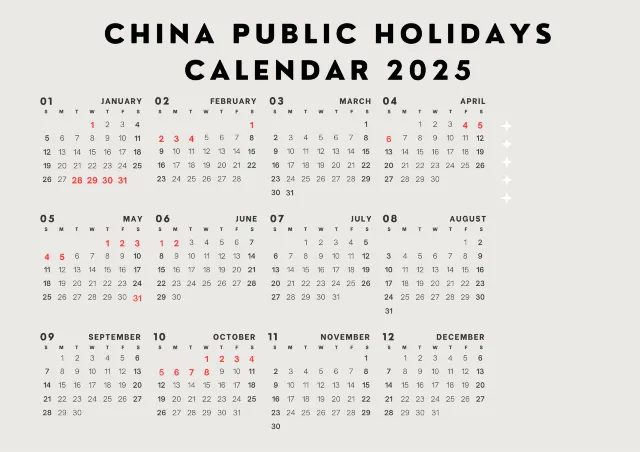
Below is the official schedule for China’s 2025 public holidays.
| Holiday | Date | Duration | Day of the Week | Notes |
| New Year’s Day |
January 1 |
1 day |
Wednesday | Global festivities with fireworks; no makeup days. |
| Spring Festival (Chinese New Year) |
January 28 – February 4 |
8 days |
Tuesday to Tuesday |
Year of the Snake; major travel rush. Makeup days: Feb 8 & 9. |
| Qingming Festival (Tomb-Sweeping Day) |
April 4–6 |
3 days |
Friday to Sunday |
Ancestor honoring; spring outings. Makeup day: April 7. |
| Labor Day |
May 1–5 |
5 days |
Thursday to Monday |
Worker celebrations; 3 actual days off + weekends. Makeup days: Apr 26 & May 11. |
| Dragon Boat Festival |
May 31 – June 2 |
3 days |
Saturday to Monday |
Zongzi and races; no makeup days needed. |
| Mid-Autumn Festival |
October 6 |
Combined with National Day (Oct 1–8) |
Monday |
Mooncakes; family reunions. |
| National Day |
October 1–8 |
8 days |
Wednesday to Wednesday |
Golden Week; parades. Makeup days: Sep 28 & Oct 12. |
One of the quirkiest aspects of China’s public holiday system is the concept of makeup work days, which often surprises expats and visitors. To create longer holiday periods, the Chinese government extends breaks by borrowing days from nearby weekends, then requires employees to work on other weekends to “make up” for the time off. For example, in 2025, the Spring Festival’s eight-day break (January 28–February 4) includes makeup work days on February 8 and 9, meaning employees work those weekends to compensate.
This system ensures extended holidays like Spring Festival and National Day give workers time for family or travel, but it comes at a cost. Many locals grudgingly accept it, while foreigners often find it jarring—imagine working a Sunday to “pay for” a Tuesday off! For instance, Labor Day’s five-day break (May 1–5) includes two makeup days (April 26 and May 11), effectively giving workers three actual days off plus the weekend.
For travelers, makeup days mean planning around disrupted work schedules, especially for business trips. Expats should check with employers for exact days, as some sectors (e.g., tech, education) may adjust differently. Tourists can use these periods for quieter visits to urban areas, as locals travel home, but expect crowded transport.
China’s 2025 public holidays offer a vibrant mix of ancient traditions, modern celebrations, and travel opportunities. Below, we dive into each of the seven official holidays, exploring their origins, customs, regional variations, and tips for experiencing them in the Year of the Snake.
January 1
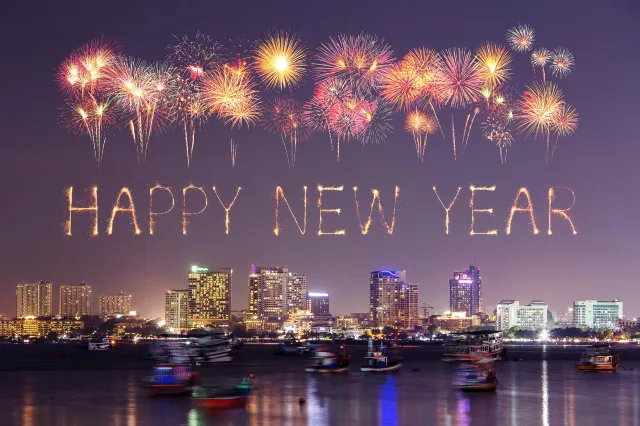
New Year’s Day aligns with global celebrations on January 1, marking a fresh start with fireworks, parties, and urban festivities. Unlike China’s lunar-based holidays, this one follows the Gregorian calendar, making it a universal kickoff to 2025.
Cities like Shanghai and Beijing light up with midnight fireworks, while clubs and restaurants host countdown events. It’s a low-key holiday compared to Spring Festival, but urban centers buzz with concerts and light shows.
In southern cities like Guangzhou, expect vibrant street parties. Rural areas may be quieter, with families preparing for the upcoming Chinese New Year.
Travel Tips: January 1 is a great day to explore city landmarks like Shanghai’s Bunds. Book hotels early for deals on urban stays. No makeup work days make this a straightforward holiday for planning. Experience China’s modern side with global flair, perfect for short city breaks.

The Spring Festival, celebrating the Lunar New Year, is China’s most significant holiday, ushering in the Year of the Snake in 2025. Rooted in 4,000 years of tradition, it honors renewal, family, and prosperity. Expect the world’s largest human migration, with billions traveling home.
Families reunite for feasts featuring dumplings, fish, and nian gao (sticky rice cake). Red envelopes (hongbao) with money are gifted to children and elders. Fireworks and lion dances fill the streets, symbolizing good fortune. The Snake, associated with wisdom and intuition, inspires 2025 decorations like snake-themed lanterns.
Beijing hosts grand temple fairs (e.g., Ditan Park), while Guangdong’s flower markets burst with color. In rural areas, ancestral worship is central. The Lantern Festival (February 12, non-public) caps celebrations with glowing displays.
Travel Tips: The “Chunyun” travel rush (mid-January to mid-February) overwhelms trains and flights—book early through to secure seats. Avoid tourist hotspots like the Great Wall during peak days; consider quieter destinations like Yunnan or Guilin for cultural immersion. Makeup days (Feb 8-9) mean businesses resume quickly post-holiday. Join the festive chaos or escape to serene regions for a once-in-a-lifetime cultural experience.
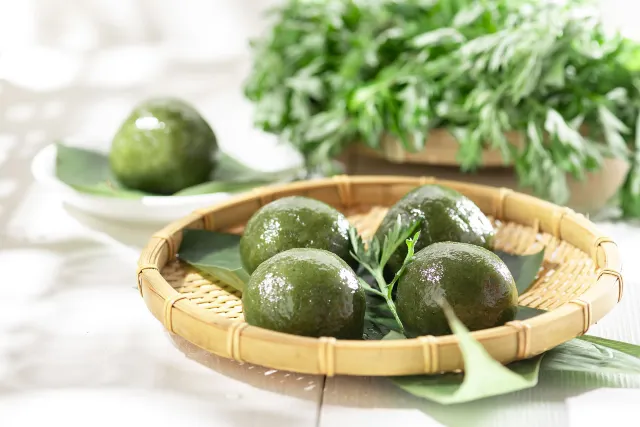
Held on the 15th day after the spring equinox, Qingming (April 4) honors the deceased through tomb-sweeping and ancestor worship. This ancient festival, dating back over thousands of years, blends solemnity with springtime outings.
Families clean graves, burn incense, and offer food or paper money to ancestors. Eco-friendly practices, like planting trees, are gaining traction. Many also enjoy kite-flying or picnics, celebrating renewal.
In Jiangsu, locals eat qingtuan (green rice balls). Northern China emphasizes grave visits, while southern regions host lively spring fairs.
Travel Tips: Qingming is less crowded than other public holidays, making it ideal for visiting historical sites like Xi’an’s Terracotta Warriors. Book accommodations for deals in less touristy cities. Be mindful of the makeup day (April 7), which may affect business hours. Experience China’s blend of reverence and renewal, perfect for cultural travelers.
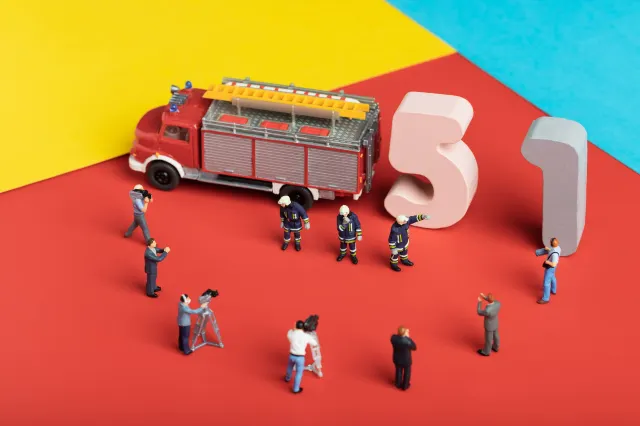
International Workers’ Day celebrates workers’ contributions. In China, it’s a five-day break (including weekends) for relaxation and travel.
Local governments host ceremonies honoring model workers, but most people treat it as a leisure holiday. Urban parks see picnics, while tourist sites swell with visitors.
Cities like Shanghai may hold labor-themed exhibitions, while rural areas focus on community gatherings.
Travel Tips: Expect crowds at popular attractions and book your train or plane tickets early. Makeup days (April 26, May 11) mean staggered work schedules, so confirm business hours. A great time for short domestic trips, with pleasant spring weather.

Celebrated on the fifth day of the fifth lunar month, the Dragon Boat Festival, or Duanwu, is one of China’s oldest and most vibrant traditions, dating back to the Warring States period (475–221 BC). It honors the poet and patriot Qu Yuan, who drowned himself in the Miluo River in 278 BC to protest political corruption. Legend holds that locals raced boats to save him and threw rice into the river to protect his body from fish, giving rise to the festival’s iconic customs.
The festival’s heart is dragon boat racing, where teams paddle long, ornate boats adorned with dragon heads to rhythmic drumbeats, symbolizing unity and strength. Zongzi—sticky rice dumplings wrapped in bamboo leaves, often filled with pork, chestnuts, or red bean—are a must-eat, tied to the legend of protecting Qu Yuan’s body. Families also hang mugwort and calamus at doors to ward off evil spirits and drink realgar wine for health, though this is less common today. These rituals blend folklore, community, and competition.
Guangdong’s Pearl River and Zhejiang’s Qiantang River host spectacular races, drawing thousands to riversides. In Hunan, Qu Yuan’s homeland, ceremonies include poetry readings and solemn tributes. Urban areas like Shanghai stage modernized festivals with food stalls and cultural shows, while rural communities emphasize traditional rituals.
Many Asian countries, such as Singapore, South Korea, Japan and Vietnam, also celebrate the festival with various activities and customs influenced by traditional Chinese culture. It has also been introduced to countries in Europe and the Americas by Chinese immigrants, and is mainly celebrated with dragon boat races.
Travel Tips: Catch exhilarating races in cities like Guangzhou or Hangzhou, where festive atmospheres thrive. Book a cultural tour or riverside hotel to immerse yourself in the action. Crowds are moderate making it a relaxed time to explore. Try making zongzi at a local workshop for a hands-on experience.
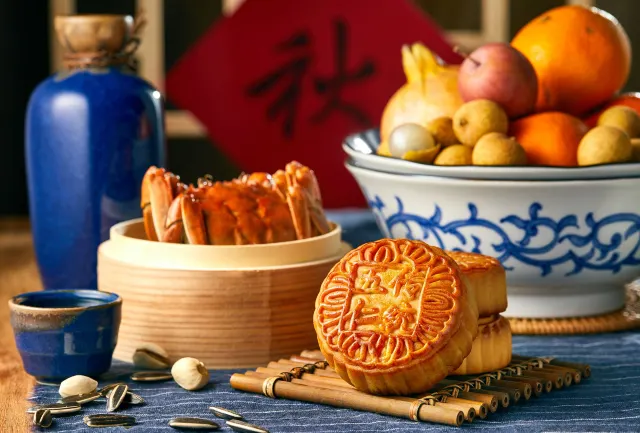
Celebrated on the 15th day of the eighth lunar month, the Mid-Autumn Festival is a poetic celebration of the full moon, symbolizing unity, abundance, and harmony. Rooted in ancient folklore about Chang’e, the moon goddess, this 3,000-year-old festival is a time for family reunions and gratitude. In 2025, it merges with National Day for an extended Golden Week, creating a festive eight-day holiday filled with lunar traditions and patriotic fervor.
The centerpiece is sharing mooncakes—rich pastries filled with lotus seed paste, red bean, or salted egg yolk—symbolizing completeness. Families gather to admire the full moon, light lanterns, and tell stories of Chang’e, often with tea and fruit offerings. Poetry recitals and moon-gazing parties evoke romance and connection to nature. Some burn incense to honor the moon goddess, blending spiritual and familial themes.
In Fujian, unique “mooncake gambling” games involve dice and prizes, adding a playful twist. Hong Kong’s Tai Hang fire dragon dance, a UNESCO-recognized tradition, features a 67-meter dragon adorned with incense sticks. Northern China emphasizes family dinners, while southern regions like Guangdong host lively lantern parades.
Travel Tips: The combined Golden Week (October 1–8) brings heavy crowds to popular travel sites. Book flights and hotels early to avoid price surges and secure spots in quieter destinations like Suzhou, known for its moonlit canals, or Hangzhou’s West Lake for serene views. Makeup days (September 28, October 12) affect business schedules, so confirm hours for shops or offices. Join a lantern-making workshop or visit a rural village for authentic celebrations.
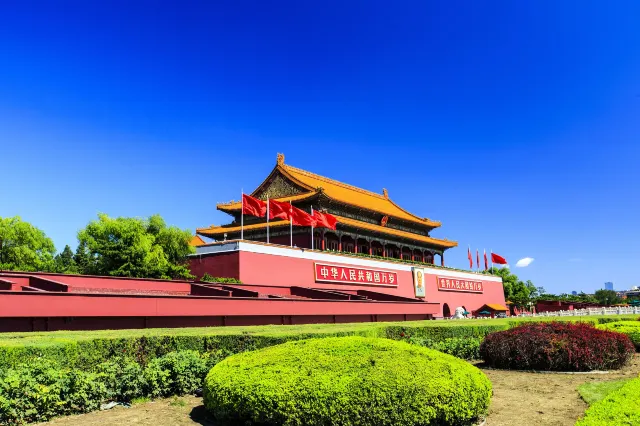
Marking the founding of the People’s Republic of China (1949), National Day is a patriotic Golden Week with parades and mass travel.
Beijing’s Tiananmen Square hosts flag-raising ceremonies and fireworks. Nationwide, red flags and lanterns adorn streets. Urban centers like Shanghai buzz with concerts, while rural areas focus on community events.
Travel Tips: Falling in autumn season with cool weather and comfortable temperatures, Chinese National Day holiday is a golden time for travel. Avoid overcrowded sites like the Forbidden City; opt for destinations like Chengdu for pandas and culture. Get tickets and book hotels in advance. Makeup days mean businesses reopen swiftly post-holiday.
Experience China’s pride and energy during this festive peak.
China’s 2025 public holidays, especially the Spring Festival (January 28–February 4) and National Day (October 1–8, including Mid-Autumn Festival), are peak travel periods, but smart planning can make your trip unforgettable. Here’s how to navigate these vibrant holidays, whether you’re chasing cultural experiences or avoiding crowds, with help from Trip.com’s travel expertise.
Plan Early for Golden Weeks: The Spring Festival and National Day have millions traveling by train, plane, or bus. Popular sites like Beijing’s Forbidden City or Shanghai’s Bund see massive crowds. Book flights and hotels at least 2–3 months in advance to secure deals and avoid price surges. For quieter escapes, consider destinations like Yunnan’s Lijiang for ancient charm or Guilin’s karst landscapes, which are less overwhelmed.
Leverage Shorter Holidays: Qingming (April 4–6), Labor Day (May 1–5), and Dragon Boat Festival (May 31–June 2) offer milder crowds, ideal for cultural immersion. Visit Xi’an’s Terracotta Warriors during Qingming for springtime serenity or watch dragon boat races in Guangzhou. Check Trip.com for local festival tours or workshops, like zongzi-making, to dive into traditions.
Navigate Makeup Days: Makeup work days (e.g., February 8–9 for Spring Festival, September 28 & October 12 for National Day) affect business and transport schedules. Confirm hours for banks, offices, or attractions, as urban areas may feel quieter when locals work weekends. Expats should coordinate with employers to clarify schedules.
With Trip.com’s expert tools, you can learn about your desired destinations via Local Guides, book flights, hotels, and cultural tours to immerse yourself in China’s traditions without the stress.
Popular recommendations

18 Fun Things You Can Only Do in China - Unique Adventures for Travelers
 LocalGuides
2025 Best Guide to Sanya: China Top Beach
 TripBlog
Top 10 Holiday Destinations in China for November
TripBlog
Latest Trip.com Promo Codes, Black Friday Deals, Flight Discounts & Hotel Savings (Weekly Update)
 Trip.com Official
Q&A
What are makeup work days in China?
Which holidays are best for travel in China 2025?
When is Chinese New Year 2026?
Trending Travelogues
Popular Trip Moments
Popular Attractions
Popular Ranked Lists
Popular Destinations
Recommended Attractions at Popular Destinations


About






of the year 2025



Site Operator: Trip.com Travel Singapore Pte. Ltd.