【Vienna to Budapest by Train】Trains, Tickets & Top Destinations Guide
Contents
- Vienna to Budapest by Train | Introduction
- Vienna to Budapest by Train | Carriages and Services
- Vienna to Budapest by Train | Exploring different trains
- Vienna to Budapest by Train | Exploring Carriage Types and Services
- Vienna to Budapest by Train | First vs. Standard Class: What's the Difference?
- Vienna to Budapest by Train | Dining Services on Board
- Vienna to Budapest by Train | Ticketing
- Vienna to Budapest by Train | How to Buy Tickets
- Vienna to Budapest by Train | How to Collect Your Tickets
- Vienna to Budapest by Train | How to Refund Tickets
- Vienna to Budapest by Train | Routes and Top Spots to Visit
- Vienna to Budapest by Train | Hungarian Parliament Building
- Vienna to Budapest by Train | Fisherman’s Bastion (Halászbástya)
- Vienna to Budapest by Train | Széchenyi Chain Bridge
- Vienna to Budapest by Train | Hungarian State Opera House
- Vienna to Budapest by Train | Matthias Church (Mátyás Templom)
Show more
Embark on a train trip from Vienna to Budapest! This guide provides a detailed overview of carriage services, ticketing information, and top destinations in Budapest.
This classic route spans approximately 250 kilometers, crossing the border between Austria and Hungary. It is primarily served by ÖBB's Railjet high-speed trains and regional trains, with over 15 daily departures at peak times—up to one train per hour.
Key Stations:
Train Type Comparison:
| Train Type | Fastest Duration | Daily Departures | Fare Range (EUR) |
| Railjet High-Speed | 2h 50m | 8-10 | 45-200 |
| Regional Train | 4h 15m | 5-7 | 28-67 |
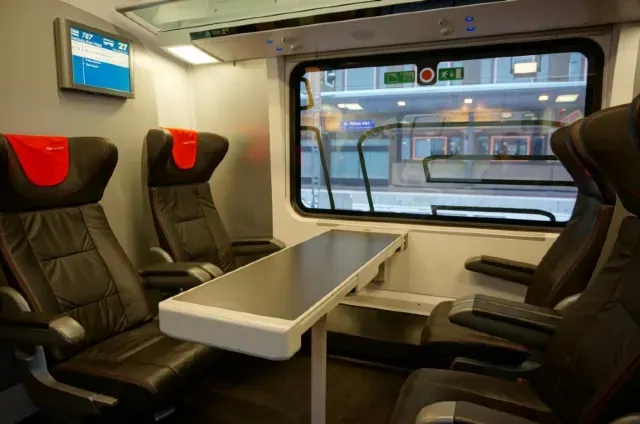
(source:Eurail)
Railjet trains offer three classes of service:
1. Standard Class (Second Class):
2. First Class:
3. Business Class (select trains only):
| Feature | First Class | Standard Class |
| Seat Width | 52 cm | 46 cm |
| Legroom | 1.1 m | 0.9 m |
| Charging Ports | 2 per seat | 2 per row |
| Dining Service | Complimentary snacks | Paid options |
| Fare Difference | +50-80% | Base price |
Purchasing Channels:
1. Online Platforms:
2. Station Counters:
3. Travel Agencies:
Price Fluctuation Reference:
| Advance Purchase | Fare Range (EUR) | Refund Policy |
| 60+ days | 45-80 | Free changes/cancellations |
| 30-59 days | 80-135 | 20% fee |
| 14-29 days | 135-200 | Changes only |
| Same-day | 200+ | Non-refundable |
1. E-Ticket (Recommended):
2. Self-Service Kiosks:
3. Ticket Counters:
Policies:
1. Discount Tickets (Sparschiene):
- Non-refundable
2. Standard Tickets:
3. Flexible Tickets (Flexpreis):
Exceptions:
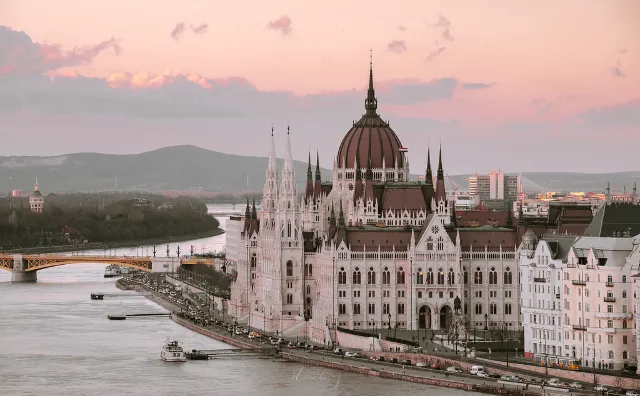
(source:WILHELM CHANG)
Commissioned in 1896 to celebrate Hungary's millennial anniversary, this architectural marvel stands proudly along the Danube. Though inspired by London's Westminster Palace, it uniquely incorporates Hungarian motifs. The Gothic Revival structure features a neo-Renaissance dome, with subtle numerical tributes to the nation's founding in 896 AD: its exact 96-meter height and 96-step main staircase poetically honor this historic year.
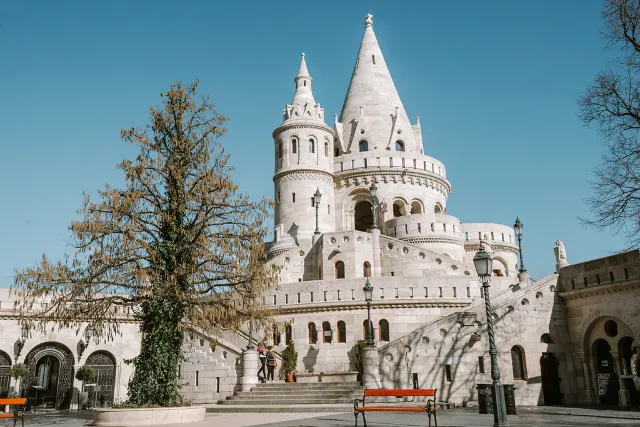
(source:WILHELM CHANG)
Adjacent to Buda Castle, this neo-Romanesque terrace traces its origins to 18th-century defensive walls guarded by the local fishermen's guild - hence its name. The current fairytale-like structure, built between the late 19th and early 20th centuries, offers unparalleled panoramic views of the Danube and Pest's cityscape, making it a photographer's paradise.
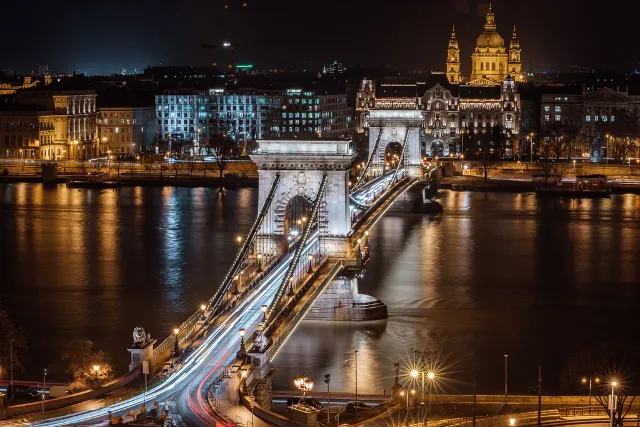
(source:WILHELM CHANG)
Budapest's oldest bridge (1849) owes its existence to Count Széchenyi's determination after missing his father's funeral due to ferry delays. This neoclassical icon, destroyed in WWII but meticulously rebuilt, now symbolizes the union of Buda and Pest with its lion statues and distinctive chain design, particularly enchanting when illuminated at night.
(source:WILHELM CHANG)
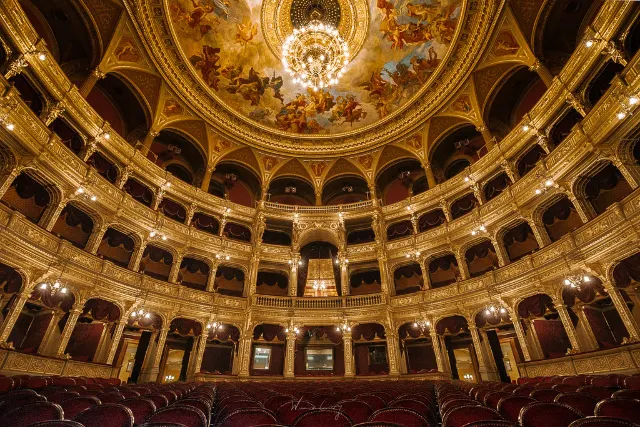
Crowning Andrássy Avenue, this cultural landmark originated as the Austro-Hungarian Empire's Royal Opera House. Before its 1884 completion, Budapest's elite traveled to Vienna for performances. Architect Miklós Ybl blended neo-Renaissance and Baroque elements to create what critics consider Central Europe's acoustic masterpiece, adorned with gold-leaf interiors.
(source:WILHELM CHANG)
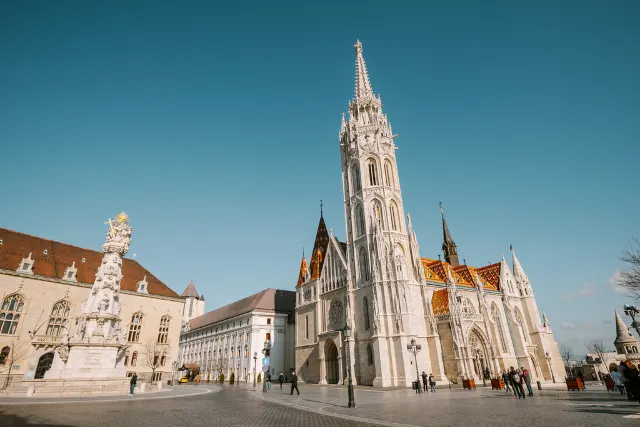
Beside Fisherman's Bastion stands this 11th-century church founded by King St. Stephen, destroyed by Mongol invaders, then rebuilt in the 13th century. Its current form reflects 19th-century renovations. The site witnessed Habsburg coronations, but its most legendary moment came when a hidden Virgin Mary icon reportedly deterred Ottoman forces during their occupation.
Popular recommendations
【Prague to Vienna by Train】Train Guide &Tickets &Top Destinations
 OneVoyager
【Madrid to Barcelona by Train】Train Guide &Tickets &Top Destinations
OneVoyager
【Berlin to Prague by Train】Trains, Tickets & Top Destinations Guide
OneVoyager
Latest Trip.com Promo Codes, Flight Discounts & Hotel Savings (Weekly Update)
 Trip.com Official
Q&A
Is passport control required?
Which station is used for the Vienna to Budapest train?
Trending Travelogues
Popular Trip Moments
Popular Attractions
Popular Ranked Lists
Popular Destinations
Recommended attractions at popular destinations


About






of the year 2025



Site Operator: Trip.com Travel Singapore Pte. Ltd.