2026 Anxi Travel Guide: must-see attractions, popular food, hotels, transport & travel experiences (updated in March)
Essential Travel Information for Anxi
Anxi County is located on the coast of southeast Fujian Province, in the northwest of the Minnan Golden Triangle that links Xiamen, Zhangzhou, and Quanzhou. Anxi is the birthplace of China's famous Tieguanyin (“Iron Goddess of Mercy”) oolong tea, so a unique Anxi tea culture has developed. Qingshuiyan (清水岩) is located on Mount Penglai in northwest Anxi County and was built during the Northern Song dynasty (960-1127) to honor the Chan Buddhist monk Qingshui. There are many ancient ruins in Qingshuiyan as well as breathtaking natural scenery. There is also the Anxi Confucius Temple and the Fengshan (“Phoenix Mountain”) Scenic Tourism Area.
Anxi Today's weather
Foggy 12-20℃

Latest Travel Trends in Anxi
All Trip Moments about Anxi | Travel Experiences
Anxi Scenery
Transportation guide - Xiasha Expressway Local attractions - Fengshan Park + Greenway Hotel - Yonglong International Hotel Restaurant - Yongan Road Shopping guide - Anxi Specialty CityE24***533A village filled with dusk and half a sky full of rosy clouds
Transportation - Self-Driving Local Attractions - Ecological Tea Garden Hotels - None Food & Restaurants - Farmhouse Shopping Guide - TieguanyinE24***533Anxi Qingshuiyan, a national 4A-level scenic spot.
#loftviewingE24***534Anxi , Chi
Anxi , China 🇨🇳 #summervacation#hikingtrails#hotelstay#urbanexplorerChandyyylier4Fresh gree
Fresh green leaves, the road is not complete Anxi tea soul; mirror water around the bamboo, complaining of the world's Zen. In Anxi, the air seems to be filled with the musk of Tieguanyin. Looking for the fragrance of this silk soul, Salsa in this green mountain and green water, between the white walls and black tiles of Minnan, smashed the Zenquan, which is the soul of the soul tea. Reading, copying, tea, hot springs, the quality of SLH is as pleasant as ever. Slow down the hurry and find yourself who are usually ignored.Sasha.9Anxi's cit
Anxi's city business card can be more than Tieguanyin. Here, there is also a thousand-year-old ancient temple, Qingshuiyan, which is on the Penglai Mountain. At first I saw Qingshuiyan, and I always thought of the Muir Temple in Qinghai. These two great temples are built on top of the cliff. Qingshuiyan is not as tall as the Muir Temple, and it is built only at 500 meters. However, it is backed by lion-shaped dragon veins, surrounded by three peaks and arched, facing deep, and the distant place is the Penglai basin, and the excellent environment has created the holy dust of this temple. Qingshuiyan is the Qingshui ancestor's dojo, the Qingshui ancestor who created the temple, is a famous name of the Northern Song Dynasty, and only for the benefit of the people in his life. Because of his selfless dedication, he has been enshrined in the Song Dynasty four times, and he has given the emblem of "Zhao Ying Guang Hui Tzu Chi Shan Li Master", which is famous for its eight-character sound. The entire temple is a pavilion style and is divided into three floors. The first floor is the Tiankou, the second floor is the Zu Shi Hall, and the third floor is the Shijia Building. There are wing clocks and drum towers on the left and right sides; Tan Yue Hall, Guanyin Hall and Fang Ming Hall are separated on both sides. From a distance, the buildings that are layered back and protected form an "Emperor" character, magnificent and magnificent.Ling Chik.6I've been to Anxi five times, and my advice is....
March in Anxi is really so comfortable! The tea fragrance fills the air, the spring breeze brushes your face, and this tea-loving girl is totally in love! 💚 Just got back from Anxi, quickly putting together a super comprehensive guide for you all! Transportation 🚗 Anxi's attractions are quite spread out, so self-driving is the most convenient! From Xiamen/Quanzhou, it takes about 1 to 1.5 hours on the highway. If you don't drive, there are buses from the county town to main spots like Qingshuiyan, but the schedules are limited, so check the times in advance~ Renting a car on Trip.com is also very convenient, costing about 200-300 RMB per day. Recommended Attractions 🌿 Qingshuiyan: A must-visit! A national 4A-level scenic spot with a thousand-year-old ancient temple full of spiritual vibes~ The ticket is 20 RMB. Don’t forget to see the ancient camphor tree with branches pointing north and the holy spring, said to be very lucky for drawing lots! The architecture is a rare “Emperor” character shape, perfect for photos. Xihe Mountain Tieguanyin Cultural Park: A tea culture-themed park, free admission! You can experience tea picking and watch tea art performances. Richard’s Garden also has deer and peacocks, super healing. Jingu Creekside Art Park: A free art park created by artist Chen Wenling, with sculptures scattered along the creek and fields. Every photo looks like a masterpiece, a must-go for artsy youth. Anxi Confucian Temple: Free! Ancient architecture from the Northern Song Dynasty with exquisitely detailed wood carvings that will make you gasp. Wearing Hanfu or modern Chinese-style clothes here makes for amazing photos. Accommodation Guide 🏨 If budget allows: Qingshuiyan Hot Spring Resort, rooms with private hot springs where you can soak under the stars at night, totally healing! Booking on Trip.com costs about 600-1000 RMB per night. Best value: Xihe Mountain Hotel, located inside the cultural park, with tea mountains visible from the window and a peaceful environment, priced 400-600 RMB on Trip.com. Convenient in town: Yonglong International Hotel or Xingzhou International Hotel, centrally located with easy access to food, drinks, and entertainment, around 300-500 RMB. Food Recommendations 🍜 Anxi’s food is really low-key but delicious! Hutou Rice Noodles: The nostalgia of Anxi people! Stir-fried for a strong rice aroma, the ones at Langshan Food Garden are more authentic. Salted Bamboo Shoot Bun: The outer skin is sticky and chewy, filled with diced bamboo shoots and meat, salty and savory, the freshest ones are made at Xiping Market. Hutou Chicken Roll: Wrapped in pork caul fat with pork and dried shrimp, fried crispy outside and tender inside, even Emperor Kangxi praised it. Guanqiao Tofu Noodles: Crispy outside and tender inside tofu, chewy noodles, and a secret sauce that’s the soul of the dish! The old brand at Guanqiao Bridgehead has been around for many years. Guangyu Feast: At Longtangu in Huqiu Town, even the fish scales are edible, three ways to enjoy one fish, super fresh! About 80-100 RMB per person. Photo Spots 📸 Qingshuiyan Jue Pavilion: Ancient architecture and green trees match perfectly, wearing plain-colored clothes for new Chinese style photos is stunning. Jingu Creekside Art Park: Sculptures by the creek and food trucks create a full artistic vibe, best light in the afternoon. Anxi Iron Chain Bridge: The night view is very atmospheric, take movie-style photos like “Blossoms” when the bridge lights come on. Baolong Plaza Rooftop: Rainbow installations and graffiti walls, dopamine colors make for great photos. State-owned Old Tea Factory: Retro industrial style with weathered brick walls and old machinery, 10 RMB ticket lets you capture a 90s nostalgic feel. Travel Tips 💡 March has big temperature differences between morning and night, bring a light jacket. Wear comfortable shoes! Many attractions require walking. Some tea garden roads are narrow, drive carefully. Respect temple etiquette, dress appropriately, and keep quiet. For buying tea, it’s best to go to tea farmers’ cooperatives; be cautious about buying expensive “ancient tree tea” around scenic spots. Not-so-great feelings: Public transportation between attractions is really inconvenient; it can be a hassle if you don’t drive. Personal rambling time 💬 This trip to Anxi was truly healing! In the morning, I felt like a fairy in the mist at Qingshuiyan, in the afternoon I was daydreaming with a tea cup at Xihe Mountain, and at night I washed away fatigue in the hot springs. The biggest surprise was Jingu Creekside, where art and countryside blend perfectly. Sitting by the creek drinking coffee and watching the sunset, time seemed to slow down. The food was all hits, I even ate Hutou rice noodles for two days straight! The only small regret was missing the blooming season of pink muhly grass; I heard there’s a pink sea at Xixi Park in October. Anxi is way richer than I imagined, not just tea but also history, art, and slow living. March has fewer people, making the experience even better! Any questions? Or do any locals recommend other hidden gems? See you in the comments! 👇ZenGarden555555Within 2 Hours of Quanzhou | These 6 Relaxing Towns Are a Balm for the Soul
Girls, stop crowding West Street and just being another face in the crowd! Starting from Quanzhou, within a 2-hour drive, there are 6 amazing hidden gems. No tickets needed, no long queues, just secret photo spots only locals know. The focus is on "original ecology, high cost-performance, and easy to snap blockbusters," so you can fully experience them in just two days over the weekend! 1. Yongning Ancient City: The "Slow Life" of a 600-Year-Old Garrison Town Keywords: Ming Dynasty Garrison, Fanzi Lou, God of Wealth Temple This is one of Quanzhou's three major garrison towns, not overly commercialized, and still retains its Ming Dynasty "gong"-shaped street layout. Walking on the bluestone paths feels like traveling back a thousand years. • How to explore: ◦ God of Wealth Temple: The No. 1 God of Wealth Temple in Southeast China. Touch the giant copper coin in front of the temple to attract wealth; it's said to be very effective. ◦ Fanzi Lou: See the blend of Chinese and Western architecture. Each building tells a family's struggle, making for very evocative photos. ◦ Chenghuang Temple (City God Temple): Experience the ancestral temple culture of Minnan and Min-Taiwan City God beliefs. The wood and stone carvings on the architecture are exquisite. • What to eat: Yongning Fried Buns (sweet and savory flavors, springy meat filling), Guoping Beef Soup (rich broth), Mianxian Paste (local specialty). 2. Zhangjiao Village: The "Colorful Stone Houses" of an Oil Painting Keywords: Colorful stone houses, photography paradise, pastoral scenery Zhangjiao Village is a hidden ancient village in Quangang District, completely undeveloped! Houses built with reddish-brown and bluish-gray stones are stacked layer upon layer, covered with green plants, like stepping into a fairy tale town. • How to explore: ◦ Ancient Residential Clusters: See the colorful stone houses, which are incredibly photogenic. It's recommended to go around 3-4 PM when the slanting sun casts dappled light on the stone walls. ◦ Banyan Tree: The ancient banyan tree at the village entrance has a timeless feel and is a great spot to rest and take photos. ◦ Observation Deck: Climb to the observation deck on the hilltop for a panoramic view of the entire village. • What to eat: Fried Oyster Cakes (crispy outside, tender inside), Farmhouse Dishes (fresh and healthy). 3. Xiaozuo Windmill Island: A Free Place to Daydream with the Sea Breeze Keywords: Windmill clusters, rocky beach, sunrise and sunset A seaside secret spot with N times fewer people than Chongwu Ancient City! The long coastline, white windmills, and rocky beach make for a truly healing experience when you're watching the sea and daydreaming alone. • How to explore: ◦ Windmill Clusters: See the combination of white windmills and the blue sea, creating a very artistic photo opportunity. ◦ Rocky Beach: Collect seashells on the rocky beach, but be careful! ◦ Sunrise and Sunset: This is the easternmost point of Quanzhou, offering beautiful sunrises and sunsets. The orange sky is breathtaking. • What to eat: Seafood Noodles (fresh and delicious), Ice Jelly (a perfect summer cooler). 4. Julong Town: A "Paradise" Hidden in Minnan Keywords: Forest lake, hot springs, cultural community Julong Town, located in Huian County, is a large international community integrating ecology, wellness, culture, and leisure. Once barren mountains, it has transformed into an "Eden-like" ideal home. • How to explore: ◦ Julong Lake Park: The 600-acre lake shimmers. You can rent a boat to cruise the lake or picnic by the shore. The island cafe in the middle of the lake is a popular spot for afternoon tea. ◦ Julong Mountain Forest Park: Climb high for a panoramic view of the town. The forest coverage exceeds 90%, with an abundance of negative oxygen ions. ◦ Julong Hot Spring Park: Soak in the hot springs to wash away a week's fatigue and feel fully recharged the next day. • What to eat: Julongxuan Chinese Restaurant (Minnan flavors + lake view seating), Shanfang Vegetarian Restaurant (exquisite vegetarian food). 5. Hongshan Village: A Paradise Between Waterfalls and Rice Paddies Keywords: Rainbow waterfall, pastoral scenery, family hiking Hongshan Village is nestled in the mountains of Luojiang District, named after a waterfall that resembles a rainbow. The waterfall isn't grand, but it's delicate and charming, especially after rain when the water volume is abundant, making it exceptionally refreshing. • How to explore: ◦ Rainbow Waterfall: Watch the waterfall cascade down and feel the freshness of nature. ◦ Pastoral Scenery: The village is surrounded by vast rice paddies and tea plantations. Green in spring and summer, golden in autumn. ◦ Hiking: Suitable for families to walk the trails, see the waterfall, and then find a farmhouse restaurant for an authentic local meal. • What to eat: Farmhouse Duck Soup (tender meat), Mountain Vegetables (fresh and healthy). 6. Cai's Ancient Residential Complex: The "Mini Forbidden City" of Minnan Keywords: Red brick ancient houses, architectural aesthetics, Minnan culture Located in Guanqiao, Nan'an, Cai's Ancient Residential Complex is known as the "Grand View Garden of Minnan Architecture." This massive red brick complex is not only astonishing in scale but also exquisite in detail. • How to explore: ◦ Ancient Building Clusters: See the brick carvings, stone carvings, and wood carvings, each hiding a story. It's more primitive and stunning than Wudian City. ◦ Photo Opportunities: The red brick ancient houses offer a great ancient aesthetic for photos, perfect for wearing Hanfu or new Chinese-style clothing. ◦ Cultural Experience: Learn about traditional Minnan architectural culture and feel the weight of history. • What to eat: Guanqiao Dried Tofu (unique texture), Minnan Snacks (authentic flavors). 💡 Quanzhou "Chill Out" Tips • Transportation: From Quanzhou city center, it's about 1 hour to Yongning and Zhangjiao Village; about 1.5 hours to Xiaozuo and Julong Town; about 2 hours to Hongshan Village and Cai's Ancient Residential Complex. Self-driving is recommended as bus services are infrequent. • Attire: Hanfu or new Chinese style clothing is a perfect match for ancient towns! Or wear light-colored clothes, which photograph exceptionally well amidst the mountains and waters. • Avoid Pitfalls: These places are relatively untouched, with few commercial facilities, so it's advisable to bring your own water and snacks. You can bargain for purchases, but don't be too aggressive. Don't hesitate, escape the city this weekend and be an "ancient-style girl" in these off-the-beaten-path secret spots!Jackson~Adams49Anxi: Half of Southern Fujian's Intangible Cultural Heritage History Under a Millennium of Legacy
When Anxi's Cai Zha (colored paper crafts) meticulously recreate architectural splendor, Song Jiang Array, Cishi (Lion Killing Dance), and Jian Ci Diao (cut porcelain sculpture) are using intangible cultural heritage techniques as their brush to rewrite Anxi's cultural verses, allowing time-honored skills to reunite with millennium-old landscapes. 【Song Jiang Array】 In the turbulent times of the past, as each village and community grew, they had to train a group of young people with martial prowess to protect their "own people," which is why the Song Jiang Array has been passed down for hundreds of years. The Song Jiang Array, within various local militia organizations, influenced by folk beliefs, the experience of inheritors, and varying skill levels, has developed diverse characteristics during its long history of dissemination and evolution. Before training, the Song Jiang Array typically holds a "Qi Guan" (opening ceremony) on the sixteenth day of the twelfth lunar month. Members must worship "Tian Du Yuan Shuai" (Marshal Tian Du) to ensure smooth training. Participating in temple fairs and incense processions is called "Chu Zhen" (going out for formation). During Chu Zhen, five-colored paper is affixed to weapons to prevent injuries during martial performances, as the weapons in the Song Jiang Array are real swords and spears. On the second day of the first lunar month, a "Zuo Ya" (ritual feast) is held, which is also a time to test new apprentices. On the sixteenth day of the first lunar month, the "Guan" (hall) closes, signifying the end of the period where experienced members guide new ones. The Song Jiang Array of Baixi Village, during the mid-Qing Dynasty when the imperial court no longer prohibited martial arts and promoted militia training, ceased role-playing and focused primarily on martial arts formation drills. The formation drills consist of teams of 18, with multiple teams combining to form formations of 36, 72, or up to 108 people. During performances, the main flag serves as the command (the four-cornered flag is the primary command flag). From the drills, one can observe ancient military strategic planning and martial combat techniques. 【Cishi (Lion Killing Dance)】 "Taozhou Cishi" (Lion Killing Dance of Taozhou) originated from military formations during the Song and Ming dynasties. It is a cultural and sports activity that integrates martial arts training with lion dance techniques, popular in the Southern Fujian region. In some villages in counties like Anxi, Yongchun, and Dehua, ancient traditional boxing and Shaolin "Cishi" techniques are still preserved today. "Taozhou Cishi" typically consists of 18 people. Usually, an elderly person, holding a red banner, stands at the front of the team. In front of him is the "leader" who calls out commands, and this leader also serves as the "Cishi" instructor. The team has a wide age range, including elders over 60, middle-aged people in their 30s, and strong young men around 20. At the performance site, performers, holding eighteen types of weapons such as front spears, official swords, rakes, double-edged weapons, crescent axes, long and short picks, long and short clubs, long and short swords, and rattan shields, prepare to "kill the lion." Amidst the shouts of the "leader," the "Cishi" activity begins. The lion's head is held by a strong man, while four other strong men hold the lion's body cloth, moving in coordination with the lion's head and tail. After a display of the lion's might, the "Cishi" leader bravely enters. He is seen holding an official sword, leading the charge, and engaging in a fierce battle with the lion. The members of the lion-killing team, lined up behind, step forward one by one, wielding their eighteen types of weapons, exerting all their strength to engage in a desperate struggle with the lion. After a dazzling battle, the "Cishi" performer, holding the official sword, "kills" the lion with his superb martial arts skills, and the "Cishi" action is successfully completed. "Taozhou Cishi" (Lion Killing Dance of Taozhou) originated from military formations during the Song and Ming dynasties. It is a cultural and sports activity that integrates martial arts training with lion dance techniques, popular in the Southern Fujian region. In some villages in counties like Anxi, Yongchun, and Dehua, ancient traditional boxing and Shaolin "Cishi" techniques are still preserved today. "Taozhou Cishi" typically consists of 18 people. Usually, an elderly person, holding a red banner, stands at the front of the team. In front of him is the "leader" who calls out commands, and this leader also serves as the "Cishi" instructor. The team has a wide age range, including elders over 60, middle-aged people in their 30s, and strong young men around 20. At the performance site, performers, holding eighteen types of weapons such as front spears, official swords, rakes, double-edged weapons, crescent axes, long and short picks, long and short clubs, long and short swords, and rattan shields, prepare to "kill the lion." Amidst the shouts of the "leader," the "Cishi" activity begins. The lion's head is held by a strong man, while four other strong men hold the lion's body cloth, moving in coordination with the lion's head and tail. After a display of the lion's might, the "Cishi" leader bravely enters. He is seen holding an official sword, leading the charge, and engaging in a fierce battle with the lion. The members of the lion-killing team, lined up behind, step forward one by one, wielding their eighteen types of weapons, exerting all their strength to engage in a desperate struggle with the lion. After a dazzling battle, the "Cishi" performer, holding the official sword, "kills" the lion with his superb martial arts skills, and the "Cishi" action is successfully completed. Whenever the New Year begins or during temple fair parades, the lion array majestically enters the venue. One or two golden-maned male lions leap and tumble at the front, followed by a team of martial artists in black clothes with sashes, holding knives and sticks, marching in formation. When the gongs and drums of the New Year ring out again, and the majestic lion raises its head to gaze upon the myriad lights, it carries the warmth of a thousand years, entering every lamp of blessing, entering every day yearning for peace. 【Anxi Jian Ci Diao (Cut Porcelain Sculpture)】 Jian Ci Diao, also known as "Dui Hua" (stacked flowers) or "Dui Jian" (stacked cuts), is an art of sculpting by cutting and pasting porcelain fragments. It originated in the Song Dynasty, flourished in the Ming and Qing dynasties, and has bloomed for thousands of years on the red-brick ancient houses of Southern Fujian. The splendor and brilliance of Jian Ci Diao perfectly align with the intense spiritual beliefs of the Fujian-Taiwan region. Jian Ci Diao not only adorns the rooftops but also fuses Buddhist stories and folk beliefs into one, using traditional themes such as "Phoenix Facing the Sun" and "Eight Immortals Crossing the Sea." Above the rooftops, traditional themes like "Eight Immortals Crossing the Sea," "Two Dragons Playing with a Pearl," "Phoenix Facing the Sun," and "Kylin Presenting Auspiciousness," set against the blue sky and white clouds, resemble silent dramas, carrying people's beautiful wishes to ward off evil, attract blessings, and pray for good fortune. 【Willow Silk Buddha Hat Making Technique】 Folk beliefs are strong in Southern Fujian, and devotees pay great attention to the adornment of deities, which led to the emergence of the Buddha hat making technique. Each Buddha hat has its own meaning and must be designed according to the deity's rank: King's Hat, Minister's Hat, Emperor's Hat, Qiansui Hat, Marshal's Helmet, Phoenix Crown... ranks differ, and styles vary. Starting from several copper wires as fine as hair, gradually forming shapes like dragons, phoenixes, flowers, and grasses, then undergoing more than a dozen processes such as weaving patterns, annealing, flattening wires, applying decorations, hammering shapes, welding, cleaning, and gilding, a magnificent Buddha hat can finally be completed. Under the illumination of lights, those light and agile lines, and the postures of flying dragons and dancing phoenixes on both sides, seem to naturally grow from the brim of the hat. They are the crystallization of culture and art, carrying people's reverence for faith and shining with the brilliance of traditional craftsmanship. When we look up, that golden glow falls into our eyes, and a sense of solemnity and tranquility fills our hearts. 【Anxi Cai Zha (Colored Paper Crafts)】 Cai Zha is an ancient folk handicraft that integrates crafting, paper-cutting, and painting. It condenses the myriad aspects of life into a small space, exuding a rich sense of life and profound cultural heritage. It is commonly known as "Hu Zhi" (paper pasting) among the folk, and artisans engaged in this industry in Southern Fujian are respectfully called "Hu Zhi Shi" (paper pasting masters). Cai Zha technique is a cultural code engraved in incense and bloodlines. This millennium-old art flower is destined to continue to shine and rejuvenate through inheritance and innovation. Intangible cultural heritage is not a dusty memory, but a cultural breath alive in the present. Let us together step into Anxi, this fertile cultural land, guarding craftsmanship amidst the solemnity of the Confucian Temple and the elegance of ancient residences, personally experiencing a legacy that spans millennia, allowing Anxi's intangible cultural heritage to shine even brighter in the new era!Lucy.Moore^47Anxi Qingshuiyan: A Must-Visit Mountain Sanctuary on Sunny Days
Anxi Qingshuiyan Scenic Area Anxi Qingshuiyan Scenic Area is located at No. 1 Qingshuiyan, Pengxi Village, Penglai Town, Anxi County, Quanzhou City. It is a national 4A-level tourist attraction and a key scenic spot in Fujian Province. The scenic area boasts picturesque landscapes, a long history, and profound cultural heritage, combining natural scenery, cultural sites, and religious culture into one tourist destination. Within the scenic area stands a Buddhist temple—Qingshuiyan Temple, founded in the late Northern Song Dynasty, with a history of over 800 years. The temple enshrines Master Qingshui, said to be the Tang Dynasty monk Zhizhe, revered as the “Celestial Real Person.” The temple’s architecture is unique and grand, with majestic halls; the “Qingshui Ancestral Hall” and the “Sutra Repository” are the main buildings. There is also an ancient structure called the “Wangye Hall,” a traditional Chinese pavilion adjacent to Qingshuiyan Temple. The pavilion is nestled in a lush forest, surrounded by dense trees and fresh air. Its exterior is simple and elegant, with a beautiful design; the roof is covered with green tiles, and the eaves are decorated with brightly colored dragon sculptures, evoking a sense of peace and harmony. Near Wangye Hall, there is a traditional Chinese architectural complex. This complex is situated at the foot of the mountain, surrounded by verdant woods under blue skies and white clouds, attracting many visitors. The complex consists of multiple houses with spacious, bright courtyards and a serene environment. The exterior walls are adorned with exquisite wood and brick carvings, showcasing a rich traditional cultural atmosphere. Additionally, a large tree is planted within the scenic area. This tree stands under the eaves of an ancient building, with a thick, upright trunk and a dense canopy that shades the area. On sunny days, sunlight filters through the branches, casting dappled shadows on the ground. Visitors can rest under the tree or enjoy the beautiful scenery. In summary, Anxi Qingshuiyan Scenic Area is a wonderful place that integrates natural beauty, cultural heritage, and religious culture. Here, visitors can experience a strong traditional cultural atmosphere and the beauty of nature.Lily Bailey OliviaAnxi Confucian Temple Light and Shadow Aesthetics
In Anxi, Quanzhou, Fujian, there is a Confucian Temple full of historical atmosphere. It quietly sits at No. 141 Datong Road, Fengcheng Town. It was an ancient place for worshiping Confucius and is also one of the important cultural landmarks of this city. The Confucian Temple was first built in the Song Dynasty and has undergone multiple repairs and expansions during the Yuan, Ming, and Qing Dynasties. It is one of the largest and best-preserved ancient architectural complexes in southern China. Its architectural style is unique, with red walls and green tiles, flying eaves and upturned corners, carved beams and painted rafters, each detail exuding a strong historical aura. Walking on the stone paths of the Confucian Temple, you can almost hear the voices of ancient scholars reading. The temple complex consists of the Dacheng Hall, Ji Gate, East and West Wings, and Minglun Hall, each with its unique historical and cultural value. Especially the Dacheng Hall, which stands 16 meters tall and is magnificent, representing the essence of the temple. Inside the hall are the spirit tablets of Confucius and his four companions and twelve disciples, with incense burning continuously. The Confucian Temple is not only a place for worshiping Confucius but also an important site for education and culture. During the Ming and Qing Dynasties, the Anxi County School and Yongchun Confucian Academy were established here, cultivating countless scholars. Today, although the temple no longer serves educational functions, the cultural spirit it carries still influences the people of this city. At Anxi Confucian Temple, you can feel a strong historical and cultural atmosphere and also see the perfect blend of modern city and ancient architecture. This thousand-year-old ancient building complements the modern city, together forming a unique landscape. Visitors to Anxi are encouraged to visit the Confucian Temple and experience its cultural ambiance.Henry Price Henry?38Min Nan Little Potala Palace Guide | Stroll through Anxi Yuezhai, healed by 500 years of tea fragrance
✨"The moon is brightest in my hometown, the village is the most beautiful here"✨ When you see this poem carved on the earthen wall, you’ll instantly get the unique charm of Anxi Yuezhai~ As a village travel enthusiast, Yuezhai is simply my favorite! It preserves the most original Min Nan ancient house style and hasn’t been commercialized, making it a perfect escape from the world! 📍Destination Location Anxi Yuezhai is located in Nanyan Village, Xiping Town, Anxi County. This ancient village, built during the Ming Zhengde period, is nearly 500 years old! From the air, it looks like a big "moon" character, with maximum artistic flair! 🚗 Transportation Guide ▫ Self-driving perks: Navigate directly to "Anxi Yuezhai Ancient Village" ▪ About 1.5 hours from Xiamen/Quanzhou ▪ Mountain roads with many curves but in good condition ▪ Free parking available inside the village 🅿 ▫ Public transport: First get to Anxi County town → transfer to Xiping Town shuttle → then take a 20-minute motorcycle taxi (experience local transport 🤪) 🌟 Must-visit Spots 1️⃣【Panle Tower】 A three-story stone watchtower is definitely the centerpiece! The gun holes on the walls look like they traveled from ancient times Perfect for shooting blockbuster photos like "Little Potala Palace" 📸 2️⃣【Bluestone Ancient Path】 Stroll along the 500-year-old stone walls Turn the corner to find the "Yuezhai" earthen wall photo spot Every snap is a vintage photo backdrop 📸 3️⃣【Benshan Mother Tree】 Sit by the century-old tea tree and brew tea around the stove Listen to grandma tell stories about ancient tea culture My favorite moment to relax and zone out 🧡 4️⃣【Stamp Collection Check-in】 Get a game task card at the village office Unlock 10 hidden check-in spots Complete them to exchange for local specialties! (Freebie lovers rejoice 🤩) 📸 Photo Tips ▪ Outfit suggestion: Hanfu or light colors ▪ Golden hour: 4-6 PM for the softest light ▪ Pose inspiration: - Look up at the sky at a 45° angle in the courtyard for a side profile shot - Capture "candid" beauty walking on the stone path - Sunset silhouette shots are a must! 🍜 Food Recommendations Local grandpa says: "Not having Sha Cha noodles means you haven’t really been to Anxi" Recommended old brand in Xiping Town The QQ springy Sha Cha noodles are absolutely addictive ✨ 💡 Practical Tips ▪ Wear comfortable shoes! Your feet will protest after walking on stone paths ▪ Slow down on curves when driving! Drivers, stay steady ▪ Just look at the old items in the village—don’t touch them 🎭 Experience The beauty here is slow to warm up Like a good cup of tea that needs to be savored When the sunset kisses the eaves of the ancient houses I finally understand what it means "Where the heart goes, walk there with simple shoes" === === === === ===WilliamClarkA new landmark has arrived in Anxi, the hometown of Tieguanyin tea!
Anxi Bailu International Hotel Bailu International Hotel seamlessly blends luxury and the aroma of tea 🍃 Prime location in the city center, close to the highway/Wanda Plaza, super convenient transportation 🚗 Panoramic floor-to-ceiling windows + smart home system, enjoy panoramic city views of Anxi 🌆 Infinity pool for stunning photos, perfect for mountain views by day and sunset 🌅 Star-rated buffet + luxurious private rooms, eat until you're stuffed 🍤 Lobby with rattan and iron intangible cultural heritage aesthetics, perfect for sophisticated photos 📸 Pillarless banquet hall for a grand and impressive wedding/annual party ✨ Business, vacation, and banquet all in one place 💯 2|Comfortable and Healing Stay Stay at Bailu International Hotel in Anxi, so comfortable you won't want to leave 🛌 Spacious and elegant rooms, soft beds + bathtub for ultimate relaxation 🛁 24-hour attentive service Service, a delight for detail-oriented individuals ❤️ Gym + swimming pool, perfect for relaxation and leisure 💪 The lobby afternoon tea is visually stunning, a must-try for dessert lovers 🍰 Close to Qingshuiyan and Tea Expo, super convenient for sightseeing 🗺️ A tranquil oasis amidst the hustle and bustle, maximizing your travel experience 🌟 3|Exclusive Edition for Banquets and Gatherings Anxi's Premier Banquet Venue|Bailu International Hotel 🏨 18 luxurious private rooms + a pillarless banquet hall for 1000 people 🎊 Star-rated chefs prepare exquisite and delicious dishes 🍲 Suitable for family banquets, weddings, business dinners, and team building activities 👨👩👧👦 High-end and elegant environment, perfect for entertaining guests 💎 Tea-town hospitality + attentive service, guests rave about it 👍 4|Short and Eye-Catching Edition - Anxi Bailu International Hotel 🏨 Infinity Pool + Smart Rooms, the Ultimate Tea Country Stay ✨ - Rattan and Iron Aesthetics × Five-Star Experience 🌿 All-inclusive package for food, drinks, entertainment, and accommodation 💯 - City Landmark Hotel 🌟 Top-notch views, gourmet food, and banquets 🆙 - A must-stay in Anxi is Bailu 🌄 Comfort and style both online ❤️ 5|Festive Chinese New Year Edition Stay at Bailu for the Spring Festival, experience the full flavor of the tea country 🧨🏮 Anxi Bailu International Hotel, giving you a wonderful time for family reunions 🎊 Enjoy the view from the infinity pool, enjoy the comfort of smart rooms, and celebrate the New Year with star-rated cuisine 🍊 Perfect for weddings, family banquets, and small gatherings with friends 👨👩👧👦 Happy Year of the Horse, choose Bailu for your stay in Anxi ✨OwenDonovan65A Culinary Taste of Anxi: This "Prime Minister's Family Banquet" Can't Be Hidden Anymore!
Turning the pages of Fujian's map as a "World City of Gastronomy," one finds a dazzling array of bountiful gifts from its mountains and seas. Anxi, nestled in the Daiyun Mountains, has carved its own mark on the culinary landscape with a 300-year-old "Prime Minister's Family Banquet." This feast originated from the residence of Li Guangdi, a renowned prime minister of the Qing Dynasty, blending the refinement of imperial cuisine with the rustic charm of southern Fujian's mountains and seas. Each dish is a poem, each bite a taste of history. Let us follow the fragrance of poetry and embark on a thousand-year rendezvous with Anxi. 1️⃣ White Clouds Unintentionally Emerge from Green Peaks: Taro Dumplings with Salted Bamboo Shoot Dumplings "White clouds unintentionally emerge from green peaks" perfectly describes these white and green taro dumplings and salted bamboo shoot dumplings. Legend has it that during the Kangxi era, Li Guangdi presented the salted bamboo shoot dumplings as a birthday gift. The emperor, after tasting them, greatly praised them and bestowed upon them the name "Green Longevity Peach," thus making them a royal delicacy. Even today, on the ninth day of the first lunar month, known as "Jade Emperor's Birthday," every household in Hutou still maintains the tradition of offering salted bamboo shoot dumplings as a sacrifice. Taro dumplings, made with local taro and tapioca flour hand-pounded into a wrapper, are filled with eight kinds of fillings including pork belly, dried bamboo shoots, and dried shrimp. Soft, glutinous, and fragrant, they are hailed as a "royal delicacy." Salted bamboo shoot dumplings, on the other hand, have a bright green wrapper dyed with glutinous rice and cudweed, filled with diced bamboo shoots and pork, offering a delightful blend of mountain freshness and savory flavor. 2️⃣ Changshi Pillar's Remains: Blanched Green Bamboo Shoots and Longmen Water Bamboo Shoots A dish of "Blanched Green Bamboo Shoots and Longmen Water Bamboo Shoots" uses the simplest blanching method to present the true flavor of the ingredients. The green bamboo shoots are crisp and tender, and the water bamboo shoots are sweet and refreshing—both are among the best of Anxi's "Five Silvers" specialties. No complicated seasonings are needed; just a dish of soy sauce is enough to taste the pure nourishment of the mountains and rivers. 3️⃣ A Hidden Gem Within: Hutou Chicken Rolls Crispy on the outside and tender on the inside, golden and tempting, these Hutou Chicken Rolls, a "Royal Court Dish" bestowed by Emperor Kangxi, are a taste of home that countless Anxi natives yearn for. Made with pork offal fat ("net fat") as the wrapper, they are filled with pork belly, dried shrimp, shallots, and other fillings, then steamed, cut into pieces, coated in egg wash, and deep-fried. Dipped in black vinegar and garnished with cilantro, each bite reveals a crispy exterior and a juicy, flavorful filling—truly living up to its name, "A Hidden Gem Within." The golden, crispy exterior hides a filling of pork belly, dried shrimp, and sweet potato starch, making every bite a delightful surprise. Anxi locals often say, "Having tasted famous dishes from all over the world, I still can't forget the chicken rolls with coriander from my hometown." 4️⃣Radiant Dragon Scales: Steamed Tiger Hill Gudgeon The gudgeon, scientifically known as *Carassius sinensis*, requires extremely high water quality and can only grow in the pristine waters of Tiger Hill. Its name comes from the shimmering light its scales and eyes produces when a flashlight is shone on them at night. More remarkably, the gudgeon's scales are rich in collagen and calcium, with a crisp texture, making it both edible and nutritious. Steaming best highlights its firm, fresh, and chewy texture. 5️⃣A Clear Mind Soothes the Hearts: Anxi Braised Noodles with Radish Noodles A bowl of braised noodles and a bowl of radish noodles represent the most comforting and homely flavor of Anxi. Radish, or white radish, is cooked with the noodles, creating a light and mild taste. This dish, named "Long-cherished Aspirations to Clarify the People's Hearts," embodies the Anxi people's hopes for integrity, honesty, and prosperity. 6️⃣ "A Gathering of Heroes for Success in the Imperial Examinations": Golden Thread Lotus Stewed with Muscovy Duck, Pig's Trotters, and Duck Blood Soup. Golden Thread Lotus is one of Anxi's "Five Gold" specialties, known as the "King of Herbs." This soup uses local farm-raised Muscovy duck and pig's trotters, simmered with wild Golden Thread Lotus over low heat. The broth is golden and clear, with a rich and sweet flavor. The collagen from the duck and pig's trotters blends perfectly with the fragrance of the Golden Thread Lotus, offering both heat-clearing and liver-nourishing effects, and symbolizing the auspicious wish of "success in the imperial examinations." 7️⃣ "The Ultimate Taste of Life is Simple Joy": Ice Plant and Seasonal Fruit. The banquet concludes with a refreshing and sweet dish. The crisp and juicy ice plant, with its subtle saltiness, paired with seasonal fresh fruit, is refreshing and helps to cut through the richness. This "Ultimate Taste of Life is Simple Joy" is both a return to the essence of taste and a philosophy of life. The flavor of Anxi is the aroma of tea, the taste of mountains and sea, and the 300-year-old family banquet tradition. From the crystal-white white of Hutou rice noodles to the golden-brown crispness of chicken rolls; from the vibrant green of salted bamboo shoot buns to the shimmering scales of the Guangyu fish, this "Xiangfu Family Banquet" is not only a renowned feast listed in China's "Geographical Indication Food Directory," but also a testament to the Anxi people's reverence for ingredients, their dedication to craftsmanship, and their deep affection for their hometown. This spring, come to Anxi for a culinary rendezvous with a thousand-year-old tradition.Oliver Hayes^55Come to Anxi and spend a warm year soaked in the fragrance of tea
When the chill of winter is dispelled by a warm cup of Tieguanyin, and the New Year's bell rings accompanied by the mist of hot springs—the warm year in Anxi quietly begins in this season where the aroma of tea and the vapor of water intertwine. This is the ideal retreat for savoring tea and enjoying tranquility, a sanctuary where the warmth of tea and the beauty of mountains and waters soothe the body and heart. Follow the tea fragrance on a journey to a warm year appointment from body to soul. 【Jingu Creekside Literary Village】 When art meets nature, beauty becomes poetry! This land, meticulously crafted by artist Chen Wenling, transforms the original creekside with cobblestones, flagstones, and giant sculptures into a spiritual artistic space. Eight iconic sculptures such as "Looking Up at the Starry Sky," "The Walking Man," and "Shy Child" are scattered throughout, harmonizing with flowing water and green trees, as if the dialogue between nature and culture never ceases. The stepping stones in the creek and the sculpture groups under the lychee forest make every step a scenic delight. 【Qingshuiyan】 The spirit of the mountain finds its highest expression at Penglai Qingshuiyan. In Huqiu, the "Three Rocks"—Hong'en Rock, Baishi Rock, and Qihu Rock—jointly present a magnificent painting of natural power and cultural imagination. Where streams converge, strange peaks stand like tigers, lions, and elephants guarding the area, with hundred-meter waterfalls cascading down. Coupled with mysterious ancient legends such as the Zen Master Riding the Tiger, the landscape is imbued with a lively soul. The ancient temple is solemn, with pavilions and towers arranged harmoniously. When morning mist lingers, the temple bell pierces through the sea of clouds, and standing on the viewing platform overlooking the lush mountains, all fatigue is gently soothed by the mountain breeze. 【Qingshuiyan Hot Spring Resort Hotel】 Built along the mountain terrain, Qingshuiyan Hot Spring is nestled quietly among green hills, seemingly a secluded paradise. The spring water flows gently from stone crevices, rich in various minerals, like a natural nourishing remedy. Over 40 outdoor soaking pools immerse you in nature, allowing you to feel the vastness of the natural world and bring spiritual healing. Escape the urban hustle and return to the gentle embrace of nature. 【Huqiu Lanbowan】 The "Lanbowan" wellness trail system in Huqiu Town relies on the three emerald ribbons of Lanxi, Fangtingxi, and Zhuyuanxi streams, quietly weaving ecology and art together. The 3.2-kilometer colorful permeable concrete rainbow bike path winds through the forest like a rainbow fallen among the trees, while the 10-kilometer waterfront viewing trail made of permeable bricks and river stones stretches along. The wellness trail is more than a path; it is a corridor for recreation and fitness, an extension of public facilities, and a long scroll of cultural display. 【Yuequan Manor】 If mountains and waters cleanse the dust from the heart with their shapes and colors, then the hidden hot springs soothe muscles and bones with a warm current. Yuequan Manor combines tea and hot spring wellness SPA, themed around a hot spring hotel and ecological tea garden. The rustic countryside scenery and ancient residential architecture blend regionally, with each villa forming unique, rich, and interesting tea culture and cultural landscapes. Here, soaking in hot springs while savoring tea, surrounded by misty steam, feels like being gently embraced by the tea mountains. 【Jufeng Craft Culture Museum】 Stepping into Anxi Jufeng Home Culture and Art Museum is like entering a magical world woven from rattan and iron wire. Traditional rustic ornaments, stylish modern home furnishings, and exquisite art pieces are quietly displayed. Using texture as a brush and craftsmanship as ink, they tell the glorious story of Anxi’s rattan and iron craft evolving from local folk art to the world stage. Rattan speaks no words, iron makes no sound. Yet in the hands of Anxi people, these two silent materials have learned to tell stories passed down through generations. 【Fengshan Academy】 When the texture of bricks and stones meets the narrative of light and shadow, culture takes on a tangible form. Fengshan Academy integrates the functions of a library, cultural center, and museum. The intangible cultural heritage corridor uses technology to showcase Tieguanyin production, bamboo and rattan weaving, and you may also encounter performances of Gaojia opera and Nanyin music, creating a rich cultural atmosphere. This is not only a "treasure trove" of cultural heritage but also a "stage" for dialogue between tradition and modernity, waiting in vibrant form to welcome visitors from all directions to a cultural appointment spanning a thousand years. 【Xihe Mountain Tieguanyin Cultural Park】 At Xihe Mountain, tea is truly the master. The Xihe Mountain Tieguanyin Cultural Park is a tourist attraction integrating tea culture experience, display, and study. The park is divided into four areas: Oolong Town, Qingxin Lake, Centenarian Village, and Flower Fields. Places like the Tea King Hall, Seven Tea Research Institute, and the Tieguanyin "Double World Heritage" Exhibition Hall are rich in tea culture atmosphere, with contiguous tea gardens rolling like green waves. Spending a leisurely afternoon amid the fragrance of tea and greenery is a romance unique to Anxi. Anxi’s warm year is filled with the joy of tea fragrance and the tenderness of hot springs—this pot of tea, this pool of spring water, this journey through mountains and waters, awaits you to slowly unfold the chapters scattered across the wild hills.SeveriKoskinenAnxi's new landmark is open! Complete guide to Baile International Hotel, one-stop dining, accommodation, and entertainment, booming from the opening
Anxi locals have been waiting like crazy! Baile International Hotel officially opens The tea town finally welcomes a new high-end vacation option! Next to the highway exit + city center location, five-star standard facilities, rooms/dining/conference fully open, explosive opening benefits, lock in this place for your Spring Festival trip! 🌟 Hotel Highlights|Reasons to stay at the opening 📍Prime Location No. 88 Jing'an South Road, Chengxiang Town, Anxi County, near the highway exit and Wanda Plaza, in the core of the county, zero hassle for shopping, dining, and travel, perfect for both business and vacation. ✨Top-notch Facilities Built to five-star standards, with a huge area of 199,000㎡, rooms equipped with premium linens + memory foam mattresses for a super healing sleep; full coverage of Chinese and Western restaurants, tea room, banquet hall, fitness center, and swimming pool, newly opened with no odors, clean and reassuring. 🎁 Explosive Opening Benefits ✅ Full booking available for rooms and dining at limited-time special prices ✅ Huge value top-up promotions, get more with recharge, super cost-effective ✅ Free parking + 24-hour front desk, worry-free travel ✅ Tea town special gifts, complimentary Tieguanyin tea souvenir upon check-in 🍵 2 Days 1 Night Light Tea Town Vacation|Stay at Baile with one click Day 1 Arrival and Relaxation + City Center Food Tour • Afternoon: Check-in, explore the hotel's light luxury public areas, take high-end photos in the lobby, relax in the gym/pool • Evening: Walk to Wanda Plaza, enjoy Minnan snacks, milk tea, and desserts • Night: Try Fujian cuisine + tea town flavors at the hotel’s Chinese restaurant, then enjoy Tieguanyin tea in the tea room for an immersive Anxi tea culture experience Day 2 Sightseeing + Tea Culture Experience • Morning: Qingshuiyan (20-minute drive) Northern Song Dynasty ancient temple, emperor-shaped architecture, thousand-year-old north-facing camphor tree, perfect for blessings and sightseeing, full of fairy-like charm • Noon: Return for Hutou rice noodles and Xiangfu family banquet, iconic local delicacies that captivate your taste buds • Afternoon: China Tea Capital (10-minute drive) Visit the tea market, experience tea picking and tasting, bring home souvenirs, a perfect ending 📸 Photo Spots + Tips to Avoid Pitfalls ✅ Photo spots: hotel lobby, corridors, tea room, outdoor scenic area, easy to snap luxury shots ✅ Room recommendations: family rooms for family trips, business suites for business travel, maximum comfort ✅ Travel tips: taxi starting fare in the county is 8 RMB, round trips to attractions cost 20-30 RMB, convenient and fast ✅ Tea buying tips: don’t buy tea at scenic spots, China Tea Capital offers full varieties, transparent prices, and better value 💡 Summary Baile International Hotel in Anxi is a top choice right from opening, with unbeatable location, new facilities, excellent service, and generous benefits, solving dining, accommodation, and entertainment all in one place. Whether for family trips, friend gatherings, or business travel, it’s easy to handle! Take advantage of the low crowd and great prices at opening, grab your vouchers and check in, your light luxury tea town vacation starts here!Foster_Betty_31Anxi Treasure Hotel, a tea-scented party!
Walking through the streets and alleys of Anxi, the air is filled with a faint tea fragrance, as if every step takes you into the long river of history. This time, the destination is Mingshiyi Tea Culture Theme Hotel, a boutique hotel that blends tradition and modernity. Not only is its location excellent, but it is also a refreshing accommodation choice. 🏞️ 🍃Peaceful moments in the tea fragrance🍵 The moment you step into the lobby, you are attracted by the unique tea culture atmosphere. The hotel's decor is full of tea culture elements, with tea art paintings hanging on the walls and exquisite tea sets placed on the tables. Every detail tells the story of tea. What I like most are the rooms themed around different tea varieties. Opening the door feels like stepping into a tea garden, and the lake and mountain views outside the window are truly refreshing. Here, every moment is filled with tranquility and harmony. 🚗 Convenient transportation for spontaneous travel 🗺️ For friends like me who love independent travel, the hotel's location is a great blessing. Whether you want to visit Anxi Putuo Temple to experience its solemnity and mystery, explore the China Tea Capital to learn about tea history and culture, or simply stroll around Wanda Plaza, this place offers great convenience. Not to mention multiple nearby bus stations and airports, making travel worry-free and spontaneous trips so easy. 🎉 A variety of entertainment options 🎉 Besides a comfortable accommodation environment, the hotel is equipped with various entertainment facilities such as KTV and a chess and card room to meet different guests' needs. Especially worth mentioning is the hotel's movie service, allowing you to enjoy the pleasure of a private cinema in the comfort of your room. Imagine savoring the fragrant tea while watching your favorite movie in such a culturally rich space—how delightful that would be! 🍽️ A culinary journey, a feast for the taste buds 🍲 The hotel's restaurant offers a wide variety of delicious dishes, including local specialties and international cuisine. Every dish is exquisitely prepared and delicious, leaving a lasting impression. Especially the breakfast, which is rich in variety, featuring traditional Chinese morning dishes as well as Western bread and milk, satisfying different tastes. Here, you can fully enjoy a feast for your taste buds and start a wonderful day.Stella.Roberts@32Anxi, Fuji
Anxi, Fujian, is not only famous for its fragrant tea, but also boasts a truly healing place – Qingshuiyan Hot Spring Resort. Surrounded by mountains, the resort offers breathtaking views of blue skies and white clouds, with incredibly fresh air, making it perfect for complete relaxation. Whether you're looking to rejuvenate after a busy day or simply yearn for pure nature, this place is truly therapeutic, making you want to say, "Let's meet here!" 🌄 Highlights: Qingshuiyan Hot Spring Resort is a perfect choice for getting close to nature, healing yourself, and escaping the hustle and bustle. During the day, you can stroll along the mountains surrounding the town, surrounded by blue skies, white clouds, and mountain shadows. Especially on a sunny day, every photo you take will look like a postcard. You can soak in the hot springs first, then take a walk in the scenic outdoor area – it feels like the perfect time to slow down and truly enjoy life. 🌊 Qingshuiyan Hot Spring Resort -Address: No. 88 Qingshuiyan, Pengxi Village, Penglai Town, Anxi County, Fujian Province -Opening Hours: 13:00 - 22:00 year-round (last entry at 21:00) -Ticket Price: 139 RMB The resort offers a variety of hot spring pools with complete facilities, and the water temperature and atmosphere are adjusted according to different themes. While soaking, you can enjoy panoramic views of the mountains, creating a feeling of oneness with nature. Especially around dusk, when it's less crowded and tranquil, it's perfect for those who want to unwind and slow down. Whether you're with family or friends or alone, be sure to explore the area around the resort after your hot spring soak. The town's walking trails hug the mountains and forests. Stroll along the forest paths, pay attention to your surroundings, and you'll often find unexpected wildflowers or flowing springs. You'll discover that Anxi has a quiet and pristine side beyond its tea fields. Useful Tips 1. It's recommended to bring your own swimsuit and towel. Although the resort provides them, bringing your own is more convenient and hygienic. 2. Remember to avoid peak hours (such as weekends and holidays) to enjoy the outdoor space and hot spring pools more comfortably. 3. The temperature difference between day and night is significant, so remember to bring a jacket after soaking in the hot springs. 4. Mountain weather changes rapidly, so it's recommended to bring a sun hat on sunny days, and also for rain protection in case of sudden weather changes. 5. If staying overnight, you can pre-book light meals at or near the resort; there are many options and they are affordable. Transportation Tips: It takes about 1 hour to drive from Anxi County to Qingshuiyan Hot Spring Resort. If taking public transportation, it's more convenient to go to Anxi Bus Station and transfer to a bus or hire a car towards Penglai Town. ⭐While in Anxi, you can also sample authentic Tieguanyin tea and try some Minnan (Southern Fujian) snacks from Quanzhou! If you're feeling down and looking for a place to refresh yourself, why not retreat to the mountains and forests of Anxi Qingshuiyan Hot Spring and let the blue sky and white clouds heal your soul? #AnxiHotSprings #QingshuiyanResort #MountainHealing #FujianTravel #SunnyDayGoodMood_TI***oyNew Year at Qingshui, Seeking Spring on the Rock: Confide Your Heart to the Mountains and the Wind
Morning light pierces through the thin February mist like a gentle blade, slicing open the last traces of winter fatigue in southern Fujian. The car winds up the mountain road, and the greenery outside the window thickens layer by layer—not the fierce, overwhelming green of midsummer, but the fuzzy green of early spring, still moist with vapor and full of anticipation. Choosing to arrive at Qingshui Rock on the first day of February was less a planned trip and more an unspoken pilgrimage. A journey toward reconciliation with oneself, a pure prayer at the start of the year. The mountain gate comes into view, and the scent of incense subtly permeates the air. It’s not ordinary smoke, but the unique, slightly bitter aroma of burning incense mixed with the fresh morning dew and earthy mountain scent, inexplicably comforting. Climbing the steps, footsteps naturally slow. The stone stairs are worn smooth by time, with fuzzy moss peeking through the cracks. Fellow pilgrims nearby include a quietly chatting family and silent solitary walkers, each wearing a similar calm and solemn expression. Here, the noise is filtered out, leaving only bare, sincere devotion directed toward the divine and the heart. The hall of the Qingshui Patriarch is shrouded in solemn tranquility. The moment you cross the threshold, the outside wind seems to still. Looking up, swirling incense smoke paints invisible abstract patterns among the golden lacquered beams, as if countless subtle prayers are slowly rising. At the instant of clasping hands, language suddenly feels clumsy. The lingering concerns for family, anxieties about the future, hopes for health, gratitude for the ordinary—all these myriad thoughts transform into the heavy, warm certainty felt in the palms pressed together. Lighting an incense stick, watching the flickering sparks, the straight blue smoke seems to entrust those unspeakable thoughts to a higher power. At this moment, praying is perhaps not about asking, but about cleansing and surrendering—temporarily laying down burdens here to gain lightness and start anew. Passing the main hall and heading to the back mountain is where the true spirit of Qingshui Rock lies. Voices gradually thin out, replaced by the vast greenery and crisp, penetrating bird calls. Standing by the cliff, gazing afar, the worldly incense smoke from the hall feels like another world. The mountains roll like waves in the mist, the vastness of heaven and earth inviting a deep breath. The wind rushes up from the valley, boldly sweeping through hair and filling clothes, carrying a cool, free scent. It seems to blow away all knots of worry, leaving only clear, awakened clarity. This shutter click is not to capture a specific scene, but to record this heart cleansed by mountains, sea, and long winds. On the way down, sunlight has completely dispelled the morning mist, gilding the stone steps, leaves, and copper edges of incense burners with a warm golden hue. Looking back at the temple on the mountaintop, framed by blue sky and green trees, it remains solemn yet now feels more approachable. Perhaps in hand is a peace talisman or a bottle of the legendary “holy spring” water, but the most important gain is the calm soothed within and the faint light of hope rekindled for the new spring. Seeking clarity at the start of the year, spring is first known on the rock. On this first day of February at Qingshui Rock, I did not ask for a definite answer, only to settle the past and gently place the future. The mountain wind knows, the incense remembers, and the brand-new days begin to spread from this very first stone step. Travel Photography Inspiration Notes: · Tone: Morning with blue-gray and cool tones to highlight tranquility; afternoon shifts to warm gold and teal to express clarity and hope. · Visual Language: Close-ups of incense, moss, clasped hands, fluttering hems; wide shots capturing mountain lines, temple eaves, and tiny human figures in contrast. · Key Scenes: Incense smoke swirling in backlight; greenery seen through ancient window lattices; prayer ribbons fluttering in the wind; a figure standing by the rock gazing afar. · Atmosphere Keywords: Tranquility, awakening, surrender, clarity, rebirth.meganstardustFujian's Hidden Fairyland Check-in Spot: Anxi Qingshuiyan Babysitter-Level Guide
Anxi Qingshuiyan truly deserves its title as Fujian's hidden fairyland check-in spot! 🌳 Combining stunning natural scenery with a thousand years of Buddhist culture, this babysitter-level guide is yours to take—no need to thank me~ Sisters, save this! 📚 🌟【Magical Highlights of the Attraction】 • Millennium-old Patriarch's Sanctuary 🙏: The most important Buddhist holy site in Southern Fujian, with incense burning endlessly! • The nation's only "Emperor" character layout 🏯: The main hall's design is super unique, perfect for photos with great vibes~ • Fairyland natural wonders 🌿: The "Branches All Face North" ancient camphor tree, the Sacred Spring Lion's Throat... each has fascinating legends! ⏰【Practical Information】 • Address: No. 1 Qingshuiyan, Pengxi Village, Penglai Town, Anxi County, Quanzhou City • Opening Hours: 6:30 AM - 6:00 PM (No entry after 5:00 PM) • Admission: 20 RMB/person (so affordable!) • Recommended Visit Duration: 3-4 hours is plenty 📸【Must-Check-in Spots】 1️⃣ Qingshuiyan Temple 📍 Location: Center of the scenic area An ancient temple dating back to the Northern Song Dynasty! The "Emperor" character-shaped three-story building is unique nationwide 🔥 First floor: Haotian Gate, second floor: Patriarch Hall, third floor: Shakyamuni Tower—perfect for photo check-ins! 2️⃣ "Branches All Face North" Ancient Camphor Tree 🌳 Nearly a thousand years old! 31 meters tall, 7 meters in circumference. The cool part is all branches grow northward, said to honor the great Yue Fei~ The weight of history is palpable! 3️⃣ Sacred Spring "Lion's Throat" 🐯 A magical secret behind the Patriarch Hall! Beneath a lion-head-shaped rock lies a clear spring. Fill a cup of holy water for safety~ Remember to bring an empty bottle! 4️⃣ Song Dynasty "Yan Tu" Stele 📜 The ancient version of architectural blueprints! It shows the layout of the Song Dynasty rock temple—must-see for history buffs! 🚗【Transportation Guide】 • Self-driving: Navigate to "Anxi Qingshuiyan," 1.5 hours from Xiamen, 1 hour from Quanzhou • By Bus: From Anxi Hengxing Station, take the "Anxi-Qingshuiyan" shuttle line. Last bus at 5:00 PM, so watch the time! Finally, a reminder for sisters to bring: ✅ Comfortable sneakers (there’s a lot of mountain walking) ✅ Sun protection gear (the sun in Southern Fujian is fierce) ✅ Camera (there are so many photo check-in spots!)SolarEclipse11201A leisurely stroll through the ancient architecture of Qingshuiyan in Anxi on a rainy day 🌧
This time, I chose to visit Anxi, Fujian, driving through tea plantations and ancient towns, personally experiencing the harmonious blend of nature and culture. Anxi is not only the hometown of Tieguanyin tea, but also boasts the intriguing ancient temple, Qingshuiyan, and flavorful local snacks like beef soup and oyster omelets. Walking among the traditional Chinese buildings and dark stone paths on a rainy day reveals a tranquil and secluded beauty. Looking up, you see eaves dripping with water, and occasionally, cats and dogs wander by, creating a truly healing atmosphere. 🌿Anxi - Qingshuiyan: A Must-Visit Reasons If you're driving to Penglai Town in Anxi, my top recommendation is to head straight to Qingshuiyan. It's one of the centers of Minnan (Southern Fujian) religious belief, famous for the Qingshui Zushi Temple. The entire temple complex is nestled among mountains and forests, creating a solemn and peaceful atmosphere for worship. On a rainy day, the rooftops of the ancient buildings, shrouded in mist, possess a unique poetic charm. Even without any activities planned, a casual stroll allows you to experience the temple's tranquility and find peace of mind. Near the temple, many stray cats and dogs live contentedly, inviting visitors to stop and admire them; taking photos adds a touch of artistic flair. Qingshuiyan Scenic Area Information Address: No. 1 Qingshuiyan, Pengxi Village, Penglai Town, Anxi County, Quanzhou City Opening Hours: 06:30–18:00 (Last entry at 18:00) 🚗 Anxi Driving Tips Driving to Anxi is very convenient. Simply enter "Qingshuiyan" into your navigation app. The scenic area has designated parking lots, but during holidays when it gets crowded, it's recommended to arrive early or choose parking at a nearby guesthouse. It's worth mentioning that mobile payment is extremely common in Anxi; activating Alipay on your phone beforehand makes purchasing tickets and dining a breeze. 🏨Accommodation Recommendations There are many local hotels in Anxi. High-value hotels are concentrated in the county town and major tourist areas; guesthouses are mostly located near tea plantations or mountain views, suitable for travelers like myself who prefer tranquility. Some hotels offer breakfast and tea tasting experiences; advance booking is recommended. 🍽️Must-Try Local Delicacies A trip to Anxi, Fujian wouldn't be complete without experiencing the local flavors: beef soup and oyster omelets. Whether in the alleyways of the town or at the eateries near the scenic area entrance, every bowl of beef soup is smooth, fragrant, and rich in flavor. Paired with a plate of crispy on the outside and tender on the inside oyster omelets, it's incredibly delicious and perfect for a hot, rainy day—warming and appetizing. 🎒Practical Travel Tips 1. Fujian is rainy, so remember to bring rain gear. While a walk in the rain might be poetic, it's easy to catch a chill. 2. Qingshuiyan is on slightly elevated ground; wear non-slip shoes when walking to avoid slipping and falling. 3. There aren't many large shops inside the scenic area; on-site dining is mainly snacks. Bring some snacks and drinks beforehand for peace of mind. 4. Keep a close eye on your personal belongings, especially when looking at cats and dogs around the temples to avoid losing them. This short road trip to Qingshuiyan in Anxi is a perfect way to relax and rejuvenate while indulging in local flavors – a rare and wonderful option in southern Fujian. If you're looking to experience the blend of natural beauty, historical charm, and cultural heritage, come to Anxi and feel it for yourself! #AnxiRoadTrip #QingshuiyanVisit #FujianTravel #LocalFood #RainyDaySlowTravel加藤邪神Southern Fujian Style: A Secluded Vacation in the Fragrance of Tea
The hotel is just a 40-minute drive from Xiamen Airport, with 17 standalone villas nestled in a garden surrounded by lush trees. The white walls and blue tiles reflect the Southern Fujian style, full of Zen ambiance. 📍Detailed Address No. 9 Meiren Road, Guanqiao Town, Anxi County, Quanzhou City, Fujian Province SLH · Quanzhou Anxi Yuequan Manor. 📝Tips to Note We stayed in the Yunmen Villa with a private hot spring, a spacious 300 sqm area. Upon arrival, there was attentive butler service. The tea set, sandalwood incense, and welcome fruits in the room were all thoughtfully arranged. My favorite was the indoor hot spring bath; the spring water is a natural slightly silicic acid spring from a kilometer underground. Soaking in the bath while gazing at the greenery outside the window was refreshing! Breakfast was buffet style, featuring Southern Fujian specialties like misua (thin wheat noodles) porridge and vinegar pork. You could also enjoy Tieguanyin tea while eating. The hotel offers tea art experiences and scripture copying activities, allowing you to slow down amidst the fragrance of tea. It truly feels like a secluded vacation. Although the price is not cheap, the quality experience is worth it!wylder_0618Winter Must-Visit! Anxi Yuezai Ancient Village Healing Check-in Guide
A healing secret spot in Southern Fujian✨ The winter sunshine in Anxi Yuezai Ancient Village is just so cozy! 📍Address: Xiping Town, Anxi County, Quanzhou City, Fujian Province ✨This is an ancient village hidden in the mountains of Southern Fujian Weathered old walls, bluestone paths Pristine earth building clusters Every corner reveals traces of time Every snapshot is filled with deep nostalgia ☕Best check-in spots: ✔ Drying yard: a winter sunshine check-in hotspot ✔ Ancient well: listen to the sounds of time ✔ Alleyways: wandering through intertwined moments ✔ Tea garden: watch the mist swirl like a dream 📸Photo tips: 🔸Recommended to wear Hanfu or vintage clothing 🔸Afternoon sunlight is perfect for capturing architectural light and shadow 🔸Drone shots make for even better photos 🎯Recommended visit duration: 2-3 hours 👟Suggested attire: comfortable flat shoes 💰Admission: Free!! This place seems forgotten by time Far from the city's hustle and bustle Just want to spend A lazy afternoon here~DONALD MASONQuanzhou "Penglai Wonderland" Qingshuiyan|Complete Guide to the Millennia-old Temple for Listening to Springs and Watching Clouds
Step into Penglai Wonderland in Anxi, Quanzhou, a millennia-old temple hidden in the mist that takes your breath away🌫 📍Address: Qingshuiyan Scenic Area, Penglai Town, Anxi County, Quanzhou City 🎫Tickets: 20 RMB/person (Half price for seniors over 60 and students) ⏰Opening Hours: 7:00 AM - 5:00 PM ✨Temple Highlights Checkpoints: 👉Qingshui Ancestral Hall: The millennia-old heart woven with red walls and ancient vines, with vermilion pillars climbing with the marks of time. 🌟Don’t miss photographing the "Qingshuiyan" inscription personally written by Zhu Xi! 👉Magical "Lion’s Throat": A giant rock shaped like a roaring lion, with sweet spring water gushing from it 🎋 Take a sip of the sacred spring water, said to dispel disasters and bring blessings~ 👉North-facing Ancient Camphor Tree: A thousand-year-old "direction expert" 🌳 All its branches collectively turn north, becoming the most unique natural compass! 👉Romantic Viewing Platform: Climb to the top and gaze afar as the sea of clouds flows over the tea fields ☁️ It feels like being in Penglai Wonderland (wide-angle lens recommended!) 📸Photo Tips: 🕰6-8 AM | Capture atmospheric shots in the morning mist in front of the Qingshui Ancestral Hall 👗Outfit Tips: Modified Hanfu / plain long robes + wooden bead bracelets (perfect match with the red walls!) 🎞Must-shoot Angles: 1. Upward shot of the ancestral hall stone steps (eaves + sky composition) 2. Dappled shadows of the ancient camphor tree (side lighting creates great mood) 3. Back view at the sea of clouds viewing platform 🍵Local Must-Experience: ▫️Sacred spring brewed Tieguanyin tea 🍃 The tea aroma mixed with incense is super healing ▫️Traditional preserved radish outside the temple for 3 RMB a bag 🥢 ▫️Sticky rice sausage at the foot of the mountain 🍚 The local’s energy booster 💡Helpful Tips: 🚗Transportation: Recommended to drive (about 1.5 hours from Quanzhou) or take Anxi Bus Route 6 ⚠️Note: The stone steps are steep, wear non-slip shoes | Keep quiet | Cherish the sacred spring resources 🔗Nearby Recommendation: Anxi Tieguanyin Tea Museum (30 minutes by car) When dusk falls over the red walls and the sound of spring water rings out🌄 you finally understand why this place is called "You haven’t truly been to Anxi until you’ve been to Qingshuiyan"BAO. sunrise 2985Winter Hidden Among Tea Forests|Complete Accommodation Guide for Anxi Yuequan Inn
In winter, Anxi is covered with a thin frost over the tea gardens, and the air carries a faint tea fragrance, hiding the unique tranquility of the Minnan tea region. Anxi Yuequan Inn is located in the core production area of Tieguanyin tea, deeply integrating the elegance of Minnan ancient houses with Zen tea culture. Staying here in winter allows you to fall asleep with the scent of tea and immerse yourself in the joy of tea making and tasting, making it an excellent retreat from the hustle and bustle of the city. Location Highlights: Deep in the tea forest, step into Zen The inn is nestled in the vast tea gardens of Xiping Town, Anxi. You can reach it directly by driving and navigating to "Anxi Yuequan Inn." There is a dedicated free parking lot at the entrance, and the butler will kindly help carry your luggage. Here, there is no city traffic noise, only the morning bird songs, the evening sunset glow, and the rustling sound of wind through the tea trees. The winter tea gardens are a deep green, with mist swirling around the distant mountains. Guests can enjoy the tea forest scenery without leaving the inn. The inn is also close to several ancient villages, offering both the tranquility of the countryside and the convenience of cultural exploration. Room Selection: Warm winter moments in Minnan ancient houses The inn’s guest rooms are converted from century-old Minnan ancient houses, preserving traditional architectural features such as red brick walls, swallowtail ridges, and large courtyards, while equipped with modern amenities like full-floor heating, private soaking tubs, and branded bathroom facilities. In the damp and cold Minnan winter, the warmth is just right. We highly recommend these three room types: - Tea Forest View King Room: Features extra-large floor-to-ceiling windows facing the expansive tea gardens. On sunny winter days, lie in bed and watch the sunlight scatter over the tea ridges, creating dappled light and shadow; on foggy days, clouds drift through the tea forest, as if in a fairyland. The room also includes a Kung Fu tea set, so you can brew a pot of Tieguanyin anytime. - Minnan Ancient House Courtyard Suite: Comes with a private Minnan-style courtyard furnished with stone tables, stone stools, and bougainvillea, perfect for couples or small families. On sunny afternoons, sit in the courtyard to bask in the warm sun, drink tea, chat, and enjoy the fragrance of tea and flowers, so cozy you won’t want to go out. - Family Hot Spring Suite: Features a private hot spring pool, thoughtfully prepared with children’s bathrobes, toys, and picture books. Kids can play in the hot spring while adults relax, allowing the whole family to enjoy the leisurely warmth of winter hot springs. All room types come with complimentary welcome fruits, Anxi Tieguanyin tea leaves, and handmade tea snacks, showing the sincere hospitality of Minnan in every detail. Dining Experience: Tea fragrance warms the food, warming both stomach and heart - Breakfast: Semi-buffet style, must-try freshly cooked noodle porridge, paired with crispy fried items and Minnan pickled vegetables, full of homely flavors; also handmade brown sugar steamed buns, farm-fresh eggs, homemade pickles, accompanied by a warm cup of Tieguanyin to start a tea-scented day. - Main Meals: Highly recommend tea-simmered native chicken, Tieguanyin tea-flavored shrimp, and Minnan ginger duck, all hearty winter warming dishes. Especially the tea-simmered native chicken, which absorbs the tea fragrance, with firm and flavorful meat, perfect with a bowl of rice to finish every bite. The restaurant can also customize a hot pot tea set, with roasted sweet potatoes, roasted chestnuts, and roasted tangerines, while hot tea simmers slowly over charcoal, melting away the cold. - Nearby Food: A short drive of about ten minutes takes you to the old street of Xiping Town, where you can try authentic local delicacies like Tusu jelly and runbing (spring roll), experiencing the lively street food culture of Minnan. Public Areas and Activities: Winter leisure, enjoying both tea fragrance and Zen - Tea Picking and Making Experience: The butler will lead guests into the tea gardens to enjoy the fun of winter tea picking and learn from master craftsmen the Tieguanyin production processes such as shaking, frying, and rolling. You can take home the tea leaves you make yourself, full of accomplishment. - Zen Tea Experience: The inn has a tea room where professional tea masters explain Tieguanyin brewing techniques and tasting methods. On winter afternoons, sit around the tea room, boil water, taste tea, listen to the sound of the tea forest wind, and find inner peace. - Ancient Village Visits: The inn arranges shuttle service to nearby Minnan ancient villages. In winter, these villages have few tourists, allowing you to see the rustic appearance of red brick walls and swallowtail ridges under the warm sun, and chat with local tea farmers about tea stories. - Book Bar and Hot Spring Area: The inn’s book bar houses many books on tea culture, right next to the public hot spring pool. Soaking in the hot spring while reading a book is the ultimate winter comfort. Winter Stay Tips 1. The temperature in the Anxi tea area in winter is 3-5°C lower than in the city, with a large temperature difference between day and night. Be sure to wear down jackets, scarves, and gloves when going out early or late to keep warm. 2. The inn is deep in the tea gardens with winding mountain roads. If driving, please drive slowly; those prone to motion sickness should prepare medication in advance. 3. Best photo times: 8-9 AM for tea forest mist, 3-4 PM for warm sunlight on ancient houses. Wearing light-colored coats or Hanfu greatly increases your chances of great photos. Come to Yuequan Inn in winter, no need to rush your itinerary. Just nestle in the warm Minnan ancient house, enjoy the tea forest scenery and the Zen tea fragrance, and you will surely carry the poetic winter of Anxi in your heart.The Culinary BackpackerAnxi's Winter Exclusive Romance! The Dawn Redwoods Here Are Beyond Stunning!
If the winter in the north is a cold scene wrapped in silver, then the winter in the south is the gentle gift of the dawn redwoods. Recently, the dawn redwoods along the northern section of Fengshan Greenway in Anxi have quietly completed their winter makeover, changing from lush green to light brown and reddish brown. The layers of colors intertwine like nature has spilled its palette, hiding the unique passion and romance of a southern winter. Walking into this dawn redwood forest under the warm afternoon sun instantly heals the soul. There are also some small tips for dressing when you come here! It’s recommended to choose gentle styles like coats and knitwear. Warm colors like brown and off-white match perfectly with the dawn redwoods’ tones. Add a scarf or a beret, and the atmosphere is instantly elevated. The best times for photos are around 9:00-10:00 AM or 3:00 PM. The light is soft and not harsh, giving your photos a natural glow. Even on cloudy days, you can capture a cool, crisp vibe~ We’ve thoughtfully organized two super convenient routes, so even beginners can easily find their way: Route 1: Navigate to Building 50 of Tieguanyin Villa, go up the ditch beside it, then turn left and walk 50 meters. You’ll reach the dawn redwood forest in just 1 minute; Route 2: From the basketball court near Building 37 of Tieguanyin Villa, go up, turn right, and walk for 5 minutes to arrive. No need to travel far—this winter beauty is right at your doorstep, truly delightful. In your leisure time, invite family and friends to take a stroll through the dawn redwood forest on the northern section of Fengshan Greenway, feel the breeze, take some beautiful photos, and keep this winter-exclusive romance in your heart~ 📍Address: Northern Section of Fengshan Greenway, Anxi County (near Tieguanyin Villa) 📸Tips: Please check in respectfully, do not break branches or leaves, and help protect this beautiful scenery~Radiate_123_ReedI'm already enveloped in the romance of Christmas!
Tie a happy Christmas knot for December 🧣🎅🏻 This shop is so photogenic!! Recommended 🧇 Waffles Five-star recommendation! They're freshly baked, and with ice cream, they're absolutely amazing!! A must-order! Recommended ☕ Matcha Latte The matcha is incredibly rich. I usually drink it hot, without extra sugar, and I've been ordering this every time since. Their other coffees are also good, but I think they taste better hot. You can choose according to your own preferences, hehe, just my personal opinion. They have many kinds of small cakes, all very pretty and delicious! Their style changes frequently, always matching the holiday or seasonal atmosphere. Girls who love taking photos should definitely check it out! I've been to their previous Yumin and Beishi branches.Ward Sophia:66Spending the night in a secluded mountain resort in Anxi
Pretending to be in Chiang Mai 🌴 I've discovered a Fujian version of "Little Thailand"! This hot spring resort in Anxi, nestled halfway up a mountain, is bursting with Southeast Asian charm~ 📍Qingshuiyan Hot Spring Resort Address: No. 88 Qingshuiyan, Penglai Town, Anxi County, Quanzhou City ⏰Opening Hours: 13:00-22:00 (Last entry at 21:00) 💰Ticket Price: 139 RMB/person The resort is absolutely stunning at dusk! Tropical greenery surrounds the Moroccan-style architecture, and the pool reflects the gradient of the sunset—every snapshot looks like a still from the movie "First Love" 📸 The most delightful surprise is the hot spring area ♨️. Hidden in the rainforest, the hot spring pools offer stunning views of the starry sky ✨. A gentle breeze carries the fragrance of plants, and soaking in the 38-degree natural hot spring water is pure bliss. 🌟Personal Tips: 1️⃣Arrive around 4 PM to capture both daytime scenery and a breathtaking sunset. 2️⃣Bring a brightly colored vacation dress (yellow/green/pink are great for photos). 3️⃣Towels are provided in the hot spring area, but it's best to bring your own waterproof phone case. 4️⃣The infinity pool at the mountaintop is a must-see! This place is only a 1-hour drive from Quanzhou city center. A spontaneous hot spring getaway this weekend is truly chill!Brown Jackson9Jackson

Popular Travel Topics in Anxi

2026 Recommended Guides in Anxi (Updated March)
108 posts

2026 Recommended Attraction in Anxi (Updated March)
75 posts
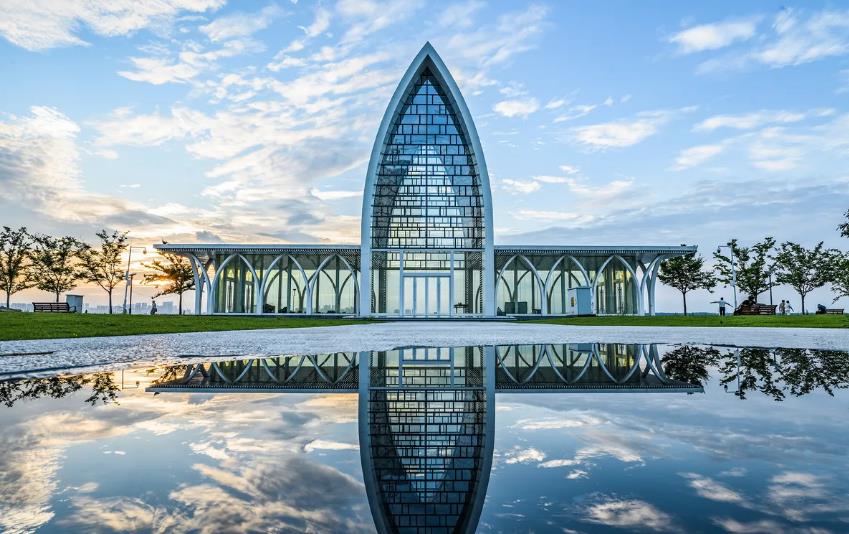
2026 Recommended Hotels in Anxi (Updated March)
52 posts

Popular Destinations Near Anxi

2026 Quanzhou Travel Guide: must-see attractions, popular food, hotels, transport & travel experiences (updated in March)
3213 posts

2026 Putian Travel Guide: must-see attractions, popular food, hotels, transport & travel experiences (updated in March)
747 posts

2026 Sanming Travel Guide: must-see attractions, popular food, hotels, transport & travel experiences (updated in March)
151 posts
- 1
- 2
- 3
- 4
- 5
FAQs about Anxi
-
What's the most popular attractions in Anxi?
Here are the best places to visit in Anxi, including: Qingshui Rock,Anxi Suoluo Scenic Area,Anxi Fengshan Mountain Scenic Resort
Post
More recommendations
Popular Trip Moments
Within 2 Hours of Quanzhou | These 6 Relaxing Towns Are a Balm for the Soul | Anxi: Half of Southern Fujian's Intangible Cultural Heritage History Under a Millennium of Legacy | Anxi Qingshuiyan: A Must-Visit Mountain Sanctuary on Sunny Days | Anxi Confucian Temple Light and Shadow Aesthetics | Min Nan Little Potala Palace Guide | Stroll through Anxi Yuezhai, healed by 500 years of tea fragrance | A new landmark has arrived in Anxi, the hometown of Tieguanyin tea! | Come to Anxi and spend a warm year soaked in the fragrance of tea | Anxi's new landmark is open! Complete guide to Baile International Hotel, one-stop dining, accommodation, and entertainment, booming from the opening | Anxi Treasure Hotel, a tea-scented party! | New Year at Qingshui, Seeking Spring on the Rock: Confide Your Heart to the Mountains and the Wind | Fujian's Hidden Fairyland Check-in Spot: Anxi Qingshuiyan Babysitter-Level Guide | A leisurely stroll through the ancient architecture of Qingshuiyan in Anxi on a rainy day 🌧 | Southern Fujian Style: A Secluded Vacation in the Fragrance of Tea | Winter Must-Visit! Anxi Yuezai Ancient Village Healing Check-in Guide | Quanzhou "Penglai Wonderland" Qingshuiyan|Complete Guide to the Millennia-old Temple for Listening to Springs and Watching Clouds | Winter Hidden Among Tea Forests|Complete Accommodation Guide for Anxi Yuequan Inn | Anxi's Winter Exclusive Romance! The Dawn Redwoods Here Are Beyond Stunning! | I'm already enveloped in the romance of Christmas! | Spending the night in a secluded mountain resort in Anxi | Old-fashioned charm in modern architecture | Be a "tea farmer" for a day at Xihe Mountain and explore Tieguanyin culture~ | 5-Day Complete Guide to Exploring Quanzhou and Surrounding Areas – Highly Recommended to Save | Xihe Mountain Tea Appointment|Millennium Tea Village, Discover the Past and Present of Tieguanyin | Winter Must-Soak Stunning Hot Springs | I've been to Anxi five times, and my advice is.... | A Culinary Taste of Anxi: This "Prime Minister's Family Banquet" Can't Be Hidden Anymore! | A Niche Hidden Gem Around Xiamen: Few People, Beautiful Scenery, Great for Photos | Stay in the Tea Village Near Xiamen for a Little Slice of Happiness | A touch of sunset, a lifetime of love; the setting sun paints the valley, and Sunset Valley awaits you for a feast of light.
Popular Destinations
Sion Travel | Athens County Travel | Stonnington City Travel | Hamilton Travel | Baghdad Travel | Tucson Estates Travel | HaArava Region Travel | Isola delle Femmine Travel | Baronissi Travel | Willoughby Travel | Chioggia Travel | Pateley Bridge Travel | Toms River Travel | Khargone Travel | Fauquier County Travel | Burtholme Travel | L'Ile-des-Pins Travel | Stoke-on-Trent Travel | Chatsworth Travel | Nis Travel | Cautin Province Travel | Zezhou Travel | Saarbruecken Travel | Bazhou Travel | Roanoke Travel | Galashiels Travel | Gardena Travel | Kobenhavn K Travel | Black Forest Travel
Recommended attractions at popular destinations
Popular Attractions in Bangkok | Popular Attractions in Manila | Popular Attractions in Tokyo | Popular Attractions in Taipei | Popular Attractions in Hong Kong | Popular Attractions in Seoul | Popular Attractions in Kuala Lumpur | Popular Attractions in Los Angeles | Popular Attractions in Shanghai | Popular Attractions in New York | Popular Attractions in Shenzhen | Popular Attractions in Osaka | Popular Attractions in Singapore | Popular Attractions in London | Popular Attractions in Guangzhou | Popular Attractions in San Francisco | Popular Attractions in Beijing | Popular Attractions in Macau | Popular Attractions in Bali | Popular Attractions in Jakarta | Popular Attractions in Paris | Popular Attractions in Ho Chi Minh City | Popular Attractions in Istanbul | Popular Attractions in Phuket | Popular Attractions in Chicago | Popular Attractions in Seattle | Popular Attractions in Toronto | Popular Attractions in Orlando | Popular Attractions in Cebu | Popular Attractions in Chiang Mai
Popular Restaurants in Anxi
肯德基(安溪宝龙店) | 豪客来牛排(安溪宝龙店) | Haokelai Steak (renminguangchangdian-0227) | 悦泉行馆中餐厅 | 永隆国际酒店·餐厅 | 吉利饭店(恒鑫购物中心店) | Yun'aiyuezizhongxin | Yuchengsanxingtese Grilled Fish | 0娴小铺(安溪文庙片区步行街店) | 快乐番薯(安溪虎邱洪恩岩店) | 重庆德庄火锅(安溪万达店) | 湖头小吃(三号店) | 肯德基(安溪凤城店) | 正新鸡排·炸鸡烧烤(瑞泉安溪店) | 汕头牛基地鲜牛肉火锅(安溪店) | 华莱士·全鸡汉堡(76安溪兴安店) | 潮汕天天鲜牛肉火锅(安溪店) | Yuelai Restaurant | Wandouxiansheng Coffee Shop (baolong) | 小龙坎火锅(宝龙广场店) | Chongqing Chicken Hot Pot (anxi) | 麦尓奇生日蛋糕坊 | 新佳美(一中店) | 小鱿鱼大酒楼(安溪店) | 老渝记重庆小面(安溪店) | 宝龙艺筑酒店餐厅 | 神龙冒菜(安溪店) | 韩悦烤肉自助(安溪万达店) | 匠和风精致料理(安溪万达店) | 163烧烤砂锅(安溪特产城店)
Popular Ranked Lists
Popular Best Things to Do in Zhaotong | Popular Best Things to Do in Jishou | Top 10 Premium Hotels in Jiangyin | Popular Best Things to Do in Wuzhishan | Top 20 Premium Hotels in Jinhua | Popular Best Things to Do in Wuzhong | Top 20 Premium Hotels in Lishui | Top 20 Luxury Hotels in Hangzhou | Top 50 Must-Visit Restaurants in Wenzhou | Top 50 Must-Visit Restaurants in Perth | Popular Best Things to Do in Sanjiang | Top 50 Best Things to Do in Macau | Popular Best Things to Do in Yuyao | Top 50 Must-Visit Restaurants in Guam | Popular Premium Hotels in Yichun | Popular Best Things to Do in Ji'an | Top 50 Must-Visit Restaurants in Jakarta | Popular Best Things to Do in Tongdao | Popular Premium Hotels in Yongjia | Top 50 Must-Visit Restaurants in Pingtan | Popular Best Things to Do in Yangquan | Popular Premium Hotels in Chizhou | Popular Premium Hotels in Dehong | Popular Premium Hotels in Baoshan | Popular Premium Hotels in Fuyang | Popular Best Things to Do in Ziyang | Top 10 Best Things to Do in Jingxi | Top 50 Must-Visit Restaurants in Manchester | Top 50 Must-Visit Restaurants in Cebu | Popular Luxury Hotels in Xi'an
About
Payment methods
Our partners
Copyright © 2025 Trip.com Travel Singapore Pte. Ltd. All rights reserved
Site Operator: Trip.com Travel Singapore Pte. Ltd.
Site Operator: Trip.com Travel Singapore Pte. Ltd.