1 / 11

Mentioned in this post
View more
Related Trip Moments
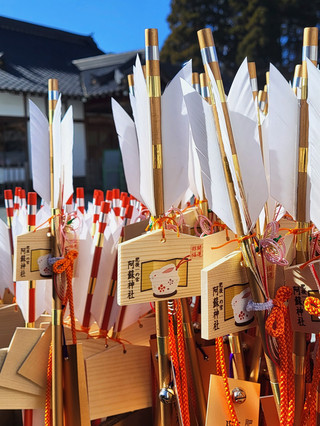
Aso Shrine
Aso Shrine: Higo Ichinomiya and the Unique Transverse Approach
 GuitarLong
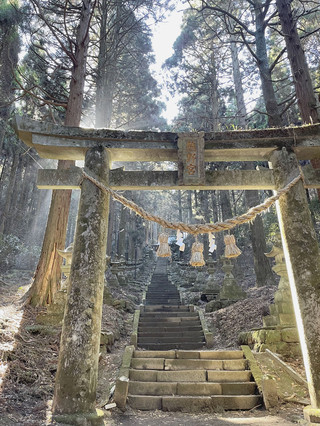
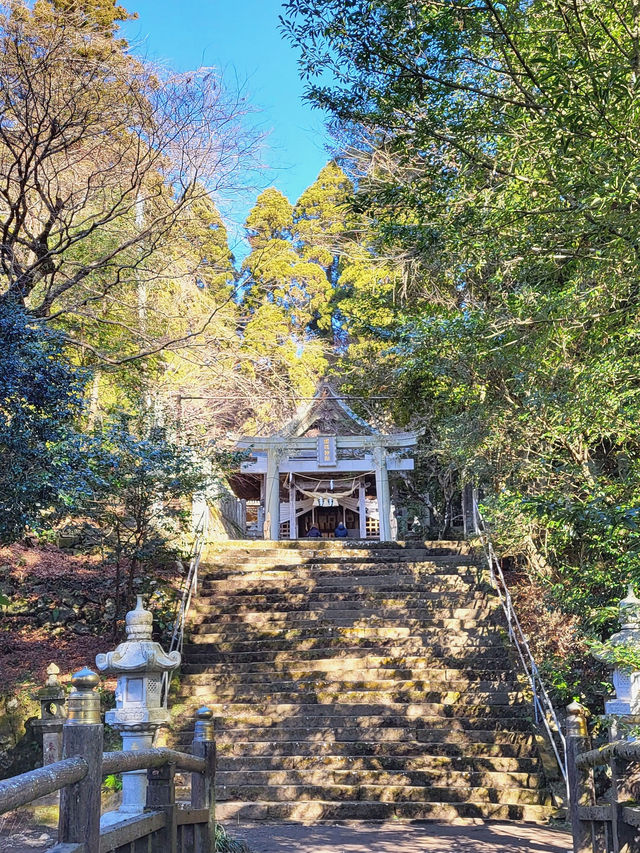
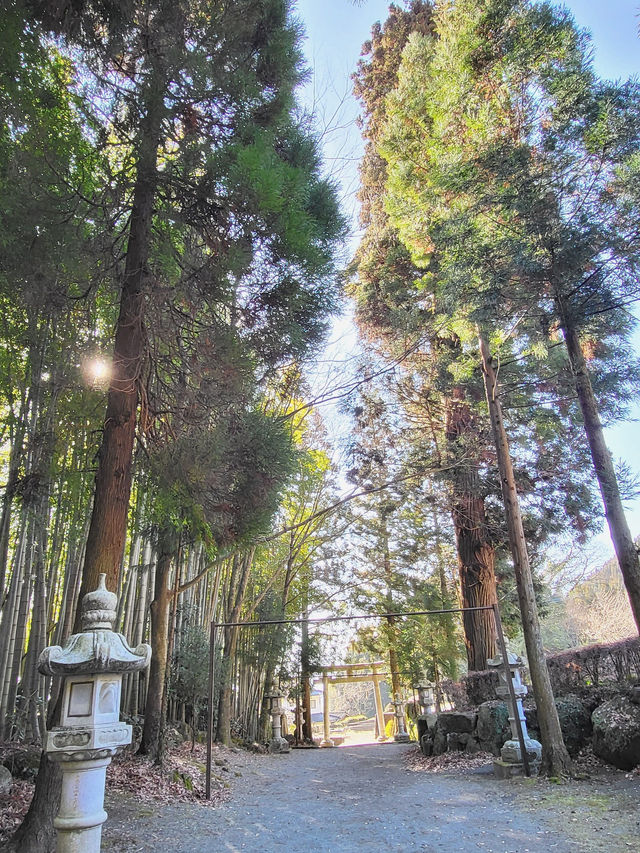
Kamishikimi Kumanoza Shrine
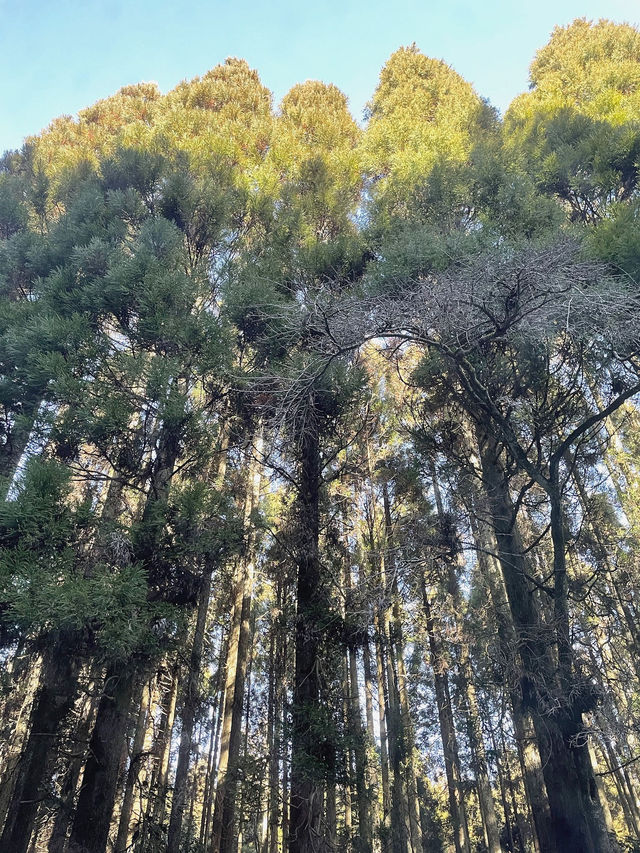
The Cedar-Lined Path of Kamishikimi Kumanoza Shrine and its Hundred Stone Lanterns.
GuitarLong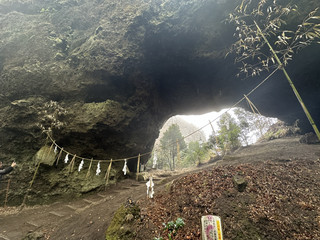
Shirakawa Spring
Driving into the Tranquility of Aso: Shrines, Springs, and a Pathway to Another World
 Nana03.11
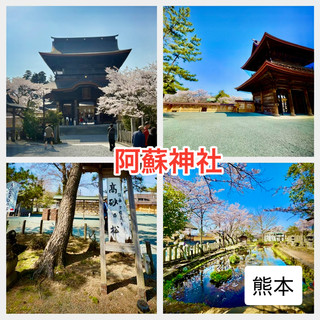
Aso Shrine
Enjoy Aso Shrine and the temple town
 SAKURA Tokyo Walks
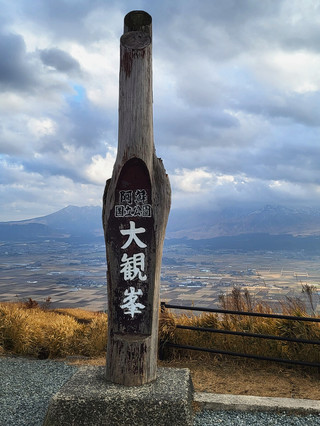
Daikanbō Lookout
Daikanbo: Viewing Aso's "Nirvana Statue" Amidst Crepuscular Rays 🌤️
GuitarLong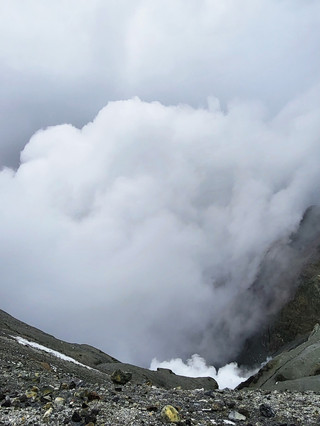
Komezuka
Aso Nakadake Crater: Standing on the Brink of an Active Volcano.
GuitarLong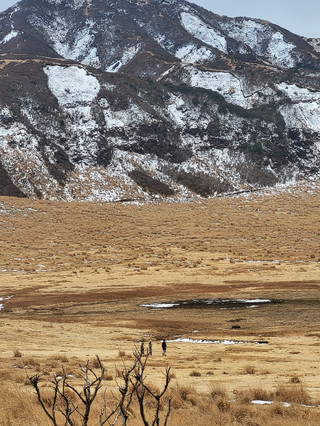
Kusasenri
Kusasenrigahama | The Golden Winter Grasslands of Mount Aso
GuitarLong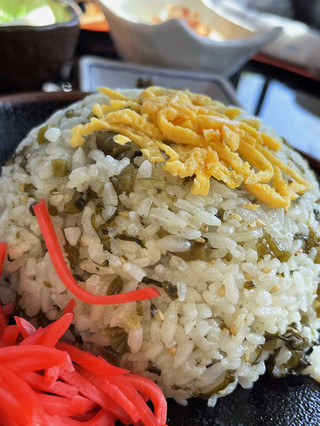
Mount Aso
A Taste of the Aso Highlands: Takanameshi and Dago-jiru at Sanzoku Tabiji
GuitarLong
Takachiho Gorge
2026 Kyushu Top 8 Must-See Landscapes | Exploring Aso and Takachiho in One Trip.
 華遊四海

Huis Ten Bosch
Top 10 Must-Visit Winter Attractions in Kyushu 2026 | Hot Springs, Illuminations, and Snowy Scenery
華遊四海
Kusasenri
【Kumamoto・Aso】Fall in Love with the Views of Kusasenrigahama! A Relaxing Escape with Horses and Nature.
 旅する江戸っ子
Aso Shrine
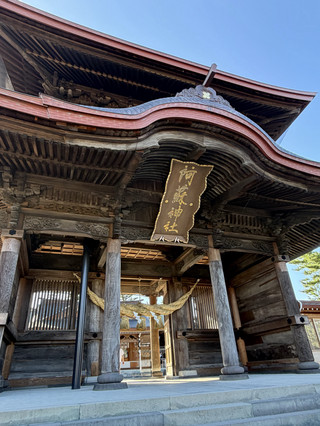
[Kumamoto] Aso Shrine: Home to one of Japan’s "Three Great Romon Gates."
 ことりっぷ❁⃘
More recommendations
Popular Trip Moments
Kumamoto Horse Meat Cuisine: Savoring Horse Sashimi and Yakiniku in Shimotori | Takamori Water Tunnel Park: The Railway Reclaimed by Nature’s Springs | The Cedar-Lined Path of Kamishikimi Kumanoza Shrine and its Hundred Stone Lanterns. | Aso Shrine: Higo Ichinomiya and the Unique Transverse Approach | Kokuzo Shrine: The "North Palace" of Aso and the Great Teno Cedar | Ryokan Ichinoi in Kurokawa Onsen | Sulfur Springs and Kaiseki Cuisine. | Daikanbo: Viewing Aso's "Nirvana Statue" Amidst Crepuscular Rays 🌤️ | Aso Nakadake Crater: Standing on the Brink of an Active Volcano. | Kusasenrigahama | The Golden Winter Grasslands of Mount Aso | A Taste of the Aso Highlands: Takanameshi and Dago-jiru at Sanzoku Tabiji | Discover Kumamoto with Trip.com: A day trip to hidden shrines, Mount Aso, and Kurokawa Onsen. | 🇯🇵 Kurokawa Onsen – A Peaceful Hot Spring Escape in Kyushu ♨️🌲 | Mount Aso Caldera, Japan: Where Grasslands and Volcanic Landscapes Coexist in Kumamoto. | Rowing Through the Wonders of Takachiho Gorge 🚣 | Japan's hidden gem | The romance and vastness of Mount Aso's crater | Autumn in Kumamoto, the beauty of nature! | Kyushu Adventure: Mountain Aso to Takachiho Gorge & Must-Try Noodles 🤩🍜 | [Kumamoto] The Ultimate Akaushi Beef Bowl in Aso! | Sunset Glow over Kusasenrigahama. | An Unforgettable Day Amidst Nature: Takachiho Gorge and Mount Aso Kusasenri | [Aso] I issued myself a boarding pass with the crater as my destination. | Visiting Kumamoto for the first time? Just copy this one-day itinerary | [Kumamoto/Aso] Imakin Shokudo: A Must-Visit for Aso’s Famous "Aka-gyu Don!" 🐂✨ | Kyushu, A Journey to Remember: Explore City by City, Fall in Love Bit by Bit. | 🌺 Minami-Aso, Kumamoto|A Stunning Sea of Red Kokia & Cosmos! 🍁 | Kyushu: A Southern Japanese Paradise | Explore Kyushu with Trip.com recommendations; tour guide Jimmy helped us experience the beauty of Japan | KUMAMOTO TRAVEL GUIDE: 6 Must-Visit Spots in the Iconic Castle Town and Home of Kumamon | JR Kyushu Rail Pass Review: Was My 7-Day Pass Worth It? 🚄 | 🇯🇵 Aso, Japan | Exploring the Dramatic Volcanic Landscapes of Kyushu
Popular Destinations
Pasuruan Travel | Delitzsch Travel | Sion Travel | Athens County Travel | Saint-Priest-en-Jarez Travel | Hamilton Travel | Baghdad Travel | HaArava Region Travel | Isola delle Femmine Travel | Baronissi Travel | Willoughby Travel | Chioggia Travel | Chippewa Falls Travel | Crozet Travel | Chillicothe Travel | Pisogne Travel | Weihai Travel | Black Forest Travel | Conception Bay South Travel | Port Perry Travel | Macon Travel | Belfair Travel | Luganville Travel | Jasper Travel | Saint-Pierre-d'Albigny Travel | Naples Travel | Yongin-si Travel
Recommended attractions at popular destinations
Popular Attractions in Bangkok | Popular Attractions in City of Manila | Popular Attractions in Tokyo | Popular Attractions in Taipei | Popular Attractions in Hong Kong | Popular Attractions in Seoul | Popular Attractions in Kuala Lumpur | Popular Attractions in Los Angeles | Popular Attractions in Shanghai | Popular Attractions in New York | Popular Attractions in Shenzhen | Popular Attractions in Osaka | Popular Attractions in Singapore | Popular Attractions in London | Popular Attractions in Guangzhou | Popular Attractions in San Francisco | Popular Attractions in Beijing | Popular Attractions in Macau | Popular Attractions in Bali | Popular Attractions in Jakarta | Popular Attractions in Paris | Popular Attractions in Ho Chi Minh City | Popular Attractions in Istanbul | Popular Attractions in Phuket | Popular Attractions in Chicago | Popular Attractions in Seattle | Popular Attractions in Toronto | Popular Attractions in Orlando | Popular Attractions in Cebu | Popular Attractions in Chiang Mai
Popular Restaurants in Aso
Asoji | Imakin Shokudo | Gotoya | Cafe Sakura | Sanzokutabiji | olmo coppia | Mabo | Kitayama Restaurant | Popeye’s Pizza | Zen | Baton Ramen Fukufuku | Sakamoto | Umakata Soba-ya | Ichinokawa | Pizzeria Wadachi | Cafe et Brocante Tien Tien | Patisserie D' Aso Miyuki | Sobadokoro Kazu | Michinoeki Aso | Hanaasobi Noson Buffet Restaurant | Regional Cuisine Himeji | Hikoshan | Daikanbou Chaten | Yui | Bancho Sushi | Mochitoko | Yokayokatei Sakanashi Honten | Bonakatei | Shokubou Takenko | Umekura
Popular Ranked Lists
Top 50 Global Traveller-Picked Restaurants in Xiamen | Popular Premium Hotels in Turkistan Region | Top 50 Global Traveller-Picked Restaurants in Huizhou | Top 50 Global Traveller-Picked Restaurants in Shangri-La | Top 20 Global Traveller-Picked Hotels in Foshan | Top 20 Global Traveller-Picked Attractions in Shangrao | Top 50 Global Traveller-Picked Restaurants in Shenyang | Top 50 Global Traveller-Picked Hotels in Beijing | Top 20 Global Traveller-Picked Restaurants in Jingdezhen | Top 20 Global Traveller-Picked Attractions in Huzhou | Popular Global Traveller-Picked Attractions in Kunshan | Top 50 Global Traveller-Picked Restaurants in Dujiangyan | Top 20 Global Traveller-Picked Hotels in Lijiang | Top 20 Global Traveller-Picked Attractions in Dalian | Top 50 Global Traveller-Picked Restaurants in Quanzhou | Top 20 Global Traveller-Picked Attractions in Ningbo | Top 20 Global Traveller-Picked Hotels in Dalian | Popular Premium Hotels Near Shymkent | Popular Premium Hotels Near Southern Region | Top 20 Global Traveller-Picked Restaurants in Tengchong | Top 20 Global Traveller-Picked Attractions in Wuxi | Popular Premium Hotels in Horta | Top 20 Global Traveller-Picked Attractions in Changsha | Top 50 Global Traveller-Picked Hotels in Shenzhen | Top 10 Global Traveller-Picked Attractions in Lanzhou | Top 10 Global Traveller-Picked Attractions in Huangshan City | Top 50 Global Traveller-Picked Hotels in Sanya | Top 50 Global Traveller-Picked Restaurants in Foshan | Top 50 Global Traveller-Picked Restaurants in Shanghai | Top 50 Global Traveller-Picked Restaurants in Beijing