2026 Wuhan Travel Guide: must-see attractions, popular food, hotels, transport & travel experiences (updated in February)
Essential Travel Information for Wuhan
Wuhan sits at the crossroads of the Yangtze and Han rivers. Visit the historic Yellow Crane Tower, explore East Lake’s parks, and try local dishes like re gan mian noodles. Wuhan blends timeless traditions with modern ambitions. Plan your perfect Wuhan journey with our local guide!
Wuhan Today's weather
Overcast 1-3℃

Latest Travel Trends in Wuhan
Popular Attraction in Wuhan
Yellow Crane Tower
(638)East Lake Scenic Area
(450)Wuhan University
(244)Jianghan Road Pedestrian Street
(226)Hubei Provincial Museum
(223)Wuhan Yangtze River Bridge
(184)Hankou Beach
(174)Lihuangpi Rd
(129)Hubu Lane
(125)Tanhua Forest
(118)Qingchuan Pavilion Park
(117)Chuhe Hanjie
(60)Mulan Grassland
(55)Wuhan Garden Expo Park
(36)Wuhan Happy Valley
(29)HHAn Wuhan Polar Ocean Park
(27)Wuhan Zoo
(26)Hubei Art Museum
(24)The 1911 Revolution Museum (North District)
(20)All Trip Moments about Wuhan | Travel Experiences
"The best place in Wuhan...is where it's free!"
(You can get there by taking subway line 5 🚇) Kuihua Lin is getting more and more interesting to walk along! The whole street is full of cute little shops, perfect for taking photos 📸 Stroll around and take pictures with your friends 🐢🐢 You can walk for a long time without having to backtrack! 📍Photo Locations / Check-in Spots (in order) 1️⃣ Exit A, Wushengmen Station (武胜门) – Cat Graffiti Wall (Picture 2) 2️⃣ 10-Minute Portrait Painting (p3) 3️⃣ Art Shop “不慌艺术商店” (p4) 4️⃣ Pet Cafe (p5) 5️⃣ Vintage Photo Studio – Colorful Staircase (p6) 6️⃣ “忆梦芳华” (p7) 7️⃣ Cat Painting at Le Porcelain Shop Door (p8) 8️⃣ General Merchandise Shop “迎乾杂货铺” (p9) 9️⃣ Textile/Weaving Shop “织否织否” (p10) 🔟 Shop “The Shop of the Deep Water” (p11) 1️⃣1️⃣ Kuihualin Cultural Village (p12) 1️⃣2️⃣ “The Days on the Clouds” (p13) 1️⃣3️⃣ Ma Yinglong Heart Balloon Wall (p14) 1️⃣4️⃣ Miniature Train on the Mountaintop (p1) 1️⃣5️⃣ “Youbo Cup” Scenic Viewpoint (p15) 1️⃣6️⃣ Kuihualin Mountaintop BBQ Restaurant (p16) 1️⃣7️⃣ Descending from the mountaintop – Taking photos behind Youbo Cup Restaurant (p17) #TravelPlan #ChinaTravel #China #Wuhan #Wuhan 1️⃣8️⃣ Cat graffiti wall, southwest side (p18)Crazy.traveler เที่ยวจะเครซี่4WHERE TO GO IN CHINA. A fantastic city with direct flights from Moscow!
WUHAN - A DETAILED GUIDE BEFORE VISITING THE CITY ✈️ How to get there Direct flights from Moscow or via major cities in China (plane/train). 🏨 Where to stay I recommend the Shangri-La Wuhan hotel. Centrally located, it offers excellent breakfasts and a beautiful interior. 🚇 Transportation The city has a metro system that covers almost all tourist areas. 🌸 When to visit Spring — the city is immersed in blooming plum blossoms. However, it's interesting all year round. 💡 Tip: Combine your trip with Zhangjiajie (the famous Avatar mountains) — 5 hours by high-speed train, ticket ~$60. WHAT TO SEE: 🏯 Yellow Crane Tower Scenic Area A massive pagoda with evening lighting — the symbol of the city and a must-see. Price: $10. 🌸 East Lake Plum Blossom Garden In spring, millions of flowers bloom here — one of the most beautiful places in China. Price: $5. 🚝 Skytrain A train that runs on rails... from below! The technology of the future is already here. Price: $5. 🎆 Wuhan Garden Expo Park In winter — a lantern festival with thousands of glowing figures and installations. Price: $8. 🛍 WS Mengshidai (Wushang Times) — the largest shopping mall in Asia! Inside — a whole quarter of old Wuhan from the 1930s with authentic snacks and atmosphere. 🌙 Jiqing Street A night pedestrian street in the Hankou district: street musicians, lanterns overhead, Hua Cai snacks until 2 AM. A street reminiscent of Nanjing Road in Shanghai. 🌊 Two Rivers Night Cruise A boat glides past neon skyscrapers — reflections in the water create a cyberpunk effect without any special effects. 🤖 Hubei Humanoid Robotics Innovation Center Robots dance to traditional music, serve tea, and communicate in Chinese — like a sci-fi movie come to life. 🚗 M-Hero Plant in Zhuankou The production site of the legendary Chinese SUV — you can take a tour. 🎪 Han Theatre A technological show with a lifting stage, water effects, and aerial acrobatics — the stage transforms right before your eyes (earth-water-air). Price: $15. 🎬 Wuhan Hankou 1930 Theatre An interactive performance: the atmosphere of the old city is recreated, actors perform right in the hall, and you can interact with them. Price: $40. 🏺 Hubei Provincial Museum The main treasure — bronze bells from 433 BC, which STILL sound! Free entry. Upcoming posts: Where to see robots, how to find the train of the future, what street food to try, reviews of immersive restaurants, gardens with cherry blossoms, and how to attend the lantern festival. Will be released within the next week.Sanyu_ch32026 Wuhan's earliest cherry blossoms have bloomed! Enjoy three flowers at Guishan Park + Ancient Sites One-Day Tour Guide
✨【Trip Highlights】 ❶ Guishan Park Cherry Blossom Boardwalk ✨ Fujian mountain cherry is in full bloom! Pink and white like early spring snow ✨ Fragrance of wax plum + bright plum blossoms + pink cherry blossoms, capture three flowers in one shot ✨ The boardwalk winds beautifully, perfect for photos looking up or down, a great match with Hanfu ❷ Summit Ancient Sites Cluster 🌿 Yu King Palace, Moon Tree Pavilion, Longxiang Temple 🌿 Climb up, every corner is history 🌿 Tree shadows and red walls, rustic and tranquil ❸ Hubei Radio and TV Tower 🔭 Tower admission: 80 RMB (worth every penny!) 🔸 360° revolving restaurant, enjoy a coffee with views of the three towns 🔸 Yangtze River, Han River, Yellow Crane Tower, and Yangtze River Bridge all in one frame 🔸 Glass observation deck, light is softest after 4 PM 🗺️【Recommended Route】 Enter Guishan Park from the South Gate → Cherry Blossom Boardwalk → Zhuangyuan Stone → TV Tower summit → Exit West Gate → 10-minute walk to Guqin Terrace → 8-minute taxi to Qingchuan Pavilion 📸【Must-Visit Photo Spots】 1️⃣ Stone steps in the middle of the cherry blossom boardwalk 2️⃣ West side of the top floor of the TV Tower (sunset over Yangtze River Bridge) 3️⃣ White marble platform at Guqin Terrace (pose playing the guqin) 4️⃣ Second-floor window frame at Qingchuan Pavilion (framing Yellow Crane Tower) 🍜【Nearby Food】 ▪ Coffee shops in Hanyangzao Art District ▪ "Riverside Kitchen" Hubei cuisine next to Qingchuan Pavilion ▪ Old tofu skin stall at Guishan North Gate (open only in the morning) 💡【Tips】 🔹 The blooming period can last until early February; morning visits are recommended for soft light and fewer people 🔹 Please keep quiet inside the ancient sites 🔹 It’s windy at the TV Tower, wear hats and scarves 🔹 Wear light colors or Hanfu for better photos under the cherry blossomsKENDRICK WARD3Early cherry blossoms in many parts of Wuhan have entered full bloom ahead of schedule
Recently, the early cherry blossoms in Jiefang Park and the Municipal Botanical Science Park have entered full bloom ahead of schedule. Along with the Fujian mountain cherry blossoms that bloomed first in Guishan Park, Wuhan now has three free parks where you can enjoy early cherry blossoms. These early cherry blossom varieties are mainly Kanzan and Kawazu cherries, featuring pink petals and dense flowers. They beautifully complement the pavilions, towers, green trees, and lawns in the parks, creating romantic springtime scenes. Currently, the cherry blossom corridor in Jiefang Park and the cherry blossom forest in the Municipal Botanical Science Park are popular spots. Visitors can stroll under the blossoms, feel the poetic falling petals, or take spring photos to capture wonderful memories. Experts predict that as temperatures rise, more early cherry blossom varieties will bloom one after another. During this year’s Spring Festival, Wuhan may welcome a spectacular "city full of cherry blossoms," adding romance and surprise to the holiday. Come to Wuhan’s free parks and encounter this early-arriving spring romance, letting the cherry blossoms add a splash of color to your Spring Festival!Trip.Pulse4BLOGGER'S DIARY: From the Yellow Crane Tower to Han Street
Good morning, Wuhan! It's been a while since I've been here! I first saw this city in 1992, at the height of my youth. Then there were a few days in 2015, when I came to the Central Asia exhibition. And now, a full decade later, in 2025, I stand again in the heart of this metropolis, and the scale of the changes is breathtaking. To say the city hasn't changed is an understatement. The architectural metamorphoses are truly cosmic! A forest of glass skyscrapers, futuristic bridges, and high-speed overpasses create a landscape straight out of science fiction. But, as before, the unchanging, dominant feature of the city is its beautiful Yellow Crane Tower. This symbol of Wuhan, steeped in poetic legend, steadfastly preserves the spirit of antiquity amidst its turbulent striving for the future. Wuhan is still crisscrossed by a life-giving network of rivers and lakes, and from the 18th floor of my Wuhan International Jinjiang Hotel, I watch the locals bustle about below, like ants in a giant anthill. They say their numbers have grown over the years to an incredible 11 million in the city limits alone, and the metropolitan area numbers around 32 million! This is what central China is like—powerful, densely populated, and incredibly dynamic. I arrived here yesterday evening with a delegation of Russian bloggers at the invitation of the Wuhan City Culture and Tourism Bureau and the China Tourism Office in Moscow, and our trip through this province will last only a week. But we are determined to immerse ourselves fully in its culture, mentality, and rich history. In addition to Wuhan, we plan to visit other cities and authentic villages that have become guardians of traditions. The program includes vibrant shows, excursions to interesting tourist destinations, and, most importantly, live interaction with locals to understand the soul of this region of China and then share with our readers why they should definitely come here! For now, my plans for the day include exploring new places in Wuhan. I'll definitely stroll along the bustling Han Street (Hanjie), a blend of colonial architecture and contemporary art, and admire the majestic Hubei Museum, home to treasures from the ancient Chu Kingdom. And in the evening, I might be able to take a ride on the Zhiyin Cruise Ship along the Yangtze River, watch an evening show, and see Wuhan awakening in the sunset. VISITCHINA RU - see where you're going... #Wuhan #TravelBlog #YellowCraneTower #BagongHouse #China #武汉国际锦江大酒店 #万里长江第一桥 #汉口老街VISITCHINA.RU4Snowy days in Wuhan are surprisingly beautiful!
In my memory, it rarely snows in Wuhan during winter. But when snow falls on the River City, those usually bustling streets and alleys become quiet, revealing a romantic and gentle side. On January 20th, the snowfall in Wuhan arrived as expected. The Yangtze River Bridge was covered in heavy snow, giving a sense of destiny; Bagong Houses donned a new look, as if transported to Northern Europe; Guiyuan Temple’s red walls and white tiles made Chinese aesthetics tangible🏯 Taking advantage of the snowy day, Bryan walked 20,000 steps and captured these rare scenes of Wuhan, sharing them with you✨ Photo locations📸 Photo 1: 📍Bagong Houses Photo 2: 📍Yihe Foreign Firm Photo 3: 📍Lanling Road Photo 4: 📍Wuhan Yangtze River Bridge Photo 5: 📍Cuiwei Road Photo 6: 📍Guiyuan Zen Temple Photo 7: 📍Tiejilu Riverside Park Photo 8: 📍Hanyang Riverside Park Photo 9: 📍Baoshun Foreign Firm Photo 10: 📍Wuhan Art Museum Photo 11: 📍Xian’anfang Photo 12: 📍Hankou Eastern Orthodox Church ⚠️Although the snowfall has stopped, the roads are slippery and the harsh winter continues. Bundle up in your down jacket when going out and stay safe.Olivia Davis Olivia313Wuhan is really, really, really snowing
Wuhan welcomes the first snow of this winter, draping the city in a layer of romantic silver. As snowflakes fall, the river city instantly transforms into a fairy tale world, with iconic landmarks like Yellow Crane Tower and East Lake appearing even more quaint and elegant against the white snow. Strolling along Jianghan Road Pedestrian Street in the snow, you can feel the blend of century-old architecture and modern neon lights, creating a unique charm. For those new to Wuhan or living and working here, this snowfall not only brings surprise but also adds a sense of belonging. Quietly enjoying the snowy view from the window of a rental, or going to the riverbank with friends to build snowmen and have snowball fights, are unforgettable winter experiences. Come to Wuhan to encounter this romantic first snow and create your own winter memories!Trip.Pulse3Slow Time in the Ancient Alleys of Wuhan
Wuhan is perfect for wandering alone when you're bored!||| I found the old Wuchang district really interesting! I used to love strolling around Tanhualin! I never expected the nearby Sandao Street to be so beautiful too!!! 📍 Navigate to [Koala Canteen], keep walking up, and you'll see mint green railings. The whole way is covered with comic graffiti, and I even met many cute little cats 🐈! If you go at sunset, you can see the sunset and Yellow Crane Tower in the same frame—it's especially beautiful! It takes about 20 minutes to walk down to Liangdao Street, then 📍 locate [Hanyangmen Wuchangli] to enjoy the night view by the Wuchang riverside (photos 17/18). If you're tired, you can go to [Zhonghua Road Pier] and take the 1.3 yuan ferry to Jianghan Road for some food! (The ferry deck is currently closed! You can only enjoy the view from the window.) ✨ Yellow Crane Tower + comic graffiti + comic walls + sunset + river view + ferry all in one—absolutely stunning! - Detailed itinerary 🗺️ Day 1⃣️: (Depart Saturday morning) 🚇 Take Metro Line 4 to [Simenkou Yellow Crane Tower Station], walk 5 minutes to [Koala Canteen] (search directly on navigation) ➡️ Walk through the alley and you'll see a row of mint green iron railings where you can take photos with the Yellow Crane Tower and comic wall in the same frame! ➡️ Keep climbing for 20 minutes to reach the [West Gate] of Yellow Crane Tower! Tickets cost 70 RMB 💰 (be sure to book in advance!) ➡️ After watching the Yellow Crane Tower sunset, go to nearby [Hanyangmen Wuchangli] for photos 📷 (since Wuhan has no sea, this is the best place to enjoy the river view) ➡️ After night photography, walk down to Liangdao Street for some food 🍜 (I recommend Sangou Fried Noodles, Wozidoupi, and Shanhaiguan Cold Drink Hall’s mung bean soup~) ➡️ Take the 1.3 yuan ferry at [Zhonghua Road Pier] to Jianghan Road! Just buy a ticket and board the boat~ Day 2⃣️: (Depart Sunday noon) ➡️ Sleep in naturally in the morning! Then have lunch at Liangdao Street~ ➡️ After lunch, go to Wuhan Art Museum for photos 📷 and to see exhibitions! Remember to bring your ID card~ ➡️ After visiting the museum, go to [Hubei Institute of Fine Arts] to see the art and design students’ exhibitions (photos 5/6). This exhibition is quite interesting—you can feel the creativity of art students~ ➡️ Finally, find a big tree on campus to take photos 📷. Sitting on it for photos really gives a great vibe~ (photos 8/9) - Itinerary Tips: ① Since it’s the weekend, it will be crowded, so start early~ Afternoons might be packed 😂 ② Remember to bring your ID card~ Both Yellow Crane Tower and the art museum require real-name reservations~ ③ Wear comfortable shoes because you’ll be climbing hills and stairs haha 🙈Evelyn Price Evelyn983Great place to enjoy plum blossoms in Wuhan!
“Plum Blossom Slope” in Zhuyehai Park is a beloved free spot for plum blossom viewing in Wuhan. The Plum Blossom Slope in Zhuyehai Park is its core plum viewing area. This south-facing gentle slope covers about 8,000 square meters and is planted with four varieties of plum trees: red plum, Gongfen plum, green calyx plum, and white plum, totaling over 500 trees. 🚇 Transportation and Routes Public Transport: The most convenient way is to take Metro Line 1 to Zhuyehai Station. After exiting from Exit D, it is recommended to ride a shared bike or walk about 2 kilometers to reach the Plum Blossom Slope. Driving: You can navigate to “Zhuyehai Park Parking Lot” or “Zhuyehai Road.” There are parking spaces along Zhuyehai Road on the west side of the park, but parking is tight on weekends, so arriving early is advised. The park has multiple entrances; it is recommended to enter from the west side Zhuyehai Road entrance or the south side Yuanbo Avenue entrance for quicker access to the Plum Blossom Slope. 📸 Tips for Visiting and Photography Recommended Route: If time is limited, enter from the east gate, turn left along the lakeside trail to enjoy the hillside plum forest, then head to the contiguous plum trees on the west side of the central lawn. The whole route takes about 1 hour. For a deeper visit, enter from the west gate, first enjoy the central lawn plum forest, then walk around the lake to the viewing platform for a panoramic view. This route takes about 2 hours. Best Time: Weekdays are the quietest. If visiting on weekends, it is recommended to go before 9 AM or after 4 PM to avoid crowds. The soft light of a sunny afternoon, especially at dusk, with the golden slanting sun shining on the plum forest, creates a warm atmosphere and is perfect for photography. Photo Spots: Lake Plum Reflection: The plum branches hanging low over the water by the lake allow for symmetrical compositions. Hillside Layers: Shooting from the bottom of the slope looking up captures the layered effect of the plum forest against the sky. Industrial Contrast: At the northwest corner of the park, try including the plum branches and the IKEA Ferris wheel in the distance in one frame for an interesting contrast.武汉旅游小天4Wuhan Lifen - Rediscovering the Vibrant Memories of Old Alleys
The Lifen culture in Wuhan is an important reflection of the city's modern history, blending dock culture, concession influences, and the local residents' wisdom of life, forming a unique spatial form and social network. · Hankou Lifen: such as "Tongxing Li" and "Kunhou Li," which preserve a large number of Republican-era lane buildings, with narrow and crisscrossing alleys. · Wuchang Old Town Area: around "Deshengqiao," lanes and old streets connect, continuing the local everyday life atmosphere. Wuhan’s lanes combine Western row house styles with traditional local courtyard structures, mostly brick and wood constructions with narrow doors and high walls. This architectural style, combining delicacy and ruggedness, exudes the unique Wuhan Lifen culture. Due to Wuhan’s hot summers, the designs emphasize ventilation (such as courtyards and high windows), with diverse roof forms (such as mixed pitched and flat roofs), and walls often decorated with alternating red and gray bricks. With urban renewal and the boost of tourism popularity, Wuhan Lifen culture is being seen by more people and gradually transformed. Once dilapidated buildings have been revitalized, becoming commercial cultural streets or trendy check-in spots. Examples include Xian’an Fang, Baoyuan Li, Yanqing Li, Tongxing Li, and others. While the old appearance is renewed, the original residents of the Lifen gradually move out, replaced by businesses. The city keeps developing, but some things are slowly drifting away and disappearing.RoopeHakala4Two Commercial Streets in Wuhan ✨️
#chinaadventures Best Two Commercial Streets in Wuhan: Hankouli & Guanggu World City Pedestrian Street ✨️ Hankouli (汉口里) offers a nostalgic experience with traditional Hankou-style architecture, old streets, local snacks, and cultural vibes. It feels calm, historic, and perfect for slow walks and photography, especially if you like retro aesthetics and local culture. Guanggu World City Pedestrian Street (光谷世界城步行街) is modern, lively, and international. With European-style zones, trendy shops, cafés, and night lights, it feels energetic and youthful. It’s ideal for shopping, hanging out with friends, and enjoying Wuhan’s modern urban life. Together, they show two very different but equally attractive sides of Wuhan.Travelwithfei4Shaoxing Travel Guide
This is a 2-day 1-night travel guide for Shaoxing, with a budget of around 1000 RMB, designed to help you easily appreciate the cultural heritage and beautiful scenery of this Jiangnan water town. Shaoxing Travel Guide (2 Days 1 Night) Introduction Shaoxing, located in central Zhejiang Province, is an ancient city with a long history and rich culture. It is home to the famous Lu Xun’s Former Residence, ancient bridges and towns, wine culture, calligraphy art, and the charming scenery of the Jiangnan water town. Stroll through the old streets and alleys to savor Shaoxing’s historical charm and the gentle beauty of the Jiangnan water town. Itinerary Day 1: Historical Culture and Water Town Scenery Morning: Lu Xun’s Former Residence Highlights: Lu Xun’s former home and memorial hall, learn about the life and thoughts of this modern literary giant. Transportation: About 15 minutes by bus or taxi from downtown. Tickets: Around 50 RMB (Lu Xun’s Former Residence + Memorial Hall) Suggestion: Arrange in advance, visit for about 1.5 hours. Noon: Downtown Restaurant Recommendation: Try Shaoxing specialties such as stinky tofu, braised duck, and rice vinegar stewed chicken, budget about 30-50 RMB per person. Afternoon: Lanting Ancient Town Highlights: The calligraphy holy land of Wang Xizhi from the Eastern Jin Dynasty—Lanting, experience the cultural atmosphere of the “Preface to the Orchid Pavilion.” Transportation: About 20 minutes by bus or taxi from Lu Xun’s Former Residence. Tickets: Around 30 RMB Activities: Stroll through the ancient town, enjoy the water town scenery, and experience calligraphy culture. Evening: Keqiao Ancient Town (optional) Highlights: A quaint water town with ancient bridges and flowing water homes. Transportation: About 30 minutes by car. Tickets: Free (some attractions may charge) Night: Downtown Night Market or Food Street Recommendation: Taste Shaoxing rice vinegar, drunken chicken, yellow wine, and other local snacks. Budget: About 50 RMB per person Accommodation Suggestions Budget hotels or guesthouses: About 150-200 RMB per night, recommended near downtown or Lu Xun’s Former Residence for convenient transportation. Day 2: Jiangnan Water Town and Cultural Experience Morning: Donghu Scenic Area Highlights: Jiangnan water town scenery, boating, photography, feel like a living ink painting. Transportation: About 20 minutes by bus or taxi from downtown. Tickets: Around 40 RMB Suggestion: Get up early to enjoy the boat tour. Noon: Water Town Specialty Restaurant Recommendation: Water town specialty dishes, budget about 30-50 RMB per person. Afternoon: Jianhu Scenic Area or Shenyuan Garden Jianhu: Famous Jiangnan lake with beautiful scenery. Shenyuan Garden: Known for the phrase “The drunkard’s intention is not in the wine,” a classical garden. Transportation: Choose based on interest, convenient transportation. Tickets: Shenyuan Garden about 50 RMB, Jianhu free or small fee. End: Return trip or free activities Budget Summary (Estimate) Item Costs (RMB) Transportation (city bus + taxi) about 100 RMB Tickets (Lu Xun’s Former Residence, Lanting, Donghu, Shenyuan Garden) about 170 RMB Meals (around 4 meals) about 200 RMB Accommodation (1 night) about 150-200 RMB Others (shopping, extras) about 50-80 RMB Subtotal about 670-700 RMB Remaining budget (about 300 RMB) can be used to buy special handicrafts, souvenirs, or enjoy special yellow wine and local snacks. Tips Book accommodation in advance to enjoy discounts. Use public transportation more to save on travel costs. Experience Shaoxing’s special cuisine, especially rice vinegar and yellow wine. Respect the culture and protect the historical sites. We hope this Shaoxing travel guide helps you have a fulfilling and enjoyable Jiangnan water town trip! If you need more detailed advice or itinerary adjustments, feel free to let me know!Simmons_Landon_594The East Lake Chrysanthemum Exhibition has started! (Super detailed guide)
The East Lake Chrysanthemum Exhibition has started! 🌼 (Super detailed guide) Shenzhen's winter is covered by 100,000 pots of chrysanthemums! 🔥 The 41st East Lake Park Chrysanthemum Exhibition is open for free for 21 days only. Don’t miss this once-a-year autumn romantic event. Quickly save this comprehensive guide and bring your friends to join the fun! 🚗 Transportation: Take Metro Line 5 or 7 to Tai’an Station, exit C, then walk 18 minutes straight to the West Gate; buses to Reservoir Terminal or Reservoir Station also reach the park. For those driving, please note that Parking Lot 1 is temporarily closed, and Parking Lot 2 is closed on weekends and holidays. The safest bet is to navigate to the underground parking at Xihui City. 🎫 Tickets: Free! Free! Free! Important things said three times! No reservation needed, just go straight in. Truly a zero-cost check-in to a stunning sea of flowers. 📍 Address: East Lake Park, 4006 Aiguo Road, Huangbei Subdistrict, Luohu District, Shenzhen (best to enter from the West Gate) 🌟 Highlights: East Lake Park Chrysanthemum Exhibition! Over 300 varieties and 6 major color series of chrysanthemums covering a 5,000㎡ flower sea, with red, pink, orange, yellow, green, and white all available. Every shot is a masterpiece. 🗺️ Recommended route: West Gate “Deep and Shallow Painting Realm” → Dajiale Stage → Confucius Statue → Flower and Tree Garden “Chrysanthemum Painting Fragrance Realm” → “Chrysanthemum Sculpture Dream Park” → Sunshine Lawn “Chrysanthemum Garden Fairy Trail” → West Second Gate “Tracing the Fragrance.” This premium route covers all the key exhibition areas, with surprises at every corner! 😋 Food: There is a chrysanthemum-themed food market inside the park, perfect for recharging when tired. Recommended is the Flower and Tree Garden’s fresh flower market, where you can also buy fresh chrysanthemum products. Right across from the park is the Xihui City commercial area, with Shengfengcheng Restaurant’s 19-year-old Cantonese cuisine and Xiniu Hui’s Chaoshan beef hotpot both highly praised. After touring, go enjoy a meal there. 🏨 Accommodation: Recommended is the Fuyi Fashion Hotel, just diagonally opposite East Lake Park, a 5-minute walk away, with great value; for those with a bigger budget, Shenzhen Shangri-La is 4.4 km away, offering a five-star experience; Hanting Hotel Tai’an Metro Station branch is also good, only 400 meters from the park, economical and practical. 💡 Travel tips: Opens at 6 AM, early visits mean fewer people and better lighting for photos; wear light-colored clothes or traditional Hanfu, which match perfectly with chrysanthemums; remember to bring a power bank, you won’t want to stop taking photos; there is a free zoo inside the park where you can see peacocks and monkeys; weekends are crowded, so green travel is recommended; enjoy the flowers responsibly and please do not pick them! This winter’s romance is brought to you by East Lake Park! Who are you planning to bring to enjoy the chrysanthemums? Let me know in the comments~Emily Edwards3Wuhan's 70㎡ "Sky Lounge"
The hotel is located in the heart of Hankou ICC Trade Center, with direct access to the underground parking by car. Right downstairs is the shopping district parking lot, so parking is completely worry-free. - 🌃 The "Sunken" Gathering King Bed Room features panoramic floor-to-ceiling windows. Sink into the sunken circular sofa, especially at night, the atmosphere is so romantic it leaves you speechless! - 🛋️ Every detail in the room is thoughtfully arranged: Smart toilet with disposable seat covers, Parma water series scented toiletries, making your stay so comfortable you won’t want to get out of bed. 🏙️ The public areas are full of clever touches too. The lobby has a black-and-white minimalist gallery style, and there’s a city-view leisure reading area where every snapshot looks like a high-end photo shoot 📷 👨💼 The service is impeccable, with a 24-hour online butler ready to assist. - 🎈 Nearby must-visit spots: ✔️ Wansongyuan Food Street ✔️ Jianghan Road Architectural Complex ✔️ Zhiyin Performance Wharf ✔️ Wuhan Art Museum (Qintai Pavilion) ✔️ Northwest Lake Coffee and Walking Circle ✔️ Wangjiadun CBD Sky Corridor - This hotel completely redefines my idea of a city getaway! Everyone, hurry up and book! WINKHOTEL Wenke Hotel (Huafa Northwest Lake Center Branch)WINK问可3Not New Zealand! It's Wuhan!
Help! Wuhan actually hides a "Little New Zealand" 🌿 Family, does anyone get it! 😭 I originally thought Wuhan was only about hot dry noodles and Yellow Crane Tower, until I discovered this treasure spot, Lingshan in Jiangxia! The alpine meadows roll endlessly, the mining lakes are crystal clear, and every snap looks like a New Zealand blockbuster, my friends on social media bombarded me with questions! 🤳 🚗 Transportation Guide, save this! Public transport 👉 Take a bus from downtown Wuhan to Jiangxia District, then transfer to the Lingshan special line. You can check schedules and fares at the station, super convenient! 🚌 Self-driving 👉 Follow the GPS, the rural scenery along the way is stunning, making the whole trip a great mood booster! 🌾 ✨ Must-visit Attractions List! 1. Lingshan Temple 🙏 A simple and elegant temple with bustling incense, stepping inside instantly calms your mind, the Buddhist cultural atmosphere is fully immersive! 2. Lingshan Lake 💦 The lake and mountains complement each other beautifully, shaded by green trees along the shore, perfect for fishing and photography, you could daydream here all day without getting bored! 3. Lingshan Botanical Garden 🌳 Packed with various rare plants, walking around feels like entering a magical natural treasure trove, both educational and pleasing to the eye! 4. Lingshan Geopark ⛰️ You can see many geological wonders, learning earth’s little secrets while having fun, perfect for bringing kids! 📝 Babysitter-level Travel Routes! Route 1 👉 Lingshan Temple → Lingshan Lake, start with peaceful prayers, then enjoy the scenic lake and mountains, super relaxing pace! Route 2 👉 Botanical Garden → Geopark, immerse yourself in the charm of nature and science, fun and enlightening! Route 3 👉 Folk Culture Experience, farming and making handicrafts, instantly blend into local life, full-on authentic experience! 🍜 Foodie Must-Try Delicacies! Hot dry noodles and duck neck, these Wuhan classics are a must! 😋 Also fresh lake seafood, fish soup noodles so fresh it’ll blow your mind, grilled fish crispy outside and tender inside, eating at a farmhouse is super satisfying! 🏠 How to Choose Accommodation? Hotels and resorts inside the scenic area are fully equipped, no need to commute back and forth, very hassle-free! 🛏️ If you want to experience farmhouse life, choose a farmhouse stay, cozy and affordable, and you can stargaze at night! ✨ Dear friends, this "Little New Zealand" hidden in Wuhan is truly amazing! Which Lingshan attraction do you most want to visit? Tell me in the comments~ 👇TwilightWhisp8EXPLORING WUHAN: Flying Over the Yellow Crane Tower
Hello, friends! We're in Wuhan! The second stop on our blogger delegation's itinerary was the famous Yellow Crane Tower, one of the "Four Great Towers of Ancient China." A Blogger's Riddle But it all started with a riddle. Our bus stopped near an old red brick wall, where tourists were crowded, eagerly taking selfies and photos. In the background, on a hill, the tower itself soared majestically – a great shot! But I still haven't figured out the sacred meaning of this wall. Maybe you could help me out in the comments? It was clear that for the locals, this is an important ritual – to begin their exploration of this landmark and take their first photos from here. I succumbed to the general hustle and bustle, asking my friend, blogger Yuri Smityuk, to take our photo from this vantage point as a souvenir. We had a simple meal at a popular tourist and award-winning street cafe nearby: fragrant noodles, jiaozi dumplings, fresh salads, and Chinese shaomai, similar to Buryat dishes. And then, we set off to the heart of the legend. History Embodied in Pagodas The Yellow Crane Tower (or rather, pagoda) is the symbol of Wuhan, and it's already 1,800 years old! Situated atop Mount Sheshan, overlooking the mighty Yangtze River, it was originally built in 223 AD (the second year of the Huangwu Dynasty of the Three Kingdoms Period, during the Wu Dynasty). According to legend, an immortal once rested here, then flew away on the back of a yellow crane. Hence the name. Its history is one of resilience: it repeatedly burned and was destroyed by wars and fires, but the Chinese rebuilt it again and again, as if resurrecting a legendary bird from the ashes. The pagoda was restored to its current Qing Dynasty appearance in 1985. What we see today is a grand complex: the main five-story pagoda (51 meters!), gates, pavilions, a bell, a white stupa, and bronze statues. This is not just a tower, but an entire poetic park that has inspired Chinese poets for centuries. It gained worldwide fame thanks to the poem "Yellow Crane Tower," written by Tang-dynasty poet Cui Hao after climbing the tower. In search of the perfect shot The inside of the tower is a photographer's paradise. Each level offers a new perspective on the confluence of the Yangtze and Han rivers, bridges, the TV Tower, and the skyscrapers of Wuhan. The best locations for photoshoots and selfies I found: * Near the bronze cranes on the lower platform in front of the tower – a classic. * Inside the tower, against the backdrop of a panel with a yellow crane and a tower depicting a legend – a classic Chinese scene. Everyone takes selfies here, and you should try to find a vantage point that you like. * On the observation galleries of all floors open to the public, with carved window frames that make the city look like a living painting. * Near the ancient stele with poetry – for an atmospheric shot. * On the platform near the bronze Millennium Bell, located higher up the tower, it has a more regular geometric shape. In fact, the entire Tower complex is one large photo zone. Spectacular shots await here at every turn: one moment you're catching a vantage point with your friend in the foreground, a graceful rooftop angle with mythical guardian statues in the middle, and a panorama of modern Wuhan in the background. And then you find the perfect reflection of the tower in a special mirrored surface at the foot of the Millennium Bell. Just being there is half the battle. The rest will be your instincts and your eye! I enjoyed strolling around the tower and the complex with my camera, but as a lover of urban photography and scale, I wanted more. After descending to the parking lot, I launched my drone into the sky. From a bird's eye (or rather, a crane's eye!) view, a stunning scene unfolded: an ancient pagoda, harmoniously blended into the rhythm of the modern metropolis and the mighty Yangtze River. This contrast is the soul of today's Wuhan. VISITCHINA RU EDITORIAL COMMENT: The Yellow Crane Tower is more than just architecture. It's a place where you can feel the connection between times: ancient legends, poetry, the power of the river, and the dynamism of the new China. It's the perfect vantage point to soak up the spirit of this amazing city. And the mysterious red brick wall at the foot of the tower remains a pleasant curiosity for Russian bloggers of the day. #YellowCraneTower #VISITCHINARU #Wuhan #China #Traveling #TravelBlogVISITCHINA.RU4Stayed three nights in Wuhan! ! Who exactly is staying at such a beautiful hidden gem hotel?
Hyatt Regency Wuhan Optics Valley Super convenient location📍 As soon as I arrived at the Hyatt Regency Wuhan Optics Valley, I felt the location was perfect. It’s right in the heart of Optics Valley, stepping outside leads to a bustling commercial area with all kinds of delicious food and fun activities. Plus, the transportation is especially convenient, with the subway station near the hotel, making it easy to get anywhere I want to go, which is incredibly convenient for me. Check-in, full of thoughtful details😍 The moment I entered the hotel lobby, the sense of luxury was overwhelming. The front desk staff were very enthusiastic, and the check-in process was quick. I noticed the room key card was very stylishly designed, holding it felt different. Also, during check-in, the staff carefully asked if I had any special requests, which made me feel very respected. Room environment, beyond imagination🌟 Walking into the room, I was instantly impressed. The room was spacious and the layout very reasonable. The bed was especially comfortable; I tried it and lying on it felt like lying on a cloud, making me feel completely relaxed. The room also had large windows with excellent natural light; sunlight poured in during the day, making the whole room bright. What surprised me most were the small details, like the toiletries being from big-name brands and complimentary bottled water, all of which made me feel very cared for. Hotel dining, delicious and abundant🍽️ The hotel restaurant also impressed me a lot. The breakfast had a wide variety, including Chinese porridge and buns, as well as Western bread and milk—everything I could think of. The restaurant environment was elegant, and sitting there for breakfast felt very enjoyable. I also tried the hotel’s dinner; the dishes tasted great and the service was attentive, making my meal very happy. Nearby attractions, fun and interesting🎉 What made this stay especially enjoyable was that there were many fun places around the hotel. Just a few steps out was Optics Valley Pedestrian Street, full of various shops and delicious food, very lively. Nearby were also some unique buildings and attractions, perfect for taking photos and checking in. I visited several places and took lots of beautiful photos, feeling very accomplished. In short, this stay at Hyatt Regency Wuhan Optics Valley was truly satisfying. From the location to the room environment, from dining to service, every aspect made me feel great. Next time I come to Wuhan, I will definitely choose this place again.LINCOLN REEVES4My first time staying at such a high-end hotel, it was absolutely amazing!!
🌟An awesome experience at Hyatt Regency Wuhan Optics Valley I went to Wuhan last month and specifically chose the Hyatt Regency Wuhan Optics Valley. This experience was simply fantastic, and I have to share it with you all. 🏠 Check-in Experience: Full of Design Flair As soon as I arrived at the hotel, I was attracted by the Southeast Asian-style elephant at the entrance—such a unique style. The lobby design really impressed me, with an elegant Chinese atmosphere, filled with the scent of ink and a leisurely charm. The front desk, lounge bar, salon space, and tea area are all both integrated and independent, making it feel like stepping into a cultural oasis. 🛏️ Room Details: Comfortable and Thoughtful I stayed in the Hyatt Suite, and the moment I entered, it felt very spacious and full of design sense. The room features many Chinese elements, from the books to the coffee table, all exuding cultural vibes. The minibar offers a variety of soft drinks, and the amenities are from Pharmacopia, very high-end. Also, the room’s soundproofing is excellent—no noise at all when sleeping at night. 🍔 Culinary Exploration: A Feast for the Taste Buds The hotel’s dining is fantastic, especially the Chinese restaurant Fuyue 1077. I ordered several dishes, and the peony tofu was quite special. The buffet dinner was the highlight, with very fresh Japanese cuisine; the eel sushi and sashimi were super delicious. The executive lounge’s happy hour offers both alcohol and soft drinks, and the made-to-order beef noodles and hot dry noodles taste authentic. 🏋️ Fitness and Leisure: A Great Place to Relax The hotel’s fitness center and swimming pool are also very good. The pool is indoor, 23 meters long, with excellent water quality. The gym is well-equipped, especially with a spacious area for weightlifting and yoga. I swim every morning to exercise, and it feels fantastic. 🚗 Transportation: Convenient and Fast Although the hotel is a bit far from the traditional city center, transportation is very convenient. There is a subway station next to the hotel, and it takes about 40 minutes to get to downtown. If you take a taxi, it’s just the starting fare to Optics Valley Pedestrian Street. Plus, there are many taxis right outside the hotel, making travel very easy. 💡 Practical Tips • Book in advance: The hotel is very popular, so it’s recommended to book early, especially suites, which might come with upgrade surprises. • Join activities: The hotel often has various events and promotions, such as buffet dinner discounts and fitness classes, so keep an eye out. • Explore nearby: There are many fun places around the hotel, like Huazhong University of Science and Technology and Optics Valley Pedestrian Street, so plan your itinerary accordingly. In short, Hyatt Regency Wuhan Optics Valley is truly an excellent choice. Whether it’s design, service, or dining, I was very satisfied. Next time I go to Wuhan, I will definitely choose this place again.Ellie567_Foster3In Wuhan, a must-visit park every winter
Jiefang Park's autumn and winter filter is already set 🍂 The waterside corridor, plane tree avenue, and bright red dawn redwoods... every snapshot looks like a movie scene. On clear days, come for a walk, daydream, or feed the pigeons—it's incredibly healing~ ㅤ 📍Address: Jiefang Park 🚇Metro: Line 1/Line 8 "Huangpu Road Station" Exit H, right outside is Gate 1 🕐Best visiting period: December to January (dawn redwoods turn red, plane trees turn yellow) 🎫Admission: Free ㅤ 💡Tips for visiting: ✅It’s recommended to enter from Gate 1, stroll along the main road to the wetland corridor, then circle back to the pigeon square for a leisurely and easy walk. ✅In autumn and winter afternoons, the slanting light makes the dawn redwood forest and plane tree avenue perfect for photos; light-colored coats or vintage outfits look great in pictures. ✅You can bring some bread to feed the pigeons; park benches and lakeside spots are perfect for relaxing and daydreaming. ✅After visiting, you can walk to Wuhan Tiandi for a cup of coffee, and there are many snacks nearby on Shanhaiguan Road too~ANASTASIA RHODES3Wuhan 3-Day Essential Itinerary
Day 1: Wuchang Ancient City · Climb the Tower to View the River, Fireworks Enter Dreams • Morning: Yellow Crane Tower · Unlock the Best Views No need to insist on climbing the tower (ticket 70 RMB). The bridgehead of the Yangtze River Bridge or Laojie of Desheng Bridge are free check-in spots where you can capture stunning shots of "ancient tower + river bridge + city life" in one frame. If you love history, climb the tower to overlook the three towns of Wuhan; the west gate view offers a breathtaking panorama of "tower, bridge, and river." • Noon: Liangdao Street · Eat Authentic Breakfast Avoid the main street of Hubu Alley and dive into Liangdao Street for local flavors: Zhao Master’s fried cake wrapped Shaomai (crispy cake with juicy Shaomai), Grandma Xiong’s dumplings, Zhang’s hot dry noodles, all for 20 RMB for a hearty meal. • Evening: Yangtze River Ferry · 1.5 RMB Romance Take the regular passenger ferry at Zhonghua Road Pier, cross the Yangtze River at sunset, feel the river breeze on your face as the lights on both banks gradually light up. It’s more authentic Wuhan flavor than paid cruise boats. • Night: Chu River Han Street · Night View and Food Hunt The ancient-style commercial street’s night view is stunning. Recommended dishes include Lao Tongcheng bean skin and Jiangcheng soup dumplings. Take a stroll after dinner to aid digestion and feel the city’s vitality. 🏠 Accommodation: Hotel near Wuchang Metro Station Close to Line 4/Line 7, near attractions, convenient transportation 🚗 Day 2: East Lake Ecology · Cycling and Oxygen Absorption, Crossing Millennia • Morning: East Lake Greenway · Cycle and Enjoy the Lake Exit at Liyuan Station to reach the greenway immediately. Rent a bike for 30 RMB/hour and cycle along the middle lake path to Moshannorth Gate. The shimmering lake is comparable to West Lake. Stop to take some forest-style photos if tired. In spring, you can also visit East Lake Cherry Blossom Park nearby, a pink flower sea that’s super healing. • Afternoon: Hubei Provincial Museum · Encounter National Treasures Book in advance 3 days via the official WeChat account (free). Must-see “Four National Treasures”: Marquis Yi’s Bronze Bells, King Goujian’s Sword, Bronze Ice Mirror, and King Liangzhuang’s Tomb Goldware. Remember to grab tickets for the bronze bell music performance to experience the charm of ancient music. • Night: Wuchang Bay 1956 Park · Relax with River View Industrial heritage meets river scenery. Watch the sunset turn golden in the evening. When night falls and lights come on, listen to live singer performances at the riverside bar for a full dose of romance. Day 3: Hankou Arts · Slow Tour of Old Streets, Final Surprise • Morning: Lihuangpi Road · Artsy Check-in Hankou concession old street hides many old foreign-style houses. The “Wuhan Memory” wall paintings and vintage mailboxes are great for photos. Choose a café to sit and enjoy the leisurely vibe of slow Wuhan. • Noon: Shanhaiguan Road · Breakfast Finale A local breakfast haven. Recommended dishes include fresh fish porridge with fried dough sticks, rice cakes, and chicken comb dumplings. Try all the Wuhan snacks you haven’t had before. • Afternoon: Jianghan Customs House + Right Bank Avenue Lift Bridge Take photos of European-style vintage scenes at Jianghan Customs House clock tower. Then visit Asia’s largest lift bridge—the Right Bank Avenue Lift Bridge—to watch the “elevator-style” bridge deck rise and fall. Photos under the lights are stunning. Before leaving, buy Zhou Hei Ya duck neck and Wang Yuxia pastries at city chain supermarkets as souvenirs for better value. 🚇 Transportation & Tips to Avoid Pitfalls 1. City Transport: Metro covers core attractions, ride-hailing/taxis are convenient, ferry costs 1.5 RMB for local commuting experience. 2. Pitfall Guide: Ignore unlicensed cars at airport/train station, light shows can be watched for free at Hankou Riverside Park. 3. Money-saving Tips: Student ID offers half-price tickets for Yellow Crane Tower and Moshanshan, cycling East Lake Greenway is more cost-effective than boat tours. 4. Booking Reminder: Hubei Museum and Gude Temple require advance booking; bronze bell concert tickets require quick booking skills.Joyful_Caleb_274Staying at such a high-end hotel for the first time!! It’s absolutely amazing
Who would have thought! I blindly picked a hotel in Wuhan and actually struck gold✨ In the prime Pan Hai CBD where every inch of land is precious, the Fairmont here truly maximizes the vacation vibe, a definite lock for tourists! 🏙️ Location | Tourists will be thrilled Right downstairs is the subway entrance, and it’s a 10-minute walk to Wuhan’s business district. Taking a taxi to Hankou Riverside Park or Jianghan Road takes about 20 minutes. After shopping at night, coming back and just lying down is pure bliss😌 There are plenty of convenience stores and restaurants nearby, so night snack lovers have nothing to worry about. 🛏️ Room Experience | Detail lovers will adore it I stayed in a deluxe king room, and the floor-to-ceiling windows amazed me as soon as I walked in. Sunlight pours in during the day, and looking out at the skyscrapers really sets the mood. The bedding is soft and cozy, just as comfortable as at home; night owls like me can sleep in naturally💤 The minibar is free! Free! Free! Drinks and snacks at your leisure—what a steal. 🍽️ Food Guide | Breakfast is simply legendary The buffet breakfast has so many options it’s hard to choose, including Wuhan hot dry noodles, bean skin, and rice noodle soup. The freshly cooked steak and crepes smell irresistible, and the coffee is freshly ground with an amazing taste. Sitting by the window, eating while enjoying the view—that’s the right way to vacation🍳 💁♀️ Service Experience | All about thoughtfulness The front desk lady was super gentle and checked me in very quickly. Seeing me with my suitcase, she proactively helped carry it to my room and thoughtfully introduced nearby attractions. When I came back at night, they even gave me a goodnight dessert—this kind of detail really touched my heart❤️ ✨ Tourist Summary ▪️ Convenient location, perfect for both sightseeing and dining ▪️ Comfortable rooms, full of thoughtful details with no disappointments ▪️ Great value, if your budget allows, just go for it If you’re visiting Wuhan, choosing the Pan Hai Fairmont is definitely worth it! Ladies, go for it with confidence🐛lumindor_12254citywalk Ecstasy Hidden in the Golden Forest in the City Center
Babes! I've discovered a hidden autumn and winter secret spot in Wuhan😭 A bald cypress forest tucked in the city center, now transformed into a golden fairy tale. The dawn redwoods stand tall, fallen leaves cover the ground, few people and no crowds. Every snap during citywalk looks like a masterpiece. Quickly save this guide and go~ ✨Must-capture highlights of the bald cypress forest 🍁Autumn and winter spectacle: The bald cypresses have turned golden yellow and brick red! Sunlight filters through the branches casting dappled shadows, the trunks are tall and slender, reflected on the water surface, like stepping into a secret realm in an oil painting, the atmosphere is instantly perfect💯 📸Photo spots: ①Shoot reflections by the water, bald cypresses mirrored on the surface, symmetrical composition is super soothing; ②Walk into the forest path, let fallen leaves fill the frame, take atmospheric close-ups with a side glance; ③Shoot from a high spot, the golden forest is staggered and elegant, capturing an exclusive, sophisticated vibe~ 🌿Hidden gem advantage: Not a popular internet-famous spot! Very few tourists, no need to queue for photo spots, even shy people can confidently pose and fully enjoy the relaxed citywalk vibe~ 🚶♀️citywalk & photo tips 🚇Transportation: Recommended to take a taxi directly (search “Wuhan Bald Cypress Hidden Filming Location”), or take the subway then bike for 10 minutes, reachable within half an hour from downtown~ 👗Outfit suggestions: Wear off-white, light khaki, caramel colors, paired with a long scarf or beret, perfectly matching the golden bald cypresses, gentle and photogenic; tall girls can wear long coats, petite girls choose short jackets + straight pants for a slimming and height-enhancing look~ 🗓️Best time: From now until mid-December is the golden period! 2-4 pm in the afternoon has the best sunlight, soft and not glaring, photos come out with amazing quality~ ⚠️Avoid pitfalls: Wear non-slip shoes as the forest path can be slippery with fallen leaves; remember to bring mosquito repellent, there are occasional mosquitoes near the water~ 🌆Nearby spots to check out After shooting, continue citywalk. Nearby there are hidden lakes and green plant trails, and you can explore local community food spots nearby, experiencing the authentic Wuhan local vibe, all in one route for autumn and winter happiness~ The romance of Wuhan’s autumn and winter is all in this bald cypress forest! Hidden and uncrowded, great for photos, missing it means waiting a whole year~ Sisters who have been here, share your beautiful photos in the comments👇Grace.Butler@6318🛬 Free Transit Accommodation at Wuhan Tianhe International Airport — Don’t Miss It!
If you ever have a long layover at Wuhan Tianhe International Airport, make sure you take advantage of their free transit accommodation service — it’s truly one of the best airport perks I’ve encountered! I recently had an overnight layover and was offered free hotel accommodation, and the entire process was smooth, fast, and extremely convenient. ✨ How it works: Head to the Transit Accommodation & Tourism Service Centre located on the 1st floor near Exit Gate 12. Just submit your passport, your previous boarding pass, and the boarding pass for your next flight. Within a few minutes, they register you and give you a form that grants free hotel entry. 🚌 Shuttle Service: A free shuttle runs every 10 minutes between the airport and the hotel — super efficient! In my case, I stayed at J.Sky Hotel, only a 10-minute ride away. 🏨 The Hotel Experience: J.Sky Hotel absolutely exceeded my expectations — it felt like a 5-star stay. The staff were polite, professional, and very helpful. Once I handed over the form, they issued my room key in under 2 minutes. The standard free room is on a shared basis, but you can choose a private room for just 120 CNY if you prefer. I opted for the free room and had a peaceful, comfortable night. Woke up refreshed and ready for my next flight! 🌟 Final Thoughts: If you’re flying through Wuhan Tianhe International Airport and have a long layover, definitely make use of this amazing free transit hotel service. It made my journey so much easier, and I boarded my next flight full of energy. Highly recommended — don’t miss out! #hellochristmas #thingstodo #travel #TravelReviewDr Muhammad Fasehullah3Late night tour in Hubei~
This summer, you must visit Hubei! City nightscapes, cultural heritage, and natural scenery all in one go. Here’s a 3-day, 2-night in-depth travel guide for Hubei—keep it handy~ 🌆 Must-visit spots: 📍Wuhan Yangtze River Bridge Night View (Linjiang Avenue, Wuchang District) Come here at night to enjoy the river breeze—it’s so comfortable! You can also watch the light show on both sides of the river. Around 8 PM is the best time to see the most beautiful view! 📍Yellow Crane Tower (No. 1, Xishanpo, She Mountain, Wuchang District) The "Number One Tower under Heaven" is not called that for nothing! Visit during the day to climb high and enjoy the distant view. Recently, night tour tickets have been added, and the lighting at night is stunning~ 📍East Lake Greenway (Donghu Road, Wuchang District) Asia’s largest urban lake. Riding a bike around the lake is super relaxing. At dusk, the pink sunset is breathtaking—every snap looks like a masterpiece! 📍Hubei Provincial Museum (No. 88, Donghu Road, Wuchang District) The Sword of Goujian, King of Yue, is here! Remember to book in advance; it’s closed on Mondays. A 3-hour in-depth visit will turn you into a culture expert in no time~ 🛏️ Accommodation recommendations: ✔️Wuchang District: Recommended to stay near Chu River and Han Street, convenient for shopping and dining, and all attractions are within 15 minutes by car. ✔️Jianghan Road: A classic commercial area with vibrant nightlife. Recommended: Lavande Hotel, within walking distance to the riverbank for night views. 🔥 Useful tips: 1. Ferry ride only costs 1.5 yuan! The route from Zhonghua Road to Wuhan Pass is the most classic. 2. Don’t miss the breakfast experience of "Guozao"—hot dry noodles with egg wine are amazing. 3. Remember sunscreen in summer; the sun in Hubei is no joke. 4. The subway is super convenient; just scan the code with Alipay to ride.Emily~Foster6247Staying at this guesthouse with hot springs is pure happiness
By the seaside in Xiamen, live in a white house that breathes 🌊 Push open the wooden door of Shanhe Tangye Guesthouse, and it feels like stepping into a gentle island dream. The large milk-white walls softly reflect the sunlight, the natural wood furniture glows warmly, and every window frames a different view—perhaps the bougainvillea swaying in the courtyard or the shimmering sea in the distance. Here, there’s no need to rush your schedule. In the morning, sit on the terrace with a cup of hand-brewed coffee and watch fishing boats lazily glide across the sea; in the afternoon, curl up in the rattan chair in the living room with a book, as the sea breeze carrying the scent of gardenias slips through the sheer curtains; at dusk, walk just 5 minutes to the beach to wait for an orange sea sunset, letting the day’s fatigue melt into the twilight. The biggest surprise is the private hot spring pool in the room. Soaking in the warm water at night, you can look up at the starry sky, with the sound of waves as the most soothing background music. The owner couple is very thoughtful, preparing local cherry tomatoes and mung bean soup in advance, and sharing their secret little spots for beachcombing, adding a touch of home warmth to your Xiamen trip. If you want to escape the city noise and find a place to slow down, Shanhe Tangye will be the best answer. Xiamen Guesthouse | A hidden retreat near Zengcuoan that heals all unhappiness ✨ After staying at three guesthouses in Xiamen, I finally found my “dream stay” — Shanhe Tangye. It’s tucked away in a quiet alley not far from Zengcuoan, perfectly peaceful amidst the bustle. Without the flashy design of trendy guesthouses, it touches the heart with its minimalist Japanese style: the bluestone path in the courtyard, wind chimes under the eaves, cotton and linen bedding in the rooms—every detail exudes comfort. My favorite is their family room, which has a small tent and a reading corner with picture books. Kids can play by themselves all afternoon, and parents can finally take a break. It’s just a 10-minute walk to the Music Square beach, where you can take the kids to dig sand and collect shells at dusk, then come back to the guesthouse’s communal kitchen to cook a simple meal, feeling like you have a temporary home by the sea. The owner provides guests with a hand-drawn map of the area, marking local seafood stalls and little-known sea-view trails, helping us avoid crowded tourist spots and truly experience Xiamen’s slow life. Next time I come to Xiamen, I will definitely stay here again! Xiamen Travel | Not a trendy spot, but a seaside guesthouse that made me never want to leave 🌅 Before coming to Xiamen, my expectation for a guesthouse was just “clean is enough,” until I met Shanhe Tangye and realized how much “comfortable living” can enhance a trip. The location is perfect—just a 5-minute walk to the sea, yet away from the noise of main roads. The room is in my favorite wabi-sabi style, with no unnecessary decorations, only a soft mattress, blackout curtains, and a floor-to-ceiling window with a sea view. Waking up to sunlight, pulling back the curtains to see the blue sea instantly cures all morning grumpiness. What touched me most were the details: toiletries from a niche essential oil brand, a non-slip mat and cotton pads in the bathroom, and even a Dyson hairdryer. At night, chatting with friends on the terrace, the owner brought us homemade longan tea; the warm sweetness flowing down my throat made even the sea breeze feel gentler. If you come to Xiamen, don’t just focus on trendy guesthouses—try Shanhe Tangye. It will use the simplest kindness to make you fall in love with this island.FIONA HARRISON5This hotel made me want to stay in all day and not go out
Everyone, look here! Found a magical hotel! The stay experience is amazing, highly recommending it to you all~ 💕 🛁 The moment you walk in, you're stunned by the unbeatable floor-to-ceiling window view! You can enjoy the city nightscape 🌃 right from the bed (Whispering: The room is super big! Ladies can happily spin around 💃) 🌟 Super thoughtful service: • 24-hour laundry service 👔 (Who understands! So friendly to college students 🥹) • Breakfast buffet with everything you could want 😋 • Free refills on coffee ☕ Stay as long as you want (Lazy people like me can just lounge all day) 🎬 Essentials for lying down: • Extra-large TV 📺 (Binge-watching shows until the end of time) • Comfortable big bed 🛏️ (Soft like sleeping on clouds) It's truly a haven in the city 🌆 When you don't feel like visiting tourist spots, come here to relax!RefreshingRetreats7Have you visited Gude Temple near Wuhan?
Gude Temple - The First Wonder of Han Chinese Buddhist Temples ❀────────❀ - Basic Information ✦ Address: No. 74, Shuaipo Road, Huangpu Street, Jiang'an District, Wuhan, Hubei Province ✦ Features: A fusion of Eurasian religious architectural styles, known as "The First Wonder of Han Chinese Buddhist Temples." The core building, Yuantong Treasure Hall, combines elements of Gothic, Romanesque, and Indo-Burmese temples, full of exotic charm. - Transportation 1. Public Transport Metro: Take Metro Line 3 to Luojiazhuang Station (Exit B), then walk about 1.5 km (15 minutes); or take Metro Line 8 to Zhaojia Tiao Station (Exit G), then transfer to a bus or bike for 1.3 km. Bus: Take Bus No. 3, 509, or 707 to Gongnongbing Road Gude Temple Station, then walk about 5 minutes. Or take Electric Bus No. 3 or 2 to Jiefang Avenue Huangpu Street Station, then walk about 10 minutes. 2. Driving/Taxi Navigate to "Gude Temple." Parking around the temple is limited, so taking a taxi is recommended (about 15-30 minutes from downtown). - Opening Hours and Tickets Opening Hours: Open year-round; Summer: 8:00 AM - 4:30 PM; Winter: 8:00 AM - 4:00 PM (please confirm the latest times before your visit) Tickets: 13 RMB (voluntary offerings and incense fees are extra) Reservation: It is recommended to book in advance through the official platform during peak seasons or holidays. - Travel Tips 1. Must-See Highlights ✧ Yuantong Treasure Hall: The main hall resembles a church, with pointed arch windows, rose windows, and Gothic columns creating a strong visual impact; ✧ Four-Faced Buddha: A Thai-style golden Buddha in the center of the square, perfect for photos and blessings; ✧ Mixed Architectural Styles: Columns like those of ancient Greek temples, domes of Islamic mosques, and traditional Chinese courtyard layouts—details worth careful observation; 2. Photo Tips Best Spots: ✧ Front square of Yuantong Treasure Hall for panoramic shots of the building; ✧ Second-floor platform for overhead shots of the temple with modern buildings in the background; ✧ Sunny days offer better light and shadow effects, with soft light between 3-4 PM; ✧ Outfit Recommendation: Solid, simple colors (like white or black) photograph better; - Nearby Attractions ✧ Hankou Riverside Park: About 3 km away, great for a riverside walk; ✧ Lihuangpi Road: An artsy street with European-style buildings and cafes (about 2.5 km); ✧ Wuhan Tiandi: A trendy commercial area with convenient dining and shopping (about 2 km); - Recommended Itinerary (One-Day Tour) ✧ Morning: Gude Temple (1-2 hours) → Lihuangpi Road (photo ops, coffee break) ✧ Noon: Jiqing Street/Wansongyuan (try Wuhan snacks like hot dry noodles and doupi) ✧ Afternoon: Walk along Hankou Riverside Park → Shopping at Wuhan Tiandi ✧ Evening: Jianghan Road Pedestrian Street night view or Yangtze River night cruise武汉旅游小天6Wuhan Three-Day Travel Guide
Are you ready? Join me on a wonderful three-day journey in Wuhan! 🧳 【Day 1: Culture + Food Check-in Day】 Morning: Wuchang Uprising Memorial Hall + Yellow Crane Tower Highlights: The weight of history + stunning river views Wuchang Uprising Memorial Hall: Learn about the "spark" of modern Chinese history and feel the passion of that era. Don’t forget to check out the huge murals and revolutionary relics inside! Yellow Crane Tower: One of the three famous towers in Jiangnan. Standing on the tower overlooking the Yangtze River will lift your spirits! 📸 Tips: Fewer people in the morning, better for photos! Don’t forget to bring a good mood and a camera! Noon: Hubu Alley Hot Dry Noodles + Three-Delicacy Doupi Foodie perks: The taste of Wuhan is so “down-to-earth”! Hot dry noodles, three-delicacy doupi, tofu skin... every bite is the flavor of the River City! 🤤 Hubu Alley: A gathering place of old brands where you can taste authentic Wuhan flavors. Remember to order a bowl of hot dry noodles with some sesame paste—it’s irresistibly fragrant! Afternoon: Jiangtan Riverside Walk + Yangtze River Bridge Leisure time: Jiangtan: Stroll along the river and feel the vastness and grandeur of the Yangtze River. In summer, you can ride the riverside Ferris wheel and overlook the entire River City! 🌅 Yangtze River Bridge: One of Wuhan’s symbols, experience the spectacular view of “the bridge walking on the river, people watching from the bridge”! Evening: Han Street Nightlife Bustling and lively: Han Street represents Wuhan’s “night economy,” brightly lit with restaurants, bars, and trendy shops all in one place! Recommendation: Try Han Street’s special grilled skewers and beer to feel the charm of the River City’s night! 🍻 【Day 2: Nature + Historical and Cultural Exploration】 Morning: East Lake Greenway + Moshan Scenic Area Natural oxygen bar: East Lake: The largest urban lake in Asia, perfect for cycling, boating, or walking! The greenway along the lake is super comfortable and a must for photo check-ins! 🌳🚴♂️ Moshan Scenic Area: Besides lake views, there’s a zoo and botanical garden—perfect for families with kids! Noon: Restaurants near East Lake Recommendation: Farmhouse restaurants by East Lake, enjoy some rustic dishes and experience the tranquility and purity of the countryside! Afternoon: Hubei Provincial Museum Cultural feast: Here you’ll find treasures of Chu culture—chime bells, bronzes, lacquerware... stepping inside feels like traveling back to the Chu Kingdom thousands of years ago! Don’t miss the “Zeng Hou Yi Chime Bells,” which will shake your soul! 🎶 Evening: Hankou Riverside Night Tour Take a ferry or walk along the river to enjoy the night view of the River City. The lights on the riverside reflect on the water, as beautiful as a painting! 【Day 3: Modern City + Unique Experiences】 Morning: Wuhan Science and Technology Museum + Hanzheng Street Futuristic technology: Wuhan Science and Technology Museum lets you experience the charm of future technology, with interactive exhibits that both adults and kids will enjoy! 🤖 Noon: Hanzheng Street Food + Shopping This is a “foodie paradise” with all kinds of special snacks! You can also find some unique souvenirs to take home as mementos! Afternoon: Optics Valley Square + Future City Modern metropolis: Stroll around Optics Valley Square and feel Wuhan’s spirit of technological innovation. Tall buildings cluster here, a popular spot for young people! If you have time, visit the AR experience center in Future City to enjoy the wonders of virtual reality! Evening: Jianghan Road Pedestrian Street The best place to end your trip, brightly lit streets, dazzling goods, and one last shopping spree! Tips: Transportation: Wuhan’s subway is convenient and fast. It’s recommended to buy the “Wuhan Tong” card for easy QR code travel! Accommodation: Recommended to stay in central Hankou or Wuchang areas for convenient transportation and easy access to food, entertainment, and shopping! Notes: Remember sunscreen in summer and warm clothes in winter. Wuhan has distinct seasons, so being well-prepared makes your trip happier! Conclusion: A three-day trip to Wuhan is like a rich and colorful adventure exploring the River City! Every stop brings surprises and emotions. Pack your bags, bring a good mood, and start your “River City Adventure” in Wuhan! 🌟 Remember to like and share so more friends can feel the charm of this “passionate River City”! Looking forward to your Wuhan stories! 😊Matthew Harris11

Popular Travel Topics in Wuhan

2026 Recommended Guides in Wuhan (Updated February)
7730 posts
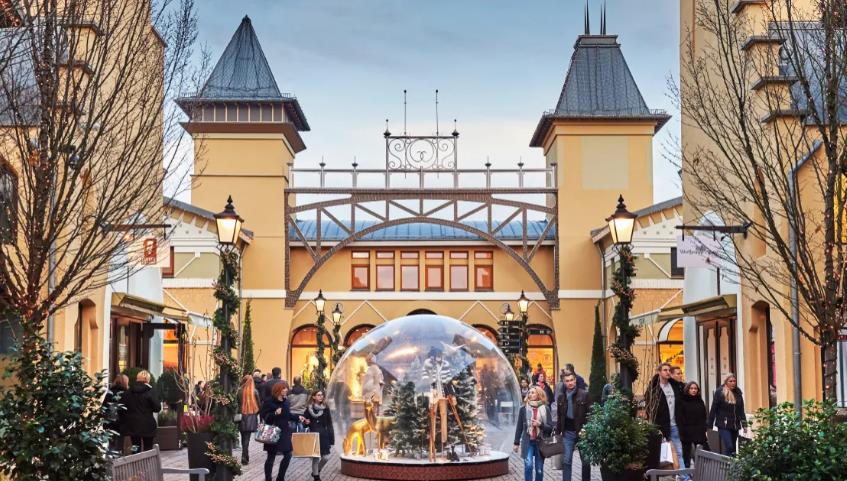
2026 Recommended Attraction in Wuhan (Updated February)
5274 posts
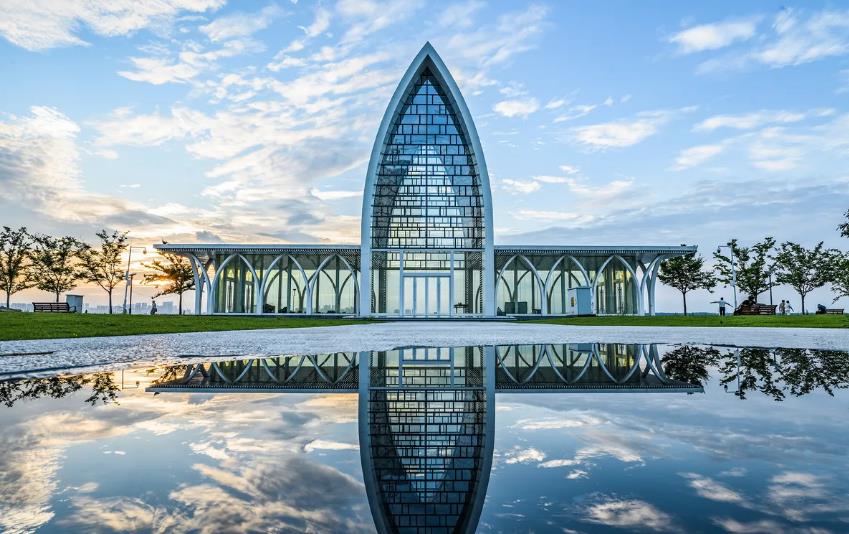
2026 Recommended Hotels in Wuhan (Updated February)
2531 posts

Popular Destinations Near Wuhan

2026 Yichang Travel Guide: must-see attractions, popular food, hotels, transport & travel experiences (updated in February)
2023 posts
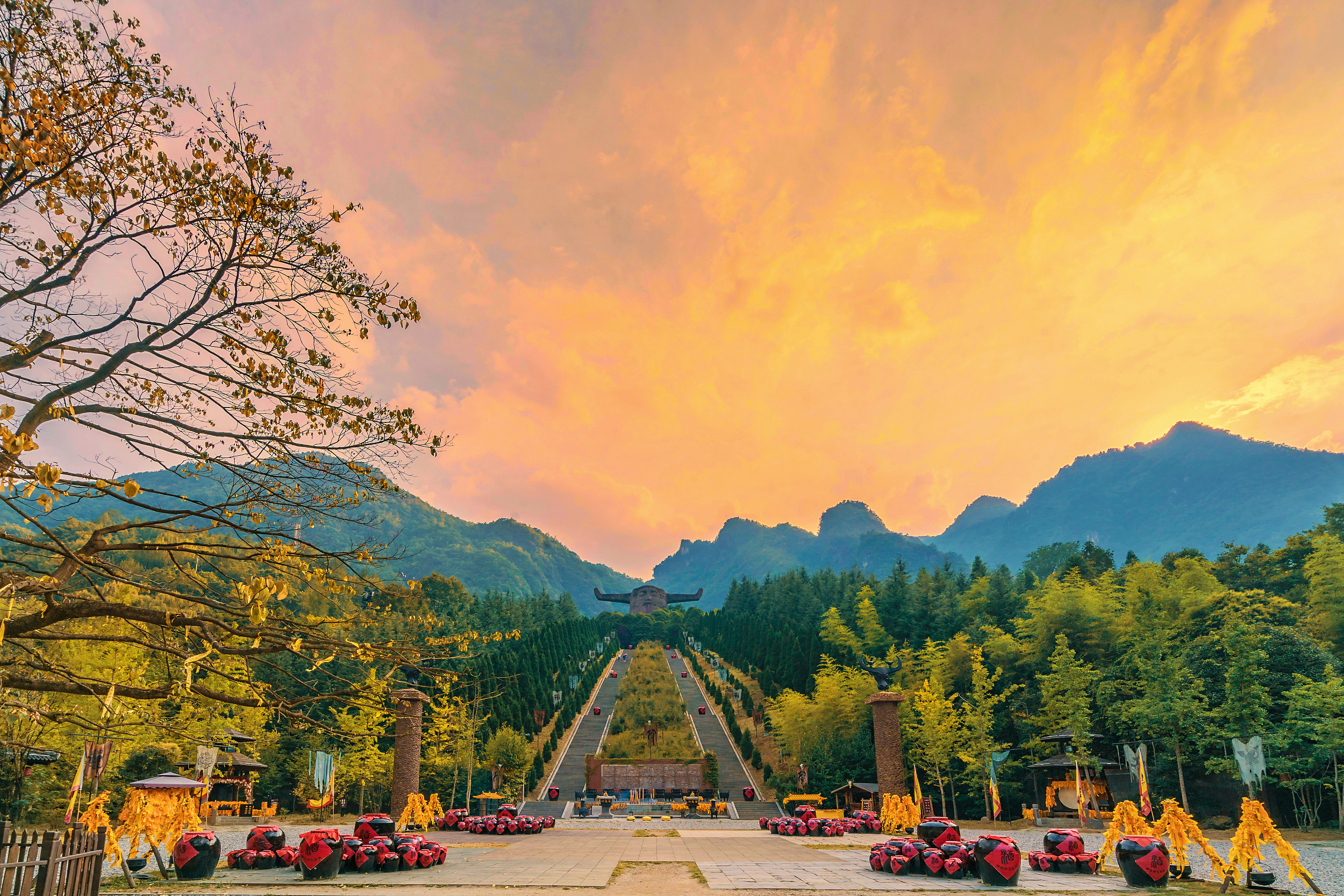
2026 Shennongjia Travel Guide: must-see attractions, popular food, hotels, transport & travel experiences (updated in February)
816 posts
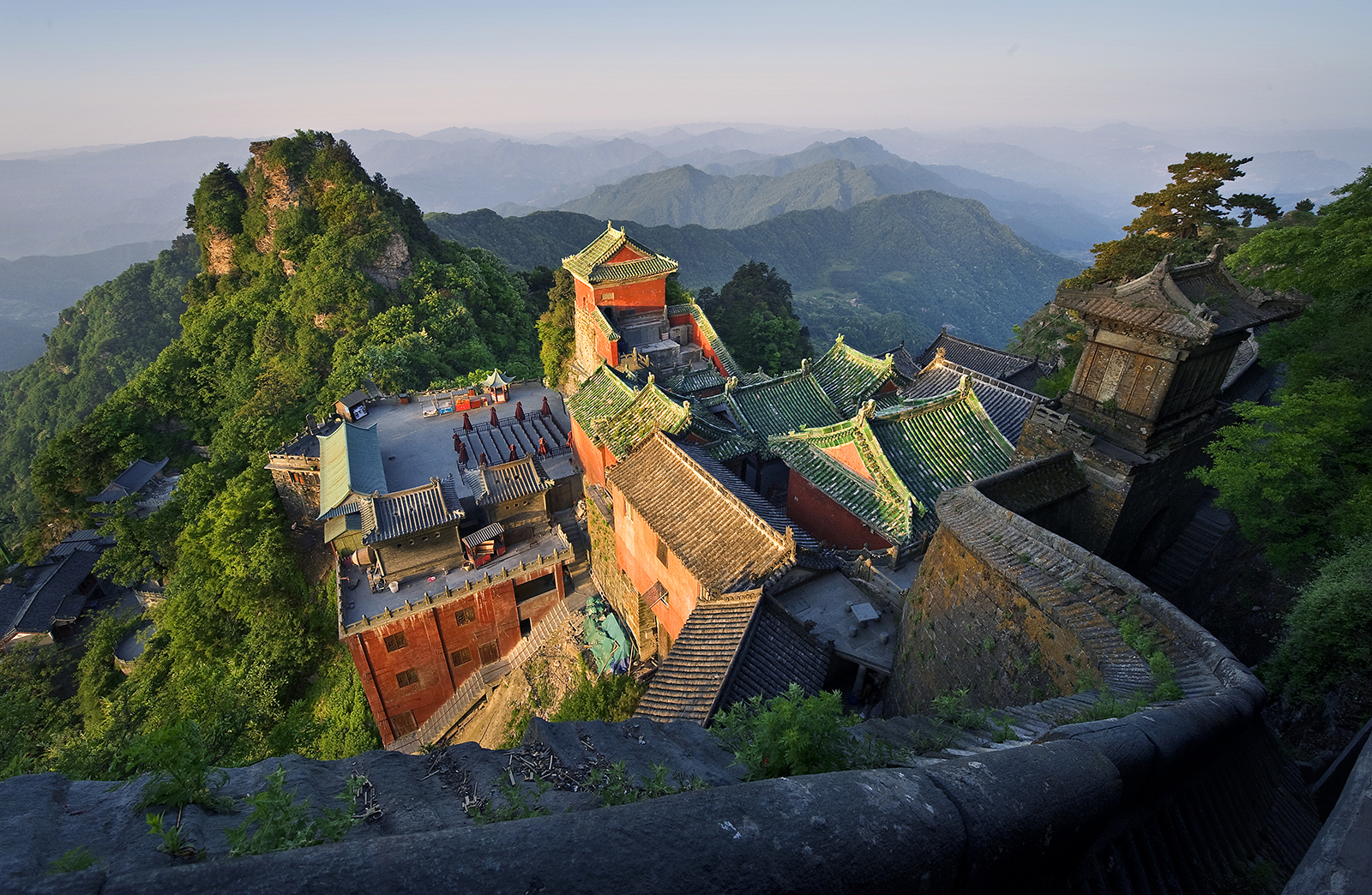
2026 Wudang Scenic Spot Travel Guide: must-see attractions, popular food, hotels, transport & travel experiences (updated in February)
33 posts
- 1
- 2
- 3
- 4
- 100
FAQs about Wuhan
-
What's the most popular attractions in Wuhan?
Here are the best places to visit in Wuhan, including: Yellow Crane Tower,Wuhan Haichang Polar Ocean World,Wuhan Happy Valley -
Things to do near Wuhan for family & child?
You could try Wuhan Happy Valley,Wuhan Haichang Polar Ocean World,Wuhan East Lake Ocean World,Huabohui,Wuhan Garden Expo Park in Wuhan -
Any recommended attractions about nature scenery in Wuhan?
I recommended Wuhan Zoo, Mt. Mulan Scenic Resort, Mulan Yunwu Mountain, Mulan Qingliang Village, Liangzihu Longwan Resort. -
How to get to Lijiang from Wuhan?
Wuhan to Kunming, then from Kunming to Lijiang. If you pursue speed, you can drive to Chongqing, then Chongqing to Kunming. -
How to get to Tongli from Wuhan?
In fact, the most convenient is to take the train to Suzhou to get off, then take the bus to the same place at the bus station next to it, about 1 hour to Tongli. 8 yuan / person. Of course, if you go to Shanghai, you can directly transfer to the subway at Shanghai Railway Station. Line 1 to the gymnasium station to get off, go to the distribution center to buy a joint ticket, but may miss the day's shift. If you want to stay a few more days, plus 20 yuan fee can take the next day to return to Shanghai.
Post
More recommendations
Popular Trip Moments
Weekend escape! This high-rise hotel in Wuhan has become legendary. | The Legendary Yellow Crane Tower: Wuhan’s Iconic Skyline Star 🏯✨ | This is absolutely delicious!! The New Year's atmosphere in Xian'anfang is amazing! | The architectural wonders of Gude Temple in Wuhan | Live in a mobile city on the banks of the Yangtze River. | Architectural Beauty: Wuhan Walking Tour | A Journey Through a Century! A Complete Guide to the Wuhan Bagongdi Hotel: A Romantic Epic Stay in the Russian Consulate | Stunning city view property highly recommended | A must-see for Valentine's Day in Wuhan! Bring your crush to this steakhouse for a sweet treat! | Tranquility in the middle of Wuhan | After soaking in a hot spring, indulge in a full lobster feast in Wuhan. | This designer hotel in Wuhan is so lovely, you'll fall in love with it after just one stay. | Wuhan Nanhu Intercity Railway | A thoughtful choice for flower and scenery appreciation | Autumn Photography Tips for Plum Garden at East Lake: Take panoramic photos of the plum grove from the Cherry Blossom Bridge, or walk to the bridge... | Traveling to Wuhan in the Year of the Horse: Keep this Spring Festival guide handy! | Stay in Wuhan's prime location and experience all the must-see attractions during the Lunar New Year! | Hubei's New Year Flavors | One city, one signature dish, revealing the most authentic Hubei New Year flavors | 26staycation | Staying at a hotel designed by Teacher Lai! | Must-visit for dates in Wuhan | Fu Food under the night lights is so romantic it's almost unfair! | "The best place in Wuhan...is where it's free!" | A secret spot on Jianghan Road! Enjoy a delicious buffet breakfast. | This "hotel" in Wuhan is right next to the festive atmosphere of Jianghan Road! | The festive atmosphere of Wuhan during the Lunar New Year: At the height of the festive spirit, the most touching aspects of this city's life are revealed. | Autumn Viewing Guide at Qingshan Park, Wuhan: The lakeside reflections at Qingshan Park are like oil paintings, perfect for taking photos. | This is the perfect Valentine's Day gathering spot! | A family-friendly stroll through Wuhan! Explore, eat, and experience the vibrant local life. | Hilton Sunrise Viewing Guide | A collection of ancient and modern artifacts, a glimpse into the city of Wuhan – Wuhan Museum
Trending Travelogues
Popular Destinations
Limon Travel | Cambridge Travel | Bernkastel-Wittlich Travel | Druskininkai Travel | Andalsnes Travel | Manchester Center Travel | Ghent Travel | Summers County Travel | Bryanston Travel | Kuningan Regency Travel | Nashik Travel | Green Creek Travel | Sandy Springs Travel | Arese Travel | Hastings Highlands Travel | Nyborg Travel | Mitoyo Travel | Mayes County Travel | Tracy Travel | Itami Travel | Bellaria-Igea Marina Travel | Magnitogorsk Travel | Clayton County Travel | Naples Travel | Moline Travel | Parramatta Travel | Mount Vernon Travel | Washington Parish Travel
Recommended attractions at popular destinations
Popular Attractions in Bangkok | Popular Attractions in Manila | Popular Attractions in Tokyo | Popular Attractions in Taipei | Popular Attractions in Hong Kong | Popular Attractions in Seoul | Popular Attractions in Kuala Lumpur | Popular Attractions in Los Angeles | Popular Attractions in Shanghai | Popular Attractions in New York | Popular Attractions in Shenzhen | Popular Attractions in Osaka | Popular Attractions in Singapore | Popular Attractions in London | Popular Attractions in Guangzhou | Popular Attractions in San Francisco | Popular Attractions in Beijing | Popular Attractions in Macau | Popular Attractions in Bali | Popular Attractions in Jakarta | Popular Attractions in Paris | Popular Attractions in Ho Chi Minh City | Popular Attractions in Istanbul | Popular Attractions in Phuket | Popular Attractions in Chicago | Popular Attractions in Seattle | Popular Attractions in Toronto | Popular Attractions in Orlando | Popular Attractions in Cebu | Popular Attractions in Chiang Mai
Popular Restaurants in Wuhan
QINGHE | 湖滨客舍(东湖店) | XISHE RESTAURANT | Shang Palace | liangliang | 德润福严氏烧麦总店(友谊路总店) | BIG CRAWFISH HOUSE | Er Pang BBQ( Main Branch) | Ke Chuan | Yu Kee Jingfen Shijia | Cafe Wu | Yuan Da Tou Bao Zi | DE HUA LOU | ZYZ | 5% Villa Restaurant | Jubilee Garden | Xilaidengdajiudian·shengyanbiaozhi Restaurant | HE | SIJI MEI SOUP DUMPLINGS | Hujin Restaurant | 老宅藕香(黄鹤楼景观店) | YUE | LAO TONG CHENG | NO.1 RESTAURANT | Zen5es | DIAN | HE JI NIAN YU JI DE HAI XIANG SHI JIE DIAN | 阿宝生煎包(万松园总店) | North Latitude 37 Degree Creativity Cuisine | FeiZi Xia Zhuang (Qin Yuan)
Popular Ranked Lists
Top 50 Must-Visit Restaurants in Shangrao | Top 50 Must-Visit Restaurants in Tokyo | Popular Best Things to Do in Corning | Top 20 Must-Visit Restaurants in Qingyuan | Popular Premium Hotels in Floriana | Top 50 Must-Visit Restaurants in Dongguan | Popular Premium Hotels in Dorset | Top 10 Best Things to Do in Tanger-Tetouan-Al Hoceima | Top 50 Must-Visit Restaurants in Shanghai | Popular Best Things to Do in Kanchanaburi | Popular Premium Hotels in Leeds | Top 50 Must-Visit Restaurants in Shijiazhuang | Popular Best Things to Do in Jinxiu | Popular Premium Hotels in Villanueva de Tapia | Top 50 Must-Visit Restaurants in Da Nang | Popular Premium Hotels in Thu Dau Mot | Top 20 Best Things to Do in Sao Paulo | Top 50 Luxury Hotels near Albany | Popular Premium Hotels in Exeter | Popular Premium Hotels in Bedford | Popular Premium Hotels in Paihia | Top 20 Best Things to Do in Lima Province | Popular Best Things to Do in Jerusalem District | Top 50 Best Things to Do in Greater London | Popular Best Things to Do in Sihanoukville | Top 50 Must-Visit Restaurants in Singapore | Top 50 Must-Visit Restaurants in Las Vegas | Top 50 Luxury Hotels near Mito | Top 50 Best Things to Do in Cairo Governorate | Top 50 Must-Visit Restaurants in Kyoto
About
Payment methods
Our partners
Copyright © 2025 Trip.com Travel Singapore Pte. Ltd. All rights reserved
Site Operator: Trip.com Travel Singapore Pte. Ltd.
Site Operator: Trip.com Travel Singapore Pte. Ltd.