nahm
4.8/5
Amazing119 reviews
Platinum
No. 15 of Fine Dining in Bangkok
88
Interior
Dishes
Menu
Overview
Dishes
Features
Reviews
Currently closed|18:00-23:30
Show more
+6626253388
โรงแรมโคโม เมโทรโพลิแทน กรุงเทพฯ 27 S Sathon Rd, Thung Maha Mek, Sathon, Bangkok 10120, ThailandOriginal
Popular dishes
 AI Translated
Show all
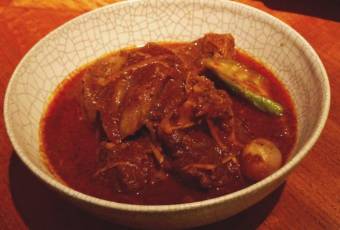
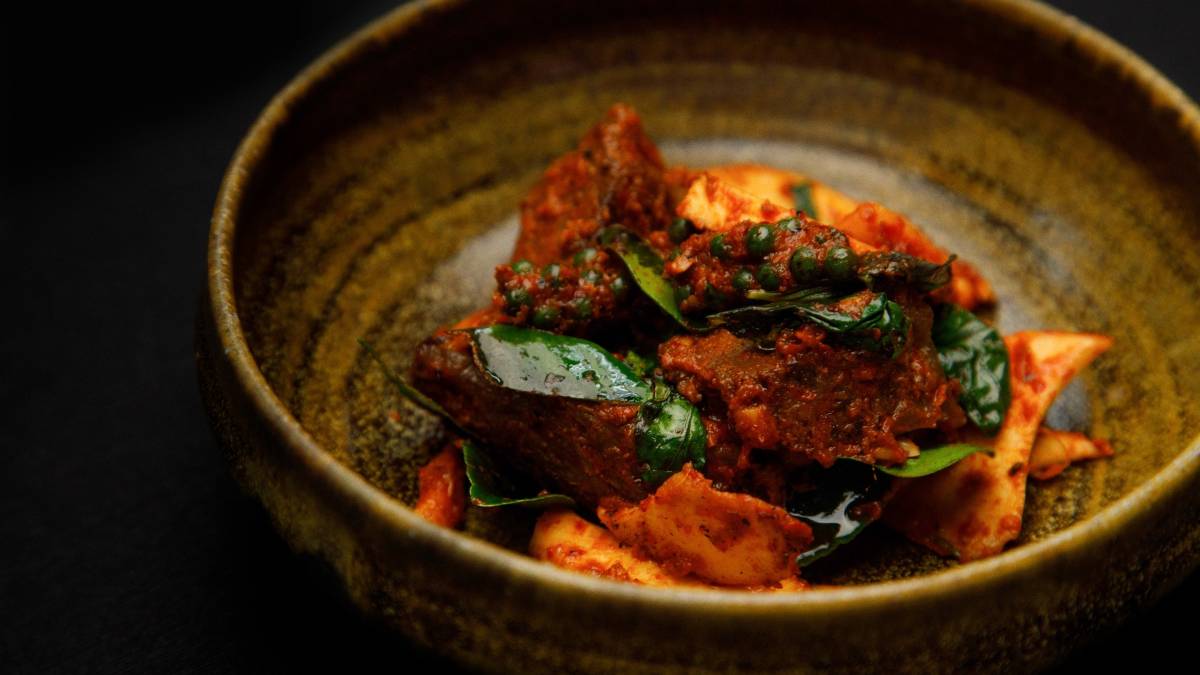
Curry Beef Tail
咖喱牛尾
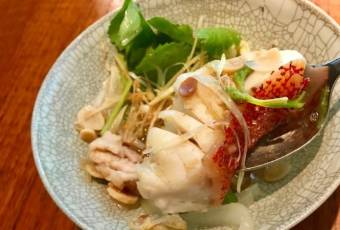
Steamed Sea Bass with Lemon
檸檬蒸鱸魚
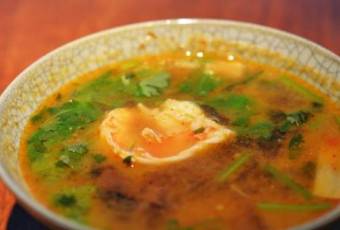
Tom Yum
冬陰功
Explore dish details
Features
See all features
Good to Know:
Features & Vibe:
Amenities:
Reviews
Write a review
4.8/5
Outstanding
119 reviews
Some reviews may have been translated by Google Translate
All (119)
Latest
Photo reviews (7)
Positive reviews (46)
Negative reviews (1)
- 1
- 2
- 3
- 4
- 5
- 16
73 older review has been hidden
Trip Moments(6)
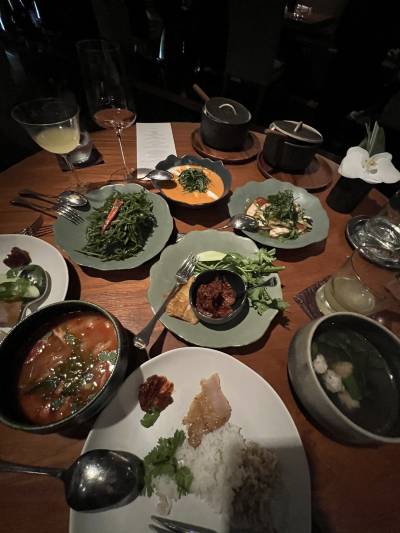
A Culinary Jouney Worth Savoring at Nahm BKK
 travelingfoodie
曼谷美食米其林|曼谷米其林再冒險獨闖Nahm
 夏天-1
 เที่ยวจนโดนจม
코모 호텔 미슐랭 레스토랑
 Dodubong
• Extremely authentic: Praised by many gourmets as a "textbook of traditional Thai flavors", the spice ratio is precise and the sour and spicy flavors are distinct. • Exquisite ingredients: Use rare local Thai ingredients (such as wild lemongrass and fermented fish sauce), and some dishes need to be booked in advance. • Dining experience: The open kitchen displays traditional cooking techniques (such as pounding spices in a stone mortar), and the atmosphere is elegant and quiet. • Service details: The waiter will explain the cultural origins of each dish, which is suitable for cultural exploration diners. Areas for improvement • Expensive: The average per capita consumption is about 2,500-4,000 baht (about 500-800 yuan), and the Michelin positioning raises the cost. • Small portions: Some dishes are presented in the form of "small portions + multiple dishes", and you need to order more to be full.
This famous Nahm has fallen from the altar from the former No. 1 in Asia to the current No. 22, which is not without reason. Nahm's chef is Australian, and his understanding of Thai cuisine is a bit biased. In order to experience the menu more, we each ordered a noodle dish and a seafood dish. 🥗🥗 How to order: The appetizer was fried onion shreds wrapped in seaweed, which was very refreshing. Crab meat and chili shreds were placed on the crispy rice crackers, which tasted sour and spicy. Betel leaves wrapped with pomelo granules and lobster meat, the first few dishes were all sour. Let the diners whet their appetite. Banana leaves wrapped with a mixture of blue crab, shrimp, fish and red curry, served with coconut milk. You can put the meat on the rice crackers and eat it, which is a very common dish on the Thai table. For the noodles, I chose nahm's signature blue crab roe curry with Thai rice noodles. I was only given this amount of rice noodles, and I put too much topping. For this amount of rice noodles, I feel 1-2 spoons of curry is just enough.
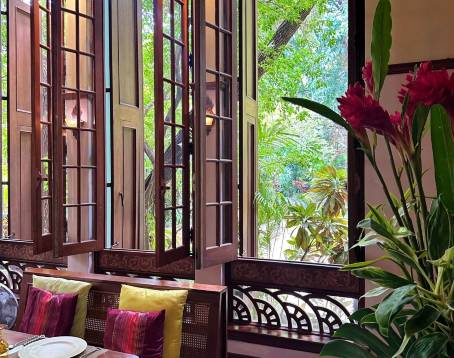
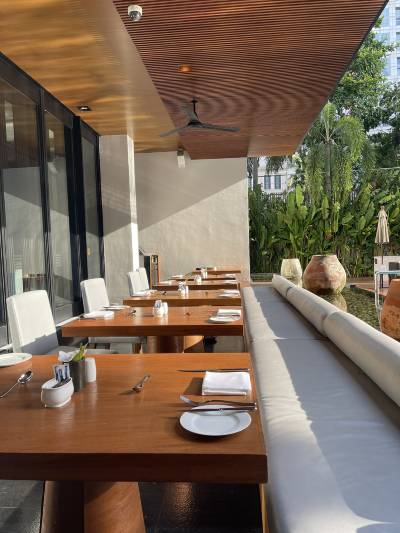
The food on the menu was quite expensive, a bit more so than some other lunch restaurants. I ordered the stir-fried milkweed flower with glass noodles, which was delicious. The presentation was also beautiful. There were several seating options; we chose the café area, which was a great spot!
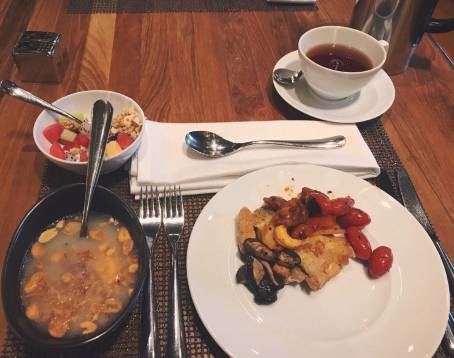
We ordered the lunch set menu. There were three options: meat, seafood, and vegetarian. The appetizers and main courses were delicious, and the small bowls allowed for a variety of dishes. The dessert was a bit odd; one was a savory iced bowl with ginger slices, which I didn't quite understand.
Nahm, located at 27 South Sathorn Road | Hotel Metropolitan by COMO, Bangkok 10120, Thailand, was once a Michelin three-star restaurant but has since been downgraded to one star. The ambiance is not great; it feels noisy and like a street food stall. A dress code is required. The food is prepared using traditional methods, with a strong Thai spice flavor and exquisite presentation. The taste is still worthy of its Michelin star. Overall, it's not good value for money.