![[Departure from Shanghai/Kunshan] Humble Administrator's Garden (Zhuozheng Garden) + Lion Grove Garden(Shizilin Garden) + Tiger Hill(Huqiu) Scenic Area + Hanshan Temple + Shantang Street Day Tour](data:image/webp;base64,UklGRhYNAABXRUJQVlA4WAoAAAAgAAAAZAQAZAQASUNDUCQCAAAAAAIkYXBwbAQAAABtbnRyUkdCIFhZWiAH4QAHAAcADQAWACBhY3NwQVBQTAAAAABBUFBMAAAAAAAAAAAAAAAAAAAAAAAA9tYAAQAAAADTLWFwcGzKGpWCJX8QTTiZE9XR6hWCAAAAAAAAAAAAAAAAAAAAAAAAAAAAAAAAAAAAAAAAAApkZXNjAAAA/AAAAGVjcHJ0AAABZAAAACN3dHB0AAABiAAAABRyWFlaAAABnAAAABRnWFlaAAABsAAAABRiWFlaAAABxAAAABRyVFJDAAAB2AAAACBjaGFkAAAB+AAAACxiVFJDAAAB2AAAACBnVFJDAAAB2AAAACBkZXNjAAAAAAAAAAtEaXNwbGF5IFAzAAAAAAAAAAAAAAAAAAAAAAAAAAAAAAAAAAAAAAAAAAAAAAAAAAAAAAAAAAAAAAAAAAAAAAAAAAAAAAAAAAAAAAAAAAAAAAAAAAAAAAAAAAAAAHRleHQAAAAAQ29weXJpZ2h0IEFwcGxlIEluYy4sIDIwMTcAAFhZWiAAAAAAAADzUQABAAAAARbMWFlaIAAAAAAAAIPfAAA9v////7tYWVogAAAAAAAASr8AALE3AAAKuVhZWiAAAAAAAAAoOAAAEQsAAMi5cGFyYQAAAAAAAwAAAAJmZgAA8qcAAA1ZAAAT0AAACltzZjMyAAAAAAABDEIAAAXe///zJgAAB5MAAP2Q///7ov///aMAAAPcAADAblZQOCDMCgAAMC0BnQEqZQRlBD51OplKpKMiIaASCBiQDolpbuF3YR69H8pb0WcX4fAAVphqqTZMQ6qk2TEOqpNkxDqqTZMQ6qk2TEOqpNkxDqqTZMQ6qk2TEOqpNkxDqqTZMQ6qk2TEOqpNkxDqqTZMQ6qk2TEOqpNkxDqqTZMQ6qk2TEOqpNkxDqqTZMQ6qk2TEOqpNkxDqqTZMQ6qk2TEOqpNkxDqqTZMQ6qk2TEOqpNkxDqqTZMQ6qk2TEOqpNkxDqqTZMQ6qk2TEOqpNkxDqqTZMQ6qk2TEOqpNkxDqqTZMQ6qk2TEOqpNkxDqqTZMQ6qk2TEOqpNkxDqqTZMQ6qk2TEOqpNkxDqqTZMQ6qk2TEOqpNkxDqqTZMQ6qk2TEOqpNkxDqqTZMQ6qk2TEOqpNkxDqqTZMQ6qk2TEOqpNkxDqqTZMQ6qk2TEOqpNkxDqqTZMQ6qk2TEOqpNkxDqqTZMQ6qk2TEOqpNkxDqqTZMQ6qk2TEOqpNkxDqqTZMQ6qk2TEOqpNkxDqqTZMQ6qk2TEOqpNkxDqqTZMQ6qk2TEOqpNkxDqqTZMQ6qk2TEOqpNkxDqqTZMQ6qk2TEOqpNkxDqqTZMQ6qk2TEOqpNkxDqqTZMQ6qk2TEOqpNkxDqqTZMQ6qk2TEOqpNkxDqqTZMQ6qk2TEOqpNkxDqqTZMQ6qk2TEOqpNkxDqqTZMQ6qk2TEOqpNkxDqqTZMQ6qk2TEOqpNkxDqqTZMQ6qk2TEOqpNkxDqqTZMQ6qk2TEOqpNkxDqqTZMQ6qk2TEOqpNkxDqqTZMQ6qk2TEOqpNkxDqqTZMQ6qk2TEOqpNkxDqqTZMQ6qk2TEOqpNkxDqqTZMQ6qk2TEOqpNkxDqqTZMQ6qk2TEOqpNkxDqqTZMQ6qk2TEOqpNkxDqqTZMQ6qk2TEOqpNkxDqqTZMQ6qk2TEOqpNkxDqqTZMQ6qk2TEOqpNkxDqqTZMQ6qk2TEOqpNkxDqqTZMQ6qk2TEOqpNkxDqqTZMQ6qk2TEOqpNkxDqqTZMQ6qk2TEOqpNkxDqqTZMQ6qk2TEOqpNkxDqqTZMQ6qk2TEOqpNkxDqqTZMQ6qk2TEOqpNkxDqqTZMQ6qk2TEOqpNkxDqqTZMQ6qk2TEOqpNkxDqqTZMQ6qk2TEOqpNkxDqqTZMQ6qk2TEOqpNkxDqqTZMQ6qk2TEOqpNkxDqqTZMQ6qk2TEOqpNkxDqqTZMQ6qk2TEOqpNkxDqqTZMQ6qk2TEOqpNkxDqqTZMQ6qk2TEOqpNkxDqqTZMQ4Q4e4y8Rz16MvEc9ejLxHPXoy8Rz16MvEc9ejLxHPXYLrUl+0HaQA25DjLxHPXoy8Rz16MvEc9ejLxHPXoy8Rz16MvEZSAd+wyzHgIewW2Zlbas3+3QFqFHDvvz16MvEc9ejLxHPXoy8Rz16MvEc9ejLw9Oem0o0qUTd1njpSTxxvz+UIQ1SwN06+JGENVSbJiHVUmyYh1VJsmIdVSbJiHVUmyYh1ZEroH+qqbFYBP9f+zCmdQQ1VJsmIdVSbJiHVUmyYh1VJsmIdVSbJiHVTZQWid8vIAW6B5hydBNyCGqpNkxDqqTZMQ6qk2TEOqpNkxDqqTZMQ6qbKv34rDoky1oQFUQTontcIK0gBlWiXHIIaqk2TEOqpNkxDqqTZMQ6qk2TEOqpNkxDeQjCloCfdCs6qOS6zziWUYb7RZRbJluW8Rz16MvEc9ejLxHPXoy8Rz16MvEc9ejLxHKF4xmqUFetnXkhUW0VQPJl0/FzGoYKM9KJBJsmIdVSbJiHVUmyYh1VJsmIdVSbJiHVUmyCVP4Ff+iUBKzVlwfT5jYIyEgFVbFymfEgcFXFCAtNuYTLqbxGHiOevRl4jnr0ZeI569GXiOevRl4jnr0ZeI8SaOPt4QO5srn1JnYtiWrv0luwNavZsv1JgWnxWDljXjkENVSbJiHVUmyYh1VJsmIdVSbJiHVUmyYhvLJVIe3OSgh82JeTBxV/nYynNBDVUmyYh1VJsmIdVSbJiHVUmyYh1VJsmIdVSbKCl7789ejLxHPXoy8Rz16MvEc9ejLxHPXoy8Rz16MvEc9ejLxHPXoy8Rz16MvEc9ejLxHPXoy8Rz16MvEc9ejLxHPXoy8Rz16MvEc9ejLxHPXoy8Rz16MvEc9ejLxHPXoy8Rz16MvEc9ejLxHPXoy8Rz16MvEc9ejLxHPXoy8Rz16MvEc9ejLxHPXoy8Rz16MvEc9ejLxHPXoy8Rz16MvEc9ejLxHPXoy8Rz16MvEc9ejLxHPXoy8Rz16MvEc9ejLxHPXoy8Rz16MvEc9ejLxHPXoy8Rz16MvEc9ejLxHPXoy8Rz16MvEc9ejLxHPXoy8Rz16MvEc9ejLxHPXoy8Rz16MvEc9ejLxHPXoy8Rz16MvEc9ejLxHPXoy8Rz16MvEc9ejLxHPXoy8Rz16MvEc9ejLxHPXoy8Rz16MvEc9ejLxHPXoy8Rz16MvEc9ejLxHPXoy8Rz16MvEc9ejLxHPXoy8Rz16MvEc9ejLxHPXoy8Rz16MvEc9ejLxHPXoy8Rz16MvEc9ejLxHPXoy8Rz16MvEc9ejLxHPXoy8Rz16MvEc9ejLxHPXoy8Rz16MvEc9ejLxHPXoy8Rz16MvEc9ejLxHPXoy8Rz16MvEc9ejLxHPXoy8Rz16MvEc9ejLxHPXoy8Rz16MvEc9ejLxHPXoy8Rz16MvEc9ejLxHPXoy8Rz16MvEc9ejLxHPXoy8Rz16MvEc9ejLxHPXoy8Rz16MvEc9ejLxHPXoy8Rz16MvEc9ejLxHPXoy8Rz16MvEc9ejLxHPXoy8Rz16MvEc9ejLxHPXoy8Rz16MvEc9ejLxHPXoy8Rz16MvEc9ejLxHPXoy8Rz16MvEc9ejLxHPXoy8Rz16MvEc9ejLxHPXoy8Rz16MvEc9ejLxHPXoy8Rz16MvEc9ejLxHPXoy8Rz16MvEc9ejLxHPXoy8Rz16MvEc9ejLxHPXoy8Rz16MvEc9ejLxHPXoy8Rz16MvEc9ejLxHPXoy8Rz16MvEc9ejLxHPXoy8Rz16MvEc9ejLxHPXoy8Rz16MvEc9ejLxHPXoy8Rz16MvEc9ejLxHPXoy8Rz16MvEc9ejLxHPXoy8Rz16MvEc9ejLxHPXoy8Rz16MvEc9ejLxHPXoy8Rz16MvEc9ejLxHPXoy8Rz16MvEc9ejLxHPXoy8Rz16MvEc9ejLxHPXoy8Rz16MvEc9ejLxHPXoy8Rz16MvEc9eioAAP7/4vC2LEQAAAAAAAAAAAAAAAAAAAAAAAAAAAAAAAAAAAAAAAAAAAAAAAAAAAAAAAAAAAAAAAAAAABps4ATP0udazyHzBxVasdQajicYP97oruYQAXhittIvZot8O6bZlPg5MPkP1xm8kLCuntWV2Q4gF8bX0AGuY6RZaVpoUzaeFlE3lCqAqWpLgDnmhngAT2DovvpGMvyA78nzjPcKAYbg0oWvLfZ0gvK2MlQIAVO85VUeHh36OfDS9qFDVkgeQMRgQB4TTZK5HzzIyPyf3NtaKWqLEEcagCmiWjkz0Nxm3CPuBAACWaov5j+tGVnVHZ3hQBD8cA3MTW1L5m7w3NDAQ4WHBYspHl48O/AgBvye7T71zxOUOLz7NKj0sC8VKkIAAAAAAAAAAAAAAAAAAAAAAAAAAAAAAAAAAAAAAAAAAAAAAAAAAAAAAAAAAAAAAAAAAAAAAAAAA==)


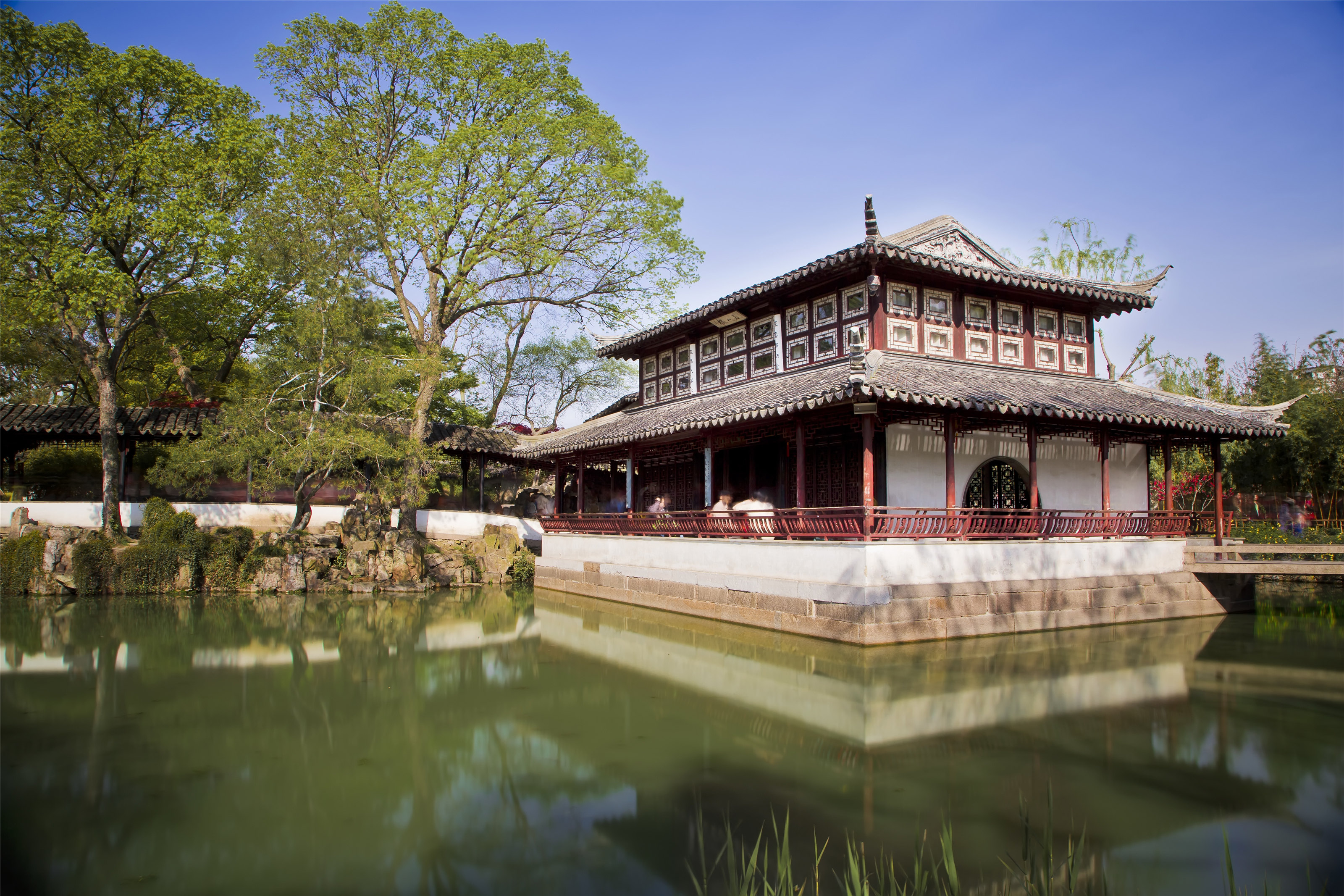
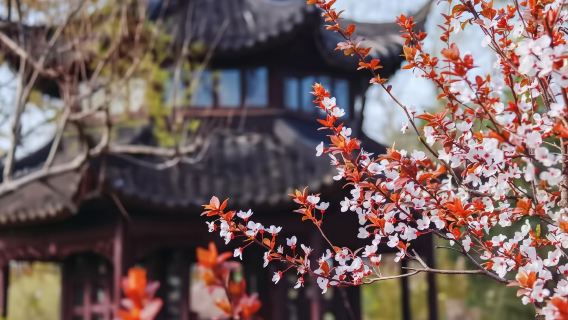
▲ One of the four most famous gardens in China, hailed as the mother of world gardens and a representative of private gardens in Jiangnan. Originally built in the early Zhengde period of the Ming Dynasty, the entire garden is centered around water, featuring winding hills and streams, exquisite pavilions, lush flowers and trees, showcasing the distinctive characteristics of Jiangnan water towns.
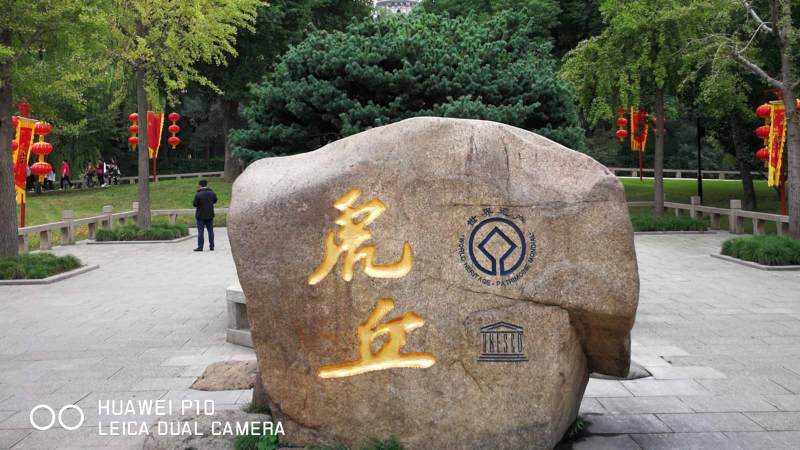
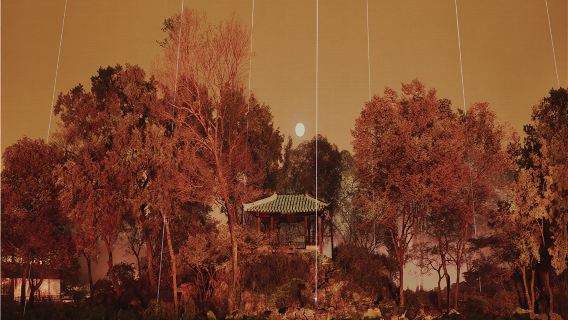
▲ Standing 34.3 meters tall with ancient trees reaching for the sky, Tiger Hill (Huqiu) Scenic Area boasts numerous attractions despite its modest size, crowned by the millennium-old Tiger Hill Pagoda at its summit. As recorded in "Wu Di Ji": "Tiger Hill features sheer cliffs and deep ravines, with dense forests and bamboo groves, representing the finest of Jiangnan's landscapes." It has earned the reputation as "the top scenic wonder of Wu region."
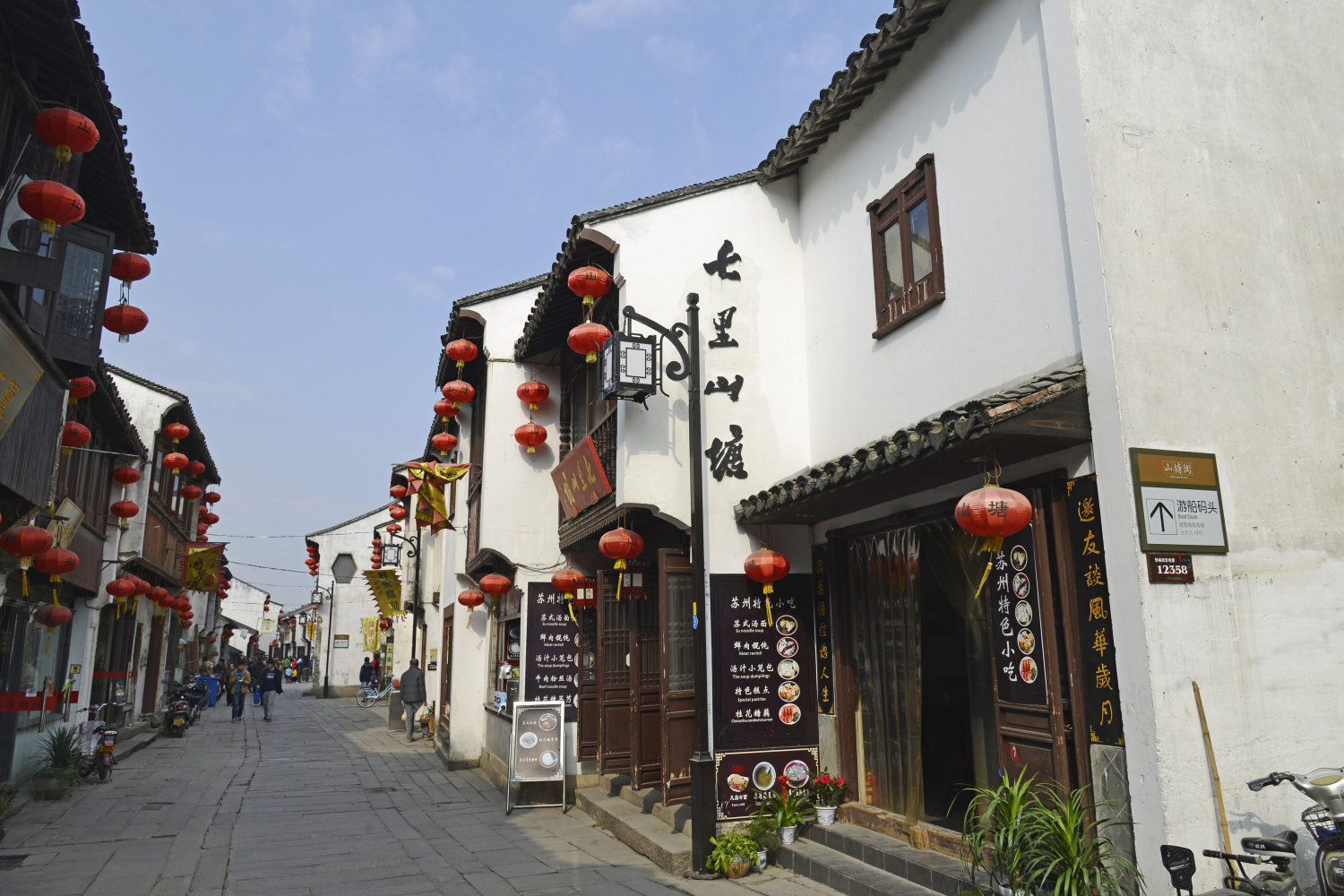
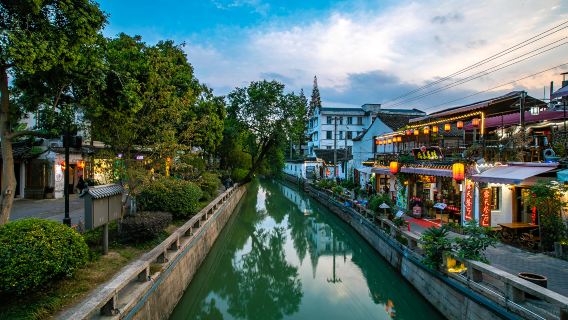
▲ In the masterpiece "Dream of the Red Chamber," this place was described as "one of the most prosperous and romantic spots in the mortal world." It was built during the Tang Dynasty when the poet Bai Juyi served as the governor of Suzhou, aiming to facilitate public transportation. Since ancient times, it has been a bustling hub for merchants and remains a popular attraction in Suzhou today.
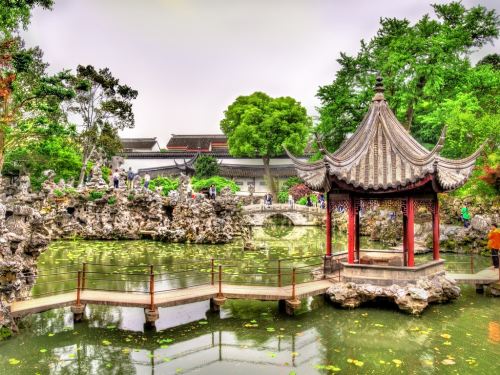
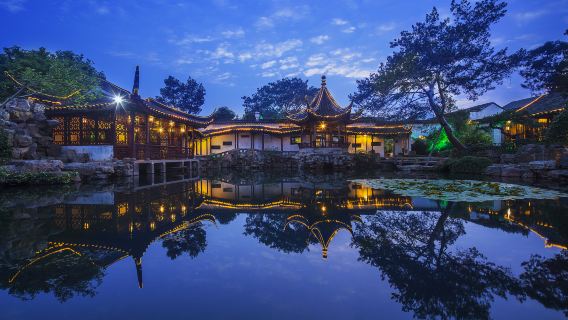
▲ Lion Grove Garden (Shizilin Garden) was first built in the second year of the Zhizheng era during the Yuan Dynasty. It earned its name from the numerous rock formations within the garden that resemble lions. The garden harmoniously blends traditional landscaping techniques with Buddhist philosophy. In modern times, the Pei family (including I.M. Pei) introduced Western landscaping methods and a family shrine into the garden, transforming it into a temple garden that integrates Zen principles with the joy of classical gardens.
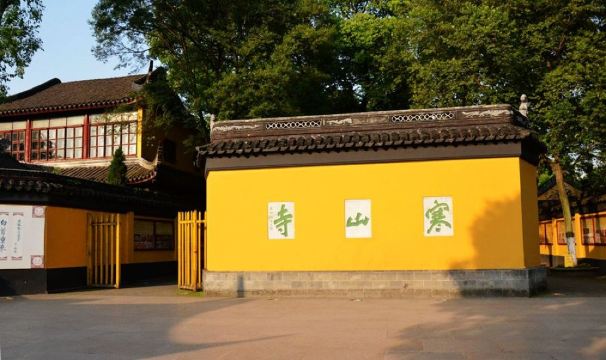
▲ A millennium-old temple, renowned for the poem "Night Mooring by Maple Bridge" by Tang Dynasty poet Zhang Ji. For centuries, the poetic charm and the temple's bell chimes have been widely celebrated.