
Things to do in Moshi
Explore top experiences
Top 10 attractions in Moshi


Mt Kilimanjaro
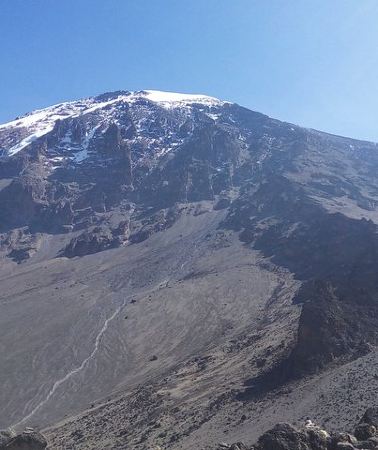
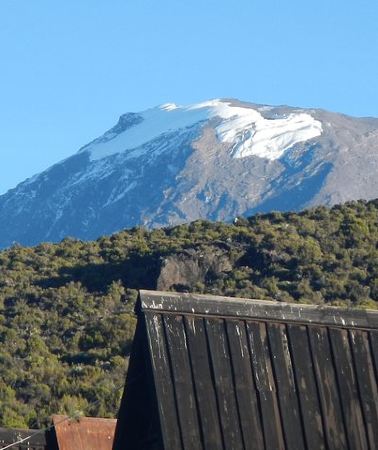
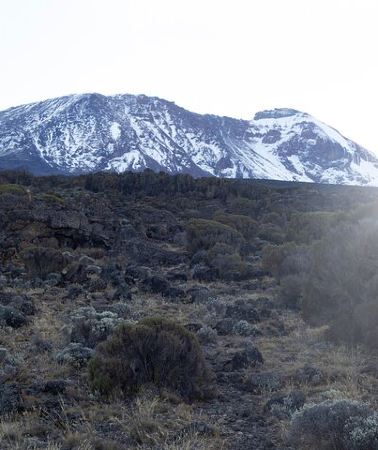
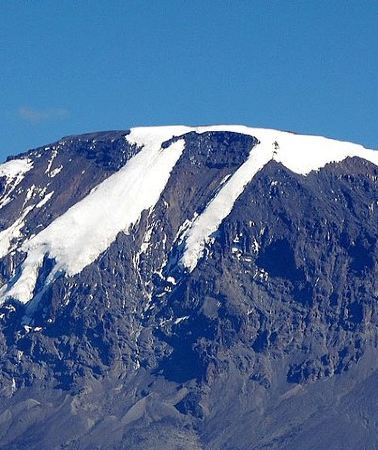
Mt Kilimanjaro is the highest peak in Africa, with an elevation of approx. 5,900 m. Located in northeastern Tanzania, it consists of three volcanic cones: Kibo, Mawenzi, and Shira, with Uhuru Peak on the Kibo cone being the highest point. This dormant volcano rises from the plains of Eastern Africa and is known as the "Roof of Africa." The mountain features distinct climatic zones from base to summit—tropical rainforest, cloud forest, heath and moorland, alpine desert, and the snow-capped arctic zone—offering climbers a journey through diverse natural landscapes. The mountain is home to alpine plants unique to Kilimanjaro, such as the giant groundsels, while animals like chameleons and warthogs are occasionally spotted in the forests. There are seven climbing routes open to mountaineers, each with its own characteristics. The Marangu route, also known as the "Coca-Cola route," is a historic classic and the only route with hut accommodation, making it suitable for beginners. The Machame route, or "Whiskey route," is renowned for its diverse scenery; it is slightly more challenging but popular due to its good pace for altitude acclimatization. The Lemosho route starts from the west side of the mountain and offers beautiful, less crowded scenery, making it suitable for those with more time. Each route typically takes several days to complete, and altitude acclimatization is the key factor for a successful summit. The summit ice cap includes the Rebmann Glacier, Furtwängler Glacier, and others. The presence of year-round ice and snow near the equator creates a unique natural landscape. Since the beginning of the 20th century, the ice cap area has shrunk significantly.Rombo · 30.9 km from Moshi

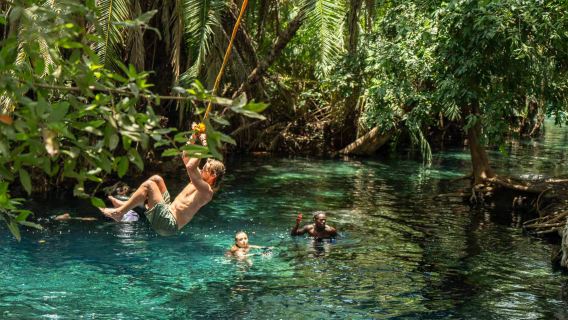
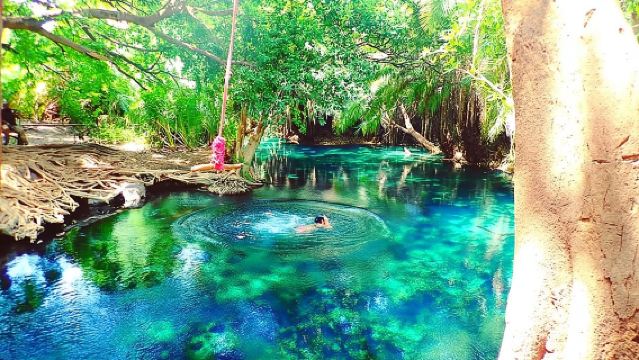
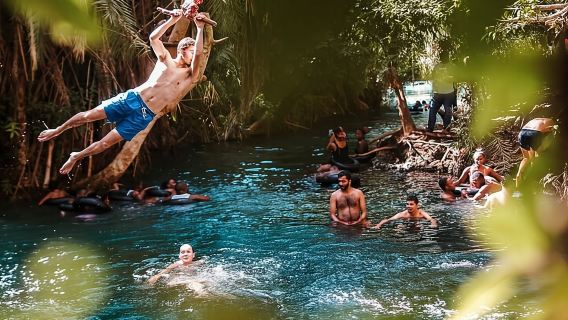
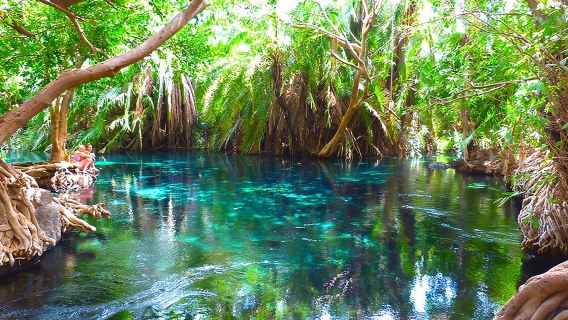
Kikuletwa Hotsprings
Moshi · 4.1 km from downtown

Ngorongoro Crater
Ngorongoro Crater is located in northern Tanzania and is one of the best-preserved large, intact volcanic craters, listed as a UNESCO World Heritage site. The crater is approx. 19 km in diameter and is surrounded by steep walls hundreds of meters high, with the bottom forming a self-contained, closed ecosystem that is home to approx. 25,000 large wild animals year-round. It is one of the places in Africa to see the "Big Five"—lions, leopards, elephants, rhinos, and African buffaloes. The crater has a high density of lion prides and is also a region in Tanzania for viewing the endangered black rhino. Old bull elephants with huge tusks are often seen in the Lerai Forest, and leopards also prefer to roam in these woods. Lake Magadi in the southwest of the crater is a shallow alkaline lake; during the wet season, flocks of flamingos gather here, with the pink birds contrasting against the white alkaline lake surface. Unlike most African savanna reserves, giraffes and impalas do not live on the crater floor, which gives the animal community within the crater a unique composition. Descending to the crater floor in the early morning, animals are more active in the cool morning light. However, the crater rim is at an altitude of over 2,000 m, and there is a significant temperature difference between day and night. It feels quite cold on the crater floor in the early morning, so it is recommended to bring warm clothing.Tanzania · Ngorongoro

Tarangire National Park
Tarangire National Park is a classic safari destination in northern Tanzania, named after the Tarangire River that runs through the park. The river flows year-round. During the dry season, as water sources in the surrounding grasslands dry up, herds of wildlife gather along the riverbanks, making it easier to encounter animals coming to drink during game drives along the river. The park is famous for its large elephant herds and baobab tree landscapes. Herds of elephants wandering among the sturdy baobab trees create an iconic African savanna scene. Sometimes you can even see lions resting on tree branches or African rock pythons coiled in the trees. In addition to elephants, animals such as giraffes, elands, zebras, wildebeests, and olive baboons are also frequently seen in the grass and woodlands. This is also a favorite spot for birdwatchers, with hundreds of bird species such as ostriches and secretary birds inhabiting the area, adding many surprises to your safari.Tanzania · Babati

Arusha National Park
Arusha National Park is located in northern Tanzania at the foot of Mount Meru. It was formerly known as Ngurdoto Crater National Park, established in 1960, and was renamed after Mount Meru was incorporated in 1967. The park concentrates three distinct views: Ngurdoto Crater and its surrounding rainforest, the Momella Lakes, and Mount Meru, which stands at an altitude of over 4,500 m. On clear days, you can also see the snow-capped peak of Mt Kilimanjaro from within the park. A major highlight here is that you can explore both on land and on water: there are few large predators like lions in the park, so visitors can hike through the rainforest and savanna with a guide to look for black-and-white colobus monkeys leaping through the canopy, or go canoeing on the Momella Lakes to observe hippos and flamingos from the water; buffaloes are commonly seen on the marshy grasslands below the crater, while giraffes and zebras are active across the savanna. Those with plenty of energy can challenge themselves to climb Mount Meru; reaching the summit usually takes several days, and along the way, you will experience a complete change in view from rainforest to alpine moorland.Arumeru · 54.5 km from Moshi

Ngorongoro Conservation Area
Ngorongoro Conservation Area is located in northern Tanzania, a vast protected area that combines volcanic landscapes, dense wildlife, and the nomadic lifestyle of the Maasai people in one place. About 2 million years ago, a massive volcano in the area erupted violently and collapsed inward, leaving behind a huge crater nearly 20 km in diameter and about 600 m deep. The crater contains meadows, swamps, springs, woodlands, and a saltwater lake, forming a nearly self-contained ecosystem, which is why it is often called the "African Eden." Tens of thousands of large animals inhabit the crater floor year-round: wildebeests, zebras, and gazelles move in herds across the meadows, elephant herds are accustomed to roaming around the Lerai Forest, and lion prides, leopards, hyenas, and jackals prowl the area. With the addition of buffaloes and the rare black rhino, a single game drive offers the chance to see the "Big Five." During the dry season, water sources shrink, and animals gather around springs and swamps, making it the golden time for viewing and photography. When the water in Lake Magadi is shallow, thousands of flamingos turn the lake surface pink, a scene that photographers often wait to capture.Tanzania · Ngorongoro

Lake Manyara National Park
Lake Manyara National Parkis located in the East African Rift Valley in northern Tanzania, with steep, towering rift walls on one side and the shallow alkaline lake it is named after on the other. The lake covers about two-thirds of the park, and the landscape unfolds in layers: the groundwater forest at the entrance, scattered baobab trees on the rift slopes, acacia woodlands below the cliffs, and lakeside marshy grasslands that change in succession. Nearly 400 bird species have been recorded here, earning it the reputation of a bird paradise. A signature feature here is the tree-climbing lions—many prides are accustomed to napping on the horizontal branches of acacia trees, a habit that is rare in Africa. The groundwater forest is humid year-round, where blue monkeys and large troops of baboons roam, and pink-backed pelicans and yellow-billed storks nest. During the rainy season, thousands of greater and lesser flamingos forage along the lakeshore, dyeing the shallows pink, though their numbers drop significantly during the dry season.Tanzania · Babati

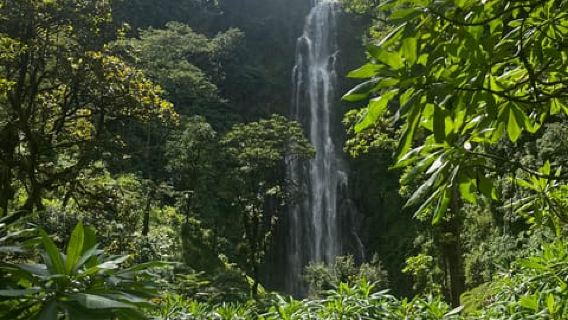
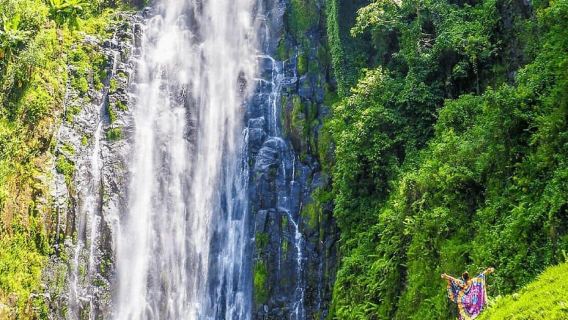
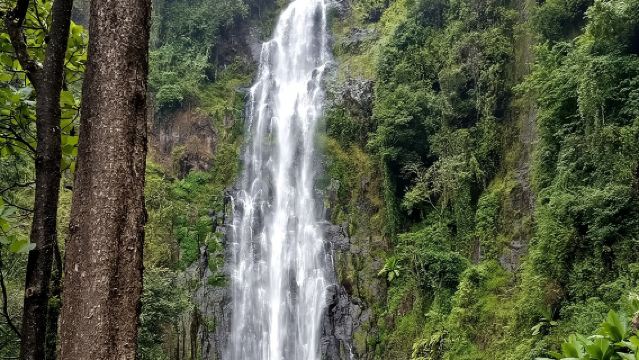
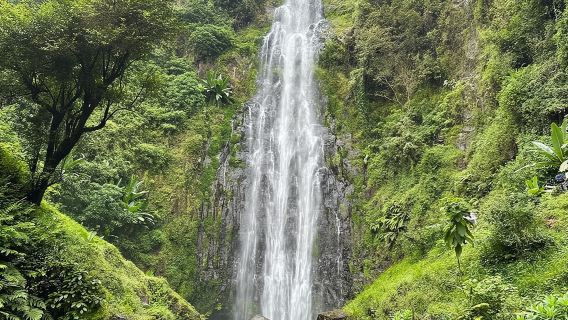
Ndoro waterfalls
Moshi Rural · 20.6 km from Moshi

Eeka Nubi
Moshi Rural · 11 km from Moshi

Kilimanjaro Botanical Garden
Moshi Urban · 3 km from Moshi
Experiences you can't miss in Moshi
Featured Cultural experiences in Moshi
View all Cultural experiences
Free cancellation
Instant confirmation
FromSEK 1,552.00


Free cancellation
Book now for tomorrow
5% off
Limited-time sale
FromSEK 3,920.00SEK 4,127
Free cancellation
Book now for today
5% off
Limited-time sale
FromSEK 429.00SEK 452
Free cancellation
Book now for today
5% off
Limited-time sale
FromSEK 1,583.00SEK 1,667
5.0/5
· 1 reviewFree cancellation
Book now for today
5% off
Limited-time sale
FromSEK 476.00SEK 502
Free cancellation
Instant confirmation
FromSEK 1,995.00
Featured Food & drink in Moshi
View all Food & drink
Free cancellation
Book now for tomorrow
FromSEK 806.00
5.0/5
· 8 reviewsFree cancellation
Book now for tomorrow
5% off
Limited-time sale
FromSEK 214.00SEK 226
Free cancellation
Book now for tomorrow
5% off
Limited-time sale
FromSEK 572.00SEK 603

5.0/5
· 1 reviewFree cancellation
Book now for tomorrow
5% off
Limited-time sale
FromSEK 476.00SEK 502
Free cancellation
Book now for tomorrow
5% off
Limited-time sale
FromSEK 553.00SEK 583
Free cancellation
Book now for tomorrow
5% off
Limited-time sale
FromSEK 715.00SEK 753
Featured Spa & wellness in Moshi
View all Spa & wellness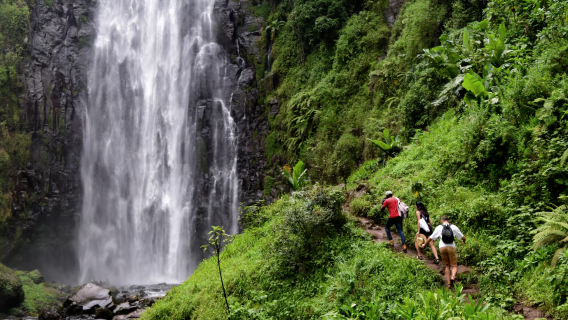
Free cancellation
Book now for tomorrow
FromSEK 2,339.00
4.9/5
· 674 reviewsFree cancellation
Book now for tomorrow
22 consecutive positive reviews
FromSEK 1,511.00
4.9/5
· 122 reviewsFree cancellation
Book now for tomorrow
49 consecutive positive reviews
FromSEK 1,008.00
5.0/5
· 28 reviewsFree cancellation
Book now for tomorrow
28 consecutive positive reviews
FromSEK 1,612.00
FromSEK 806.00
FromSEK 907.00
Featured Outdoor experiences in Moshi
View all Outdoor experiences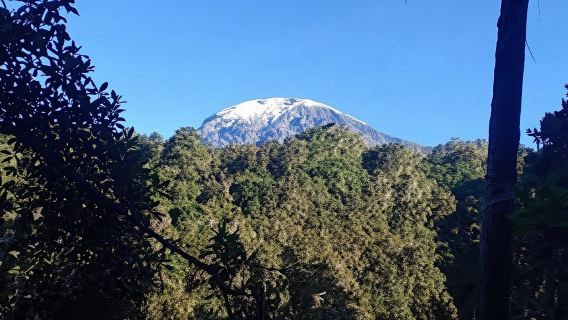
4.9/5
· 106 reviewsFree cancellation
Book now for tomorrow
51 consecutive positive reviews
FromSEK 1,008.00
5.0/5
· 1 reviewFree cancellation
Book now for tomorrow
FromSEK 303.00
Free things to do in Moshi
Mt Kilimanjaro
Rombo · 30.9 km from MoshiKikuletwa Hotsprings
Moshi · 4.1 km from downtownNgorongoro Crater
Tanzania · NgorongoroTarangire National Park
Tanzania · BabatiArusha National Park
Arumeru · 54.5 km from MoshiNgorongoro Conservation Area
Tanzania · NgorongoroLake Manyara National Park
Tanzania · BabatiNdoro waterfalls
Moshi Rural · 20.6 km from MoshiEeka Nubi
Moshi Rural · 11 km from MoshiKilimanjaro Botanical Garden
Moshi Urban · 3 km from Moshi
More ways to travel from Moshi
Private Tours in Moshi
View More Private Tours in Moshi



Group Tours in Moshi
View More Group Tours in Moshi


What travelers say about Moshi

Foot On Kili Tanzania AdventureSeptember 20, 2023
5.0
Best Country to Visit Tanzania, The Land of Mount Kilimanjaro, Serengeti and Ngorongoro, We are local Outfitters Organize the best Trekking to Mount Kilimanjaro, Everything here as to be exploring, Enjoy the Nature , while hiking the highest mountain in Africa, You can hike with your family, friends and spend your honeymoon,We invited people all over the world to come and experience the beauty of Tanzania.
Mt Kilimanjaro

长脸张少侠February 22, 2026
4.0
Tanzania 🇹🇿 - Ngorongoro Crater National Park
The Ngorongoro Crater (active approximately 2.5 to 1.9 million years ago) is geologically composed of basaltic trachyandesite, containing a shallow (1.7 meters) saltwater lake, Lake Magadi.
This is the world's largest inactive, intact crater. The crater formed from the collapse of a massive volcanic eruption approximately 2.45 to 2 million years ago. The original volcano was estimated to be 4,500–5,800 meters high. After the collapse, the crater became slightly elliptical, with a diameter of 18–20 kilometers and a vertical drop of approximately 610 meters from the crater floor. The floor area is 260 square kilometers. It was named one of Africa's Seven Natural Wonders in February 2013.
The protected area was established in 1959 and covers an area of 8,094 square kilometers. This reserve was designated a Natural Heritage site by UNESCO in 1979 and a Cultural Heritage site in 2005, making it a composite heritage site that combines both natural and cultural significance.
The Ngorongoro Conservation Area is estimated to be home to approximately 25,000 large animals, primarily ungulates, living within the Ngorongoro Crater. Large mammals include the critically endangered eastern black rhinoceros, whose population declined from approximately 108 individuals between 1964 and 1966 to 11-14 individuals in 1995. Other animals include hippos, African buffalo, wildebeest, Graham's zebra, Eleanor's gazelle, Graham's gazelle, Thomson's gazelle, and waterbuck. Additionally, there are southern lions, servals, and small numbers of cheetahs, leopards, and African wild dogs. The reserve borders another World Heritage site, Serengeti National Park, to the west. Millions of wildebeest, zebras, gazelles, and other animals migrate annually between these two areas, creating a spectacular sight.
Ngorongoro Crater

西多摩郡剧孟April 6, 2025
5.0
非常值得去塔兰吉雷 Nomad Kuro营地。这个营地最大的亮点就是位于食肉动物夜间活动的地方。与食肉动物几乎零距离的靠近。可以听见他们的吼叫和争斗的声音。当地向导说过:它们(动物)一生是吃和保护不被吃的一生。人只要不攻击或不做攻击行为,便不会被动物攻击。最强大的掠食动物面对人类一般是首先回避冲突。当攻击者得到不被攻击的信息后便不会攻击人类(动物与人类之间)。当然弱肉强食的本能会让它们对没有攻击能力其它物种进行掠食。当地人娴熟与攻击型动物在一个区域内生活的规律,不担心会受到攻击。 塔兰吉雷推荐单项指数:风景指数:4星;向导指数:4.9星,塔兰吉雷向导Anisif 细心敬业专业;营地设施指数3.5星;营地服务指数4.3星;营地体验指数4.5星;营地菜肴指数4星。综合指数4.2星。仅供参考!
Tarangire National Park

M32***23June 11, 2020
5.0
We were in Nairobi for two days and had already done the elephant orphanage and giraffe centre visits so thought this would be more interesting. So at the outset don't expect a big park like the Masai Mara which is not surprising as it is on the outskirts of Nairobi although it is not a small park in its own right and you can spend 4-5 hours driving around. We did see lions which was the highlight plus some giraffes and zebras so it was a great afternoon.
Arusha National Park

Pepita09January 25, 2024
5.0
Ngorongoro Crater is a total game-changer! The vibrant colors of the crater's landscape are straight out of a dream – from lush greenery to the rich hues of the wildlife. The positive vibes here are off the charts, especially when you're surrounded by zebras, wildebeests, and those beautiful cats. It's like stepping into a living canvas of Mother Nature's finest work. If you're up for an adventure with a kaleidoscope of colors, this is the place to be! 🌈
Ngorongoro Conservation Area

vivian3684December 30, 2020
4.0
The scenery is beautiful, but due to excessive rainfall last year, the embankment was flooded and we were unable to get close to the lake and see the legendary animals and lions climbing on the trees. If I go again next time, I hope I will have the opportunity to see flocks of flamingos and more animals in the lake.
Lake Manyara National Park


