Qufu

Things to do in Qufu

Search attractions or local attractions & tours
Search

Explore top experiences

Top 10 attractions in Qufu
View all Attractions
Nishan Sacred Land
Selected for Fall Viewing Attractions in Shandong

Nishan Sacred Land

7.1
4.5/5
7.2k reviews

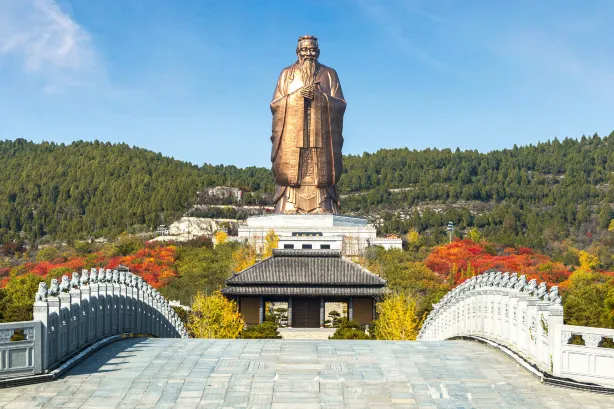
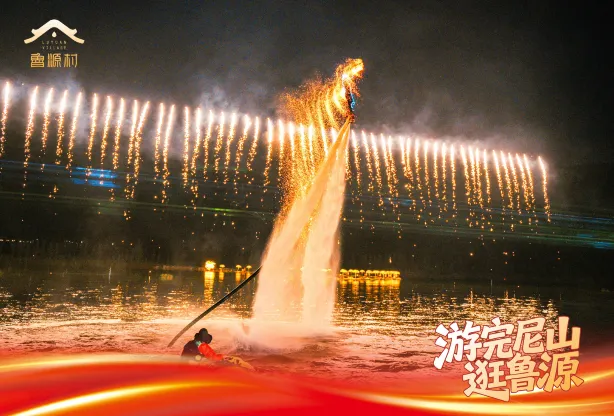
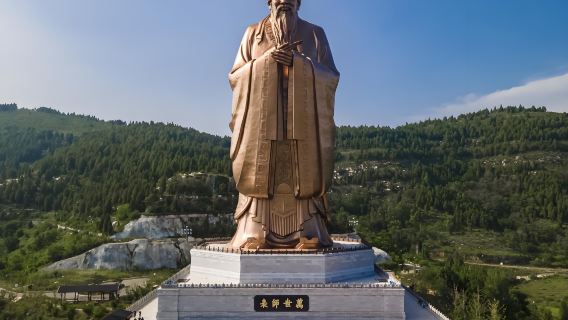
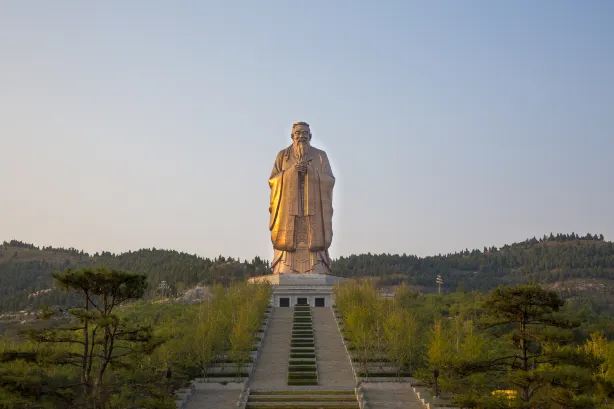
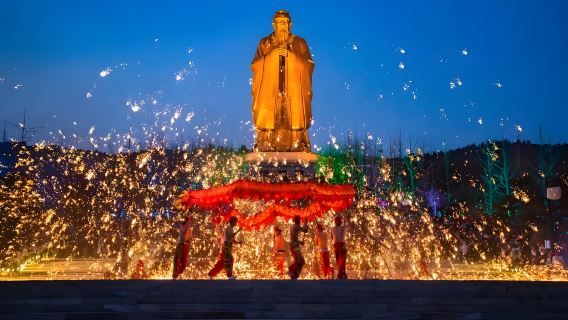
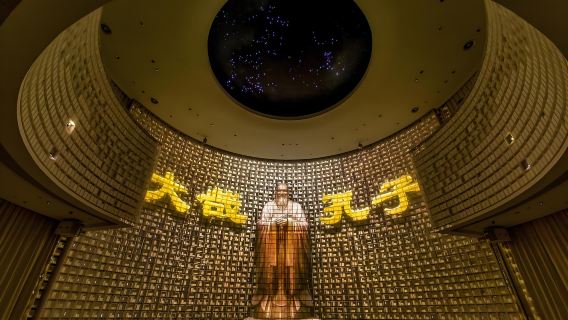
Nishan Holy Land: Located in Nishan, Qufu, the birthplace of Confucius, adjacent to the Nishan Confucian Temple, the overall planning covers an area of 44.78 square kilometers, with the overall idea of "Confucius' world, the world's Confucius" as the overall idea, with "cultural virtuous resort" and " World-class cultural tourism destination" is the overall positioning, integrating cultural exchange, cultural experience, learning and enlightenment, eco-tourism, leisure vacation, education and training, and is known as "another frontier window for the world to know Shandong and China." . There are statues of Confucius, the Great Hall, the Hall of Seventy-two Sages, five halls of benevolence, righteousness, propriety, wisdom and faith, and the performance of "Sound of Gold and Jade Vibration". Scenic tours are divided into night tours and day tours. The outdoor activities mainly include: Nishan Shengxiu + UAV performances (night activities)-shocking light and shadow composed of light, shadow, water curtain, fountain, fireworks, and drones Water show performances, Ren Shan Zhi Shui experience the joy of the sacred landscape landscape. Respecting the ancestors activities (matine session)--respecting the ancestor Confucius, ascending the steps to pray for blessings, and gaining insight into the wisdom of saints. Indoor activities mainly include: The Way of the University, hand-reading the Analects of Confucius, drums and sheng, Mingli Small Theater, Tianxia Guiren Lighting Show, Qipan Dance, Qingge Mandance, Paper Fan Welcome Dance and other activities.

Qufu · 19.8 km from downtown
Nishan Cultural Tourism Resort
No. 7 of Night Attractions in Shandong

Nishan Cultural Tourism Resort

7.1
4.2/5
1.1k reviews

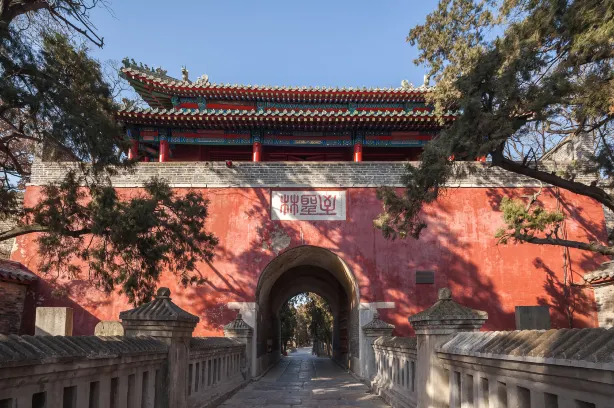
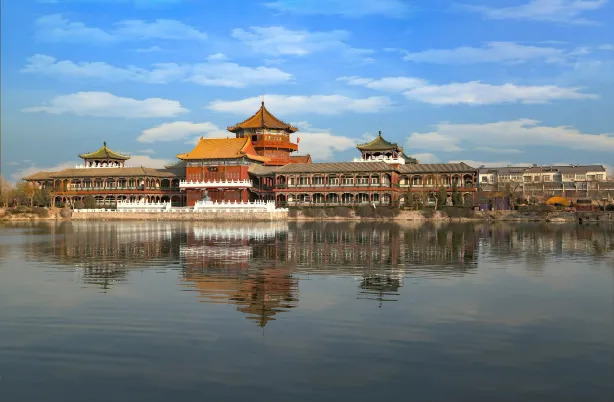
The Nishan cultural tourism resort is located approx. 25 km southeast of Qufu city, Jining, Shandong province, China, built around the birthplace of Confucius.NishanA cultural tourism complex built with attractions including Nishan holy land,Luyuan villageNishan Confucian temple. The attraction features "etiquette and landscape" as its highlights, serving as an important destination to explore the roots of Confucian culture. It is suitable for culture enthusiasts, families, and study visitors. 1. Core attraction highlights: 1. Birthplace of Confucius:NishanIt is the place of birth of Confucius, the founder of Confucianism (551 BC), known as the "cradle of Confucian culture". The attraction preserves historical sites such as the Confucius Cave (legendary birthplace of Confucius) and the Nishan Confucian Temple. 2. Nishan holy land: The core cultural experience area includes: Nishan sacred land - Confucius statue: A 72 m tall giant bronze statue of Confucius, symbolizing the "72 disciples". University hall: An immersive exhibition space blending architectural aesthetics with Confucian culture, featuring five thematic halls dedicated to benevolence, righteousness, propriety, wisdom and trustworthiness. "Jinsheng Yuzhen" performance: A grand ritual music show showcasing the Confucian "enlightened lifestyle of rites". 3. Integration of nature and culture: Surrounded by Nishan Reservoir (Confucius Lake), the landscape blends ecological harmony with poetic charm. 2. Main attractions: 1Nishan Confucian temple and academyOriginally built during the Northern Wei dynasty and renovated through successive dynasties, it serves as an important site for Confucius worship. 2. Fuzi cave: A natural stone cave where Confucius was allegedly abandoned after birth but later retrieved and raised due to miraculous signs. 3Nishan night tourNightlife: Light shows, drone performances and other modern technologies showcasing traditional culture.

Qufu · 21.9 km from downtown
Confucius Temple
No. 14 of Family-friendly Attractions in Shandong

Confucius Temple

6.7
4.6/5
6k reviews

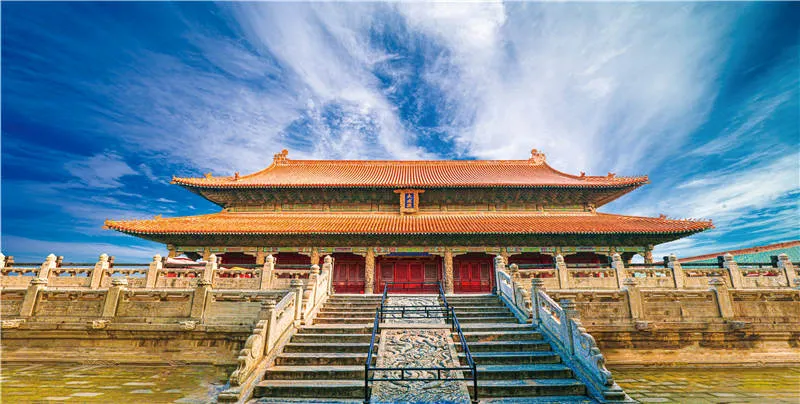
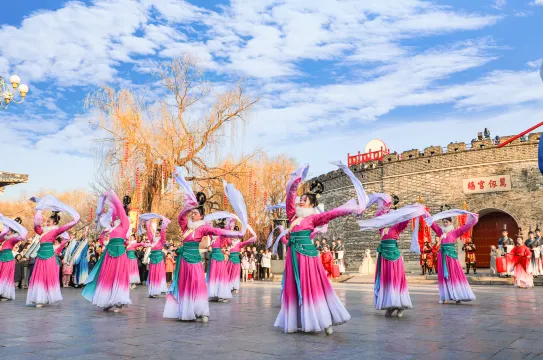
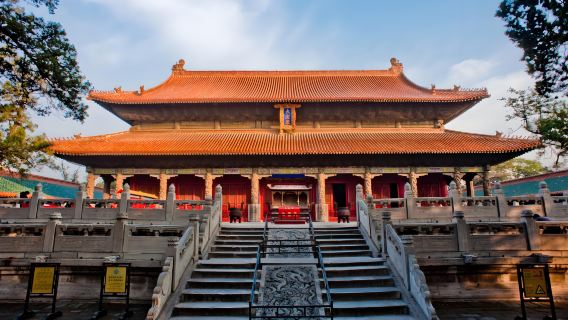
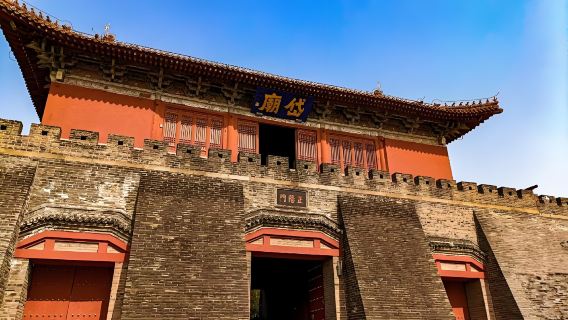
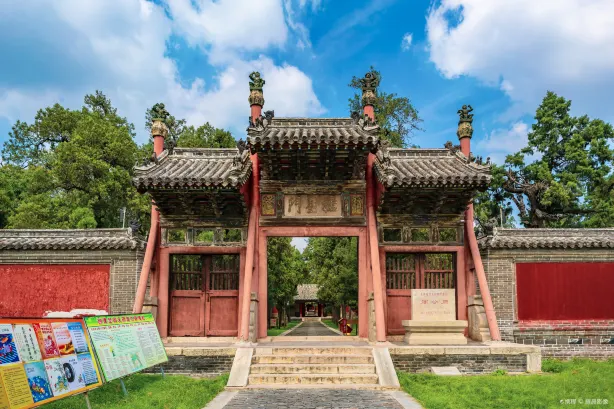
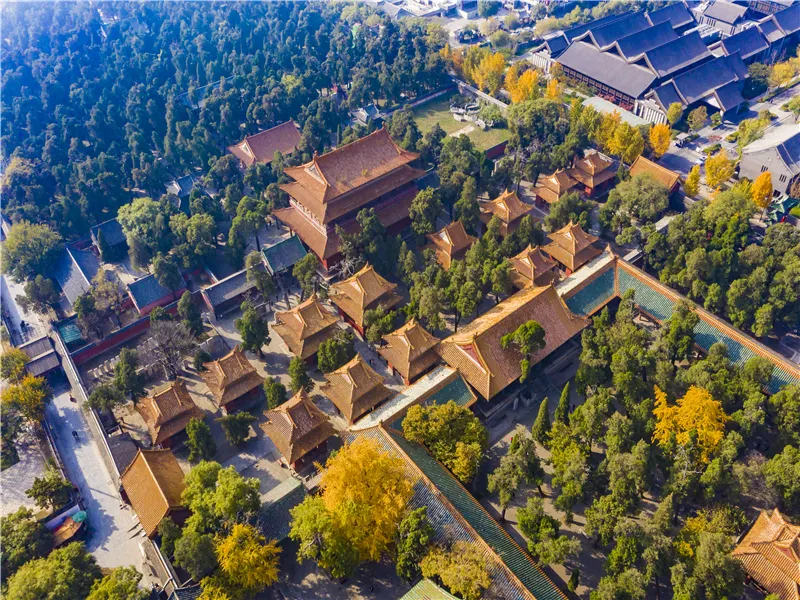
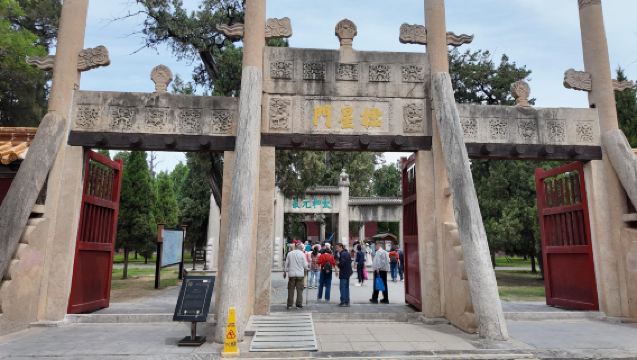
The Confucius Temple is located in Qufu, a large-scale temple dedicated to Confucius, built on the site of his former residence. It is a UNESCO World Heritage Site and one of China's four great ancient architectural complexes, alongside the Palace Museum, the Chengde Mountain Resort, and the Dai Temple. The architectural complex here is grand and vast, preserving many historical relics and stories. Travel notice On-site guides are available at the visitor service hall and Confucius Temple square. It is recommended to hire a guide to better understand the historical anecdotes of the relics here. If you come in the morning, you can watch the city gate opening ceremony at 8 am outside the south gate of the attraction, featuring performers in ancient costumes. At 5 pm (5:30 pm during peak season), there is a city gate closing ceremony. However, performances are usually suspended during the Spring Festival (please check the attraction's official website for specific announcements). Another thing to note is that the localPrice gougingIt is quite common, and many travelers have encountered taxi drivers, tricycle riders, or guides who trick them into visiting overpriced and obscure man-made attractions or restaurants. Do not easily believe their promotions. Also, try to avoid eating around the attraction, as many nearby restaurants overcharge customers severely. Travel guide Here there are nine courtyards in total, with over a hundred buildings symmetrically arranged on both sides of the central axis. After entering the first memorial gate, "Confucius Temple - Lingxing Gate," and looking inward, one sees gateways layered deep beyond sight. Next, you will pass through the Confucius Temple - Shengshi Gate, Confucius Temple - Hongdao Gate, Dazhong Gate, and Tongwen Gate in sequence, with lush courtyards between each gate. Among them, there is a corner tower on each side near the corners of the Dazhong Gate, while the Tongwen Gate has two large stone steles on each side, which are the famous four imperial steles from the Ming Dynasty. Beyond the Tongwen Gate stands the towering Kuixing Pavilion, a library building originally constructed during the Song Dynasty. Past the Kuixing Pavilion, you'll find thirteen stele pavilions housing over fifty stone inscriptions from various dynasties, primarily recording imperial temple renovations and sacrificial ceremonies. Further ahead lies the Dacheng Gate, whose name plaque bears the calligraphy of Emperor Yongzheng from the Qing Dynasty. The architectural highlight here is the interlocking flying eaves between the Dacheng Gate and adjacent stele pavilions. Beyond the Dacheng Gate stands a pavilion named "Confucius Temple - Apricot Altar," built by Confucius' descendants to commemorate his teaching. Further ahead lies the majestic Confucius Temple - Dacheng Hall, with its twenty-eight stone columns adorned with cloud-and-dragon relief carvings. Inside the hall hang inscribed plaques, including Emperor Kangxi's calligraphy "Model teacher for all ages" and Emperor Guangxu's "The essence of culture resides here." Confucius Temple - Dacheng Hall is the main hall and iconic building of the attraction. It is known as one of the "three great halls of the East" along with the Hall of Supreme Harmony in the Palace Museum and the Tiankuang Hall in Dai Temple. The hall enshrines a statue of Confucius in the center, flanked by statues of his 72 disciples and other Confucian sages. Major Confucius worship activities by emperors throughout history were held here. Today, many visitors come here daily, among whom areDacheng HallIt used to be quite popular for incense offerings. Dacheng HallThe rear hall enshrines Confucius' wife Qiguan Shi, while the hall of sacred traces contains stone-carved comic strips depicting Confucius' deeds. Additionally,Dacheng HallThe western path features structures for worshipping Confucius's parents, while the eastern path includes Confucius's former residence and the Lu Wall. The "Lu Wall" is a short section of low wall where, according to legend, Confucius's descendants hid his bamboo scrolls during the Qin Shi Huang's "burning of books and burying of scholars" era. During Emperor Wu of Han's reign, bamboo slips such as the "Analects" and the "Classic of Filial Piety" were discovered here. Attraction activities Throughout dynasties, it has been a place for worshipping Confucius, and the Confucius worship activity continues to this day. In recent years, the grand Confucius memorial ceremony is usually held between September 26 and October 10 annually, featuring large-scale temple music and dance activities. You can see many participants wearing Hanfu and traditional hats, along with people from all walks of life coming to pay homage to the sage Confucius.

Qufu · 1.5 km from downtown
Confucius Museum
No. 2 of Family-friendly Attractions in Qufu

Confucius Museum

6.2
4.9/5
624 reviews

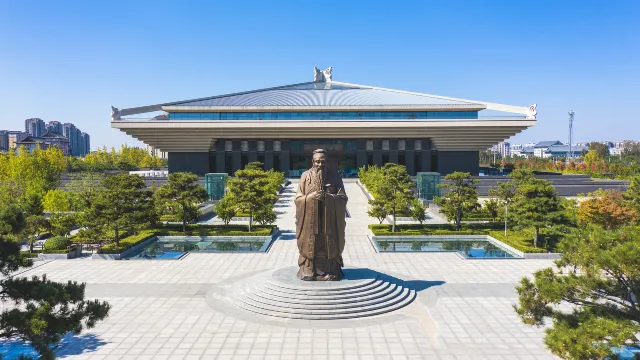
The Confucius Museum is a museum built to commemorate Confucius, showcase Confucius' thoughts and doctrines, and spread and promote traditional culture represented by Confucian culture. It is located at No. 100 Confucius Avenue, Qufu City, Shandong Province. The main building is based on the imitation of Han-style architecture. It is a large-scale modern museum with a clear theme and comprehensive features. Construction began in early 2013 and it officially opened on September 6, 2019. The collections of the Confucius Museum are mainly from the old collections accumulated by the Confucius Mansion over thousands of years in history, and its profound cultural support is the long and splendid history of Confucius' hometown. The Confucius Museum is an extension of the "Three Confucius" cultural heritage. It has a rich collection of 700,000 cultural relics of various types. The world-famous collections include 300,000 private documents and archives of the Confucius Mansion from the Ming Dynasty to 1948, more than 40,000 rare ancient books since the Song Dynasty, more than 8,000 Ming and Qing Dynasty costumes, and a large number of ritual instruments related to the worship of Confucius. The Confucius Museum has a total exhibition area of ​​17,000 square meters. The Upward exhibition hall is the basic exhibition of Confucius, which consists of the preface hall and five parts. The preface hall gives a comprehensive introduction to Confucius through multimedia projection. The five parts are Confucius' era, Confucius' life, Confucius' wisdom, Confucius and Chinese civilization, and Confucius and world civilization. The Downward exhibition hall is the basic exhibition of poetry and rituals, which is divided into three units: Yuyin Baishi, Confucius Mansion Archives, and Quli Legacy. In addition, there is a special exhibition hall for temporary exhibitions. The exhibition uses cultural relics and artistic scenes as carriers, high technology as a means, and serves the public, especially young students, as the main goal, highlighting interactive experience and perception.

Qufu · 2.9 km from downtown
Liaohe Ancient Street • Lanterns in Liaohe
No. 2 of Night Attractions in Qufu

Liaohe Ancient Street • Lanterns in Liaohe

4.7
4.4/5
31 reviews

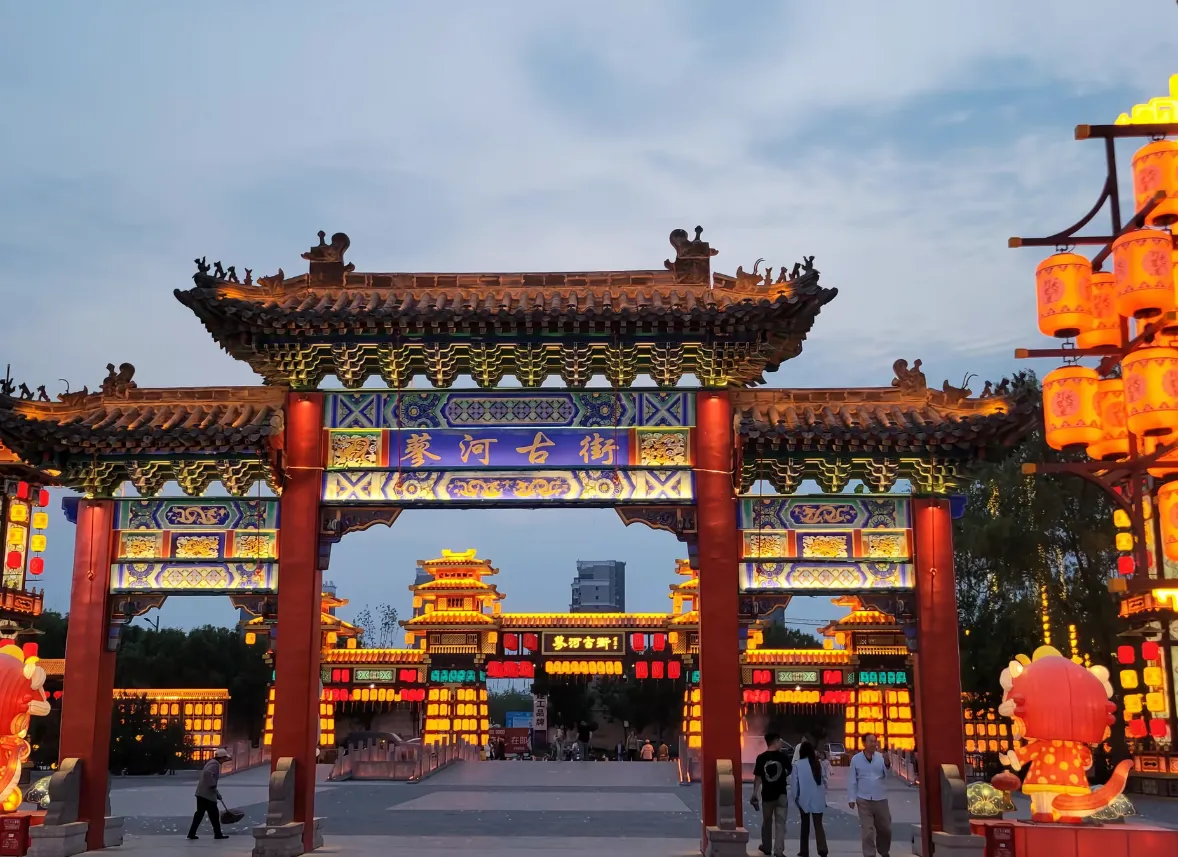
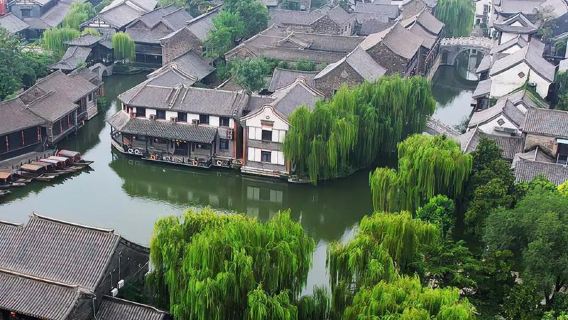
"A boat enters the holy land, a river crosses a thousand years." Tourists take a cruise on the ancient boat, allowing the cultural journey to travel through modern light and shadow technology, immersing themselves in the long river of Chinese civilization and feeling the endless majestic power of China's excellent traditional culture. Take an ancient boat to cruise on the Liaohe River at night~ It is divided into four chapters: the origin of civilization, the country of etiquette, the eternal beacon, and the oriental holy city. Through 3 large-scale water curtain shows, 4 special bridge designs, 12 3D architectural projections and 15 micro-performance nodes, a face-to-face dialogue between tourists and sages across thousands of years is constructed. The omnipresent Confucian style and Lu rhyme on this land, and the ubiquitous millennium cultural context, seem to converge on the Liaohe River at the same time. The highlight of the night tour is the unique "water curtain holographic projection". With the Liaohe River fountain as the screen, the advanced projection technology is used to present the life story of Confucius and the essence of Lu culture to tourists. As the image changes, the scene of Confucius traveling around the countries and lecturing on the doctrine appears above the Liaohe River, making tourists seem to have traveled back to that era full of wisdom and philosophy. Liaohe Ancient Street·Liaoheli with Lights is a "cultural, commercial and tourism complex" and an "immersive ancient-style market" that integrates "eating, accommodation, transportation, sightseeing, shopping, entertainment and performances"; the "Boat Tour of the Sacred Land of Liaohe" section uses digital light and shadow media to showcase the cultural sacred land of "a boat entering the sacred land and a river crossing a thousand years" through 4 water curtain shows, 12 3D light and shadow shows and 15 micro performances, creating a "national documentary scene-based immersive cultural night tour". In this land full of rich cultural atmosphere, a night tour feast is quietly taking place. This feast takes the wisdom and ingenuity of Confucius and Lu Ban as its soul, creating a new scene of night tour of Shili Liaohe River with Lu characteristics, so that every tourist can appreciate the unique charm of Lu culture under the night. The Liaohe Ancient Street and the Lights of Liaoheli, built with Confucius and Lu Ban as cultural elements, not only let tourists appreciate the unique charm of Lu culture, but also let tourists feel the wisdom and feelings of the ancients in their own experience. This night tour feast is not only a visual feast, but also a spiritual baptism.

Qufu · 3.4 km from downtown

Experiences you can't miss in Qufu

Featured Culture & history in Qufu

View all Culture & history
Comfortable private tour: Qufu day tour to San Kong, Nishan Sacred Land and Luyuan village with private car
󱌍
Duration: 4 hrs
English
Free cancellation
Instant confirmation
Book now for tomorrow
FromNZD 228.20
Qufu's Temple and Cemetery of Confucius and Kong Family Mansion Private 1-Day Tour
󱌍
Duration: 4.5 hrs
English
Free cancellation
Instant confirmation
Book now for tomorrow
FromNZD 200.71
Private chartered day tour to Tai'an Dai Temple, Queen Mother Pond, Pu Zhao Temple, Old County Government Courtyard and Tai'an Old Street
󱌍
FromNZD 228.20

More things to do

Private Tours in Qufu

View More Private Tours in Qufu
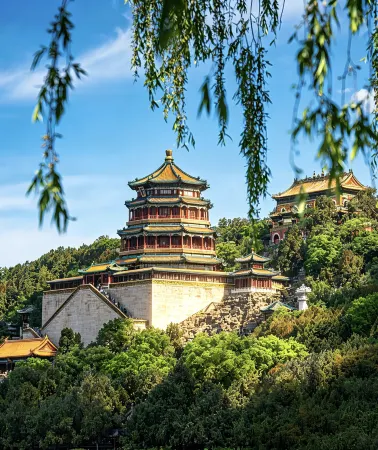
Qufu Today's weatherClear 1-9℃
Qufu weather for the next 2 days11/25: 1-15℃, 11/26: 6-18℃

Free things to do in Qufu
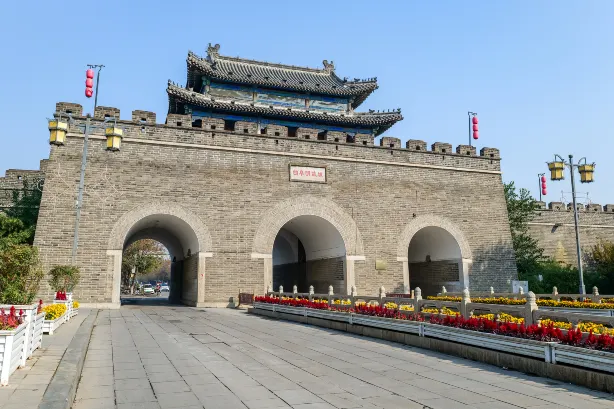
What travelers say about Qufu

user-avatar
驴友1124November 22, 2026
4.0
Although the Confucius Temple is small, it has many intricacies, so it's essential to hire a guide for a very detailed explanation. A guided tour usually takes about an hour, after which you can explore on your own, take photos, and check off your travel list. The Confucius Mansion is also not large. The Confucius Cemetery is further away, but it's less than a half-hour walk; the main attraction there is Confucius's tomb, so you don't need to visit the other parts. Overall, the cultural atmosphere is rich and vibrant.

Qufu's Temple and Cemetery of Confucius and Kong Family Mansion

user-avatar
_uc***41November 22, 2026
5.0
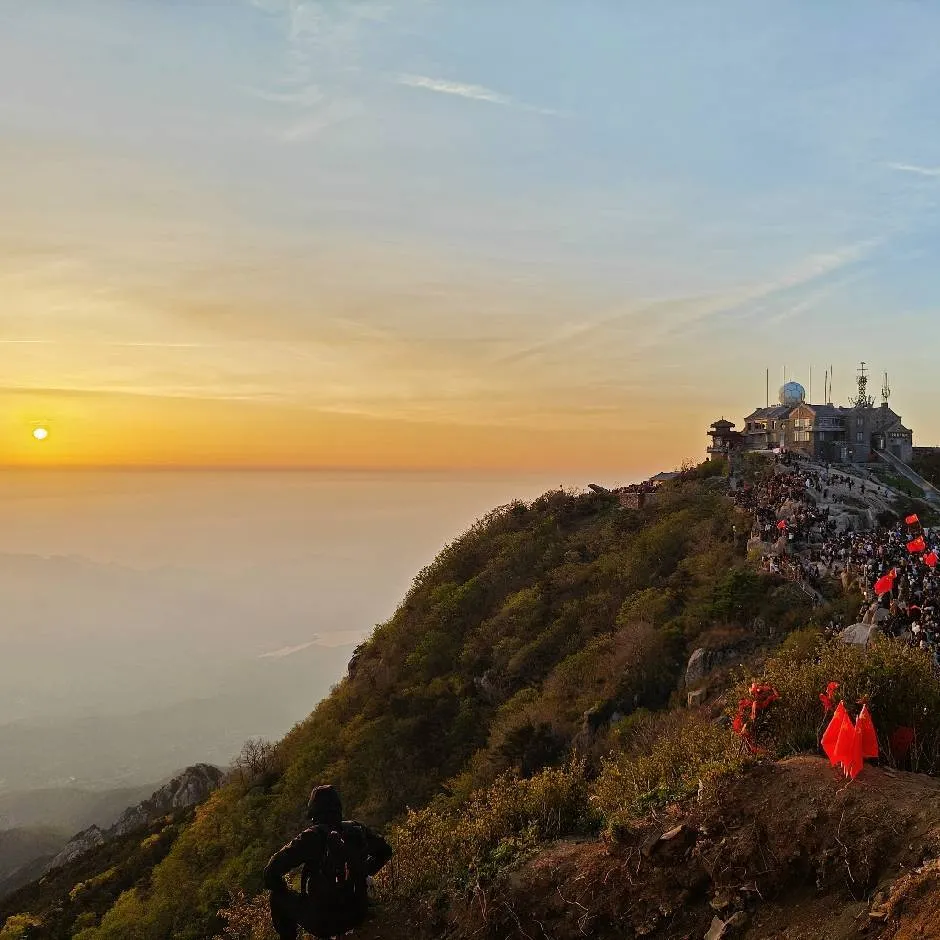
Nishan Sacred Land is mainly known for its magnificent school building, which reminded me of the various churches I visited during my trip to Europe. Luyuan Village was also highly recommended; if you have the energy, the evening session is definitely not to be missed.

Nishan Sacred Land
user-avatar
Liu Kai🍀October 4, 2026
5.0
The hotel is located within the scenic area and has its own parking lot. On our first day, they gave us snacks and drinks, and when we left, they gave us a souvenir—a copy of the Analects of Confucius. The hotel was very clean and tidy, and they upgraded our room for free. Overall, it exceeded our expectations and is a great place to stay when visiting the Confucius Temple, Confucius Mansion, and Confucius Cemetery.

Nishan Cultural Tourism Resort
user-avatar
纯然初心November 15, 2026
5.0
Qufu is a small county town worth visiting. The Confucius Temple and Confucius Mansion are very large, and a guided tour takes about 3 hours. However, the prices in Qufu are quite reasonable. If you have extra time, you can explore at your own pace after the guided tour.

Confucius Temple

user-avatar
兜兜赛赛November 21, 2026
4.0
As a relatively new museum, the number of exhibits is limited, and the area is enormous. The highlights include a Warring States period jade horse and various bronze artifacts, but the visitor experience was only moderately successful. The distance from the museum courtyard to the main entrance is quite far, making it unsuitable for elderly people with mobility issues. However, the museum staff demonstrated the warm hospitality characteristic of Shandong, especially Captain Wang and Mr. Gao from the security team, who helped two elderly family members push their wheelchairs all the way to the museum entrance. We were very grateful! Thank you to the kind Shandong people and the museum for their humanistic care!

Confucius Museum

user-avatar
游吟诗人大山猫October 7, 2026
4.0
They're all imitation ancient buildings, one large courtyard, overly commercialized. The back garden is alright, but the Confucius Mansion in the Three Confucius Sites area isn't good value for money. It's not as nice as the Confucius Temple.

Kong Family Mansion

user-avatar
꧁༺ཌ༈honey姐༈ད༻꧂October 5, 2026
5.0
Although it's a man-made ancient town, it's truly beautiful, especially when the lights are on. The daytime "One Breeze" performance and the evening "Lu Yuan Celebrates a Bountiful Year" show are both spectacular. The downside is the guokui (a type of flatbread) I bought on the intangible cultural heritage street—the beef and preserved vegetable flavors were basically just two pieces of dough with almost no filling, and they weren't cheap either. Be careful when buying from there.

Nishan Luyuan Village Scenic Area

user-avatar
Sammy0618October 5, 2026
5.0
The Confucius Cemetery, originally called the Sacred Forest, is located 1.5 kilometers north of Qufu City, Jining, Shandong Province. It is the family cemetery of Confucius and his descendants. Construction began in the 16th year of Duke Ai of Lu during the Eastern Zhou Dynasty (479 BC). After more than 2,500 years of development, it has now become a vast garden covering approximately 2 square kilometers, making it the world's longest-lasting, largest, and best-preserved clan cemetery. The Confucius Cemetery is not only a solemn mausoleum but also a "natural museum" rich in cultural connotations and a "chronicle of the Confucius family."

Confucius Forest
user-avatar
没钱还到处浪November 17, 2026
5.0
The night cruise on the Liaohe Ancient Street was a fantastic experience. The banks were ablaze with lights, creating a vibrant and atmospheric ambiance. Gently gliding along the river, enjoying the evening breeze and the elegant, poetic scenery, I highly recommend a night cruise in Qufu!

Liaohe Ancient Street • Lanterns in Liaohe

user-avatar
Anonymous userAugust 10, 2026
5.0
We brought our child to experience the Song brocade and the little book lamp activities, which were excellent! The staff was very patient! Our child loved it, and the environment was super nice! We'll definitely come back to try other activities next time!

Ctrip Travel Experience Center (Sankong Scenic Area Branch)

Trip Moments in Qufu

Popular cities near Qufu

Frequently asked questions

How can I contact Trip.com customer support?

Get help anytime, anywhere within 30 secondsContact customer support

Change and cancellation policies vary by attractions and tours. Please check the product details page for more information.

Ticket prices may vary between weekdays and weekends, as well as during peak and off-peak seasons. When booking with Trip.com, you can also use Trip Coins to get extra savings. For more tips on booking discounted tickets, please visit Trip.com for the latest information.