Yima

Things to do in Yima

Search attractions or local attractions & tours
Search

Explore top experiences

Top 10 attractions in Yima

View all Attractions
Longmen Grottoes
2026 Asia 100 - Best Things to Do

Longmen Grottoes

8.9
4.7/5
62.4k reviews

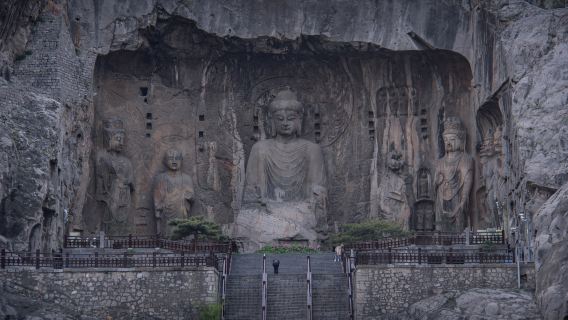
Longmen Grottoes are located in the southern suburbs of Luoyang, Henan Province, on the cliffs along both banks of the Yi River. As one of China's three major grotto art treasures, they were inscribed on the World Cultural Heritage list in 2000. The grottoes were first carved when Emperor Xiaowen of Northern Wei moved the capital to Luoyang, and construction continued through the Eastern Wei, Western Wei, Northern Qi, Sui, and Tang dynasties, with the vast majority of niches and statues left from the Northern Wei and Tang periods. Today, more than 2,000 niches and over 100,000 statues remain, along with a large number of inscriptions and steles, making the site an important representative of Chinese stone carving art. The attraction is divided by the Yi River into two parts: West Hill and East Hill. The West Hill Grottoes are the essence of the site, carved from the Northern Dynasties through the Sui and Tang periods. Famous caves include Guyang Cave, Binyang Cave, Lotus Cave, Wanfo Cave, and Fengxian Temple. The Lushena Buddha at Fengxian Temple stands about 17 m tall, making it one of the larger Buddha statues at Longmen Grottoes. Its face is dignified and serene, with a faint smile, and legend holds that it was modeled on the appearance of Wu Zetian, earning it the name "Oriental Mona Lisa." The inner walls of Wanfo Cave are densely covered with about 15,000 small Buddha statues, each only a few cm tall, neatly arranged and finely crafted. Guyang Cave is the earliest cave carved at Longmen, and its inscription calligraphy is exquisite; the selected "Twenty Masterpieces of Longmen" are representative works of Wei stele calligraphy. Binyang Cave consists of the South, Middle, and North caves and took more than twenty years to complete. Its original reliefs depicting emperors and empresses worshipping the Buddha were looted and lost overseas in the 1930s. In Binyang North Cave, a Buddha statue has a distinctive hand gesture, with the right index and middle fingers raised in a shape resembling the modern "scissors hand," though it is actually a Buddhist mudra, and it once sparked heated discussion online. The East Hill Grottoes are mostly Tang dynasty works and are smaller in scale than those on West Hill, but from the opposite bank visitors can enjoy panoramic views of West Hill from different angles, especially distant views of the Lushena Buddha. The attraction also includes Xiangshan Temple and Bai Juyi Memorial Park (Bai Garden). The Tang dynasty poet Bai Juyi lived in Luoyang in his later years and once praised it, saying, "Of the scenic splendors of Luoyang's surrounding mountains and waters, Longmen ranks first." When visiting, simply follow the route West Hill—East Hill—Xiangshan Temple—Bai Garden, proceeding in one direction without backtracking. The West Hill Grottoes are densely packed with content, so it is advisable to set aside ample time for a closer look; East Hill is quieter and more secluded, suitable for a brief visit and gazing across the river when energy is limited.

Luoyang · 59.5 km from Yima
Emperor Qinshihuang's Mausoleum Site Museum
2026 Global 100 - Best Things to Do

Emperor Qinshihuang's Mausoleum Site Museum

10
4.7/5
151.1k reviews

Emperor Qinshihuang's Mausoleum Site Museum is a large site museum built on the site of the Terracotta Army pits, which are located approx. 1.5 km east of the mound of Emperor Qinshihuang's Mausoleum. In March 1974, farmers from Xiyang Village accidentally unearthed fragments of terracotta figures while digging a well, and archaeological exploration confirmed Pit 1; in 1976, Pits 2 and 3 were successively discovered to the north of Pit 1. This army, which had slumbered for over 2,000 years, was thus brought back to light, and the discovery of the Terracotta Army has been hailed as "one of the great discoveries in the history of 20th-century archaeology." Pit 1 is the main military formation among the three pits, stretching over 200 m from east to west, with an estimated 6,000 pottery figurines and horses buried inside. Standing at the edge and looking down, armored warrior figurines, war chariots, and pottery horses are arrayed eastward in battle formation. A closer look at each figure reveals different facial shapes, hairstyles, beards, and even hand gestures. The figurines were originally painted all over, but most of the paint has peeled off and discolored due to fire and long burial. Pit 2 is L-shaped, with crossbowmen, cavalry, and charioteers arranged in a mixed formation; the vividly expressive kneeling archer was unearthed here. Pit 3 is small in scale, and scholars believe the ceremonial guard figurines and war chariots unearthed there indicate it served as the command center—known in ancient times as a "military tent"—directing the formations in Pits 1 and 2. The bronze swords, pi halberds, spears, crossbow triggers, and large quantities of arrowheads unearthed from the pits—many still sharp after more than 2,000 years—demonstrate the sophistication of Qin dynasty metallurgy. The Emperor Qinshihuang's Mausoleum Site Museum and the Qin Shi Huang Mausoleum at the foot of Mount Li were originally one integrated whole. After Qin Shi Huang ascended the throne at the age of 13, he began constructing the mausoleum, conscripting hundreds of thousands of laborers over a period spanning more than 30 years; the terracotta army, which replaced human sacrifice with figurines, served as the underground guard for this imperial mausoleum. To avoid the crowds during your visit, you might want to see Pit 3 and Pit 2 first, and then take your time to experience the awe-inspiring scene of Pit 1 last. After viewing the terracotta pits, you can also take the attraction's shuttle bus to Lishan Garden, where Emperor Qinshihuang's mausoleum is located; the Acrobats Pit, the Civil Officials Pit, and the Bronze Chariots and Horses Museum are all within the garden. The two painted bronze chariots and horses, cast at half the scale of real chariots, are exquisitely crafted with brilliantly gleaming gold and silver fittings, and are well worth a special trip to see.

China · Xi'an
Luoyang Museum
2025 Asia 100 - Family-friendly Attractions

Luoyang Museum

7.9
4.7/5
3.8k reviews

Founded in 1958 and fully opened to the public on April 16, 2011, the Luoyang Museum is a comprehensive institution integrating cultural relic collection, exhibitions, and public education, with a collection that spans the long history of Luoyang as a capital of thirteen dynasties. The main building stands like a giant ding, drawing on the meaning of "establishing the capital at Luoyi," and its solemn and imposing facade is itself a popular backdrop for photos. The museum's large permanent exhibition "Civilization of the Yellow River and Luo River" unfolds along the sequence of prehistoric times, the Xia, Shang, and Zhou dynasties, the Han and Wei dynasties, the Sui and Tang dynasties, and the Five Dynasties and Northern Song, stringing together Luoyang's millennia-long history as a capital into a complete viewing route. Among the exhibits, the Northern Wei painted pottery figurines of two women holding hands, affectionately called the "best friend figurines" by visitors, are especially eye-catching—two young girls holding hands side by side with lively expressions, and visitors often come specially to take photos with them. On the second floor, the Treasures Gallery rotates representative artifacts from the collection, and the Cao Wei white jade cup and the Northern Wei clay Buddha face statue are both worth pausing to examine closely; in the Tang Sancai Gallery, the entirely black-glazed sancai horse is vigorous and rarely seen. The Court Artifacts Gallery displays Qing dynasty court artifacts transferred from the Forbidden City, and the golden nanmu pagoda carved from a single piece of wood and covered with small gilded Buddhas has a distinctly royal air; the Wang Xiu Peony Art Exhibition, meanwhile, brings Luoyang's peonies into paintings, offering a softness that contrasts with the weighty antiquity of the stone carvings, each with its own flavor. Start your visit with the "Civilization of the Yellow River and Luo River" exhibition and the Stone Carving Gallery on the first floor, then go up to the second floor to savor the Treasures Gallery, the Tang Sancai Gallery, and the Court Artifacts Gallery in detail; the Treasures Gallery features rotating exhibitions, so the specific exhibits on display are subject to what is shown on site. A careful full visit usually takes two to three hours, so it is advisable to set aside ample time.

Luoyang · 54 km from Yima
Shaanxi History Museum
2026 Asia 100 - Family-friendly Attractions

Shaanxi History Museum

9.5
4.8/5
35.4k reviews

Shaanxi History Museum is a large modern museum built after China's reform and opening up and officially opened in 1991. The building was designed by architect Zhang Jinqiu and adopts a Tang-style architectural layout of "central hall and four corner towers," with a symmetrical central axis and a clear hierarchy of primary and secondary structures; in 2016 it was included in the first batch of the "Chinese Architectural Heritage of the 20th Century" list. Shaanxi was once the political center of dynasties such as the Zhou, Qin, Han, and Tang, and the museum's collection spans a million years of history, covering categories such as Shang and Zhou bronzes, pottery figurines of successive dynasties, Han and Tang gold and silver wares, and Tang tomb murals, with a total of over one million items. The permanent exhibition "Ancient Civilization of Shaanxi" follows a chronological main line and presents the historical process from prehistoric Lantian Man to the eve of the Opium War across three galleries, with the Zhou, Qin, Han, and Tang periods as the focus. The east and west sides of the central hall each host a thematic exhibition: on the west side, "Treasures of the Great Tang: Hejiacun Hoard Unearthed Artifacts Exhibition" concentrates on fine gold and silver wares of the High Tang, while on the east side, the "Tang Dynasty Mural Treasures Gallery" displays authentic murals removed from Tang tombs, with subjects covering figures, architecture, ceremonial guards, and more, making it a uniquely distinctive category of the museum's collection. Among the many artifacts in the museum, several are particularly notable. The agate cup with gold-inlaid beast head, from the Hejiacun hoard, is carved from a single piece of banded agate into the form of a curved-horn beast head, resembling Central Asian rhyton cups, and is one of the first batch of cultural relics prohibited from being exhibited abroad. The tri-color glazed camel carrying musicians figurine vividly recreates the lively scene of musicians playing and singers performing on a camel's back, with bright glaze colors and figures with distinct expressions. The Empress's Seal is made of Western Han Hetian mutton-fat jade and carved with a chi-tiger knob, and is the only known actual jade seal of a Han dynasty empress discovered to date. In addition, the gilt silver flask with a dancing horse holding a cup design, the celadon ewer with an overhead handle and bottom-filling design, and the black-glazed oil-spot bowl each have their own distinctive features. The gold and silver wares unearthed from the Hejiacun hoard are concentrated in the thematic gallery and are a highlight of any visit; visitors are advised to allow time to examine them closely.

China · Xi'an
Sui And Tang Dynasties Luoyang City Yingtian Gate Site
No. 9 of Best Things to Do in Henan

Sui And Tang Dynasties Luoyang City Yingtian Gate Site

7.7
4.5/5
4.5k reviews

Yingtianmen is the south gate of Luoyang City Palace City in Sui and Tang Dynasties. It was built in the first year of Daye in Sui Dynasty, that is, in AD 605. It has gone through four periods of Sui, Tang, Five Dynasties and Northern Song Dynasty successively. The Jinbing was burnt and used for 523 years. Yingtianmen was an important place for holding major state celebrations and diplomatic activities at that time. If Yuanzheng, Winter Solstice, Chenle, banquets, pardoning sins, removing the old and clothing the new, when the tributary messengers of all countries, the guests of the four barbarians and other important celebrations, the emperors all came to listen to the government. Similar to the current Beijing Meridian Gate. This city gate has witnessed the prosperity of the dynasty when Emperor Yang Guang of Sui Dynasty entered the Eastern Capital, Emperor Gaozong of Tang Dynasty released King Fuyu of Baekje, the queen ascended the throne and became emperor, and Emperor Xuanzong of Tang received the eighth envoy from Japan to the Tang Dynasty. Every Shangyuan Festival, Yingtianmen Square will also hold a grand Baixi performance. When it is grand, the performance team will stretch from here to the main south gate of Guocheng, which is 4 kilometers away. Yingtianmen has different names in different periods: it was built in the early Sui Dynasty, according to the "Analects of Confucius", "Only the sky is the greatest, only Yao is the rule", taking the meaning of "taking the sky as the rule", so it is called "Zetianmen"; the first year of Tang Shenlong 705 During the reign of Emperor Zhongzong Li Xian of Tang Dynasty, after avoiding Wu, he was honored as "The Great Sage Emperor Zetian" and renamed Yingtianmen. During the Kaiyuan period of Emperor Xuanzong of the Tang Dynasty, this building was renamed Wufeng Building, and Wufeng Building was used until the Five Dynasties and Northern Song Dynasty. At the end of the Northern Song Dynasty, Jinbing invaded the Central Plains, Luoyang became a battlefield and was severely damaged. Jinbing burned down the building. The city of Luoyang in the Sui and Tang Dynasties, which was prosperous for more than 530 years, gradually faded out of people's sight. Yingtianmen is one of the buildings that can show identity and status in the Chinese etiquette system. "Yuan·Henan Chronicle" records: the main gate of the palace city is called Zetianmen, the gate has two views, the upper one is called Ziwei microscopic, the left and right are connected with the ques, and the ques are 120 feet high. Calculated at 29.4 centimeters per foot in the Tang Dynasty, equivalent to about 36 meters today, this magnificent tower is almost twelve or three stories high today. The Tang Dynasty poet Bai Juyi once looked south on Yingtianmen and wrote a poem: "Longmen Cui Dai Mei is opposite, Yishui Golden Line is a line". From Yingtianmen, you can see Longmen Yique, which is 15 kilometers away, showing the majesty of Yingtianmen.

Luoyang · 54.2 km from Yima
The Luoyang Museum of Ancient Tombs
No. 18 of Best Things to Do in Henan

The Luoyang Museum of Ancient Tombs

7.3
4.7/5
1.2k reviews

The Luoyang Museum of Ancient Tombs is the first museum of ancient tombs in the world. The museum is divided into three major exhibition areas: the tomb area of successive dynasties, the imperial tombs of the Northern Wei dynasty, and the Henan mural gallery. It houses dozens of tomb chambers from various periods of ancient China, all simulated and restored based on their original sites, and displayed in the underground exhibition area according to tomb structure. Visitors can closely observe and understand the internal environment of ancient tombs from multiple perspectives, including tomb chamber architecture, unearthed artifacts, tomb murals, brick carving art, and cultural relics. Burial areas of successive dynasties The burial areas of successive dynasties are located in the eastern part of the museum, divided into above-ground and underground sections, and are a highly distinctive part of the museum that attracts many visitors. The above-ground structure is a group of Han-style buildings, housing exhibition rooms such as the "typical tomb models of the Xia, Shang, and Zhou dynasties" and the "sculpture group of the Han dynasty imperial funeral procession." The underground section features the relocated and restored 25 representative tombs from the Luoyang area, dating from the Western Han dynasty to the Song and Jin periods, with a total of several hundred artifacts on display, as well as a large quantity of murals. The various restored tombs (chambers) in the underground section were all relocated as a whole. The bricks and stones in the tombs were numbered on site by archaeologists before being dismantled, and then reassembled here one by one in their original form. Each tomb chamber is not far from the others, connected by passageways. You can walk through the passages, passing before the tomb chambers of different eras. These chambers, in all their varied forms and distinct architectural styles, reflect one aspect of ancient Chinese architectural art. The tomb chamber also displays replicas of many unearthed artifacts, such as pottery figurines and household vessels from the Northern Wei dynasty, and Tang dynasty sancai ceramics. The tomb chamber also contains epitaphs from the Western Jin, Northern Wei, Tang, and Song dynasties, as well as a rich variety of murals, such as the demon-beating scene, the woman opening the door, and the ascension to immortality, which can be regarded as treasures of ancient painting art. Imperial tombs of the Northern Wei dynasty Located in the western part of The Luoyang Museum of Ancient Tombs. This exhibition area is centered on the "Luoyang Museum of Ancient Tombs - Jingling" of Emperor Xuanwu of Northern Wei, Emperor Shizong, and consists of the relocated and restored tombs of Yuan Xing, Prince Wenxian of Qinghe, and Yuan Cha, Prince of Jiangyang. The burial mound of Luoyang Museum of Ancient Tombs - Jingling is circular, with a rammed earth mound over 20 m high. Visitors can walk down along the passage all the way to the center of the tomb chamber, where a coffin is placed, and there is nothing inside the coffin. The ceiling of Yuan Yi's tomb chamber is painted with an astronomical chart, which contains more than 300 stars. This chart is about 400 years earlier than the "Dunhuang Star Chart" and is precious physical material for the study of ancient Chinese astronomy. Mural gallery The Henan Mural Museum displays authentic tomb murals from multiple dynasties, including the Western Han, Eastern Han, Wei and Jin, Tang and Song, and Jin and Yuan. These murals feature clear images and a wide range of subjects, covering astronomy, geography, human affairs, and deities. The owners of the mural tombs range from emperors, concubines, and high-ranking officials to local minor officials and ordinary commoners.

Luoyang · 49.4 km from Yima

Experiences you can't miss in Yima

Featured Culture & history in Yima

View all Culture & history
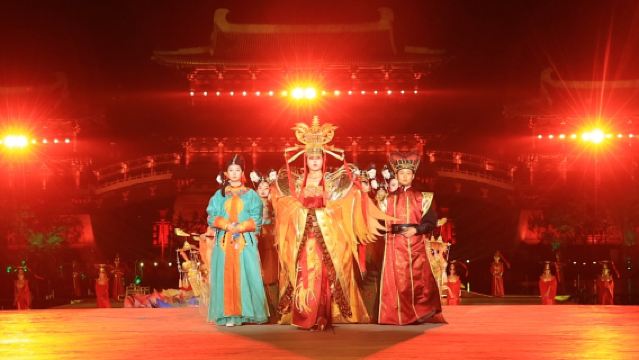
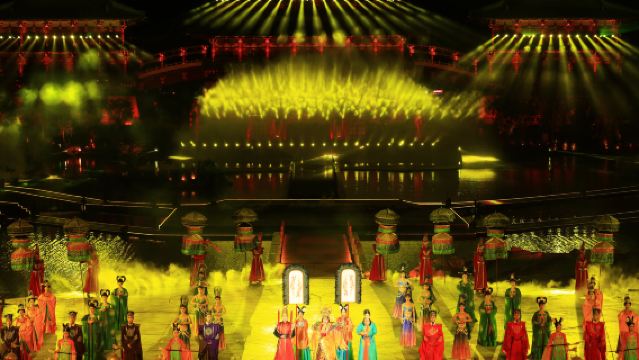
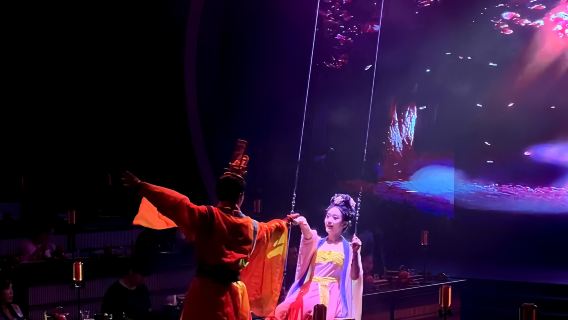
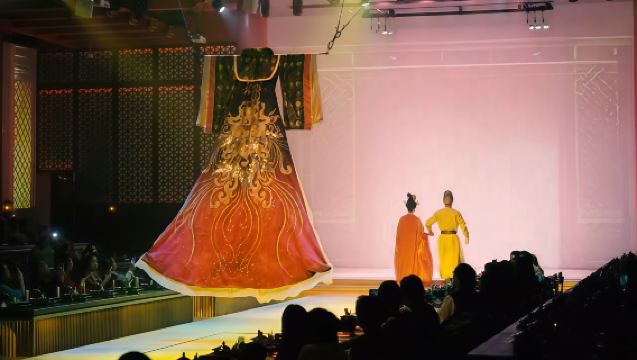
Luoyang Unmissable Feng Wu Shen Du Performance: A Timeless Spectacle of Glorious Dynasty
󱌍
5.0/5
· 2 reviews
Duration: 1 hr
English
Instant confirmation
FromBRL 150.04
1-Day Tour: Longmen Grottoes, Shaolin Temple & Songyang Academy from Luoyang
Trip.Select
󱌍
4.8/5
· 13 reviews· 65 booked
Duration: 6.6 hrs
English
Free cancellation
FromBRL 785.75
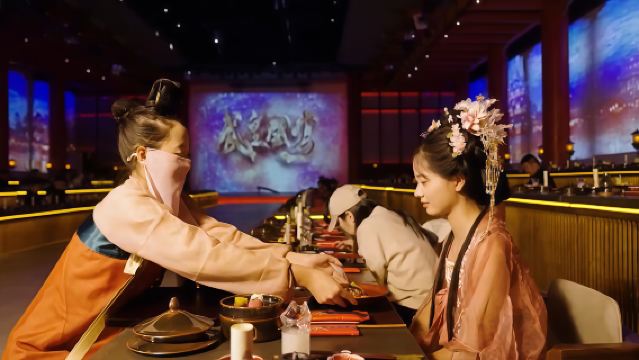
Luoyang Empress Wu Themed Banquet with Hanfu & Live Performance
󱌍
Duration: 1.6 hrs
English
Free cancellation
Instant confirmation
Book now for tomorrow
FromBRL 319.02
[Premium private tour] Private car day trip to Shaolin Temple, Longmen Grottoes & Luoyi Ancient City from Henan
󱌍
Duration: 4 hrs
English
Free cancellation
Instant confirmation
Book now for tomorrow
FromBRL 656.41
Luoyang Empress Wu Feast: Wu‑Zhou Hanfu Styling, Palace Dinner Show & Water Banquet
󱌍
5.0/5
· 1 review
Duration: 1.5 hrs
English
Free cancellation
Instant confirmation
Book now for tomorrow
FromBRL 319.02

Featured Food & drink in Yima

View all Food & drink
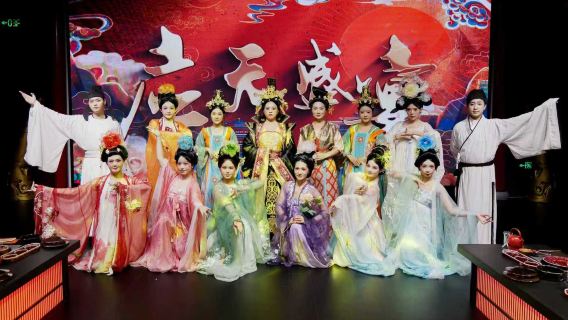
Luoyang Palace Banquet • A Feast Through the Centuries [Yingtianmen Branch] (Immersive Imperial Feast + Audiovisual Extravaganza + Ancient-style Music and Dance)
󱌍
FromBRL 167.11
Luoyang Tang dynasty palace feast - enjoy 12 exquisite dishes while watching a performance - Yingtian grand banquet
󱌍
4.8/5
· 4 reviews· 28 booked
Duration: 2 hrs
English
Free cancellation
Instant confirmation
Book now for tomorrow
FromBRL 158.67
Luoyang Wu Huang Feast: Immerse in the Splendor of the Wuzhou Era
󱌍
Duration: 1.5 hrs
English
Free cancellation
Instant confirmation
Book now for tomorrow
FromBRL 319.02
Yima Today's weatherHazy 7-17℃
Yima weather for the next 2 days11/15: 6-10℃, 11/16: 4-8℃

Free things to do in Yima

What travelers say about Yima

user-avatar
PIPIRATSeptember 23, 2026
4.0
The scenery is beautiful, and the local shopkeepers outside the scenic area are very friendly and welcoming without pressuring you to buy anything. Prices are also very reasonable. However, there are many mountain paths, so hiking is not recommended for elderly people with mobility issues.

Longtan Grand Canyon

user-avatar
M28***77October 5, 2026
5.0
Xianmen Mountain boasts an elegant and tranquil environment with lush forests and excellent air quality. The climb is of moderate difficulty, with beautiful scenery along the way, making for a comfortable hike. Surrounded by verdant greenery and far removed from the hustle and bustle of the city, it's perfect for a relaxing weekend hike. A truly enjoyable experience and well worth a visit!

Yangshao Xianmen Mountain Scenic Area

user-avatar
merenMay 5, 2021
4.0
This is still worth seeing, you will find that culture comes from Henan

Yangshao Culture Museum

user-avatar
M76***34November 13, 2026
5.0
At 7:49 PM on November 13, 2026, as dusk slowly crept over the cliffs of the Longmen Grottoes, the face of the Vairocana Buddha remained gentle in the fading light. A mountain breeze, carrying the moisture of the Yi River, swept across the numerous niches, softly conveying the story of over a thousand years of carving to every visitor who paused to admire it.

Longmen Grottoes

user-avatar
John_ENovember 13, 2026
5.0
Amazing place with such history. Very busy but run efficiently. Pit 1 was very busy but the others were easy to see and experience.

Emperor Qinshihuang's Mausoleum Site Museum

user-avatar
迎园小区November 3, 2024
4.0
The largest in the country. It's very beautiful. It's worth a visit.

Guandi Temple in Sitou

user-avatar
M25***53October 19, 2026
5.0
There was a slight unpleasantness with the merchant's customer service when making the reservation, as I had booked a guided tour of the Longmen Grottoes, but the merchant's page description was incorrect and I requested a refund, which they refused. I only got a refund after contacting the platform's customer service. Because of this unpleasant experience, I didn't have high expectations for the tour. However, once inside the museum, Mr. Pei's explanation was truly dedicated, and he was a very kind person; it was clear he genuinely loved the experience. Special praise! 👍 He made up for the merchant's shortcomings! 👍

Luoyang Museum

user-avatar
205***15November 13, 2026
5.0
Version 1 | Brief and General (Platform Direct Review) Five-star rating! The guide was professional and humorous, clearly outlining the historical timeline of the Zhou, Qin, Han, and Tang dynasties, instantly bringing stories to the otherwise cold artifacts. The explanations were easy to understand, the pace was comfortable, and they patiently answered our questions. It was especially rewarding for the children. If you visit the Shaanxi History Museum, definitely seek out this guide! Version 2 | Heartfelt and Detailed (Suitable for a Long Review) Highly recommend this guide! With solid knowledge, they didn't just read from a script. Following the order of the exhibits, they eloquently recounted the stories behind national treasures such as the Hejia Village Treasures, the Gold-Inlaid Beast-Head Agate Cup, and the Grape and Bird Pattern Silver Incense Burner. Their language was vivid and easy to understand, catering to both adults and children, making the entire tour engaging. Even in the crowded exhibition hall, they were considerate of everyone, maintaining a suitable pace. After listening to their explanation, I truly understood the Shaanxi History Museum and the thousand-year history of Chang'an. Thank you so much! Version 3 | Family-Friendly (For Kids) Visiting the Shaanxi History Museum with my child and meeting the amazing guide, Ms. Liu Yanrong! Her explanations were simple and engaging, incorporating textbook knowledge, captivating the children and prompting them to ask questions. She transformed weighty history into enjoyable stories, helping children build a historical framework. A truly worthwhile trip! Highly recommended for families with children on educational tours.

Shaanxi History Museum

user-avatar
会飞的蚂蚁1November 5, 2026
5.0
Luoyang has always been an ancient capital I admire, and upon visiting it, I was right. The ancient city boasts a rich cultural heritage, as evidenced by the Yingtian Gate ruins. The museum built on the ruins is ingeniously designed, offering the opportunity to see the relics and learn something new – a truly rewarding experience.

Sui And Tang Dynasties Luoyang City Yingtian Gate Site

user-avatar
Anonymous userOctober 30, 2026
5.0
Quite an interesting and special museum to visit. I have learned lot of “knowledge” related to the ancient tombs during the 2 hours tour with the guide.

The Luoyang Museum of Ancient Tombs

Popular cities near Yima

Frequently asked questions

You can give Luoyang Palace Banquet • A Feast Through the Centuries [Yingtianmen Branch] (Immersive Imperial Feast + Audiovisual Extravaganza + Ancient-style Music and Dance) and Luoyang Tang dynasty palace feast - enjoy 12 exquisite dishes while watching a performance - Yingtian grand banquet a try. Before you go, please check their opening hours and menus online. Reservations are recommended, especially during peak hours.

Get help anytime, anywhere within 30 secondsContact customer support

Change and cancellation policies vary by attractions and tours. Please check the product details page for more information.

Ticket prices may vary between weekdays and weekends, as well as during peak and off-peak seasons. When booking with Trip.com, you can also use Trip Coins to get extra savings. For more tips on booking discounted tickets, please visit Trip.com for the latest information.