
Things to do in Ziyang
What's trending in Ziyang
- Yinghu Lake scenic spot: Yinghu Lake: Fall Foliage Meets Mist and Sea of Clouds
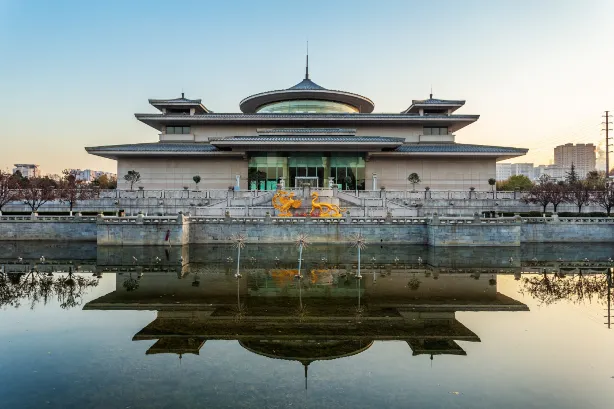
- Shaanxi History Museum: China-Greece exhibit opens: 250 gold artifacts at Shaanxi History Museum
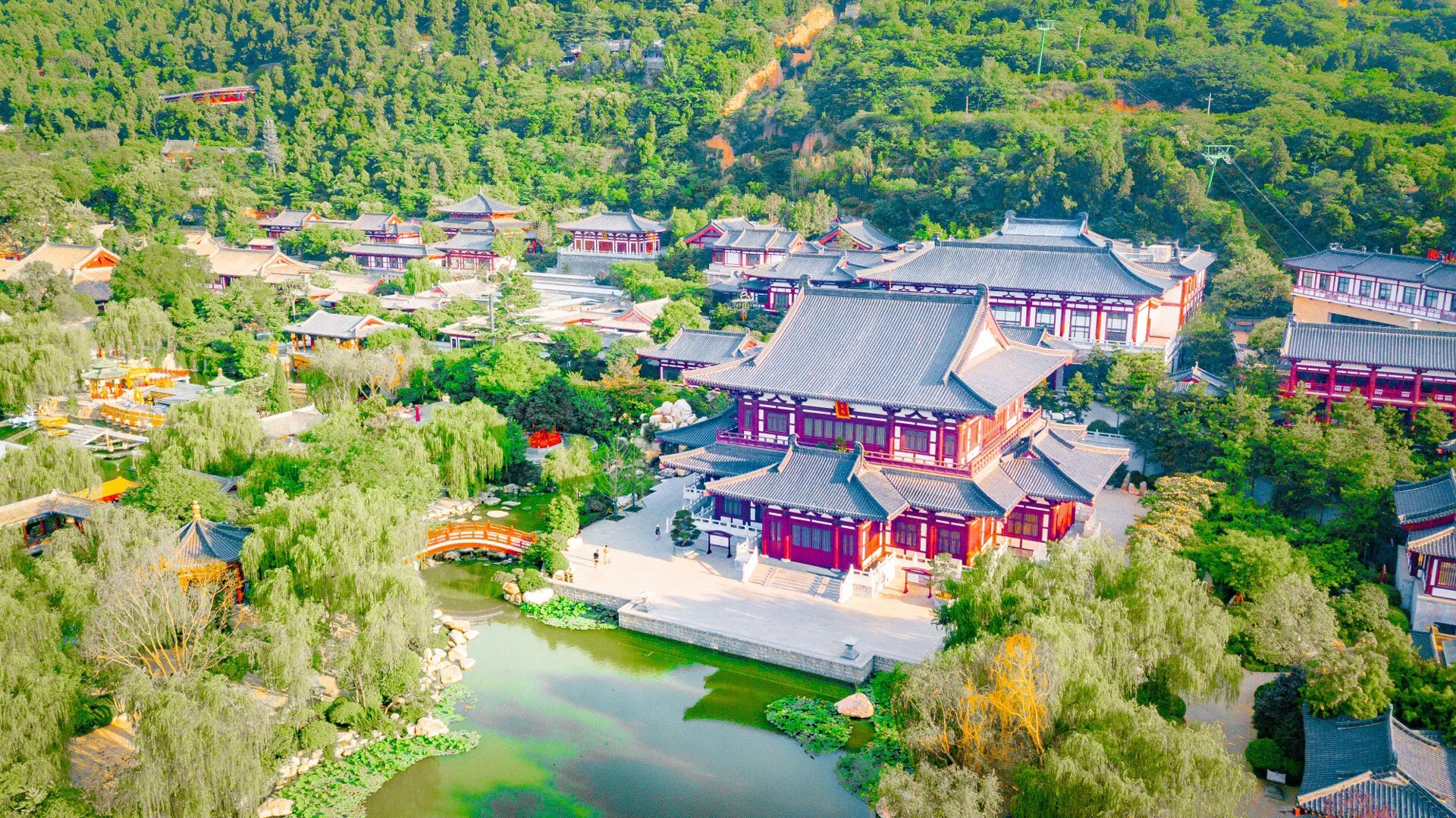
- Huaqing Palace: Huaqing Palace fall special, Tang Dynasty perks for birthday visitors
- Xi'an Museum: Poetic late fall stroll at Xi'an Museum's Jianfu Ancient Garden
Explore top experiences
Top 10 attractions in Ziyang




Ziyang Today's weatherClear 4-17℃
Ziyang weather for the next 2 days11/30: 5-20℃, 12/1: 6-17℃
Free things to do in Ziyang

What travelers say about Ziyang

231***19March 3, 2023
5.0
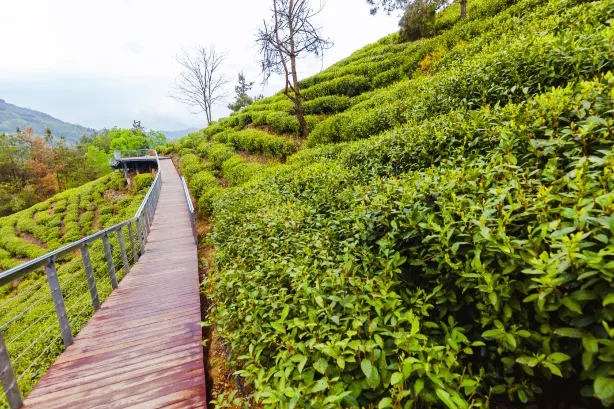
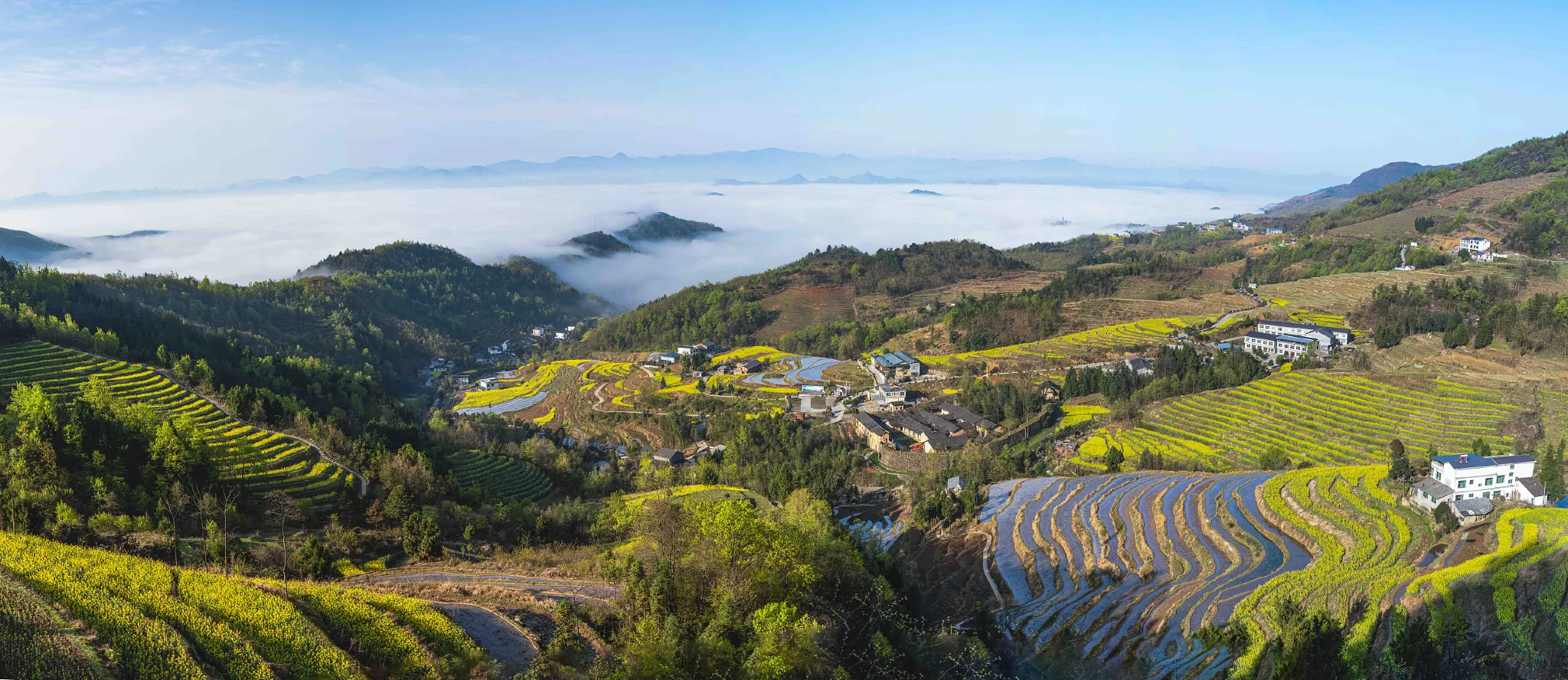
The Half Acre Tea Garden is located in the southern part of Shaanxi Province, in the upper reaches of the Han River, and in the northern foot of Daba Mountain, in Ziyang County, Ankang City, Shaanxi Province, the source of the upper and middle reaches of the South-to-North Water Diversion Project. It is a traditional Chinese tribute tea producing area, and is also a rare pure selenium-rich area and the northernmost tea producing area in the world today. Ziyang selenium-rich tea is rich in selenium, which has a health-promoting effect on the human body, and is also a national landmark protected product.
Half-Mu Tea Garden

Anonymous userOctober 5, 2026
5.0
I went during the National Day holiday, entering through the North Gate. If you go early, you can drive in and park at the boat dock. Later, due to traffic restrictions, cars aren't allowed in, so you'll have to park outside and take the shuttle bus or walk in. The island scenery is beautiful. This saves you from having to go to Houliu Water Town to take a boat; you get both a boat ride and scenic views here, making it more cost-effective. I recommend it.
Yinghu Lake scenic spot

Prince SAMASHNovember 28, 2026
5.0
Terracotta warrior site at Xian is definitely a must visit and normally is the main reason for the tourists being there. The site is well deserved UNESCO World Heritage Site and is unique in its life sized structures made of terracotta. It can only be felt by being there in person.
Emperor Qinshihuang's Mausoleum Site Museum
Anonymous userNovember 27, 2026
5.0
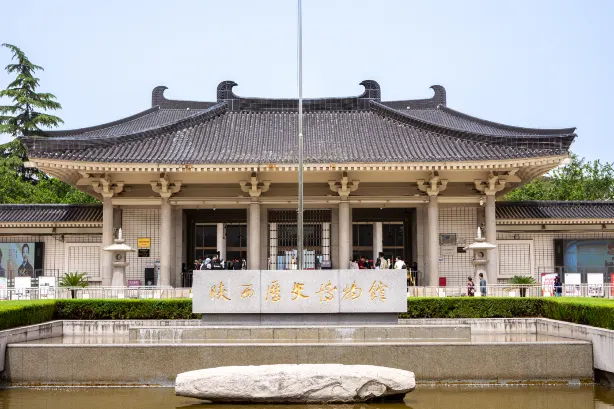
Today's trip to the Shaanxi History Museum was incredibly fortunate, and I had the privilege of meeting Ms. Fangyuan. Many explanations merely introduce artifacts, but Ms. Fangyuan guided us to understand the passage of time. Her solid foundation and rigorous approach, combined with her insightful and thoughtful interpretations, allowed her to narrate the history chronologically, bringing dry historical materials to life. What was particularly remarkable was her gentle and attentive nature; she constantly looked after the children in our group, maintaining a perfect balance between pace and relaxation. The entire visit was a rare and healing cultural journey, allowing me to see ancient artifacts and absorb a thousand years of history. I gained so much. May Ms. Fangyuan's beautiful and gentle narration of history be heard by more people!
Shaanxi History Museum

阳哥哥哥November 28, 2026
5.0
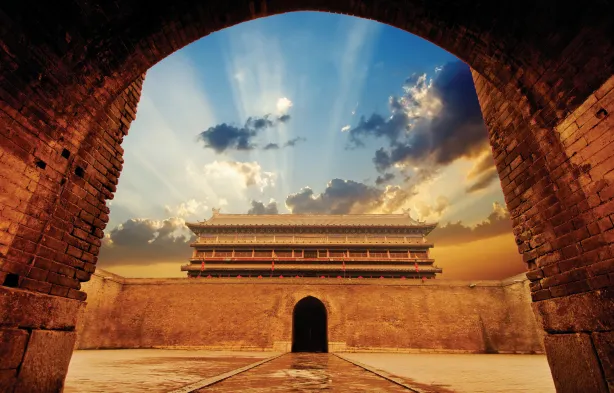
The city wall is quite fun. You can rent a bicycle in the afternoon and play around until the lights come on at night for photos; it's very beautiful and offers good value for money. You can enter and exit three times a day, using different gates. Just register.
Xi'an City Wall

妮妮葡萄柚November 29, 2026
4.0
Huaqing Palace and the Terracotta Army are located together and not far from each other. The main attractions are several hot spring pools, the ruins of the imperial hot springs, the hot spring pools associated with Yang Guifei and Emperor Xuanzong of Tang, and several bullet holes left from the Xi'an Incident.
Huaqing Palace
Anonymous userNovember 28, 2026
5.0
Traveling with elderly relatives, the original plan was to ascend westwards and descend westwards, but unfortunately, the cable car was under maintenance, so the dates had to be changed. We could only arrange to ascend westwards and descend northwards. Mount Hua is beautiful, but unfortunately, our group of four had limited stamina, and it was incredibly difficult to climb down.
Mount Hua

爱旅行的小吉熊November 28, 2026
5.0
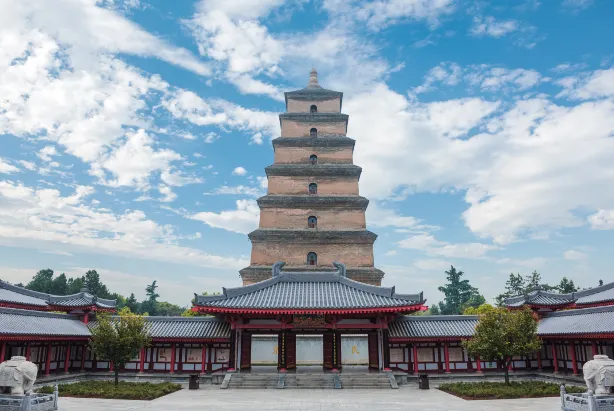
Xi'an Museum is an outstanding representative of comprehensive urban museums in China. It adopts a unique integrated museum-garden model, combining a modern main exhibition hall, the Small Wild Goose Pagoda, the Jianfu Temple ancient architectural complex, and garden landscapes, breaking the limitations of simply visiting exhibition halls. The museum's collection mainly consists of artifacts unearthed in Xi'an over the years, connecting the Western Zhou, Qin, Han, Sui, Tang, and Ming-Qing dynasties, comprehensively tracing the urban development of this ancient capital of thirteen dynasties. Among them, precious artifacts such as the Sancai (three-color glazed pottery) flying horse and the Yongyu (a type of ancient bronze vessel) vividly demonstrate the history of diverse cultural exchange and integration along the ancient Silk Road.
It is not merely a place for displaying artifacts; it also serves multiple functions including ancient architecture preservation, historical education, research and experiential learning, and leisure tourism. Compared to large history museums, its size is moderate, and the pace of the visit is leisurely, suitable for visitors of all ages. For cultural tourism development, Xi'an Museum deeply integrates cultural relics, ancient architecture, and garden resources, conveying the history and culture of Chang'an in a visually appealing and experiential way. It serves as an excellent platform for urban cultural display, local cultural tourism promotion, and research and study tourism development, effectively achieving a balance between artifact preservation, cultural dissemination, and tourism development.
Xi'an Museum
Trip Moments in Ziyang


Popular cities near Ziyang


Frequently asked questions
How can I contact Trip.com customer support?
Get help anytime, anywhere within 30 secondsContact customer support
Can I change or cancel my booking?
Change and cancellation policies vary by attractions and tours. Please check the product details page for more information.
How can I get discounted prices?
Ticket prices may vary between weekdays and weekends, as well as during peak and off-peak seasons. When booking with Trip.com, you can also use Trip Coins to get extra savings. For more tips on booking discounted tickets, please visit Trip.com for the latest information.