





 4.9/5
4.9/5 _TI***6w
Is was such an amazing place. Good experience for such a low price, I would recommend it to everyone
 4.9/5
4.9/5 My buddy bear
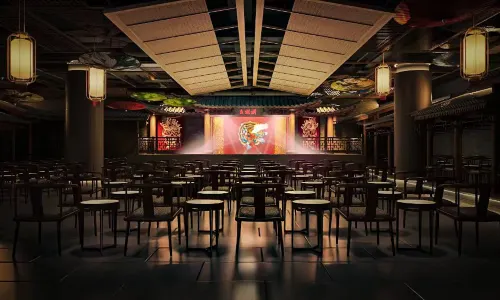
Was a wonderful experience with our family with our young boy. There was tea and snacks, really enjoyed the full engaging show.
 4.3/5
4.3/5 M25***76
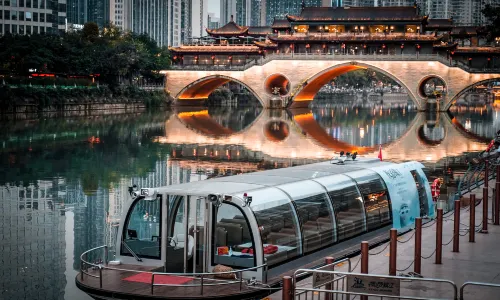
There's a decent VR experience. The lines are relatively short. Book in advance to minimize wait times. You can also explore the area around the pier, where you can interact with NPCs and even sing.
 4.7/5
4.7/5 难 得糊 涂
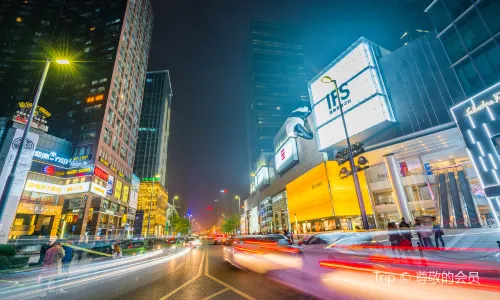
Chunxi Road Pedestrian Street—Chengdu's most bustling urban living room, located in Jinjiang District, Chengdu. The main street runs east-west, approximately 1.2 km long, and is open all day with no admission fee. Centuries-old shops + international trendy brands: Zhong Dumplings, Lai Tangyuan (glutinous rice balls), Long Chaoshou (wonton soup), and other time-honored Chinese brands are adjacent to shopping malls like IFS, Taikoo Li, and Qun Guang, offering a one-stop shop for luxury goods, affordable trendy brands, and Sichuan souvenirs. City landmarks: The "climbing panda" on the 7th floor of IFS rooftop, the Sun Yat-sen bronze statue in Zhongshan Square, and the 3D naked-eye panda giant screen at the Hongxing Road intersection, all illuminated with stunning nighttime atmosphere. Cultural surprises: A 5-minute walk to the ancient Daci Temple, a tranquil oasis amidst the bustling city; the "Slow Lane" area of Taikoo Li features shadow puppetry, Shu embroidery, and Fangsuo Bookstore, offering a unique Chengdu experience of "shopping—exhibitions—tea." Must-try snacks: Bo Bo Chicken, Three Cannons (a type of glutinous rice ball), Sweet Water Noodles, Fatty Intestine Noodles, and Sugar-coated Fried Dough Sticks. Chunxi Road is a microcosm of Chengdu, featuring "century-old shops, international trendy brands, panda landmarks, and Sichuan snacks." From morning till night, it offers a one-stop shop to satisfy all your shopping, eating, and photography needs.
 4.7/5
4.7/5 Anonymous user
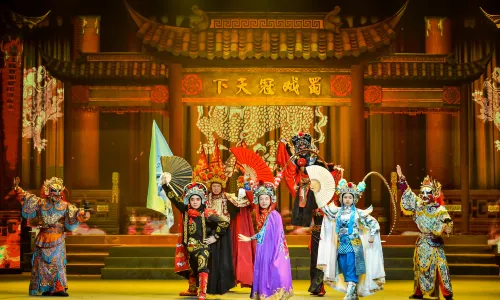
I booked my tickets online almost a month in advance, but I couldn't choose my seats. I arrived at 7 pm that evening, picked up my tickets, and my seats were numbers 14, 16, and 18 in a row, slightly to the right of the middle. It felt like most of the good seats were taken by tour groups. The performance was excellent and worth seeing. We arrived early and had some covered-bowl tea on the first floor.
 4.8/5
4.8/5 帕德纳特文征明
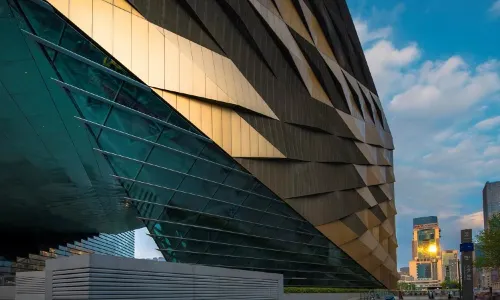
Strolling through the Chengdu Museum is like walking through a time tunnel. From the simple stone tools of the Neolithic Age to the bustling street scenes of the Republic of China era, every artifact tells the story of the vicissitudes and glory of the "Land of Abundance." The historical exhibition "Flowers Bloom in Chengdu" takes you back to ancient Shu, while the shadow puppetry "Shadows Dancing in Myriad Forms" showcases the dynamism of folk art. This is not only a museum of history, but also a warm home for the shared memories of the people of Chengdu, allowing visitors to deeply feel the city's profound cultural heritage and unique charm.
 4.6/5Anonymous user
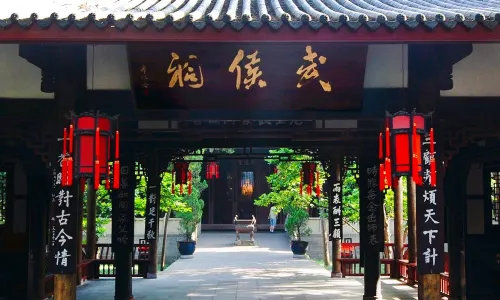
The Wuhou Temple is definitely worth visiting. I went there with a sense of reverence because I love reading "Romance of the Three Kingdoms" and admire Zhuge Liang. I saw the two memorials to the emperor, many rubbings, and statues of Liu Bei, Zhuge Liang, and many other heroes of Shu Han. The environment inside is also quite nice, and many tourists were taking photos.
 4.6/5
4.6/5 If⁰²⁰⁶
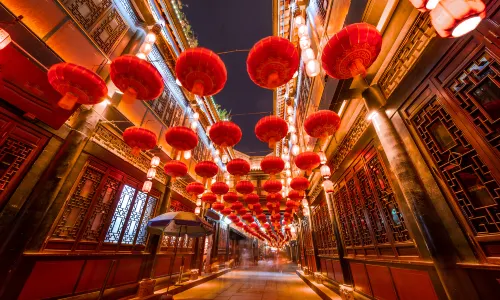
It was a tentative blush of red from a couple of lamps on the eaves, then the crimson light flowed across the entire street with a "whoosh," spreading a warm glow across the bluestone pavement. The bamboo chairs in the Three Kingdoms Teahouse were empty, but the covered teacups still steamed, as if the person who had just been fanning themselves while listening to the storyteller had only gotten up to buy a skewer of candied fruit. The aroma of Sichuan peppercorns in the air was real, while the lingering notes of the erhu on the stage were ethereal; between reality and illusion, the legends of the Shu Han dynasty took on a fuzzy outline in the flickering lamplight. I stopped at the sugar-blowing stall. The old craftsman twisted his fingertips, and golden sugar syrup blossomed into a translucent lotus flower—it turns out the sweetness of this city can be held in your hand, trembling and coming to life with a gentle breath. As I turned, the red walls of the Wuhou Temple were fading into the deepening night, while the lights of Jinli were just beginning to tell the stories the day hadn't finished.
 4.9/5
4.9/5 游来游去的鱼鱼🐡
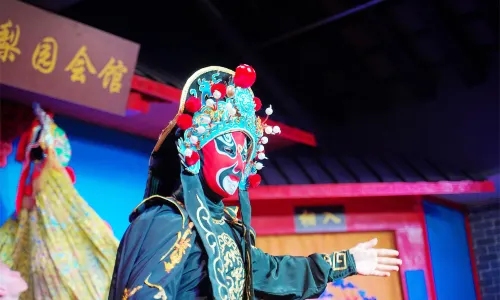
The performance was excellent, the actors gave a very dedicated performance, and there were no flaws throughout the 70-minute show. Buying a VIP ticket and sitting in the front row allows you to experience the charm of traditional Chinese culture up close, which is highly recommended.
 4.7/5难 得糊 涂
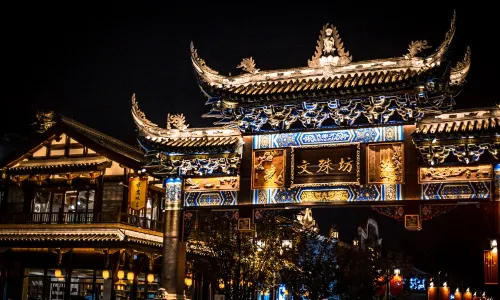
Chengdu's Wenshufang, located at No. 66 Wenshuyuan Street in Qingyang District, is a national AAAA-level open-air historical and cultural district built around the ancient Wenshuyuan Temple. Admission is free and the area is open 24 hours a day, though it's recommended to plan a three- to four-hour visit. The district's architectural style is inspired by traditional western Sichuan courtyards, with blue tiles, white walls, and carved eaves. This creates a unique "courtyard-style commercial street" feel, earning it the nickname "Chengdu's Double Embroidery"—the sound of Buddhist chants echoes within the red walls, while the bustling market life unfolds beyond. Wenshufang's core identity can be summarized as "Zen culture combined with traditional Chengdu folk customs." Within the district, there's a temple every 100 steps and a pagoda every 1,000 steps. In addition to Wenshuyuan Temple (built in the Sui Dynasty and inscribed by Emperor Kangxi), the district also preserves the remains of the "Nine Palaces and Eighteen Temples," including the Five Mountains Palace, Lengjia Nunnery, and Aido Hall. This area boasts the most concentrated religious and cultural heritage in Chengdu's old city. Building on this foundation, the neighborhood has incorporated elements such as the "Empty Forest Zen Road" market for Zen-inspired goods, the "Manjusri Blessed Land" cluster of protected courtyards, the "Folk Old Street" offering intangible cultural heritage crafts, the "Chengdu Salon" teahouse featuring antiques, calligraphy, and paintings, as well as the "Old Chengdu Food Court" and "Tianzi Food Hall." This all-in-one experience combines incense worship, Hanfu travel photography, gaiwan tea, Sichuan Opera face-changing, and century-old snacks (such as dragon wontons, Zhong dumplings, and Lai glutinous rice balls). The atmosphere is enhanced by the lighting of lanterns at night. Wenshufang is a free historical district offering the most concentrated and convenient experience of old Chengdu: burning incense, enjoying vegetarian food, drinking tea, watching opera, strolling the ancient streets, enjoying snacks, shopping for cultural products, and photographing Hanfu costumes. For a quick experience of slow living and the essence of Zen, simply add this area to your half-day itinerary.

