
Darjeeling
Explore DarjeelingThings to do in Darjeeling
Top 10 attractions in Darjeeling


Travel essentials


eSIM
India 5G eSIM | Day Pass/Total Data Package | 1-30 Days | 24-Hour Billing | QR Code
View all eSIM
eSIM
India | 5G/4G eSIM | Daily/Data Package | Natural Day Billing | 1-30 Days | QR Code
View all eSIM
eSIM
Orange World 4G/LTE eSIM | Calls + SMS | 31 Days Total 50MB–20GB | Calendar-Day Billing | QR code
View all eSIMTrip Moments in Darjeeling
I’m planning to visit Darjeeling and would really appreciate some advice. When would be the best time to go, and which season would be the most budget-friendly? Could someone please share some detailed information about the approximate costs, accommodation, transportation, and the best places to visit? Any tips for traveling to Darjeeling on a budget would be greatly appreciated. How many days are enough for a Darjeeling trip?Is Darjeeling suitable for a family trip?How much would a 3–4 day Darjeeling trip cost per person?Is it better to travel by car or take the famous Darjeeling Toy Train? Can I see Kanchenjunga clearly from Darjeeling?Is Darjeeling very crowded during December?Are there any good hotels with views of Kanchenjunga?What local foods should I try in Darjeeling? Are there any hidden or less-crowded places worth visiting? Thank you 🙏
“I’m planning to visit Darjeeling and would really appreciate some advice.”
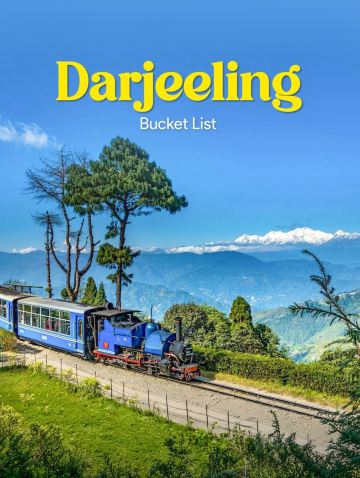
The Queen of the Hills · Golden Sunrise at Tiger Hill: Watching the first rays of the morning sun paint Mount Kanchenjunga in glowing shades of pink and gold above the clouds. · The Joyride Legacy: Chug-chugging through the winding mist on the historic Darjeeling Himalayan Railway, leaning out of the wooden coach as pine trees brush past. · Aromatic Tea Gardens: Walking through the lush, emerald rows of Happy Valley Tea Estate, breathing in the scent of fresh mountain air mixed with drying tea leaves. · Mall Road & Chowrasta Evenings: Sizzling hot momos and thukpa in the chilly breeze, watching local life unfold around the bustling town square with a cup of authentic first-flush Darjeeling tea. · Peace Pagoda Serenity: Finding quiet reflection at the Japanese Temple and Peace Pagoda while prayer flags flutter against a crisp blue Himalayan sky. #Darjeeling #QueenOfTheHills #Kanchenjunga #DarjeelingHimalayanRailwayailway #ToyTrain #HimalayanGetaway #MountainDreams #TeaEstate #TravelDiaries #IncredibleIndia
“The Queen of the Hills · Golden Sunrise at Tiger Hill: Watching the first rays of the morning sun paint Mount Kanchenjunga in glowing shades of pink and gold above the clouds.”
Darjeeling Trip: Complete in 3 Days
“📅 Itinerary Day 1: Explore the city, enjoy delicious tea and pastries at Glenary's, a must-visit spot.”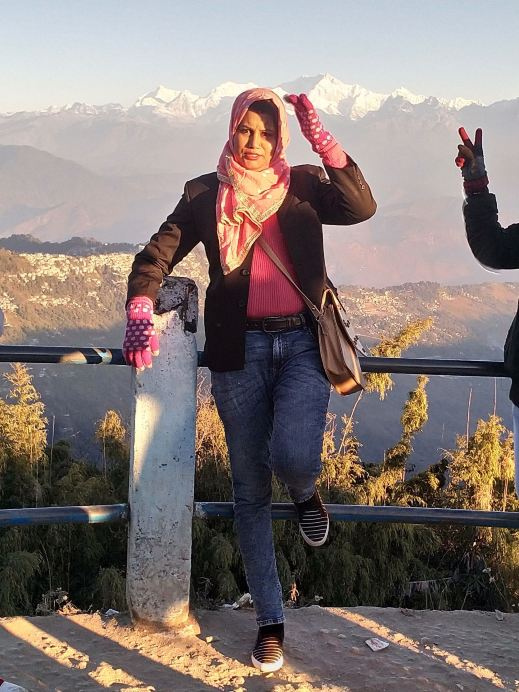
Some journeys take us to beautiful places, while others take us closer to the wonders of nature and leave memories in our hearts forever. This photograph captures one of those magical moments—a breathtaking mountain panorama, layers of misty hills, a peaceful Himalayan landscape, and the magnificent snow-covered peaks shining in the morning light. Standing before these mighty mountains, one cannot help but feel how beautiful, powerful, and timeless nature truly is. The warm sunlight, the crisp mountain air, and the distant white peaks create a scene that feels almost like a dream. The landscape resembles the Himalayan viewpoints around Darjeeling, in India's West Bengal, where visitors can admire the spectacular Kanchenjunga mountain range. However, the exact location cannot be confirmed from the photograph alone. The Enchanting Beauty of Darjeeling and the Eastern Himalayas The star of this breathtaking Himalayan landscape is likely the mighty Kanchenjunga mountain range. Rising to approximately 8,586 metres (28,169 feet), Kanchenjunga is the world's third-highest mountain, standing proudly along the border of Nepal and India's Sikkim region. Its name is commonly interpreted as the Five Treasures of the Great Snow, referring to five prominent mountain summits associated with treasures such as gold, silver, precious stones, grain, and sacred texts. For the people of the Himalayan region, Kanchenjunga is much more than a mountain. It represents spiritual reverence, cultural identity, and the extraordinary power of nature. The snow-covered peaks change colour with the sunlight, appearing pale silver in the early morning, glowing pink and gold at sunrise, and turning brilliant white beneath a clear blue sky. 2. Tiger Hill: Where sunrise becomes a lifelong memory Situated approximately 2,590 metres above sea level, Tiger Hill is renowned for its extraordinary sunrise views. Before the sun appears over the surrounding hills, its first rays illuminate the snowy summits of Kanchenjunga, creating a breathtaking display of changing colours. On exceptionally clear days, Mount Everest may also be visible in the distance. Imagine standing on a chilly mountain morning, surrounded by travellers waiting quietly for the first golden light. The sky slowly brightens, the snow-covered peaks begin to glow, and the entire horizon transforms into a natural masterpiece. It is a moment when photography seems almost unnecessary, because the beauty of the landscape becomes a memory that remains in the heart long after the journey ends. 3. A fascinating history shaped by mountains and cultures The name Darjeeling is traditionally traced to Tibetan words: Dorje, meaning a thunderbolt or sacred vajra, and Ling, meaning a place or land. The name is often interpreted as “the Land of the Thunderbolt.” Over the generations, the hills became home to diverse communities, including the Lepchas, Bhutias, and Gorkhas, each contributing to the area's distinctive traditions, languages, architecture, music, and cuisine. This cultural diversity makes Darjeeling far more than a scenic destination. It is a place where history, mountain life, and different traditions come together. 4. A living heritage of festivals, music, and traditions The cultural life of the Himalayan hills is filled with warmth, music, colourful celebrations, and deep respect for tradition. Nepali folk songs and dances are important parts of local cultural life. Traditional performances, including Maruni dance, reflect the region's vibrant heritage, while community celebrations bring families and neighbours together. Festivals such as Dashain and Tihar are widely celebrated among Nepali communities. Buddhist traditions also have a strong presence in the hills, reflected in monasteries, prayer flags, sacred ceremonies, and the rhythmic chanting of prayers. Hindu temples and local religious traditions add further richness to the area's spiritual landscape. The beauty of this region lies not only in its mountains but also in the kindness of its people, their enduring customs, and their connection to the natural world. 5. Darjeeling tea: A world-famous treasure of the hills The rolling green tea gardens are among the region's most recognisable landscapes. Darjeeling tea is celebrated internationally for its delicate aroma, distinctive flavour, and elegant character. The cool mountain climate, mist, elevation, and local growing conditions contribute to its unique qualities. Tea cultivation became an important part of Darjeeling's economic and social history during the nineteenth century. Today, tea gardens remain central to the region's identity and attract visitors eager to explore their scenic slopes and learn about tea production. Imagine enjoying a freshly brewed cup of Darjeeling tea while gazing at the distant Himalayan peaks. It is a simple pleasure that captures the spirit of mountain travel. 6. The legendary Himalayan railway There is something deeply humbling about standing before the Himalayas. The mountains remind us that the world is far greater than our everyday concerns, that nature possesses a beauty beyond imagination, and that some of life's greatest treasures cannot be measured in money. Perhaps that is the true magic of the Himalayas: they do not merely offer a view; they awaken a feeling. And when the journey ends, the mountains remain with us—not only in our photographs, but also in our hearts. The Himalayas are not just a destination to visit; they are a dream to experience, a story to remember, and a beauty to cherish forever. Suggested social media hashtags #Darjeeling #Kanchenjunga #Himalayas #TigerHill #MountainViews #TravelDiaries #IncredibleIndia #NatureLovers #TravelPhotography #Wanderlust #MountainMagic #ExploreTheWorld
“Some journeys take us to beautiful places, while others take us closer to the wonders of nature and leave memories in our hearts forever.”
🏔️ দার্জিলিং—যেখানে পাহাড়ের নীরবতায় ইতিহাস কথা বলে 🌿 মেঘ, পাহাড়, চা-বাগান ও ঐতিহ্যের এক অনন্য ভ্রমণকাহিনী এই দুটি ছবিতে শুধু একজন ভ্রমণপ্রেমীর মুহূর্তই ধরা পড়েনি—ধরা পড়েছে দার্জিলিংয়ের পাহাড়ি সৌন্দর্য, নির্মল বাতাস, ঐতিহ্যবাহী স্থাপত্য এবং হিমালয়ের মায়াবী আবহ। দার্জিলিং এমন এক শহর, যেখানে প্রকৃতি ও ইতিহাস পাশাপাশি হাঁটে। 🏔️ দার্জিলিংয়ের ইতিহাস ও ঐতিহ্য ভারতের পশ্চিমবঙ্গের হিমালয়ের পাদদেশে অবস্থিত দার্জিলিংকে বলা হয় “পাহাড়ের রানি”। সমুদ্রপৃষ্ঠ থেকে প্রায় ২,০০০ মিটার উচ্চতায় অবস্থিত এই পাহাড়ি শহর থেকে পরিষ্কার আকাশে দেখা যায় মহিমান্বিত কাঞ্চনজঙ্ঘা—বিশ্বের তৃতীয় সর্বোচ্চ পর্বতশৃঙ্গ। দার্জিলিংয়ের ইতিহাস বহু পুরোনো। ব্রিটিশদের আগমনের আগে এই অঞ্চল লেপচা জনগোষ্ঠীর আবাসভূমি হিসেবে পরিচিত ছিল। পরবর্তীতে ১৯ শতকে ব্রিটিশ শাসনামলে দার্জিলিং একটি গুরুত্বপূর্ণ পাহাড়ি শহর ও অবকাশকেন্দ্র হিসেবে গড়ে ওঠে। ব্রিটিশ আমলের সেই ইতিহাস আজও দার্জিলিংয়ের পুরোনো ভবন, গির্জা, পাহাড়ি রাস্তা এবং স্থাপত্যের মধ্যে দেখতে পাওয়া যায়। 🍃 দার্জিলিং চা—বিশ্বজোড়া এক পরিচয় দার্জিলিংয়ের অন্যতম বড় ঐতিহ্য হলো এর বিখ্যাত Darjeeling Tea। ১৯ শতকের মাঝামাঝি সময়ে এই অঞ্চলে বাণিজ্যিকভাবে চা চাষের বিস্তার ঘটে। পাহাড়ের ঢাল, ঠান্ডা আবহাওয়া, কুয়াশা ও বিশেষ ভৌগোলিক পরিবেশ দার্জিলিংয়ের চায়ের স্বাদ ও সুবাসকে অন্যদের থেকে আলাদা করে তুলেছে। আজ দার্জিলিংয়ের বিস্তীর্ণ চা-বাগান শুধু অর্থনীতির অংশ নয়—এগুলো এই পাহাড়ি অঞ্চলের সৌন্দর্যেরও অন্যতম প্রতীক। 🚂 পাহাড়ের বুক চিরে ছুটে চলা ‘টয় ট্রেন’ দার্জিলিংয়ের আরেক বিস্ময় হলো Darjeeling Himalayan Railway, যা স্নেহের সঙ্গে “টয় ট্রেন” নামে পরিচিত। ১৯ শতকে নির্মিত এই সরু রেলপথ পাহাড়ের অত্যন্ত দুর্গম ভূখণ্ড অতিক্রম করে দার্জিলিংয়ের সঙ্গে সমতল অঞ্চলকে যুক্ত করেছিল। এর অসাধারণ প্রকৌশল ও ঐতিহাসিক গুরুত্বের কারণে এটি UNESCO World Heritage Site হিসেবে স্বীকৃত। টয় ট্রেনে ভ্রমণ মানে শুধু এক স্থান থেকে অন্য স্থানে যাওয়া নয়—এটি যেন পাহাড়ের ইতিহাসের ভেতর দিয়ে একটি জীবন্ত ভ্রমণ। 🌄 টাইগার হিল—সূর্যোদয়ের এক অপূর্ব মঞ্চ দার্জিলিং ভ্রমণে Tiger Hill অন্যতম আকর্ষণ। ভোরের অন্ধকার ধীরে ধীরে কেটে যাওয়ার সময় যখন সূর্যের প্রথম আলো কাঞ্চনজঙ্ঘার তুষারাবৃত চূড়ায় পড়ে, তখন পাহাড়ের রং বদলে যায় মুহূর্তে মুহূর্তে। সাদা তুষার কখনো সোনালি, কখনো কমলা, আবার কখনো গোলাপি আভায় রূপ নেয়। সেই দৃশ্য দেখার জন্য ভোরে ঘুম থেকে উঠে পাহাড়ের পথে বেরিয়ে পড়া—দার্জিলিং ভ্রমণের অন্যতম স্মরণীয় অভিজ্ঞতা। 📖 আমার দার্জিলিং ভ্রমণের গল্প কিছু ভ্রমণ শুধু কোনো একটি স্থান দেখার জন্য হয়। আবার কিছু ভ্রমণ শেষ হয়ে গেলেও তার স্মৃতি থেকে যায় বহুদিন। দার্জিলিং ঠিক তেমনই একটি ভ্রমণ। পাহাড়ের আঁকাবাঁকা পথ ধরে হাঁটতে হাঁটতে চারপাশের পরিবেশ যেন ধীরে ধীরে শহুরে জীবনের ব্যস্ততা থেকে দূরে নিয়ে যায়। ঠান্ডা বাতাস, আকাশজুড়ে ভেসে বেড়ানো মেঘ, পাহাড়ের ঢালে ছড়িয়ে থাকা বাড়িঘর এবং দূরের নীলাভ পাহাড়—সবকিছু মিলিয়ে মনে হয়, সময় যেন এখানে একটু ধীর গতিতে চলে। একদিকে পাহাড়ি ঐতিহ্যবাহী স্থাপত্য, অন্যদিকে সবুজের সমারোহ—আর তার ওপরে বিশাল আকাশ। এই ছবিগুলো সেই ভ্রমণেরই কিছু সুন্দর মুহূর্ত। একটি ছবিতে পাহাড়ি পথের মাঝে হাঁটার স্মৃতি, অন্যটিতে প্রকৃতির অপূর্ব সৌন্দর্যের সামনে দাঁড়িয়ে থাকার মুহূর্ত। কিন্তু দুটি ছবির গল্প যেন একই— “দার্জিলিং শুধু চোখে দেখার জায়গা নয়, হৃদয়ে ধারণ করার মতো একটি অনুভূতি।” ✨ দার্জিলিং সম্পর্কে কিছু চমকপ্রদ তথ্য 🏔️ কাঞ্চনজঙ্ঘা: দার্জিলিং থেকে বিশ্বের অন্যতম উচ্চতম পর্বতশৃঙ্গ কাঞ্চনজঙ্ঘার অসাধারণ দৃশ্য দেখা যায়। 🍵 দার্জিলিং চা: এর বিশেষ স্বাদ, সুবাস ও গুণমানের জন্য বিশ্বজুড়ে বিখ্যাত। 🚂 টয় ট্রেন: দার্জিলিং হিমালয়ান রেলওয়ে UNESCO World Heritage Site-এর অন্তর্ভুক্ত। 🌄 টাইগার হিল: হিমালয়ের সূর্যোদয় দেখার জন্য ভারতের অন্যতম বিখ্যাত স্থান। 🏛️ ঔপনিবেশিক ঐতিহ্য: ব্রিটিশ আমলের বহু স্থাপত্য আজও দার্জিলিংয়ের ইতিহাসের সাক্ষী হয়ে আছে। 🌿 প্রকৃতির স্বর্গ: চা-বাগান, পাহাড়ি বন, অর্কিড ও বিভিন্ন ধরনের উদ্ভিদ দার্জিলিংয়ের প্রাকৃতিক সৌন্দর্যকে আরও সমৃদ্ধ করেছে। 🛕 বহু সংস্কৃতির মিলন: লেপচা, গোরখা/নেপালি, তিব্বতি, বাঙালি ও ব্রিটিশসহ বিভিন্ন সাংস্কৃতিক প্রভাব দার্জিলিংয়ের ঐতিহ্যকে করেছে বৈচিত্র্যময়। ❤️ শেষ কথায় দার্জিলিং দার্জিলিংয়ের সৌন্দর্য শুধু পাহাড়ের উচ্চতায় নয়—এর সৌন্দর্য লুকিয়ে আছে মেঘের ভাঁজে, চা-বাগানের সবুজে, পুরোনো স্থাপত্যে, পাহাড়ি মানুষের সংস্কৃতিতে এবং হিমালয়ের নীরব মহিমায়। এখানে প্রতিটি বাঁক যেন একটি গল্প বলে, প্রতিটি মেঘ যেন একটি স্মৃতি হয়ে আসে, আর প্রতিটি পাহাড়ি দৃশ্য মনে করিয়ে দেয়— “দার্জিলিং এমন এক জায়গা, যেখানে ভ্রমণ শেষ হয়, কিন্তু স্মৃতি কখনো শেষ হয় না।” ❤️🏔️🍃 📸 দার্জিলিং—পাহাড়ের রানি, যেখানে প্রকৃতি, ইতিহাস ও অনুভূতি একসঙ্গে মিশে তৈরি করে এক চিরস্মরণীয় ভ্রমণকাহিনী।
“🏔️ দার্জিলিং—যেখানে পাহাড়ের নীরবতায় ইতিহাস কথা বলে 🌿 মেঘ, পাহাড়, চা-বাগান ও ঐতিহ্যের এক অনন্য ভ্রমণকাহিনী এই দুটি ছবিতে শুধু একজন ভ্রমণপ্রেমীর মুহূর্তই ধরা পড়েনি—ধরা পড়েছে দার্জিলিংয়ের পাহাড়ি সৌন্দর্য, নির্মল বাতাস, ঐতিহ্যবাহী স্থাপত্য এবং হিমালয়ের মায়াবী আবহ। দার্জিলিং এমন এক শহর, যেখানে প্রকৃতি ও ইতিহাস পাশাপাশি হাঁটে। 🏔️ দার্জিলিংয়ের ইতিহাস ও ঐতিহ্য ভারতের পশ্চিমবঙ্গের হিমালয়ের পাদদেশে অবস্থিত দার্জিলিংকে বলা হয় “পাহাড়ের রানি”। সমুদ্রপৃষ্ঠ থেকে প্রায় ২,০০০ মিটার উচ্চতায় অবস্থিত এই পাহাড়ি শহর থেকে পরিষ্কার আকাশে দেখা যায় মহিমান্বিত কাঞ্চনজঙ্ঘা—বিশ্বের তৃতীয় সর্বোচ্চ পর্বতশৃঙ্গ। দার্জিলিংয়ের ইতিহাস বহু পুরোনো। ব্রিটিশদের আগমনের আগে এই অঞ্চল লেপচা জনগোষ্ঠীর আবাসভূমি হিসেবে পরিচিত ছিল। পরবর্তীতে ১৯ শতকে ব্রিটিশ শাসনামলে দার্জিলিং একটি গুরুত্বপূর্ণ পাহাড়ি শহর ও অবকাশকেন্দ্র হিসেবে গড়ে ওঠে। ব্রিটিশ আমলের সেই ইতিহাস আজও দার্জিলিংয়ের পুরোনো ভবন, গির্জা, পাহাড়ি রাস্তা এবং স্থাপত্যের মধ্যে দেখতে পাওয়া যায়। 🍃 দার্জিলিং চা—বিশ্বজোড়া এক পরিচয় দার্জিলিংয়ের অন্যতম বড় ঐতিহ্য হলো এর বিখ্যাত Darjeeling Tea। ১৯ শতকের মাঝামাঝি সময়ে এই অঞ্চলে বাণিজ্যিকভাবে চা চাষের বিস্তার ঘটে। পাহাড়ের ঢাল, ঠান্ডা আবহাওয়া, কুয়াশা ও বিশেষ ভৌগোলিক পরিবেশ দার্জিলিংয়ের চায়ের স্বাদ ও সুবাসকে অন্যদের থেকে আলাদা করে তুলেছে। আজ দার্জিলিংয়ের বিস্তীর্ণ চা-বাগান শুধু অর্থনীতির অংশ নয়—এগুলো এই পাহাড়ি অঞ্চলের সৌন্দর্যেরও অন্যতম প্রতীক। 🚂 পাহাড়ের বুক চিরে ছুটে চলা ‘টয় ট্রেন’ দার্জিলিংয়ের আরেক বিস্ময় হলো Darjeeling Himalayan Railway, যা স্নেহের সঙ্গে “টয় ট্রেন” নামে পরিচিত। ১৯ শতকে নির্মিত এই সরু রেলপথ পাহাড়ের অত্যন্ত দুর্গম ভূখণ্ড অতিক্রম করে দার্জিলিংয়ের সঙ্গে সমতল অঞ্চলকে যুক্ত করেছিল। এর অসাধারণ প্রকৌশল ও ঐতিহাসিক গুরুত্বের কারণে এটি UNESCO World Heritage Site হিসেবে স্বীকৃত। টয় ট্রেনে ভ্রমণ মানে শুধু এক স্থান থেকে অন্য স্থানে যাওয়া নয়—এটি যেন পাহাড়ের ইতিহাসের ভেতর দিয়ে একটি জীবন্ত ভ্রমণ। 🌄 টাইগার হিল—সূর্যোদয়ের এক অপূর্ব মঞ্চ দার্জিলিং ভ্রমণে Tiger Hill অন্যতম আকর্ষণ। ভোরের অন্ধকার ধীরে ধীরে কেটে যাওয়ার সময় যখন সূর্যের প্রথম আলো কাঞ্চনজঙ্ঘার তুষারাবৃত চূড়ায় পড়ে, তখন পাহাড়ের রং বদলে যায় মুহূর্তে মুহূর্তে। সাদা তুষার কখনো সোনালি, কখনো কমলা, আবার কখনো গোলাপি আভায় রূপ নেয়। সেই দৃশ্য দেখার জন্য ভোরে ঘুম থেকে উঠে পাহাড়ের পথে বেরিয়ে পড়া—দার্জিলিং ভ্রমণের অন্যতম স্মরণীয় অভিজ্ঞতা। 📖 আমার দার্জিলিং ভ্রমণের গল্প কিছু ভ্রমণ শুধু কোনো একটি স্থান দেখার জন্য হয়। আবার কিছু ভ্রমণ শেষ হয়ে গেলেও তার স্মৃতি থেকে যায় বহুদিন। দার্জিলিং ঠিক তেমনই একটি ভ্রমণ। পাহাড়ের আঁকাবাঁকা পথ ধরে হাঁটতে হাঁটতে চারপাশের পরিবেশ যেন ধীরে ধীরে শহুরে জীবনের ব্যস্ততা থেকে দূরে নিয়ে যায়। ঠান্ডা বাতাস, আকাশজুড়ে ভেসে বেড়ানো মেঘ, পাহাড়ের ঢালে ছড়িয়ে থাকা বাড়িঘর এবং দূরের নীলাভ পাহাড়—সবকিছু মিলিয়ে মনে হয়, সময় যেন এখানে একটু ধীর গতিতে চলে। একদিকে পাহাড়ি ঐতিহ্যবাহী স্থাপত্য, অন্যদিকে সবুজের সমারোহ—আর তার ওপরে বিশাল আকাশ। এই ছবিগুলো সেই ভ্রমণেরই কিছু সুন্দর মুহূর্ত। একটি ছবিতে পাহাড়ি পথের মাঝে হাঁটার স্মৃতি, অন্যটিতে প্রকৃতির অপূর্ব সৌন্দর্যের সামনে দাঁড়িয়ে থাকার মুহূর্ত। কিন্তু দুটি ছবির গল্প যেন একই— “দার্জিলিং শুধু চোখে দেখার জায়গা নয়, হৃদয়ে ধারণ করার মতো একটি অনুভূতি।” ✨ দার্জিলিং সম্পর্কে কিছু চমকপ্রদ তথ্য 🏔️ কাঞ্চনজঙ্ঘা: দার্জিলিং থেকে বিশ্বের অন্যতম উচ্চতম পর্বতশৃঙ্গ কাঞ্চনজঙ্ঘার অসাধারণ দৃশ্য দেখা যায়। 🍵 দার্জিলিং চা: এর বিশেষ স্বাদ, সুবাস ও গুণমানের জন্য বিশ্বজুড়ে বিখ্যাত। 🚂 টয় ট্রেন: দার্জিলিং হিমালয়ান রেলওয়ে UNESCO World Heritage Site-এর অন্তর্ভুক্ত। 🌄 টাইগার হিল: হিমালয়ের সূর্যোদয় দেখার জন্য ভারতের অন্যতম বিখ্যাত স্থান। 🏛️ ঔপনিবেশিক ঐতিহ্য: ব্রিটিশ আমলের বহু স্থাপত্য আজও দার্জিলিংয়ের ইতিহাসের সাক্ষী হয়ে আছে। 🌿 প্রকৃতির স্বর্গ: চা-বাগান, পাহাড়ি বন, অর্কিড ও বিভিন্ন ধরনের উদ্ভিদ দার্জিলিংয়ের প্রাকৃতিক সৌন্দর্যকে আরও সমৃদ্ধ করেছে। 🛕 বহু সংস্কৃতির মিলন: লেপচা, গোরখা/নেপালি, তিব্বতি, বাঙালি ও ব্রিটিশসহ বিভিন্ন সাংস্কৃতিক প্রভাব দার্জিলিংয়ের ঐতিহ্যকে করেছে বৈচিত্র্যময়। ❤️ শেষ কথায় দার্জিলিং দার্জিলিংয়ের সৌন্দর্য শুধু পাহাড়ের উচ্চতায় নয়—এর সৌন্দর্য লুকিয়ে আছে মেঘের ভাঁজে, চা-বাগানের সবুজে, পুরোনো স্থাপত্যে, পাহাড়ি মানুষের সংস্কৃতিতে এবং হিমালয়ের নীরব মহিমায়। এখানে প্রতিটি বাঁক যেন একটি গল্প বলে, প্রতিটি মেঘ যেন একটি স্মৃতি হয়ে আসে, আর প্রতিটি পাহাড়ি দৃশ্য মনে করিয়ে দেয়— “দার্জিলিং এমন এক জায়গা, যেখানে ভ্রমণ শেষ হয়, কিন্তু স্মৃতি কখনো শেষ হয় না।” ❤️🏔️🍃 📸 দার্জিলিং—পাহাড়ের রানি, যেখানে প্রকৃতি, ইতিহাস ও অনুভূতি একসঙ্গে মিশে তৈরি করে এক চিরস্মরণীয় ভ্রমণকাহিনী।”Explore Darjeeling on the map
Frequently asked questions
What is Darjeeling famous for?
−Darjeeling is known for its wealth of attractions and things to do. Here are a few highlights: Darjeeling Mall, Tiger Hill Observatory | Sunrise Viewpoint, and Delo Park.