Dali City Travel Guide 2026: Top Attractions, Local Food & Travel Tips | Trip.com
About Dali City
Recommended trip: 2–5 day(s)
Recommended trip: 2–5 day(s)Current weather conditions
 22°C
22°CDali City Local Experiences Map






Trending in Dali City
Dali City Local Travel Guide 2026
Dali City Brief Guide
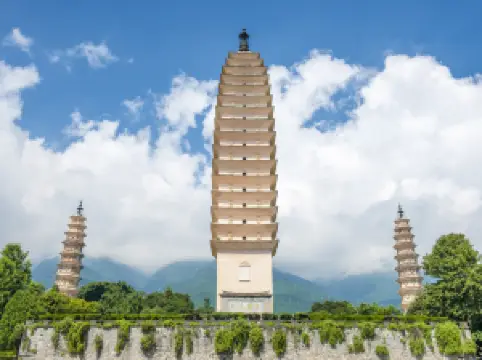
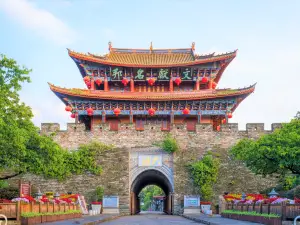
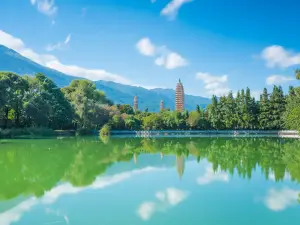
Dali City, located in western Yunnan Province, China, was the capital of the ancient Nanzhao Kingdom and Dali Kingdom. Dali City is inhabited by a concentration of minority peoples, mainly the Bai. At the heart of this scenic area is Dali Old Town, north of which stands the Three Pagodas of the Chongsheng Temple, a legacy of the Nanzhao and Dali Kingdoms. On the periphery of simple and elegant Dali are the majestic Cang Mountain and charming Erhai Lake.
Dali City Must-try local experiences
1. Experience Tranquility at Erhai Lake Take a scenic boat trip on Erhai Lake, visit Nanzhao Style Island, and enjoy the peaceful ambiance surrounded by stunning mountain views. 2. Hike to the Summit of Cangshan Mountain Hike up Cangshan Mountain for breathtaking views of Dali and Erhai Lake, explore lush forests, and discover hidden waterfalls. 3. Discover the Beauty of Xizhou Explore Xizhou's well-preserved Bai architecture, visit local workshops, and experience the authentic charm of this historic town. 4. Learn the Art of Tie-Dyeing Join a tie-dyeing workshop to create your own Bai textile art and learn traditional techniques from local artisans. 5. Discover Dali’s History and Bai Culture Visit the Dali City Museum to explore the region’s history through artifacts, local relics, and traditional art. For a focus on Bai culture, the Dali Bai Autonomous Prefecture Museum offers dedicated exhibits. 6. Celebrate the Torch Festival Experience the Torch Festival in July or August with torch-lit parades, traditional dances, and festive activities. 7. Savor the Flavors of Dali Indulge in Dali's culinary scene with specialties like Erhai fish, Xizhou baba, and milk fan, and explore bustling night markets 8. Shop for Bai Handicrafts Purchase unique Bai handicrafts like tie-dye fabrics, silver jewelry, and wood carvings as souvenirs and gifts.
Dali City Must-see Attractions
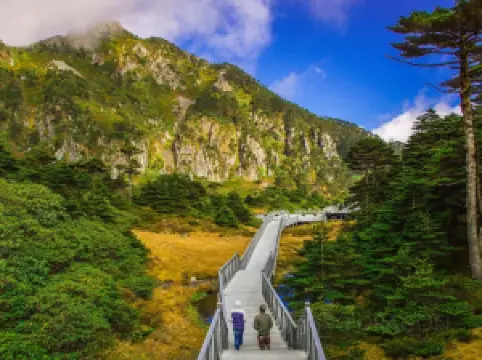
Dali is a culturally rich and historically significant region in China, known for its ancient city with Bai ethnic architecture, the scenic Cangshan Mountain range, the tranquil Erhai Lake, the iconic Three Pagodas of Chongsheng Temple, and the traditional Bai ethnic Zhangjia Garden, each offering unique insights into the area's heritage and natural beauty.
Dali City Food Guide
Dali's food, exemplified by dishes such as Stewed Carp in Sand Pot, Xizhou Crisp Pie, Dairy Fans, and the Three Courses of Tea ceremony, offers a rich tapestry of flavors and culinary practices that reflect the region's heritage and the Bai ethnic group's philosophy of life.
Dali City Transportation
By Air Dali Fengyi Airport (DLU): The main gateway to Dali, located ~13 km (8 miles) southeast of Dali Ancient Town. Serves domestic flights from major cities like Kunming, Chengdu, Chongqing, and Beijing. Limited regional international routes may operate seasonally. To City Center from DLU: Airport buses (30–40 minutes) run to Dali Ancient Town and Xiaguan (Dali New City). Taxis take ~25–40 minutes depending on traffic. Ride-hailing apps (e.g., Didi) are widely available and often slightly cheaper than taxis. By Train Dali Railway Station: The primary rail hub, located in Xiaguan (Dali New City). Serves high-speed trains connecting to Kunming (2–2.5 hours), Lijiang (1–1.5 hours), Shangri-La (via Lijiang, ~3–4 hours total), and other major cities. Conventional trains also operate but are slower. By Bus Dali Bus Stations (Xiaguan area): Long-distance buses connect Dali to nearby destinations such as: Lijiang (~2–2.5 hours), Shangri-La (~4–5 hours), Baoshan (~3–4 hours). Buses are a practical option for regional travel, especially where train routes are limited. By Road Driving or private transport is possible via expressways such as the G56 (Hangzhou–Ruili Expressway) connecting Kunming to Dali (~4–5 hours). Self-driving is not recommended for international travelers due to licensing requirements and mountainous terrain; hiring a private car with a driver is a more comfortable option for exploring Erhai Lake and nearby villages.
Dali City Where to Stay
Dali is a city in Yunnan Province, China, known for its historical significance and stunning natural beauty. The city's lodging is spread across several key areas, each offering unique experiences and amenities to travelers.
Dali City Best Time to Visit
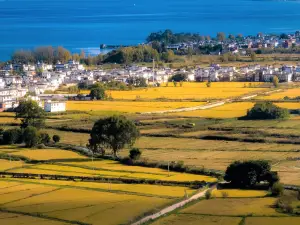
The best time to visit Dali is from March to May and from mid-October to November. During these periods, the weather is fine with little rain, making it very suitable for sightseeing and outdoor activities. Spring in Dali is particularly beautiful with azaleas blossoming on the Cangshan Mountains and a vibrant Erhai Lake, offering a fantastic season for a visit. Additionally, many ethnic festivals occur in March and April, providing a rich cultural experience. Autumn also presents clear and dry conditions, ideal for enjoying the golden wheat fields and the large daily temperature differences that characterize this season.
Dali City Useful Guide
Dali, a cultural hub in Yunnan, China, is linguistically diverse. Mandarin is the official language, with English used in business and administration. The Bai people, forming the majority, speak their own language, contributing to the multilingual tapestry alongside other ethnic languages.
Trip.Best: Dali City







Plan Your Dali City Trip
What to do




Where to stay












What to eat




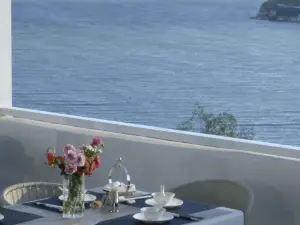


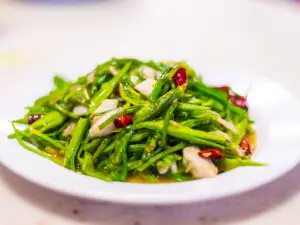


Dali City Moments: Through Travelers' Eyes
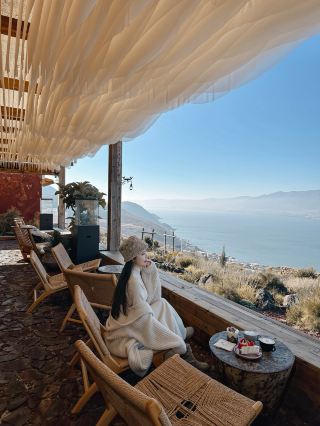
Dali Wenbi Village | Mountain and Sea Themed Cafe | Red Stone Cafe 🌵

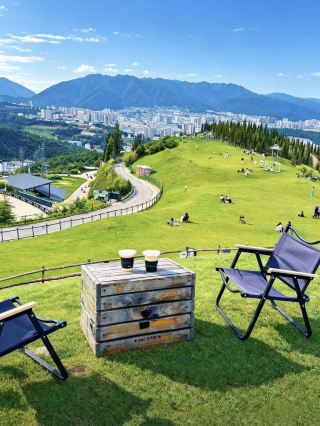
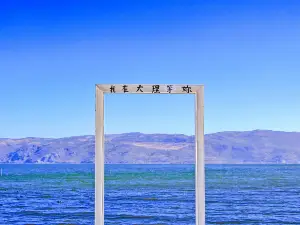
I dreamed of visiting Dali when I was a child, and now that I'm grown up, I finally had the chance to come~ The Cangshan Mountains are like dark green ink, and the Erhai Lake sparkles—it's as beautiful as an oil painting! Flocks of seagulls, cruise ships, the endless Erhai Lake, and rice paddies—these are views you just can't find in a big city! · 📸Photo spots👇🏻 p1 Longkan Pier p2 Fuguangli Coffee, Wenbi Village, Haidong p3 Xizhou Ancient Town rice paddies p4 Banshan Yue Travel Photography Garden p5 Qizhi Coffee, Yuhu Village p6–7 Lixiang Garden p8 Qianxun Pagoda, Chongsheng Temple p9 Gate of Erhai Lake, Xiajiyi p10–11 Yunxiang Mountain p12 Xiajiyi Village p13 Lakeside behind Xiajia Village p14 Erhai Lake p15 Xindi Coffee, Sansheng Island · 🗺️Itinerary: ✅ West Erhai Route: Longkan Pier ➡️ Qianxun Pagoda, Chongsheng Temple ➡️ Gate of Erhai Lake, Xiajiyi ➡️ Xiajiyi Village ➡️ Lakeside behind Xiajia Village ➡️ Xindi Coffee, Sansheng Island ➡️ Xizhou Ancient Town rice paddies ➡️ Banshan Yue Travel Photography Garden ✅ North Cangshan Route: Qizhi Coffee, Yuhu Village ✅ East Erhai Route: Fuguangli Coffee, Wenbi Village, Haidong ➡️ Lixiang Garden ➡️ Erhai Lake (East Route scenery) ➡️ Yunxiang Mountain (sunset) · 【My food recommendations】 P16 Shannanji: Come to Dali for Yunnan-style stir-fry cooked in small pots. The signature "Red Three-Chopped" (minced pork with tomatoes and chilies) is tangy, spicy, and rich. The minced meat paired with fresh chilies is so fragrant—I ate a whole bowl mixed with rice. The environment, service, and food quality were all incredibly pleasant. P18 Jiuniang Chickpea Porridge: The porridge has a smooth, soft texture without being too thick. It's topped with plenty of crushed peanuts, giving it a great crunch—so delicious! You can ask for a little less chili; I recommend dipping fried dough sticks in it. · 💡Dali tips ▪️Choose Longkan for sunrise, and save Haidong for sunset ▪️Cars cannot enter the West Erhai corridor; if driving, park on the outskirts ▪️The UV rays on the plateau are intense, so don't be lazy with sunscreen ▪️There's a large temperature difference between day and night, so carry a light jacket with you ▪️I don't recommend riding an e-scooter for the entire loop around the lake; know your limits


Above the cliffs, stay in a detached vacation villa by Erhai Lake


Dali was made for lovers ☁️✨| Wenbi Village

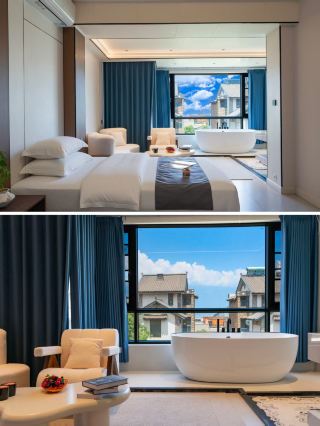
Dali · Yishi Lanshe | Turning Life into Poetry by the Erhai Lake


Why Xizhou Old Town Is Perfect for an Explorer Like Me


Escape the crowds of Dali and embrace the mountains with a private hot spring in Eryuan

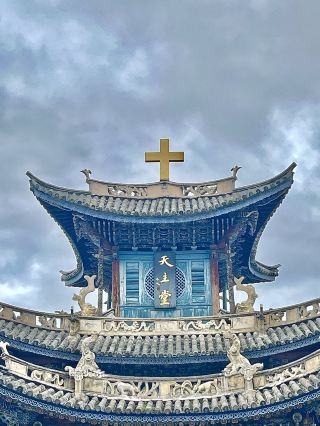
Quiet Corner in Dali Ancient Town

Best of Dali City
Top 20 Cultural Hotels in Dali City
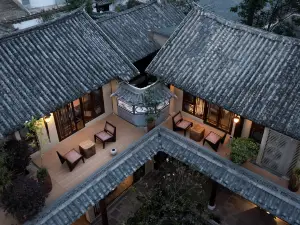
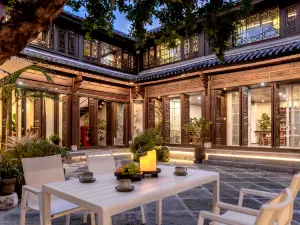
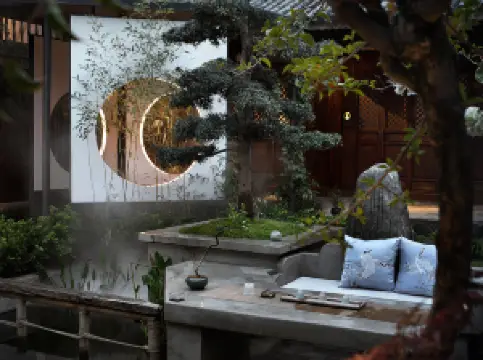
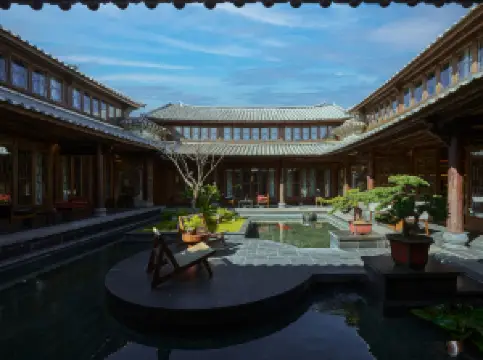
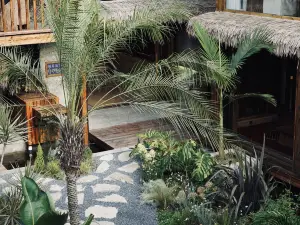
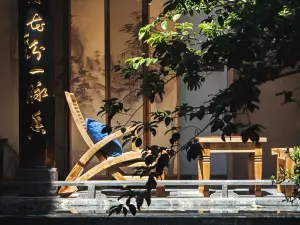

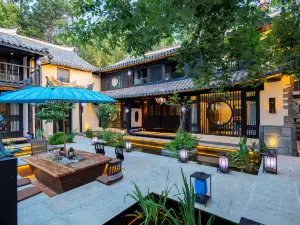
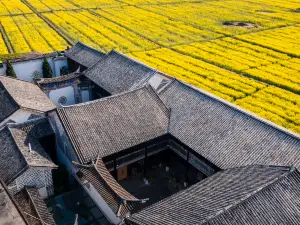
Top 10 Instagrammable Hotels in Dali City






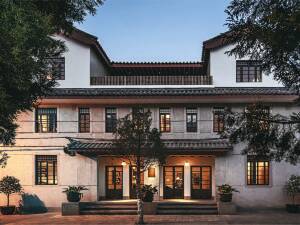
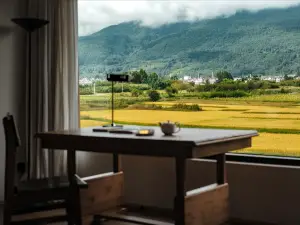


Top 20 Fall Viewing Attractions in Dali City

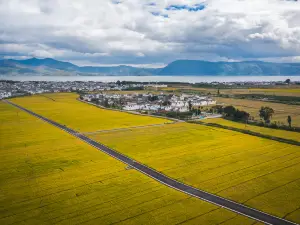
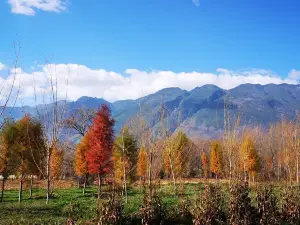
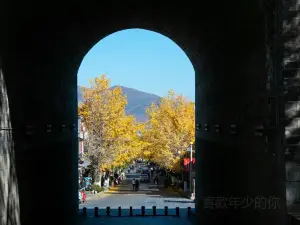
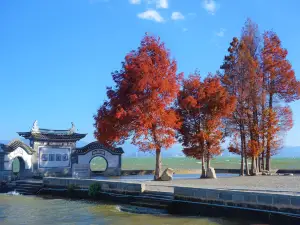
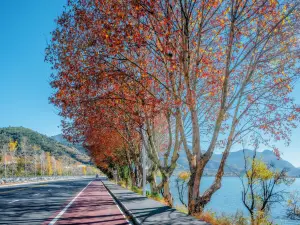

Top 50 Vacation Homes in Dali City










Top 10 Gourmet Hotels in Dali City



Top 10 Ancient Town Hotels in Dali City


Top 20 Premium Hotels in Dali City





Top 10 4-Star Select Hotels in Dali City







Popular Best Things to Do Near Dali City





Popular Family-friendly Attractions Near Dali City




Other recommended cities

Hangzhou
Shanghai
Chengdu