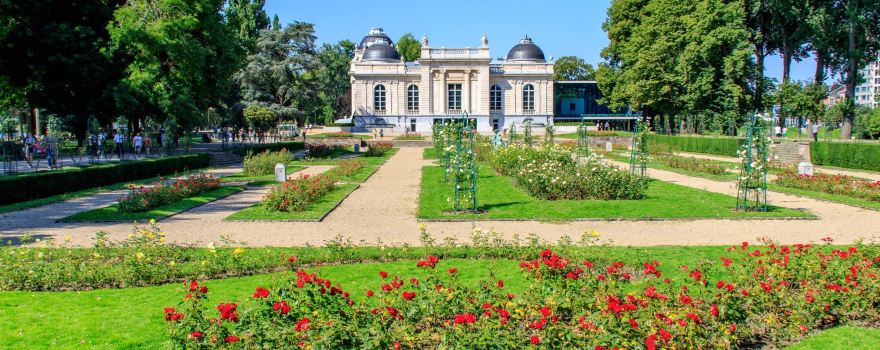
Liege
Liege Travel Guide 2026: Things to Do, Attractions & Itinerary | Trip.com
About Liege
Current weather conditions
 21°C
21°CLiege Local Experiences Map
View local experiences on map


Things to do in Liege
What to do
Looking for things to do in Liege? We provide up-to-date info on everything from must-see scenic spots to local hangouts.
View more

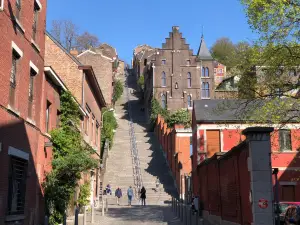
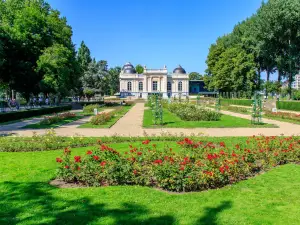
Parc Boverie
3.8
This user hasn't left any comments yet

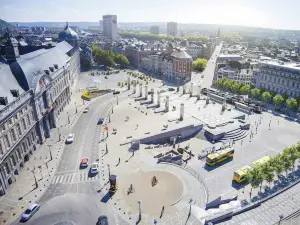
Place Saint-Lambert
3.5
This user hasn't left any comments yet
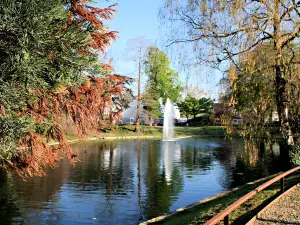
Parc d'Avroy
3.4
This user hasn't left any comments yet
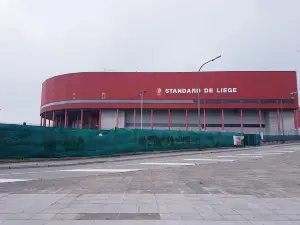
Maurice Dufrasne Stadium
3.3
This user hasn't left any comments yet
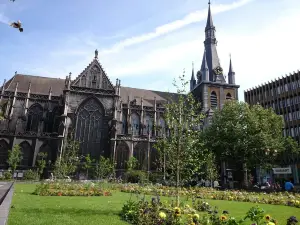
Where to stay
Discover the most popular places to stay in Liege, complete with recommendations from fellow travelers and special hotel offers
View more



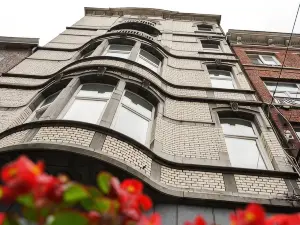


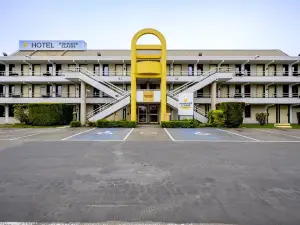
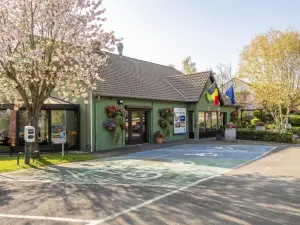
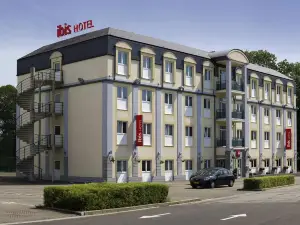
What to eat
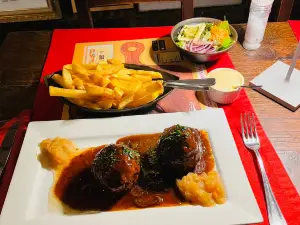
Want to eat like a local? Don't miss out on these top Liege dishes and foodie spots.
View more


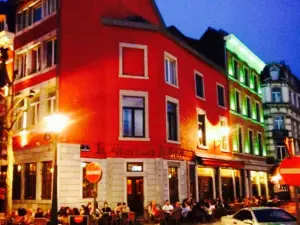
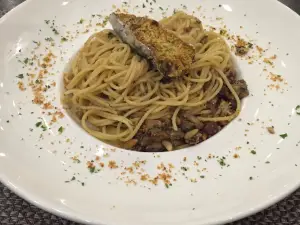

Liege Moments: Through Travelers' Eyes
Post
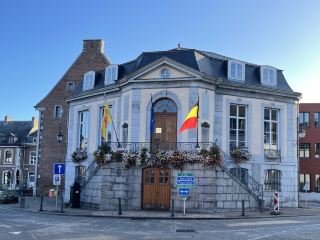
Theux: A Historic Gateway to the Belgian Ardennes

在地图上盖章的人
easytravelpost
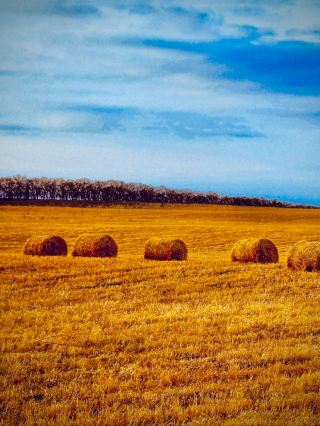
Chaudfontaine Castle Grounds to Parc de la Boverie: Following the Mineral Spring Lane Into Liège

vyvy8900
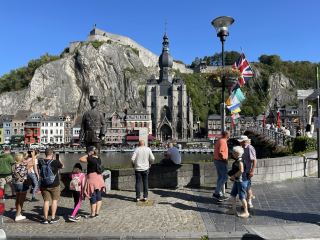
Dinant, Belgium: A Picturesque Town on the Banks of the Meuse River
在地图上盖章的人
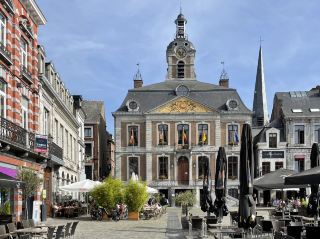
Huy is located in the Liège province of the Walloon Region, Belgium, situated on the banks of the Meuse River between Liège and Namur, with a population of approximately.
在地图上盖章的人
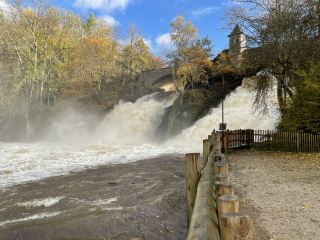
Coo, located in the Liège province of the Walloon region of Belgium, sits on the banks of the Amblève River in the Ardennes region and belongs to the town of Stavelot. It is a picturesque tourist village. Its most famous attraction is the Coo Falls (Les Cascades de Coo), with a total drop of approximately 15 meters, making it the highest natural waterfall in Belgium. In fact, part of the falls originated from the 18th-century diversion of the river by monks for timber transport, thus combining natural and man-made features. Viewing platforms and walking trails have been built beside the falls, allowing visitors to admire the rushing water up close. The nearby Plopsa Coo theme park is popular with families, offering activities such as cable cars, scenic trains, and kayaking. The surrounding Ardennes Forest boasts abundant hiking, cycling, and rafting routes, offering different charms in each season. With its magnificent waterfall scenery and beautiful natural environment, Coo has become one of the most popular tourist destinations in the Ardennes region of Belgium.
在地图上盖章的人
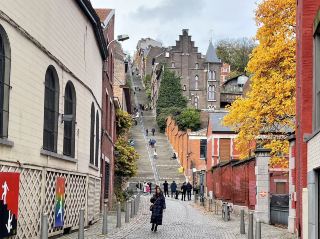
Liège (German: Lüttich, French: Liège) is located on the banks of the Meuse River in eastern Belgium, bordering Germany and the Netherlands, with a population of about 200,000.
在地图上盖章的人
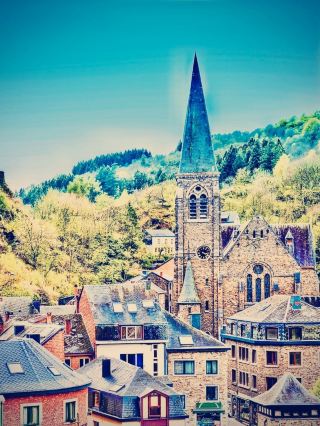
arrivalguide
Outremeuse Folk Festival Tchantchès Puppet March Watch

oppp09
arrivalguide
Curtius Museum Red Brick Courtyard Arrival Dust Smell
oppp09
View more
Other recommended cities
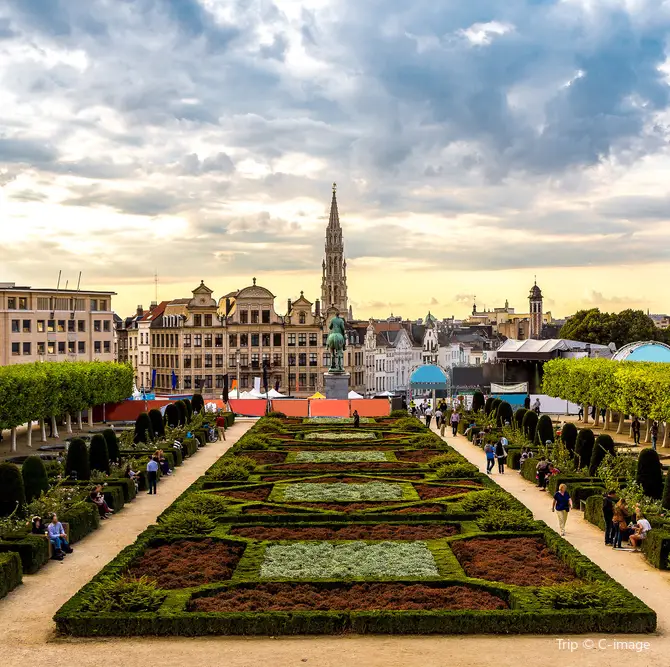
Brussels
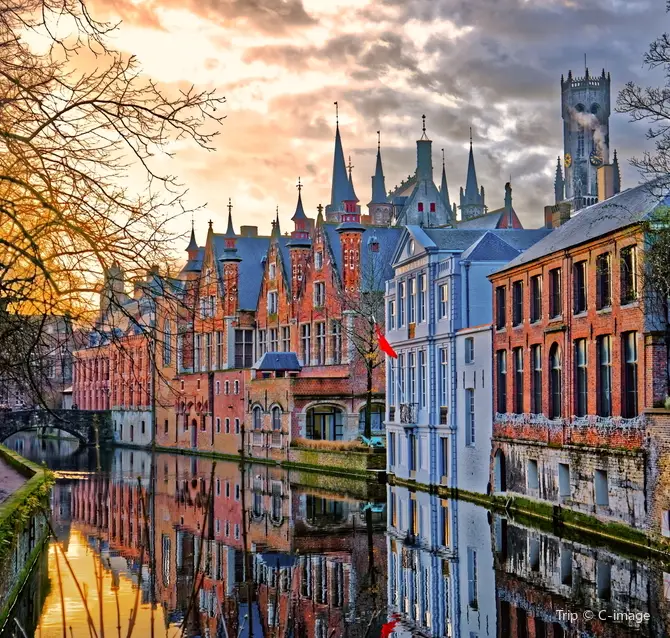
Bruges
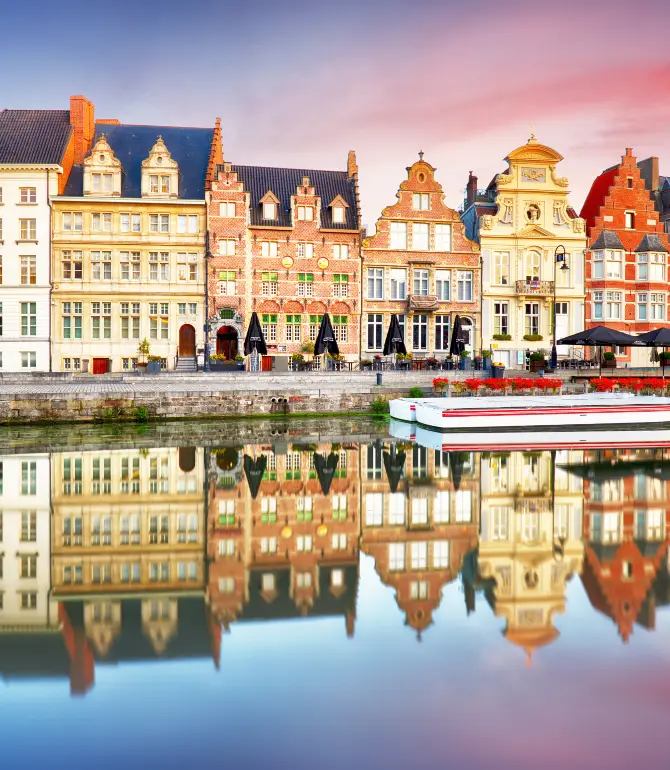
Ghent
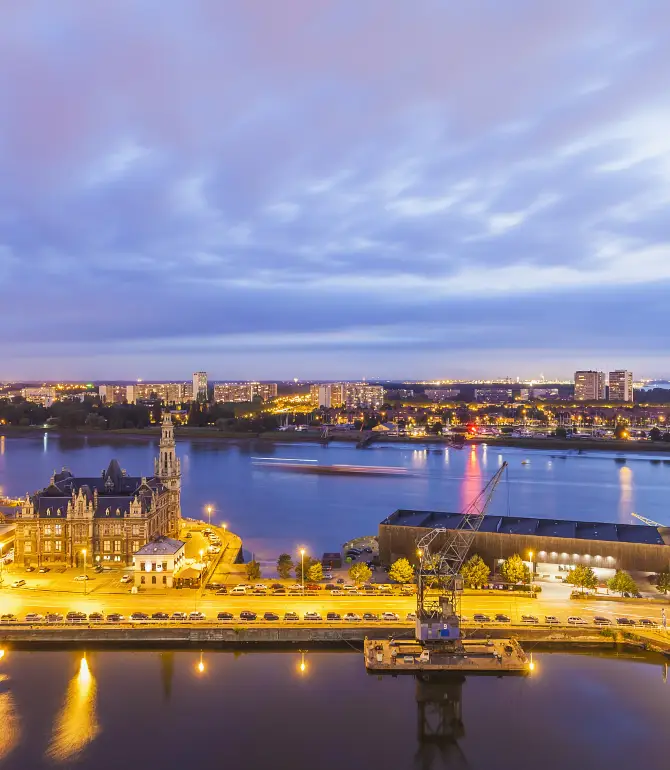
Antwerp
Popular Types of Attractions in Liege
Historical attractions | Nature and wildlife | Natural scenery | Mountain climbing | Beaches and shores | Sightseeing tours | Boat tour | Night view | Cable car | Exhibitions & events | Performances | Concerts | Exhibitions | Cultural institutions | Themed exhibition halls | Museums | Science & technology museums | Leisure activities | Farms and pastures | Camping and campsites | Spa/massage | Outdoor activities | Mountain climbing | Cycling | Shooting | Parks | Skybound experiences
Popular Attractions in Liege
Square des Portefaix | Statue Polymnie | Travel gallery | Eglise Sainte-Barbe | Buste d'Eugène Ysaÿe | Saint-Joseph | Reflektor | Galerie Wittert | Rsw Liège Basket Formation | Place des Carmes | Jump it | Statue de Georges Simenon | Chez milouse | Terril de Bernalmont | Archeoforum de Liege | Bibliothèque ALPHA ULiège | BluePoint Liège - meetings, events & office space | Chapelle de Bavière | Collegiate Church of Saint Denis | L’Église de Jésus-Christ des Saints des Derniers Jours | Mosquée Al-Mouhçinine | Fontaine des Terrasses | La Cite Miroir | Fontaine de Saint-Jean-Baptiste | Collegiate Church of Saint Bartholomew | Yoko Uhoda Gallery | Musee Tchantches (Tchantches Museum) | Terrasses des Minimes | Terril de Batterie-Nouveau | Les Arcs de Bernar Venet
Popular Ranked Lists
Top 50 Global Traveller-Picked Hotels in Zhangjiajie | Top 50 Global Traveller-Picked Restaurants in Shenzhen | Top 20 Global Traveller-Picked Hotels in Kunming | Top 50 Global Traveller-Picked Restaurants in Changsha | Top 50 Global Traveller-Picked Hotels in Sanya | Top 50 Global Traveller-Picked Restaurants in Guiyang | Top 50 Best Things to Do in Rome | Top 20 Global Traveller-Picked Hotels in Jiuzhaigou | Top 50 Global Traveller-Picked Restaurants in Huangshan City | Top 10 Best Things to Do in Semporna | Top 50 Global Traveller-Picked Restaurants in Shangri-La | Top 20 Premium Hotels in Jinan | Top 50 Global Traveller-Picked Hotels in Guangzhou | Top 50 Best Things to Do in Dubai | Top 50 Global Traveller-Picked Restaurants in Kunming | Top 50 Global Traveller-Picked Hotels in Chengdu | Top 50 Global Traveller-Picked Restaurants in Chongqing | Top 50 Global Traveller-Picked Restaurants in Shanghai | Top 20 Premium Hotels in Huizhou | Top 50 Best Things to Do in Macau | Top 10 Best Things to Do in Kamakura | Top 20 Global Traveller-Picked Hotels in Shangri-La | Top 20 Premium Hotels in Nanning | Top 50 Global Traveller-Picked Restaurants in Nanjing | Top 50 Global Traveller-Picked Restaurants in Guilin | Top 10 Best Things to Do in Kathmandu | Top 20 Premium Hotels in Changchun | Top 50 Global Traveller-Picked Restaurants in Chaozhou | Top 50 Global Traveller-Picked Restaurants in Yangshuo | Top 50 Best Things to Do in Osaka
Popular Restaurants in Liege
Riva Brasserie | O' Sole Mio | Les Garçons | L'Atelier du Selys | Au Cedre | Taverne Tchantches et Nanesse | La Maison du Peket | Cucinella | Gusto Pasta Bar | Mirabella's Pizza | Melting Pot | Bar Carlsberg | The Huggy’s Bar | HUGGYS | Le Cloître | moment. | Cabale | Les Terrasses | Le Danieli | Le Paris-Brest | Les Cuistots Bistrot A Mezzes | le pharos 2 | La Cantinetta | L'Écailler | Le Petit Carre | Friterie du Longdoz | La Roussette de Savoie | Au Concordia | Star of India | Le Phenicien
Popular Destinations
Hunyuan Travel | Clinton County Travel | Lake Ozark Travel | Serra San Bruno Travel | Pahalgam Travel | Crawford County Travel | Westlake Travel | Cordillera Administrative Region Travel | Lake Grove Travel | Salzburg-Umgebung District Travel | Staffordshire Travel | Lens Travel | Millcreek Travel | Wicomico County Travel | Falkirk Travel | Suzu Travel | Swampscott Travel
Recommended attractions at popular destinations
Popular Attractions in Bangkok | Popular Attractions in City of Manila | Popular Attractions in Tokyo | Popular Attractions in Taipei | Popular Attractions in Hong Kong | Popular Attractions in Seoul | Popular Attractions in Kuala Lumpur | Popular Attractions in Los Angeles | Popular Attractions in Shanghai | Popular Attractions in New York | Popular Attractions in Shenzhen | Popular Attractions in Osaka | Popular Attractions in Singapore | Popular Attractions in London | Popular Attractions in Guangzhou | Popular Attractions in San Francisco | Popular Attractions in Beijing | Popular Attractions in Macau | Popular Attractions in Bali | Popular Attractions in Jakarta | Popular Attractions in Paris | Popular Attractions in Ho Chi Minh City | Popular Attractions in Istanbul | Popular Attractions in Phuket | Popular Attractions in Chicago | Popular Attractions in Seattle | Popular Attractions in Toronto | Popular Attractions in Orlando | Popular Attractions in Cebu | Popular Attractions in Chiang Mai
Popular Trip Moments
Theux: A Historic Gateway to the Belgian Ardennes | Chaudfontaine Castle Grounds to Parc de la Boverie: Following the Mineral Spring Lane Into Liège | Dinant, Belgium: A Picturesque Town on the Banks of the Meuse River | Huy is located in the Liège province of the Walloon Region, Belgium, situated on the banks of the Meuse River between Liège and Namur, with a population of approximately. | Liège (German: Lüttich, French: Liège) is located on the banks of the Meuse River in eastern Belgium, bordering Germany and the Netherlands, with a population of about 200,000. | Outremeuse Folk Festival Tchantchès Puppet March Watch | Curtius Museum Red Brick Courtyard Arrival Dust Smell | Montagne de Bueren 374 Step Stairway Breathless Summit | Liege Place Saint-Lambert Prince-Bishops’ Palace Ruin Walk | Unforgettable Desert Adventure in Morocco | Carré District Meuse River Sunset Bench Frite Box Tear | Liège-Guillemins Station White Arch Concrete Awe Pause | Unforgettable Experience | Wonderful Experience with Isaac at Zen Oasis | Exceptional Stay at Oasis Zen | Wonderful Travel Experience with Sahara Travel | A Wonderful Agency | Great Service and Experience | Fantastic 4-Day Marrakech Tour with Outstanding Guide and Organization | Unforgettable Experience with an Amazing Team | Seamlessly Organized and Unforgettable Desert Experience | Excellent Experience with the MST Team | A Memorable Family Adventure in the Sahara | Wonderful Family Experience in the Desert | Excellent Service Every Time | Liege: Belgium’s Seriously Underrated Hidden Gem 🇧🇪✨ | Ultimate Healing 10-Day Tour of the Netherlands and Belgium! God's Spilled Palette · Complete Itinerary Guide | My road trip itinerary in Germany and surrounding areas | A stairway to heaven!
More Things To Do in Liege
Eurail Benelux pass [includes redemption voucher for multi-country SIM card/official agent/explore the Netherlands, Belgium and Luxembourg] | Discover Dinant while playing! Escape game - The alchemist | Discover Liège while playing! Escape game - The Walter case | Liege Highlights Audio Tour: Architectural Landmarks and Sacred Spaces | European universal 5G/4G eSIM | Multi-network support, supports All AI & TikTok | 500MB/day - 50GB total | 1-90 days | 24-hour billing | QR code | Global (77 Countries) 5G/4G eSIM | Supports Google Maps/TikTok/ChatGPT | Data Plan | 24-Hour Billing | 1–7 Days | QR code | Europe 4G/5G eSIM | TikTok & ChatGPT Available | Day Pass/Total Data Package | 24-Hour Billing | QR Code | Europe (41 Countries) | 5G/4G eSIM | Supports TikTok / Google Maps / Chat GPT | Daily / Total Plans | Calendar Day Billing | 1–90 Days | QR Code | Europe 45 Countries 5G eSIM | All AI & TikTok | 1–30 Days | QR Code | Orange World 4G/LTE eSIM | Calls + SMS | 31 Days Total 50MB–20GB | Calendar-Day Billing | QR code | Europe Orange 4G/5G eSIM | Calls + SMS Included on Selected Plans | French Phone Number | 24-Hour Billing | QR Code | Europe 5G eSIM | Fully Supports AI & TikTok | Daily/Total Data Package | 1–30 Days | 24-Hour Billing | QR Code | Europe Orange 4G/5G eSIM | Calls + SMS | French phone number | 24-hour billing | QR code | Orange World eSIM | 4G/LTE | 1GB-20GB total for 30 days | 24-hour billing | QR code | Global 77 Countries 4G/5G eSIM | Day Pass/Total Data Package | 24-Hour Billing | QR Code | VIP lounge at Brussels International Airport in Belgium (BRU airport VIP first class lounge + transfer/waiting/rest) | Brussels Chocolate Walking Tour and Workshop | Brussels: Bus service between Charleroi Airport and Brussels Midi/Brussels SW | Belgium BRU Brussels Airport VIP lounge/VIP lounge/waiting/dining/rest | Hungry Mary's Famous Beer and Chocolate Tour in Brussels | Restaurant reservation service for the popular Les Brigittines in Brussels, Belgium | Brussels: City Highlights Walking and Tasting Tour | Brussels: Chocolate Museum Visit with Workshop | Choco-Story Brussels: Entry Ticket + Audio Guide | The Most Complete Tour Of Brussels | Belgium 5G eSIM | 3 Networks Covered | Fully Supports AI & TikTok | Daily/Total Data Package | 1–30 Days | 24-Hour Billing | QR Code | Belgium | 5G/4G eSIM | Daily package/traffic package | Calendar days billing | 1-30 days | QR code | Brussels Highlights Audio Tour: Historic Heart and Royal Treasures | Global coverage (100 countries) 5G/4G eSIM | Supports all AI & TikTok | 500MB/day - total 50GB | 1-90 days | 24-Hour Billing | QR code | Brussels: Chocolate Workshop and Guided Walking Tour