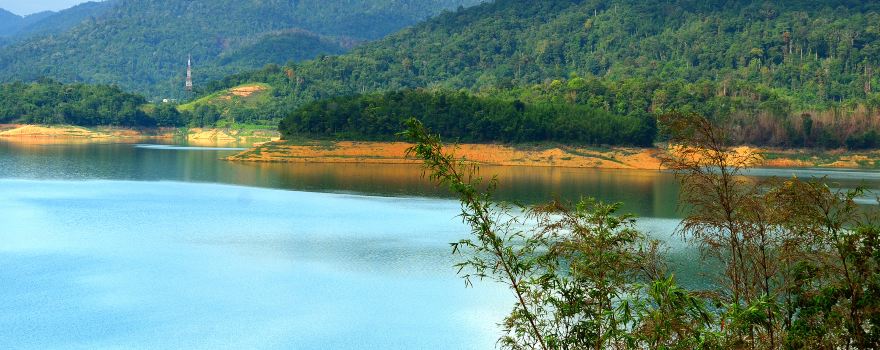
Selangor
Selangor Travel Guide 2026: Top Cities, Places to Visit & Itineraries | Trip.com
About Selangor
Selangor Local Experiences Map
View local experiences on map

Trending in Selangor
View more
Trip.Best: Selangor
View more
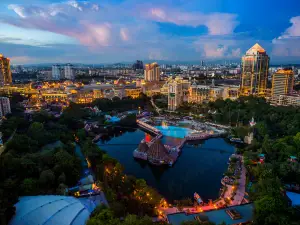
Popular Destinations
More popular destinations
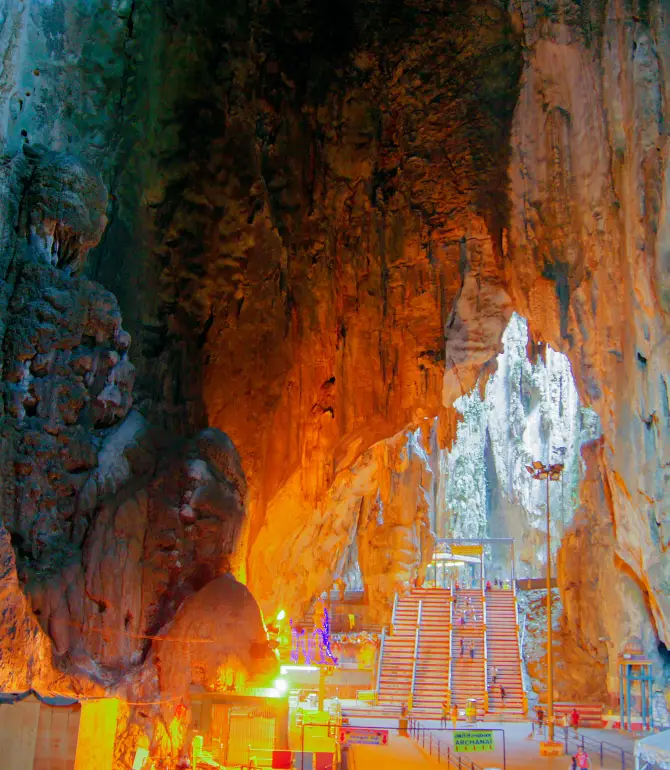
Batu Caves
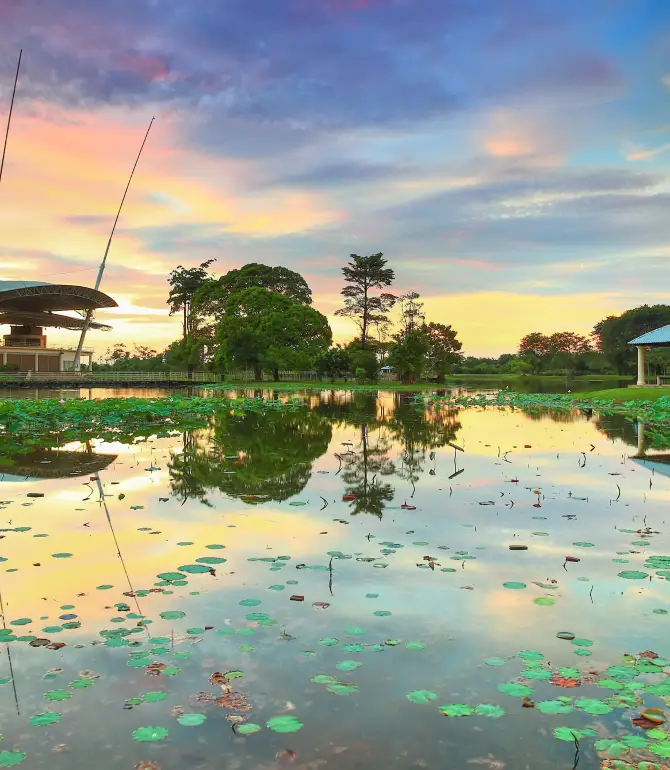
Sepang
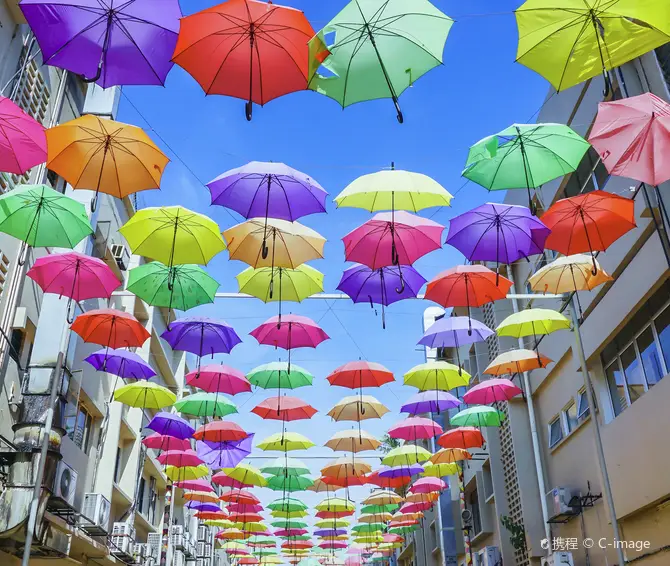
Petaling Jaya
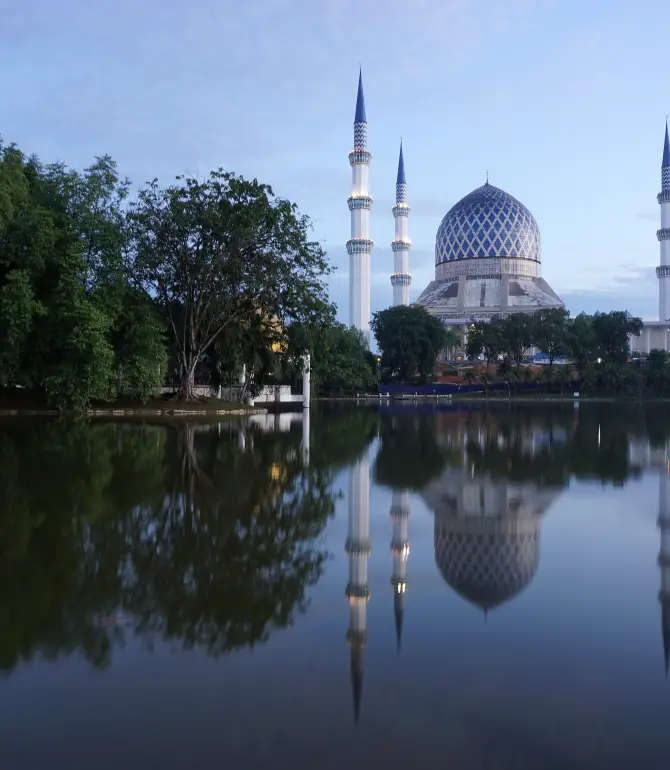
Shah Alam
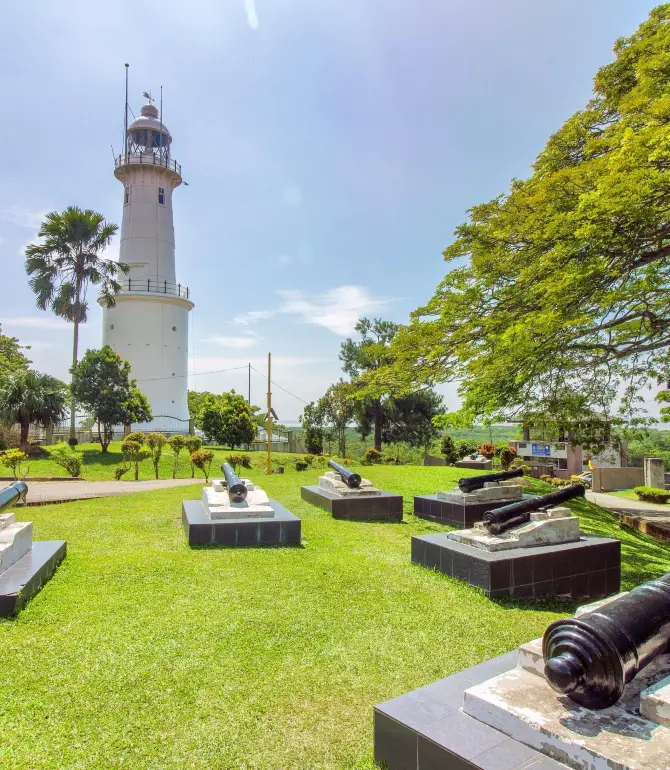
Kuala Selangor
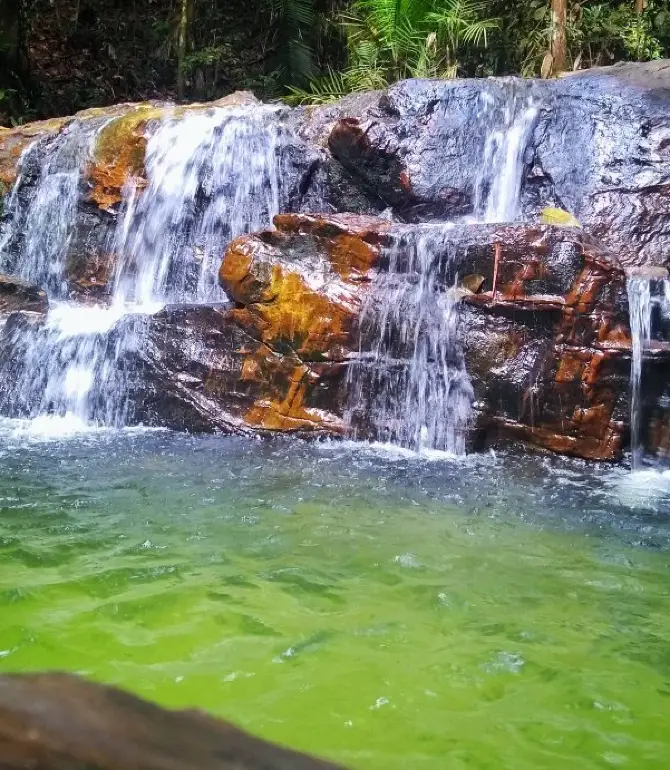
Puchong
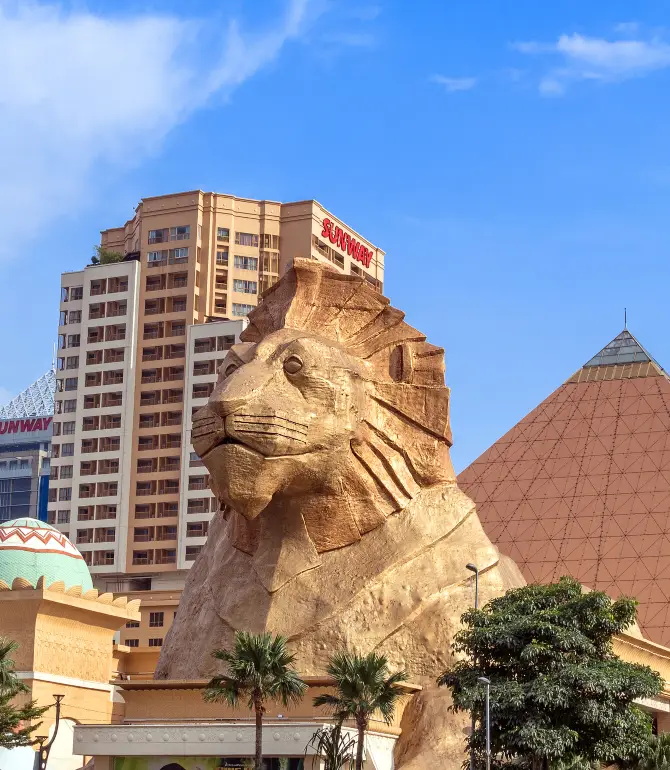
Subang Jaya
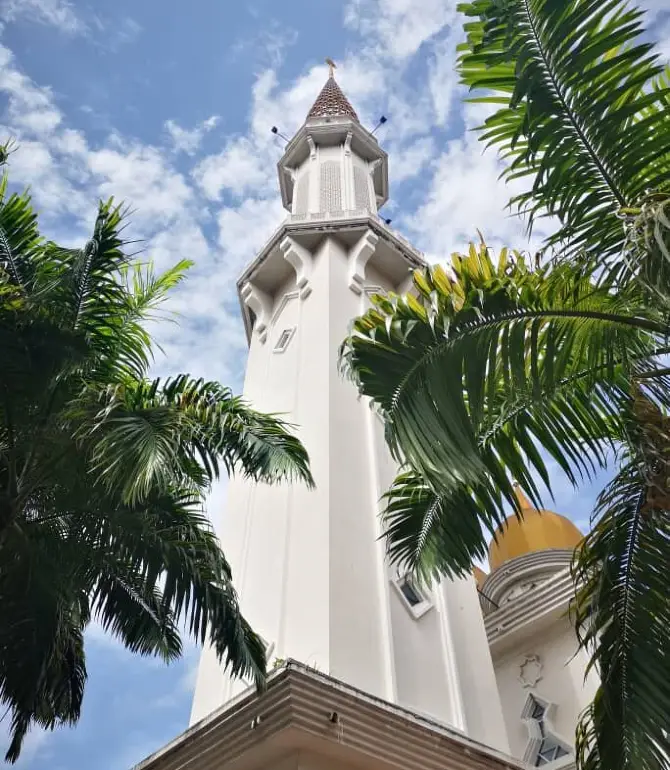
Klang
Plan Your Selangor Trip
What to do
Looking for things to do in Selangor? We provide up-to-date info on everything from must-see scenic spots to local hangouts.
View more
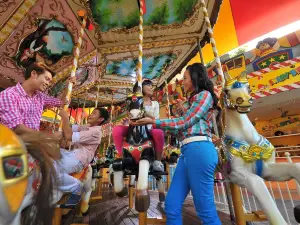

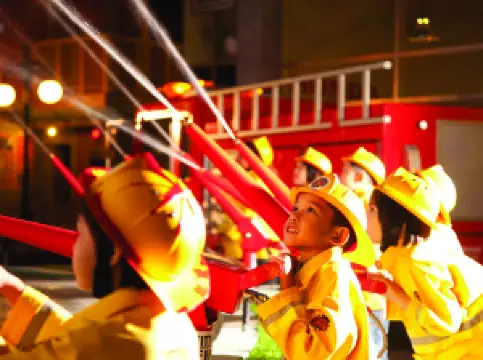
KidZania Kuala Lumpur
4.7/5412 Review

SplashMania WaterPark
4.6/5568 Review
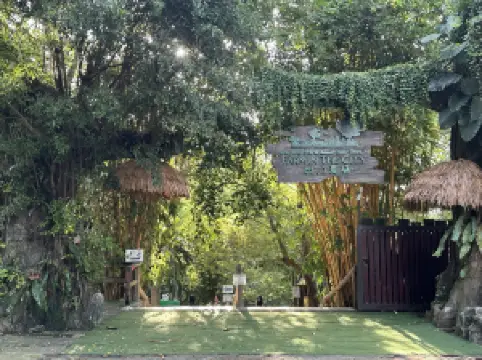
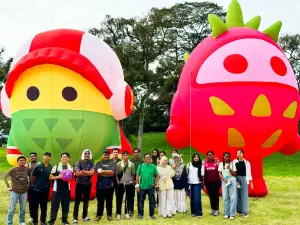
DurianBB Academy
4.9/576 Review
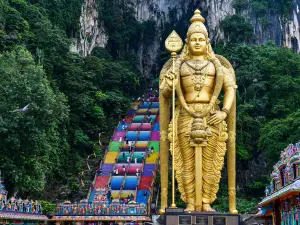
Lord Murugan Statue
4.5/518 Review
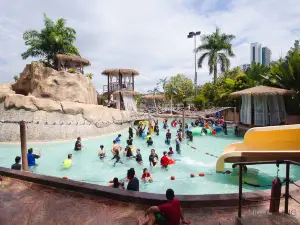
Wet World Water Park Shah Alam
4.5/5161 Review
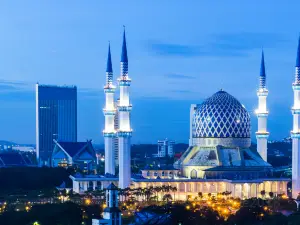
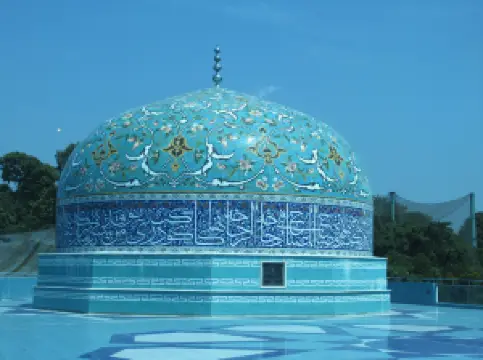
Sultan Salahuddin Abdul Aziz Shah Mosque
4.7/539 Review
What to eat
Want to eat like a local? Don't miss out on these top Selangor dishes and foodie spots.
View more




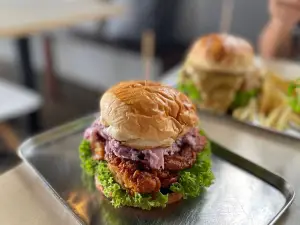
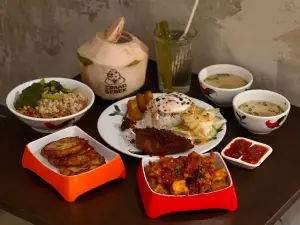
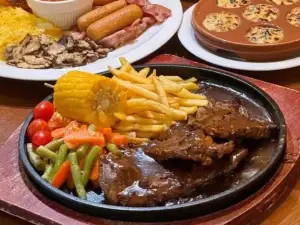
Selangor Moments: Through Travelers' Eyes
Post
#Recommended
#malaysiatravel
#malaysia
#selangor
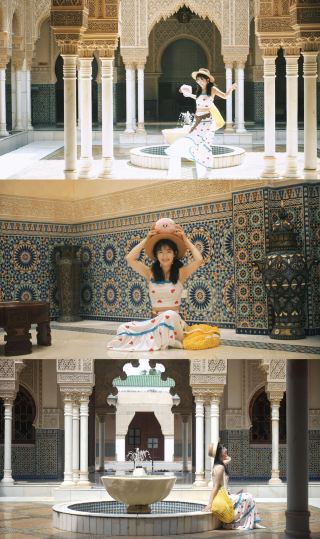
Singapore and Malaysia 6-Day Tour|Small Group of Up to 9 People|Say No to Rushed Tours

轻胜马假期
1
localdiscoveries
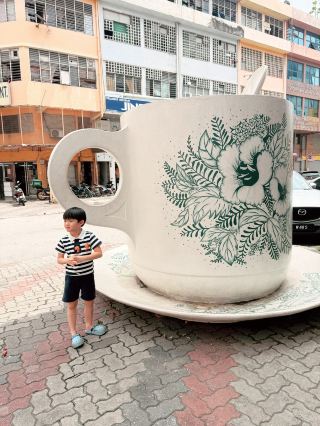
Giant Kopi Cup - A reminder that Klang is more than Bak Kut Teh

Viv’s Vibes
3
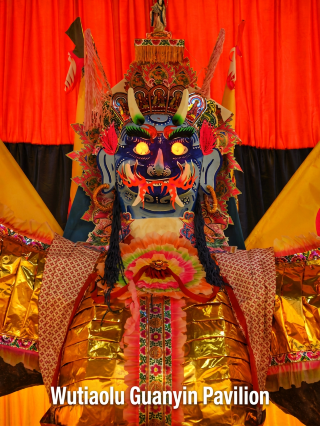
Klang, Malaysia | A century-old Nanyang heritage site: Kuan Yin Temple

_Sereniteetoilee222_
underratedspots
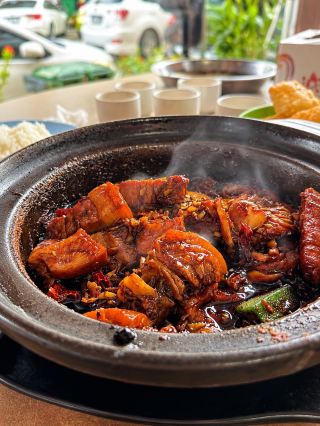
Klang Has SO Many Bak Kut Teh Shops… But This Underrated One Deserves More Love!

MvgicPassport
123
gatewayklia2
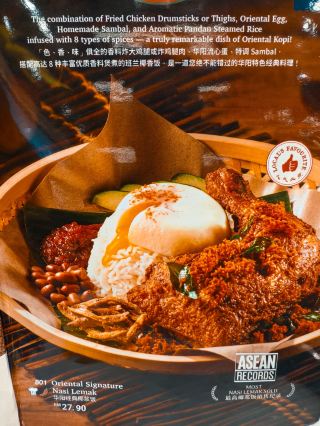
Skip airport junk food: Oriental Kopi Gateway@KLIA2 for Authentic Malaysia Cuisine

Pink Cat
57
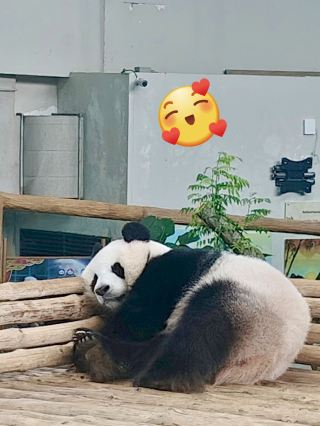
FREE ZOO NEGARA ENTRY FOR MALAYSIANS ON YOUR BIRTHDAY?!👀

Bani Garcia Alley
18
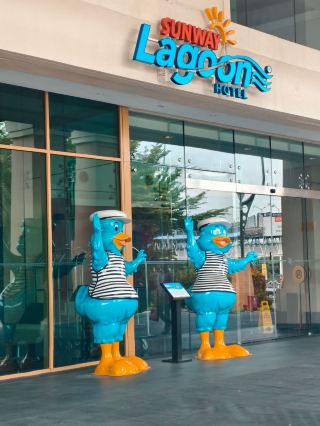
sunwaypyramid
Where to stay for Sunway Lagoon trip: comparing the three connected hotels
Pink Cat
84
batucaves
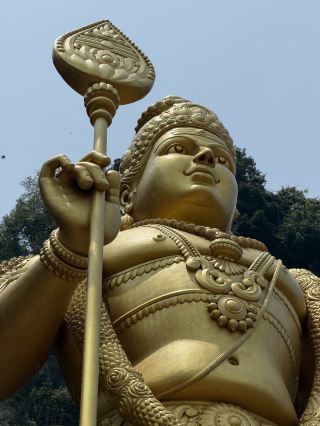
Batu Caves🐒 There are some places you visit because they are famous, and then there are places that actually live up to the reputation. For me, #batucaves is definitely in the second category. Located just outside Kuala Lumpur, Batu Caves is one of those places that is difficult to describe properly in a photograph. You may have seen the famous images online: the enormous golden statue of Lord Murugan, the brightly colored staircase climbing up the limestone cliff, and the monkeys sitting around the entrance. But seeing Batu Caves in person is a completely different experience. There is something almost surreal about arriving at the site and seeing a huge Hindu temple complex built into the side of an ancient limestone hill. The combination of nature, religion, architecture, color, wildlife, and the sheer scale of the surroundings makes Batu Caves one of the most memorable places to visit in the Kuala Lumpur area. And yes, there are 272 steps. You will definitely notice them. But the climb is part of what makes the experience so rewarding. First impressions The first thing that strikes you when arriving at Batu Caves is the enormous golden statue of Lord Murugan standing at the foot of the staircase. It is impossible to miss. The statue rises dramatically in front of the limestone cliffs, and the contrast between the brilliant gold of the statue, the colorful stairs, the green vegetation, and the grey rock creates one of the most recognizable scenes in Malaysia. This is probably the moment when most visitors instinctively reach for their camera. And honestly, I can’t blame them. It is an impressive sight. But one thing I would recommend is not immediately rushing toward the staircase. Take a few minutes to stand back and appreciate the entire setting. Look at the limestone cliffs surrounding the temple, the enormous statue, the colorful stairway, and the people moving around the complex. There is a lot happening at once. Batu Caves is simultaneously a tourist attraction, an important Hindu religious site, a geological landmark, and a place of everyday worship. That combination is what makes it so interesting. The 272 steps Eventually, of course, you have to face the famous staircase. There are 272 steps leading up to the main Temple Cave, and depending on your fitness level, the weather, and how many photographs you take along the way, the climb can be anything from a pleasant workout to a serious challenge. My advice is simple: don’t rush. Kuala Lumpur and the surrounding area can be hot and humid, and climbing 272 steps under the tropical sun can make you appreciate every opportunity to stop and catch your breath. Luckily, you don’t have to feel guilty about stopping. There are plenty of reasons to pause. You can turn around and enjoy the view, photograph the staircase from different angles, look at the surrounding limestone landscape, or simply watch the people making their way up and down. The staircase itself has become one of Batu Caves’ defining visual features. Its bright colors make the climb much more interesting than an ordinary set of stairs. And when you look down from higher up, the perspective becomes increasingly impressive. What I liked most was that the climb felt like part of the attraction rather than simply an obstacle between the entrance and the cave. Every few minutes, the scenery changes. The monkeys And then there are the monkeys. You will almost certainly notice them. They are part of the Batu Caves experience, and seeing them moving around the stairs, railings, trees, and temple grounds can be amusing and fascinating. However, this is one part of the visit where it is important to use common sense. These are wild animals, not pets. Don’t try to feed them, don’t get too close for a photograph, and be careful with food, drinks, phones, bags, and anything else they might find interesting. They can be surprisingly bold. I saw plenty of visitors fascinated by them, and understandably so, but it’s much better to observe them from a reasonable distance rather than trying to interact with them. The monkeys are a fun part of the experience, but they should be treated with respect. Reaching the cave After climbing the staircase, you eventually reach the entrance to the main cave. And this is where Batu Caves really changes character. Outside, everything is bright, colorful, busy, and exposed to the tropical sunlight. Inside the cave, the atmosphere becomes completely different. You enter a huge natural limestone cavern, and suddenly the scale of the place becomes much more apparent. The natural rock formations tower above you, while Hindu shrines and religious structures occupy parts of the enormous interior. It is an unusual combination. You are standing inside a geological formation that has existed for hundreds of millions of years, while surrounded by religious architecture and people coming to pray. The limestone itself is fascinating. The caves are part of a landscape that was formed naturally over an enormous period of time, and the surrounding hills give the entire location a dramatic feeling. The Malaysian tourism authority describes the limestone as more than 400 million years old, which is a number that is difficult to truly comprehend when you are standing there. The atmosphere inside For me, the interior of the cave was one of the highlights. It isn’t simply about seeing another temple. It is about the environment. The natural openings in the limestone allow daylight to enter the cave, creating interesting contrasts between light and shadow. Depending on the time of day, you can see beams of sunlight filtering through the openings above. At the same time, you can hear people talking, praying, walking, and moving around the temple. There is an atmosphere that is difficult to recreate anywhere else. It feels ancient and modern at the same time. The cave itself is ancient beyond imagination, while the temple continues to be an active place of worship today. That combination gives Batu Caves a sense of depth that you don’t necessarily get from simply looking at photographs online. A place of worship, not just a tourist attraction This is probably the most important thing to remember when visiting Batu Caves. It is incredibly photogenic, but it is not simply a tourist attraction. Batu Caves is a significant Hindu religious site and an important place of pilgrimage, particularly for devotees of Lord Murugan. The site has been associated with Hindu worship since the late 19th century, and it has become particularly famous for its annual Thaipusam celebrations. Because of this, visitors should be respectful. You will see people praying and making offerings, and depending on when you visit, you may encounter religious ceremonies or other forms of worship. I think this actually makes the visit more interesting. Rather than feeling like you are walking through a museum or an old monument that exists only for tourists, you are seeing a living religious tradition. People are there for different reasons. Some are sightseeing. Some are taking photographs. Some are visiting with family. And some are there because Batu Caves is an important part of their faith. Being aware of that makes the experience much more meaningful. The religious significance Lord Murugan is one of the central figures associated with Batu Caves, and the enormous statue at the entrance immediately establishes his importance. The golden statue is approximately 43 meters tall and is one of the most recognizable symbols of the site. The statue is particularly impressive when viewed from the bottom of the stairs. But I also enjoyed seeing it from different points during the climb. As you go higher, the perspective changes, and the statue and surrounding landscape look completely different. It is worth taking your time rather than taking one photograph at the entrance and moving on. Thaipusam: when Batu Caves becomes something completely different If you happen to visit during Thaipusam, you will experience Batu Caves in an entirely different way. Thaipusam is a major Hindu festival dedicated to Lord Murugan, and Batu Caves is one of the most important places in Malaysia for its celebration. Thousands of devotees gather for the occasion, and the event includes elaborate processions, religious ceremonies, offerings, music, and devotees carrying kavadi as acts of devotion. The atmosphere during Thaipusam is incredibly intense and colorful. It is also important to understand that this is a deeply religious event rather than simply a festival designed for tourists. If you attend, I would recommend learning a little about the traditions beforehand and behaving respectfully. Don’t treat religious ceremonies as a performance created for visitors. For photographers, it can be an extraordinary experience, but the people participating are there for reasons much deeper than photography. Even outside Thaipusam, knowing about the festival gives you a better appreciation of the importance of Batu Caves. The other caves Batu Caves is actually a complex rather than just one single cave. There are several caves and attractions in the area, including the main Cathedral/Temple Cave, Ramayana Cave, and other cave spaces. The local council also identifies Dark Cave as part of the wider complex. The main Temple Cave is obviously the essential experience for a first visit. However, if you have additional time, exploring some of the other areas can give you a more complete understanding of the site. Ramayana Cave, in particular, offers a different experience, with Hindu religious stories represented through statues and displays. I would recommend checking what is currently open before planning your visit, because access to individual attractions can change. Batu Caves and photography If you enjoy photography, you are going to have a very good time here. There are probably hundreds of possible photographs. The staircase alone offers endless compositions. You can photograph it from below, from the middle, from the top, or from one of the side angles. Then there is the statue. Then the limestone. Then the cave. Then the colorful decorations. Then the monkeys. Then the views. Then the people. The key is not to take the same photograph everyone else takes and immediately leave. Walk around. Look for different perspectives. Turn around. Look up. Look down. Pay attention to the details. One of my favorite things about places like Batu Caves is that the best photograph isn’t always the obvious one. The huge staircase is spectacular, but sometimes a close-up of a decorative detail or a view through the cave opening can tell a more interesting story. #cave #kualalumpur #malaysia #temple #travel

Stef94
1
View more
Best of Selangor
Popular Best Things to Do Near Selangor
View more
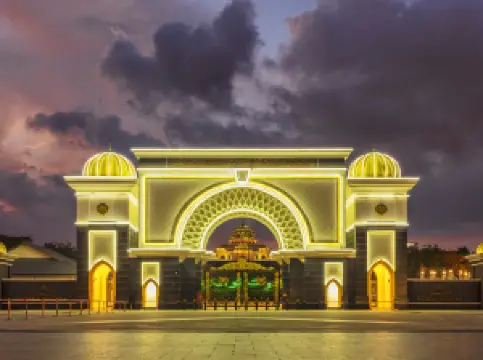
Kuala Lumpur City Gallery
4.0/510 Review

Unifi Arena
4.8/521 Review
The National Museum of Malaysia
4.6/5669 Review
Popular Family Hotels Near Selangor
View more
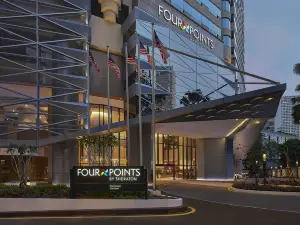
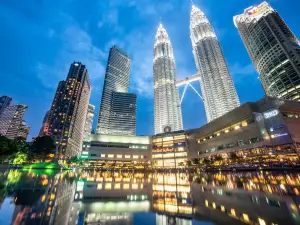
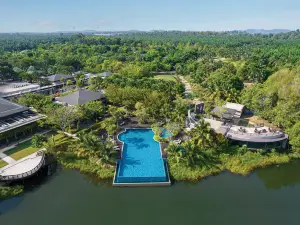
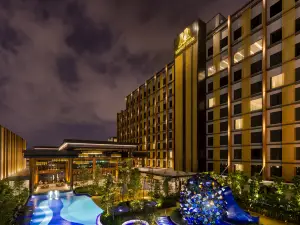
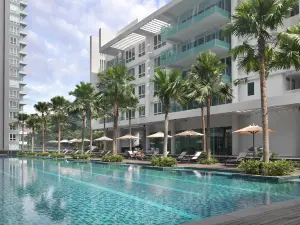
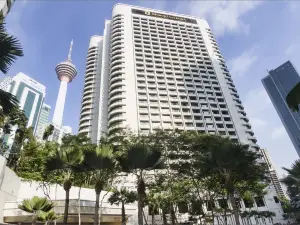
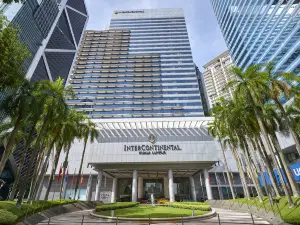
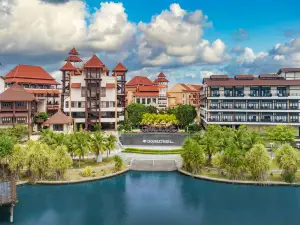
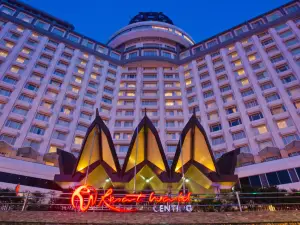
Popular Family-friendly Attractions Near Selangor
View more



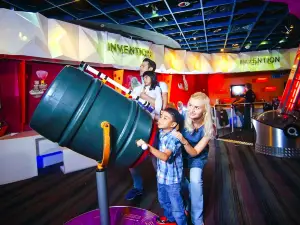
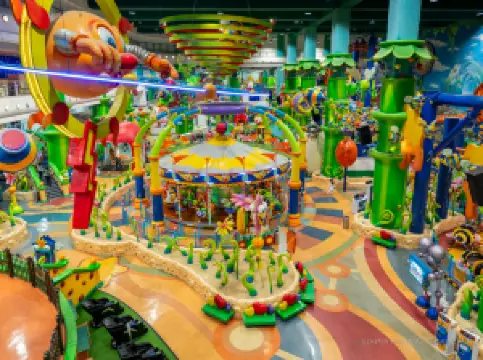


Popular Scenic Hotels Near Selangor
View more


Popular Cultural Hotels Near Selangor
View more
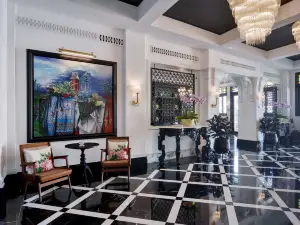
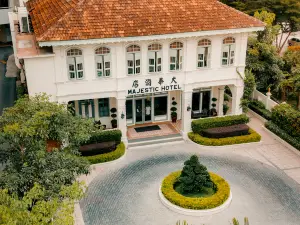
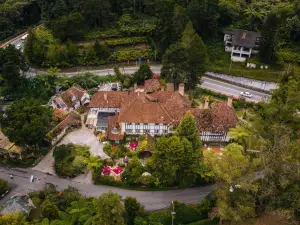
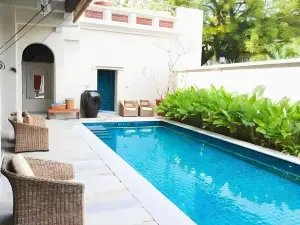
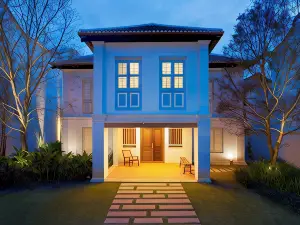
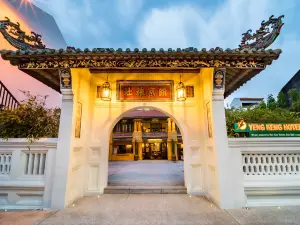
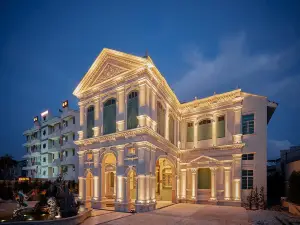
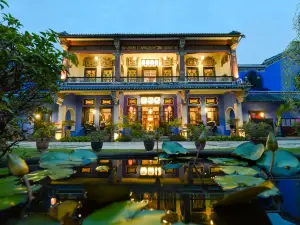
Popular Instagrammable Hotels Near Selangor
View more
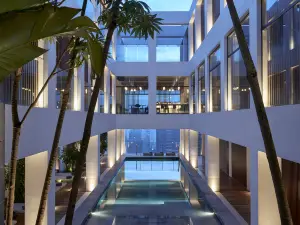
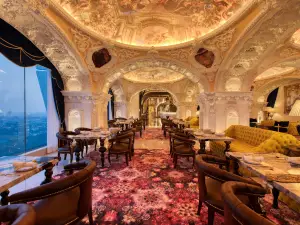
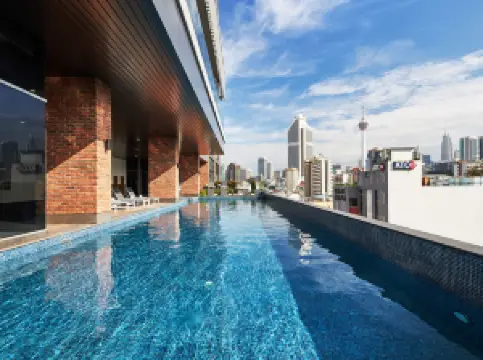
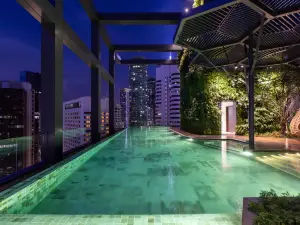
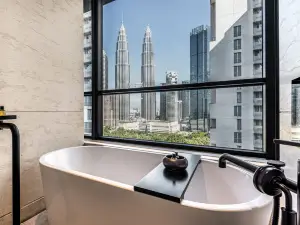
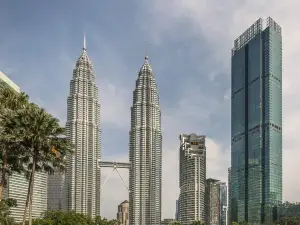
Popular Vacation Homes Near Selangor
View more
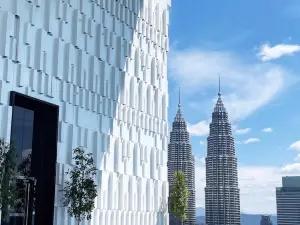
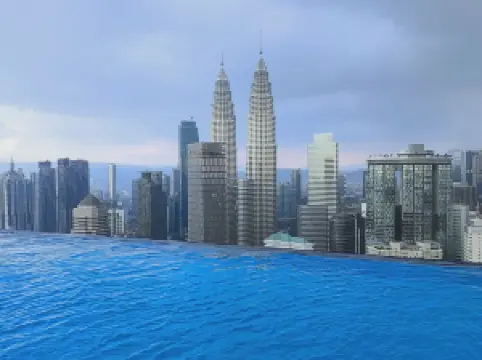
Popular Gourmet Hotels Near Selangor
View more
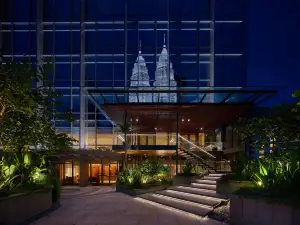
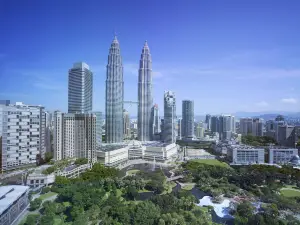
Popular Premium Hotels Near Selangor
View more


Popular 4-Star Select Hotels Near Selangor
View more

Other recommended cities
Kuala Lumpur
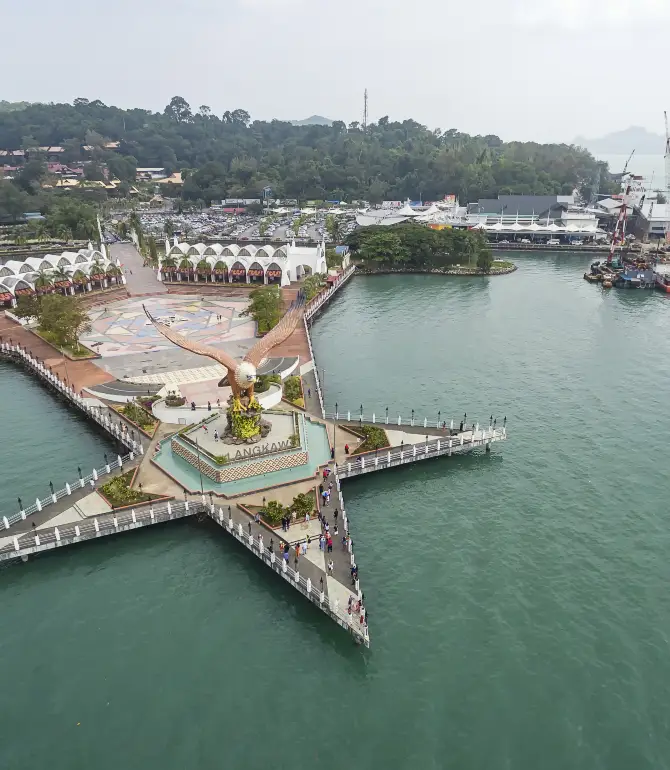
Langkawi
Kota Kinabalu
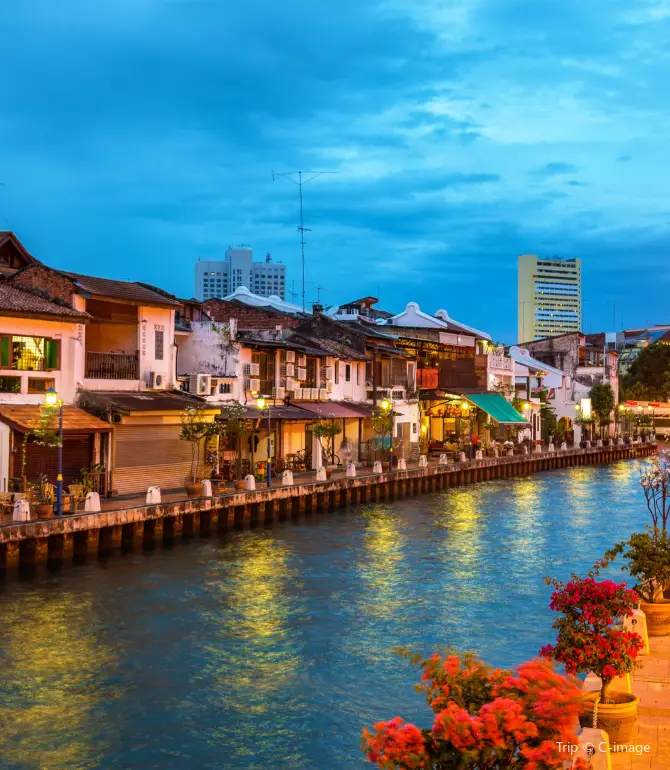
Melaka
Popular Types of Attractions in Selangor
Popular Attractions in Selangor
Petronas Twin Towers | Aquaria KLCC | Batu Caves | Putra Mosque | SplashMania WaterPark | PETRONAS Sepang International Circuit | Sunway Lagoon Theme Park | Petronas Twin Towers | Aquaria KLCC | Sunway Lagoon Theme Park | KidZania Kuala Lumpur | Petronas Twin Towers | (Official Jetty) Sky Mirror Kuala Selangor | Blue Tears Kuala Selangor | Malawati Hill | Sunway Lagoon Theme Park | Kuala Lumpur | BIGBANG 2026-2027 WORLD TOUR < XX : COSMOS > IN KUALA LUMPUR | Kuala Lumpur | BTS WORLD TOUR 'ARIRANG' IN KUALA LUMPUR | Sunway Lagoon Theme Park | Kuala Lumpur | BIGBANG 2026-2027 WORLD TOUR < XX : COSMOS > IN KUALA LUMPUR | Kuala Lumpur | BTS WORLD TOUR 'ARIRANG' IN KUALA LUMPUR | Sunway Lagoon Theme Park | Wet World Water Park Shah Alam | Sultan Salahuddin Abdul Aziz Shah Mosque | Putra Mosque | Sunway Lagoon Theme Park | Kuala Lumpur | BIGBANG 2026-2027 WORLD TOUR < XX : COSMOS > IN KUALA LUMPUR | Sunway Lagoon Theme Park | Putra Mosque | Petronas Twin Towers
Popular Ranked Lists
Top 50 Global Traveller-Picked Restaurants in Dongguan | Top 20 Global Traveller-Picked Hotels in Qingyuan | Top 50 Global Traveller-Picked Restaurants in Beijing | Top 20 Global Traveller-Picked Hotels in Yangshuo | Top 50 Global Traveller-Picked Restaurants in Huangshan City | Popular Global Traveller-Picked Attractions in Tai'an | Top 50 Global Traveller-Picked Hotels in Chongqing | Top 20 Global Traveller-Picked Hotels in Foshan | Top 10 Global Traveller-Picked Attractions in Anji | Top 50 Global Traveller-Picked Restaurants in Shenzhen | Top 20 Global Traveller-Picked Hotels in Qingdao | Top 10 Global Traveller-Picked Attractions in Jinan | Popular Luxury Hotels Near Wexford | Top 50 Global Traveller-Picked Hotels in Shenzhen | Top 50 Global Traveller-Picked Restaurants in Zhuhai | Top 20 Global Traveller-Picked Hotels in Fuzhou | Top 50 Global Traveller-Picked Attractions in Chongqing | Top 10 Global Traveller-Picked Attractions in Shangri-La | Top 50 Global Traveller-Picked Restaurants in Suzhou | Top 20 Global Traveller-Picked Hotels in Harbin | Top 50 Global Traveller-Picked Hotels in Shanghai | Top 20 Global Traveller-Picked Hotels in Lijiang | Top 20 Global Traveller-Picked Restaurants in Shangrao | Popular Luxury Hotels Near Adare | Top 50 Global Traveller-Picked Attractions in Chengdu | Top 20 Global Traveller-Picked Hotels in Xiamen | Top 50 Global Traveller-Picked Restaurants in Tianjin | Top 50 Global Traveller-Picked Restaurants in Wuhan | Top 20 Global Traveller-Picked Attractions in Huizhou | Popular Luxury Hotels Near Sandefjord
Popular Restaurants in Selangor
Village Park Restaurant | JIBRIL SS15 | Jibby & Co | Boran • Subang Jaya • Classic Thai Street Food | Bing Shifu Mini Bowl @ USJ Taipan, Subang | Lian Heng Pan Mee | Beef Bowl SS15 | The Burg - Awesome Burger Place | Restoran Gold Cowboys • Western Grill & Sizzling | Rich Kopitiam Sunway Pyramid | JingZhu Restaurant Pan Mee | Mad Bebek SS15 | Chitose Japanese Restaurant | Ryoshi Izakaya • Subang SS15 | Fish In Bowl Restaurant | SenSen spicy hot pot | Restoran Meng Kee @USJ | Happiness Banquet Restaurant | Le Food • Subang SS18 | OGA Tea & Dining | Fatty Crab Restaurant | The Red Beanbag | LAVO | Out of Africa Restaurant & Kudu Bar | Gordon Ramsay Bar & Grill Restaurant | Sunway City Kuala Lumpur | Dave's Bistro • Bar & Grill | Nando's KLIA Terminal 2 | Ante - 1 Utama Shopping Centre | Bistro a Table | Taj Kitchen
Popular Destinations
Athens County Travel | Saint-Priest-en-Jarez Travel | Hamilton Travel | Landstuhl Travel | HaArava Region Travel | Isola delle Femmine Travel | Baronissi Travel | Willoughby Travel | Chioggia Travel | Lake Geneva Travel | Toms River Travel | Khargone Travel | Saint Charles Travel | Menyuan Travel | Minneapolis Travel | Emboodhu Finolhu Travel | Bergamo Travel | Magnitogorsk Travel | Clayton County Travel | Naples Travel | Moline Travel | Parramatta Travel | Mount Vernon Travel | Washington Parish Travel | Closter Travel | Canton Travel | Pwllheli Travel
Recommended attractions at popular destinations
Popular Attractions in Bangkok | Popular Attractions in City of Manila | Popular Attractions in Tokyo | Popular Attractions in Taipei | Popular Attractions in Hong Kong | Popular Attractions in Seoul | Popular Attractions in Kuala Lumpur | Popular Attractions in Los Angeles | Popular Attractions in Shanghai | Popular Attractions in New York | Popular Attractions in Shenzhen | Popular Attractions in Osaka | Popular Attractions in Singapore | Popular Attractions in London | Popular Attractions in Guangzhou | Popular Attractions in San Francisco | Popular Attractions in Beijing | Popular Attractions in Macau | Popular Attractions in Bali | Popular Attractions in Jakarta | Popular Attractions in Paris | Popular Attractions in Ho Chi Minh City | Popular Attractions in Istanbul | Popular Attractions in Phuket | Popular Attractions in Chicago | Popular Attractions in Seattle | Popular Attractions in Toronto | Popular Attractions in Orlando | Popular Attractions in Cebu | Popular Attractions in Chiang Mai
Popular Trip Moments
RM92 FOR A 3-HOUR DINNER AT SKY SUITE AIRPORT LOUNGE, KLIA 1 – AN UNDERRATED AIRPORT GEM. | Little Journey Around Malaysia Villages | 🇲🇾 Malaysia in 7 Days: The Perfect Kuala Lumpur + Borneo Itinerary | Unmissable Thai Comfort Eats at Thai Grandma Canteen 🇹🇭🔥 | I’ll Always Choose Nature! | Kebun Atok, Hulu Langat Is My Little Escape ☕🏞️ | 🇲🇾 I've found another amazing place in KL! | The Ultimate Kampung Feast: Must-Try Comfort Food at Cafe Chef Wan! | NOT JUST A LOUNGE,BUT A HIDDEN GEM. Discover the Shower Room & Restrooms at Sky Suite Airport Lounge | 🇲🇾🇨🇳 Chengdu Jiuzhaigou Chongqing | 10 days 10 nights | F1: Singapore Grand Prix🔥 race guide | A Flavorful Local Discovery Journey at Café Chef Wan IOI City Mall | Sunway Lagoon (กัวลาลัมเปอร์) | The Spontaneous Escape: A Nature-Wrapped Sanctuary Right Outside the City | Sunway Resort Hotel – the perfect choice for family vacations, with endless fun right next to the amusement park! | City Break Vs. Nature Escape 🌿: The Perfect 24H Getaway at ASAI Gamuda & Paya Indah 🪷 | A Stroll Through the Alleys of Surat Thani: A Trip to Urban Temples Blended into Daily Life | Found a Must-Eat in Sunway Pyramid | Hutan Hutan Market Meets Nature! | Malaysia Travel [Sunway Resort Hotel] | Pokok Sunway Terrace | Aesthetic Café & Bakery in Sunway, PJ 🌿☕ | Photo vs. Reality: The 24 sq m King Comfy Room Of ASAI Gamuda Cove | Explore Malaysia in 6 days for 4k per person | 🇲🇾🇯🇵 15 Years. Still My Go-To Yakitori | Giant Kopi Cup - A reminder that Klang is more than Bak Kut Teh | rimba rainforest walk | Malaysia in 2 Days & 1 Night: The Ultimate Getaway! | Klang 3 Iconic Landmarks in Less than 15 mins Walk | Terry Pong Restaurant, Hulu Langat | A Must-Try Malay-Thai Food Gem! 🍛 | Congkak Park & Resort - Underrated Riverside Camping Paradise! 🏕️💦