Seoul Travel Guide 2026: Top Attractions, Things to do & Itinerary | Trip.com | July 2026
About Seoul
Recommended trip: 3–5 day(s)
Recommended trip: 3–5 day(s)Current weather conditions
 31°C
31°CSeoul Local Experiences Map






Trending in Seoul
Seoul Local Travel Guide 2026
Seoul Brief Guide
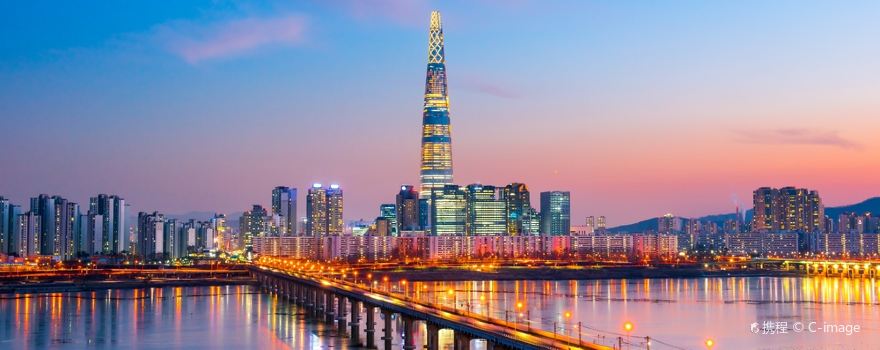
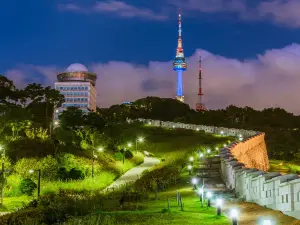
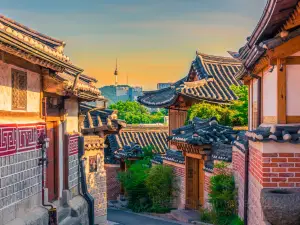
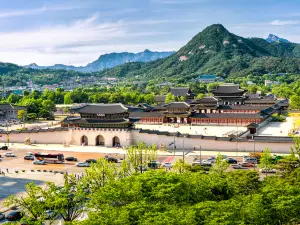
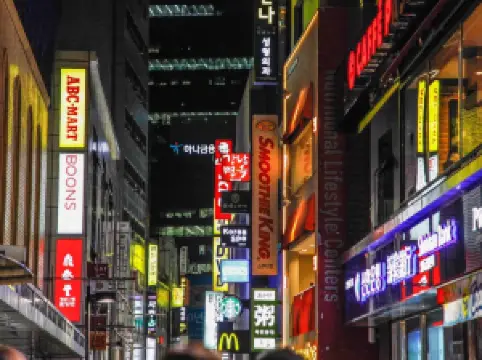
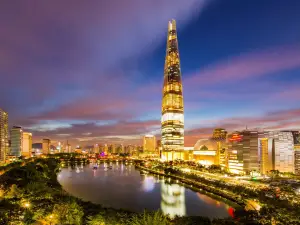
Seoul is the capital city of South Korea. The temples and palaces of this city tell a long and storied history. The magnificent natural landscape and modern skyscrapers merge together to form a city that is both young and cultured. Gyeongbokgung and Changdeokgung Palaces are ancient palaces, while Bukchon Hanok Village and Namsangol Hanok Village are well-preserved traditional Korean villages. Seoul is a shopping paradise. In Myeong-dong, Dongdaemun Market, Sinsa-dong, and Samcheong-dong, you can find all kinds of cutting-edge fashions, including clothing, jewelry, and make-up. Once night falls, Seoul is even more magnificent. Climb atop the YTN Seoul Tower to feast your eyes on the city's glittering nightscape. The Han River is the background of many beloved Korean soap operas. Seoul's delicious food is not to be missed. Bibimbap, kimchi, and Samgyetang (Korean ginseng chicken soup) are all delicious in their own right.
Seoul Must-try local experiences
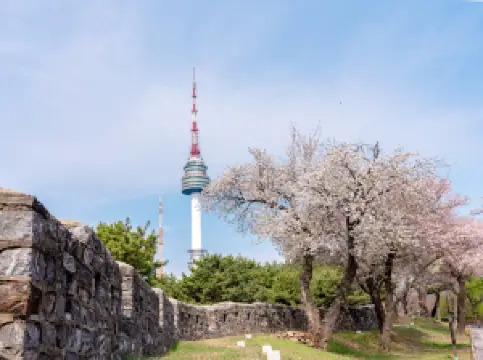
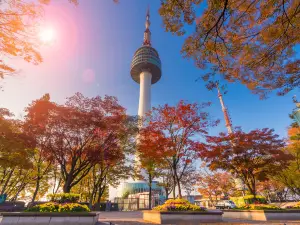
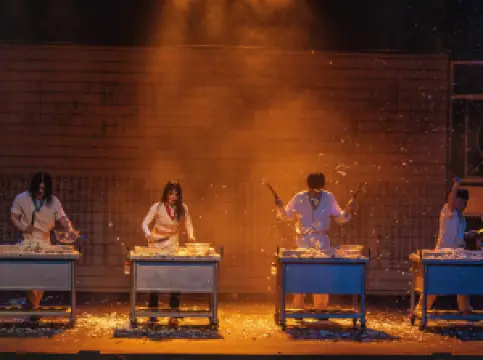
1. Experience Seoul's Historic Grandeur Journey through time at Seoul's magnificent palaces: Gyeongbokgung Palace, the largest of all five palaces; Changdeokgung, a UNESCO World Heritage site with its serene Secret Garden. Don't miss the changing of the guard ceremony at Gyeongbokgung Palace for a glimpse into Korea's royal past. 2. Discover Seoul from Above Ascend the iconic N Seoul Tower for breathtaking panoramic views of the city skyline and surrounding mountains. Enjoy a romantic dinner at the revolving restaurant or secure a love lock for a lasting memory. 3. Explore the Charms of Bukchon Hanok Village Wander through the enchanting alleyways of Bukchon Hanok Village, a beautifully preserved traditional Korean village. Admire the hanoks, traditional Korean houses, and immerse yourself in the atmosphere of old Seoul. 4. Shop and Trend-Watch in Myeong-dong and Heunginjimun Dive into the vibrant heart of Seoul's fashion and beauty scene at Myeong-dong. This bustling district is a shopper's paradise, offering everything from trendy K-beauty products and local fashion to delicious street food. Heunginjimun provides a perfect combination of traditional markets and modern shopping centers, making it an ideal place to enjoy shopping therapy. 5. Watch a Nanta Performance Enjoy a Nanta performance, a non-verbal comedy show that combines traditional Korean rhythms with modern beats. It's a fun and energetic way to experience Korean culture. 6. Try Hanbok Wearing Rent and wear a hanbok, traditional Korean clothing, and take a stroll around historical sites like Gyeongbokgung Palace or Bukchon Hanok Village. It's a unique way to immerse yourself in Korean culture. 7. Enjoy the Cherry Blossom Festival Visit Seoul in spring to witness the Cherry Blossom Festival, where the city is adorned with beautiful cherry blossoms. Popular spots include Yeouido Park and Namsan Park. 8. Savor the Flavors of Seoul Indulge in a culinary adventure through Seoul's diverse food scene. Experience the communal dining culture with Korean barbecue, and explore the street food stalls for a taste of tteokbokki and other Seoul-specific delicacies. 9. Unwind in a Jimjilbang Experience the ultimate Korean relaxation ritual at a jimjilbang, a traditional Korean bathhouse. Unwind in hot baths, saunas, and massage rooms, and enjoy a unique cultural experience. 10. Explore the Cheonggyecheon Stream Walk along the Cheonggyecheon Stream, a restored urban waterway that runs through downtown Seoul. It's a peaceful escape from the city's hustle and a great spot for a leisurely stroll.
Seoul Must-see Attractions
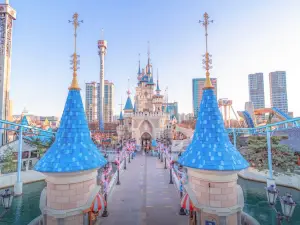
Seoul is a dynamic South Korean capital with historical and modern attractions, including the panoramic N Seoul Tower, the thrilling Everland theme park, the bustling shopping district of Myeong-dong, the culturally rich Gyeongbokgung Palace, and the traditional Bukchon Hanok Village.
Seoul Food Guide
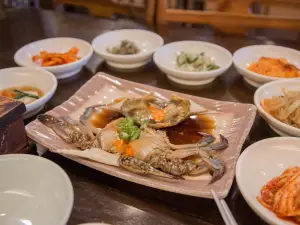
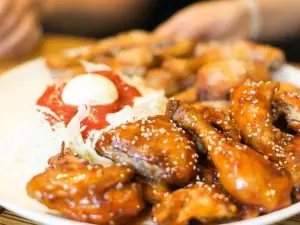
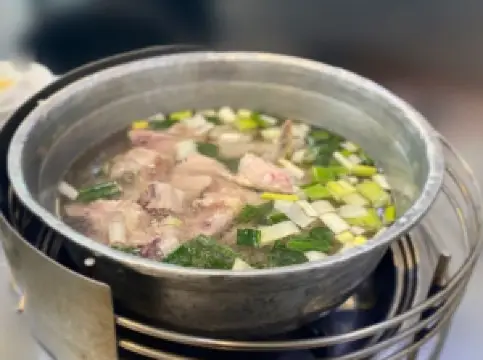
Seoul's food scene offers a rich tapestry of flavors and cultural experiences, from the communal grilling of 'samgyeopsal' at Korean BBQs and the revitalizing 'samgye-tang' soup, to the diverse tastes of 'bibimbap', the crunch of Korean fried chicken, and the historical comfort of 'budae jjigae' stew.
Seoul Transportation
Seoul, a major Asian hub, is well-connected internationally and domestically. By Air Incheon International Airport (ICN): Seoul’s primary gateway, approximately 50 km (31 miles) west of the city, serving global airlines and budget carriers. It’s one of Asia’s busiest airports, handling flights from Europe, North America, and Asia. AREX Express Train The fastest option to Seoul Station, with non-stop service. All-stop trains are cheaper, stopping at Hongdae and Gimpo. Book via KANSAI MaaS or at ICN terminals. Airport Limousine Buses Comfortable buses to major areas like Myeongdong, Gangnam, or Hongdae. Tickets start at ₩17,000 KRW and are available at ICN counters or online. Pay with a T-Money card, cash, or most credit and debit cards. Taxis Standard taxis to central Seoul cost ₩60,000-80,000 depending on traffic conditions; deluxe (black) or international taxis (English-speaking) are pricier. Use Kakao T for bookings. Ideal for groups or late arrivals. Gimpo International Airport (GMP): Closer to central Seoul, approximately 16 km (10 miles), mainly for domestic flights and select regional routes (e.g., Tokyo, Shanghai). AREX Train Connects directly to Seoul Station or Hongdae. Metro Line 5 or 9 to the city center; pay using a T-money card. Buses Airport buses reach central areas like Myeongdong or Gangnam. Taxis A taxi costs approximately ₩26,000-₩49,000 depending on traffic and the exact destination in the city. By Train KTX (Korea Train Express): High-speed rail connects Seoul Station or Suseo (SRT) to cities like Busan, Daegu, or Gwangju. The Korail Pass (KR Pass) is a travel pass that allows unlimited train travel on most KORAIL (Korea Railroad) trains within South Korea. It's a convenient and cost-effective way to travel. By Bus Express buses from Busan or Jeonju arrive at Seoul Express Bus Terminal (Gangnam) or Nambu Terminal. Book via Trip or the KOBUS apps. Budget-friendly but slower than KTX. By Ferry International ferries from China and Japan arrive at Incheon Port, approximately 40 km (25 miles) from Seoul. Book via Ferry Korea.
Seoul Where to Stay
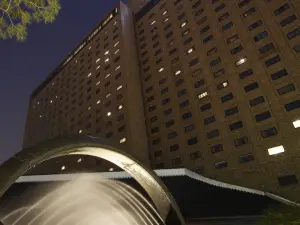
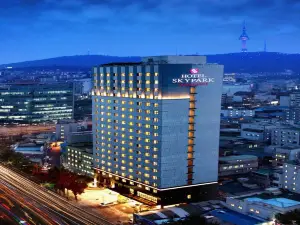
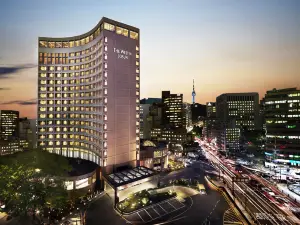
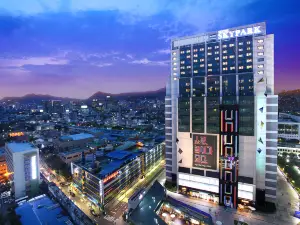
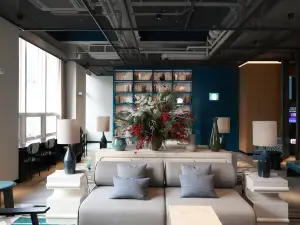
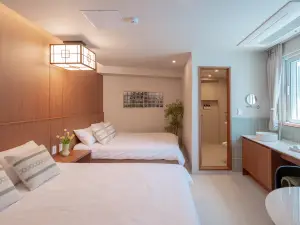
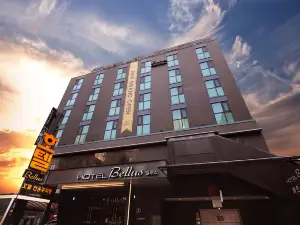
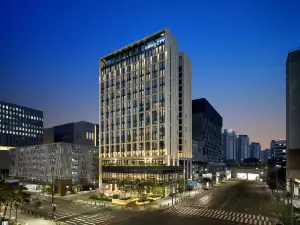
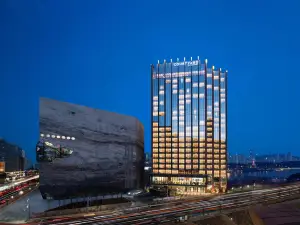
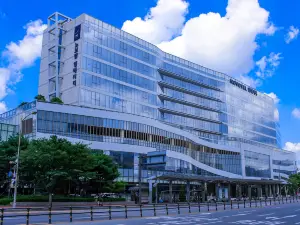
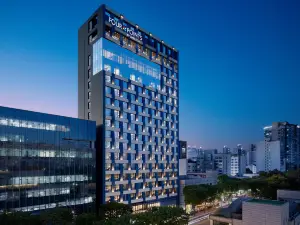
Seoul is a city with a diverse array of accommodation options, catering to the needs of every traveler. The city's hotels are spread across various districts, each offering unique experiences and amenities. From the bustling shopping districts to the trendy cultural hubs, Seoul's accommodation scene is as vibrant and dynamic as the city itself.
Seoul Best Time to Visit
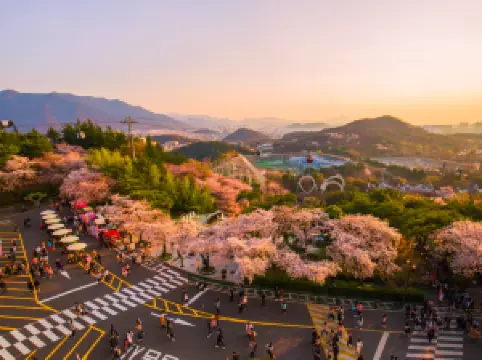
Seoul’s four distinct seasons offer unique experiences, with weather and events shaping the ideal time to visit. Spring and autumn offer the best balance of weather and cultural vibrancy, ideal for sightseeing and photography. Spring (March-May): Ideal for its mild weather (10-20°C) and cherry blossom viewings (early April) in Yeouido Park and Seoul Forest. Perfect for outdoor exploration, like palace tours or Han River picnics. Crowds peak during blossom season; book accommodations 3-4 months ahead. Summer (June-August): Hot and humid (25-35°C) with monsoon rains (July-early August), best for indoor attractions or museums. Festivals like Seoul Water Gun Festival (July) and Seoul Fringe Festival (August) draw crowds. Autumn (September-November): Prime season with cool, crisp weather (10-25°C) and vibrant fall foliage at Bukhansan National Park and Namsan Mountain. Less crowded than spring, making it ideal for hiking and cultural events like the Seoul Lantern Festival (starting first Friday of November) or Chuseok (September). Winter (December-February): Cold (-5 to 10°C) with occasional snow, perfect for festive lights at City Hall, ice skating at Seoul Plaza, or cozy jjimjilbangs. Fewer tourists and lower hotel rates (except during Seollal, late January/February). Bundle up for outdoor sites like Gyeongbokgung.
Seoul Travel Tips
1. Plan Your Visit to Seoul's Palaces: Most royal palaces in Seoul, such as the Changdeokgung is closed on Mondays, while Gyeongbokgung Palace is closed on Tuesdays. Plan your itinerary accordingly to avoid disappointment. Gyeongbokgung Palace offers free guided tours and hosts the Royal Guard Changing Ceremony, making it a must-visit. 2. Book in Advance: To avoid long waiting times and ensure entry, booking tickets for Namsan Seoul Tower in advance is recommended, especially during peak tourist seasons. Booking online can also save you money and time. For a Han River cruise, it is advisable to make reservations ahead of time to secure your spot and avoid last-minute hassles. You can book online through websites like E-land Cruise or at the dock. Popular options include sightseeing, dinner buffet, and fireworks cruises, departing from Yeouido Dock. 3. Remove Shoes Indoors: It is customary to remove your shoes when entering someone's home or traditional accommodations like hanoks. Be prepared to follow this practice. 4. Beware of Taxi Scams: While most Seoul taxis are reliable, some may try to overcharge tourists. Always ensure the meter is running and have your destination written in Korean to avoid misunderstandings. Avoid illegal taxis without meters and be cautious of drivers taking longer routes. Use trusted services like Uber or rideshare apps to ensure safety. 5. Strict Public Smoking Laws: Smoking is prohibited in most public places, including streets, parks, bus stops, and city plazas. Designated smoking areas are available around the city and at major transportation hubs. Always check for signs to avoid fines. 6. No Littering: Seoul has strict anti-littering laws. Dispose of your trash properly in designated bins to avoid fines and keep the city clean. Note that public trash bins are scarce, so be prepared to carry your trash until you find one.
Seoul Useful Guide
Korean is the official language, using the Hangul alphabet. Seoul’s dialect is standard, widely understood across South Korea. English Usage: English is prevalent in tourist areas like Myeongdong, Gangnam, and Hongdae, with signage, menus, and guides in English at major attraction. Younger locals and staff in tourist hubs often speak basic-to-fluent English, but proficiency drops in less touristy areas. Basic Korean phrases like “Annyeonghaseyo” (Hello) or “Gamsahamnida” (Thank you) enhance interactions and are appreciated. Apps like Papago or Google Translate are essential for navigating smaller restaurants or local interactions.
Trip.Best: Seoul

Things to do in Seoul
What to do

Where to stay
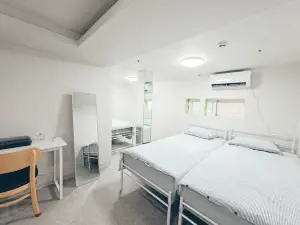
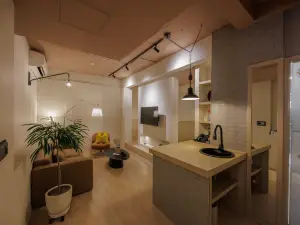
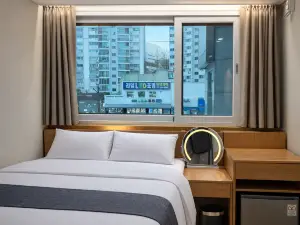
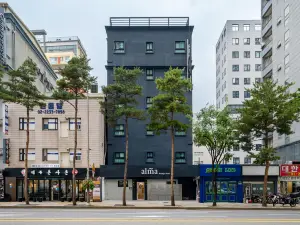

What to eat
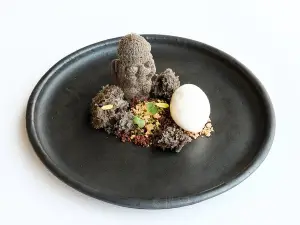
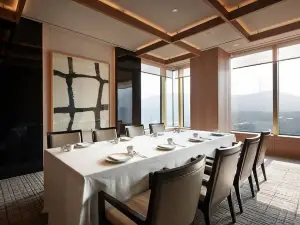
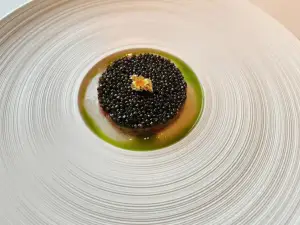
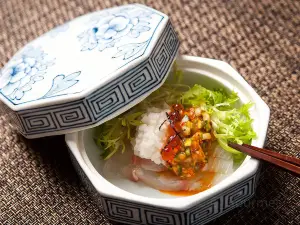
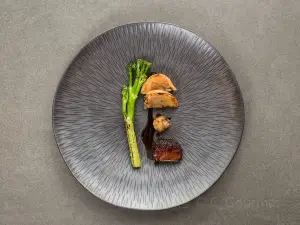

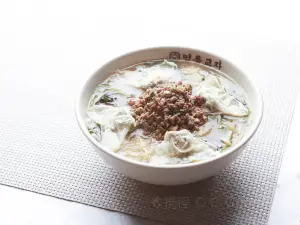
Seoul Moments: Through Travelers' Eyes
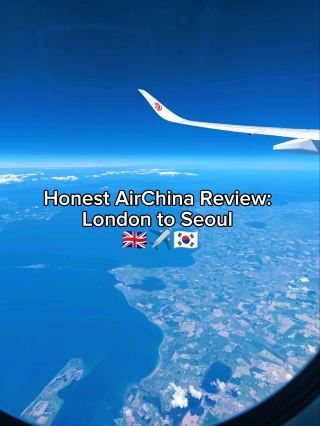
Why You Should Choose AirChina For Your Next Trip

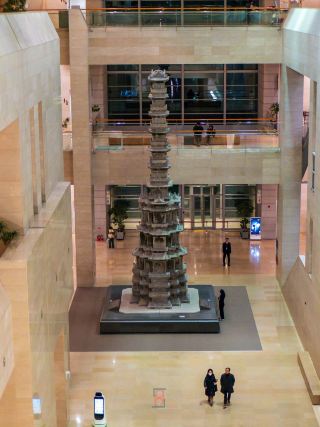
Must-see in Seoul | National Museum of Korea


🇰🇷 Korea beauty and shopping can easily become the whole trip if you do not set a plan.

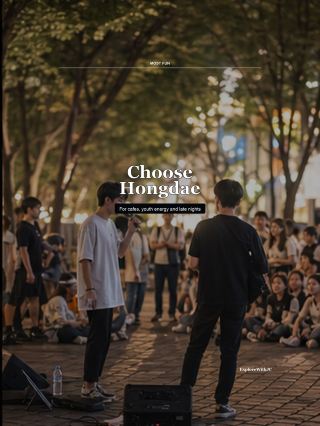
🇰🇷 Myeongdong, Hongdae and Gangnam are all popular, but they solve different travel problems.
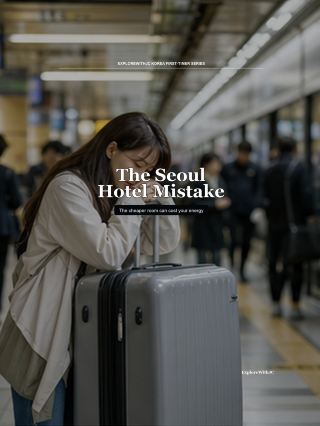
🇰🇷 The biggest Seoul hotel mistake is not always booking a bad hotel.
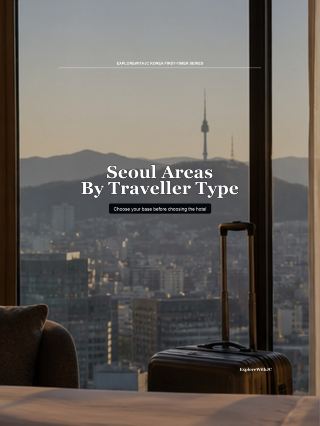
🇰🇷 Seoul is not a city where I would book the hotel first and plan the days later.
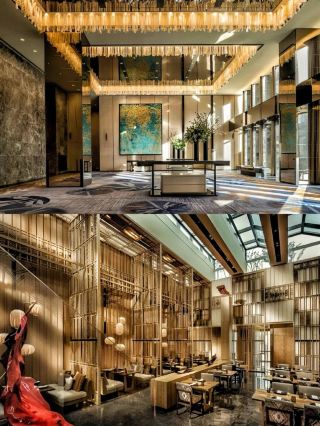
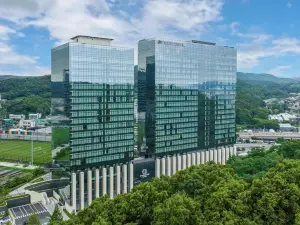
The Four Seasons Hotel Seoul is a secluded haven that perfectly blends Korean elegance with contemporary luxury

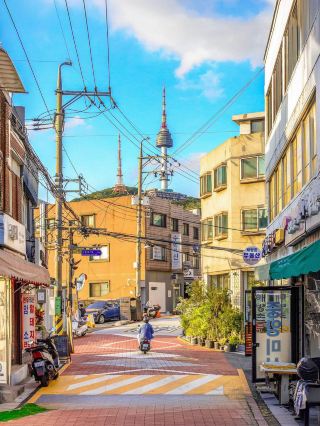
🌇☕ Haebangchon Is the Seoul Neighborhood Everyone Overlooks

Seoul: FAQ

What's the most popular attractions in Seoul?

How to get to Incheon from Seoul?
How to get to Seoul from Jeju Island?
Best selfie spot in Seoul?
What is the best season to visit Seoul?
What's the best food in Seoul?
Best of Seoul
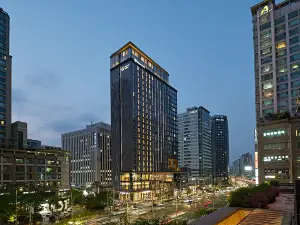
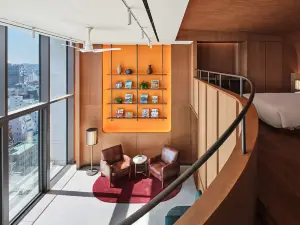
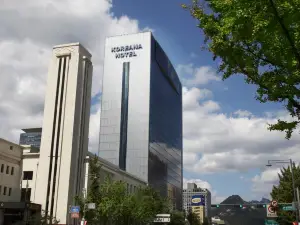
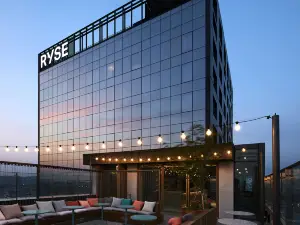
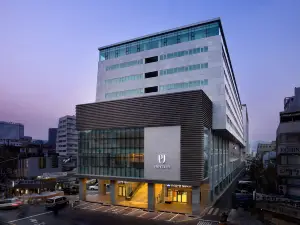
Top 20 Premium Hotels in Seoul
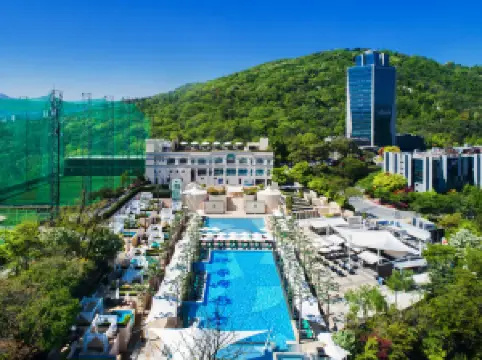
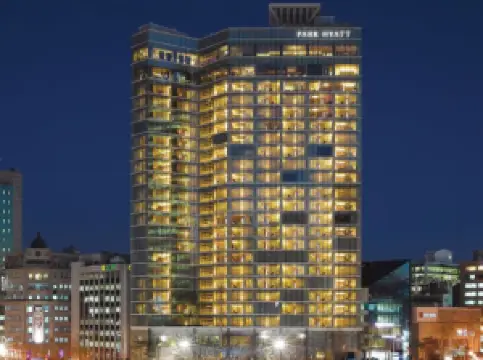
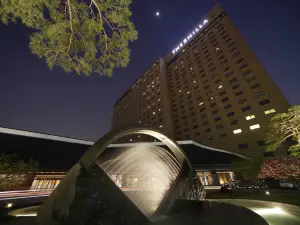
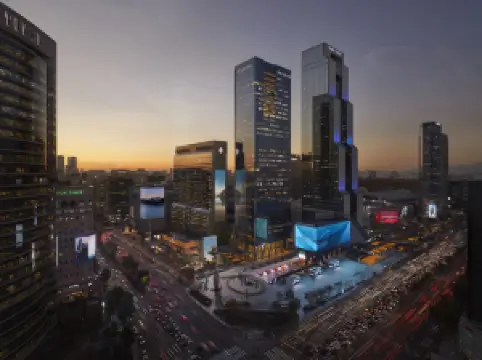
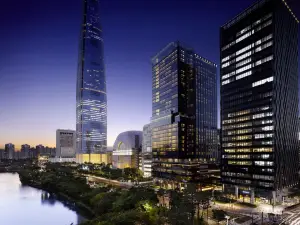
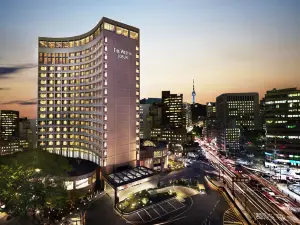
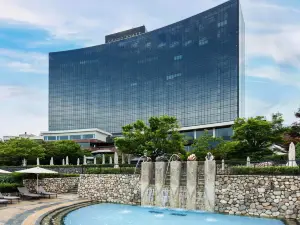
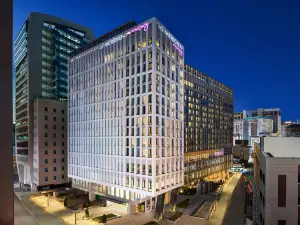
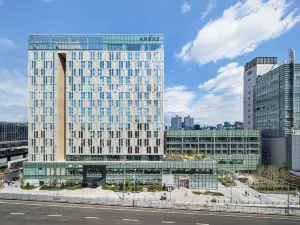
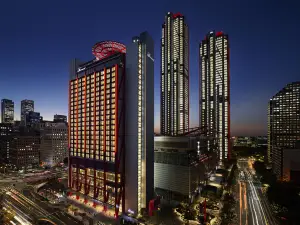
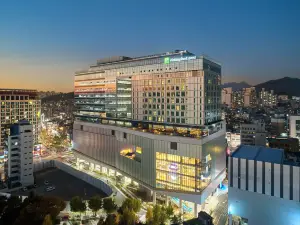
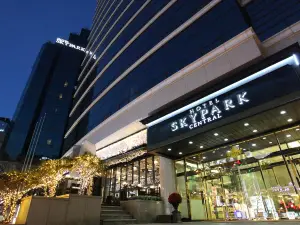
Top 20 4-Star Select Hotels in Seoul
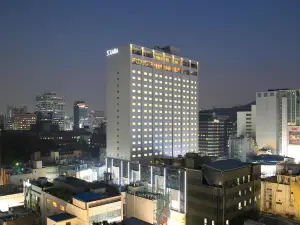
Popular Best Things to Do Near Seoul
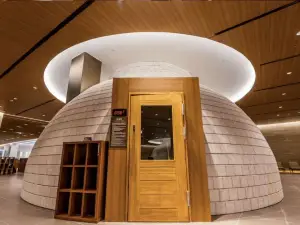

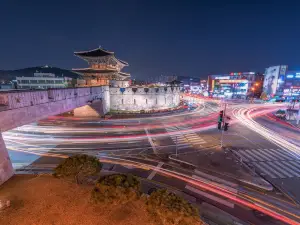
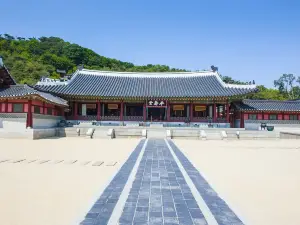
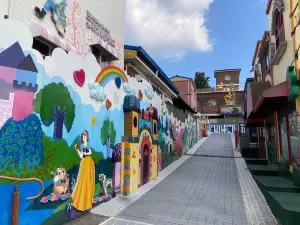
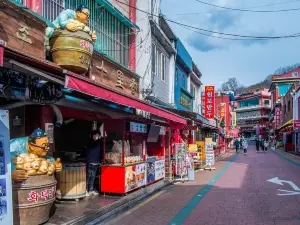
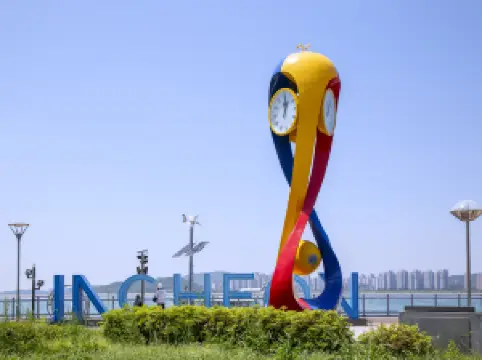
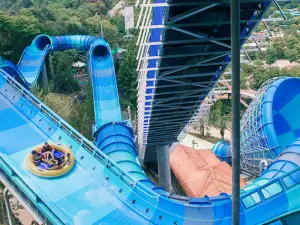
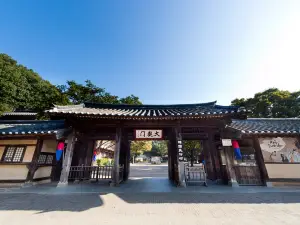
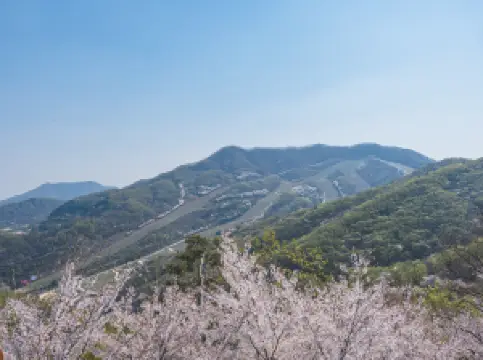
Popular Family-friendly Attractions Near Seoul
Popular Premium Hotels Near Seoul
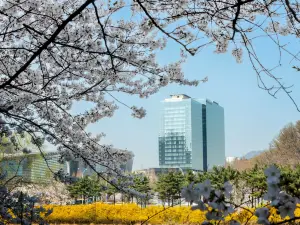
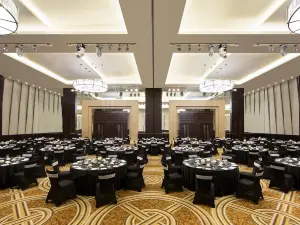
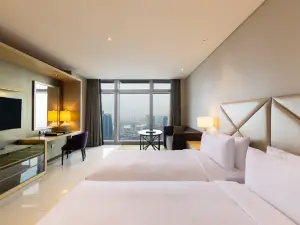
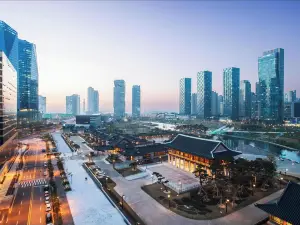
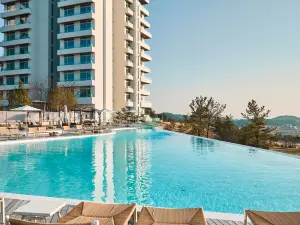
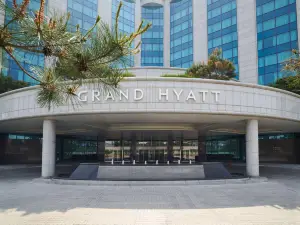
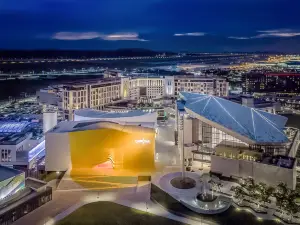

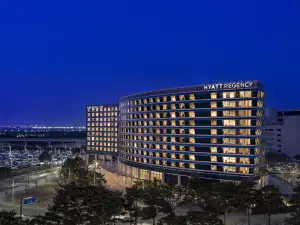


Popular Scenic Hotels Near Seoul
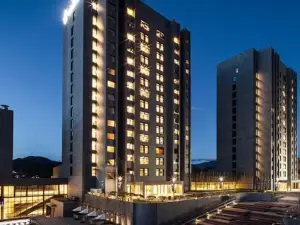
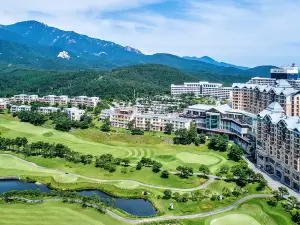
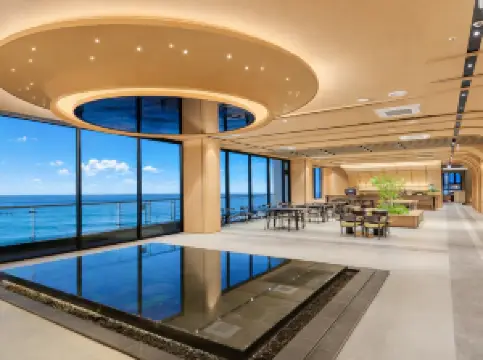

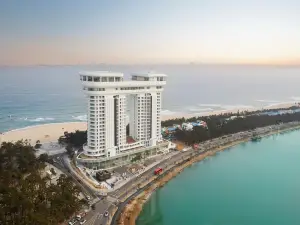
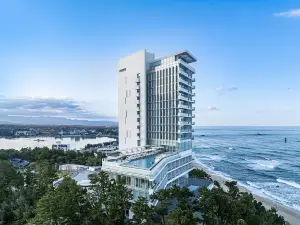

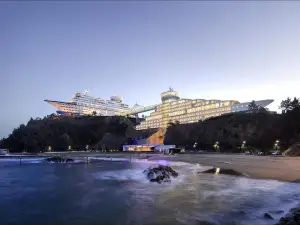
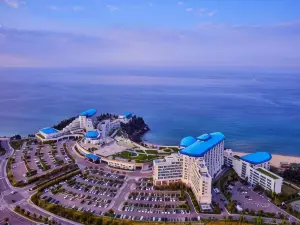
Popular Ski Hotels Near Seoul
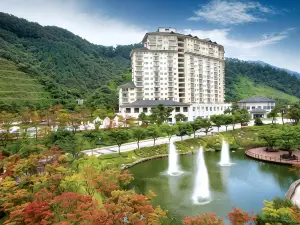


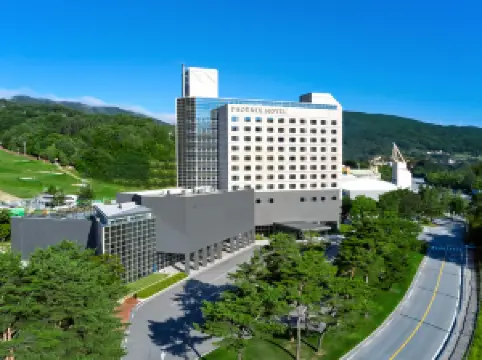
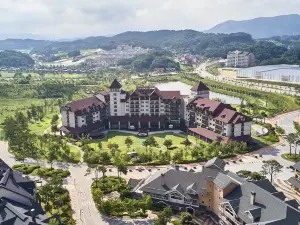
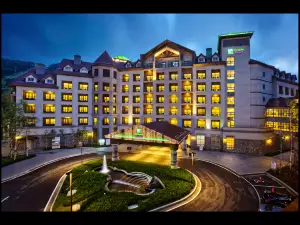
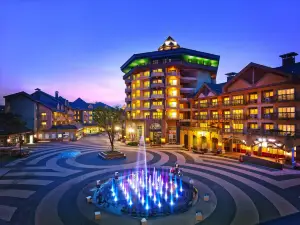
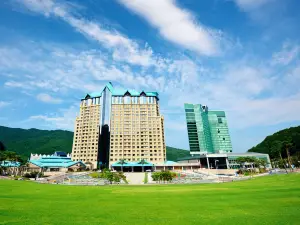
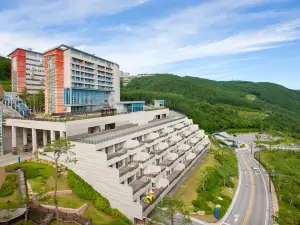
Popular 4-Star Select Hotels Near Seoul
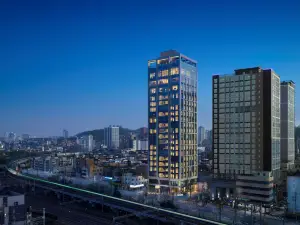
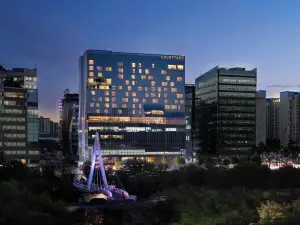
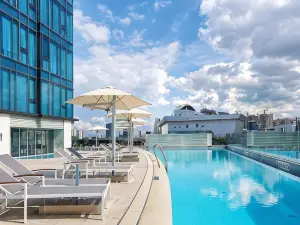

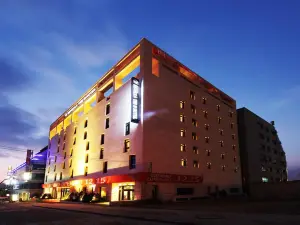
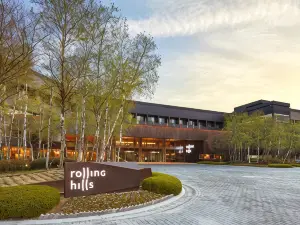
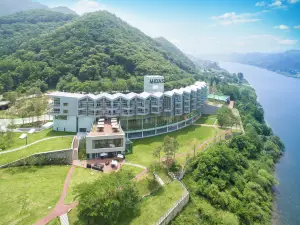
Other recommended cities
Busan
Incheon
Seogwipo