

Yanji Travel Guide 2026: Top Attractions, Local Food & Travel Tips | Trip.com
About Yanji
Recommended trip: 2–4 day(s)
Recommended trip: 2–4 day(s)Current weather conditions
 3°C
Yanji Local Experiences Map










Trending in Yanji
Yanji Local Travel Guide 2026
Yanji Brief Guide
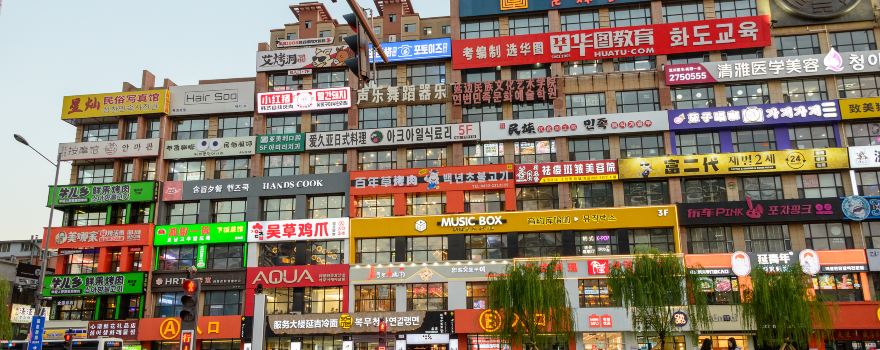
Yanji was named one of the "China's Excellent Tourism City" by the National Tourism Administration. It has beautiful natural scenery, rich Korean culture, the majestic Changbai Mountain in the south and the summer resort Jingpo Lake in the north. Attractions in Yanji include the Mao'er Mountain National Forest Park, the Mengdumei Folk Tourism Resort, and the Chunxing Ancient Village.
Yanji Must-try local experiences
1. Explore the Charms of Yanji's Landmarks Visit Mao'er Mountain for stunning natural scenery and hiking. Explore Yanji Park for social gatherings and traditional performances. Learn about local history at the Yanbian Korean Autonomous Prefecture Museum. 2. Explore Changbai Mountain Discover Changbai Mountain's Tianchi Lake, hot springs, and diverse flora and fauna. Enjoy hiking, bird watching, and breathtaking views. 3. Experience the Yanji Korean Folk Village Explore traditional Korean architecture, customs, and daily life. Watch cultural performances and try on traditional Korean clothing. 4. Visit the Yanji Night Market Experience local nightlife and culinary delights at the bustling Yanji Night Market, offering a variety of snacks and souvenirs. 5. Shop at the Yanji Korean Goods Market Find a wide range of Korean products, from traditional clothing to food and cosmetics, perfect for unique souvenirs and gifts. 6. Capture the Beauty of Mao'er Mountain Hike Mao'er Mountain for panoramic views of Yanji and capture stunning photos of the landscapes and iconic statue. 7. Photograph the Yanji Cityscape from Mao'er Mountain Mao'er Mountain offers a panoramic view of Yanji city, ideal for capturing the skyline during sunrise or sunset. 8. Take a Scenic Train Ride to Tume Enjoy picturesque views of the countryside and Tumen River on a relaxing train ride from Yanji to Tumen.
Yanji Must-see Attractions
Yanji, a cultural and educational hub in Jilin province, offers diverse attractions including the Yanji Dinosaur Kingdom with its immersive fossil exhibits and the Korean Folk Village that provides a deep dive into traditional Korean life and heritage, complemented by the natural and cultural richness of Mao'er Mountain National Forest Park. Yanji Dinosaur Museum highlights two main exhibition halls: "Dinosaur Planet" and "Longxing Yanji". "Dinosaur Planet" provides an immersive experience into dinosaur life across different continents, while "Longxing Yanji" details the paleontological findings from Yanji's Longshan area, focusing on the research and lifestyles of ancient creatures. The museum stands out as a center for fossil collection and education in Jilin province. Nestled near Mao’er Mountain, the Korean Folk Village in Yanji serves as a vibrant center for cultural immersion into traditional Korean life. It allows visitors to don historically accurate Korean attire, engaging deeply with the culture through dressed-up experiences, complete with professional photographs. Various zones within the village present an authentic look at traditional crafts, education, and folk experiences, designed and managed with insights from South Korean experts. Seasonal cultural activities further enrich visitor experiences, highlighting traditional Korean dances and the distinctive atmosphere of the village. Mao'er Mountain National Forest Park in Yanji is distinguished by its natural biodiversity and rich Korean cultural elements. The landscape features Mao'er Mountain's distinctive peak surrounded by diverse vegetation and wildlife, including hares, snakes, and pheasants. The park also offers mountaineering and an insight into Korean traditions through its Ethnic Culture Garden, making it a unique blend of natural and cultural tourism.
Yanji Food Guide
Yanji's cuisine showcases the traditional tastes of the Korean ethnic group. The menu features distinctive, chewy cold noodles, flavorful stone pot mixed rice steeped in tradition, nourishing ginseng chicken soup, and the delightful spice of kimchi. Each dish offers a memorable flavor experience. Yanji's cold noodles are celebrated for their distinctive taste and texture. These delightfully springy noodles come topped with crisp cucumbers, eggs, and spicy kimchi, all swimming in a sweet and tangy broth. They are a perfect way to cool down and treat your taste buds, especially on a sweltering summer day. Stone pot mixed rice is another culinary highlight from Yanji, typically prepared in an iron pot packed with assorted vegetables and meats, all mixed with a unique spicy sauce. The dish features a delightful crunch from the crispy rice crust formed at the bottom, offering a deeply flavorful traditional Korean experience. The ginseng chicken soup from Yanji is packed with a variety of medicinal herbs and sticky rice, making it a nourishing and tasty dish. Renowned for its deep flavor and nutritional value, this soup is a beloved traditional staple in Yanji. As a popular pickled delicacy in Yanji, kimichi, spicy pickled cabbage, is loved by many for its unique fermented texture and spicy taste. It commonly serves as a side dish in various meals, enhancing the flavor and richness of the food.
Yanji Transportation
Yanji's transportation infrastructure is centered around its airport, providing essential connectivity for both domestic and international travel. Yanji Chaoyangchuan International Airport (IATA: YNJ) is the primary airport serving Yanji, located approximately 10 km from the city center. Opened in 1985, it has become a hub for several airlines, offering flights to various destinations including Beijing, Seoul, and Shanghai. To reach the city from the airport, passengers can take one of the four municipal bus lines available just outside the Domestic Arrivals Hall, with a fare of CNY 1 per ride, or opt for a taxi at the arrivals pick-up point. While Yanji does not have a passenger port, it is well-connected by road to nearby cities and regions. The airport's proximity to the highway facilitates easy access to Hunchun, Tumen, Wangqing, and other places, with a driving time of about 12 minutes to downtown Yanji. The airport itself is equipped with an integrated terminal building, offering facilities such as dining, shopping, and lounges for both domestic and international travelers. In Yanji, local transportation primarily consists of buses and taxis, offering residents and visitors efficient and affordable ways to navigate the city. Buses in Yanji are a popular mode of transportation, with information and schedules available in both Chinese and Korean, reflecting the city's cultural blend. Most bus lines operate with flat fares of ¥1 or ¥2, making them an economical choice for getting around. The city's bus system is complemented by several municipal bus lines that connect Chaoyangchuan International Airport to various parts of Yanji, ensuring convenient access for travelers. Taxis are also readily available in Yanji, with starting fares at ¥5. They provide a convenient option for those looking for direct and flexible travel within the city. Taxi drivers in Yanji are typically bilingual in Mandarin and Korean, which can be particularly helpful for Korean-speaking visitors. For those arriving at Chaoyangchuan International Airport, besides buses and taxis, self-driving is an option, with the airport located near the highway for easy access to the downtown area and surrounding regions.
Yanji Where to Stay
This city's accommodation is distinguished into specific areas, each characterized by unique features related to regional culture, key attractions, and accessibility. The primary accommodations are found around Yanbian University, Korean Folk Village, and Changbai Mountain, providing a range of options from cultural immersion to scenic enjoyment. Accommodations around Yanbian University in Yanji benefit from the area’s educational and cultural ecosystem. This region is a hub for students and educational pursuits, offering affordable and convenient lodging options. Its proximity to major transportation links like Yanji Chaoyangchuan International Airport and Yanji Railway Station enables easy access for travelers. The area is also enriched with Korean ethnic culture, providing a bilingual atmosphere that epitomizes the blend of Korean and Chinese influences prevalent in Yanji. Visitors can enjoy local cuisines and engage in the vibrant academic community. The Korean Folk Village area is an essential cultural zone in Yanji, where visitors immerse themselves in traditional Korean lifestyle and customs. Accommodations here are tailored to enhance the cultural experience, with options to participate in traditional Korean activities like dance performances and handicraft sessions. The village’s recreation of traditional Korean settings and the availability of traditional Korean attire for dress-up provide a unique, picturesque stay for tourists looking for a deep cultural dive. The region’s serene and authentically styled environment complements the cultural journey.
Yanji Best Time to Visit
The best time to visit Yanji is in January and May. January offers a unique winter experience with cold but manageable temperatures averaging -8°C, ideal for those who enjoy chilly weather and winter activities. In contrast, May provides pleasant conditions conducive for exploration and enjoying local sites without the extreme cold or heat.
Yanji Useful Guide
Yanji, located in Yanbian Korean Autonomous Prefecture, predominantly speaks the Hamgyong dialect of Korean, with many residents bilingual in Mandarin and Korean. Official signs display both Chinese characters and Korean hangul. Given the multilingual population, visitors are advised to use language apps or rely on bilingual locals for translation assistance. For smoother communication, utilizing gestures and written addresses can be helpful, especially for taxi rides. WeChat: Essential for communication and transactions in China, offering messaging, social media, and mobile payment functions. Alipay: Widely used for cashless payments in China, providing convenient services like public transportation payments and ride-hailing integrations. Didi Chuxing: The leading ride-hailing app in China which can be used through an integration with Alipay for those without a local number. Baidu Maps: The most reliable map service in China, with features exceeding Google Maps in terms of local accuracy and utility. MetroMan: Helpful for navigation within metropolitan subway systems, offering route planning and cost calculations. Trip.com: A popular online travel platform that provides a comprehensive range of services including booking flights. Mobile data packages for travelers in China are available through local carriers such as China Mobile and China Unicom. China Mobile offers prepaid data SIM cards with unlimited text messages and calls within China, and high-speed connections, sometimes even 5G. China Unicom provides SIM cards with data packs that include unlimited music applications, and both do not require long-term contracts. Prices for eSIMs with unlimited data start at just $6 for China. Public WiFi in China is widely available in places like airports, restaurants, coffee shops, and malls. However, connecting to these networks often requires a Chinese phone number for text verification, which can be a challenge for travelers without a local SIM card. Global WiFi devices like Skyroam can be a convenient alternative, offering the ability to connect multiple devices and requiring no additional setup upon arrival in China. Yanji experiences a humid continental climate with severe, dry winters and warm summers. The annual mean temperature is typically around 5.1°C to 14.04°C, and the city experiences significant seasonal temperature variations, with the winters being especially cold with temperatures dropping to around -18°C and the summers being pleasantly warm. Yanji receives an average annual precipitation ranging from 85.7mm to 517.3mm. When traveling to Yanji, it is advisable to dress in layers year-round due to the substantial temperature fluctuations throughout the day. During winter, thick winter jackets, thermal wear, and snow boots are necessary. For summer visits, light clothing with a sweater or jacket for cooler evenings is suitable. Always be prepared for sudden weather changes and carry an umbrella or raincoat for unexpected rainfall. It's essential to wear sunscreen and sunglasses during sunny days to protect against UV radiation, especially in the warmer months. In Yanji, popular payment methods for foreign tourists include online banking and third-party payments. Online banking is facilitated primarily through platforms like UnionPay, and it offers an immediate posting of payments which is a benefit for timely transactions. Third-party payments are accessible via systems such as Flywire, which support multiple payment options and currencies without additional fees and provide comprehensive tracking. When using online banking or third-party payment systems, it's essential to ensure your bank account has sufficient funds and the bank card used is compatible (e.g., UnionPay for online banking). Each transaction's confirmation and detailed tracking are available, enhancing security and convenience.
Trip.Best: Yanji




Plan Your Yanji Trip
What to do




Where to stay







What to eat


Yanji Moments: Through Travelers' Eyes

Winter Travel Guide to Harbin, Snow Town, Changbai Mountain, and Yanji


I drove an extra 200 km for this autumn chase.

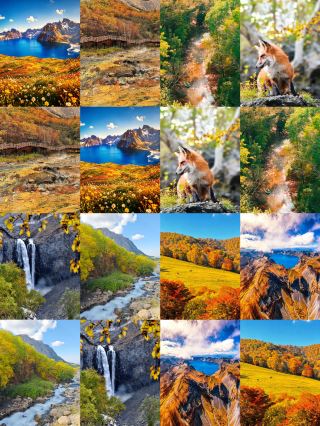
Autumn in Changbai Mountain | A rendezvous with the colorful forests of Heavenly Lake

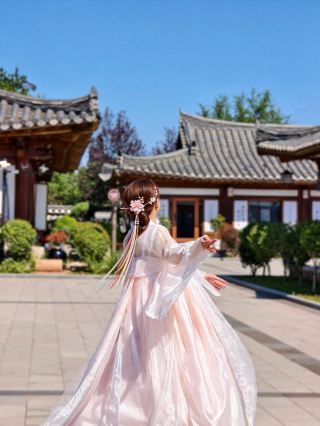
Staying at the Yanji homestay featured on "Five Ha" was the right choice

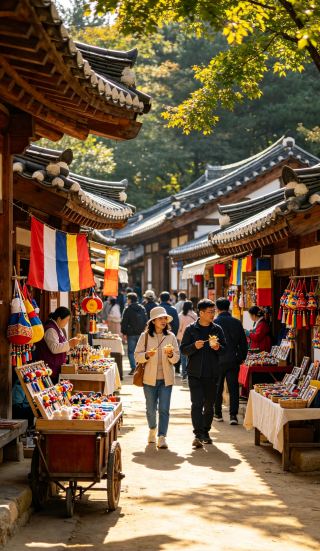
Have you seen the Yanji Folk Custom Park filled with "Korean ethnic princesses"?


Lesser Khingan Mountains, a canvas of autumn colors

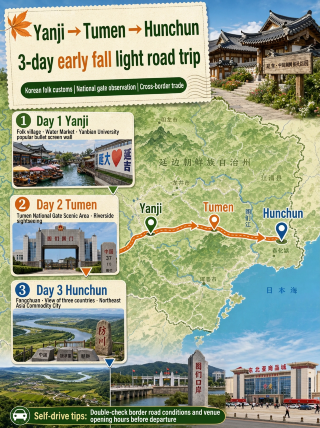
3-Day Early Autumn Self-Drive: Yanji, Tumen, and Hunchun


Best experiences for a family trip to Changbai Mountain in autumn

Best of Yanji
Top 20 4-Star Select Hotels in Yanji











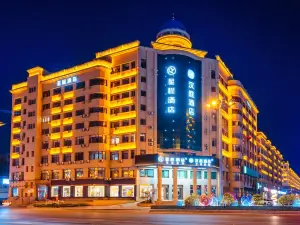
Popular Best Things to Do Near Yanji









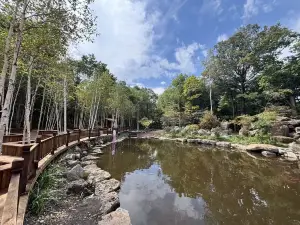
Popular Family-friendly Attractions Near Yanji



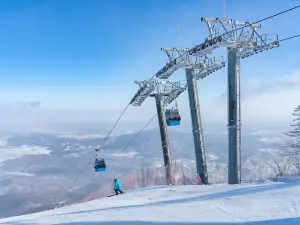


Popular Fall Viewing Attractions Near Yanji









Popular Ski Resorts Near Yanji


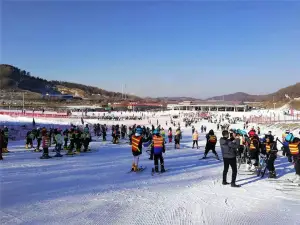


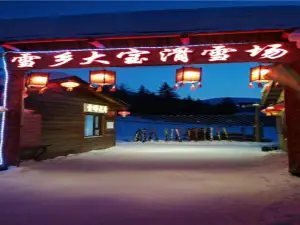


Popular Premium Hotels Near Yanji










Popular Hot Springs Attractions Near Yanji




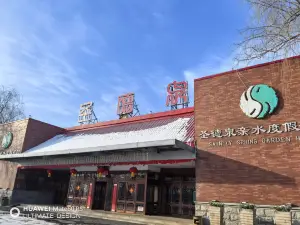
Popular Family Hotels Near Yanji



Popular Cultural Hotels Near Yanji

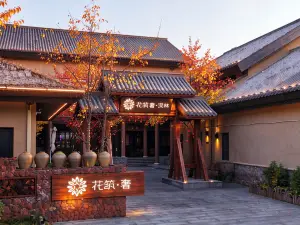

Popular Vacation Homes Near Yanji



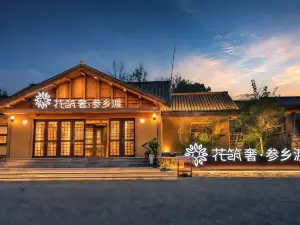




Other recommended cities

Hangzhou

Shanghai
Chengdu