https://us.trip.com/travel-guide/guidebook/things-to-do-egypt-100030

Top 13 Things to Do in Egypt in 2026 | Egypt Recommended Attractions | Trip.com

Top 13 Things to Do in Egypt in 2026 | Egypt Recommended Attractions | Trip.com

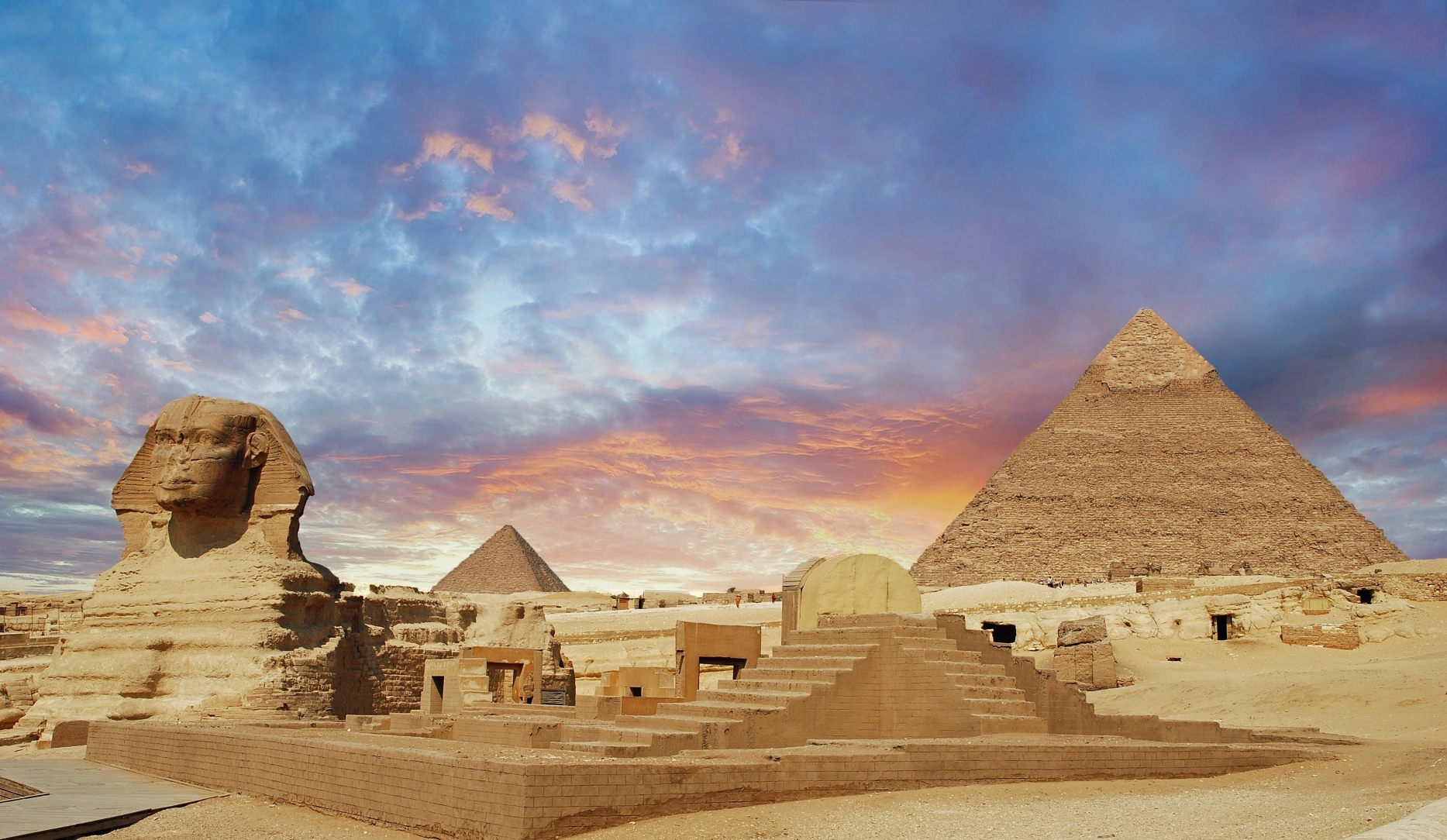
1.Be Amazed by the Ancient Pyramids

See the massive stone structures that defined an ancient empire. In Giza, explore the Great Pyramid and take photos of the Sphinx at sunset. Then, visit the Saqqara Necropolis to see the Step Pyramid, the world's oldest pyramid, featuring underground tunnels adorned with carvings. These iconic landmarks inspire wonder and even offer camel rides for an enjoyable adventure.

2.Visit the Grand Temple Complexes

Explore the magnificent ruins of ancient Egypt, where gods and pharaohs once reigned. Visit Karnak in Luxor, the largest religious site ever constructed, featuring towering columns and sacred lakes. Just a short distance away, Luxor Temple comes alive at night, illuminated by lights that highlight its obelisks. These remarkable locations offer a glimpse into Egypt's spiritual heart through guided walks.

3.Explore the Royal Tombs

Explore the vibrant art of the afterlife beneath the surface. In Luxor's Valley of the Kings, you can glimpse Tutankhamun's golden tomb and Ramses' hall adorned with stunning murals. Nearby, Deir el-Medina offers valuable insights into the lives of ancient workers. These hidden chambers create a sense of time travel, with their cool air and compelling stories shared by knowledgeable guides.

4.Experience the Life-Giving Nile River

Explore Egypt's ancient highway, stopping at scenic temples along the way. You can board a felucca in Aswan for a wind-powered ride past lush palm groves, or opt for a luxury dahabiya Nile cruise that takes you from Luxor to the shrine of Edfu's falcon god. These trips combine relaxation, onboard meals, and insightful history lessons during the beautiful dawn or dusk hours.

5.Soar in Hot Air Balloons

Experience the breathtaking beauty of timeless landscapes at sunrise. Soar above Luxor's Valley of the Kings, where colorful balloons fill the sky as you glide past lush fields and stunning cliffs. In Aswan, you can enjoy similar hot air balloon rides near the illuminated Philae Temple on its island. It's a thrilling yet peaceful adventure, complete with a champagne toast and incredible photo opportunities.

6.Dive Among Crystal Red Sea Reefs

Dive into the underwater world brimming with life. In Hurghada or Sharm El Sheikh, you can snorkel among vibrant corals and fish at Ras Mohammed National Park. For experienced divers, the Blue Hole in Dahab offers exciting wreck dives. These warm waters are also perfect for beginners, with available gear rentals and day boat trips.

7.Shop at the Vibrant Bazaars

Wander through the bustling markets filled with spices and unique treasures. Khan el-Khalili in Cairo is alive with vibrant lanterns, alluring perfumes, and sparkling silver, along with tea stalls where you can take a break. Nearby, El Moski blends medieval charm with entertaining street performers. It’s a sensory experience that's ideal for picking up souvenirs and engaging in conversations with locals.

8.Uncover the Rock-Cut Temples

Admire the carvings that were rescued from floods. At Abu Simbel, near Aswan, you can see the four colossal statues of Ramses II guarding massive halls. Kom Ombo, situated further upriver, features shrines dedicated to dual gods, as well as crocodile mummies. These remote sites feel epic and can be accessed through early flights or cruises.

9.Relax on Sun-Kissed Beaches

Relax at the beautiful beaches where the desert meets the sea. Enjoy the sandy beaches of Hurghada, where you can find resorts and windsurfing opportunities. Alternatively, visit Naama Bay in Sharm El Sheikh for stunning coral views and charming cafes. El Gouna is home to picturesque lagoons, perfect for a yacht-like experience. These locations offer a delightful combination of laid-back days and fresh seafood dinners.

10.Explore the Desert Oases

Escape to the surreal landscapes of sandy deserts and salt lakes. In Siwa Oasis, you can float in the buoyant waters of Birket Siwa, surrounded by date palms and Roman ruins. The White Desert National Park near Bahariya features chalk rock formations and opportunities for fossil hunting. These overnight trips include delicious Bedouin meals enjoyed under the starry skies.

11.Explore World-Class Museums

Discover the artifacts that shaped history at Cairo's Grand Egyptian Museum, which features the treasures of Tutankhamun displayed in a hall with stunning views of the pyramids. The Bibliotheca Alexandrina offers modern exhibits on ancient texts. Both of these venues provide insights into the secrets of the pharaohs, enhanced by the use of audio guides.

12.Indulge in Delicious Street Food Feasts

Experience bold flavors from food carts and market stalls. In Cairo, enjoy koshari rice bowls or savor ta'ameya falafel. In Luxor's markets, try grilled kofta skewers with yogurt dips. Join food tours for a sampling of the best snacks, molokhia greens, and sweet kunafa—delicious and full of flavor.

13.Experience the Coastal Vibes of Alexandria

Explore the blend of Greco-Roman ruins and refreshing sea breezes in this northern gem. Stroll along the Corniche promenade, where you can admire the Citadel of Qaitbay, a historic lighthouse fortress. Dive into the sunken city off the coast, or visit the Serapeum of Alexandria. This area is known for its gelato shops and provides a relaxing contrast to the southern deserts.
Local Guides·Egypt

Egypt Brief Guide

Egypt Must-try local experiences

Egypt Best cities to visit

Egypt Transportation

Egypt Best Time to Visit

Egypt Travel Tips

Egypt Useful Guide

Egypt Local Travel Guide 2026

Show more

Egypt Brief Guide

Egypt, the land of pharaohs and timeless wonders, captivates visitors with its sun-drenched deserts, majestic Nile River, and ancient marvels. From the enduring mystery of the pyramids to the vibrant reefs of the Red Sea, Egypt offers a mix of history, culture, and natural beauty. Use our guide to help plan your incredible journey through this fascinating country.

Egypt Must-try local experiences

1. Be Amazed by the Ancient Pyramids See the massive stone structures that defined an ancient empire. In Giza, explore the Great Pyramid and take photos of the Sphinx at sunset. Then, visit the Saqqara Necropolis to see the Step Pyramid, the world's oldest pyramid, featuring underground tunnels adorned with carvings. These iconic landmarks inspire wonder and even offer camel rides for an enjoyable adventure. 2. Explore the Grand Temple Complexes Explore the magnificent ruins of ancient Egypt, where gods and pharaohs once reigned. Visit Karnak in Luxor, the largest religious site ever constructed, featuring towering columns and sacred lakes. Just a short distance away, Luxor Temple comes alive at night, illuminated by lights that highlight its obelisks. These remarkable locations offer a glimpse into Egypt's spiritual heart through guided walks. 3. Visit the Royal Tombs Explore the vibrant art of the afterlife beneath the surface. In Luxor's Valley of the Kings, you can glimpse Tutankhamun's golden tomb and Ramses' hall adorned with stunning murals. Nearby, Deir el-Medina offers valuable insights into the lives of ancient workers. These hidden chambers create a sense of time travel, with their cool air and compelling stories shared by knowledgeable guides. 4. Experience the Life-Giving Nile River Explore Egypt's ancient highway, stopping at scenic temples along the way. You can board a felucca in Aswan for a wind-powered ride past lush palm groves, or opt for a luxury dahabiya Nile cruise that takes you from Luxor to the shrine of Edfu's falcon god. These trips combine relaxation, onboard meals, and insightful history lessons during the beautiful dawn or dusk hours. 5. Soar in Hot Air Balloons Experience the breathtaking beauty of timeless landscapes at sunrise. Soar above Luxor's Valley of the Kings, where colorful balloons fill the sky as you glide past lush fields and stunning cliffs. In Aswan, you can enjoy similar hot air balloon rides near the illuminated Philae Temple on its island. It's a thrilling yet peaceful adventure, complete with a champagne toast and incredible photo opportunities. 6. Dive Among Crystal Red Sea Reefs Dive into the underwater world brimming with life. In Hurghada or Sharm El Sheikh, you can snorkel among vibrant corals and fish at Ras Mohammed National Park. For experienced divers, the Blue Hole in Dahab offers exciting wreck dives. These warm waters are also perfect for beginners, with available gear rentals and day boat trips. 7. Shop at the Vibrant Bazaars of Cairo Wander through the bustling markets filled with spices and unique treasures. Khan el-Khalili in Cairo is alive with vibrant lanterns, alluring perfumes, and sparkling silver, along with tea stalls where you can take a break. Nearby, El Moski blends medieval charm with entertaining street performers. It’s a sensory experience that's ideal for picking up souvenirs and engaging in conversations with locals. 8. Uncover the Rock-Cut Temples Admire the carvings that were rescued from floods. At Abu Simbel, near Aswan, you can see the four colossal statues of Ramses II guarding massive halls. Kom Ombo, situated further upriver, features shrines dedicated to dual gods, as well as crocodile mummies. These remote sites feel epic and can be accessed through early flights or cruises. 9. Relax on Sun-Kissed Beaches Relax at the beautiful beaches where the desert meets the sea. Enjoy the sandy beaches of Hurghada, where you can find resorts and windsurfing opportunities. Alternatively, visit Naama Bay in Sharm El Sheikh for stunning coral views and charming cafes. El Gouna is home to picturesque lagoons, perfect for a yacht-like experience. These locations offer a delightful combination of laid-back days and fresh seafood dinners. 10. Explore the Desert Oases Escape to the surreal landscapes of sandy deserts and salt lakes. In Siwa Oasis, you can float in the buoyant waters of Birket Siwa, surrounded by date palms and Roman ruins. The White Desert National Park near Bahariya features chalk rock formations and opportunities for fossil hunting. These overnight trips include delicious Bedouin meals enjoyed under the starry skies. 11. Hike to the Biblical Peaks Experience spiritual sunrises with ancient echoes by climbing Mount Sinai. You can ascend from either Dahab or St. Catherine, reaching the summit just in time for breathtaking dawn views and fascinating stories about Moses' journey. After your climb, you can visit Saint Catherine's Monastery to admire its iconic artifacts. The trek is moderate, and camels are available to make the journey easier. 12. Explore World-Class Museums Discover the artifacts that shaped history at Cairo's Grand Egyptian Museum, which features the treasures of Tutankhamun displayed in a hall with stunning views of the pyramids. The Bibliotheca Alexandrina offers modern exhibits on ancient texts. Both of these venues provide insights into the secrets of the pharaohs, enhanced by the use of audio guides. 13. Indulge in Delicious Street Food Feasts Experience bold flavors from food carts and market stalls. In Cairo, enjoy koshari rice bowls or savor ta'ameya falafel. In Luxor's markets, try grilled kofta skewers with yogurt dips. Join food tours for a sampling of the best snacks, molokhia greens, and sweet kunafa—delicious and full of flavor. 14. Experience the Coastal Vibes of Alexandria Explore the blend of Greco-Roman ruins and refreshing sea breezes in this northern gem. Stroll along the Corniche promenade, where you can admire the Citadel of Qaitbay, a historic lighthouse fortress. Dive into the sunken city off the coast, or visit the Serapeum of Alexandria(Pompey's Pillar). This area is known for its gelato shops and provides a relaxing contrast to the southern deserts.
Egypt Best cities to visit

Luxor, known as the world's most fantastic open-air museum on the east bank of the Nile, transports visitors to the heart of ancient Thebes. Here, the Valley of the Kings hides the tombs of pharaohs, while the towering columns of Karnak Temple reach skyward like forgotten giants. This riverside gem offers breathtaking hot-air balloon rides over Luxor's West Bank at dawn, as well as mesmerizing sound and light shows that illuminate the grandeur of Karnak. The timeless allure of Luxor lies in its perfect blend of pharaonic history and tranquil Nile sunsets, making it a must-visit destination for history enthusiasts seeking to experience the essence of ancient Egypt. Cairo, the vibrant heart of Egypt, is a captivating blend of the ancient and modern. The Pyramids of Giza stand as timeless guardians against a backdrop of minarets and skyscrapers. As the gateway to the wonders of the Nile, Cairo takes visitors to explore the bustling Khan el-Khalili bazaar, famous for its spices and silver, as well as the grand treasures of the Egyptian Museum and the tranquil, hidden churches of the Coptic quarter. With lively cafes and sunset Nile cruises, Cairo immerses you in the essence of Egypt, skillfully combining chaos and charm. Hurghada, Egypt's sun-drenched playground along the Red Sea, invites visitors with its coral-fringed reefs and soft white beaches. The turquoise waters abound with colorful fish and dolphins, making it a paradise for underwater adventures. Popular activities include snorkeling at Giftun Island and diving with hammerhead sharks at El Gouna, all set against a backdrop of desert dunes and luxury resorts. The relaxed atmosphere in Hurghada is perfect for marina strolls and enjoying fresh seafood feasts, creating an ideal retreat for beach lovers seeking vibrant marine life and endless sunshine.

Egypt Transportation

Egypt’s main entry points for tourists are its international airports, with Cairo International Airport (CAI) serving as the primary hub for arrivals from Europe, the Middle East, and North America. Direct flights are available from cities like London, Paris, and New York, with travel times ranging from 4 to 11 hours. For those headed to Red Sea destinations, direct flights arrive at Hurghada International Airport (HRG) or Sharm El Sheikh International Airport (SSH), which are ideal for beach vacations and only take 2 to 3 hours from Europe. Additional points of entry include land borders such as Taba, which connects to Israel, and Nuweiba, which links to Jordan. However, air travel via CAI or HRG is the most convenient and popular option, offering seamless connections to domestic flights or trains for Nile cruises. 1. Domestic Flights: For tourists with limited time, domestic flights are the fastest and most convenient way to travel long distances within Egypt. Short hops between Cairo, Luxor, Aswan, and Hurghada are efficient for covering distances. 2. Trains: Egypt has an extensive railway network, and trains can be a scenic and comfortable option for intercity travel, particularly the overnight sleeper trains. Connect Cairo to Luxor/Aswan (9-12 hours, first-class sleepers) for scenic Nile views. 3. Buses: Buses are a cost-effective alternative to trains for intercity travel and are the best option for reaching destinations not covered by the rail network, such as the Western Desert oases. Super Jet or Go Bus for Cairo-Luxor (9 hours, AC/WiFi) or Red Sea routes; affordable and widespread, but book ahead for comfort. 4. Taxis/Ride-Shares: For city travel, taxis and ride-hailing apps are the most popular and flexible options. Uber and Careem are available in major cities like Cairo, Alexandria, and Hurghada. They offer a fixed price, use GPS, and often have higher standards of comfort and safety than regular taxis. Tourists should use these apps to avoid being overcharged by street taxis. 5. Metro: The Cairo Metro is a fast and efficient way to navigate the city, especially during heavy traffic. It primarily covers Cairo, connecting key areas like Tahrir Square and the suburbs. 6. Nile Boats and Ferries: Using the Nile for transportation provides a unique perspective of Egypt's cities, bypassing heavy road traffic. Public ferries operate on the Nile in Cairo, connecting areas along the riverbank for a very low fare. Traditional sailboats (feluccas) and more modern river taxis can be booked for private, scenic trips. Prices should be negotiated in advance. 7. Car Rental: Renting a car offers maximum flexibility and freedom to explore at your own pace, though it is only recommended for experienced drivers. Egyptian driving can be chaotic, especially in major cities. For most tourists, hiring a car with a local driver is a much more relaxing and safer option. 8. Horse-drawn carriages (Kalesh): In tourist towns like Luxor, horse-drawn carriages offer a traditional way to see the sights. Always agree on the fare and duration before starting your ride to avoid confusion or overcharging. 9. Bicycles: Bike-sharing programs have been introduced in several cities, including Cairo and Alexandria, offering an eco-friendly mode of transportation. In Cairo, the "Cairo Bike" app allows you to find and unlock bicycles for short trips at a low hourly rate. Always prioritize safety, as traffic can be unpredictable.

Egypt Best Time to Visit

From October to April, temperatures are mild, ranging from 20 to 28°C (68 to 82°F), and humidity is low, making it ideal for sightseeing without the discomfort of extreme heat. The peak tourist season runs from December to February, coinciding with holidays and Nile cruises. In contrast, the summer months (May to September) can be scorching, with temperatures reaching 35 to 45°C (95 to 113°F) and the potential for sandstorms. This season is better suited for diving in the Red Sea, but it's advisable to avoid visiting Cairo and Luxor during this time. The shoulder months of October and April provide a good balance of pleasant weather and manageable crowds, with festivals such as the Abu Simbel Sun Festival taking place in February and October.

Egypt Travel Tips

1. Apply for an e-Visa Before Arrival Most nationalities can obtain a 30-day tourist e-Visa online through the official Egyptian portal for approximately $25 USD, which is processed within 7 days. Upload a passport scan and photo, then print it for entry. This avoids long lines at airports, like Cairo International—apply at least two weeks ahead to beat peak season rushes. 2. The 90-Day Mobile Phone Rule As of 2025, tourists using an Egyptian SIM card (physical or eSIM) in a foreign-bought phone must register the phone via the "Telephony" app within 90 days. Your first device is often exempt from a customs fee if reported upon arrival, but registering is necessary to avoid having the phone blocked from Egyptian networks after 90 days. 3. Carry Copies of Your Documents Photocopy and take photos of your passport and visa, storing originals in a hotel safe. Carry the copies for checkpoints and as ID, protecting your vital documents from loss or theft. 4. Carry Plenty of Egyptian Pounds in Small Bills ATMs are common in cities, but rural spots, market stalls, and taxis often take only cash. Withdraw EGP at banks for better rates, and keep 500-1,000 EGP handy for tips, markets, and feluccas. Exchange USD or EUR at official booths to avoid street changers who shortchange tourists. 5. Embrace the Baksheesh Tipping Culture Tipping, or baksheesh, is expected for services like guiding, guarding bags, or giving directions—small amounts like 10-20 EGP go far. At restaurants, add 10-15% if service isn't included; for Nile cruises, tip staff $5-10 USD daily per person. It shows appreciation and makes interactions smooth. 6. Dress Modestly to Respect Local Customs When visiting mosques, temples, and rural areas, it's important to dress modestly to avoid unwanted attention. Women should cover their shoulders, knees, and cleavage, and may want to bring a scarf for head covering in religious sites. Men should avoid wearing shorts. At mosques like Ibn Tulun or temples, leave shoes at the entrance and turn off phone sounds. Touch nothing—guides explain rules, and following them earns respectful smiles from locals. 7. Follow Local Rules for Drinking and Smoking Public drunkenness is illegal, and alcohol consumption in public is frowned upon. It is generally restricted to licensed hotels, bars, and restaurants. During Ramadan, alcohol sales may be further restricted, especially during daylight hours. Smoking is banned in public transport and enclosed public spaces, though enforcement can vary. 8. Plan Around Ramadan for Respectful Travel Ramadan, typically in spring (dates shift yearly), brings shorter hours for sites, restaurants, and shops, with some closing by midday. Expect quieter days but vibrant evenings with iftar feasts you can join. Avoid eating, drinking, or smoking in public during daylight fasting hours to respect locals. Dress extra modestly—cover shoulders, knees, and heads at religious sites—and check attraction schedules in advance to adjust plans. 9. Stick to Bottled Water and Safe Eats Tap water is not safe to drink, so it's best to buy sealed bottles instead of refilling them. If you're in remote areas, consider adding purification tablets to ensure safety. When it comes to food, choose cooked street dishes like koshari from popular stalls, but avoid raw salads if you have a sensitive stomach. Stay hydrated, aiming for 3 to 4 liters of water daily, especially in a desert climate. 10. Stay Vigilant Against Common Tourist Scams Be cautious of "free" tours or guides that often lead to high-pressure sales. Verify information with your hotel and ignore persistent "helpful" strangers. Remember that nothing is truly free, and always agree on a price for any service upfront. 11. Use Ride-Hailing Apps for Reliable Transport Download the Uber or Careem apps for metered rides in Cairo and Alexandria. These services are often safer and more affordable than unmetered taxis. For fixed routes, such as trips to the Pyramids, agree on fares upfront. For longer journeys, consider booking trains for added comfort. 12. Haggle Confidently but Politely in Souks When shopping in markets like Khan el-Khalili, begin by offering half of the asking price. The vendor expects negotiation. If the vendor is unwilling to budge, don't hesitate to walk away, as they may call you back with a better offer. Keep it friendly and respectful, and consider purchasing multiple items to take advantage of better deals. 13. Avoid Illegal Drone Usage Drone use is banned near historical sites, military zones, and airports without a permit from the Civil Aviation Authority, and confiscation is common. Leave your drone at home to avoid confiscation and potential legal issues. 14. Respect Historical Sites Refrain from touching, scratching, or climbing on ancient monuments. Use cameras without flash, especially in tombs, to protect delicate art. Follow all posted rules and guide instructions to help preserve Egypt's heritage. 15. Book Entry Tickets and Guides in Advance To visit the Pyramids and the Valley of the Kings, it's essential to obtain timed tickets through the official Ministry of Tourism website to avoid long lines. Consider hiring licensed Egyptologists (make sure to check their badges) for a day. They provide valuable insights and help you navigate through crowds. 16. Pack Sunscreen, Hats, and Loose Layers Egypt experiences intense sunlight throughout the year, so it's essential to apply SPF 50+ sunscreen every two hours. Additionally, wearing wide-brimmed hats and sunglasses will help protect you from the sun. Choose breathable cotton clothing to stay comfortable in the hot temperatures. Bring a light jacket for cooler evenings or when visiting air-conditioned tombs. 17. Prepare for Flight Delays at Major Airports Cairo and Hurghada airports often experience delays of 1-2 hours, so it's advisable to arrive 3 hours early for international flights. Download airline apps for real-time updates and make sure to have offline entertainment ready. EgyptAir lounges provide air-conditioned relief for a small fee if you find yourself stuck.

Egypt Useful Guide

Egypt is generally safe for tourists in popular areas such as Cairo, Luxor, and Hurghada. There is enhanced security at tourist sites and hotels. However, it is essential to exercise caution against petty theft in crowded places and potential scams in markets. Follow local customs, such as dressing modestly when visiting mosques. It’s advisable to use licensed guides for tours and avoid walking alone at night in non-tourist areas. In case of an emergency, here are some important numbers: Police: 122 Ambulance: 123 Tourist Police: 126 Fire: 180. Arabic is the primary language spoken in Egypt. In tourist areas such as hotels, sites, and airports, English is widely spoken. Bilingual signs and menus are common. However, in markets or rural areas, English proficiency is limited, so it's advisable to use translation apps or gestures. Learning a few basic phrases, such as "shukran" (thank you) and "min fadlak" (please), can be a courteous way to communicate. Uber: The most reliable ride-hailing app, widely available in Cairo, Alexandria, and Hurghada. It allows you to track your ride and pay via credit card, which helps avoid common taxi scams. Careem: Another popular ride-hailing app in major cities, which is now owned by Uber but is still widely used. It functions similarly to Uber and provides a fixed, pre-determined fare. inDrive: A newer ride-hailing option where passengers can negotiate the fare with the driver. It is important to note that payment is usually in cash and the final price can be higher than the initial bid. Go Bus: A long-distance coach app that offers comfortable, air-conditioned journeys between major cities like Cairo, Luxor, and Hurghada. Booking in advance is recommended. Swvl: A service that offers booking for bus and minibus rides, often for longer distances or fixed city routes. It can be a cost-effective option for some routes. Google Maps: Essential for navigation, especially in the busy and complex streets of Cairo. It works well for public transport routing, including the Cairo Metro. WhatsApp: This is the most common and preferred communication method in Egypt. Tour guides, drivers, and even some hotel staff use it to communicate with guests. Google Translate: While many Egyptians in tourist areas speak English, this app can be a lifesaver for translating signs, menus, or basic communication with locals in less tourist-heavy areas. Egypt Transport: This app is particularly useful for navigating the Cairo Metro and getting information on train schedules and ticket prices. Egypt uses Type C and F plugs (two round pins, with F having grounding clips), 220V, 50Hz. Bring a universal adaptor for Type C/F compatibility if your devices have Type A/B (US) or G (UK) plugs; dual-voltage devices (100-240V) work fine without converters. Local SIM Card (Physical): This is the most traditional option for mobile connectivity. To use a local SIM card, you'll need to purchase it from a local mobile provider. You can find SIM cards at airport kiosks when you arrive, official retail stores (such as Vodafone, Orange, Etisalat/e&, and WE), or smaller phone shops. Make sure you have an unlocked phone and your passport for the registration process. This option is best for tourists who plan to stay for an extended period. eSIMs offer a modern and convenient option for mobile connectivity. You can purchase one online from international providers such as Airalo, Holafly, Nomad, or Saily. This allows you to select and set up your plan before leaving home. However, ensure that your phone is compatible with eSIM technology. Keep in mind that some eSIM plans from third-party providers are data-only and may not include a local phone number. Wi-Fi (free and paid) is available at most tourist hotels, upscale cafés, and some restaurants in major cities. Most hotels offer Wi-Fi, but the quality varies widely. You can rent a portable Wi-Fi device (or MiFi) for your trip.

Popular destinations

Bangkok

Bangkok

Tokyo

Tokyo

Kuala Lumpur

Kuala Lumpur

Los Angeles

Los Angeles

Shanghai

Shanghai

New York

New York