Great Wall Hiking in Beijing: Mutianyu, Badaling & Wild Routes (2026)

Contents
- Great Wall Hiking in Beijing: Quick Answers
- Best Great Wall Hiking Sections at a Glance
- Easy Great Wall Hikes: Badaling and Mutianyu
- Badaling Great Wall: The Classic First Hike
- Mutianyu Great Wall: The Best All-Round Hike
- Moderate Hikes: Jinshanling and Gubeikou
- Jinshanling Great Wall: The Postcard Ridge
- Gubeikou Great Wall: The Quiet Wild Wall
- The Wild Hike: Jiankou Great Wall
- Jiankou Routes and Difficulty
- Jiankou to Mutianyu: The Classic Through-Hike
- Great Wall Tickets and Opening Hours
- How to Get to the Great Wall from Beijing
- By High-Speed Train
- By Bus
- By Private Car or Day Tour
- Best Time to Hike the Great Wall
- Great Wall Hiking Tips: What to Bring and What to Avoid
- What to Wear and Carry
- Rules and Safety on Wild Sections
- How to Avoid the Crowds
- Where to Stay Near the Great Wall
- Mutianyu and Huairou
- Badaling and Yanqing
- Gubeikou and Jinshanling
- More Beijing Travel Guides
Show more
Hiking the Great Wall is the best day trip from Beijing, but the section you pick decides everything: how steep the climb is, how many people share the watchtower with you, and whether you are walking on restored stone or on a ruined ridge. This guide compares the five sections that actually work as hikes, with 2026 ticket prices, opening hours, transport times and route lengths.
Which Great Wall section is best for hiking? Mutianyu is the best first hike: 5,400 meters of restored wall, 20 open watchtowers and a 3-4 hour route with a cable car back down. Jinshanling is the pick for photographers, and Jiankou is the one for experienced hikers who want the unrestored wall.
How long does a Great Wall hike take? Plan 3-4 hours on the wall for Badaling or Mutianyu, 5 hours for the full Jinshanling route, and 4-6 hours for Jiankou. Add 1.5-3 hours of travel each way from central Beijing, so every section here is a full day.
Can you hike the unrestored Great Wall? Yes. Gubeikou and Jiankou are wild sections with no cable car, no shops and no staff on the wall. Go with a local guide, start early, and skip them in rain, snow or high wind.
How much does Great Wall hiking cost? Entrance tickets run from CNY 33 to CNY 65 (about USD 5-9). Cable cars add CNY 60-180, and shared transport from Beijing costs CNY 12-120 per person. A self-guided day usually lands between CNY 150 and CNY 400.
Hiking the Great Wall is the best day trip from Beijing. The five sections below range from fully restored stone with a cable car to ruined ridges with no railings at all. Pick by fitness and how much company you want.
| Section | From Beijing | Hike length | Time on the wall | Difficulty | Ticket |
| Badaling | 70 km, 1.5 h | 3.7 km restored | 2.5-3 h | Easy-moderate | CNY 40 peak / 35 low |
| Mutianyu | 73 km, 1.5-2 h | 5.4 km, towers 1-20 | 3-4 h | Easy-moderate | CNY 45 peak / 40 low |
| Jinshanling | 130 km, 2.5 h | 4-10 km | 2.5-5 h | Moderate | CNY 65 peak / 55 low |
| Gubeikou | 140 km, 3 h | 10-15 km | 3-6 h | Moderate | CNY 33 |
| Jiankou | 75 km, 2.5 h | 8-10 km | 4-6 h | Hard | Free (CNY 20 village fee) |
These five cover the whole range: two fully restored sections you can hike without a guide, two partly wild ridges for a quieter day, and one ruined section for hikers who have done this before.
Both sections have cable cars, paved paths, toilets and English signage. They are the right choice if this is your first Great Wall hike, you are travelling with children or older parents, or you only have one free day in Beijing.
Badaling sits 70 km northwest of Beijing in Yanqing District. The scenic area holds 12 km of wall and 43 watchtowers, but only 3.74 km and 19 towers are restored and open, which is still more than enough for a proper climb.

The open wall splits at the main gate. The north section climbs through 12 towers and takes 2.5-3 hours to No. 12 North Tower and back; towers 1-7 are gentle, tower 8 is the highest point, and the stretch from 7 to 8 is the famous Hero Slope with an incline of more than 60 degrees. The south section is shorter and quieter: 7 towers, 1-2 hours, and a far easier gradient if you are hiking with family.
Badaling caps visitor numbers at 65,000 a day and sells tickets online up to 15 days ahead through the official ticketing system, so book before you travel. Trains and buses both drop off on the back mountain side, where the cable cars, the China Great Wall Museum and the food court are.
Mutianyu is 73 km northeast of Beijing and easily the most rewarding hike for a first visit. The wall runs 5,400 meters along a forested ridge, watchtowers 1 to 20 are open, and the crowds are thinner than at Badaling while the stonework is just as complete.
Two lifts serve the wall and they belong to different companies, so tickets are not interchangeable. The enclosed cable car goes to Tower 14 on the west side, where the walk to Tower 20 (Hero Slope, the highest open point) has the best views. The open chairlift goes to Tower 6 on the east side, and the toboggan ride down from there is the reason many families choose Mutianyu.
A comfortable plan is cable car up to Tower 14, west to Tower 20, back through Tower 14 and east to Tower 6, then chairlift or toboggan down: 3-4 hours in total. If you only want the highlights, the Tower 14 to Tower 20 return walk takes about two hours. Note that the stretch more than 10 meters above Tower 19 has been closed for restoration work, so the very top of Hero Slope may be fenced off when you visit.
These two sections sit side by side in the mountains northeast of Beijing. Jinshanling is half restored and looks like the postcard version of the wall; Gubeikou next door is almost entirely wild. Hiking one and driving to the other is the single best two-day Great Wall plan.
Jinshanling is 130 km from Beijing, about 2.5 hours by car. The wall east of Zhuanduokou Pass is fully restored and open, while the western part is being restored in stages, which gives you restored stone on one half of the hike and original brick on the other.
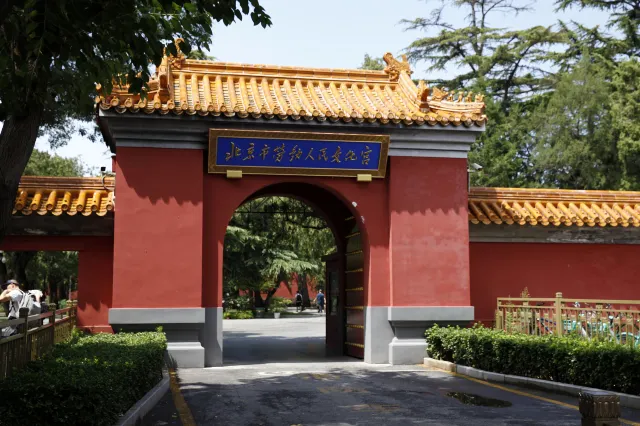
There are four standard routes from the Middle Gate. The shortest loop through Zhuanduokou Pass and the General Tower is 3 km and 2 hours. The most popular adds Small Jinshan Tower: 4 km, 2.5 hours, with the cable car back down. Photographers extend to Big Jinshan Tower and Houchuankou Pass for 5 km and 3 hours. The full traverse to Flower Tower and the East Five-Window Tower is 10 km and 5 hours.
Time your visit around sunrise or sunset if you can: the Middle Gate opens at 04:00 from April to October, and the ridge is where most professional Great Wall photographs are taken. The cable car is scheduled to close from November 3, 2026 for inspection and maintenance, so on a winter hike you will walk up and down.
Gubeikou, 140 km from Beijing and roughly a 3-hour drive, is the easiest wild section to reach by public transport. The S5 train from Beijing North or Qinghe reaches Gubeikou station in about 2.5 hours for CNY 12, and a taxi covers the last 10 minutes to the entrance.
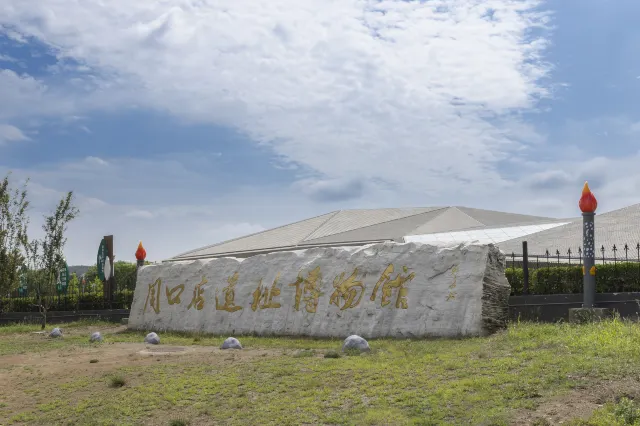
Admission is CNY 33 and the gate is open 08:30-16:30. There is no cable car and no shop on the wall. The simplest hike is Panlongshan alone: 10 km and 3-4 hours, mostly gentle, with a clear descent path. The classic route continues from Panlongshan into Jinshanling for 15 km and 5-6 hours. Wohushan, the third option, is 14 km of completely unrestored wall and the hardest of the three.
Gubeikou is where you see the wall as it actually survived: two lines of wall from different dynasties running side by side, watchtowers with collapsed roofs, and no queue at any point.
Jiankou means Arrow Nock, named for the V-shaped ridge where the wall folds back on itself. It is the steepest and most photographed unrestored section near Beijing, about 2.5 hours by car, and it is not a place to improvise.
The 20 km of wall is usually split into three parts, and most hikers do one in a day. The west part runs from Beijing Knot to Jiankou Spot and holds the signature features: Eagle Flies Facing Upward, where the stairs are so steep the climb is almost vertical, and Sky Stair, a 70-80 degree ramp narrow enough for one person at a time. The east part runs from Jiankou Spot to Ox Horn Edge and is gentler after the first climb. The north part from Nine-Eyed Tower down to Beijing Knot is the easiest of the three and is full of peach blossom in April and May.
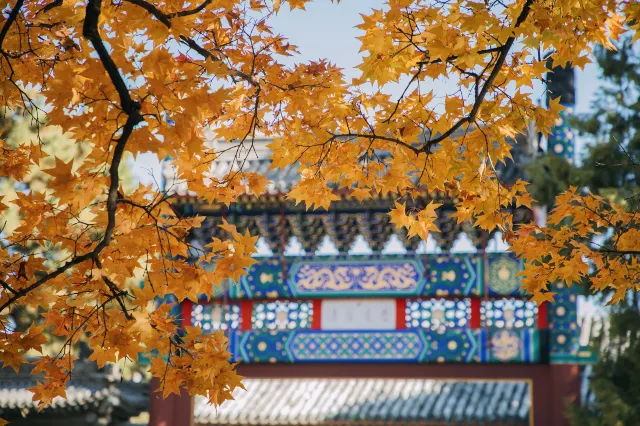
Getting onto the wall takes time: 40 minutes of climbing from Xizhazi Village on the north side, or about 2 hours from Wofo Mountain Villa on the south side. A typical Jiankou hike is 8-10 km and 4-6 hours, and there is no entrance fee, although villagers charge CNY 20 to enter Xizhazi Village.
The best-known route starts at Xishanzi Village, climbs to Zhengbei Tower for the view over the ridge, passes Niujiaobian (which can be bypassed if the drop is too much), and finishes on the restored wall at Mutianyu. It is about 10 km and 5 hours, and it gives you the wild wall and the restored wall in one day. Arrange a driver to collect you at Mutianyu, because the two trailheads are on opposite sides of the mountain.
Jiankou is unmanaged: no railings, no staff, no toilets, weak mobile signal, and loose bricks underfoot. Hike with a guide or someone who knows the route, check the weather the day before, and do not attempt it in rain, snow or strong wind.
| Section | Ticket | Opening hours | Cable car |
| Badaling | CNY 40 Apr-Oct; CNY 35 Nov-Mar | 06:30-17:00 Apr-Oct; 07:30-17:00 Nov-Mar; last entry 16:30 / 16:00 | Aerial to Tower 7 North: CNY 140 one way, 180 return |
| Mutianyu | CNY 45 Apr-Oct; CNY 40 Nov-Mar | 07:30-18:00 weekdays, to 18:30 weekends; last entry 17:30 / 18:00 | Cable car to Tower 14: CNY 100 one way, 140 return; chairlift and toboggan to Tower 6: CNY 140 return |
| Jinshanling | CNY 65 Apr-Oct; CNY 55 Nov-Mar | Middle Gate 04:00-18:30 Apr-Oct, 06:00-17:00 Nov-Mar; East Gate 08:30-17:00 Apr-Oct | CNY 40 one way, 60 return; closed for maintenance from November 3, 2026 |
| Gubeikou | CNY 33 | 08:30-16:30 daily | None |
| Jiankou | Free; CNY 20 village fee | Open all day; daylight hiking only | None |
Children under 18 and seniors over 60 usually enter Badaling free, and Mutianyu gives free entry to under-18s and over-70s with half price for students and visitors aged 60-69. Bring your passport: tickets are tied to real names at every section, and most official booking channels only accept Chinese mobile payment, which is why many foreign visitors buy through Trip.com instead.

 Great experience highly recommend molly is great tour guide . I really enjoyed my time in China.
Every section is a day trip, and the journey is half the planning. Trains are the fastest option where they exist; buses are the cheapest; a private car is the only practical way to reach Jiankou.
Badaling is the only section with a high-speed rail station. Trains from Beijing North take 30-60 minutes and cost CNY 23-31; trains from Qinghe take 20-30 minutes and cost CNY 16-25. For the northeast sections, the S5 train from Beijing North or Qinghe reaches Gubeikou in about 2.5 hours for CNY 12, and a short taxi ride finishes the trip to Jinshanling.
Bus 877 runs from Beitucheng to Badaling in 1.5-2 hours for CNY 12, with departures from 06:30 to 12:00 and returns until 16:30. Direct tourist buses are more comfortable: about CNY 80 return to Badaling, and about CNY 120 return to Jinshanling from Dongzhimen, leaving at 08:00 and returning in the late afternoon.
A private car takes 1.5-2 hours to Mutianyu or Badaling and 2.5-3 hours to Jinshanling or Gubeikou. For a group of three or four it costs about the same as four tourist bus tickets, and it is the only sensible way to do Jiankou or a Jiankou-Mutianyu through-hike.

| Season | Weather | Crowds | Verdict |
| Spring (April-May) | 15-25 deg C, apricot and peach blossom | Moderate | Best all-round hiking weather |
| Summer (June-August) | 30 deg C and humid, afternoon storms | Heavy at Badaling | Start at opening time; carry 2 litres of water |
| Autumn (September-October) | Clear and cool, peak foliage mid-to-late October | Heavy around National Day | The best photographs of the year |
| Winter (November-March) | Below freezing, occasional snow, short days | Light | Quiet and dramatic, but ice on the steps |
Avoid the first week of October, the first week of May and Chinese New Year: those are the three periods when every section, including Jinshanling, fills up. On any other day, arriving at opening time buys you about two hours of near-empty wall.
Crowds follow the cable cars. At Badaling, hike the south section instead of the north. At Mutianyu, walk west from Tower 14 before 09:00. At Jinshanling, take the 04:00 opening at the Middle Gate and you may have the ridge to yourself until the tour buses arrive at 10:00.
Staying one night near the wall turns a rushed day trip into a sunrise hike. The three areas below cover the main trailheads.
The villages below Mutianyu have the widest choice of boutique guesthouses and restored courtyard hotels, most within 15 minutes of the visitor center. This is the best base if you want to hike Mutianyu at sunrise and Jiankou the next day.

BRICKYARD RETREAT
 No. 15 of Instagrammable Hotels in Beijing
Yanqing District has the largest hotels and the easiest access by high-speed train, which makes it the practical choice for families and for anyone arriving late from Beijing.
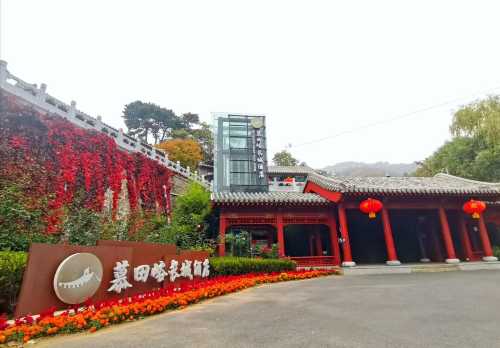
Mutianyu Great Wall Hotel
Both trailheads are surrounded by farmhouse guesthouses that cost far less than city hotels and serve local trout and mountain vegetables. Staying at Gubeikou also puts you 10 minutes from the S5 train station.
Pick one section, book the ticket in advance, and leave Beijing by 07:30. Whether you end up on the restored stone at Mutianyu or a ruined ridge at Jiankou, the wall rewards the early start more than any other sight in China.
Popular recommendations

7 Reasons to Put Cancun Mexico Into Your Vacation Bucket List.
 _TS***4m

Everything you need to know before going to Los Angeles zoo
_TS***4m
Chimelong Safari Park Guide: Facts and Useful Information
_TS***4m
Latest Trip.com Promo Codes, Flight Discounts & Hotel Savings (Weekly Update)
 Trip.com Official