Popular Weekend Events in Berlin (September Updated)
已複製至剪貼簿
Are you interested in Tropical Palm Tree Paint Night?
245 people have participated in this
poll
Yes
No
50%
50%
×
已複製至剪貼簿
Type
Activity Categories
Trip.com Ticketing
All types
Arts
Sports & Fitness
Exhibitions
Concerts
Celebration
Conferences
Esport Events
Music Festivals
Location
All locations
Germany
Berlin
Date
PopularityNew Arrivals
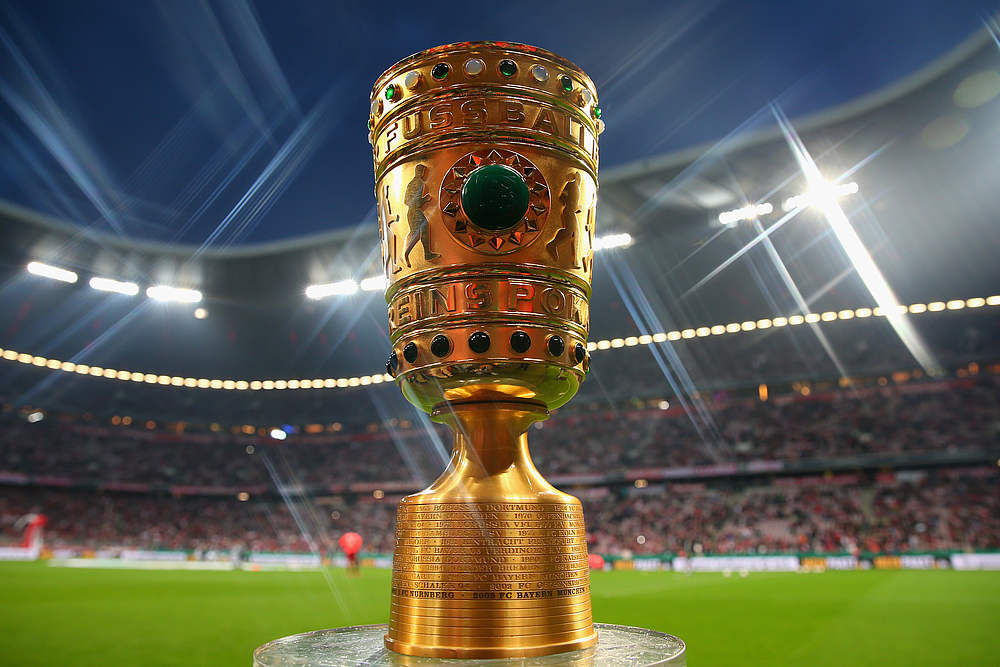
2027 DFB-Pokal Final | Olympiastadion Berlin
May 29, 2027 (UTC+1)
Berlin
Sports & Fitness
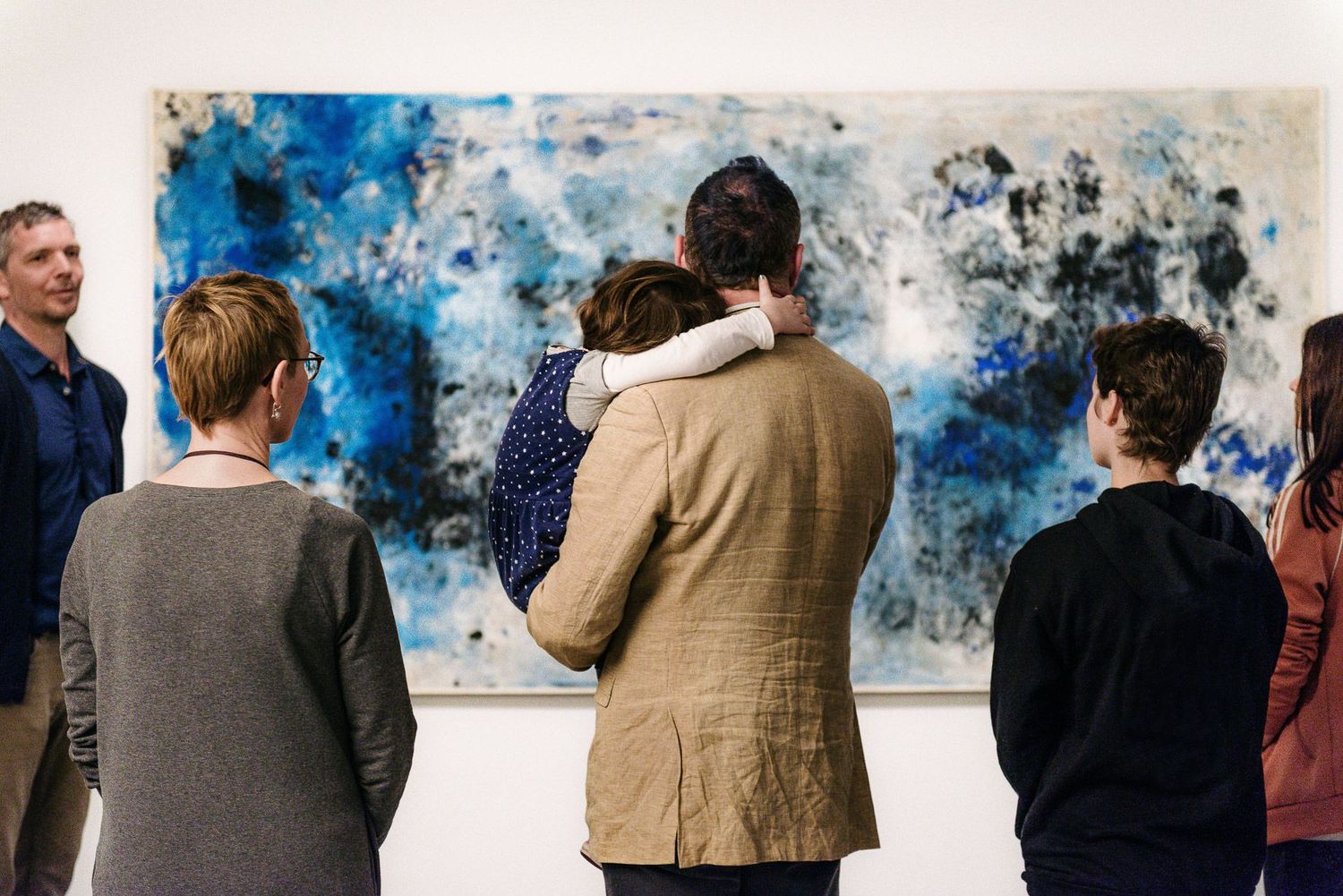
Art in Berlin 1880 – 1980. From the Collection | Berlin
Jan 1, 2023–Dec 31, 2026 (UTC+1)
Berlin
Exhibitions
The Berlinische Galerie has devoted over 1000 square metres to presenting its collection. Waiting to be discovered among the roughly 250 works on show are paintings, prints, photographs, architecture and archive materials rarely or never displayed before. Walking around this exhibition is like time travel and takes visitors through Berlin in 17 chapters: the Kaiser's era, the Weimar Republic, the Nazi dictatorship, the new beginnings after 1945, Cold War in the divided city, and the counter-cultures and unconventional lifestyles that evolved in East and West under the shadow of the Wall. In East Berlin, an alternative art community developed from the late 1970s. In West Berlin from the late 1970s, aggressive art by the “Neue Wilden” placed the divided city back in the international limelight.
Müggelsee Half Marathon | Berlin
Oct 18, 2026 (UTC+1)
Berlin
Sports & Fitness
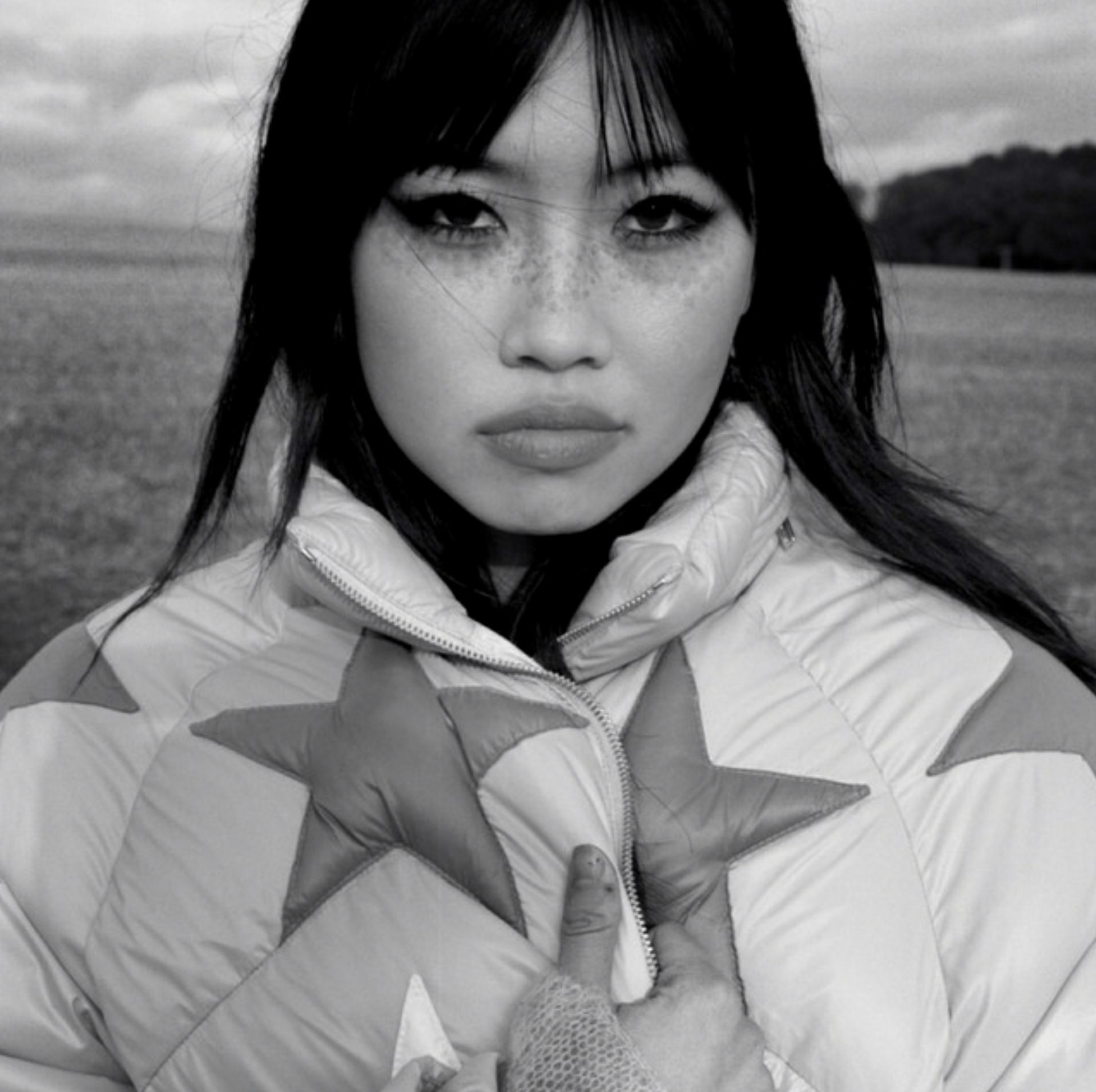
beabadoobee: The Powerlines Tour | The Cynthia Woods Mitchell Pavilion
Oct 16, 2026 (UTC-6)
The Woodlands
Concerts
Japanmarkt Berlin | Berlin
Dec 6, 2026 (UTC+1)
Berlin
Celebration
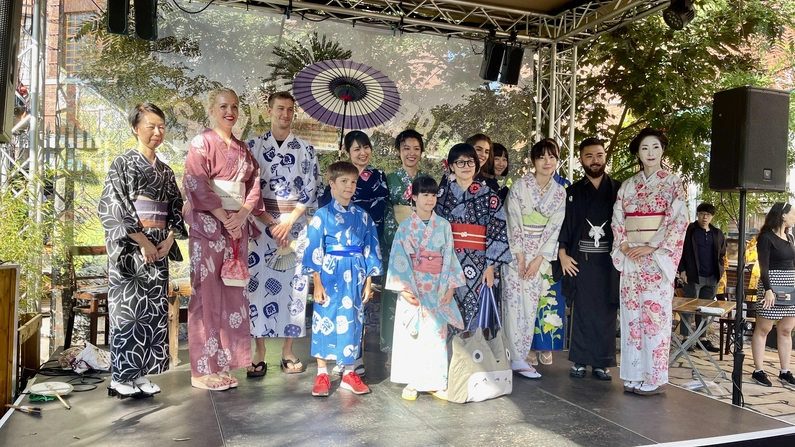
Artists and creatives from Japan and Berlin cordially invite you to a vibrant design market featuring cultural events, creative workshops, and gourmet food. This is a wonderful journey to the Land of the Rising Sun—the “Japanese Summer Festival” returns once again at the Kreuzberg Festival Hall! Berlin’s rich Japanese community makes this event a vibrant showcase of Japanese culture and cuisine. Visitors will experience the diverse art, culture, design, fashion, music, and lifestyle centered around the “Land of the Rising Sun.”
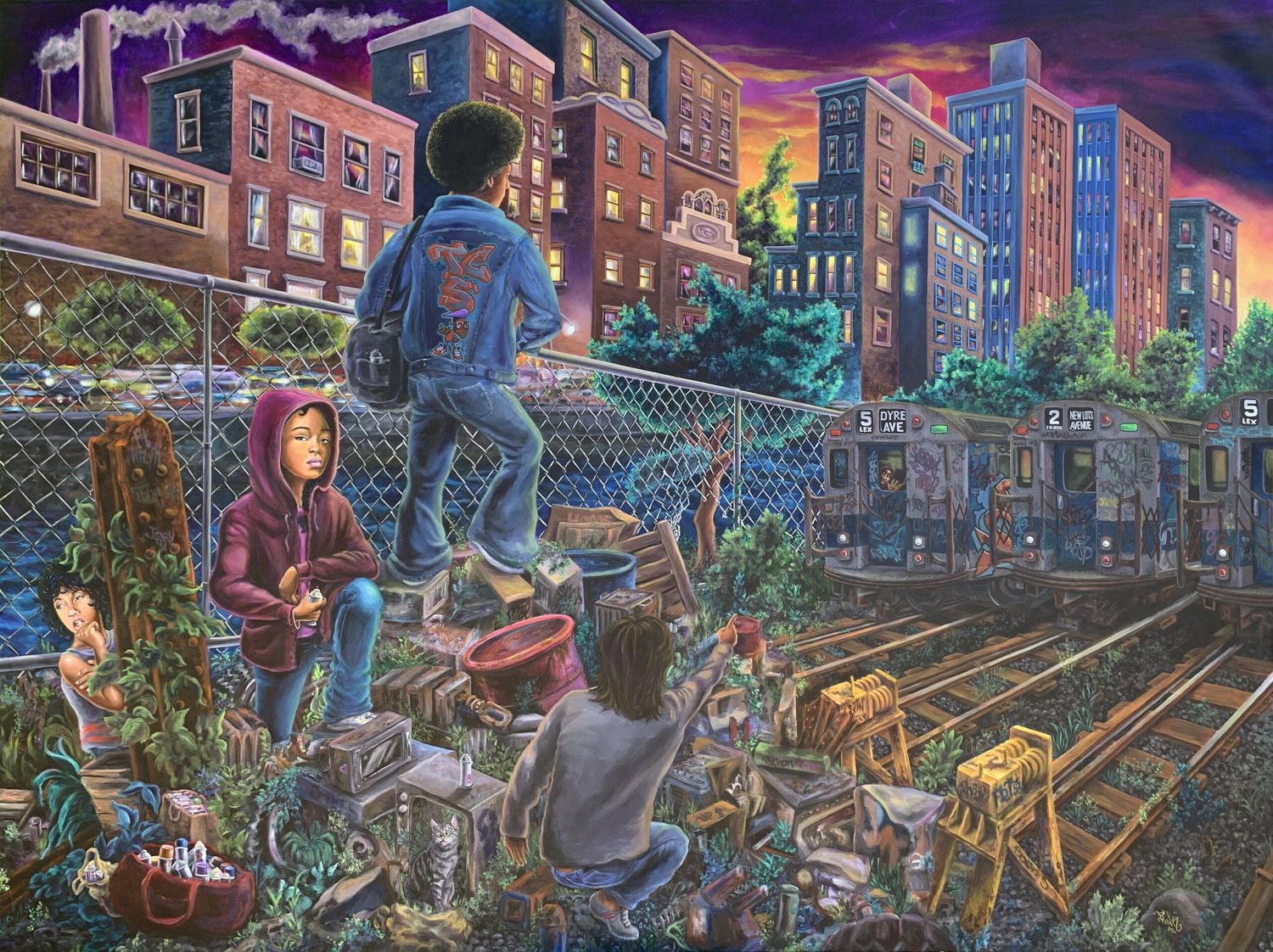
Love Letters To The City | Urban Nation
Sep 14, 2024–May 30, 2027 (UTC+1)
Berlin
Exhibitions
The exhibition examines the transformative potential of public art and explores the methods and motivations behind such works, as well as their social impact.
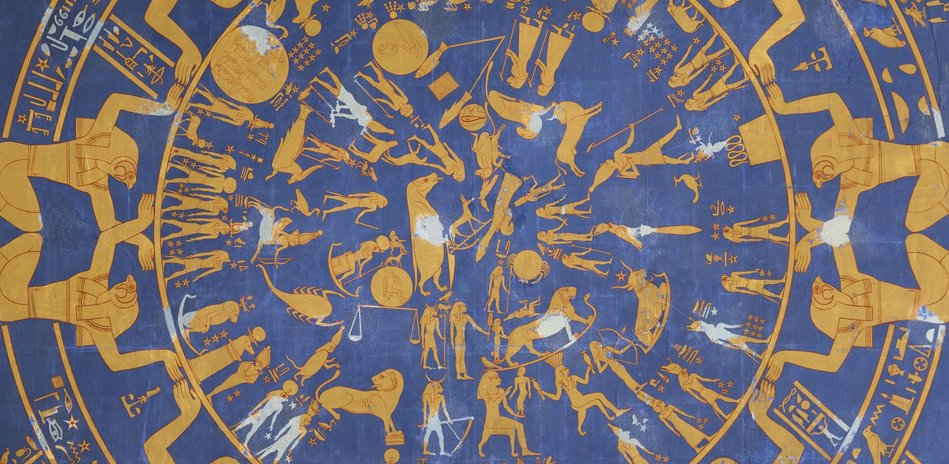
Destiny in the Stars:The Beginnings of the Zodiac | Neues Museum
Mar 21, 2026–Jan 10, 2027 (UTC+1)
Berlin
Exhibitions
The new museum's exhibitions are dedicated to showcasing the history and significance of the zodiac from Babylon to Egypt and the Greco-Roman world. The exhibitions are divided into several thematic areas, presenting the ancient zodiac from contemporary scientific and social perspectives."What's your zodiac sign?" Even in today's scientific age, this question is frequently asked. Since ancient times, the zodiac has fascinated humanity. It connects us to the universe, heaven and earth, astronomy and astrology, science and faith, tradition and innovation, certainty and uncertainty, harmony and conflict. But what exactly is the zodiac? Is it an oracle predicting the future? A mirror reflecting the mind? A projection of our pursuit of knowledge and certainty? A coordinate system for calculating planetary motion? A visible manifestation of celestial harmony? Or a combination of all these? Where did it originate? How did it spread throughout the world? What was it used for? And how was it depicted?What is the significance of the zodiac in contemporary society? In public perception, the zodiac is now primarily associated with astrological horoscopes. The introduction of the zodiac was a turning point in the history of astrology. Along with the zodiac, astrology emerged as a new astrological practice in Babylon, initially used not only by kings and rulers but also by ordinary people from all walks of life. Today, although categorized as mysticism and pseudoscience, astrology is more popular worldwide than ever before. It is based on the belief that the positions of the planets at the time of birth contain clues about an individual's character and destiny. This belief stems from humanity's enduring need for meaning, self-awareness, and understanding of the future, for certainty, and for ways to cope with uncertainty. What could be more meaningful and compelling than recognizing the connection between an individual's character and destiny and the universe?The relevance of the zodiac extends to scientific and cultural practices vital to modern society. We are accustomed to accessing, analyzing, calculating, and predicting data anytime, anywhere through applications and computers. The roots of systematic observation, data collection, data analysis, algorithms, calculations, and predictions lie in the ancient zodiac and the ancient astronomical calculation programs associated with it. Furthermore, the spread of the zodiac and its related astronomical and astrological knowledge and practices in the ancient world serves as a prime example of innovation, globalization, intercultural exchange, and multiculturalism—all core issues and hotly debated topics in contemporary society.The new museum's exhibition presents the ancient zodiac from a contemporary scientific and social perspective, exploring multiple thematic areas. Utilizing ancient artifacts from various Berlin museums, some never before exhibited, the exhibition takes visitors on a multicultural journey through time, from Babylon to Egypt, Greece, and Rome (400 BC to 400 AD), and elucidates the contemporary significance of the zodiac.
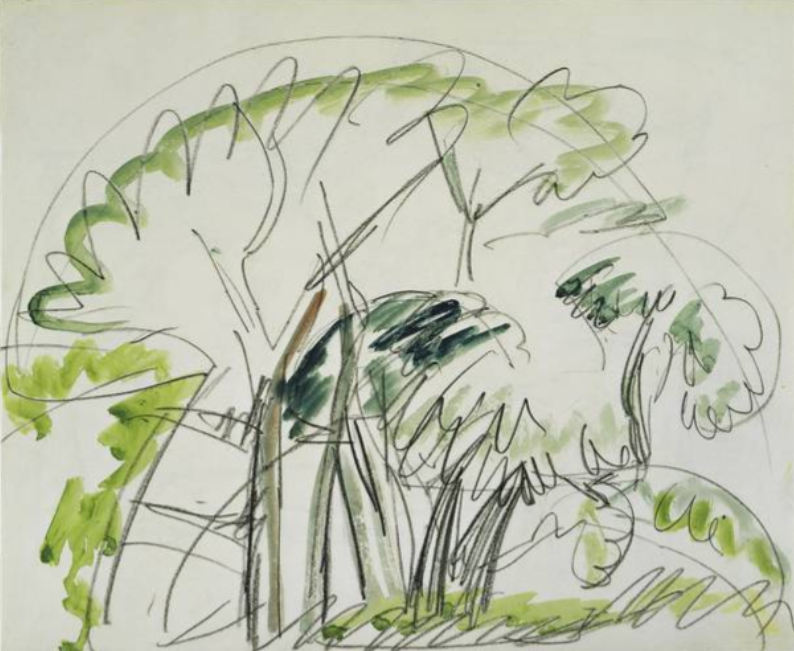
Brücke / Natur Natur / Brücke | Berlin
Jul 5–Oct 25, 2026 (UTC+1)
Berlin
Exhibitions
At the beginning of the 20th century, Ernst Ludwig Kirchner, Max Pechstein, Karl Schmidt-Rottluff and Erich Heckel left the cities to paint and live in nature. In their paintings, drawings, prints and watercolours, they celebrate the landscape, life, the human body and dynamic existence. The exhibition focuses on the Brücke artists' quest for harmony between humans and nature. Almost 100 years after the Brücke debate, our relationship with nature has changed fundamentally. What can we learn from nature? How can a new relationship between nature, art and humanity emerge?
Coinciding with the exhibition, the museum's artistic nature trail Learning from … Nature will open in the garden, for which nine contemporary artists are creating new site-specific works.
Schöneberg Pumpkin Festival | Berlin
Oct 3–Oct 4, 2026 (UTC+1)
Berlin
Celebration
The 27th annual Schöneberger Kürbisfest, a harvest and food festival, is being held in Berlin's Schöneberg district. Twenty varieties of pumpkins are on display, totaling over 10,000! This popular festival has been embraced by three generations of Berliners and remains a favorite spot for gatherings, shopping, food, and drinks. If you're looking for pumpkin delicacies, this is the place to be. Numerous food vendors will prepare pumpkin soup, pasta, cakes, lasagna, quiche, and other specialties. In addition, there are 140 handicraft stalls to explore: the clinking of pottery, the aroma of felt, and the glitter of vintage jewelry—instantly transporting you to a free market from the hippie era!
Germany Berlin | Bausa 2026《Tournado》Tour | Columbiahalle