https://us.trip.com/moments/destination-siming-district-2015066/
2026 Siming District Travel Guide: must-see attractions, popular food, hotels, transport & travel experiences (updated in February)
Essential Travel Information for Siming District
Siming District Today's weather
Cloudy 16-22℃

Latest Travel Trends in Siming District
All Trip Moments about Siming District | Travel Experiences
Xiamen!! Near Zhongshan Road!! Loft duplex for 4 people!! Super satisfied!!
Xiamen!! Near Zhongshan Road!! Loft duplex for 4 people!! Super satisfied!! Everyone! I recently found an amazing homestay, truly worth recommending! It's right in the heart of old Xiamen city, perfect for family trips or a relaxing getaway with friends! - 🌈 Stay Experience A small living room downstairs plus two beds upstairs [comfortably fits four people✌️] My favorite parts are the bathtub and the 100-inch projector [watching movies in bed at night is super enjoyable] - 🌈 Rooftop terrace top-notch experience🌌 Sunbathing and drinking tea in the morning [feels amazing] Stargazing with late-night snacks in the evening Grilling skewers, strolling the pedestrian street [tons of takeout and milk tea options🍢🍹] - 🌈 Homestay: Xiamen Beichen Homestay 🌈 Location: Beichen Homestay, Siming District, XiamenExpeditionDreamer#2236Xiamen!! The Island Ring Road!! It's really not Sanya! Such a great city!!
Xiamen!! The Island Ring Road!! It's really not Sanya! Such a great city!! 🌵A little paradise to escape the hustle and bustle of the city! You can lie in bed and watch the sea view, and see the blue sky and sea when you open the window. It is also very convenient to go to the beach! The room also has a small balcony, and the bathtub in the room is super large and comfortable. You can lie in bed and watch the sunrise by opening the electric curtains. The hotel also has a stunning infinity pool with sea views. 🌵Breakfast is very rich, and you will be full of energy after eating. The infinity pool is also a major highlight here. Although the weather is a bit cold and you dare not go into the water, the photo effect is simply amazing. Overlooking the entire sea from a high place, from the butler's reception to the delivery of luggage, the service is very good. 🌵Lying on a small chair in the sun in the afternoon, it's like time has stopped. It's a place where nature and modernity are perfectly integrated. It is recommended to all the sisters who want to escape the hustle and bustle of the city. Bathrobes, hair dryers, bath bombs, and giant screen projections are all fully equipped! 🌵Hotel: SONHAI Seaview Hotel 🌵Location: Xiamen—Siming District—No. 2689-17 South Ring RoadExpeditionDreamer#2220You are the 📍 Only One
Only One is one of the fancy cafe or restaurant in Siming District, Xiamen. It is open from Monday to Sunday at 10:00-23:30 PM. I love the ambiance of this cafe. Food is great as well as the view. If you visit this place I recommend you take a taxi or didi car. You have to walk up just to reach this cafe and I think it's better to go there in the evening or at night. We went there like at noon and we just walked so we were perspiring but the scenery of its place is worth it. It has a spacious area so you won't be run out of tables or seats. You can choose outdoor or indoor. At night, outdoor is the best for sure. The staff is also good. Just I wish, we went there in the evening. It would be better. #tripinspired #tripmoments #foodie #food #foodietrip #cafe #restaurant #niceview #xiamen #china #xiamentravel #foodislifeJvictory34Xiamen Glow Views🌅
#chinaadventures#china #travel Watching the sunset over Xiamen’s Yanwu Bridge is one of those moments that stays with you long after the sky fades to dark. In the first and third photos, the sun sinks slowly into the Taiwan Strait, painting the sea in deep orange and gold while silhouettes of people gather along the seawall. Yanwu Bridge stretches elegantly across the water, linking Xiamen Island to Siming District. Built to ease traffic congestion, it has also become a beloved sunset-viewing spot. Standing there, you feel the calm rhythm of the coastal city — ships drifting in the distance, waves reflecting the glowing sky, and locals quietly enjoying the evening breeze. Spring brings a different kind of beauty to Zhongshan Park in Xiamen, seen in the second image. Cherry blossoms frame the green Xiamen Radio & TV Tower in the background, creating a striking contrast between nature and modern architecture. Zhongshan Park, established in the early 20th century, is one of the city’s oldest public parks. During blossom season, the air is filled with soft pink petals and laughter from families and photographers chasing the perfect shot. Walking beneath the flowering branches, it feels like time slows down. The fourth and fifth images showcase Xiamen’s modern skyline, especially the iconic Shimao Straits Towers in Siming District. These twin, sail-shaped skyscrapers symbolize the city’s rapid development and its role as a major coastal hub. At sunset, the buildings glow against the fiery sky, while at night, their illuminated facades reflect beautifully on nearby lakes. The mix of futuristic design and traditional tiled-roof buildings nearby tells the story of Xiamen’s balance between progress and heritage. Finally, the last photo brings us to the Catholic Church of the Sacred Heart of Jesus in Gulangyu Island. Built in the early 1900s, this Gothic-style church stands as a reminder of Xiamen’s colonial past. With its pointed arches, rose window, and stone carvings, it feels more European than Chinese. Gulangyu itself is a UNESCO World Heritage Site, known for its historic architecture and peaceful, car-free streets. Sitting in the church courtyard, surrounded by trees and quiet footsteps, you can sense the layers of history woven into the island. From golden sunsets and blooming parks to soaring skyscrapers and historic churches, Xiamen offers a rich blend of nature, architecture, and culture — a city that feels both modern and timeless.ZoeTravelBuddyLocals in Xiamen highly recommend Guangsong Dading Satay Noodles! The broth is absolutely amazing! 🍜
When in Xiamen, how can you miss a bowl of authentic satay noodles? This time, I checked out "Guangsong Dading," and it was absolutely worth the trip! Their satay broth is an enticing golden color, incredibly rich in peanut flavor, and the sweet and spicy ratio is perfectly balanced—not greasy at all. The toppings are plentiful and fresh; I highly recommend adding a side of pork liver, large intestine, or lean meat. Soaking them in the satay broth makes it simply divine! The noodles are traditional alkaline noodles, with a chewy texture. This place has a truly authentic old Xiamen feel, perfect for lunch or a late-night snack. It's the kind of local delicacy you'd want to recommend to everyone.小勝仔Xiamen!! Near Huangcuo Beach!! Two-bedroom family room!! Walk to watch the sunrise!!
Xiamen!! Near Huangcuo Beach!! Two-bedroom family room!! Walk to watch the sunrise!! ✅ Giant screen projection ✅ Oceanfront view ✅ Wabi-sabi style Family, this super large suite by the sea is truly irresistible. Perfect for bringing kids to play, watching the sunrise every day is especially healing 🌅. - 🌈 Huge projection There is a 100-inch projector in the room 🎥, perfect for watching shows The yard is fenced 🔒, so no worries about kids running around Huangcuo Beach is just steps away 🏖️, you can see the sea anytime 🌊 - 🌈 Nearby food There is a food street nearby 🍜🍤 The stay feels very comfortable 🛌, the house is spacious 🌟 Two roomy bedrooms, perfect for a family of four 👭 - 🌈 Host: Hai Qi Yue 🌈 Location: Yuehai Nanyuan, Siming District, XiamenExpeditionDreamer#22Xiamen!! Near Huandao Road!! A seaside homestay within walking distance, I don't want to leave!!
Xiamen!! Near Huandao Road!! A seaside homestay within walking distance 😭 I don't want to leave!! Family, I really found a treasure homestay, it's unbelievably beautiful! Super close to the beach, just a few steps to step on the sand 🌊 - 🌈 Smart experience, full of technology Step into the room, the voice assistant instantly upgrades the vibe 🛋️ Just one sentence to turn the lights on or off, and to turn on the air conditioning too The giant screen audio-visual effect lets you watch movies while cozying up in the room 🎬 - 🌈 Room facilities, full marks for comfort Equipped with a smart toilet, every stay feels clean and convenient The mattress is made of latex, super soft when you lie down, sleep soundly until morning 🛏️ Large floor-to-ceiling windows with a balcony to enjoy the beautiful scenery 🌅 - 🌈 Host: Xiamen Shanye Story · Shanhai Resort Smart Hotel 🌈 Location: No. 2687-22, South Huandao Road, Siming District, Xiamen, FujianExpeditionDreamer#22Xiamen!! Zhongshan Road Pedestrian Street!! Loft duplex homestay!! Super great!!
Xiamen!! Zhongshan Road Pedestrian Street!! Loft duplex homestay!! Super great!! The room is very clean and spacious, right outside is Shapowei, making it convenient to go anywhere. - 🌈A delightful surprise upon entering The cozy atmosphere makes you feel completely relaxed🛋 The host’s thoughtful guidance is meticulous, clearly showing where to find delicious breakfast. - 🌈Excellent location The location is really convenient, within walking distance to Twin Towers, Xiamen University, and Nanputuo Temple👣 Plus, the old streets and alleys are very safe. - 🌈Super complete facilities Big bathtub for soaking🛁 Rooftop with night views🌙 100-inch projector for watching movies at night🍿 Bathroom equipped with disposable toilet seat covers and travel-sized toiletries. - 🌈Homestay: Jushi Li 🌈Location: Jushi Li, Siming District, XiamenExpeditionDreamer#221Hangzhou-style soup dumplings - shrimp soup dumplings | radish and pork rib soup
Xiamen Street Food | Breakfast The owner kindly asked if we could wait while they steamed the food. On an 11-degree morning, warm soup and steaming hot soup dumplings... A burst of energy for the day. "Hangzhou Small Soup Dumplings" are actually a very interesting food culture phenomenon. Although nowadays people often associate soup dumplings with Hangzhou. About the origins and evolution of Hangzhou Small Soup Dumplings: 1. Origin: "Shandong Plum Blossom Dumplings" from Bianjing (Kaifeng) in the Song Dynasty The originator of Hangzhou Small Soup Dumplings is actually Bianjing (Kaifeng), the capital of the Northern Song Dynasty (present-day Kaifeng, Henan). According to the ancient Song Dynasty book *Dongjing Menghualu*, there was a famous shop in Bianjing called "Lu Family Dumplings," whose **"Shandong Plum Blossom Dumplings"** are considered the prototype of soup dumplings. These dumplings have thin skins and generous fillings, releasing delicious soup when bitten into. 2. Historical Turning Point: The Migration of the Court and Cultural Integration In 1127 AD, the Jingkang Incident occurred, leading to the fall of the Northern Song Dynasty. Emperor Gaozong of Song, Zhao Gou, moved south to Lin'an (present-day Hangzhou) and established the Southern Song Dynasty. Technology Transfer: With the southward relocation of the court, a large number of chefs from Bianjing (Kaifeng) also came to Hangzhou. They combined northern noodle-making techniques with the refined culinary habits of the Jiangnan region. Local Evolution: Hangzhou's clear water and abundant ingredients (such as fresh bamboo shoots and river shrimp) allowed the originally heavier-tasting northern-style steamed buns to gradually evolve into more delicate, smaller buns with thinner skins and a sweeter broth. 3. Rising Fame: The Legend of Emperor Qianlong's Visit to Jiangnan According to folklore, Emperor Qianlong of the Qing Dynasty tasted these thin-skinned, juicy steamed buns in Hangzhou during his travels to the south, praising their "paper-thin skin, delicate and fragile, and abundant broth." With the "blessing" of the imperial family, the fame of Hangzhou's small soup dumplings spread throughout the country. 4. Modern Positioning: Differences from "Shanghai Xiaolongbao" While many people now confuse Hangzhou Xiaolongbao with Shanghai (Nanxiang) Xiaolongbao, connoisseurs recognize subtle differences: Hangzhou Xiaolongbao: Usually contains more broth, with a sweeter flavor. Sometimes, traditional dark soy sauce is used for coloring, and the filling emphasizes the original flavor of fresh meat. Shanghai Xiaolongbao: The skin emphasizes "chewiness," and the shape may be more precisely defined by the "golden folds." The soup in these dumplings isn't simply poured in; instead, chopped pork skin jelly (the gelatinous substance from boiled pork skin) is mixed into the filling. During high-temperature steaming, the jelly melts, creating the enticing shape of a dumpling that "looks like a lantern when lifted and a chrysanthemum when placed down." Address: Siji Pavilion, No. 35-1 Zhenhai Road, Siming District, Xiamen City, Fujian Province (200 meters walk from Exit 2 of Zhenhai Road Metro Station)開心吃吃喝喝玩玩From Bailu Road to the Botanical Garden, a journey of spiritual cleansing through mountains and Buddhist temples – Bailudong Temple | Huxi Zen Temple
When visiting Xiamen, the renowned Nanputuo Temple is a must-see. On the same mountain, but in a different direction, Bailudong Temple, Donglin Ancient Site, and Huxi Temple are also worth a visit. Overlooking the Xiamen Botanical Garden and the Bell and Drum Cableway. Bailudong Temple in Xiamen is a tranquil Buddhist temple with a rich historical background. It is located on the south side of Yuping Mountain on Xiamen Island (Bailu Road, Siming District), adjacent to the famous Huxi Rock. The most attractive feature of this temple is its fusion of academy culture and religious beliefs, and it boasts one of Xiamen's famous "Eight Minor Scenic Spots". Historical Origins: From Academy to Temple Origin of Name: Legend has it that a famous scholar of the Tang Dynasty lectured at Bailudong in Lushan. During the Wanli period of the Ming Dynasty, Lin Maoshi, a scholar from Xiamen, expanded the stone chamber here. In the early Qing Dynasty, a pavilion was built here to commemorate the Neo-Confucian scholar Zhu Xi. Because Zhu Xi rebuilt the Bailudong Academy in Lushan, Jiangxi, this place in Xiamen was also named "Bailudong". A blend of civil and military significance: During the Kangxi era of the Qing Dynasty, General Wu Ying built the Wenchang Hall here, which later gradually evolved into a Buddhist temple. During the Qianlong era, it was converted into the "Yuping Academy," leading to an interesting history of "monks and students vying for land," until Buddhism flourished again in the late Qing Dynasty and early Republic of China. White Deer in Mist (One of Xiamen's Eight Minor Scenic Spots): Inside a stone cave behind the Sanbao Hall, there is a lifelike clay sculpture of a white deer. Every late spring and early summer, when the air humidity is high, mist often rises from the crevices in the rocks, resembling a white deer exhaling smoke, hence the name "White Deer in Mist." Cliff Inscriptions: Many stone inscriptions from the Ming and Qing Dynasties adorn the cliff behind the temple, possessing high historical value. The most famous are the inscriptions by Ming Dynasty generals Zhu Yifeng and Zhao Yu, recording their "Supervising the Suppression of Barbarians," documenting the history of resisting foreign enemies. Stone Chambers and Caves: Besides the main cave, there are also Wanzai Cave, Liuhe Cave, and Chaotian Cave, among others. The winding terrain evokes the feeling of a "paradise on earth." Huxi Temple is a historically significant ancestral temple of Zen Buddhism and a famous tourist attraction. Below is a summary of key points about Huxi Temple: 1. Historical Background and Origin Founded in the Ming Dynasty: The temple was first built during the Wanli period of the Ming Dynasty (approximately the early 17th century), initially named "Yuping Temple." The Name "Huxi" (Tiger Creek): Legend has it that in ancient times, there was a stone cave (Tiger Cave) in the valley, inhabited by tigers. A clear spring flowed below the cave, forming a stream, hence the name. Relationship with "The Three Laughs of Tiger Creek": Due to its similar landscape to the "Three Laughs of Tiger Creek" story at Donglin Temple in Lushan, Jiangxi, it is also known as "Donglin Temple." Rebuilt during the Qing Dynasty: During the reign of Emperor Kangxi of the Qing Dynasty, Wu Ying, the Admiral of the Fujian Navy, donated funds for its reconstruction and invited the eminent Huangbo Zen monk, Master Yuanfei, to preside over the project. From then on, it became the ancestral temple of the Huangbo Zen Linji school in Xiamen. 2. Core Attraction: Tiger Creek Moonlit Night This is one of the famous "Eight Great Scenic Spots of Xiamen." Legendary Scene: Inside the layered cave, there is a sculpture of a fierce tiger. Every year on the fifteenth day of the lunar calendar, when the full moon rises, the moonlight shines into the cave, landing precisely on the tiger's head. It is said that the tiger's eyes will then gleam with a powerful light, appearing ready to leap, hence the name "Tiger Creek Moonlit Night." 3. Architectural and Natural Features Built into the Mountain: The temple architecture blends perfectly with the mountain rocks. Many halls are built directly using natural stone caves, giving it a deep, rugged, and ancient feel. Cliff Inscriptions: Numerous inscriptions and carvings by renowned figures from the Ming and Qing dynasties (such as "Lengceng" and "Motian") adorn the rock face, possessing significant historical and cultural value. Topographical Landscape: Nearby attractions include "A Line of Sky," "Tiger Crossing Bridge," and "Flying Whale Rock," suitable for hikers and those who enjoy cultural exploration.開心吃吃喝喝玩玩This forest-themed hot pot restaurant in Xiamen is absolutely stunning! It even "breathes"!
Xiamen finally has a "breathing" hot pot restaurant! Stepping inside feels like entering a fairyland!! Surrounded by lush greenery 🍀 Sunlight streaming through the glass roof is incredibly soothing~ Eating hot pot here is like bringing an oxygen bar into the restaurant 🤩 💡Highly Recommended ✨Durian and Sichuan Peppercorn Chicken Hot Pot 100% real durian pulp 🥄 Sweet and rich to the point of being overwhelming! ✨Flame Pot The on-site lighting ceremony is a huge plus 🔥 A spectacular sight for photos! 🥩Signature Must-Try Dishes ✔️M8-9 Wagyu Beef ✔️Grain-Fed Snowflake Beef ✔️Fresh Seafood The dishes are presented so exquisitely you almost don't want to eat them! 🎵Perfect Atmosphere Live instrumental music every night! Enjoy music 🎶 while eating hot pot. 🌿Fantastic Location Within walking distance of Zhongshan Street/Gulangyu Island. Perfect for a quick photo op after sightseeing. 📸Photo Tips The mist curtain at the entrance and the open-air garden area are amazing photo spots! 📍Detailed Address 🏠Lingyan Shanshui · Mountain Wild Hot Pot (Xinlinghui Plaza Branch) 📍No. 26 Lujiang Road, Xiamen (Next to Starbucks)EMMA SANTIAGOXiamen! Near Zhongshan Road!! Two bedrooms and one living room!! Walking distance to the seaside!!
Xiamen! 📍Near Zhongshan Road!! Two bedrooms and one living room!! Walking distance to the seaside!! ✔ Free parking ✔ Close to the beach ✔ Family-friendly Ladies, this time I found an amazing homestay, two bedrooms and one living room, perfect for traveling with the whole family. Free parking, just a few steps to the beach, so convenient! - 🌈 Newly renovated The room is super beautiful, newly renovated, with top-notch aesthetics Two large beds, clean bedding, with a faint scent of sunshine Each room has a projector, so kids can watch cartoons - 🌈 Perfect location Just a few steps to Huangcuo Beach, you can watch the sunrise in the morning Enjoy the sea breeze and sea view, jog by the seaside every day, full vacation vibe Nearby there are plenty of dining, entertainment options, plus fruit stands and souvenir shops - 🌈 Homestay: Xiamen Heguang Jiri Sunrise Seaview Beautiful Stay 🌈 Location: No. 112 Building, Huangcuo Tatou, Siming District, XiamenExpeditionDreamer#222Xiamen! Zhongshan Road!! Family Slide Room!! Walking Distance to the Beach!!
Xiamen! 📍Zhongshan Road!! Family Slide Room!! Walking Distance to the Beach!! Family and friends! This guesthouse is perfect for relaxing with kids or family trips. - 🌈Awesome Instagram-style This guesthouse is full of INS vibes 🤩 The rooms are clean and tidy ✨ Kids have their own slide room, they can't stop playing 🎢 - 🌈A must for watching movies at night There is a projector in the room 🎥 Lying in bed watching movies at night is so enjoyable 🍿 Parents can finally relax and unwind 🛋️ - 🌈Great location The guesthouse is located near Zhongshan Road 📍 Close to all major attractions 👍 There is a dessert shop downstairs 🍰, dessert lovers take note 😋 - 🌈Guesthouse: The Q House 🌈Location: Dazhong Road, Siming District, XiamenExpeditionDreamer#22Xiamen!! Huandao Road!! Accommodates 3 people!! Walking distance to the beach!!
Xiamen!! Huandao Road!! Accommodates 3 people!! Walking distance to the beach!! ✔ Excellent location ✔ Cozy and comfortable room ✔ Affordable price Ladies! This time I stayed at a small guesthouse near Xiamen University, with two large beds, easily fitting three people. This feeling is simply amazing! - 🌈 Fantastic location Only an 8-minute walk to the beach Surrounded by Xiamen University and many snack shops Quiet yet lively, convenient transportation, easy to get anywhere - 🌈 Cozy room setup✨ Warm lighting Bathroom with separate wet and dry areas Also an outdoor projector, watching movies here at night is simply a delight - 🌈 Host: Yisuo Lime Design Guesthouse 🌈 Location: No. 43, Zengcuoan Xili, Siming District, Xiamen (near Xiamen University Student Apartment Bus Stop)ExpeditionDreamer#22Savory Bites Feast🍖
#SimingMbaliGXiamen Slide House!! This hidden gem of a homestay is beautiful to the next level....
Xiamen📍Slide House!! This hidden gem of a homestay is beautiful to the next level.... 🌈About the room: The room has two large beds, perfect for traveling with kids. The facilities are very thoughtful, including umbrellas, sand digging tools, and even a stroller. The kids were super happy as soon as they walked in, ideal for family trips. 🌈About the facilities: The room is very stylishly decorated and extremely comfortable to stay in, with a high-definition projector, smart toilet, and a bathroom with dry and wet separation, enhancing the quality of life. There is a housekeeper every day to clean, making it very clean, tidy, and extremely comfortable. 🌈About the service: The owner is super gentle, and the front desk staff's service attitude is amazing. They provide various travel guides, making the trip both worry-free and pleasant. There are patrols on the streets at night, so the security is really reassuring. 🌈Homestay: Xiamen Zhijing Homestay 🌈Location: Xiamen Siming District, Xiamen Zhijing HomestayExpeditionDreamer#222Xiamen!! Zhongshan Road!! Duplex for 4 people!! Stay for 3 consecutive days!!
Xiamen!! Zhongshan Road!! Duplex for 4 people!! Stay for 3 consecutive days!! Ladies, I sincerely recommend this homestay in Xiamen! The location is excellent, near Zhongshan Road, Bashi Ferry Terminal, super convenient to walk to Gulangyu Island! The design is in an Instagram style, full of sunshine, perfect for families or friends to stay together. 🌈The host's service is super warm🌟 Always responsive to questions Recommended many local delicacies Helped carry luggage and offered storage 🌈The surrounding environment is very convenient🏙 Walking distance to Bashi Market and Zhongshan Road Less than a 10-minute walk to and from Gulangyu Island Close to the subway, easy to get anywhere 🌈Facilities feel really comfortable💤 Clean bedding with no odor Scenic terrace with a nice view Host helped process ingredients and thoughtfully packed them 🌈Homestay: Yunqi.Su 🌈Location: Yunqi Seaview Inn, Siming District, Xiamen (Datong Road Branch)ExpeditionDreamer#222Right now!! My fondness for Xiamen Zhongshan Road hotels is skyrocketing!!
Right now!! My fondness for Xiamen Zhongshan Road hotels is skyrocketing!! ✔ Near the beach ✔ Only 136 ✔ Large floor-to-ceiling windows My favorite homestay in Xiamen that I keep coming back to!! Sisters planning a trip to Xiamen, this one is totally worth it! 🌈 About the room Spacious area with views of Xiamen University and Nanputuo Temple Fully equipped with refrigerator, disposable toiletries Ample supplies, separate wet and dry bathroom, fast hot water 🌈 About the location Located in Twin Towers Building A with sea views, convenient transportation Just 7-8 minutes by taxi to Xiamen University, Shapowei, and Baicheng Beach Opposite Gulangyu Island, with dining and shopping options right downstairs 🌈 About the service Self-check-in, facial recognition access, excellent security measures Free room upgrades when available, prompt responses from the butler Daily cleaning by housekeeping with strict hygiene standards! 🌈 Homestay: IMAY Designer Seaview Apartment Xiamen 🌈 Location: 1F, Building A, Shimao Cross-Strait Mansion, 182 Yanwu West Road, Siming District, XiamenExpeditionDreamer#222Newly opened in Xiamen! Korean snacks for one or two people! Found a newly opened Korean snack in Sibei The shop is not big but the food is really made with care!
Newly opened in Xiamen! Korean snacks for one or two people! Found a newly opened Korean snack in Sibei The shop is not big but the food is really made with care! ✅ Big wonton Cooked in chicken broth! The wontons are delicious and have a big head It's stuffed with fresh meat and a shrimp ✅ Crab stick salad seaweed wrapped rice It's very big and has plenty of material There are crab sticks, sausage, egg, carrot... The mouthfeel is very rich, every bite is super satisfying ✅Strawberry ice milk Use whole milk! You can drink strawberry pulp The taste is so smooth~ 📍Detailed address 🏠Morning Grandma's Food and Beverage House 📍8-101-2, Co-Cheng Building, Siming DistrictAiden890 ClarkShaman Tsiming District, a ‘car-free road’ suddenly appears while walking!
#ChinaTravelMoment When you walk through Xiamen Siming District, you will encounter a truly unique landscape. It clearly looks like a road, but at some point, cars are prohibited from entering! The pedestrian zone continues naturally without signs or barriers, so first-time visitors will tilt their heads and ask, "Aren't there cars here?" This is one of the unique characteristics of Xiamen! The entire city is well designed to be 'pedestrian-centered', so it is a paradise for pedestrians. These roads are mostly concentrated in shopping areas or residential areas, and the middle of the road is filled with elements such as busking stages, street vendors, and rest areas. I really like the fact that you can walk leisurely without car noise. #Xiamen #Siming District #PedestrianHeaven #CarFreeRoad #XiamenTravelTips #UrbanDesign #WalkingGoodCityjul-guh-woBeach-style one-piece dress! Tsumingu shopping recommendation
#ChinaTravelMoment A one-piece restaurant that I found by chance on Xiamen Siminggu Street! Since it was near the beach, there were a lot of one-piece dresses made of airy and cool materials. Prices ranged from 69 yuan to 199 yuan, and I was able to find various designs at reasonable prices. From linen styles to lace points and ruffle designs, items that perfectly match the resort feel caught my eye. Especially when taking pictures with the ocean in the background, wearing one of these one-piece dresses would set the mood right! I actually took pictures on the beach wearing one of these dresses, and it was a really great shot. If you're near the beach in Xiamen, be sure to stop by a clothing store. You can get fittings here and there, and the friendly staff will be happy to recommend sizes for you! #Xiamen shopping #Xiamen one piece #Siming street #Beach look recommendation #Travel fashion #China shopping #Resort look #One piece restaurant #Xiamen clothing store #Emotional look #Travel fashion coordination #Life shot look #Xiamen beach #69 yuan one piece #Fashion deal #Xiamen emotion #Beach clothes recommendationjul-guh-woXiamen!! Gulangyu! Ocean View Family Hotel!!! So worth it!!
Xiamen!! Gulangyu! Ocean View Family Hotel!!! So worth it!! ✨Close to the beach✨Complete facilities✨Private hot spring✨Excellent service. 🌵Great location, Xiamen University, Nanputuo Temple, and the beach are within walking distance. The popular Shapowei and Cat Street are right downstairs, super convenient! Close to commercial streets, with plenty of options for dining, entertainment, and shopping. 🌵The room design is artistic and fresh, with views of the sea and Gulangyu. It has smart slide facilities, a projector, washing machine, refrigerator, bathtub, and a complete set of disposable toiletries. Even the towels are disposable, and all toiletries are provided. 🌵The front desk service is excellent. They can store luggage after check-out and even escort guests to the elevator. They are very attentive to children, making it suitable for family trips. 🌵Homestay: Xiamen Rare · Sanhaili Ocean View Apartment 🌵Location: Room 3303, No. 180 Yanwu West Road, Siming District, XiamenExpeditionDreamer#221Newly opened in Xiamen! ! Cheap! ! tasty. . .
Found this newly opened barbecue restaurant is super delicious The bird flavor, big oil edge, beef and mutton, etc. are all skewered upon order, very fresh~ A whole freezer full of them, all the blind picks are delicious Remember to eat their big oily noodles, which are crispy on the outside and tender on the inside. We ordered a full table, and the average cost per person was only a few dozen yuan. Cold chicken rack and tendon are also my favorites The tripe pot is ready to cook, full of smoky flavor and tastes so good! ! Really suitable for a late night snack party · 📍 Drunk Northeast Oil Bian Wang 🔺Room 107, No. 24, Punan 3rd Road, Siming DistrictMiaBennett567Xiamen!! Zhongshan Road Pedestrian Street!! Seaview bathtub!! So beautiful!!
Xiamen!! Zhongshan Road Pedestrian Street!! Seaview bathtub!! So beautiful!! I was blown away the moment I opened the door... The azure sea view is stunning! I wish all the hotels in Xiamen would be as amazing as this one! 🌵It's located right on the bustling Zhongshan Road Pedestrian Street, with cafes and snack streets just downstairs. It's only a few minutes' walk to the ferry terminal, with Gulangyu Island across the sea! Who wouldn't love this location? Amazing~ 🌵I can't get enough of the sea view from the window! I can't bear to close the curtains... The floating bathtub by the window is perfect for taking pictures! There is also a very clear projector. I'm so grateful for such a great place to stay. 🌵Hotel: Niao Island Seaview Tide Inn 🌵Location: Xiamen—Siming District—7th Floor, Haibin Building, No. 52 Lujiang RoadExpeditionDreamer#221Xiamen must-eat ❗️ authentic handmade desserts
Recommended food: soy cheese The pudding tastes like taro balls + peach gum, which is sweeter. The bean fragrance is very strong, even with the fragrance of old tofu. Red Bean Paste Dumpling Mochi What’s particularly surprising is that the taro balls with different colors really have different flavors, and the taste is also different from those made with pigments outside! 📍Address: No. 20, Shengping Road, Siming District #2月好地方2025雪鷹12127Mile7 Mile Italian Kiln-baked Pizza Shop, a refreshing summer storm for your taste buds!
The salami and vegetable salad here is simply an appetizer! The fresh vegetables seem to have just been picked from the fields and are drizzled with a special sauce. Every bite is a gorgeous counterattack against greasiness, refreshing and a must-have in summer! 🥗 🌽The roasted corn with Parmesan cheese is fragrant, and the salty and sweet taste is mixed with a subtle hint of spiciness. Dip it in some salad dressing. Oh my god, what a magical combination! The taste buds were conquered instantly! 🌶️🧀 🍟Attention fried food lovers! A full range of fried foods is here, including French fries, squid rings, and cod fillets. They are golden and crispy, crispy on the outside and tender on the inside, and with double sauces, every bite is a taste of happiness! The perfect combination of seafood and French fries, how can you miss it? 🍇Ice-cold perfume grape sparkling water, with an extremely beautiful appearance, one sip will make you instantly travel back to the cool summer. After stirring evenly, the taste will be even better. It is the best tool to relieve greasiness! 🥤 🏠The environment in the store is elegant, the service attitude is perfect, and every detail shows the store's care. Take photos and check in? This is definitely your best choice! The food is served quickly and there are no blind spots. 7Mile7 Miles is a restaurant that will make you linger. 💖Orion_5_Hawkwood*72Aogong Steak Western Restaurant will make you the center of your circle of friends in seconds!
Stepping into the Macau Palace on Jianye Road, it feels like traveling to an exquisite corner of a European town. 🚇Directly accessible by Metro Line 2, convenient and stylish. This hidden gem of a restaurant is a perfect example of spending little money to get a big deal! 💸 As soon as you enter the door, you will be attracted by the stunning snow mountain dessert. It is a visual feast and a perfect date item! 💑Under the ambient light, every bite tastes romantic. And their drinks are a great harvester in the circle of friends! 🥤Especially the special glass of sparkling water, so refreshing and refined, one sip and all summer worries disappear. The hidden menu is waiting for you to unlock, and the magic wand in the bartender's hand can always create your own unique taste. 🧙♂️ During afternoon tea time, the people can enjoy a high-end experience at an affordable price. Aogong uses its strength to tell you that luxury does not have to be expensive, and style can be found in people's hearts. 🍰🍵Here, every bite of delicious food is a love for life, and every toast is a tribute to beauty. Come to Macau Palace and let us record this extraordinary moment with our taste buds! ✨Hayes_68-GraceANNA's Italian Home-Style Cuisine: The Ultimate Temptation for Your Taste Buds!
🔥🔥🔥Hey Xiamen friends, I've discovered a hidden gem restaurant – ANNA Italian Family Cuisine! I'd absolutely love to come back! 🥩The Stone-Grilled Steak is a perfect blend of quality and deliciousness! It's served piping hot on a stone slab, cooked right before your eyes by the staff, the oil splattering everywhere, the aroma irresistible! The steak is topped with rich cream, the creamy and savory flavors blending perfectly – simply divine! The medium-rare steak is incredibly tender and juicy, every bite a delight! 🍮The Coffee Caramel Chocolate Pudding is a dessert powerhouse! The caramel is seared with a blowtorch until it bubbles, a perfect balance of bittersweet, with a smooth and delicate texture that's simply irresistible! 🍛The Double-Layer Wagyu Beef Patty Curry Rice is a rice killer! After mixing it all together, the chewy texture of the patty and the rich curry flavor blend perfectly, every grain of rice soaked in the fragrant curry sauce – you won't be able to stop eating it! 💖If you're a food lover, you absolutely can't miss ANNA Italian Home-Style Cuisine! Trust me, you'll love every dish here!AveryWalker&

Popular Travel Topics in Siming District

2026 Recommended Guides in Siming District (Updated February)
47 posts
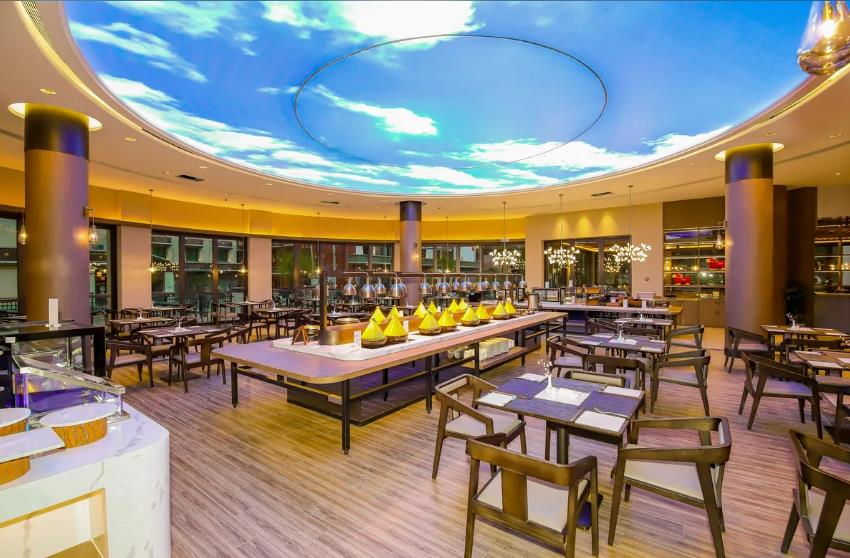
2026 Recommended Restaurant in Siming District (Updated February)
28 posts
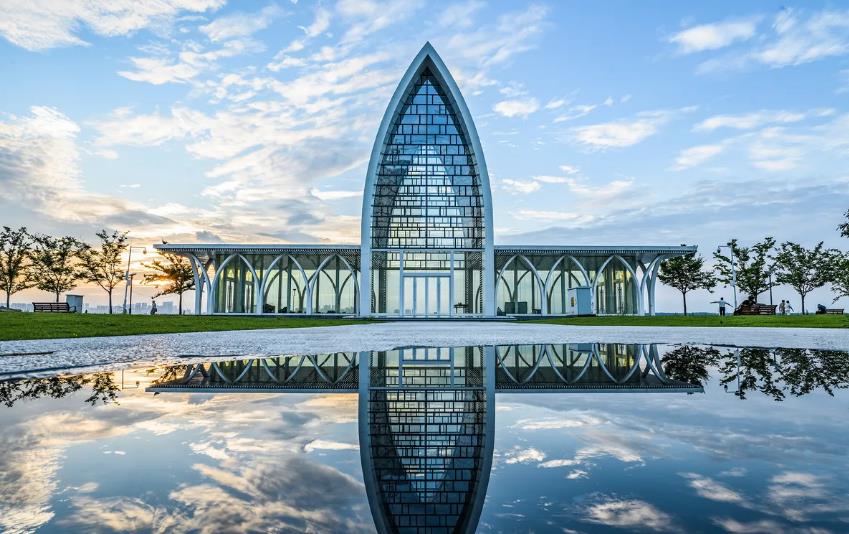
2026 Recommended Hotels in Siming District (Updated February)
21 posts

Popular Destinations Near Siming District

2026 Singapore Travel Guide: must-see attractions, popular food, hotels, transport & travel experiences (updated in February)
35086 posts
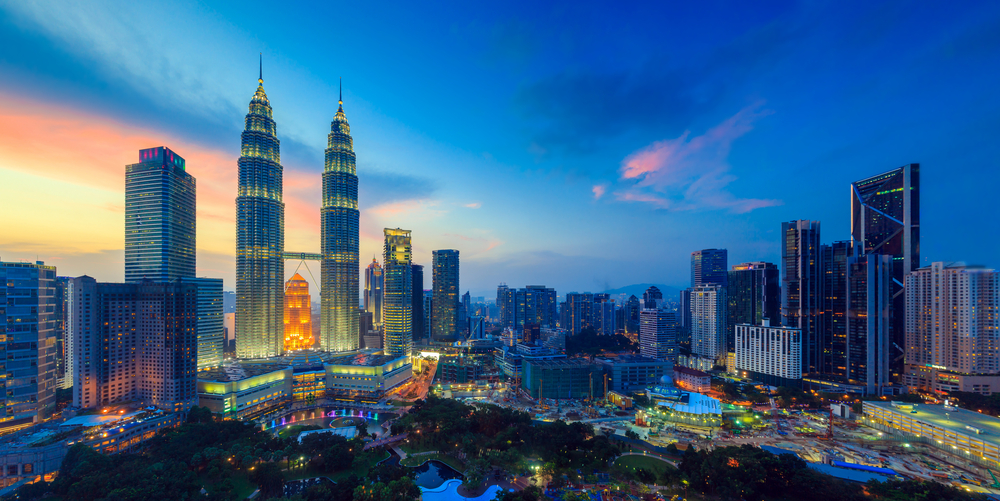
2026 Kuala Lumpur Travel Guide: must-see attractions, popular food, hotels, transport & travel experiences (updated in February)
22658 posts
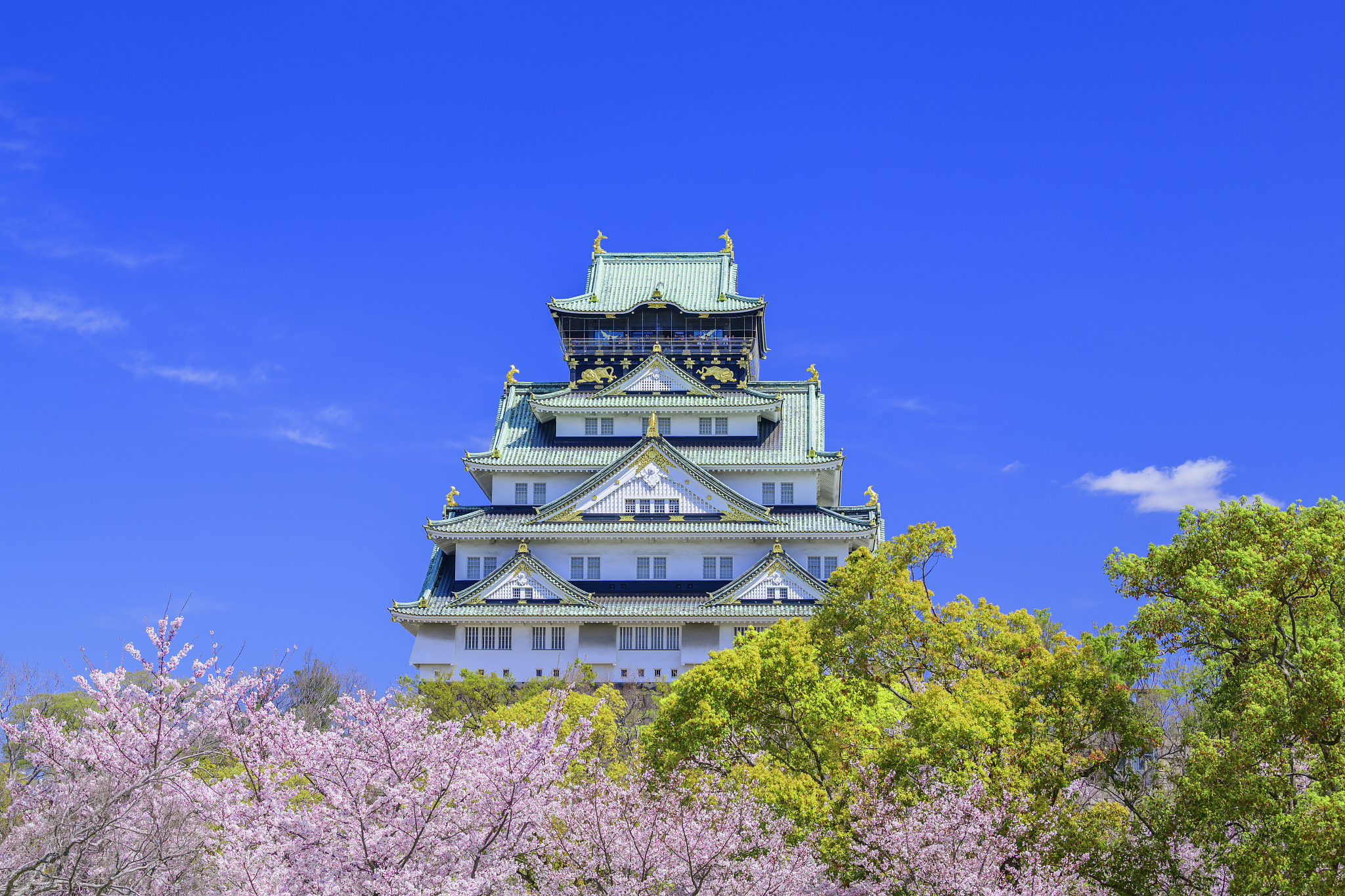
2026 Osaka Travel Guide: must-see attractions, popular food, hotels, transport & travel experiences (updated in February)
17194 posts
- 1
- 2
- 3
Post
More recommendations
Popular Trip Moments
Yidu Chaosu | Enjoy a private hot spring under the winter stars | Spend a lazy and relaxing afternoon at Huli Park | This coffee shop in Xiamen is amazing! The Omakase coffee experience is absolutely incredible. | A family tour to Xiamen during the Spring Festival will surely discover something new. | I stayed in a super satisfying apartment during my trip to Xiamen! It's right in Wuyuan Bay! | Xiamen Dream Trip✨ | Hundred-dollar cruise trip? A 3-day, 2-night value-for-money choice departing from Hong Kong | 🌊 Promise me! You must go cycling along the Ring Road and feel the breeze! | Jiangxi Cuisine at MixC Xiamen | Huqia Jingdezhen Flavors: A Creative Collision of Porcelain Charm and Spicy Aroma | Hidden Gem Shop Next to MixC Xiamen | Dumpling Colors: A Culinary Delight of Traditional Handmade Products and Fresh Ingredients | Strolling through the old days of Xiamen Art Museum | Xiamen: a one-stop shop for shopping, eating, and relaxation! Staying at the right hotel is truly amazing! @Jinjiang Inn Xiamen North Railway Station Jimei University Village Hotel @Shangbai Taco Sushi | Southeast Xi | Private Chinese Courtyard Cuisine on Jianye Road | A delight for those who love sweet rice cakes! Stay at Jinjiang Inn Premium and unlock Xiamen's first Nyonya kueh feast! Who knows what that means?! Stay at Jinjiang Inn Premium near Xiamen North Railway Station and Jimei Campus. | A retro cafe hidden in an old alley in Xiamen | Stay at Jinjiang Inn Premium and unlock a slow-paced life with stories to tell @Jinjiang Inn Premium Xiamen North Station Jimei School | Prime sea view guesthouse on Gulangyu Island | Lie down and watch the sunset over Xiamen Bay | My advice on what to wear when traveling in Xiamen is... | My advice on what to wear when traveling in Xiamen is... | My first time staying at such a high-end hotel, it’s absolutely amazing!! | Xiamen Shanhai, the perfect spot to lie back and watch the sea! | Xiamen Garden Expo Lantern Festival Guide|The Largest in Fujian! So Fun You Won't Want to Leave | Happiness knocks on Xiamen! | Xiamen's Cliffside Seascape: A Must-Visit Spot for Girls to Take Photos! | Xiamen Garden Expo Park|A must-visit for girls! The Moonlight Ring at dusk is legendary with great photo spots | Xiamen Wenzao New Landmark Old Chimney Shopping Mall | The hotel ceiling in Xiamen was warmed to the core by the Pan Pacific's service. | The Moonlight Ring and Xinglin Pavilion at Garden Expo Park
Trending Travelogues
How to enjoy a 2-day and 1-night trip to Xiamen, a comprehensive guide to itinerary planning! | TOP Winter Places to Travel in China for Winter 2026 | Gourmet Introduction to Longtou Road. Not One of Them Can be Missed! | Eat Vegetarian Food, Watch the Shelling Performance, Listen to Nan-in, And Discover the Cultural Heritages of Xiamen | Top Ten Resorts in Xiamen | Top Recommendations for Autumn Holidays
Popular Destinations
Toms River Travel | Khargone Travel | Port Fairy Travel | Qilian Travel | Dianbai District Travel | Puyallup Travel | Clinton County Travel | Serra San Bruno Travel | Rutland Travel | Howick Travel | Fauquier County Travel | Burtholme Travel | L'Ile-des-Pins Travel | Stoke-on-Trent Travel | Joint Base Pearl Harbor-Hickam Travel | Sully Travel | Galashiels Travel | Gardena Travel | Kobenhavn K Travel | Tacna Travel | Conception Bay South Travel | Port Perry Travel | Macon Travel | Belfair Travel | Trancoso Travel
Recommended attractions at popular destinations
Popular Attractions in Bangkok | Popular Attractions in Manila | Popular Attractions in Tokyo | Popular Attractions in Taipei | Popular Attractions in Hong Kong | Popular Attractions in Seoul | Popular Attractions in Kuala Lumpur | Popular Attractions in Los Angeles | Popular Attractions in Shanghai | Popular Attractions in New York | Popular Attractions in Shenzhen | Popular Attractions in Osaka | Popular Attractions in Singapore | Popular Attractions in London | Popular Attractions in Guangzhou | Popular Attractions in San Francisco | Popular Attractions in Beijing | Popular Attractions in Macau | Popular Attractions in Bali | Popular Attractions in Jakarta | Popular Attractions in Paris | Popular Attractions in Ho Chi Minh City | Popular Attractions in Istanbul | Popular Attractions in Phuket | Popular Attractions in Chicago | Popular Attractions in Seattle | Popular Attractions in Toronto | Popular Attractions in Orlando | Popular Attractions in Cebu | Popular Attractions in Chiang Mai
Popular Restaurants in Xiamen
Yang Xiao Xian ( Zhongshan Road Dian) | Ocean View Restaurant | Fu Yu Da Tong Ya Rou Zhou·Shiyu1983nian | XIAO YAN JING DA PAI DANG | 佳逸希尔顿格芮酒店·逸厨餐厅 | Ming Yue Xia Mian(xiaheludian) | Chao Fu Cheng (HuBin North Road) | W XIAMEN · NINE Restaurant | Hey Ming | WUway natural food | Yuehua Sate Noodles | Savory Bali Indonesian Restaurant | 林氏宴集(林氏府公馆酒店) | 厦门香格里拉酒店·馨石堂·自助餐 | Lian Huan HaiLiJian XiaoChi | Jia Wei ZaiTian XiaoChi | No. 101 Chinese Restaurant | Si Bei Hua Sheng Tang | CHIC1699 | XIA Restaurant | 厦门禹洲温德姆至尊豪廷大酒店·禹品轩中餐厅 | BAPOPO | C&D hotel XiaMen-ZhanHongGe Chinese Restaurant | LUCHENG | SHANG SHAN ·ZHONG GUO CHU FANG(JIAN FA JFC PIN SHANG ZHONG XIN DIAN) | Wu Tang ShaChaMian | 1980Shao Rou Zong (Zhongshan Road) | SAN HOT POT | Hao Shi Lai & Big Street Food | SHAOZIYA
Popular Ranked Lists
Top 50 Best Things to Do in Jakarta | Popular Luxury Hotels Near Shimen | Top 20 Best Things to Do in Kota Kinabalu | Top 10 Local Restaurants in Lushan National Park | Popular Luxury Hotels Near Shenqiu | Top 50 Must-Visit Restaurants in Toronto | Top 50 Must-Visit Restaurants in Shanghai | Top 50 Must-Visit Restaurants in Fenghuang | Top 50 Best Things to Do in Athens | Popular Luxury Hotels Near Yiyang | Popular Luxury Hotels Near Shaoyang | Top 50 Must-Visit Restaurants in Jeju | Top 50 Best Things to Do in London | Top 50 Must-Visit Restaurants in Guam | Popular Luxury Hotels Near Fangchenggang | Top 50 Must-Visit Restaurants in Tonglu | Top 50 Must-Visit Restaurants in Yangzhou | Top 50 Best Things to Do in Hanoi | Top 50 Best Things to Do in Berlin | Top 50 Must-Visit Restaurants in Sapporo | Popular Luxury Hotels Near Huaibin | Popular Luxury Hotels Near Ninglang | Top 50 Must-Visit Restaurants in Ho Chi Minh City | Popular Luxury Hotels Near Jingmen | Top 50 Must-Visit Restaurants in Macau | Top 50 Best Things to Do in Osaka | Popular Luxury Hotels Near Chaling | Top 50 Must-Visit Restaurants in Guangzhou | Top 50 Must-Visit Restaurants in Liuzhou | Top 10 Best Things to Do in Kamakura
About
Payment methods
Our partners
Copyright © 2025 Trip.com Travel Singapore Pte. Ltd. All rights reserved
Site Operator: Trip.com Travel Singapore Pte. Ltd.
Site Operator: Trip.com Travel Singapore Pte. Ltd.