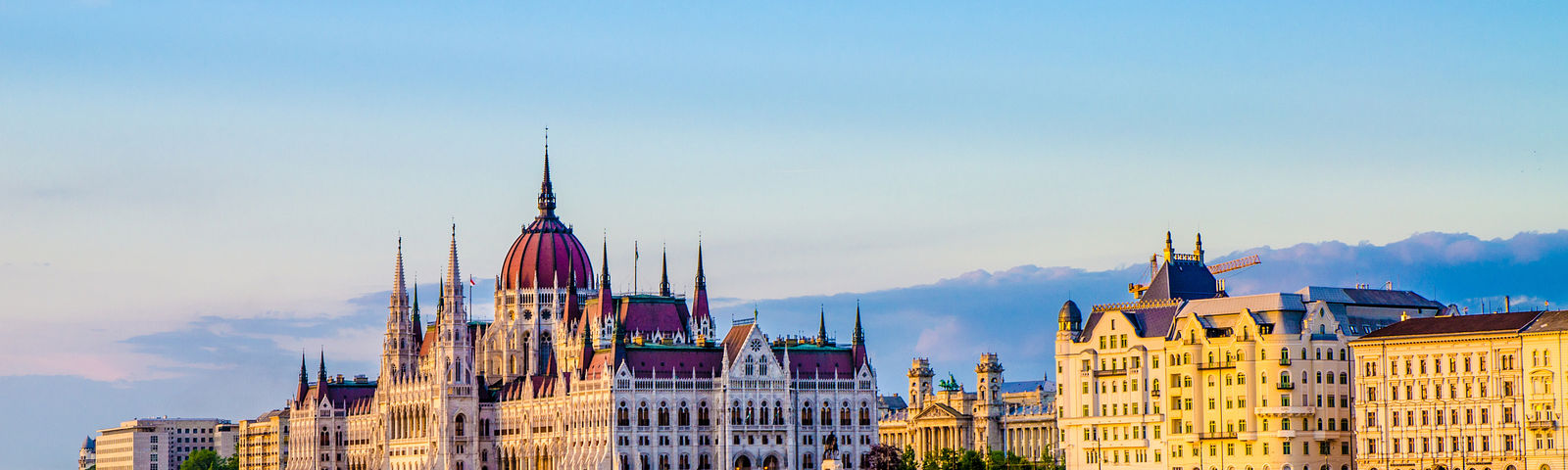
Top Budapest Day Tours
Discover 268 Day tours in Budapest on Trip.com, updated February 17, 2026, with experiences lasting from 1 to 24 hours. Find the perfect adventure for your day!
From SGD 15.67 per person, with an average total of SGD 431.01. Choose the option that suits your plan.
With 9.889k verified reviews, Day tours Budapest boast an average rating of 4.6.
This week's most popular Day tours: "Budapest: Unlimited Prosecco, Beer and Aperol Spritz Cruise", with 4.28k reviews and a 4.8 rating.
Now on Trip.com: "Fisherman's Bastion + Hungarian Parliament Building + Buda Castle + Széchenyi Chain Bridge 1-day tour", a 10-hour adventure in Budapest!
The next available day tour departs on February 18, 2026. Book now to secure your spot!
Budapest Day tours usually take about 10 hours — perfect for a relaxed, immersive experience!
100% of Budapest Day tours now offer English-speaking guides
February is the perfect time to visit Budapest! Choose from Day tours available day tours, including seasonal favorites like Budapest: Unlimited Prosecco, Beer and Aperol Spritz Cruise.
Your trip, worry-free! All day tours are run by licensed suppliers with verified reviews, and many include free cancellation before departure.
268 results for Budapest Day tours
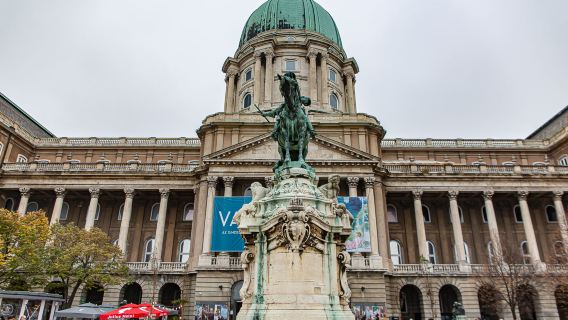 FromSGD 895.06
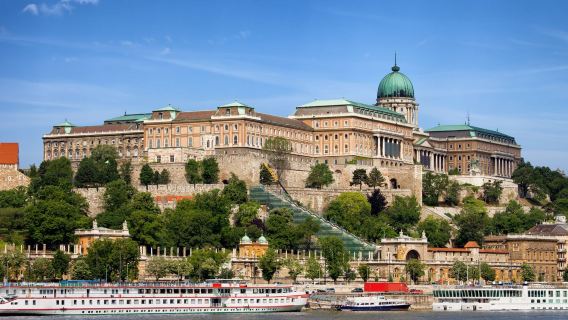 FromSGD 895.06
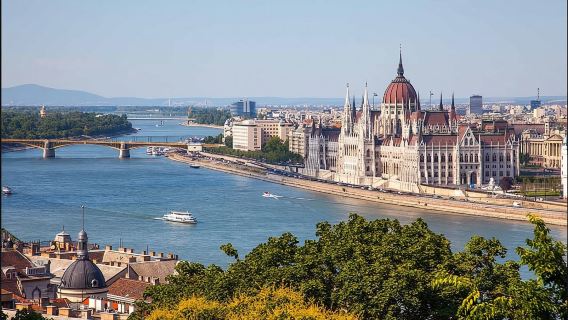 Duration: 8 hrsEnglishFromSGD 949.86
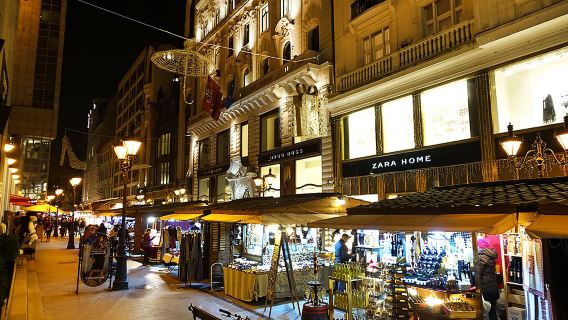 FromSGD 895.06
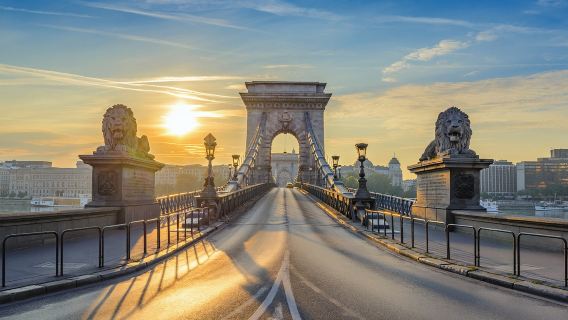 FromSGD 895.06
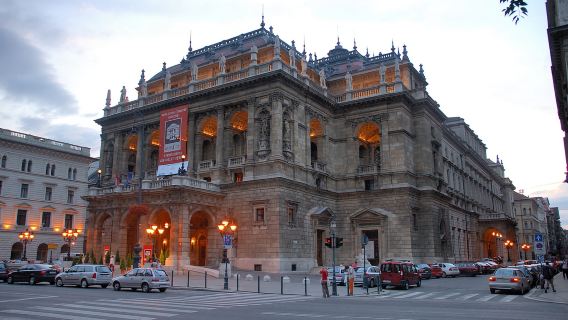 FromSGD 895.06
![Budapest Classic City Tour + Danube Cruise [Includes Boat Ticket with Drinks + Bus and Cruise]](https://ak-d.tripcdn.com/images//0584c12000n0nxmxi93E8_C_568_320.jpg?_fr=wc) Duration: 2.5 hrsEnglishFromSGD 98.13
Duration: 2.5 hrsEnglishFromSGD 98.13 FromSGD 74.90
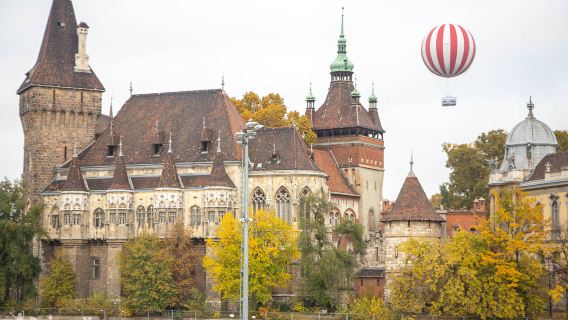 FromSGD 895.06
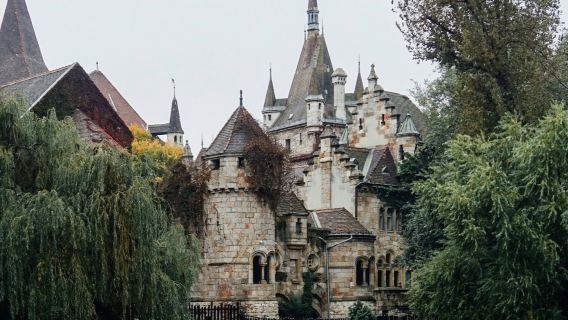 Duration: 9 hrsEnglishFromSGD 895.06
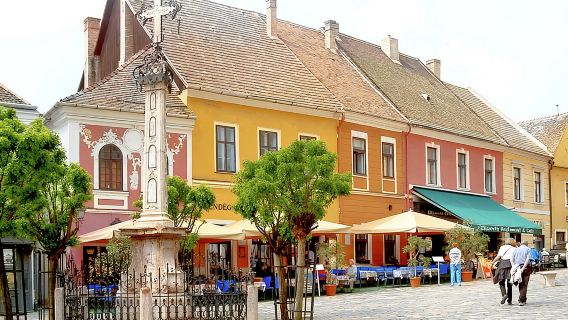 FromSGD 895.06
 Duration: 7 hrsEnglishFromSGD 895.06
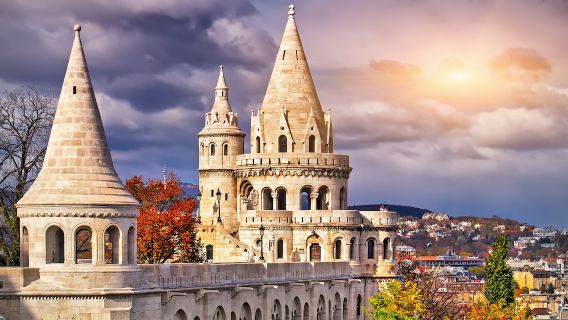 FromSGD 895.06
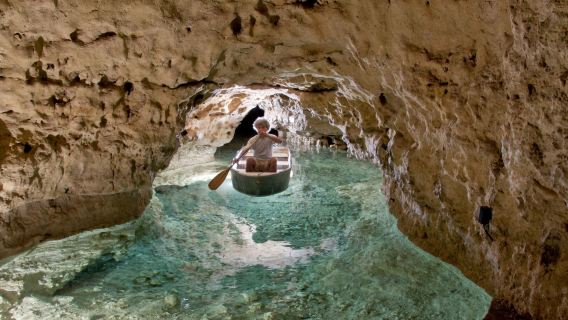 FromSGD 986.40
 Duration: 8 hrsEnglishFromSGD 895.06
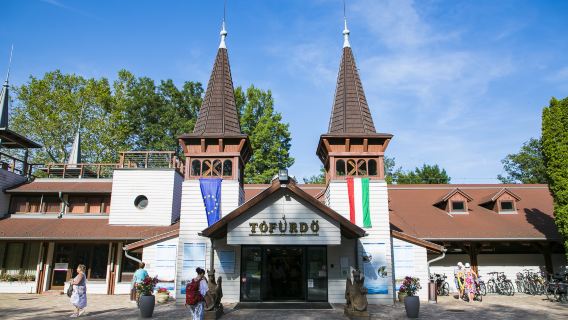 FromSGD 895.06
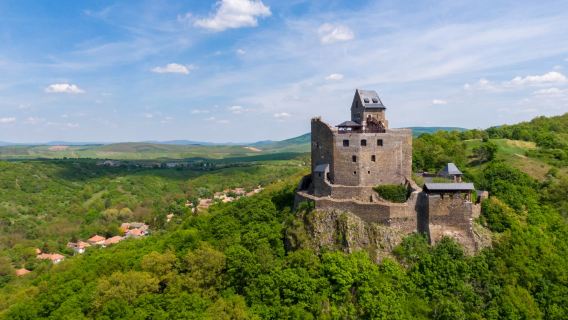 Duration: 8 hrsEnglishFromSGD 895.06
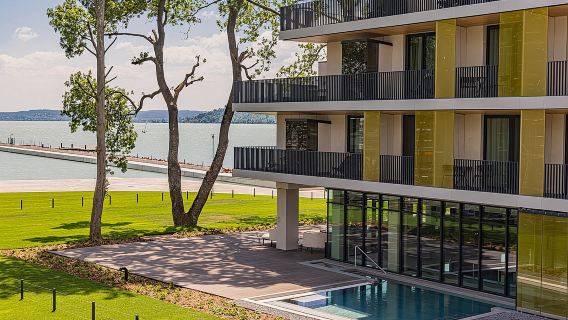 FromSGD 895.06
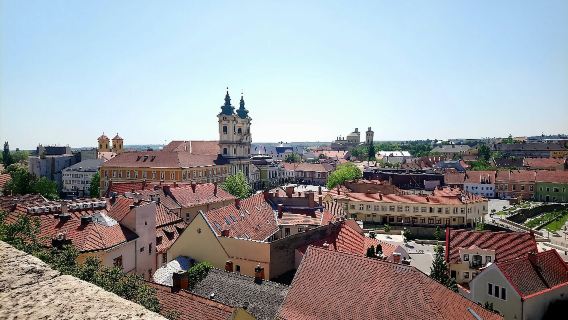 Duration: 8 hrsEnglishFromSGD 895.06
 Duration: 50–90 minsEnglish4.5/5Satisfied· 588 reviews· 22 booked5% offLimited-time saleFromSGD 22.80SGD 24
 Duration: 75 minsEnglish4.8/5Very good· 4.3k reviews· 127 booked5% offLimited-time saleFromSGD 35.34SGD 37.2
 Duration: 60–70 minsEnglish4.8/5Very good· 216 reviews5% offLimited-time saleFromSGD 85.48SGD 89.98
 5% offLimited-time saleFromSGD 96.88SGD 101.98
 Duration: 1.5–2.5 hrsEnglish4.8/5Very good· 60 reviews5% offLimited-time saleFromSGD 39.89SGD 41.99
 5% offLimited-time saleFromSGD 76.93SGD 80.98
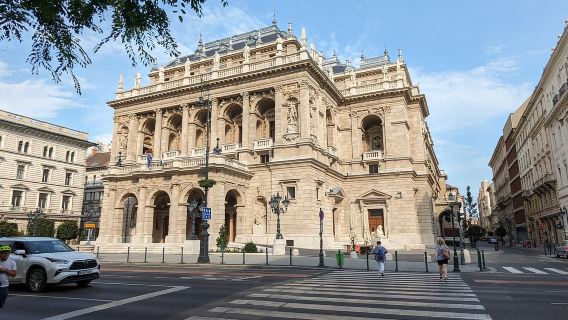 5% offLimited-time saleFromSGD 39.89SGD 41.99
 5% offLimited-time saleFromSGD 28.50SGD 30
 Duration: 2.5 hrsEnglish4.8/5Very good· 736 reviews5% offLimited-time saleFromSGD 141.04SGD 148.47
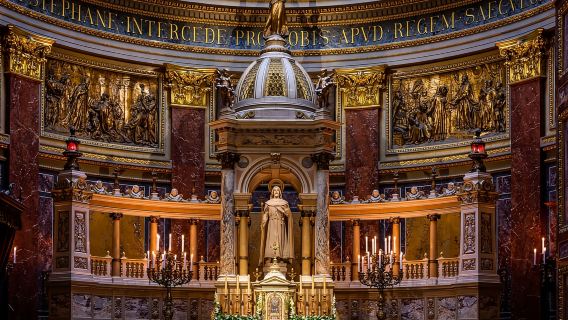 Duration: 50 minsEnglish4.7/5Very good· 2.4k reviews5% offLimited-time saleFromSGD 15.67SGD 16.5
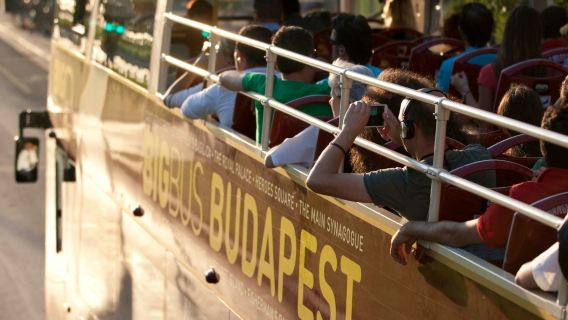 FromSGD 52.64
 Duration: 2 hrsEnglish4.6/5Satisfied· 242 reviews5% offLimited-time saleFromSGD 105.14SGD 110.68
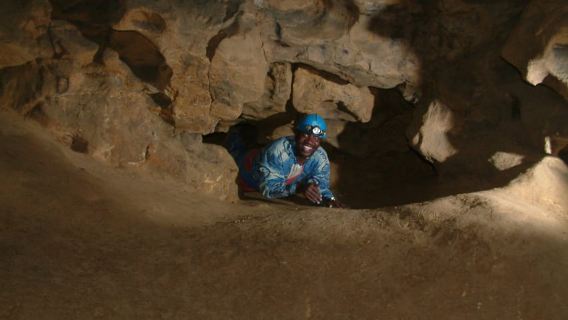 5% offLimited-time saleFromSGD 100.58SGD 105.88
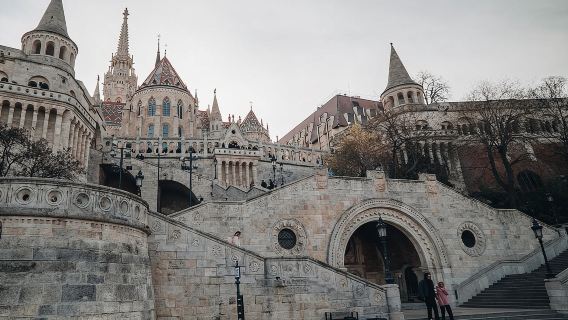 FromSGD 289.83
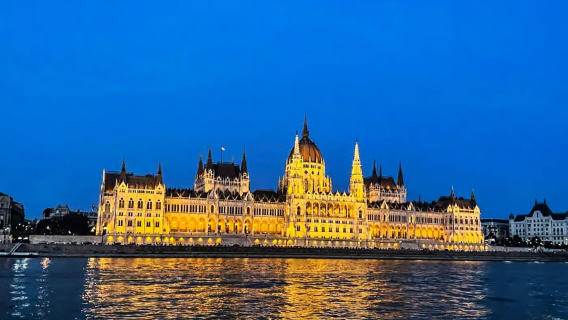 FromSGD 50.82
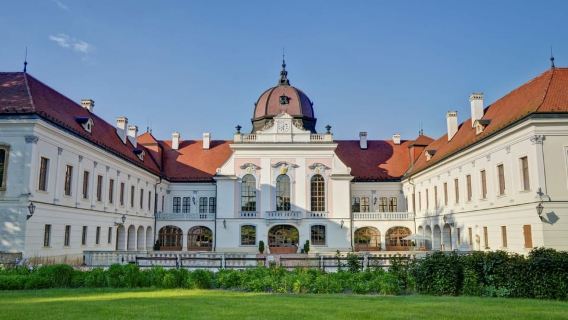 5% offLimited-time saleFromSGD 81.20SGD 85.48





Explore top experiences
See what other travelers love, based on ratings and bookings
Frequently asked questions about Budapest Day tours
How many Day tours are available in Budapest on Trip.com?
What are the best Day tours in Budapest?
What are the top-rated Day tours in Budapest?
What are the recommended itineraries in Budapest?
How can I contact Trip.com customer support?
Can I change or cancel my booking?
How can I get discounted prices?
Trip.com Picks
Top Tours in Budapest
Best Experiences in Budapest
Popular Products
Trending Searches
More Popular Destinations




About






of the year 2025



Site Operator: Trip.com Travel Singapore Pte. Ltd.