
Top picks for Bang Pa
Search attractions or local attractions & tours
Attractions & Tours category
Top Picks
Book now for today
Book now for tomorrow
24895 results for Bang Pa
Sort by
Recommended
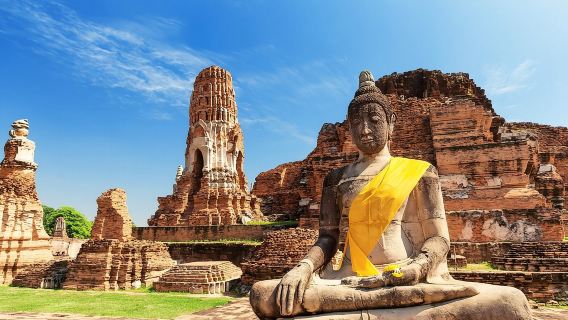 Trip.Select
 Duration: 7.5 hrsEnglish4.8/5Outstanding· 522 reviews· 3k bookedFromJPY 7,588
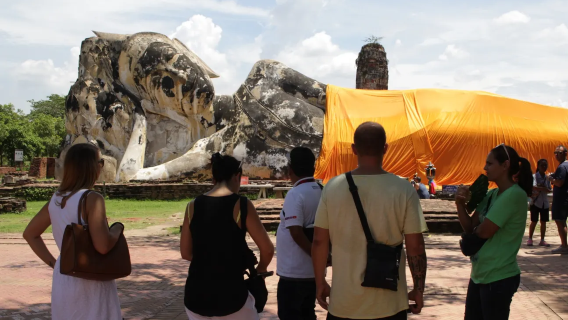 Duration: 8.5 hrsEnglish8% offLimited-time saleFromJPY 4,803JPY 5,221
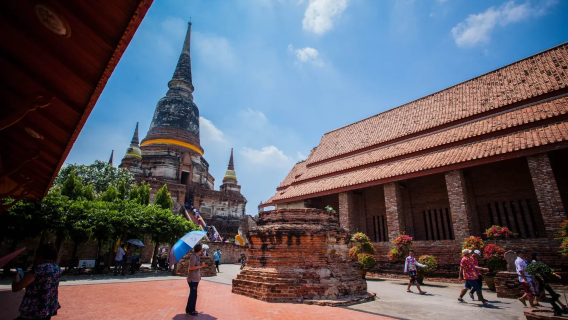 Trip.SelectDuration: 9 hrsEnglish4.5/5Excellent· 16 reviews· 214 booked8% offLimited-time saleFromJPY 3,287JPY 3,573
 Trip.SelectDuration: 8.5 hrsEnglish4.5/5Excellent· 29 reviews· 94 booked10% offLimited-time saleFromJPY 7,023JPY 7,804
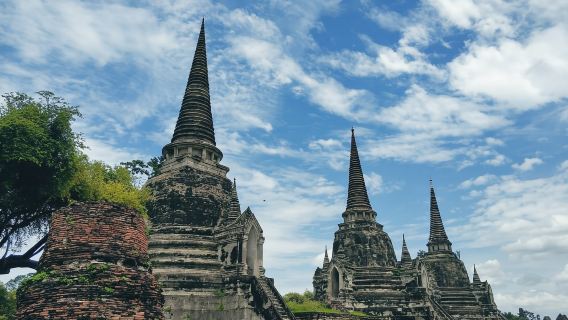 7% offLimited-time saleFromJPY 11,124JPY 12,091
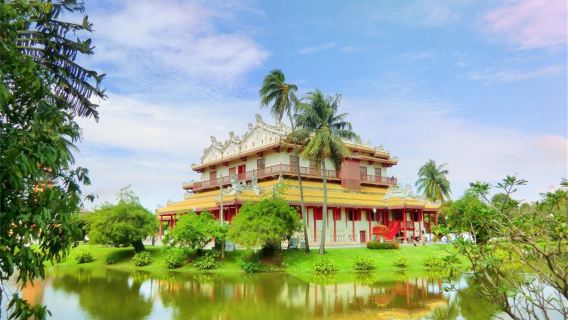 Trip.SelectDuration: 11.7 hrsEnglish4.7/5Outstanding· 155 reviews· 958 booked8% offLimited-time saleFromJPY 3,480JPY 3,783
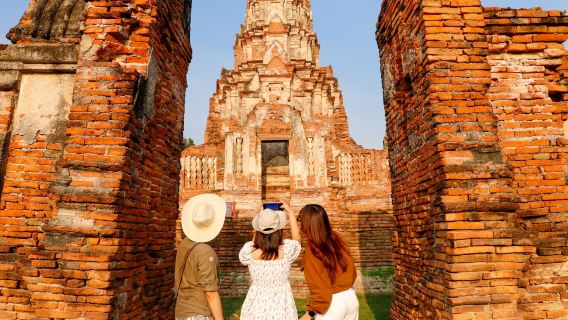 Duration: 9.5 hrsEnglish4.8/5Outstanding· 25 reviews· 469 booked30% offLimited-time saleFromJPY 4,155JPY 5,936
 8% offLimited-time saleFromJPY 15,168JPY 16,487
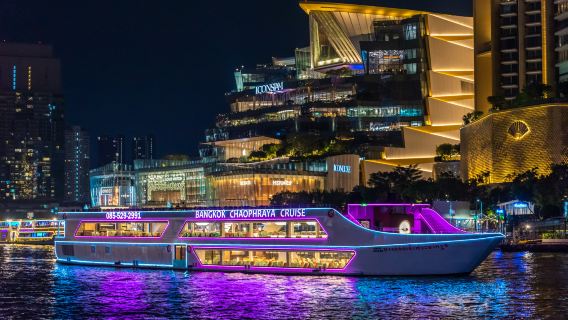 Duration: 4 hrsEnglish4.4/5Very good· 289 reviews· 8k bookedFromJPY 4,194
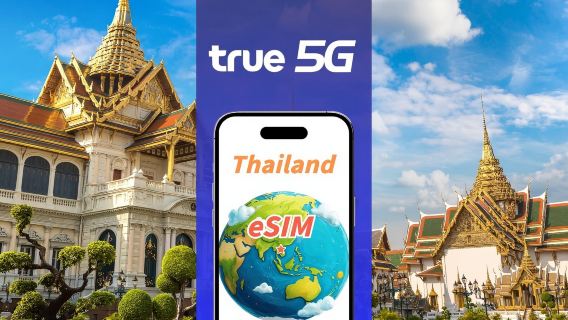 Hotspot capable4.7/5Outstanding· 854 reviews· 20.2k booked50% offLimited-time saleFromJPY 22JPY 44
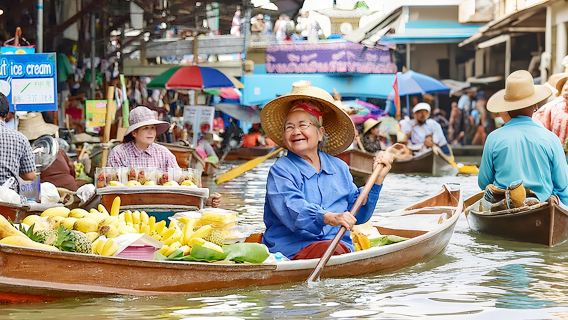 Trip.SelectDuration: 7 hrsEnglish4.8/5Outstanding· 895 reviews· 8.3k bookedFromJPY 3,407
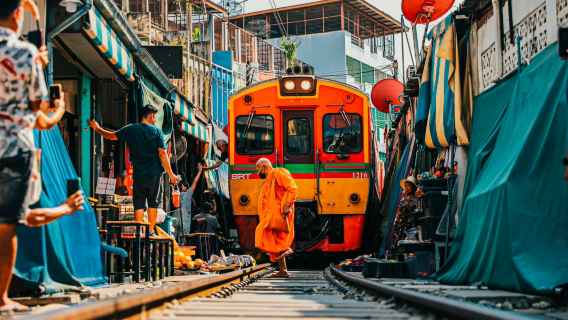 Duration: 4.8 hrsEnglish4.7/5Outstanding· 159 reviews· 2.7k bookedFromJPY 3,661
![[Private] Damnoen Saduak & Maeklong Railway Market Tour – Accompanied by Veteran Driver](https://ak-d.tripcdn.com/images//0582612000nrgobbqBE87_C_568_320.jpg?_fr=wc) Trip.SelectDuration: 5.5 hrsEnglish4.5/5Excellent· 2 reviews· 41 bookedFromJPY 3,573
Trip.SelectDuration: 5.5 hrsEnglish4.5/5Excellent· 2 reviews· 41 bookedFromJPY 3,573 Duration: 7.5 hrsEnglish4.7/5Outstanding· 9 reviews· 287 booked30% offLimited-time saleFromJPY 4,155JPY 5,936
![Limited-time Offer|Private Transfer] Damnoen Saduak Floating Market + Maeklong Railway Market Day Tour](https://ak-d.tripcdn.com/images//0586912000n2dmd0tAE29_C_568_320.jpg?_fr=wc) Trip.SelectDuration: 5.5 hrsEnglish4.5/5Excellent· 8 reviews· 254 bookedFromJPY 4,452
Trip.SelectDuration: 5.5 hrsEnglish4.5/5Excellent· 8 reviews· 254 bookedFromJPY 4,452![[Join-in Tour] Bangkok Damnoen Saduak Floating Market + Maeklong Railway Market 1-Day Tour](https://ak-d.tripcdn.com/images//0580p12000nmncnuj3586_C_568_320.jpg?_fr=wc) Duration: 4.5 hrsEnglish5.0/5Perfect· 2 reviews· 24 bookedFromJPY 5,287
Duration: 4.5 hrsEnglish5.0/5Perfect· 2 reviews· 24 bookedFromJPY 5,287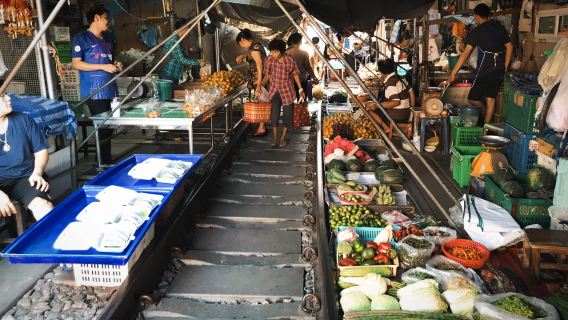 Duration: 6.5 hrsEnglish4.0/5Very good· 1 review· 91 bookedFromJPY 3,573
 FromJPY 13,138
1
2
3
4
5
6
1245
Explore top experiences
See what other travelers love, based on ratings and bookings
Frequently asked questions about Bang Pa
How many are available in Bang Pa on Trip.com?
What are the best in Bang Pa?
What are the top-rated in Bang Pa?
What are the recommended itineraries in Bang Pa?
How can I contact Trip.com customer support?
Can I change or cancel my booking?
How can I get discounted prices?
Reviews/Trip Moments
★
★
★
★
★
Reviews: One-day tour in Ayutthaya, Bangkok / vip shared tour & private tour / sugar cake for free
Guest User2026-02-07
I booked the tour.In 15-20 minutes they texted me to confirm the pick up and drop off point. Overall the tour was good. The guide spoke in Chinese and next in English. We had visited the palace and three ruined temples ( they are amazing !!!!). I had good experience. They treated us to a traditional crepe with cotton candy filling. Thank you.★
★
★
★
★
Reviews: Ayutthaya Historical Park, Wat Chaiwatthanaram, and Wat Mahathat Day Tour from Bangkok
Guest User2026-03-29
This tour is really worth the money. Our tour guide Nicky is knowledgeable about the places we visited. The temple we visited are really magnificent. Will try other activities next time if we’ll visit Thailand again.★
★
★
★
★
Reviews: Special Offer - Phra Nakhon Si Ayutthaya 1-day Tour|Ayutthaya Historical Park|Bang Pa-In Palace|Wat Mahathat
Guest User2025-08-03
A perfect journey to trace the roots of ancient Siam in Thailand, just over an hour's drive from downtown Bangkok. The Bang Pa-In Summer Palace perfectly blends Eastern and Western architectural styles, creating an elegant and noble royal garden atmosphere. While temples like the Mahathat have faded into ruins, their remaining foundations still retain their grandeur, seemingly still whispering tales of the pride and resilience of the Khmer Empire at its peak. My long-awaited trip to Ayutthaya finally came to fruition—a perfect spiritual encounter.★
★
★
★
★
Reviews: Ayutthaya Historical Park and Bang Pa-In Palace Day Tour
Guest User2026-04-03
We went on a group tour of 30 people with Nikki as our guide. It was a lot of fun, and Nikki shared a lot of information about the different places we visited. It was very hot the day we traveled, but our tour ended smoothly and was very enjoyable.
Trip.com picks
Popular products
Trending Searches
More Popular Destinations
Switzerland Yacht CharterBoat Experiences in New DelhiKoh Larn DivingTaitung JR PassItaly SkydivingDistrict of Columbia ClassesAnnecy Transport CardAuckland Region Cultural ExperienceSri Jayewardenepura Kotte ClassesBudapest Transportation
1-day tour for Songkran Festival Chiang Mai with water guns, off-road pickup truck ride, and old city celebrationProvence Wine and Luberon Villages Excursión a Versalles en tren con entrada al Palacio y los JardinesGrupo privado - Una experiencia monumental en MaltaEl tour completo en grupo reducido de MontrealQueenstown Classic Wine Tour: 3 Winery Visits, Cave Tour & CheeseScenic Manhattan Highlights Bike Tour Excursión de día completo a Micenas, Epidauro y Nafplio en grupo privado desde AtenasGrupo privado: Visita turística por Varsovia en un Fiat retroPrivate Full-Day Guided Tour: Explore Jakarta's Top HighlightsThings to do in YunnanThings to do in HubeiThings to do in JiangxiThings to do in HakoneThings to do in Wiang Pa PaoThings to do in Iskandar PuteriThings to do in BrisbaneThings to do in JapanThings to do in ChengduThings to do in CebuThings to do in Genting HighlandsThings to do in AzerbaijanThings to do in MaltaThings to do in BusanThings to do in Mongolia



About
Payment methods


Our partners




Contact Center
of the year 2025
of the year 2025



Trip.com is part of Trip.com Group Limited, one of the world's leading providers of travel services.
Copyright © 2026 Trip.com Travel Singapore Pte. Ltd. All rights reserved
Site Operator: Trip.com Travel Singapore Pte. Ltd.
Site Operator: Trip.com Travel Singapore Pte. Ltd.