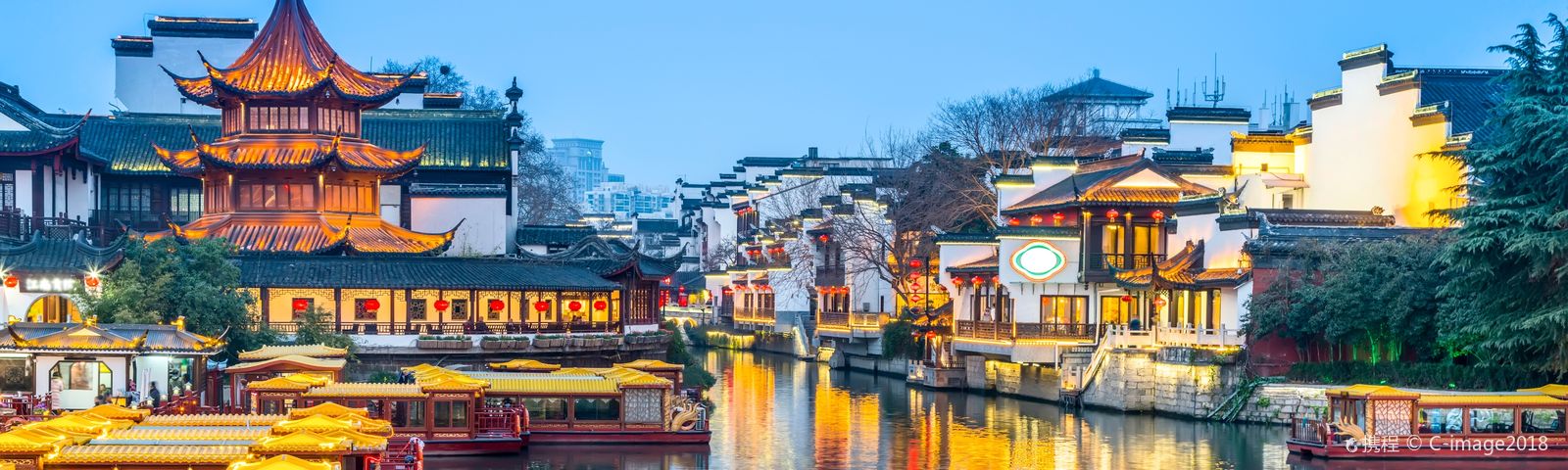
Top Nanjing Day Tours
Discover 107 Day tours in Nanjing on Trip.com, updated March 10, 2026, with experiences lasting from 1 to 11 hours. Find the perfect adventure for your day!
From NZD 46.80 per person, with an average total of NZD 254.44. Choose the option that suits your plan.
With 8 verified reviews, Day tours Nanjing boast an average rating of 4.3.
This week's most popular Day tours: "Flexible Private Day Tour of Nanjing City Highlights", with 3 reviews and a 5 rating.
Now on Trip.com: "Nanjing Presidential Palace|Ming Dynasty Han Prince's Mansion|Qing Dynasty Governor's Office|Taiping Heavenly Kingdom|Chinese-English guide xx", a 1-hour adventure in Nanjing!
The next available day tour departs on March 11, 2026. Book now to secure your spot!
Nanjing Day tours usually take about 1 hours — perfect for a relaxed, immersive experience!
100% of Nanjing Day tours now offer English-speaking guides
March is the perfect time to visit Nanjing! Choose from Day tours available day tours, including seasonal favorites like Flexible Private Day Tour of Nanjing City Highlights.
Your trip, worry-free! All day tours are run by licensed suppliers with verified reviews, and many include free cancellation before departure.
107 results for Nanjing Day tours
![Nanjing offers guides fluent in English, Spanish, Russian, German, French, Italian and more languages. [Customized by Trip Planner]](https://ak-d.tripcdn.com/images/0357212000qh7ubnp523E_C_568_320.jpg?_fr=wc) Customized itineraries to accommodate all scenario needsFree cancellationDuration: 5 hrsFromNZD 313.12
Customized itineraries to accommodate all scenario needsFree cancellationDuration: 5 hrsFromNZD 313.12![[Foreign Guests Welcome] Nanjing Niushou Mountain Cultural Tourism Zone + Presidential Palace 1-Day Tour with Chinese/English Guide](https://ak-d.tripcdn.com/images//0581v12000r4txndp836E_C_568_320.jpg?_fr=wc) Private tour with English guide, includes headsets, no join-in tours.Free cancellationDuration: 7.5 hrsFromNZD 464.78
Private tour with English guide, includes headsets, no join-in tours.Free cancellationDuration: 7.5 hrsFromNZD 464.78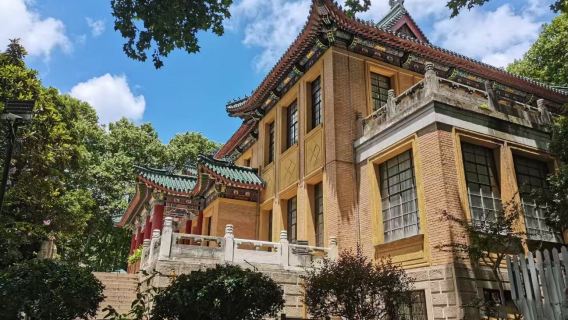 Trip.Select
 [Nanjing Highlights] Explore the stories of the Republic of China era at Nanjing Presidential Palace, Dr. Sun Yat-sen's Mausoleum, and Meiling Palace. Stroll through the romantic Lingyuan Road and enjoy an in-depth tour of The Ming Tomb!Free cancellationInstant confirmationDuration: 9 hrs5.0/5Excellent· 1 reviewFromNZD 403.38
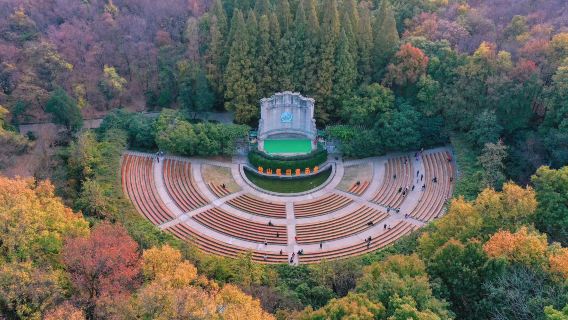 Trip.SelectSee more of Nanjing in less time on this customizable tour with your own personal guide, plus pick-up and drop-off from the station or your hotelFree cancellationInstant confirmationDuration: 11.3 hrs5.0/5Excellent· 3 reviews15% offLimited-time saleFromNZD 96.05NZD 113
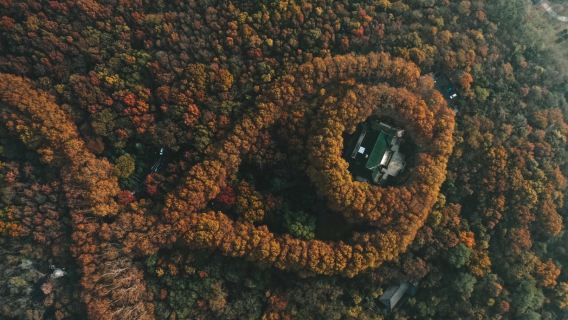 Enjoy free door-to-door pickup service in Nanjing's six main urban districts, with dedicated vehicles following your itinerary for seamless transfers between attractions, eliminating the hassle of transportation planning and fatigue.Free cancellationInstant confirmationDuration: 8 hrs14% offLimited-time saleFromNZD 117.09NZD 137.75
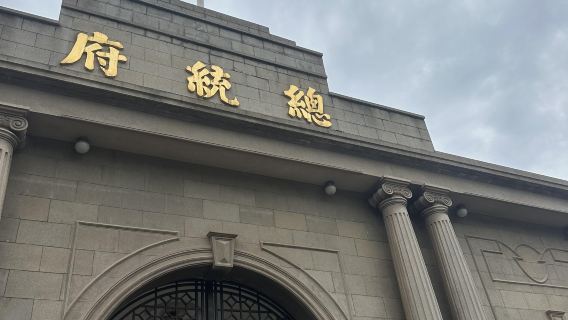 Confronting the pain of history. The blood and tears of 300,000 compatriots remind us to remember the past, cherish peace, and never forget the national tragedy.Duration: 7.5 hrsFromNZD 262.10
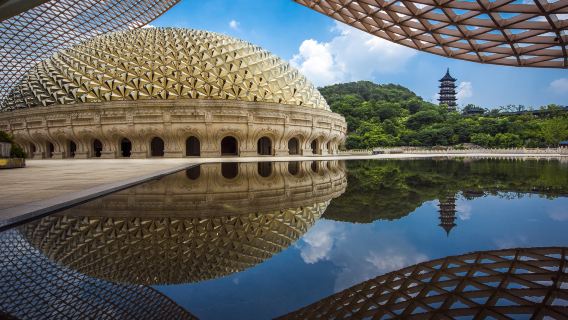 [Featured Attractions] In-depth exploration of Nanjing's internet-famous Niushou Mountain Cultural Tourism Zone, discovering Jinling stories at the Presidential Palace, finding inner peace at the Grand Bao'en Temple, and a special experience on the Outer Qinhuai River Cruise.Free cancellationInstant confirmationDuration: 8.4 hrsFromNZD 403.38
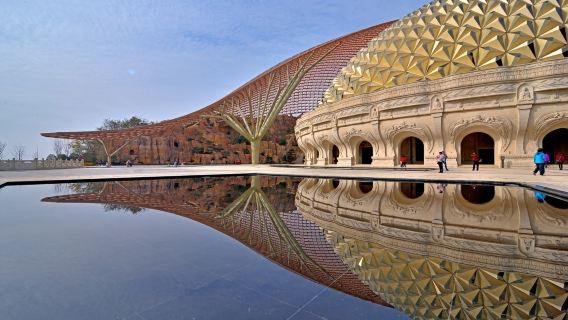 [Top Pick Attractions] In-depth Exploration of Nanjing's Viral Niushou Mountain Cultural Tourism Zone, Discover Jinling's Stories at the Presidential Palace!Free cancellationInstant confirmationDuration: 8 hrsFromNZD 403.38
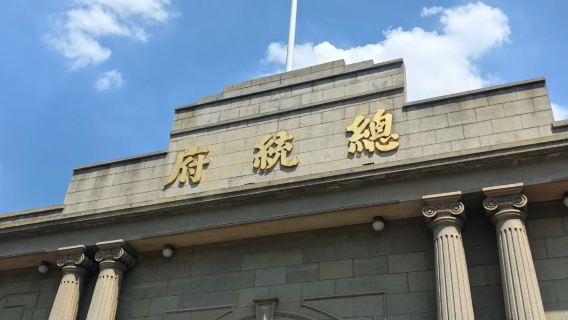 Say goodbye to rushed tours. Enjoy ample time to immerse yourself in each attraction.Free cancellationDuration: 6.2 hrsFromNZD 317.72
![[Foreign Guests Welcome] One-Day Tour with Bilingual Guide (Chinese & English) + Presidential Palace + Dr. Sun Yat-sen's Mausoleum + Meiling Palace + Confucius Temple](https://ak-d.tripcdn.com/images/0351p12000r35bq3eC127_C_568_320.jpg?_fr=wc) From a Ming Dynasty princely mansion to the central hub of the Republic of China, the Presidential Palace encapsulates half of modern Chinese history.Free cancellationDuration: 8 hrsFromNZD 464.78
From a Ming Dynasty princely mansion to the central hub of the Republic of China, the Presidential Palace encapsulates half of modern Chinese history.Free cancellationDuration: 8 hrsFromNZD 464.78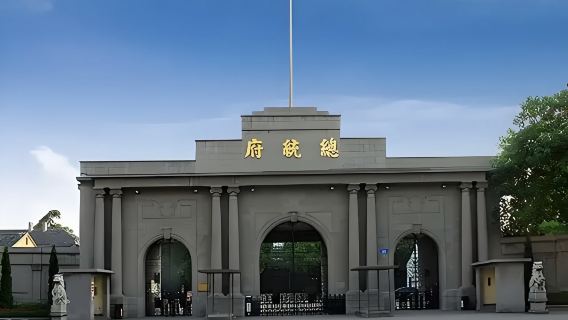 [Nanjing Highlights] Explore the romantic Lingyuan Road, uncover Republic-era stories at the Presidential Palace, Dr. Sun Yat-sen's Mausoleum, and Meiling Palace, with an in-depth tour of Niushou Mountain Cultural Tourism Zone!Free cancellationInstant confirmationDuration: 10.2 hrs5.0/5Excellent· 1 reviewFromNZD 403.38
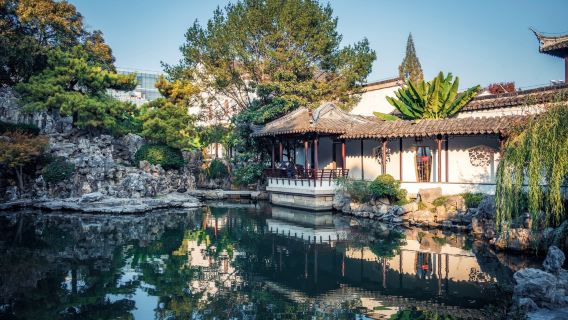 Classic highlights of Jinling, late departure without early risingFree cancellationInstant confirmationDuration: 8.8 hrsFromNZD 403.38
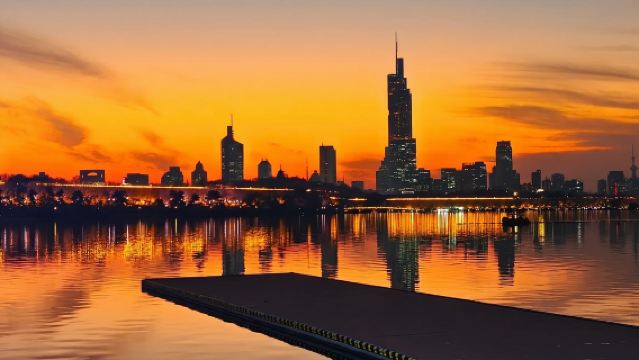 Enjoy a private tour throughout, quietly experiencing the harmonious beauty of the Zen temple, ancient city walls, and lake scenery.Free cancellationInstant confirmationDuration: 3.3 hrsFromNZD 81.54
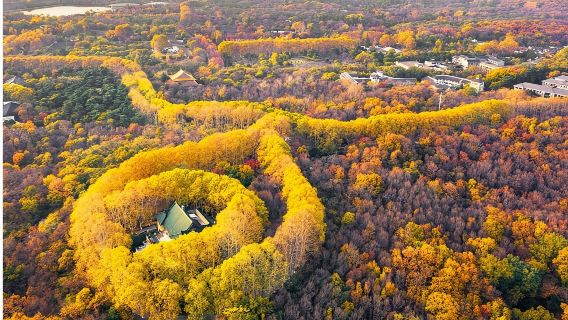 Classic highlights of Jinling, late departure without early risingFree cancellationDuration: 7.4 hrsFromNZD 403.38
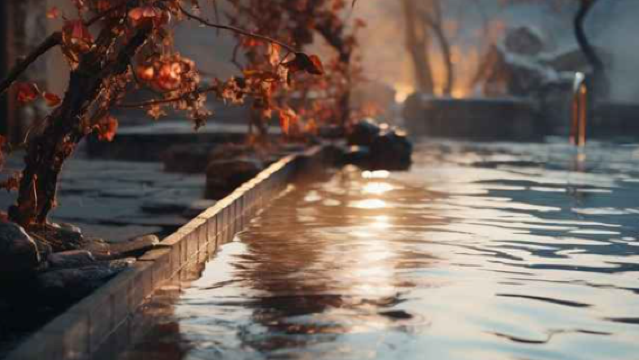 Dedicated trip coordination, easily visit Nanjing's three landmarks with a hassle-free experience.Free cancellationInstant confirmationDuration: 5.6 hrsFromNZD 168.62
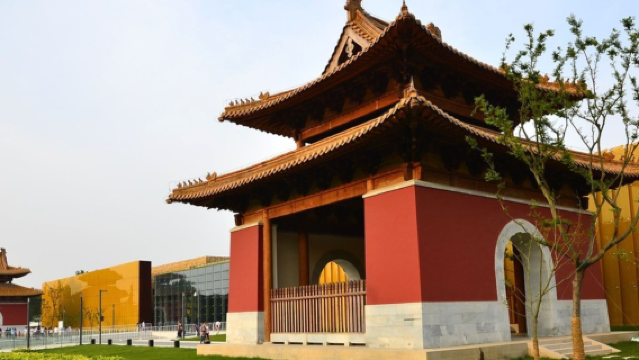 Private tour with dedicated transportation for efficient transfers between attractions, featuring well-planned routes that avoid detours and rushed schedulesFree cancellationInstant confirmationDuration: 7.3 hrsFromNZD 156.09
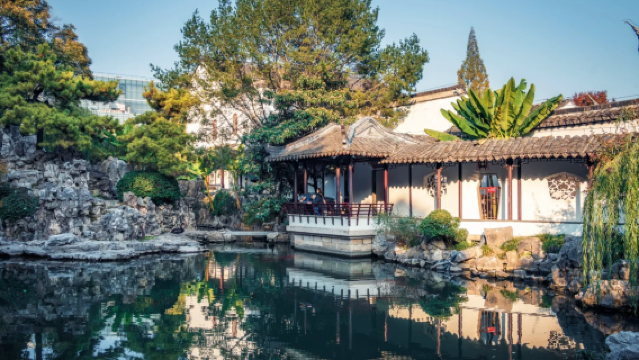 Private exclusive group for the whole journey, calmly explore the historical essence and unique cultural charm of each spotFree cancellationInstant confirmationDuration: 6.5 hrsFromNZD 124.35
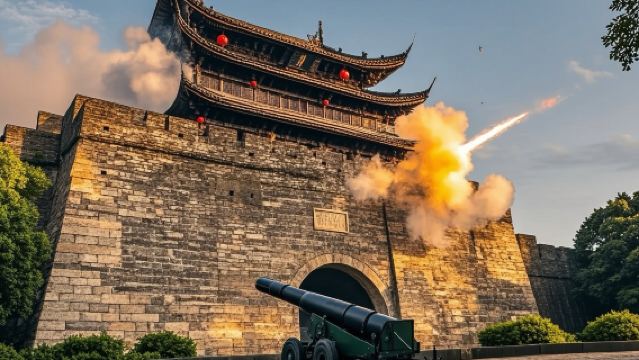 Connect Nanjing's three core landmarks and experience revolutionary heritage & Qinhuai culture in a half dayFree cancellationInstant confirmationDuration: 4 hrsFromNZD 80.96
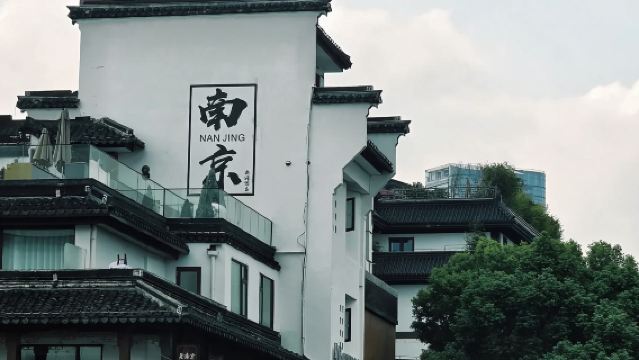 Private night tour of Confucius Temple and Qinhuai River, immerse in the night charm and millennial cultural heritage of ancient Nanjing.Free cancellationInstant confirmationDuration: 3.1 hrsFromNZD 99.60
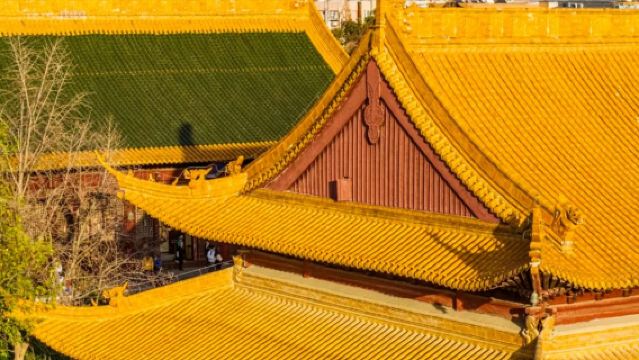 Private group tour with no crowds, calmly explore the historical and architectural essence of each spotFree cancellationInstant confirmationDuration: 6 hrsFromNZD 110.37
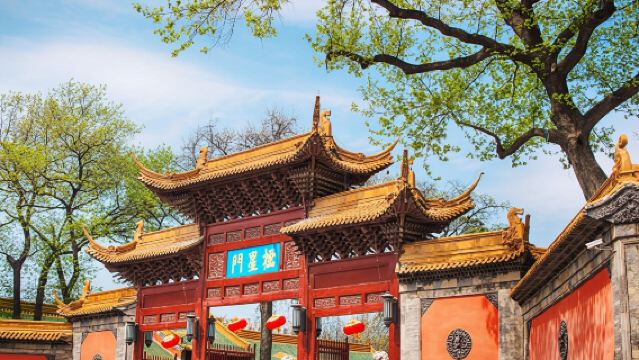 Exclusive private tour throughout, explore landmarks deeply without crowds and unlock Nanjing's cultural journey.Free cancellationInstant confirmationDuration: 5.1 hrsFromNZD 88.53
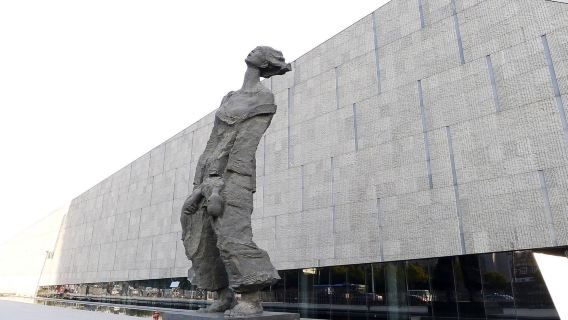 Professional explanation and in-depth interpretation: The Chinese tour guide explains the whole process, deeply analyzes the historical background and architectural meaning, and helps you understand the connotation of the exhibition.Free cancellationDuration: 2 hrs5.0/5Excellent· 1 reviewFromNZD 46.80
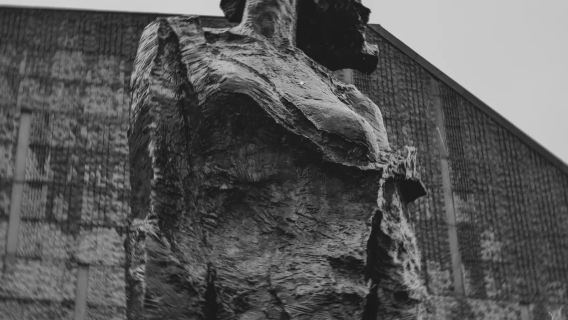 What You Book Is What You Get. No surprises, just a complete 2-hour guided experience with headphones included.Free cancellationDuration: 2 hrs5% offLimited-time saleFromNZD 293.97NZD 309.45
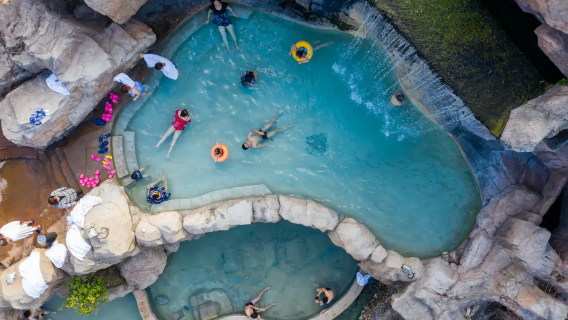 full-day private charter 8H service, itinerary can be freely adjustedFree cancellationDuration: 7 hrs5% offLimited-time saleFromNZD 296.36NZD 311.96
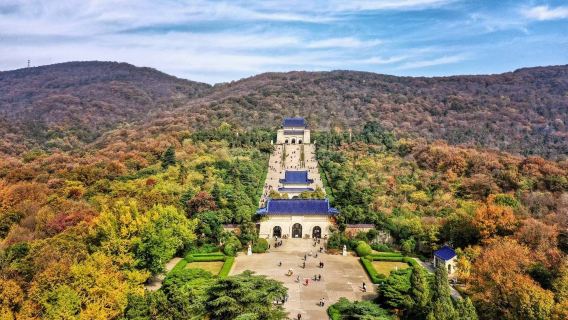 A one-day tour of Nanjing's ancient capital: Experience the four most representative attractions of Nanjing in one day: Sun Yat-sen Mausoleum, Ming Xiaoling Mausoleum, Presidential Palace, and Confucius Temple.Free cancellationInstant confirmationDuration: 4 hrsFromNZD 182.36
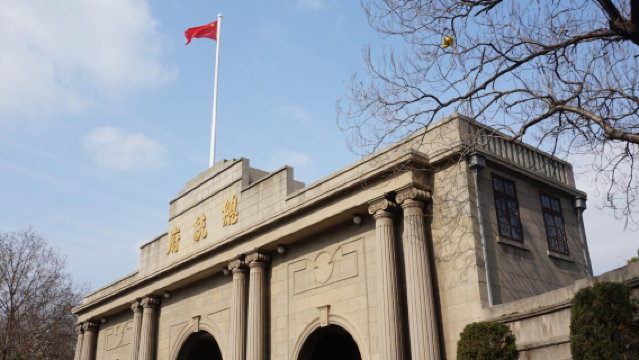 Private tour transportation with efficient connections between attractions and well-planned routes that avoid detours and rushing.Free cancellationInstant confirmationDuration: 8.6 hrsFromNZD 138.40
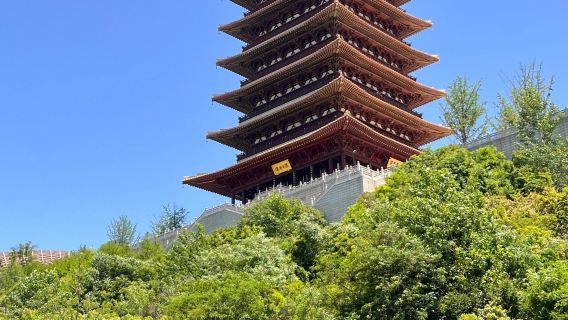 Offering multilingual services, dedicated car transfers throughout the journey, and one-stop travel services including booking for popular attraction admission tickets.Duration: 8.1 hrs5.0/5Excellent· 1 reviewFromNZD 354.50
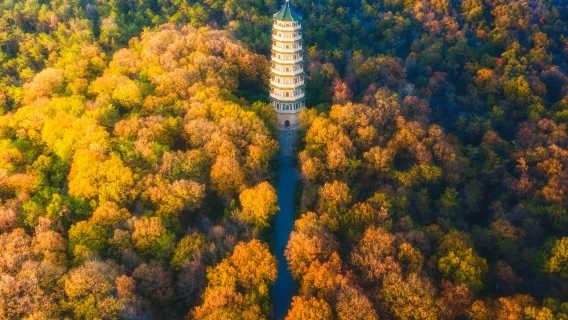 Full-day private charter service for 8 hours with flexible and adjustable itineraryFree cancellationDuration: 6.6 hrs1.0/5· 1 review5% offLimited-time saleFromNZD 296.36NZD 311.96
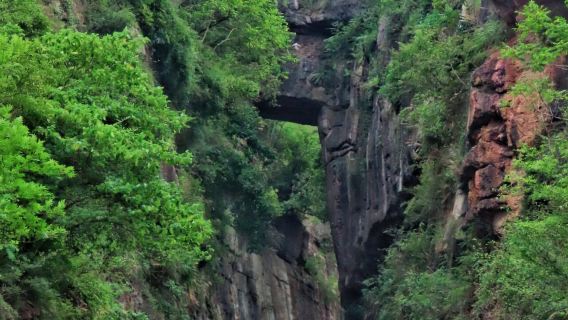 Multilingual services, private transfers, and one-stop travel services including attraction admission ticket bookings for popular attractionsDuration: 8 hrsFromNZD 411.22
![[Nanjing Jiming Temple Cherry Blossom Avenue] Jiming Temple + Xuanwu Lake + Jiangnan Examination Hall + Qinhuai River Boat Tour](https://ak-d.tripcdn.com/images/0353x12000p3b1fzh0D0B_C_568_320.png?_fr=wc) full-day private charter 8H service, itinerary can be freely adjustedFree cancellationDuration: 8.5 hrs5% offLimited-time saleFromNZD 296.36NZD 311.96
full-day private charter 8H service, itinerary can be freely adjustedFree cancellationDuration: 8.5 hrs5% offLimited-time saleFromNZD 296.36NZD 311.96
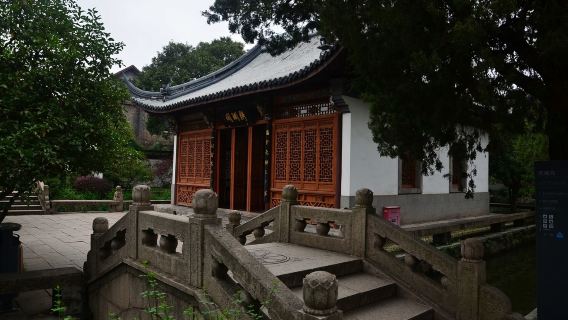
Explore top experiences
See what other travelers love, based on ratings and bookings
Frequently asked questions about Nanjing Day tours
How many Day tours are available in Nanjing on Trip.com?
What are the best Day tours in Nanjing?
What are the top-rated Day tours in Nanjing?
What are the recommended itineraries in Nanjing?
How can I contact Trip.com customer support?
Can I change or cancel my booking?
How can I get discounted prices?
Reviews/Trip Moments
Trip.com Picks
Top Tours in Nanjing
Best Experiences in Nanjing
Popular Products
Trending Searches
More Popular Destinations




About






of the year 2025



Site Operator: Trip.com Travel Singapore Pte. Ltd.