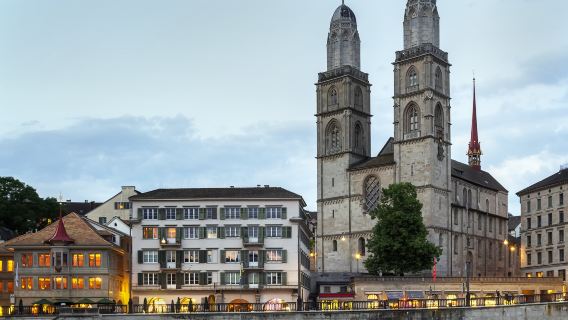
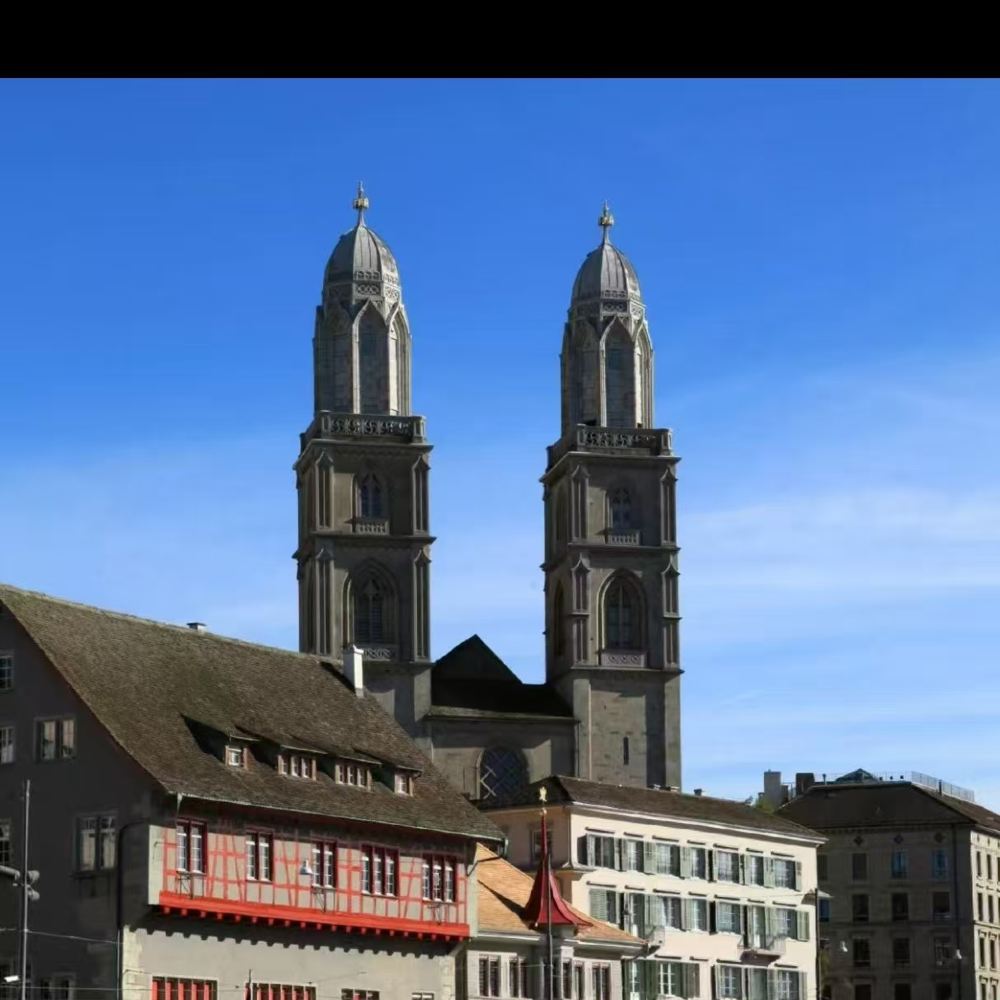

▲ Grossmunster is one of the three main churches in Zurich, Switzerland, located near the banks of the Limmat River. The church was originally built around 1100 and consecrated approximately in 1220. Its architectural style combines Romanesque, Late Gothic, and Neo-Gothic elements, with its most striking feature being the towering twin spires, recognized as an iconic landmark of Zurich. During the 16th-century Swiss Reformation, Huldrych Zwingli served here and promoted reforms, making the church the birthplace of the Reformation in German-speaking Switzerland. Inside, visitors can admire artistic treasures such as stained glass windows created by Giacometti, as well as the Reformation Museum and the University of Zurich's Faculty of Theology.
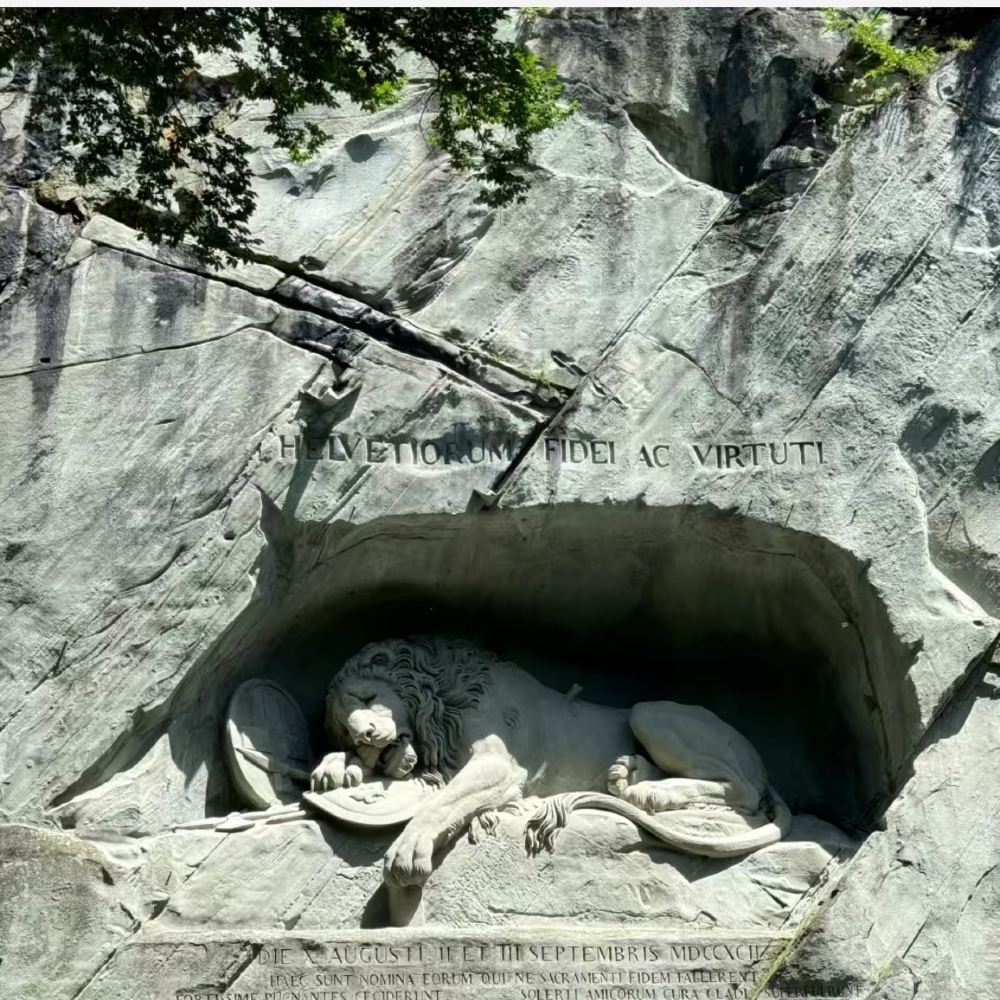

▲ The Lion Monument is located in Lucerne, Switzerland, and was created by Danish sculptor Bertel Thorvaldsen, unveiled in 1821. It commemorates the approximately 760 Swiss mercenaries who died defending the Tuileries Palace during the French Revolution in 1792. The sculpture, carved from 147 tons of massive granite, depicts a mortally wounded lion with an arrow in its back. Its right paw rests on a shield bearing the fleur-de-lis of the French monarchy, while another shield beside it displays the Swiss cross. Above the monument is inscribed in Latin "To the loyalty and bravery of the Swiss," with the date of the tragedy below. Mark Twain described it as "the most mournful and moving piece of stone in the world."
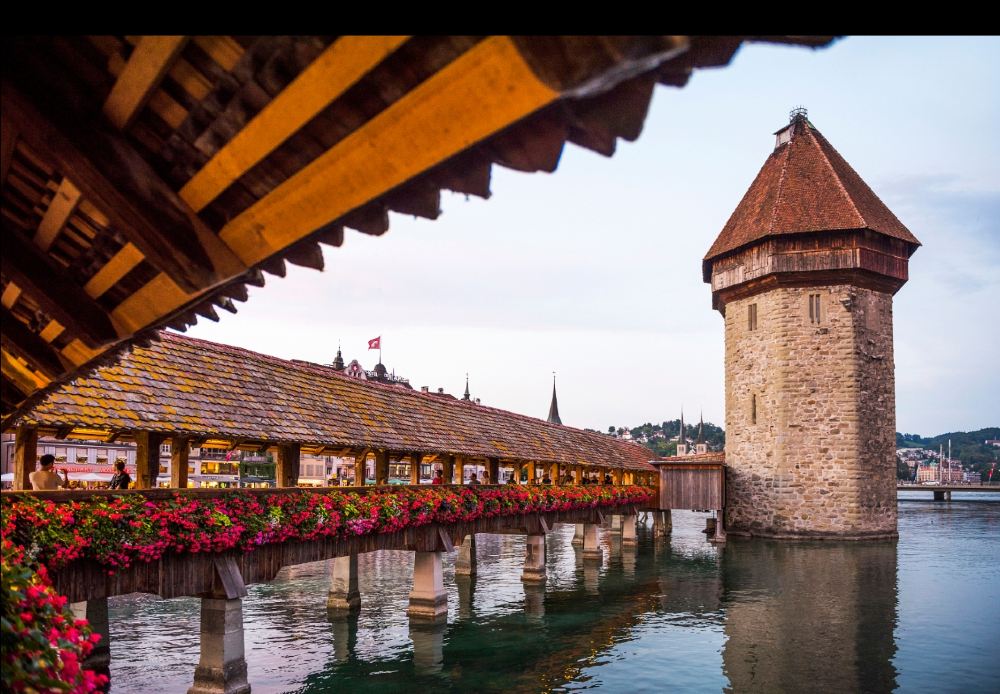
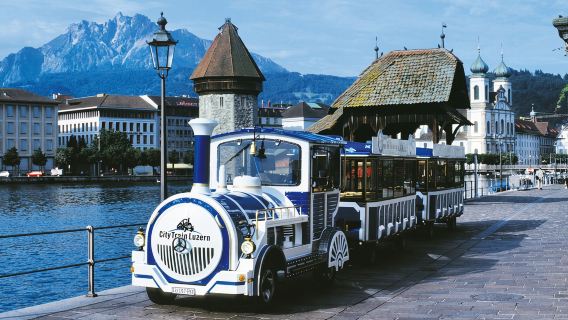
▲ Chapel Bridge is located in Lucerne, Switzerland, and is one of Europe's oldest covered wooden bridges, originally built in 1333. Spanning approximately 204 meters across the Reuss River, it connects Lucerne's Old Town with the New Town. The bridge's interior features 120 religious and historical oil paintings depicting Lucerne's heritage and heroic tales. At its center stands an octagonal water tower that once served as a treasury and prison. After a fire in 1993, the bridge was reconstructed. Today, its railings are adorned with vibrant geraniums, creating a picturesque scene by day and a romantic ambiance under colorful lights at night. As a landmark of Lucerne and Switzerland, it attracts numerous visitors.
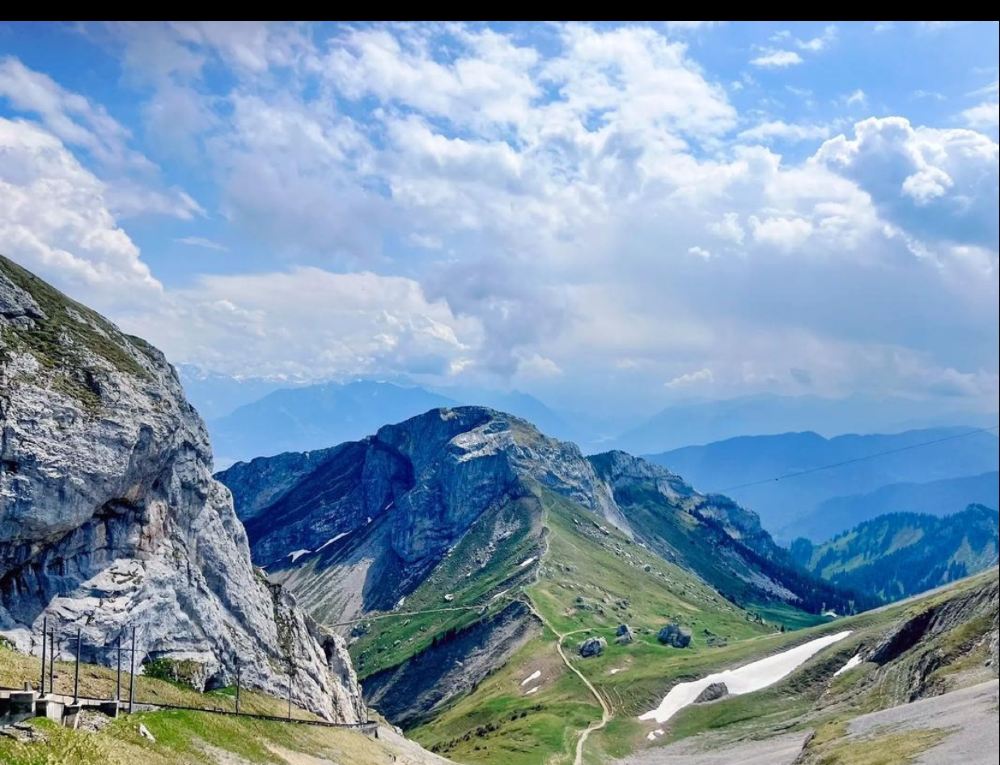
▲ Mount Pilatus is an Alpine peak overlooking Lucerne, Switzerland, composed of several summits with an elevation of 2,132 meters. Regarded as the gateway to Lucerne, it has lent its name to landmarks such as Pilatusstrasse and radio stations. The mountain is steeped in mysterious legends, including medieval tales of dragons inhabiting its slopes, earning it the nickname "Dragon Mountain." It boasts the world's steepest cogwheel railway, and the "Golden Round Trip" tour is particularly popular among visitors. Travelers can explore via cruise, train, cable car, and other means, enjoying the changing alpine vegetation and majestic mountain scenery along the way. The summit features restaurants, hotels, observation decks, as well as attractions like the Dragon Path and "Dragon's Forum," drawing large numbers of visitors year-round.
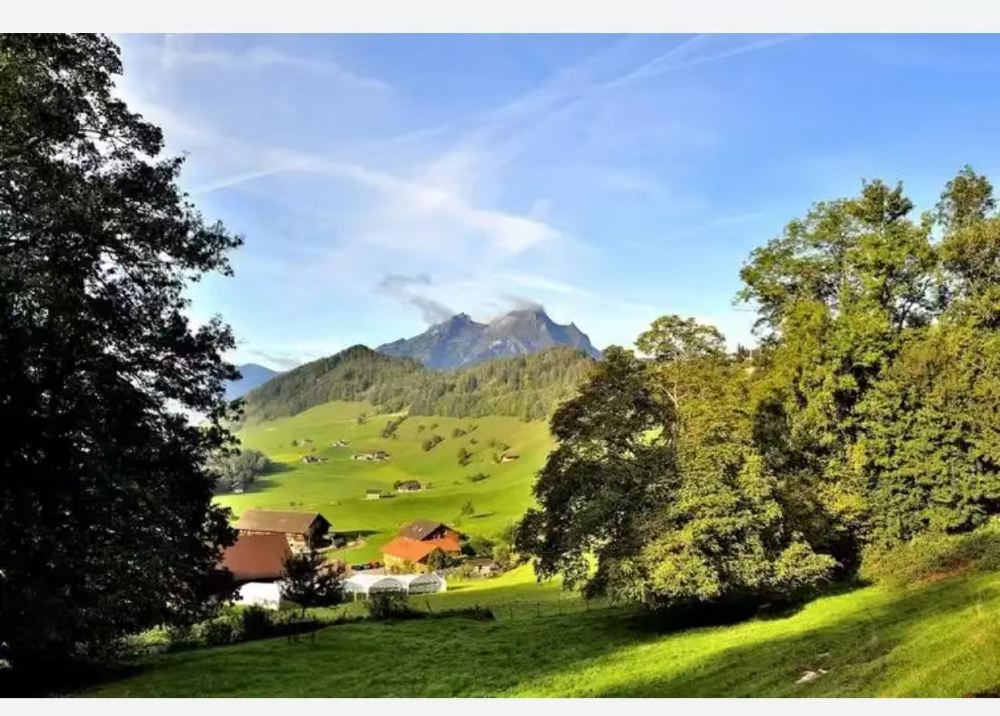
▲ Buergenstock is a famous mountain in Switzerland, standing at an elevation of 1,128 meters and located by Lake Lucerne, forming part of the foothills of Mount Pilatus and the Helvetic border range. Since 1872, it has been home to grand hotels and conference centers, with the present-day Buergenstock Resort being a renowned European holiday destination. Numerous celebrities such as Audrey Hepburn and Sophia Loren have visited or even resided here. Visitors can access the area via exclusive boats and mountain cable cars. Beyond admiring the scenic views of Lake Lucerne and surrounding towns, guests can enjoy facilities like alpine spas, infinity pools, and lakeside restaurants, making it an ideal retreat for relaxation and rejuvenation.
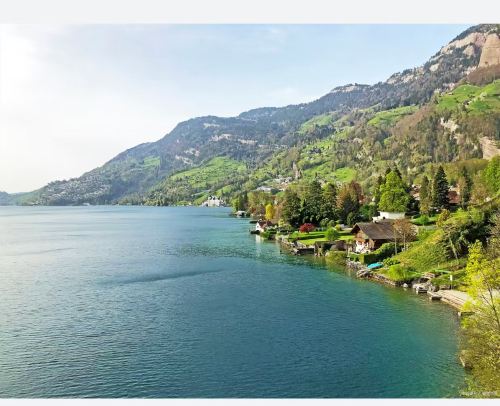
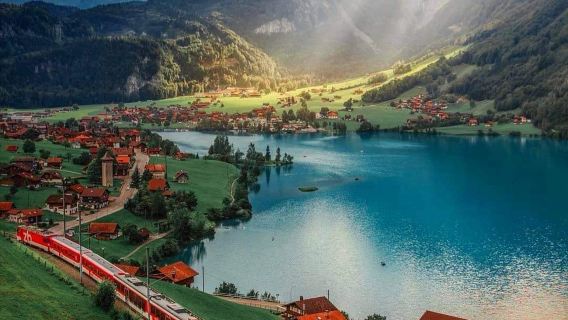
▲ Lake Lucerne is located in central Switzerland and is the country's fourth largest lake, as well as the largest lake entirely within Swiss borders. It is also known as the "Lake of the Four Forest Cantons" because it spans the cantons of Uri, Schwyz, Unterwalden, and Lucerne. The lake's winding shoreline connects the city of Lucerne with surrounding mountains, creating many beautiful landscapes. With a surface area of 114 square kilometers, it stretches 39 kilometers in length, reaches 3 kilometers at its widest point, sits at an elevation of 434 meters, and has a maximum depth of 214 meters. This lake is the birthplace of the Swiss Confederation, where the legend of William Tell originated. Visitors can enjoy boat tours, lakeside hiking, or water sports while admiring the scenic views of mountains and water, all while experiencing Swiss history and culture.