

Things to do in Jiexiu
What's trending in Jiexiu
- Mianshan Scenic Spot: Mianshan Scenic Spot free for students this fall break
- Zhang Bi Ancient Fortress: Zhang Bi Ancient Fortress: Immersive Night Tour and MR Interactive Experience
- Shuanglin Temple: Macabre beauty in Shuanglin Temple's Ksitigarbha Hall
- Pingyao Ancient City: Discover the hidden financial center that predates Wall Street
Explore top experiences
Top 10 attractions in Jiexiu



Experiences you can't miss in Jiexiu
Featured Culture & history in Jiexiu
View all Culture & history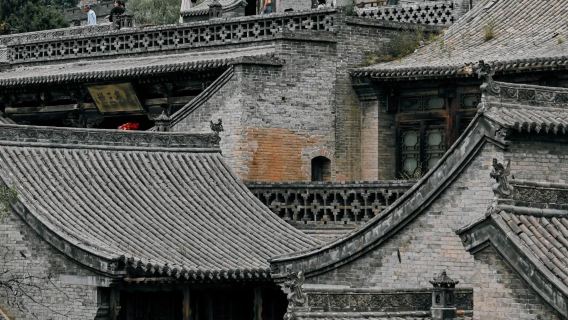
Free cancellation
Instant confirmation
Book now for tomorrow
9% off
Limited-time sale
FromSAR 282.88SAR 314.31
Free cancellation
Instant confirmation
Book now for tomorrow
FromSAR 396.15

Free cancellation
Instant confirmation
Book now for tomorrow
FromSAR 61.85

FromSAR 61.85
Free cancellation
Instant confirmation
Book now for tomorrow
FromSAR 447.27

5.0/5
· 1 reviewFree cancellation
Instant confirmation
Book now for tomorrow
FromSAR 262.61

Free cancellation
Book now for today
FromSAR 151.26
Free cancellation
Instant confirmation
FromSAR 255.58
Jiexiu Today's weatherCloudy 2-15℃
Jiexiu weather for the next 2 days11/26: 0-12℃, 11/27: -1-7℃
Free things to do in Jiexiu
What travelers say about Jiexiu

A 哇咔咔November 21, 2026
5.0
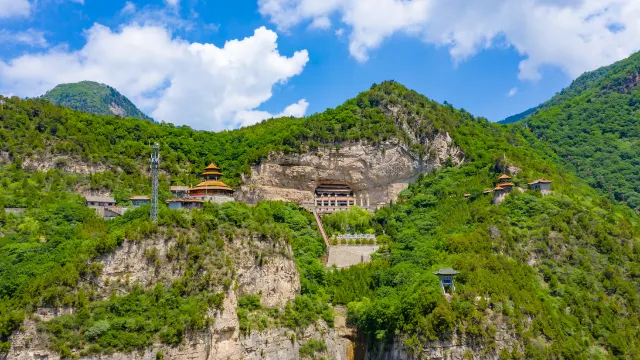
Mianshan Scenic Area, also known as Jieshan, is located in Mianshan Town, Jiexiu City, Jinzhong City, Shanxi Province. It is a branch of the Taiyue Mountains, with a maximum elevation of 2,566.6 meters and a scenic area of 54.1 square kilometers.
Mianshan Scenic Spot

Anonymous userNovember 25, 2026
5.0
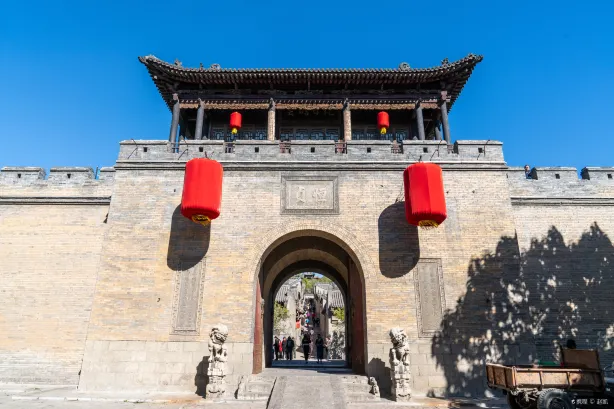
The Wang Family Compound is considered a pinnacle of northern Chinese residential architecture. Its grand layout and exquisite details together form a frozen epic of Shanxi merchants during the Ming and Qing dynasties. This intricate, castle-like complex connects the rise and fall of the family through a "one courtyard, one scene" system. From the towering walls to the carved beams and painted rafters, every brick is engraved with the Shanxi merchants' philosophy of "using commerce to support culture and passing down culture through generations." The stone, wood, and brick carvings adorning the doors, windows, and column bases are not only the ultimate display of craftsmanship but also a concrete expression of Confucian virtues such as "propriety, righteousness, filial piety, and brotherly love," subtly permeating the architectural fabric with abstract family precepts. Wandering through the progressively layered courtyards, one can almost touch the wisdom of "concealing wealth without flaunting it" in Shanxi merchant culture: possessing both the grandeur of double-eaved hip roofs and the subtle layout of winding paths, perfectly blending the accumulation of wealth with the inheritance of spirit. The Wang Family Compound is not only a masterpiece of architectural art, but also an irreplaceable living embodiment of the spirit of Shanxi merchants in the Ming and Qing dynasties and the regional culture of northern China. Its value has long transcended the category of "residential dwellings" and has been elevated to a three-dimensional textbook of Chinese civilization that is worth reading repeatedly.
WANG JIA DA YUAN

_M1***86October 30, 2026
5.0
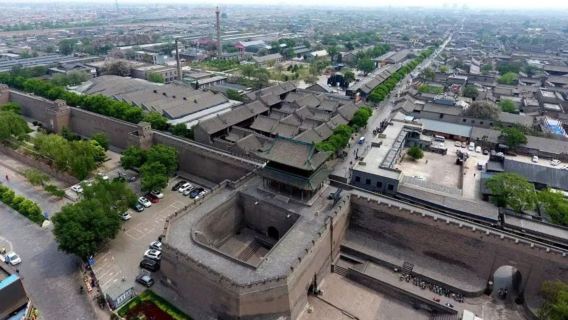
Such ingenious engineering from 1600 years ago deserves only admiration. The wisdom of the ancients is evident in their site selection, their harmony with nature, their ability to see through the soil, and their masterful use of natural forces. The ancients learned wisdom, and of course, only the most exceptional individuals could truly grasp it. We modern people learn knowledge. Wisdom, however, transcends boundaries; it is a profound and unbiased understanding.
Zhang Bi Ancient Fortress

孤独的隐者February 24, 2026
5.0
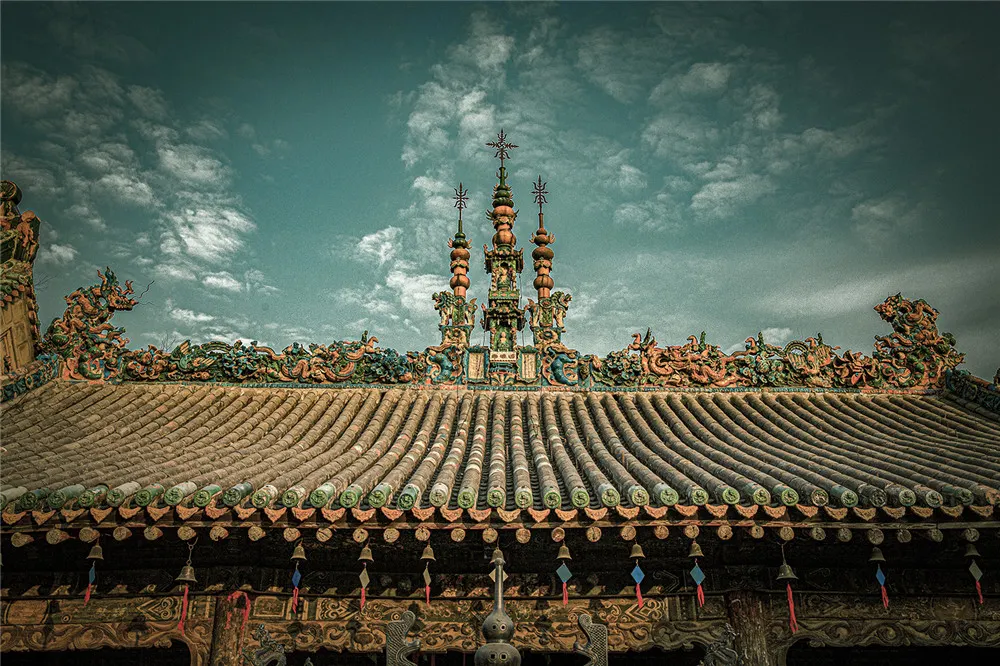
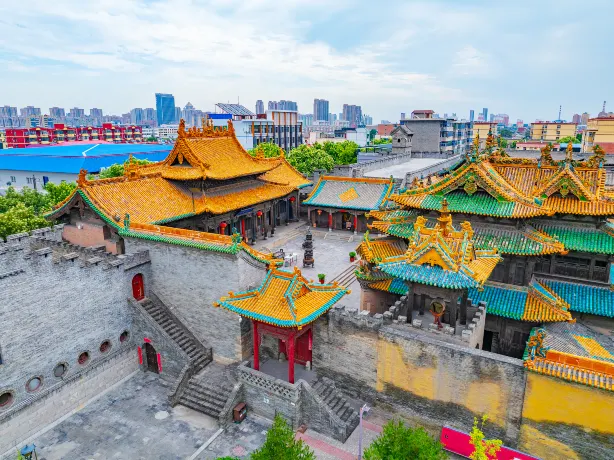
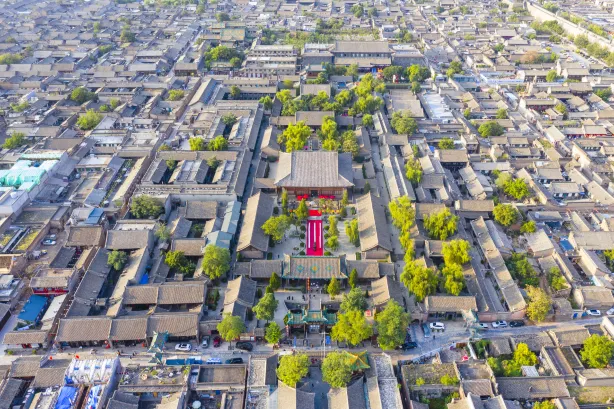
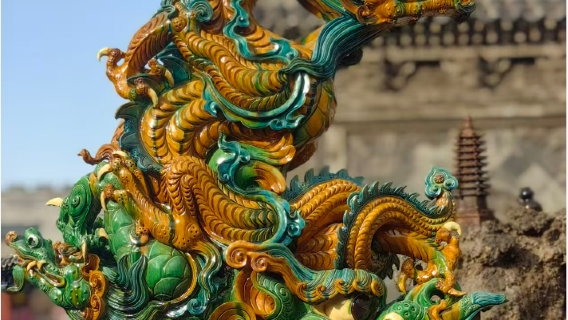
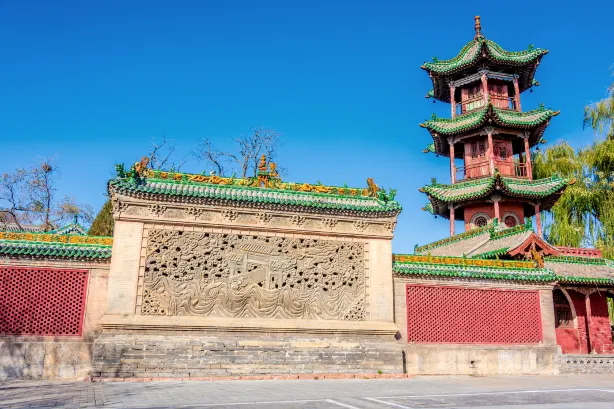
Free admission. Most of the buildings date back to the Ming Dynasty, with some from the Yuan Dynasty. This is a massive Taoist architectural complex with resplendent glazed tile roofs. The integrated architectural style of the Sanqing Hall, stage, and offering hall is extremely rare. The conjoined temples of Lü Zu, Guan Yu, and the Earth God are unique in China. These features alone are enough to make a detailed visit worthwhile. It's a fantastic place for taking photos; five-star recommendation!
Scenery: The buildings and glazed tile roofs are incredibly beautiful.
Fun: A perfect spot for taking photos.
Value for money: Extremely high.
Jiexiu Houtu Temple

山在穷游November 7, 2026
4.0
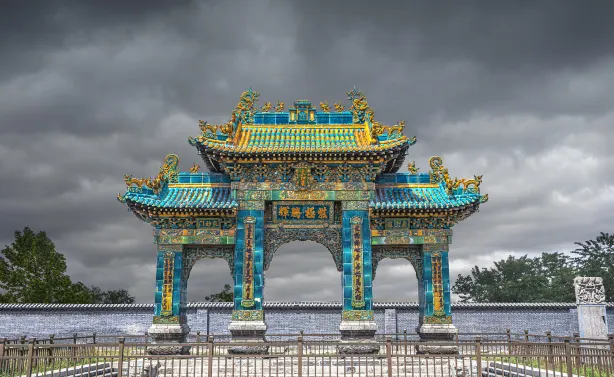
This archway is a must-see when we come to Jiexiu. Although it is not a famous tourist attraction, as a national treasure and a glazed tile archway, it is really beautiful. It is located in a small courtyard, and you need to communicate with the national treasure personnel to enter smoothly.
Taihe Rock Memorial Archway
梦幻Q蒂December 29, 2025
4.0
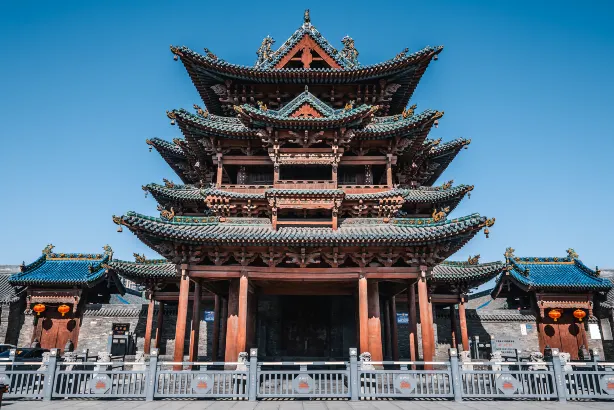
I specifically called the Culture and Tourism Bureau beforehand and was told it was open as usual, but when I arrived, I found I couldn't go in. There was a notice posted at the entrance stating that due to some peeling paint caused by summer rains, the building had been closed for repairs since November 4th. So I could only look at it from the outside!
Xianshen Tower

M11***63November 14, 2026
5.0
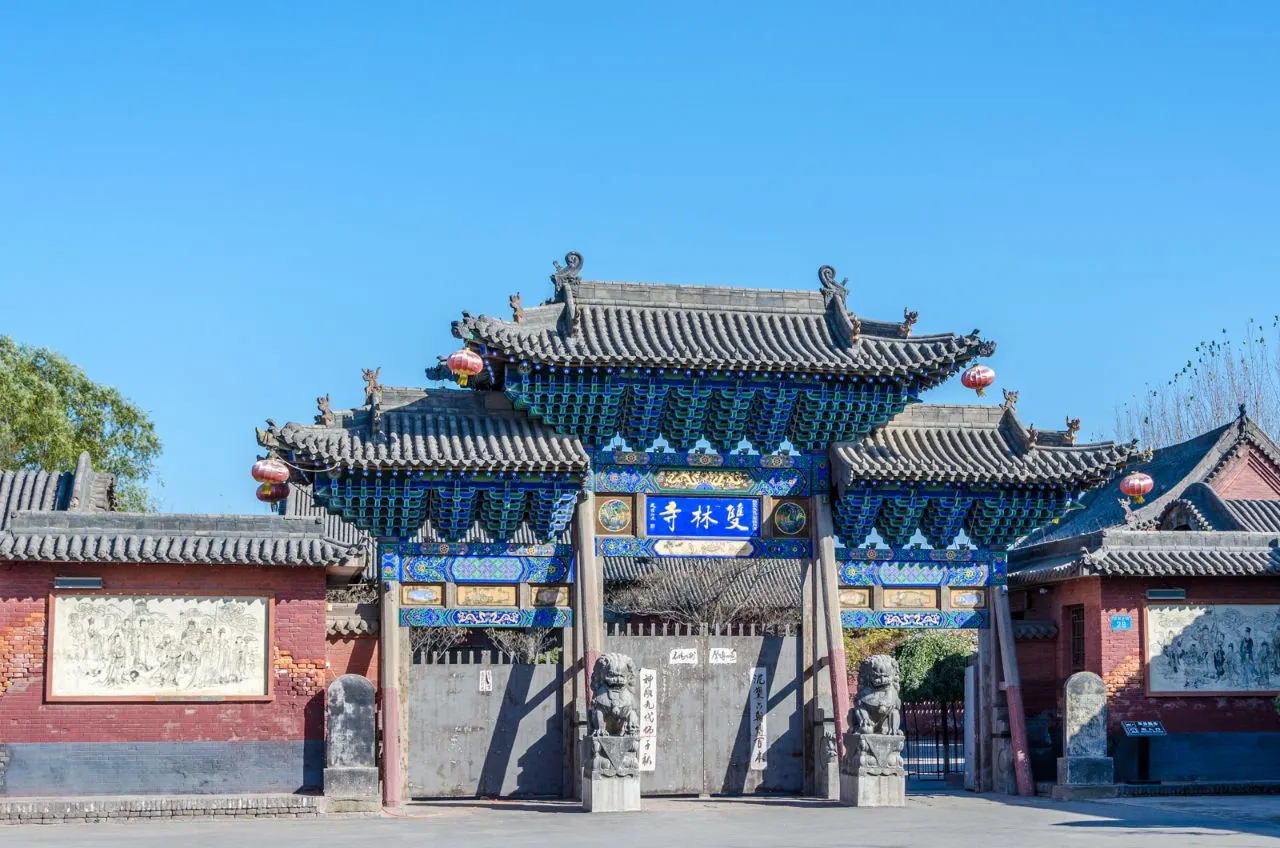
I was quite disappointed with Pingyao Ancient City, but on the way to the high-speed rail station, I decided to visit Shuanglin Temple instead. Shuanglin Temple finally offered some consolation for my otherwise disappointing trip to Pingyao; the painted sculptures were truly breathtaking.
Shuanglin Temple

苇城春秋November 24, 2026
4.0
The attractions included in the pass are quite similar, mostly consisting of Shanxi merchant banks, security escort agencies, and ancient residences, leading to repetitive content and easy aesthetic fatigue. Although the pass includes 22 attractions, most tourists only visit 7 or 8.
Pingyao Ancient City

爱生活September 9, 2020
5.0
The Hall of All Wonders in the main hall of Daluo Palace is the eighth and ninth floor of the thirteen-story palace. The exhibition hall displays exquisite colored sculptures from the Tang, Song, Yuan, Ming and Qing dynasties in Mianshan, which is known as the "Dunhuang of Shanxi". Although the lights in the hall are dim, the colored sculptures are charming and you must take time to see them. The Sutra Pavilion on the top floor is the largest collection of books in China's scenic spots, but it is unfortunately not open to the public for the time being. It is said that the wood carvings, stone carvings and English, Japanese and Russian translations of the "Tao Te Ching" in the hall are a grand view of the culture of the "Tao Te Ching".
The total area of Daluo Palace is more than 30,000 square meters, the largest among all temples in the country. However, the date of its construction is unknown. The official record is that in the 11th year of Kaiyuan Period in Tang Dynasty (723 AD), Emperor Xuanzong of Tang Dynasty was grateful for the grace of the gods of Mianshan Mountain in protecting the Li Tang Dynasty, and he ordered the repair of the palaces in Daluo Palace. It was repaired many times in later dynasties until it was burned down by the Japanese army in 1940. The more than 60 halls seen now were rebuilt on the original site in 1998. This is why the Daluo Palace still retains its magnificent appearance with green walls and golden tiles today.
Daluo Palace

M49***48August 3, 2025
5.0
绵山云峰寺点评:悬崖佛国藏千古,挂铃奇俗震乾坤云峰寺(抱腹寺)嵌于绵山抱腹岩腹中,1700年历史与奇绝建筑浑然天成。空王佛包骨真身像慈悲肃穆,铁索岭抗战密道诉说峥嵘岁月,千级"之"字栈道险峻如登天。唐风石佛殿以全石榫卯工艺惊艳,檐角铜铃随风鸣响,与崖壁悬铃共奏梵音。农历三月庙会挂铃还愿,飞人凌空系铃的绝技震撼人心,堪称自然奇观与人文信仰的完美交融。
Yunfeng Temple
Trip Moments in Jiexiu


Popular cities near Jiexiu


Frequently asked questions
How can I contact Trip.com customer support?
Get help anytime, anywhere within 30 secondsContact customer support
Can I change or cancel my booking?
Change and cancellation policies vary by attractions and tours. Please check the product details page for more information.
How can I get discounted prices?
Ticket prices may vary between weekdays and weekends, as well as during peak and off-peak seasons. When booking with Trip.com, you can also use Trip Coins to get extra savings. For more tips on booking discounted tickets, please visit Trip.com for the latest information.