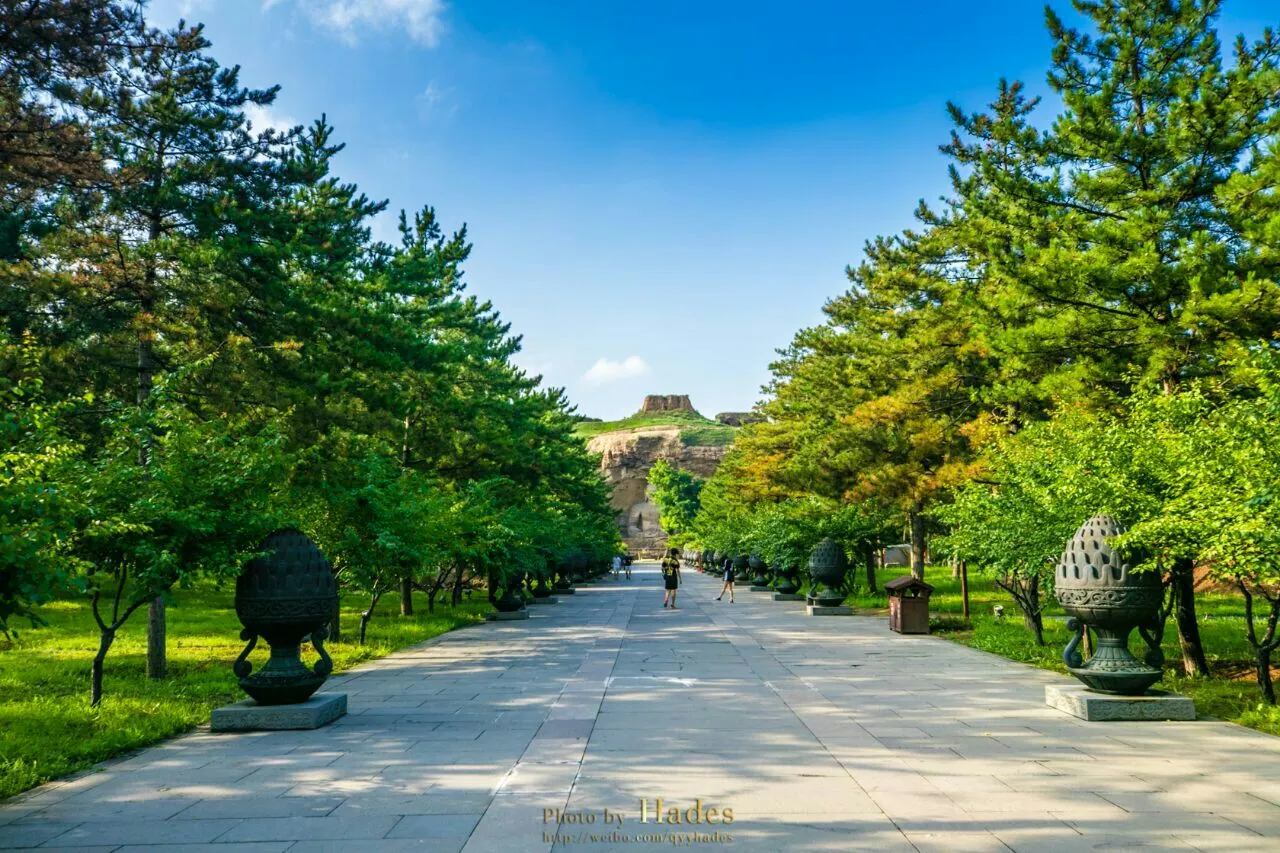
Shanxi

Things to do in Shanxi

Search attractions or local attractions & tours
Search

Explore top experiences

Top 10 attractions in Shanxi
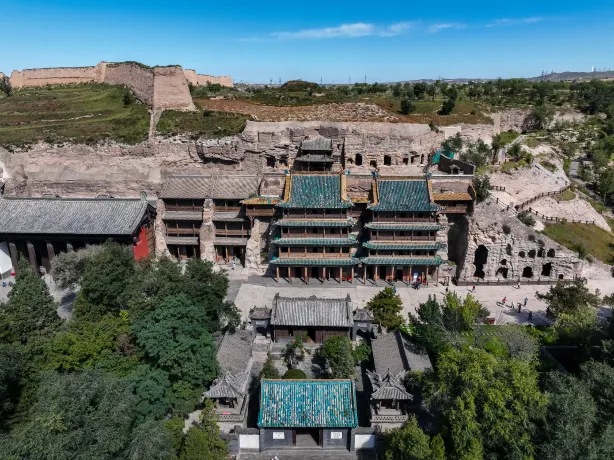
View all Attractions
Jinci Temple Museum
No. 1 of Family-friendly Attractions in Shanxi

Jinci Temple Museum

8.8
4.8/5
21.1k reviews

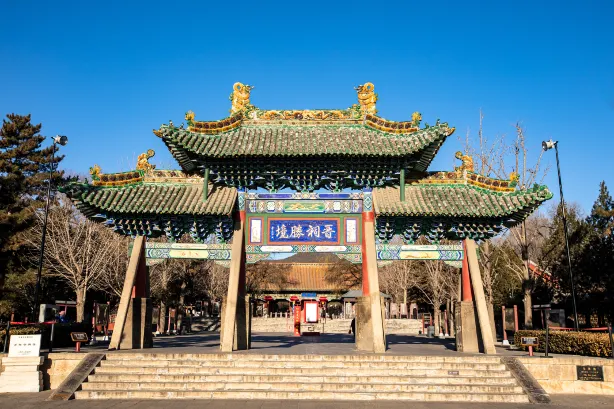
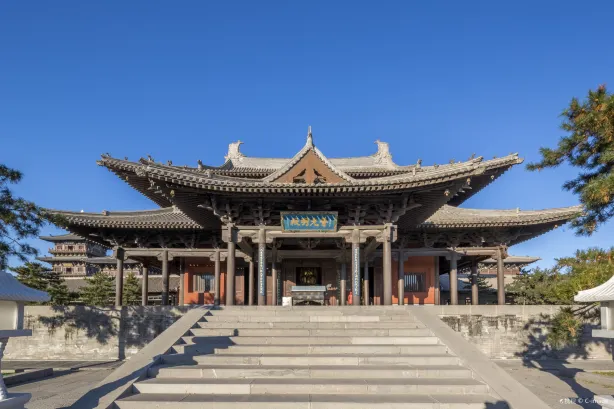
Jinci Temple Museum is located at the foot of Xuanweng Mountain by the banks of the Jin River. It is an ancestral temple built to commemorate Tang Shuyu, the founding feudal lord of the State of Jin, and is also one of the earlier surviving royal sacrificial gardens in China. There is a saying that "you have not truly visited Taiyuan until you have visited Jinci." The ancient buildings in the museum are arranged in sequence along the central axis, among which the Xian Hall, the Flying Bridge over the Fish Pond, and the Hall of the Holy Mother are known as the "three treasures," while the Zhou Cypress, the Never-Aging Spring, and the Song dynasty attendant statues are known as the "three wonders"—these are the core highlights of any visit. The "Three Treasures" are located on the central axis and can be visited together. Xian Hall is the place where sacrificial offerings are placed. The hall is surrounded by railings instead of walls, making it well-ventilated and bright, and its beam structure is simple and lightweight. The Flying Bridge Across Fish Pond is on the west side of Xian Hall. It is a cross-shaped ancient bridge built over a square pond, resembling a modern overpass in form, and this type of bridge structure is extremely rare among surviving ancient buildings. The west end of the bridge connects to Shengmu Hall, the oldest surviving building in the museum. Wooden carved dragons coil around the porch columns in front of the hall, making them relatively early surviving examples of wooden coiled dragons. The hall interior was built using the reduced-column method, creating a rather spacious interior. It houses dozens of Song Dynasty colored sculptures, with the main statue of Shengmu seated in the shrine and the remaining attendants arranged on both sides with varied expressions. One attendant statue is half joyful and half sorrowful, vividly lifelike and moving. With Shengmu Hall as the center, you can also seek out the "Three Wonders." The Zhou Cypress is located on the north side of Shengmu Hall. It is said to have been planted in the Western Zhou Dynasty, and its trunk leans south like a reclining dragon, full of ancient majesty. The Never-Aging Spring is located on the south side of Shengmu Hall and is the main source of the Jin River. The museum also houses the Stele of the Inscription and Preface to Jinci, composed and handwritten by Emperor Taizong of Tang, Li Shimin, whose running-script calligraphy is vigorous and forceful. In the southern part is the Shifang Fengsheng Zen Temple, said to have originally been the villa of the Tang Dynasty general Yuchi Gong. In the Futu Courtyard, the Sarira ShengSheng Pagoda can be climbed for a distant view. The Jinci temple fair has been passed down to the present day and has been included in the national-level intangible cultural heritage list. The Water Mirror Stage, an ancient theater stage in the museum, is an important venue for activities during the temple fair.

China · Taiyuan
Yingxian Wooden Pagoda
No. 3 of Best Things to Do in Shanxi

Yingxian Wooden Pagoda

8.6
4.8/5
26.1k reviews

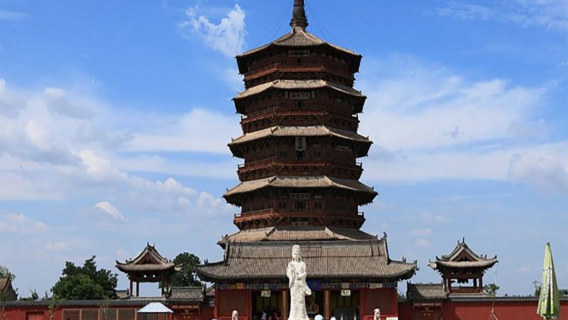
Yingxian Wooden Pagoda is centered on the Sakyamuni Pagoda of Fogong Temple. This pure wooden pavilion-style pagoda was first built in the second year of Qingning of the Liao Dynasty (1056) and later expanded and completed during the Mingchang period of the Jin Dynasty. It is the oldest surviving wooden pagoda in China. The pagoda has five visible stories, with concealed stories inserted between them, making nine stories in total, and stands about 67 m tall. Apart from the stone platform base on the first story, the main body of the pagoda is built entirely of wood, connected using traditional mortise-and-tenon craftsmanship, and the whole pagoda uses more than 50 types of bracket sets, demonstrating exquisite structural design. For more than nine hundred years, the pagoda has withstood many major earthquakes and modern artillery bombardment and still stands today. Due to the need for cultural relic protection, visitors may only visit the first floor inside the pagoda. There is a door on each of the north and south sides of the first floor. In the center of the inner chamber is a seated statue of Shakyamuni about 10 m tall, with a dignified face and a solemn expression. Looking up, you can see the exquisite coffered ceiling at the top. On the walls of the inner chamber are painted six Buddha images of Tathagata, and on the walls on both sides of the doorway are painted Liao Dynasty-style murals featuring Vajra, disciples, and offering figures, with bright colors and lifelike figures. Multiple plaques from various dynasties hang under the eaves of each story of the wooden pagoda, two of which were written by Ming emperors and are particularly striking. Under the south eaves of the fifth story hangs the plaque "Supreme Divine Craftsmanship," written by Zhu Di, Emperor Chengzu of Ming, when he climbed the pagoda during a northern military campaign in the Yongle era; under the south eaves of the fourth story hangs the plaque "Wonder of the World," written by Zhu Houzhao, Emperor Wuzong of Ming, when he ascended the pagoda to feast and reward his ministers after the Yingzhou victory in the Zhengde era. These plaques are not only calligraphic treasures but also record the intersection of the wooden pagoda with historical figures, together with the architecture itself forming a distinctive cultural view of the attraction.

China · Ying County
The Hukou Waterfall Scenic Area
No. 4 of Best Things to Do in Shanxi

The Hukou Waterfall Scenic Area

8.5
4.7/5
22.8k reviews

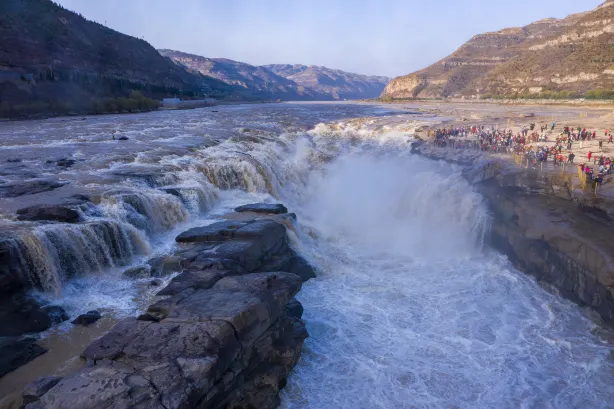
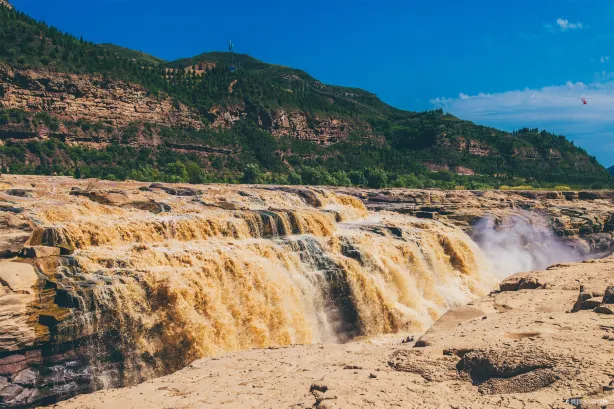
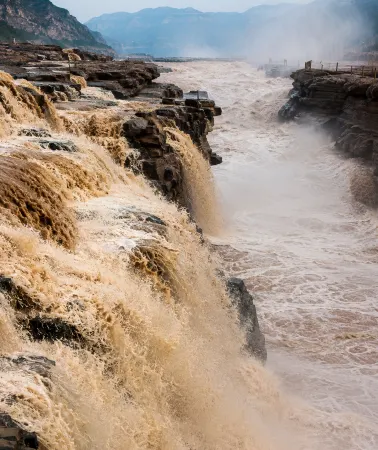
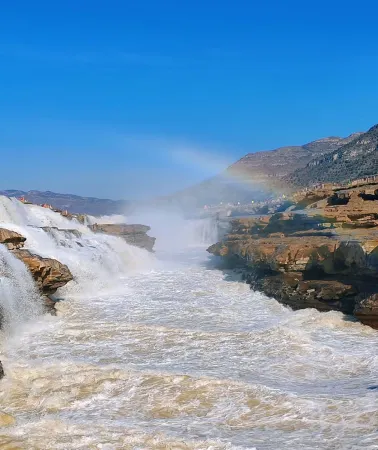
The Hukou Waterfall Scenic Area is located in the Jin-Shaan Grand Canyon in the middle reaches of the Yellow River and is the Shanxi-side section for viewing Hukou Waterfall. As the Yellow River rushes here, its surface suddenly narrows from several hundred meters wide to just a few dozen meters. The water, laden with silt, churns and pours down like water being poured into a giant kettle, which is how the name "Hukou" (Kettle Mouth) came to be. This is a rare yellow waterfall on the Yellow River, with muddy waves surging skyward and a roar like thunder, displaying magnificent momentum. The attraction is located on the east side of the waterfall, where the bank is relatively low, allowing visitors to look up and take in the full panorama of the Yellow River plunging downward. Below the waterfall, mist rises and fills the air, appearing like smoke or clouds from afar and creating the wondrous sight known as "smoke rising from the water"; on clear days, sunlight refracts through the mist to form a rainbow arching across the river, called "rainbow reaching the heavens." Within the attraction, Dragon Cave is a natural stone cave; following the stone steps down leads to a viewing platform close to the waterfall, where you can look up as the river pours down from above—an ideal spot to feel the force of the waterfall up close. Downstream from the waterfall, the Ten-Mile Dragon Trough is a deep channel formed by the river's long-term erosion of the riverbed; in the dry season, the trough floor is wide and flat, and ancients once used this terrain to haul boats along the bank, leaving behind the unique scene known as "sailing on dry land." Further downstream is Mengmen Mountain, where two huge rocks in the river split the Yellow River in two before the streams merge again; carved on the rock face are the four characters "Wo Zhen Kuang Liu" (Resting Here, Quelling the Raging Flow). The view of Hukou Waterfall is distinctive in each of the four seasons. Every year between April and May, peach blossoms bloom and the ice melts, coinciding with the "March peach blossom flood," when the abundant water volume makes the waterfall particularly spectacular. From September to November, the air is crisp in fall, and rainbows often appear in the mist, a phenomenon known as the "Hukou fall wind." Water volume is greater in spring and fall, and the sound of the water striking the rocks is like thunder, making these the best periods to admire the waterfall. The image of Hukou Waterfall once appeared on the CNY 50 banknote of the fourth series of the renminbi, making it a widely recognized classic symbol of Yellow River culture.

China · Ji County
Pingyao Ancient City
2027 Asia 100 - Night Attractions

Pingyao Ancient City

8.4
4.6/5
27.4k reviews

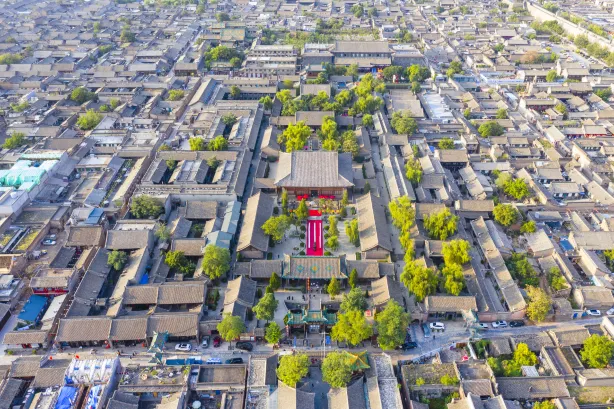
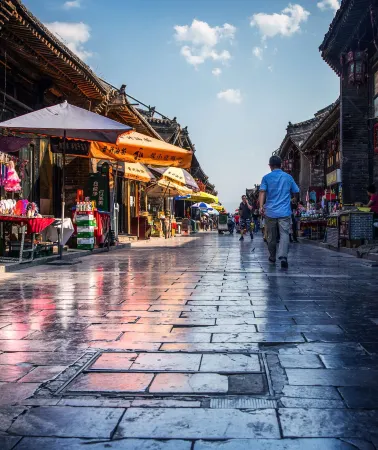
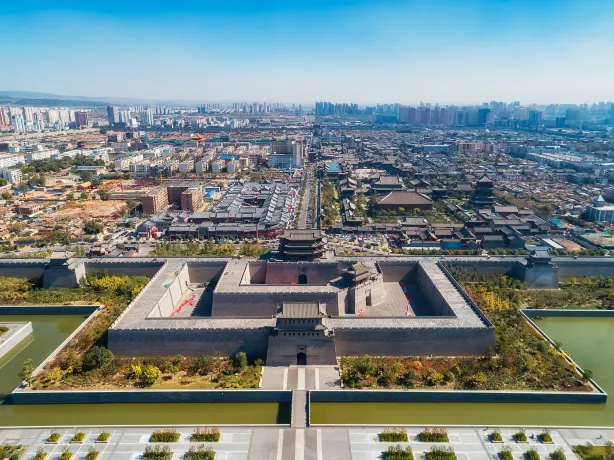
Pingyao Ancient City is one of the best-preserved ancient cities in China and, along with Lijiang Ancient City, is one of the two ancient cities in China to have successfully been designated as a World Cultural Heritage site in its entirety. Pingyao was once the financial center of China during the late Qing dynasty. Walking into this once-prosperous ancient city, you can feel the atmosphere of Shanxi merchant culture everywhere. The streets, shops, and residences within the ancient city still maintain their traditional layout and appearance. The overall street pattern is in the shape of the Chinese character 'tu', consisting of four main streets, eight small streets, and seventy-two lanes. The ancient city has six city gates in total, and the areas around the south gate and west gate are where visitors are concentrated. When touring, you usually enter the city through the lower west gate and walk along West Street to Rishengchang Exchange Shop, where you can learn about the development history of ancient banking and experience the legend of Shanxi merchants conducting business across the world. South Street, which runs north-south through the city, is the central axis of the ancient city. During the Ming and Qing dynasties, South Street gathered more than half of the country's financial institutions and was known as the "Wall Street of China" at the time. Today this street is called the Ming and Qing Ancient Street, and most of the ancient city's attractions are concentrated here. Centered on the landmark Market Tower, attractions such as Xietongqing Exchange Shop, Weitaihou Exchange Shop Museum, and the Chinese Escort Agency Museum are distributed around it, and a large number of shop buildings from the Ming and Qing periods are preserved along the street. At the Pingyao County Government Office in the south of the ancient city, you can see a large number of ancient documents and instruments of torture, and there is a daily performance of the county magistrate holding court; the City God Temple and the Confucian Temple in the east of the city have grand and refined architecture. The ancient city wall is very well preserved, and climbing the wall offers a panoramic view of the ancient city. The gate tower of Yingxun Gate at the south gate is especially exquisite, and watching the sunset from the city wall in the evening is a magnificent sight. In addition to the ancient city itself, the Zhenguo Temple and Shuanglin Temple outside the city are also part of the World Cultural Heritage. The Ten Thousand Buddha Hall of Zhenguo Temple is entirely made of wood, assembled with mortise and tenon joints without a single nail; Shuanglin Temple preserves painted sculptures from the Yuan to Ming dynasties, which are exquisite in form and renowned as a "treasure house of Eastern painted sculpture art."

China · Pingyao County
Hukou Waterfall tourist area of the Yellow River
No. 8 of Best Things to Do in Shaanxi

Hukou Waterfall tourist area of the Yellow River

8.3
4.6/5
18.2k reviews

The Hukou Waterfall tourist area of the Yellow River is located on the riverbed of the Yellow River in the Qin-Jin Grand Canyon, where the provinces of Shanxi and Shaanxi face each other across the river. The main stream of the Yellow River, originally hundreds of m wide, suddenly narrows to dozens of m and plunges into a deep trough with a drop of 20–30 m, resembling water being poured from a giant pot—hence the name "Hukou" (Pot Mouth). Due to the large amount of sediment carried by the river, the waterfall presents a rare golden-yellow view: the turbid waves roar down with a sound like distant thunder rolling through the valley, while the rising mist lingers before the cliff, earning the nickname "smoke rising from the water." On sunny days, sunlight casts a rainbow over the waterfall, known as "a rainbow playing in the water." The mist may drench visitors even without wind or rain, creating the wonder called "rainfall under a clear sky." Hukou waterfall is regarded as the symbol of the "soul of the Yellow River" and the spirit of the Chinese nation. In 1938, when poet Guang Weiran crossed the Yellow River, he witnessed the roaring waves of Hukou and the boatmen's chants, which inspired him to create the now-legendary Yellow River Cantata. Liang Heng's essay of the same name was selected for middle school Chinese textbooks, and the back of the fourth series CNY 50 banknote also features this scene. Many first learned about it through textbooks and currency before visiting in person. In the past, cargo ships had to leave the water and bypass the waterfall here, leaving behind the maritime memory of "sailing on dry land." The scenery here varies with the seasons: In early spring, the upstream ice melts and the water level rises sharply, coinciding with the blooming of mountain peach blossoms on both banks, known as the "March peach blossom flood." In midsummer, the rainy season brings abundant water, with muddy waves towering into the sky. After fall begins, the rainy season subsides, and the water becomes high and steady. As the fall breeze sweeps by, rainbows often appear, earning the name "Hukou autumn breeze." In deep winter, layers of ice form along the banks, and overflow freezes into inverted ice peaks, glistening under the sunlight, creating the spectacular "upside-down ice peaks." The viewing platform on the Shaanxi side stretches along the cliff top on the western bank, offering a commanding view of the "thousand-mile Yellow River funneled into one pot" and the ten-mile-long Dragon Trough below the waterfall. During high-water seasons, the mist is heavy, and clothes get soaked quickly, so remember to protect your camera and phone; the boardwalk is slippery, so watch your step while walking and taking photos.

China · Yichuan
Little Western Paradise
No. 8 of Best Things to Do in Shanxi

Little Western Paradise

8.2
4.8/5
7.1k reviews

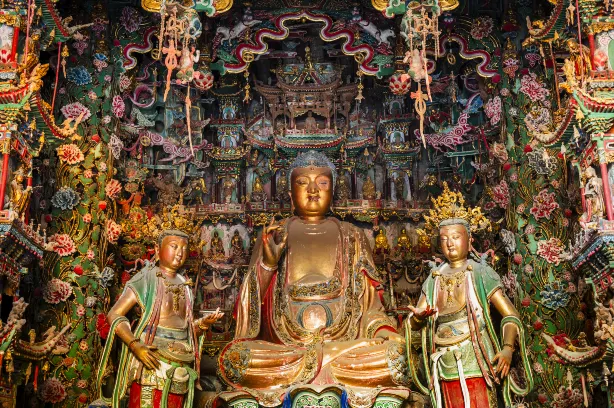
Little Western Paradise is perched atop Phoenix Mountain in Xi County, Linfen, Shanxi Province. This Buddhist temple, originally named the Thousand Buddha Nunnery, was established during the Chongzhen era of the Ming Dynasty. It earned its initial name from the thousand Buddha statues enshrined in its Main Hall of the Great Hero. Later, it was renamed due to the inscription "Entering the Western Paradise" above its gate and to distinguish it from another ancient temple, "Great Western Paradise," located south of the city. Surrounded by mountains on three sides and facing a river in front, the temple is compact yet ingeniously laid out across its upper and lower courtyards. Ascending the stone steps and passing through the secluded "Heavenly Grotto" corridor evokes a sense of gradually entering a Buddhist paradise. The upper courtyard centers around the Main Hall of the Great Hero, flanked by the Manjusri Hall and Samantabhadra Hall. The Main Hall is the temple's crowning jewel: within its modest 100-square-meter space, nearly 2,000 suspended sculptures adorn niches, gables, beams, and rafters, transforming the hall into a museum of suspended sculpture art. Five interconnected niches dominate the rear wall, housing the Medicine Buddha, Amitabha, Sakyamuni, Vairocana, and Maitreya seated on lotus thrones, with ten principal disciples standing beside them. The southern wall depicts Buddhist narratives featuring the Four Sages and Four Heavenly Kings, while the northern wall portrays the 33 celestial palaces of Mount Sumeru. Flying apsaras, divine birds, and musician bodhisattvas dance among clouds on the beams, their gilded polychrome surfaces retaining vibrant hues after centuries. This rare collection of late Ming to early Qing suspended sculptures has gained wider recognition since the temple became a filming location for the popular game Black Myth: Wukong, attracting many travelers for dedicated visits. The lower courtyard also rewards exploration: the Immeasurable Hall faces east, where dozens of bronze Buddha statues interplay with wooden celestial palaces in what was once the monks' meditation hall. Opposite stands the Skanda Hall, housing a single nanmu-carved statue of Skanda. The temple also preserves thousands of volumes from the Yongle Northern Canon, a Ming imperial gift. Visitors are advised to spend extra time in the Main Hall—dim lighting requires slow, upward gazes to appreciate the intricate details of the high-placed sculptures. After exploring both courtyards, one can ascend Solitary Paulownia Peak via the "Seemingly No Path" route behind Skanda Hall, where the Cloud-Touching Pavilion offers panoramic views of the rural landscape below.

China · Xi County
Shanxi Museum
No. 9 of Best Things to Do in Shanxi

Shanxi Museum

8.1
4.8/5
3.5k reviews

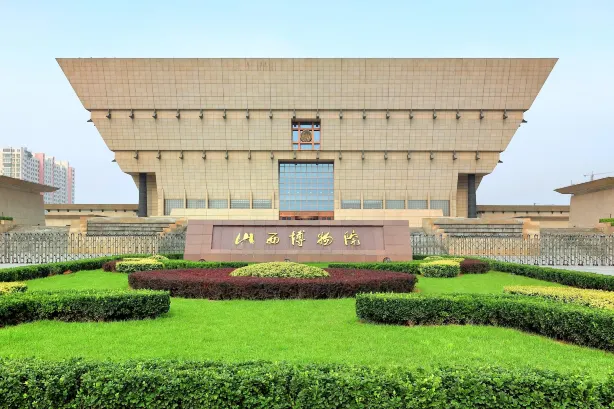
"Five thousand years of history can be seen in Shanxi." Located on Binhe West Road in Taiyuan, the Shanxi Museum showcases the essence of Shanxi's cultural relics. The museum consists of a main building and four corner annexes, with the main building resembling both a dipper and a ding vessel, serving as the primary venue for travelers to view the collection. The main building has four floors. The first-floor lobby features a general service desk, while the second and third floors host thematic exhibitions on history and culture. The fourth floor showcases art-themed exhibitions, which together form the permanent displays of the Shanxi Museum. After entering the first-floor lobby, proceed to the second floor via the stairs to begin the historical journey themed "Soul of Jin." The cultural and historical thematic exhibition showcases the highlights of Shanxi's five-thousand-year civilization through numerous precious artifacts, ranging from ancient human relics to the rise and fall of Shanxi merchants during the Ming and Qing dynasties over five centuries. During your visit, several exquisite artifacts are not to be missed. The bird zun, a bronze ritual vessel from the Western Zhou period, was used in the ancestral temple sacrifices of the Jin marquis. The bird zun features an exquisitely crafted design with a phoenix as its main form. On the phoenix's back rests a small bird, serving as the handle for the vessel's lid. At the tail of the phoenix, an elephant is depicted, with its long trunk perfectly balancing the phoenix's two legs to form a stable tripod base. This artifact is a representative piece among the bronze collections in the museum. In addition, you can also admire: the Houma covenant texts, which are oath documents from the Spring and Autumn period used by the ministers of the Jin state; the lacquered wooden panel paintings, a painted screen from the Northern Wei dynasty depicting colorful stories from the "Biographies of Exemplary Women"; the white marble sarcophagus, a relic from the Sui dynasty, belonging to a tomb occupant who was a member of the Central Asian Yu people, with intricate carvings both inside and outside the sarcophagus, featuring figures with deep-set eyes, high noses, and black hair, characteristic of the Mediterranean Caucasian race. In the cultural thematic exhibition, you can also learn about the origins and development of Buddhism and traditional opera in Shanxi. The fourth floor of the main hall features an art thematic exhibition area. Among them, the "Timber and earth splendor" - ancient architectural art thematic exhibition showcases Shanxi's status as a province rich in cultural relics and ancient structures. "For above-ground relics, look to Shanxi" - Shanxi is renowned as the "treasure trove of ancient Chinese architecture," boasting over half of China's above-ground ancient structures with comprehensive categories, especially in the quantity of religious buildings. If you're a fan of ancient architecture, this is a must-visit. The Shanxi Museum also hosts temporary exhibitions periodically. At the first-floor lobby service desk, services such as hiring on-site guides (Chinese and English) and renting audio guides are available. The main building also houses a restaurant and a tea house for visitors.

China · Taiyuan

Experiences you can't miss in Shanxi

Featured Culture & history in Shanxi

View all Culture & history
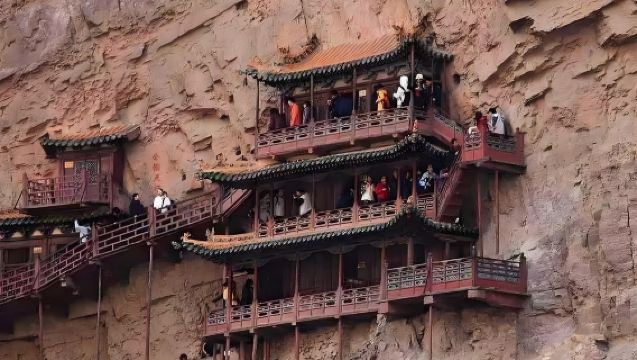
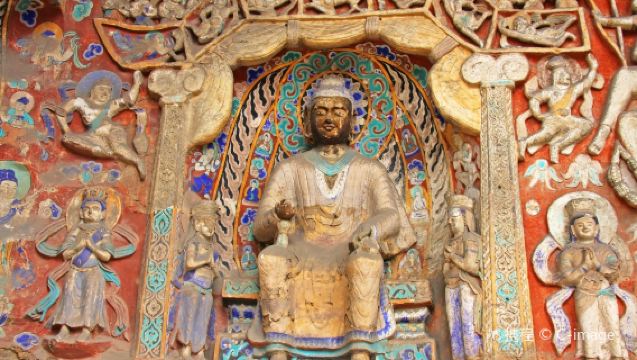
Shanxi Datong Hanging Temple+Yungang Grottoes 1-Day Transfer Service [Private Car]
󱌍
4.0/5
· 3 reviews
Duration: 3.7 hrs
English
Free cancellation
Instant confirmation
Book now for tomorrow
From$20.84
※1-day private charter tour to Xuankong Temple + Yungang Grottoes in Datong [Hotel pickup included]
󱌍
4.9/5
· 64 reviews· 298 booked
Duration: 9.8 hrs
English
Free cancellation
Instant confirmation
Book now for tomorrow
64 consecutive positive reviews
5% off
Limited-time sale
From$46.95$49.43
※1-day private charter tour to Xuankong Temple + Ying County Wooden Pagoda + Yungang Grottoes | Door-to-door pickup in Datong city
󱌍
4.9/5
· 55 reviews· 230 booked
Duration: 11 hrs
English
Free cancellation
Instant confirmation
Book now for tomorrow
55 consecutive positive reviews
5% off
Limited-time sale
From$50.19$52.84
Private Group Tour | Datong Classic One‑Day Tour: Hanging Temple, Yingxian Wooden Pagoda & Yungang Grottoes | Door‑to‑Door Pick‑up & Drop‑off service including
󱌍
4.7/5
· 3 reviews· 56 booked
Duration: 11.5 hrs
English
Free cancellation
Instant confirmation
Book now for tomorrow
From$74.70
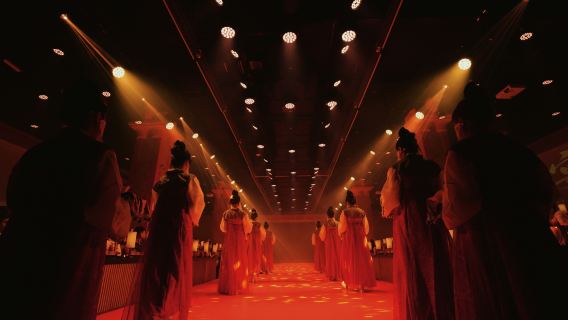
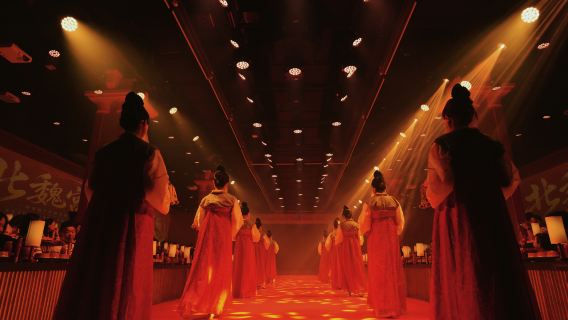
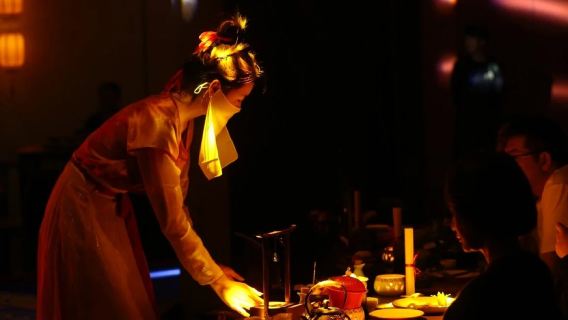
DaTong:Pingcheng Northern Wei Immersive Banquet | Yungang-themed ancient dining experience
󱌍
Duration: 1.6 hrs
English
Free cancellation
Instant confirmation
Book now for tomorrow
From$78.90
One-day tour to Wu Tai Shan from Taiyuan: Sacred Buddhist realm · refreshing Wu Tai journey
󱌍
Duration: 10.4 hrs
English
Free cancellation
Instant confirmation
Book now for tomorrow
From$54.55

Featured Food & drink in Shanxi

View all Food & drink
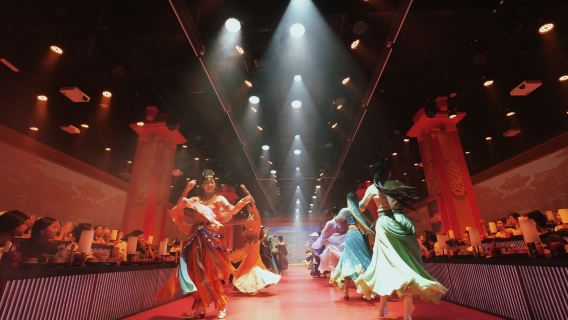

Datong Northern Wei Immersive Dinner Show | Yungang cultural banquet
󱌍
Duration: 1.6 hrs
English
Free cancellation
Instant confirmation
Book now for tomorrow
From$80.10
Datong Ancient Northern Wei Themed Banquet with Live Performance & Historic Cuisine
󱌍
Duration: 100 mins
English
Free cancellation
Instant confirmation
Book now for tomorrow
From$77.25
Datong Ancient City Night Food Tour: Taste 10 Local Northern Snacks & Ancient Hutong Walk
󱌍
Duration: 3 hrs
English
Free cancellation
Instant confirmation
Book now for today
From$170.45

More things to do

Private Tours in Shanxi

View More Private Tours in Shanxi
Group Tours in Shanxi

View More Group Tours in Shanxi
Free things to do in Shanxi

What travelers say about Shanxi
user-avatar
小脚丫丫丫丫丫丫November 23, 2026
5.0
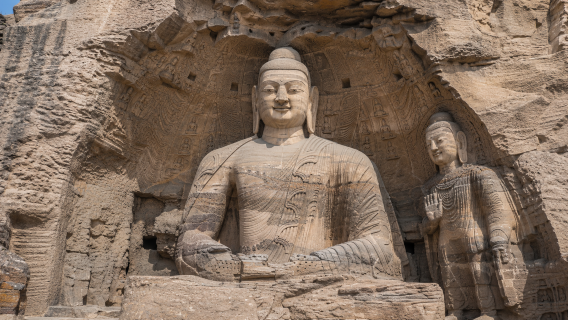
Experiencing the royal artifacts of the Northern Wei Dynasty is well worth a visit. Although wind, sand, and water seepage have caused irreversible damage to the stone statues, it is precisely because of the vicissitudes of time that they possess a profound historical weight. The statues also bear the "works" of past visitors. The fact that the artifacts haven't been restored actually makes them more educational. Finally, here's one of the resident cats in the grotto, each with a plump head and big ears. It seems like a kind-hearted scenic spot (not chasing them away). Kind-hearted tourists (feeding them).

Yungang Grottoes

user-avatar
Anonymous userNovember 24, 2026
5.0
The Jinci Museum in Taiyuan is absolutely fantastic! The park is incredibly large, with beautiful scenery at every turn. Ancient buildings, trees, and clear springs complement each other, creating a stunningly beautiful and relaxing atmosphere. It's definitely worth taking your time to explore and highly recommended!

Jinci Temple Museum

user-avatar
Anonymous userNovember 23, 2026
5.0
The majestic Yingxian Wooden Pagoda, its layered brackets piercing the sky, preserves the splendor of the Liao Dynasty forever in its mortise and tenon joints. The thousand-year-old leaning pagoda still stands, bringing tears to the eyes; it would be wonderful if it remained so many years later.

Yingxian Wooden Pagoda

user-avatar
133***95November 14, 2026
4.0
I booked a day trip to Xiaoxitian and Hukou Waterfall; buying tickets separately is more cost-effective. The water level wasn't high in winter, so I didn't see a very spectacular sight, although the current was still quite strong. The waterfall itself is a small area; half an hour is enough. If you want to see the waterfall up close, you need to buy a separate ticket to go down to the river. It's quite a distance from Taiyuan, so the time cost was too high, and I felt it wasn't worth the price. There's a commercial street outside the scenic area with many restaurants, so you don't have to worry about finding a place to eat.

The Hukou Waterfall Scenic Area

user-avatar
焕然一November 24, 2026
5.0
It's very convenient; you can enter by swiping your ID card. For boarding tickets, you need to buy them in person at the customer service center with your ID card (facial recognition is required). They're easy to buy during the off-season. I recommend going in the afternoon; you'll have to queue for two hours in the morning.

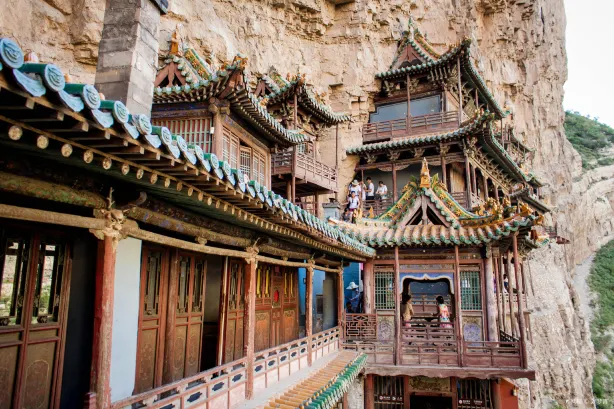
Xuankong Temple

user-avatar
苇城春秋November 24, 2026
4.0
The attractions included in the pass are quite similar, mostly consisting of Shanxi merchant banks, security escort agencies, and ancient residences, leading to repetitive content and easy aesthetic fatigue. Although the pass includes 22 attractions, most tourists only visit 7 or 8.

Pingyao Ancient City

user-avatar
Mr•hongNovember 23, 2026
5.0
This is my second visit this year. It's one of the must-see attractions in Datong, a popular spot for young people to take photos and have their pictures taken. It's really crowded, but the photos turn out really well. It's definitely worth a visit. The underground bronze palace is also worth checking out.

Huayan Temple

user-avatar
给你一颗糖昂November 21, 2026
5.0
We drove there with my parents, and the journey was quite long, but they were incredibly happy when we arrived. They were constantly taking photos and videos, and we were very lucky to see rainbows. The only thing that needs improvement is the uneven road surface. It's okay during the off-season when there are fewer people, but if it's crowded, you're sure to twist your ankle! The road surface needs to be smoothed out.

Hukou Waterfall tourist area of the Yellow River

user-avatar
Anonymous userNovember 7, 2026
5.0
Although the suspended sculptures at Xiaoxitian are only works from the late Ming and early Qing dynasties, they are still breathtaking when you visit in person. I entered the hall in the morning and saw the sunlight shining on the sculptures, making the trip worthwhile. I recommend visiting when there are fewer people and more sunshine, so you can take your time to appreciate them. The experience is definitely different from that during peak season.

Little Western Paradise

user-avatar
M33***97November 16, 2026
5.0
Three hours of patient and meticulous explanations this morning, and Ms. Ma demonstrated her professional expertise. Timely interaction, engaging stories, insightful and independent analytical thinking, and a warm service attitude made our museum visit a perfect success. Thank you for your hard work!

Shanxi Museum

Trip Moments in Shanxi

Shanxi travel guides

Frequently asked questions

What are the must-do things in Shanxi?

Don't miss these attractions in Shanxi: Yungang Grottoes, Jinci Temple Museum, and Yingxian Wooden Pagoda. If you like Culture & history, try Shanxi Datong Hanging Temple+Yungang Grottoes 1-Day Transfer Service [Private Car]. If you enjoy Food & drink, try Datong Northern Wei Immersive Dinner Show | Yungang cultural banquet.

You can give Datong Northern Wei Immersive Dinner Show | Yungang cultural banquet and Shanxi Xiaoyi Old Town · Banquet of the eternal song of Jin waters (ancient-style immersive dining show + Jin-style ritual music performance + specialty feast) a try. Before you go, please check their opening hours and menus online. Reservations are recommended, especially during peak hours.

Get help anytime, anywhere within 30 secondsContact customer support

Change and cancellation policies vary by attractions and tours. Please check the product details page for more information.

Ticket prices may vary between weekdays and weekends, as well as during peak and off-peak seasons. When booking with Trip.com, you can also use Trip Coins to get extra savings. For more tips on booking discounted tickets, please visit Trip.com for the latest information.