Qinshui

Things to do in Qinshui

Search attractions or local attractions & tours
Search

Explore top experiences

Top 10 attractions in Qinshui
View all Attractions
Xiangyu Ancient Castle
No. 5 of Best Things to Do in Jincheng

Xiangyu Ancient Castle

5.7
4.5/5
152 reviews

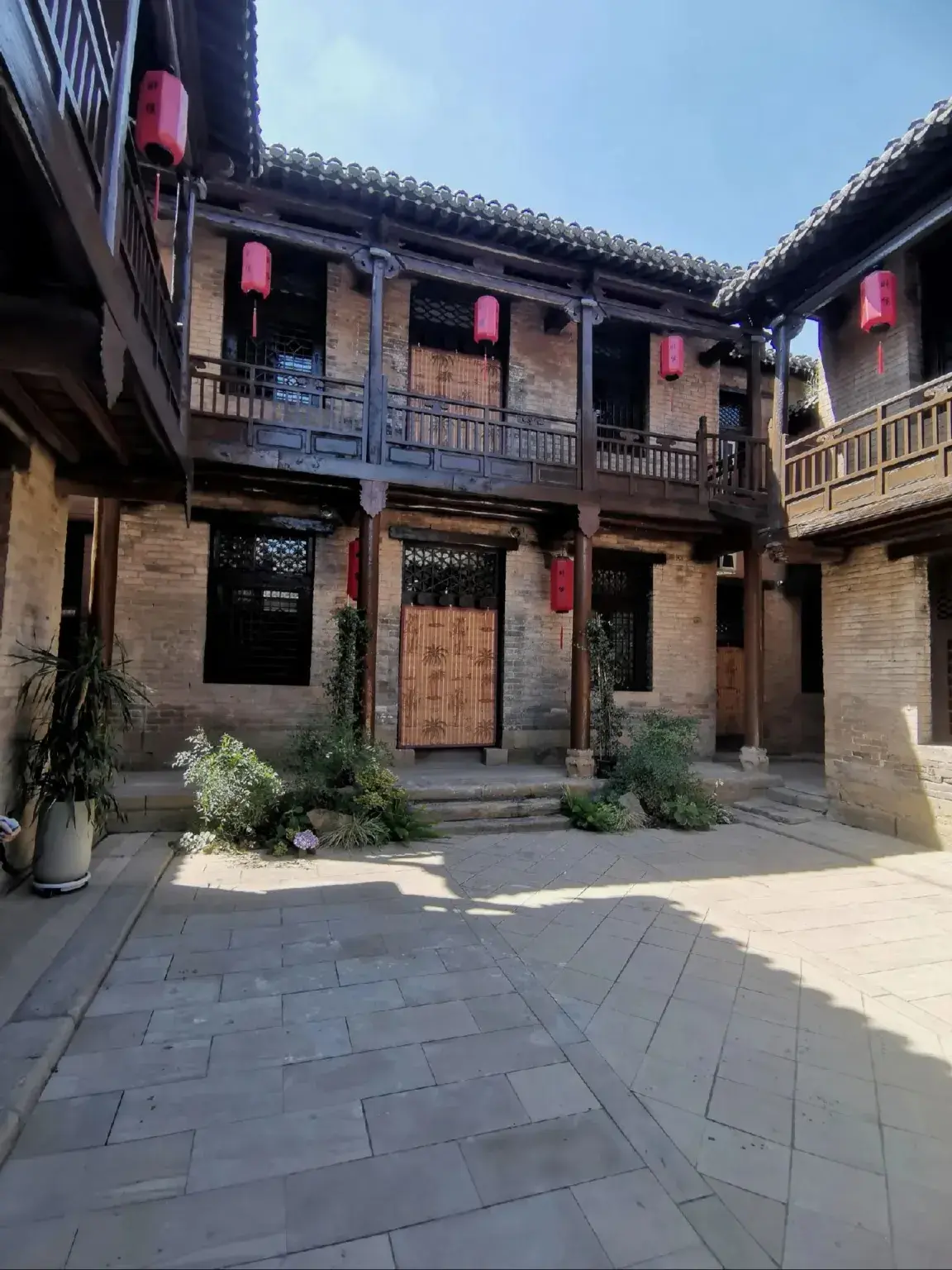
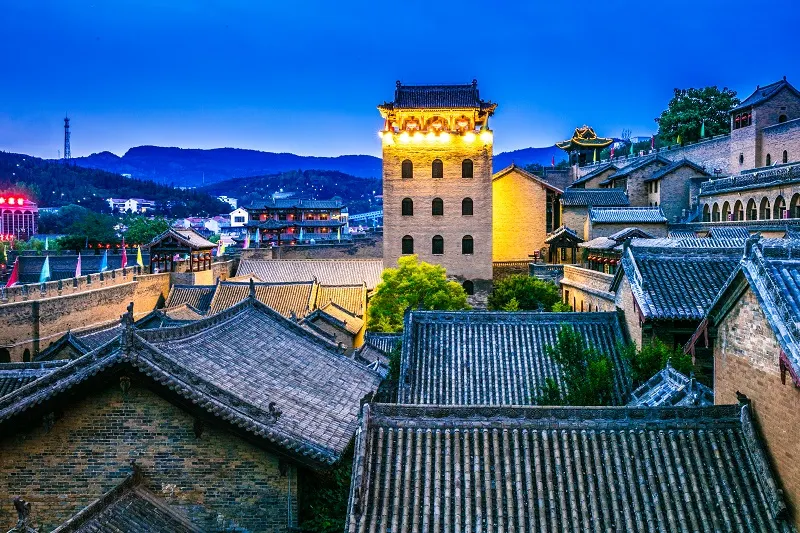
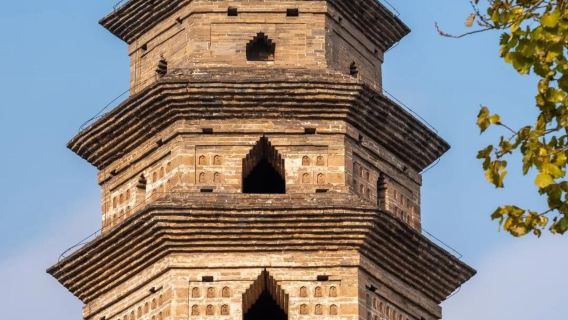
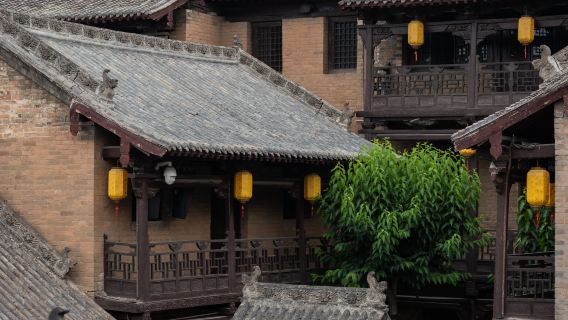
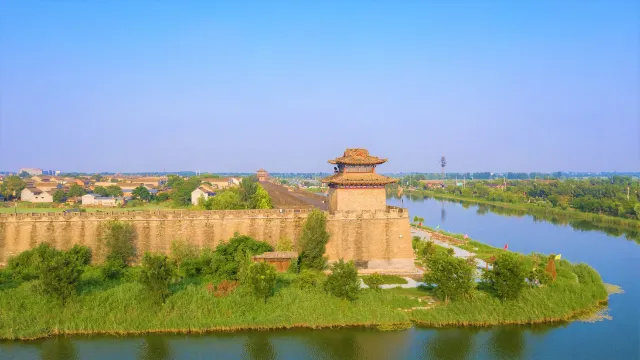
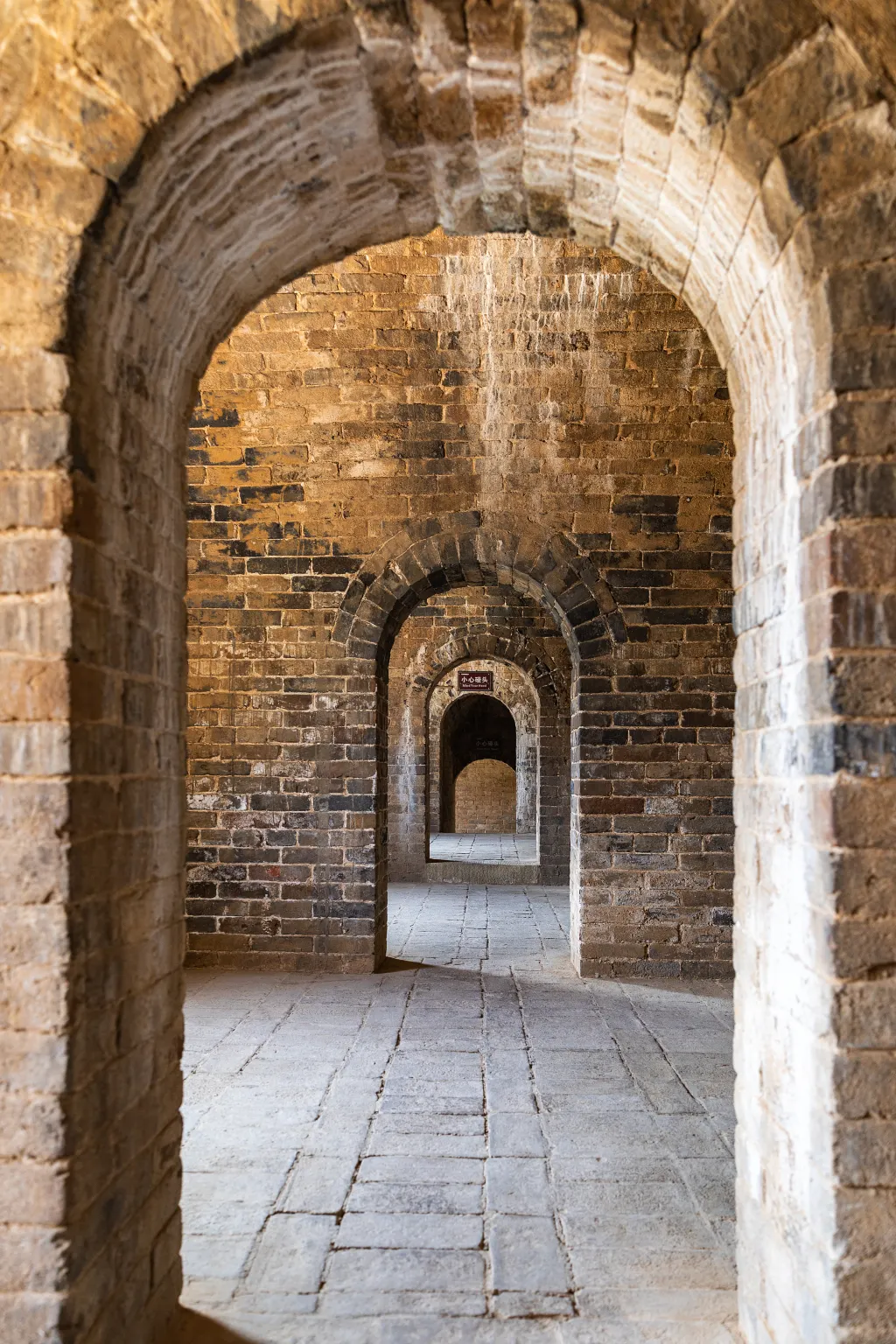
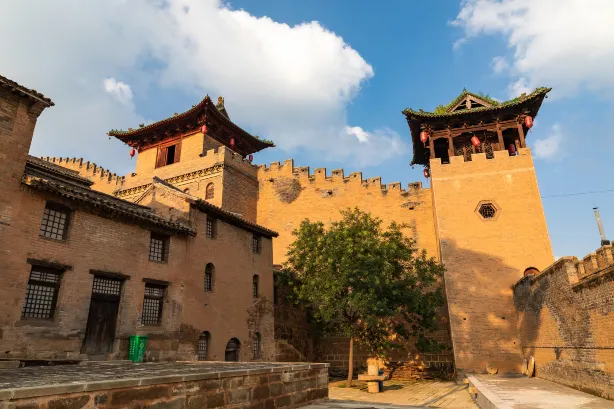
On the picturesque map of Qinshui, a county with millennia of history, lies a hidden treasure—Xiangyu Ancient Castle. Xiangyu Ancient Castle is located in Xiangyu Village, approximately 50 km southeast of Qinshui County, Shanxi Province. This historic site was the hometown of Sun Juxiang (Minister of Revenue) and Sun Dingxiang (Vice Censor-in-Chief of the Censorate) during the late Ming Dynasty. Recognized as a National Key Cultural Relics Protection Unit and a AAAA-level tourist attraction, it has been acclaimed by experts as "China's Premier Ming Dynasty Rural Castle in Northern China." The ancient fortress stands with Phoenix Mountain to the north, Xiangyu River to the south, Dongyang Mountain to the east, and Tiger Valley Peak to the west, blending architecture with natural landscapes to create a rustic and pristine beauty. Built under the direction of brothers Sun Juxiang and Sun Dingxiang, construction began in 1614 during the Ming Dynasty's Wanli era and was completed in 1634 during the Chongzhen era, spanning 20 years. Covering approximately 32,500 square meters, the south-facing fortress is built against the mountain with layered courtyards and towering structures, showcasing grandeur. It uniquely combines military defense, East-meets-West architectural fusion, and metaphysical design elements. The ancient fortress features a "three-horizontal, nine-vertical" street layout resembling scattered stars, forming a honeycomb-style castle from the Ming Dynasty. Within its walls lie eight cultural theme courtyards showcasing military defense, folk customs, historical officialdom, and imperial examination traditions. The hidden troop tunnels stand as masterpieces of the cold weapon era, combining professional defensive structures with a unique bead-string corridor design. The surviving "Panorama Tower" blends Eastern and Western architectural elements, featuring arched doorways and windows adorned with intricate "eyebrow-eave hanging pillar" brick carvings—an oriental fortress with distinct Western influences. Mystical patterns of ancient metaphysics like the "Hetu Luoshu," the fortress's strategic grid layout, and distinctive "tiger-paw paths" further shroud the entire castle in an aura of mystery. Xiangyu Ancient Castle is the epitome of Taihang ancient fortresses, a model of Ming and Qing architecture, and a marvel of harmonious integration with its natural surroundings. It has become a hub for traditional Chinese culture, a filming location for movies and TV shows, and a popular spot for artistic sketching. Now evolving into a slow-living destination, it offers visitors a perfect retreat for wellness, leisure, and vacation.

Qinshui · 39.3 km from downtown
Liu's Residence

Liu's Residence

3.6
4.1/5
71 reviews

The Liu Family Residence Historical and Cultural Tourism Area, the ancestral home of Liu Zongyuan in the Tang Dynasty, is located in Xiwenxing Village, Qinshui County, Jincheng City, Shanxi Province. It is surrounded by Taihang, Wangwu and Zhongtiao Mountains and covers an area of ​​4 square kilometers. It is a national 4A-level Attraction, a famous historical and cultural village in China, and a national key cultural relic protection unit. In the fourth year of Yongle in the Ming Dynasty, Liu Zongyuan's descendants made their fortune through farming and reading. They built the Hedong Liu Family Mansion with one entrance and thirteen courtyards, covering an area of ​​more than 30,000 square meters. It is the original ancient village in China where people of the same ancestor live together for generations. The ancient residential buildings have superb craftsmanship and unique style. They integrate the essence of Ming and Qing architectural art and the architectural styles of the north and the south. At the same time, they ingeniously apply the palace construction technology to the folk, truly recording the history of Chinese scholars and literati serving as officials for hundreds of generations, and profoundly revealing the social development history from "officials to merchants" in the Ming Dynasty to "merchants to officials" in the Qing Dynasty. It is indeed a masterpiece of Chinese ancient residential architectural art. The existing stone lions with ingot ears, the brick carvings of the first-class blue lotus, and the wood carvings of the four meanings of the Ming Dynasty and the eight immortals are so unique in China. The original calligraphy and painting inscriptions left by the famous Chinese Neo-Confucianist Zhu Xi, the master of "Xinxue" Wang Yangming, one of the four great talents in Jiangnan, Wen Zhengming, the enlightenment teacher of calligraphy Fang Yuanhuan, and the painting saint of the Tang Dynasty Wu Daozi are extremely rare in the world. The Attraction is surrounded by mountains and springs. It is a treasure land that combines "the green dragon on the left and the white tiger on the right" and "the golden turtle exploring the water". When you come to the Liu's residence, you can not only see the original works of the sages and the cultural relics, and taste the ways of self-cultivation, family harmony, governance of the country, and peace in the world, but also drink sweet springs, eat Hedong special dishes, pick fresh fruits in the thousand-acre orchard, trace the traces of the masters, and experience the life of the saints. We sincerely welcome people from all walks of life at home and abroad to visit and develop together.

Qinshui · 15 km from downtown
From £6.88
Qinshuili Mountain National Forest Park

Qinshuili Mountain National Forest Park

2.9
4.2/5
111 reviews

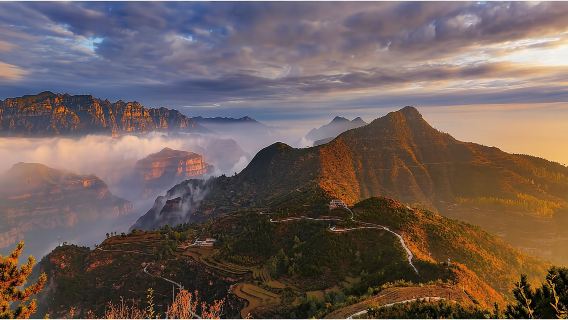
Lishan in Qinshui is a national nature reserve. It is said that it was the place where Yu Shun, one of the Three Sovereigns and Five Emperors in ancient China, cultivated and governed. He compiled the first calendar in the Yellow River Basin, the "Phenological Calendar", here, so he named this mountain "Lishan" and it became famous all over the world.   Lishan is located in Xiachuan Village, Qinshui, Jincheng, Shanxi. The total area of ​​the Attraction is 120 square kilometers, consisting of Shunwangping, Nvying Gorge, Ehuang Valley, Xiachuan Ruins and Lishan Ancient Village. The territory is extremely rich in animal and plant resources, with 11 national second and third level protected plants and 9 national protected animals, such as: leopard, golden eagle, lotus fragrance tree, yew, etc., and is known as the "Treasure House of Animal and Plant Resources in Shanxi Province".   Shunwangping, with an altitude of 2,358 meters, is the largest and highest alpine meadow in North China. In spring and summer, the clouds and mist on the top of the ping are arbitrary, as if entering a fairyland. It is more like a natural garden than a grassland. Hundreds of Chinese herbal medicines gather here, covering the sky and the earth, and the sea of ​​flowers is Unlimited. From May to September every year, the mountain flowers change every half month, and various colors appear in turn, with sweet and moist fragrance, which makes you confused and intoxicated. Being in it, you are one with nature, indescribably comfortable and inexhaustible. In autumn, the forest is dyed with red leaves, and the red leaves are gorgeous under the sunshine. Deep red, light red, deep and shallow form a world of red leaves. In winter, the snow is white and the sky is high and the clouds are light. The icicles and ice waterfalls all over the mountains seem to be in a crystal world.   Nüying Gorge was cut by Shunwang's knife and is famous for its water show. It is 6 kilometers long, with gurgling water and vines entwined in the gorge. The water flows down from Shunwangping and seeps out from the valley. It contains a variety of minerals and trace elements, without a trace of human pollution, and can be taken and drunk. There is no trace of haze in the air here. In the hot summer, a cool breeze blows through, and the comfortable environment makes you feel happy.   Ehuang Valley was formed by Shun using a halberd to split the mountain when he was cultivating Lishan Mountain. It reveals a majestic masculine aura everywhere. The whole canyon is magnificent, with rocks and stones that block out the sky. Walking into it often makes you feel that there is no way out, as if you are in a desperate situation, but as long as you muster up the courage to keep going forward, you will find another village with willows and flowers.   This is a summer resort, a paradise for photographers, a popular science learning base, and a place that can bring you leisure and happiness.

Qinshui · 31.4 km from downtown
Longmen Grottoes
2027 Asia 100 - Best Things to Do

Longmen Grottoes

9
4.7/5
62.7k reviews

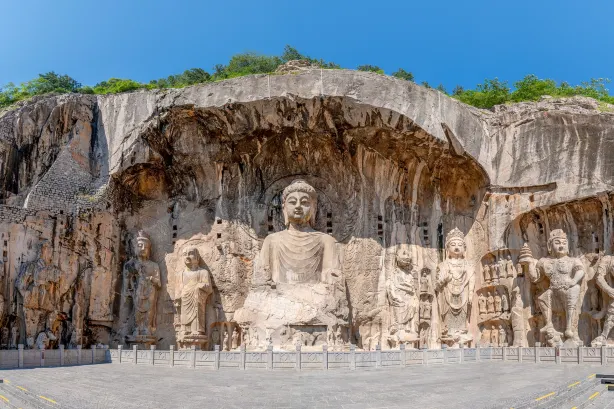
Longmen Grottoes are located in the southern suburbs of Luoyang, Henan Province, on the cliffs along both banks of the Yi River. As one of China's three major grotto art treasures, they were inscribed on the World Cultural Heritage list in 2000. The grottoes were first carved when Emperor Xiaowen of Northern Wei moved the capital to Luoyang, and construction continued through the Eastern Wei, Western Wei, Northern Qi, Sui, and Tang dynasties, with the vast majority of niches and statues left from the Northern Wei and Tang periods. Today, more than 2,000 niches and over 100,000 statues remain, along with a large number of inscriptions and steles, making the site an important representative of Chinese stone carving art. The attraction is divided by the Yi River into two parts: West Hill and East Hill. The West Hill Grottoes are the essence of the site, carved from the Northern Dynasties through the Sui and Tang periods. Famous caves include Guyang Cave, Binyang Cave, Lotus Cave, Wanfo Cave, and Fengxian Temple. The Lushena Buddha at Fengxian Temple stands about 17 m tall, making it one of the larger Buddha statues at Longmen Grottoes. Its face is dignified and serene, with a faint smile, and legend holds that it was modeled on the appearance of Wu Zetian, earning it the name "Oriental Mona Lisa." The inner walls of Wanfo Cave are densely covered with about 15,000 small Buddha statues, each only a few cm tall, neatly arranged and finely crafted. Guyang Cave is the earliest cave carved at Longmen, and its inscription calligraphy is exquisite; the selected "Twenty Masterpieces of Longmen" are representative works of Wei stele calligraphy. Binyang Cave consists of the South, Middle, and North caves and took more than twenty years to complete. Its original reliefs depicting emperors and empresses worshipping the Buddha were looted and lost overseas in the 1930s. In Binyang North Cave, a Buddha statue has a distinctive hand gesture, with the right index and middle fingers raised in a shape resembling the modern "scissors hand," though it is actually a Buddhist mudra, and it once sparked heated discussion online. The East Hill Grottoes are mostly Tang dynasty works and are smaller in scale than those on West Hill, but from the opposite bank visitors can enjoy panoramic views of West Hill from different angles, especially distant views of the Lushena Buddha. The attraction also includes Xiangshan Temple and Bai Juyi Memorial Park (Bai Garden). The Tang dynasty poet Bai Juyi lived in Luoyang in his later years and once praised it, saying, "Of the scenic splendors of Luoyang's surrounding mountains and waters, Longmen ranks first." When visiting, simply follow the route West Hill—East Hill—Xiangshan Temple—Bai Garden, proceeding in one direction without backtracking. The West Hill Grottoes are densely packed with content, so it is advisable to set aside ample time for a closer look; East Hill is quieter and more secluded, suitable for a brief visit and gazing across the river when energy is limited.

China · Luoyang
From £10.33
Millennium City Park
2027 Asia 100 - Best Things to Do

Millennium City Park

8.8
4.6/5
29.3k reviews

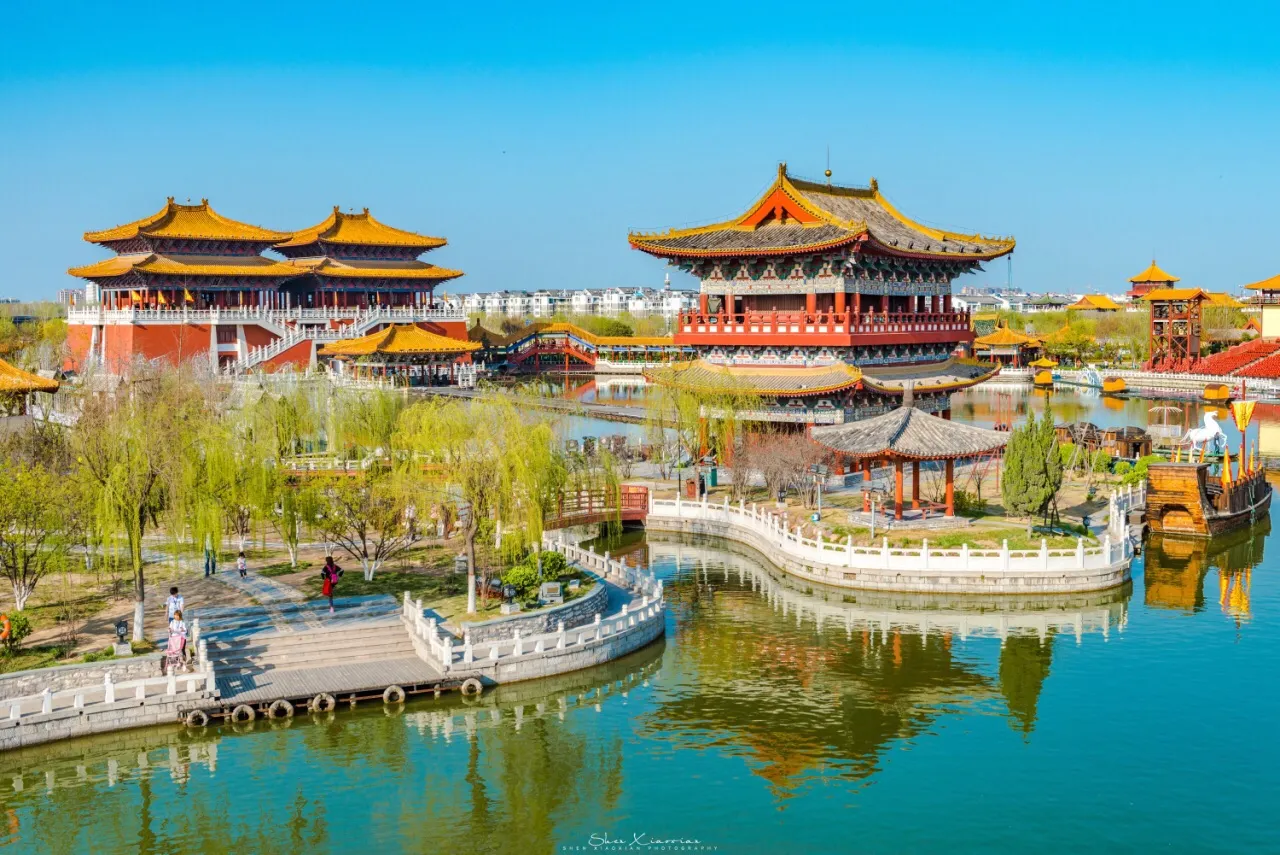
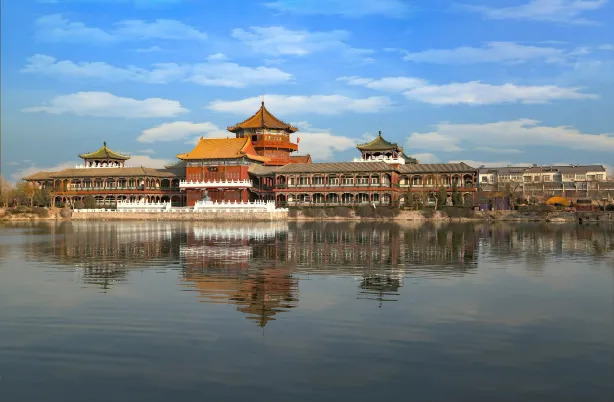
Millennium City Park is located by the shores of Longting Lake in Kaifeng. It is a large-scale historical and cultural theme park of the Song Dynasty, recreated one-to-one based on the famous painting Along the River During the Qingming Festival by Song Dynasty painter Zhang Zeduan. The park is divided into two sections by the Shuangting Bridge: the South Garden recreates the bustling street life of the Bianjing city, with taverns, eateries, teahouses, and pharmacies lined up along the streets; the North Garden is an imperial garden, with waterside halls, the Sifang Courtyard, and other palace buildings standing by the lake. Performers and street vendors in the park mostly wear Song Dynasty costumes, with ancient music lingering and bells and drums sounding, so that after a few steps visitors can easily fall under the illusion of "stepping into a painting in one morning, dreaming back a thousand years in one day." Architecture is the intuitive and tangible highlight here: the Rainbow Bridge spanning the Bian River is a replica of the famous bridge in the painting, shaped like a long rainbow, and standing on the bridge watching the grain boats pass by feels much like being inside the painting; the Fuyun Pavilion towers above all the other pavilions in the garden, with its tiered red towers and golden tiles on all four eaves, inviting one to climb from afar; the Shangshan Gate is rebuilt after the Northern Song dynasty Dongjing city gate, tall and majestic with brilliant painted decorations, making it the most imposing gate tower in the garden; and the Shuixin Xie, Shuangting Bridge, Jiulong Bridge, and other pavilions and waterside structures are scattered among the blue waves. The main attraction of the day is the immersive performances staged throughout the park: "Bao Zheng Inspects the Bian River Grain Transport" unfolds on the water on both sides of the Rainbow Bridge; "Squire Wang Seeks a Son-in-Law" features a decorated tower erected in front of Squire Wang's house where a silk ball is tossed to choose a groom; "Yue Fei Challenges Prince Xiao Liang" raises dust on the Song dynasty parade ground as horses gallop; and folk performances such as cockfighting, stilt walking, and pan drumming are interspersed throughout. To step into the action yourself, head to the Four Directions Courtyard to don traditional costumes and enter the examination cells for a hands-on Song dynasty imperial exam experience; families with children can enjoy carousel rides, roller coasters, and other amusement facilities wrapped in Song dynasty storytelling at the Song Dynasty·Royal Pleasure Ground; and in the entertainment quarters, face-changing, qigong fire-breathing, ancient magic, and other Song dynasty variety acts take turns on stage, with intangible cultural heritage feats ready to break out at any moment right beside you. After nightfall, the park takes on a different face: red lanterns light up one after another, the market streets are brightly illuminated, and it feels like a completely different park from the daytime. The large-scale water-based live performance "The Great Song Dynasty's Eastern Capital: A Dream of Splendor" is staged on the surface of Jinglong Lake. The entire show is woven together from eight classic Song ci poems and the painting Along the River During the Qingming Festival, drawing the audience back to the Northern Song dynasty's Eastern Capital a thousand years ago. The performance runs about 70 minutes, and many visitors deliberately plan their itinerary to stay until the evening to catch this show. Dining in the park is also convenient: the snack street at Dongjing Food Court brings together Kaifeng snacks such as fried liangfen, tongzi chicken, and almond tea, perfect for eating while strolling; if you want to sit down for a proper meal, you can visit the reconstructed Sun Yang Zheng Dian in the park, which was originally one of the seventy-two official restaurants of Bianjing in the Northern Song Dynasty, where you can taste traditional Henan dishes such as soup dumplings and carp with baked noodles.

China · Kaifeng
From £13.77

Experiences you can't miss in Qinshui

Featured Culture & history in Qinshui

View all Culture & history
Qinshui Today's weatherClear -2-10℃
Qinshui weather for the next 2 days11/29: 0-14℃, 11/30: 1-17℃

Free things to do in Qinshui
What travelers say about Qinshui

user-avatar
冰糖BingtangFebruary 18, 2026
5.0
Strolling through Xiangyu Ancient Castle feels like stepping back 600 years to the Ming Dynasty. The mottled walls, the scattered cave dwellings, and the deep, secluded alleys—every brick and tile carries the weight of history. The honeycomb-style hidden troop tunnels are ingenious and awe-inspiring. Climbing the Yilan Tower offers panoramic views; the ancient castle at the foot of the Taihang Mountains possesses both the grandeur of a military fortress and the warmth of ancient village life. Free from the hustle and bustle of excessive commercialization, only the tranquility accumulated over time remains, allowing one to understand the wisdom and perseverance of the ancients. This trip was incredibly rewarding, leaving us wanting more. The tour guides were warm and attentive! A big thumbs up to our guide, Xiao Li, for taking such beautiful photos of us! 👇Photos of the lovely young lady!

Xiangyu Ancient Castle

user-avatar
Anonymous userOctober 8, 2024
4.0
It is worth going, a small attraction, free travel, you can slow down and take a closer look. The stone lions in front of the gate are interesting. It is close to Lishan Mountain, and the scenery is different in each season. You can enjoy flowers in spring, escape the heat in summer, enjoy clouds in autumn, and enjoy snow in winter. Shanxi is worth visiting twice or three times.

Liu's Residence

user-avatar
D78***88August 11, 2026
3.0
The navigation was correct, and the road conditions were good. The scenic area is free, but there are security guards at the entrance to limit the number of visitors. I arrived at noon, and there were 4 or 5 cars ahead of me. They said that only one car could leave and one could enter at a time. If you only want to see Kuanglutu, you can park at the entrance and walk in, which is less than 1 kilometer.

Taihang Honggu National Forest Park

user-avatar
M77***88November 21, 2026
5.0
I purchased a combined ticket and took the free shuttle bus within the scenic area to Huangcheng Xiangfu, Guoyu Ancient Castle, and Haihui Academy. This scenic area is a sixth batch of national key cultural relics protection units. ① Huangcheng Xiangfu: The former residence of Chen Tingjing, a Grand Secretary of the Wenyuan Pavilion during the Qing Dynasty. It is the largest official residence castle in northern China, a 5A-level scenic area, and a national key cultural relics protection unit. The entire city is built against the mountain, integrating residences, official residences, academies, and defensive fortifications. The city is very large; even just visiting the core attractions requires more than 1.5 hours. ② Guoyu Ancient City: A defensive castle village built during the Ming Dynasty, integrating residence, defense, and worship, and is quite large. Guoyu is a few years older than Huangcheng Xiangfu and contains Chen Tingjing's ancestral home, making it the former residence of the Chen family. Nearly 40 Ming and Qing dynasty residential courtyards remain. The most striking feature is its city wall, containing over 600 cave dwellings, densely packed like a honeycomb, hence its nickname "Honeycomb City." Visitors can explore the underground tunnels. The entire ancient castle scenic area is not heavily commercialized, built upon the ancient village, and people still live there today. ③. Haihui Academy: Includes the Haihui Twin Pagodas and Haihui Temple. Its history is extensive and profound, making it a must-see attraction besides the Imperial City Prime Minister's Residence. ⚠️: For those with the means, it's essential to pay 30 yuan to climb the Glazed Tile Pagoda, a national treasure. The tenth floor is made of glazed tiles, and you can climb all the way to the top. The path is difficult, with worn steps, making progress challenging. It's possible that climbing the pagoda will be discontinued someday, so visitors to Haihui Academy should definitely give it a try.

House of The Huangcheng Chancellor

user-avatar
M42***29June 19, 2022
5.0
Worth recommending everyone to buy [Cost-effectiveness] [Fun] [Scenery] Worth recommending [Fun] [Scenery] [Cost-effectiveness] Worth praising [Scenery] [Fun] [Cost-effectiveness]

Douzhuang Village
user-avatar
还不曾去过倒悬山!June 15, 2022
4.0
Danshui and Qinshui actually belong to the same water system, or it can be said that Danshui is a tributary of Qinshui, because after they flow southward through the gap between Taihang and Wangwu Mountains, they merge into one when they reach the North China Plain. The location of the Battle of Changping is at the source of Danshui, which is today's Gaoping City in Jincheng, because the root cause of the Battle of Changping between Qin and Zhao was that Zhao State tried to prevent the Qin army from going north into the Changzhi Basin. You must know that after crossing Taihang Mountains from Changzhi, you will reach Zhao's capital Handan, separated by a mountain.

Qinshuili Mountain National Forest Park

user-avatar
塔拉哈西张居正November 27, 2026
5.0
Director Pei is truly gentle and talented! She not only introduced the scenic spots but also explained the historical background, quoting various poems with ease—she's a real literary genius! Thank you for these two hours of companionship; it felt like we were having a dialogue with history!

Longmen Grottoes

user-avatar
如鱼得水的如水November 26, 2026
5.0
As the largest Song Dynasty-style ancient architectural complex in the Central Plains region, the Qingming Riverside Landscape Garden in Kaifeng City was rated as a national AAAAA-level scenic spot in 2011 and was included in the list of advanced collectives in the national cultural and tourism system for commendation in October 2021. Qingming Riverside Landscape Garden has also won numerous honors, including being named a well-known Chinese tourism brand and a national model enterprise for harmonious labor relations.

Millennium City Park

Trip Moments in Qinshui

Popular cities near Qinshui

Frequently asked questions

How can I contact Trip.com customer support?

Get help anytime, anywhere within 30 secondsContact customer support

Change and cancellation policies vary by attractions and tours. Please check the product details page for more information.

Ticket prices may vary between weekdays and weekends, as well as during peak and off-peak seasons. When booking with Trip.com, you can also use Trip Coins to get extra savings. For more tips on booking discounted tickets, please visit Trip.com for the latest information.