
Things to do in Zhangzi
Trending in Zhangzi
- Changzhi City Museum (New Building): Changzhi City Museum (New Building) opens
Explore top experiences
Top 10 attractions in Zhangzi


Experiences you can't miss in Zhangzi
Featured Culture & history in Zhangzi
View all Culture & history
5% off
Limited-time sale
FromSEK 1,400.00SEK 1,474

5% off
Limited-time sale
FromSEK 1,976.00SEK 2,081
5% off
Limited-time sale
FromSEK 1,647.00SEK 1,734
Free cancellation
Instant confirmation
FromSEK 1,357.00
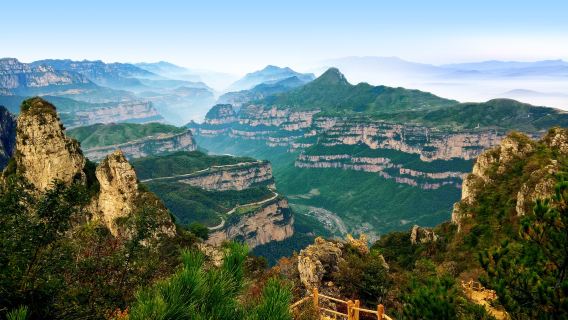
Zhangzi Today's weatherClear -7-8℃
Zhangzi weather for the next 2 days11/20: -4-8℃, 11/21: -3-12℃
Free things to do in Zhangzi


What travelers say about Zhangzi

117***30September 20, 2026
5.0
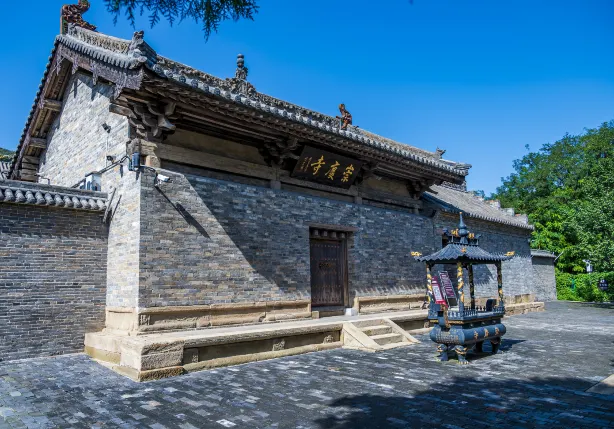
Chongqing Temple, located in Changzi County, Changzhi City, is situated on the mountainside of the present-day Ziyun Mountain Scenic Area. To visit the temple, you need to transfer to a sightseeing bus at the scenic area's main gate (round-trip ticket: 10 yuan/person) to reach the temple entrance.
Chongqing Temple was first built during the Northern Song Dynasty and underwent several renovations during the Ming and Qing Dynasties. The temple complex comprises a courtyard with halls such as the Hall of Heavenly Kings, the Hall of Thousand Buddhas, the Hall of Reclining Buddha, the Hall of Great Compassion, and the Hall of Ksitigarbha.
The group of eighteen Arhats in the Hall of Great Compassion is the only polychrome sculpture in China with a definitive Northern Song Dynasty date, hailed as the "Crown of Song Dynasty Sculpture." In addition, the temple's other halls contain hundreds of sculptures, including suspended and polychrome sculptures from various dynasties, all possessing extremely high artistic value.
Chongqing Temple was one of the filming locations for the movie *Black Myth: Wukong* and is a national key cultural relics protection unit. For tourists who appreciate ancient architecture and polychrome and suspended sculptures, Chongqing Temple is well worth a special trip.
Chongqing Temple
难 得糊 涂March 11, 2026
5.0
Faxing Temple, located on the southern slope of Cuiyun Mountain in Cuizhuang Village, Cilin Town, Changzi County, Changzhi City, Shanxi Province, was first built in 401 AD (the first year of the Shending era of the Later Liang Dynasty) and was initially named Cilin Temple. From 1984 to 1996, it was relocated here due to a coal mine subsidence area. It was designated a National Key Cultural Relics Protection Unit in 1988. The temple's Tang Dynasty stone stupa, Tang Dynasty lamp-burning lantern, and Song Dynasty twelve Yuanjue statues are known as the "Three Wonders of Faxing," representing top-tier examples of Tang and Song Dynasty architecture and sculpture.
Must-see highlights:
1. Tang Dynasty Stone Relic Pagoda (673 AD, Xianheng 4th year): Entirely made of sandstone, a unique example of a Tang Dynasty pagoda combining pagoda and hall; double-eaved with four corners, and a lower-level corridor for walking around; supervised by King Zheng Hui, Li Yuanyi.
2. Tang Dynasty Burning Lamp Pagoda (773 AD, Dali 8th year): Constructed of bluestone, the most exquisite and complete of the three existing early burning lamp pagodas in China; the base features musical reliefs with a clear date inscription.
3. Song Dynasty Sculptures in Yuanjue Hall (1111 AD, Zhenghe 1st year): Inside the rebuilt hall during the Northern Song Dynasty, twelve painted sculptures of Yuanjue Bodhisattvas, each with a different expression; the "Contemplative Bodhisattva" is hailed as the crown jewel of Song Dynasty Bodhisattva sculptures.
4. Also included are the Pagoda of Zen Master Yugong and a gallery of 17 steles from various dynasties, which can supplement the temple's historical record.
Cuiyun Mountain Faxing Temple Scenic Area

E29***51September 25, 2025
5.0
The cultural relics protection officers of the ancient buildings with uncertain age are easy to deal with.
Yuhuang Temple in Bucun

M43***18August 31, 2025
5.0
The Xiahuo Huguo Lingkuangwang Temple, a National Key Cultural Relics Protection Site, is widely recognized for its historical value and architectural features. The following is a comprehensive review:
Historical and Cultural Value
Originally built during the Jin Dynasty (the exact date is unknown), it was renovated in 1720, the 41st year of the Kangxi Emperor's reign in the Qing Dynasty. The main hall is a remnant of the Jin Dynasty, while the offering hall and other buildings are in the Qing Dynasty style. It was listed as the seventh batch of National Key Cultural Relics Protection Sites in 2013.
It is dedicated to Huguo Lingkuangwang (Houyi), who was conferred the title of Huguo Lingkuangwang (Houyi) during the Chongning period of Emperor Huizong of the Northern Song Dynasty (1102-1106) for his achievement in shooting down the sun. He is revered by the people as the deity of the Three Cliffs Mountains, responsible for rain and hail, and offering prayers and offerings with efficacy.
In ancient times, it was the core venue for the "Welcoming Gods and Festivals" in Changzi County. The Baiyun Mountain Temple Fair was once as famous as the Miaofeng Mountain Fair in Beijing, and is one of the four major temple fairs in North China. Architectural Features
Main Hall: The sandstone base is 0.56 meters high, three bays wide, and six rafters deep. It features a single-eaved gable roof with a glazed ridge ornament. The six-paneled eaves are constructed with single-roof, double-below raised brackets, a distinct Jin Dynasty style.
Offering Hall: A Qing Dynasty building with two surviving stele. Like the main hall, both are supported by stone pillars, a rare sight among ancient Chinese architecture.
Murals and Hanging Sculptures: The main hall murals depict Houyi and Chang'e, while the "wind, rain, thunder, and lightning" hanging sculptures on the east and west sides are modern creations with exquisite craftsmanship.
Visiting Experience: Free admission, visitors are free to explore freely.
The temple complex is small, consisting of a courtyard upon entering, but well-preserved, consisting of a theater and temple grounds. Modern opera houses flank the stage.
The surrounding area is tranquil, adjacent to the Zhuozhang River, where white cranes and black storks often inhabit, creating a harmonious blend of natural and cultural landscapes. Notes
Some areas (such as the opera school) may be temporarily closed, requiring assistance from cultural relics protection personnel to enter the main hall. 3
The murals are modern creations, but the artistic style mimics that of ancient times, so they require careful preservation. 3
Overall, the temple is an important specimen for studying Jin Dynasty architecture and folk beliefs, suitable for history enthusiasts and cultural explorers. 12
Xiahuo Huguo Lingkuangwang Temple

rookie菜鸟July 31, 2026
5.0
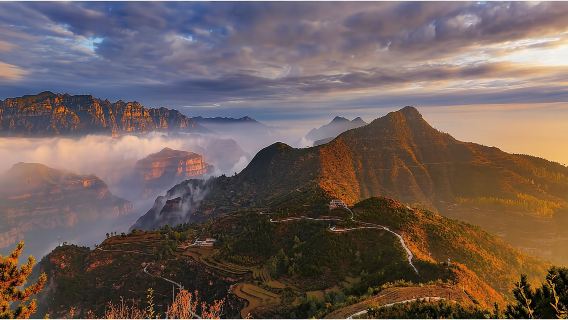
This hidden gem of a scenic area boasts a harmonious blend of natural beauty and ancient architecture, offering a tranquil and comfortable mountain environment. The highlight, Chongqing Temple, is not to be missed. Its well-preserved Song Dynasty wooden structure and lifelike Song Dynasty sculptures of the Eighteen Arhats, each with a unique expression, are truly breathtaking. Here, you can enjoy hiking, fresh air, and stunning mountain scenery while admiring top-tier Song Dynasty painted sculptures. With fewer crowds and a peaceful atmosphere, it's perfect for those who appreciate historical sites and cultural heritage.
Ziyun Mountain Tourist Area, Changzi County
地毯式穷游中国July 7, 2023
4.0
Shangdang Gate, located on a high slope on West Street in Changzhi City, is a gate with an ancient history. It was first built in the Sui Dynasty and was built by Li Longji, the Tang Dynasty emperor, when he was the deputy governor of Luzhou. Except for the gate plaque and some buildings, the current Shangdang Gate has been greatly renovated and it is difficult to find traces of history. Now it has become a place for residents to relax and have fun.
Shangdang Gate

走過一段路June 8, 2026
5.0
The best gift of travel is exposure. You'll learn that people in different places have different lifestyles; some places prefer salty food, others prefer sweet; some people work from dawn till dusk, while others live at a leisurely pace. Having witnessed different ways of life, you'll no longer be fixated on your own way, become more tolerant of differences, and your heart will broaden. This is the growth that travel brings.
Lu'an Prefecture City God Temple

行走毛毛November 12, 2025
5.0
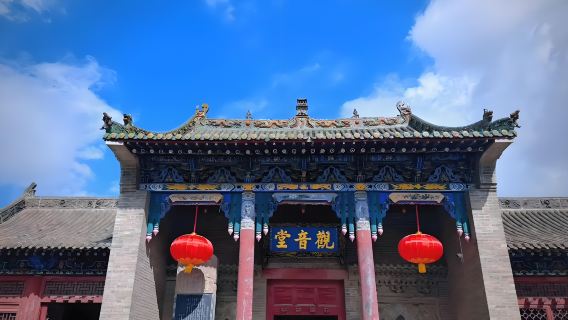
It has to be said that the Guanyin Temple in Changzhi is truly a battle of gods. Once you arrive, you feel as if you are immersed in all kinds of gods, and these gods even include the unity of the three religions, which is really surprising.
Guanyin Hall

阿栓518August 28, 2023
5.0
It's really beautiful. The weather was very good on the day I went there, the scenery was beautiful, the air was pleasant, and it was a good place for citizens to go on holidays. I wrote a poem about this scene: The little lotus has just revealed its pointed tip, and a dragonfly has already landed on it.
Changzhi National Urban Wetland Park
Trip Moments in Zhangzi


Popular cities near Zhangzi


Frequently asked questions
How can I contact Trip.com customer support?
Get help anytime, anywhere within 30 secondsContact customer support
Can I change or cancel my booking?
Change and cancellation policies vary by attractions and tours. Please check the product details page for more information.
How can I get discounted prices?
Ticket prices may vary between weekdays and weekends, as well as during peak and off-peak seasons. When booking with Trip.com, you can also use Trip Coins to get extra savings. For more tips on booking discounted tickets, please visit Trip.com for the latest information.