Vienna 2026 Guide: Must-see attractions, local cuisine, and practical tips! | Trip.com
 Local GuidesLast updated on Trip.com: 25/08/2025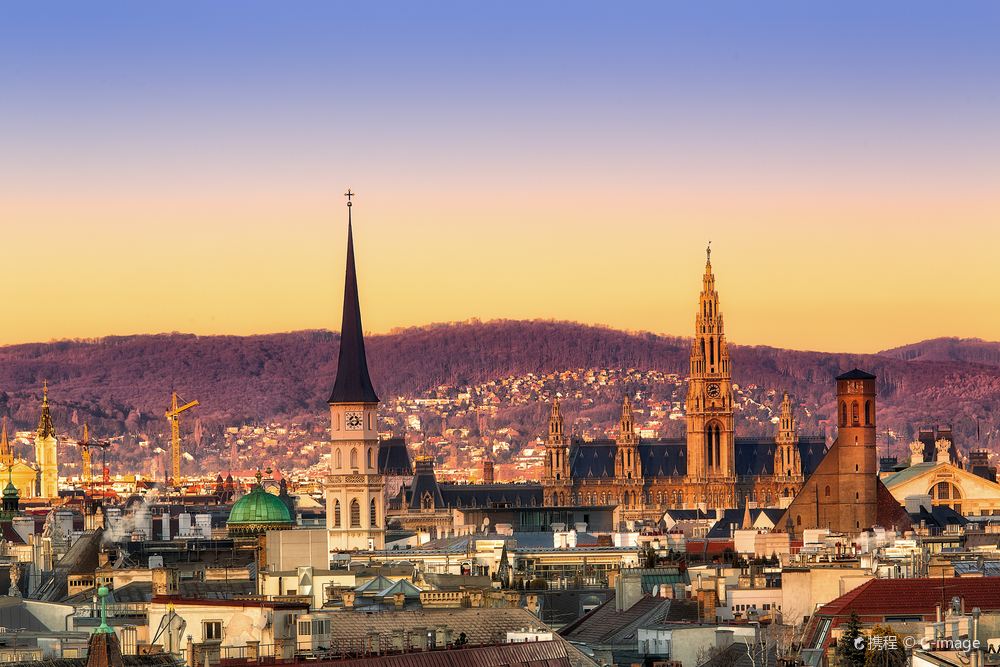
Vienna Brief Guide
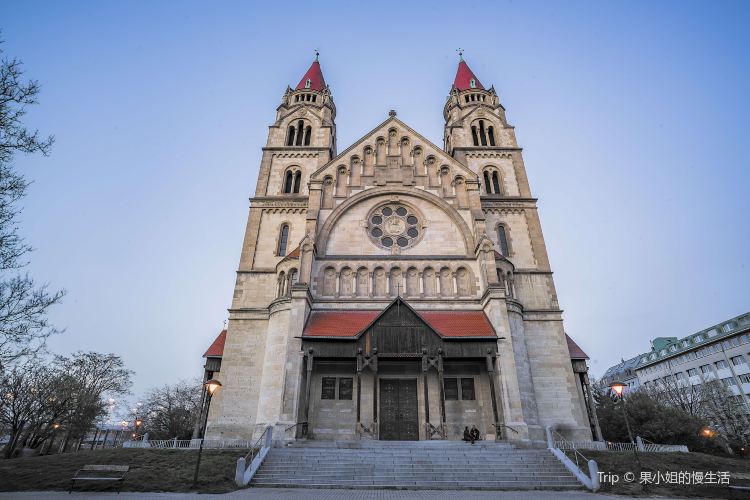
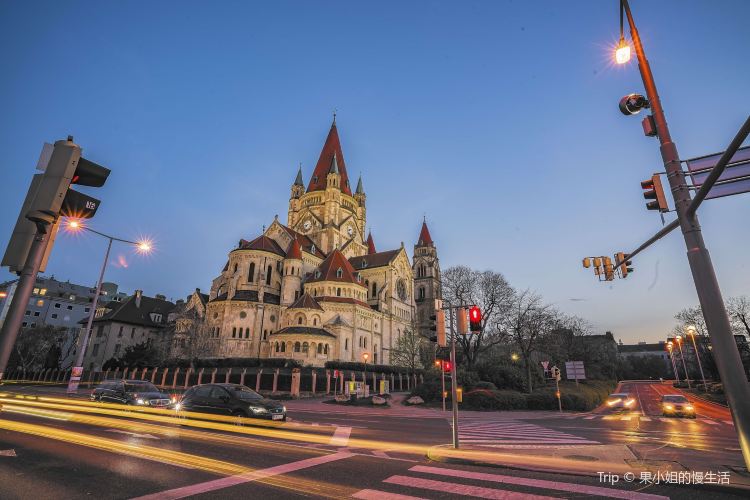
Vienna, Austria’s capital, is a cultural gem renowned for its imperial history, classical music heritage from composers like Mozart and Beethoven, stunning architecture including the Hofburg and Schönbrunn Palaces, and vibrant coffeehouse culture. As a UNESCO World Heritage site for its historic center, it blends Baroque elegance with modern art scenes and green spaces. Plan your perfect Vienna visit with our guide.
Vienna Must-try local experiences
Explore Vienna's Imperial Old Town
Wander Vienna's historic center to admire Habsburg landmarks: Tour Schönbrunn Palace's lavish rooms and Privy Garden maze. Visit Hofburg Palace's ornate halls and Austria's National Library's gilded shelves. Climb Stephansdom's South Tower for city views or stroll Ringstrasse's boulevards, immersed in Vienna's imperial grandeur.
Trace Empress Sisi's Royal Life
Explore Hofburg's Sisi Museum, which showcases Empress Sisi's dresses, jewels, and diaries. Tour the Imperial Apartments and Silver Collection, which reveal her courtly life. Visit Schönbrunn Palace's salons, her summer retreat, with guided tales of her beauty and sorrows. View her portraits and get a Sisi-themed souvenir, stepping into Vienna's regal history.
Admire Masterpieces in Art Museums
Visit Kunsthistorisches Museum for Bruegel's "Tower of Babel" and Rubens "The Feast of Venus". See Klimt's "The Kiss" at Belvedere Palace or his works at Leopold Museum with Schiele's portraits. Explore MUMOK for modern art or Albertina for Monet's landscapes—wander in a gallery courtyard, captivated by Vienna's world-class art collections.
Experience Vienna's Music and Theater Scene
Watch opera at Vienna State Opera's frescoed hall or operettas at Volksoper. Hear the Vienna Boys' Choir at Hofburg Chapel or the Philharmonic at Musikverein's golden hall, famed for New Year's Concerts. Enjoy plays at the Burgtheater. Sway to a string quartet, enveloped in Vienna's legendary performing arts.
Indulge in Viennese Coffee and Pastries
Sip melange, a frothy coffee, at Café Central's UNESCO-listed arches. Taste Sachertorte, a chocolate cake with apricot jam, at Café Sacher, which won a historic legal battle over the recipe against Demel—Nibble apple strudel at Café Landtmann, savoring Vienna's iconic coffeehouse legacy.
Celebrate World-Famous Christmas Markets
Stroll Rathausplatz's dazzling Christmas market, a global icon from mid-November to December. Sip mulled wine and have a gingerbread cookie under twinkling chandeliers. Browse Spittelberg's lanes for handcrafted ornaments and wool scarves. Skate on a glittering rink or join carolers, enchanted by Vienna's festive splendor.
Savor Traditional Viennese Dishes
Try Wiener Schnitzel, a crispy veal cutlet (pork is Schnitzel Wiener Art), at a cozy tavern. Savor Tafelspitz, boiled beef with applesauce, Kaiserschmarrn, fluffy pancakes with plum jam. Sip grüner veltliner wine with roasted pork at a wine tavern. Taste Krapfen, jam-filled doughnuts, at a bakery, delighting in Vienna's rich culinary heritage.
Browse Vibrant Markets and Boutiques
Explore Naschmarkt's bustling stalls for olives, cheeses, or Viennese honey. Hunt for antique clocks or vinyl records at Saturday's flea market. Stroll Graben Street's designer shops for crystal jewelry or Mariahilfer Street's fashion boutiques. Pick up hand-painted porcelain, uncovering Vienna's lively shopping scene.
Cruise the Danube at Night
Board a Danube cruise to see Vienna's skyline sparkling after dark. Pass Donauturm's sleek silhouette and Prater's glowing Ferris wheel. Sip Austrian wine or listen to live piano on deck. Snap photos of illuminated bridges or admire riverfront spires, captivated by Vienna's nocturnal elegance.
Learn to Waltz Like Viennese Nobility
Take a waltz lesson at a dance school, twirling to Vienna's iconic 3/4 rhythm. Practice elegant steps or watch instructors glide. Visit during ball season (January–February) to attend the Opera Ball. Embrace Vienna’s world-famous dance tradition.
Vienna Must-see Attractions
Vienna, the capital of Austria, is a city steeped in imperial history and cultural richness, boasting landmarks like the UNESCO-listed Schönbrunn Palace, the acoustically renowned Musikverein, the historic Hofburg Palace complex, the art-filled Belvedere Palace, and the esteemed Kunsthistorisches Museum, each offering visitors a unique glimpse into the city's grand past and artistic legacy.
Schönbrunn Palace
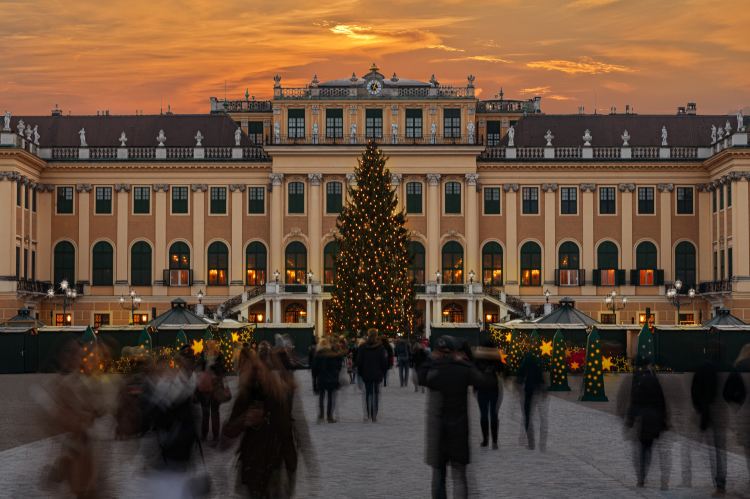
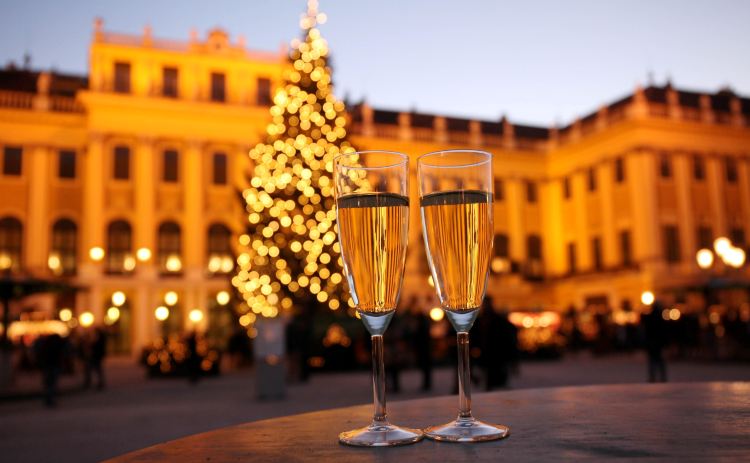
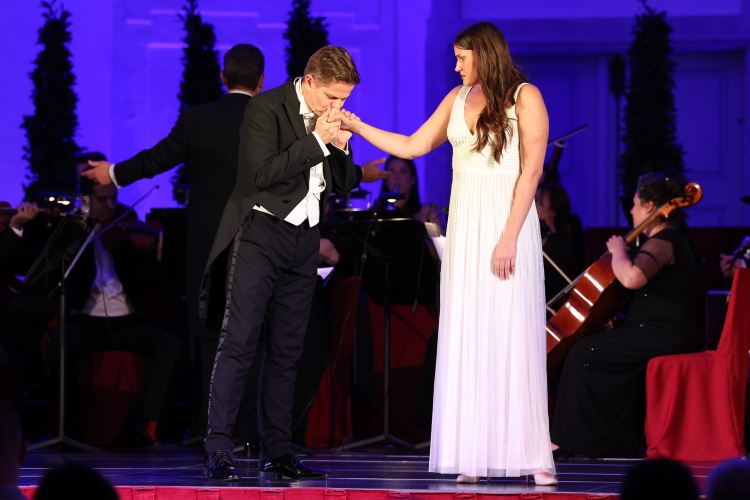
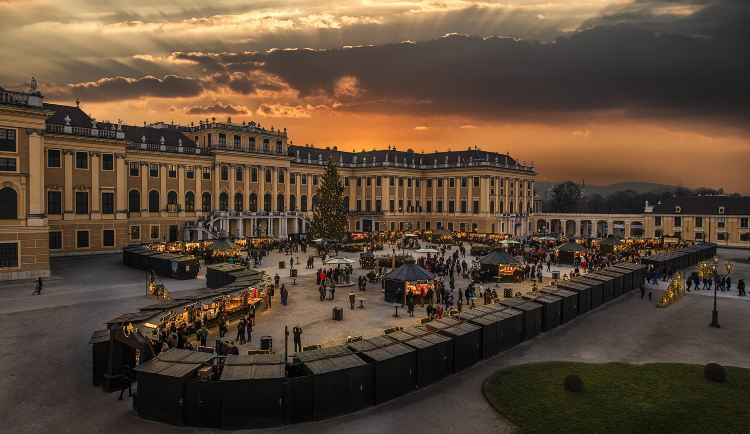
Schönbrunn Palace, once the summer residence of the Habsburg rulers, is a Baroque architectural marvel with a history that reflects the changing tastes and aspirations of the Habsburg monarchs. As a UNESCO World Heritage Site, it stands as a testament to its historical significance and the synthesis of the arts.
Visitors can explore the palace's 1,441 rooms, including the state rooms and private apartments, and marvel at the Rococo-style interiors and the Great Gallery's magnificent Rococo decorations. The palace gardens, open to the public year-round, offer a serene experience with impressive fountains, statues, and attractions like the world's oldest zoo and the Palm House. Schönbrunn Palace is not only a cultural treasure but also the most visited tourist attraction in Austria, inviting guests to immerse themselves in the grandeur of imperial life.



Vienna Music Society
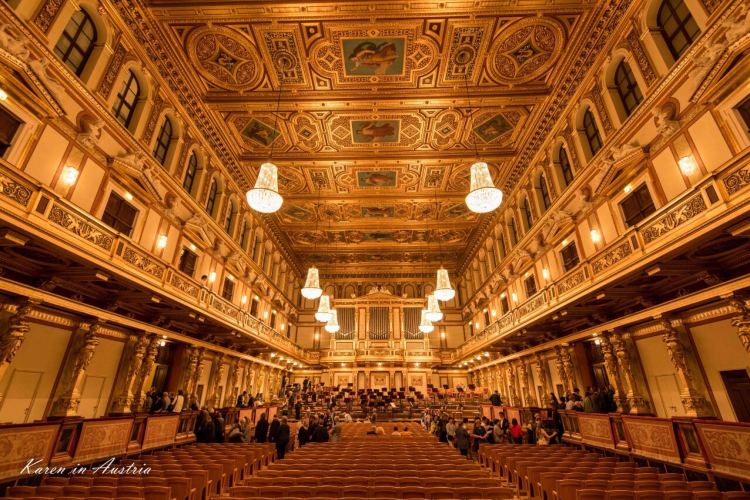
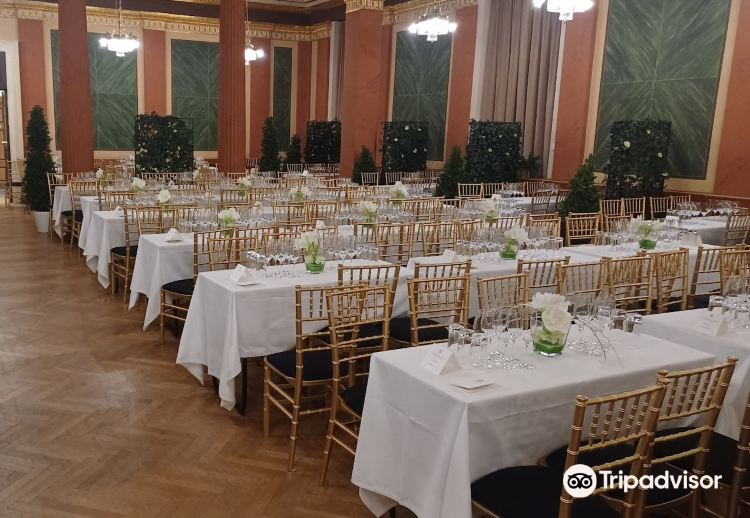
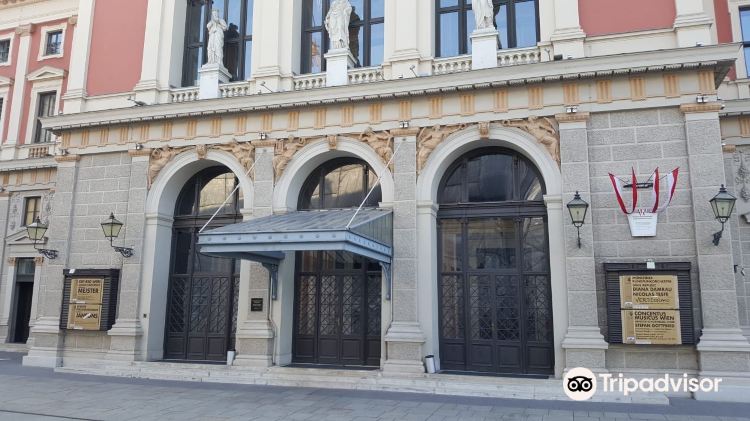
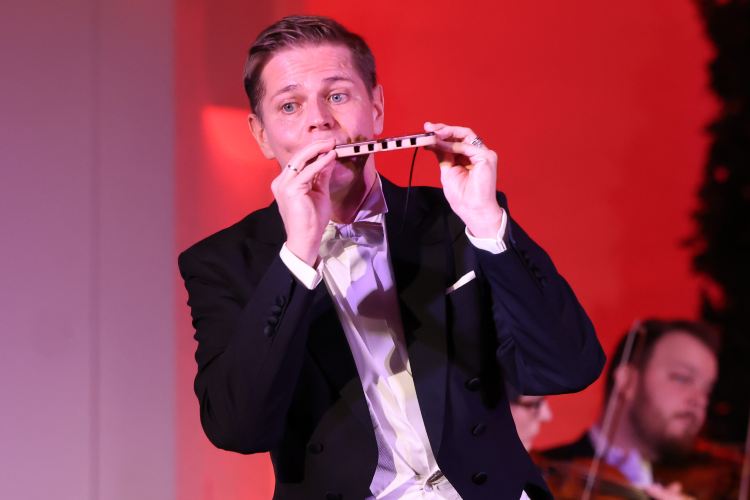
The Vienna Music Society, also known as Musikverein, is a beacon of classical music and a historical emblem in Vienna's cultural landscape. Renowned for its exceptional acoustics, the Musikverein is home to the prestigious Vienna Philharmonic Orchestra and hosts a plethora of world-class performances, including the celebrated New Year's Concert broadcast globally. The building itself, designed by Theophil Hansen and opened in 1870, is an architectural masterpiece reminiscent of a temple, adorned with columns, pediments, and reliefs that echo the grandeur of classical antiquity.
he Great Hall, or Golden Hall, is particularly famous for its lavish decor, featuring Apollo and the muses on the ceiling, and columns shaped as female figures from the ancient world. Beyond classical music, the Musikverein also embraces jazz and spoken word performances in its four "new" halls—Glass, Metal, Stone, and Wood—offering intimate experiences and fostering the next generation of artists.


Hofburg Palace
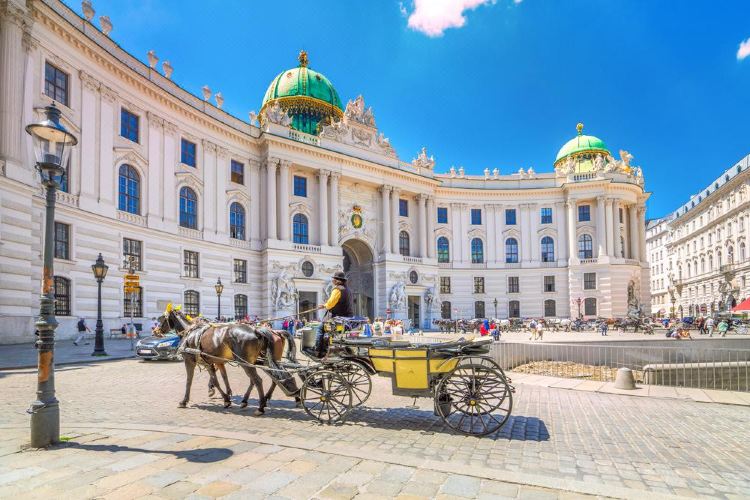
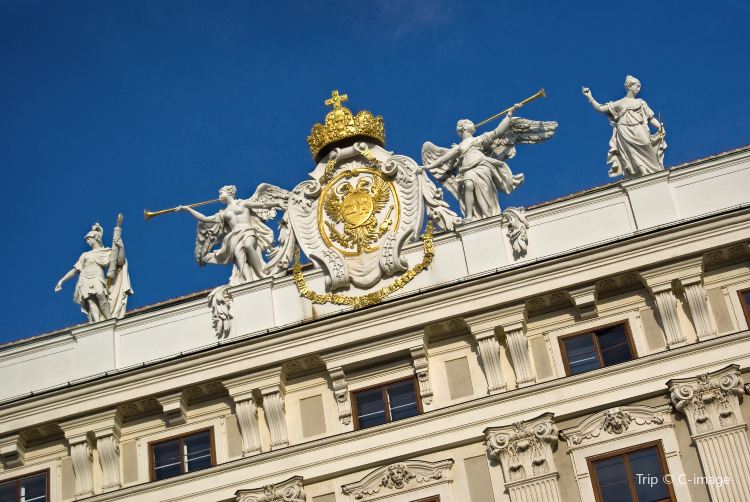
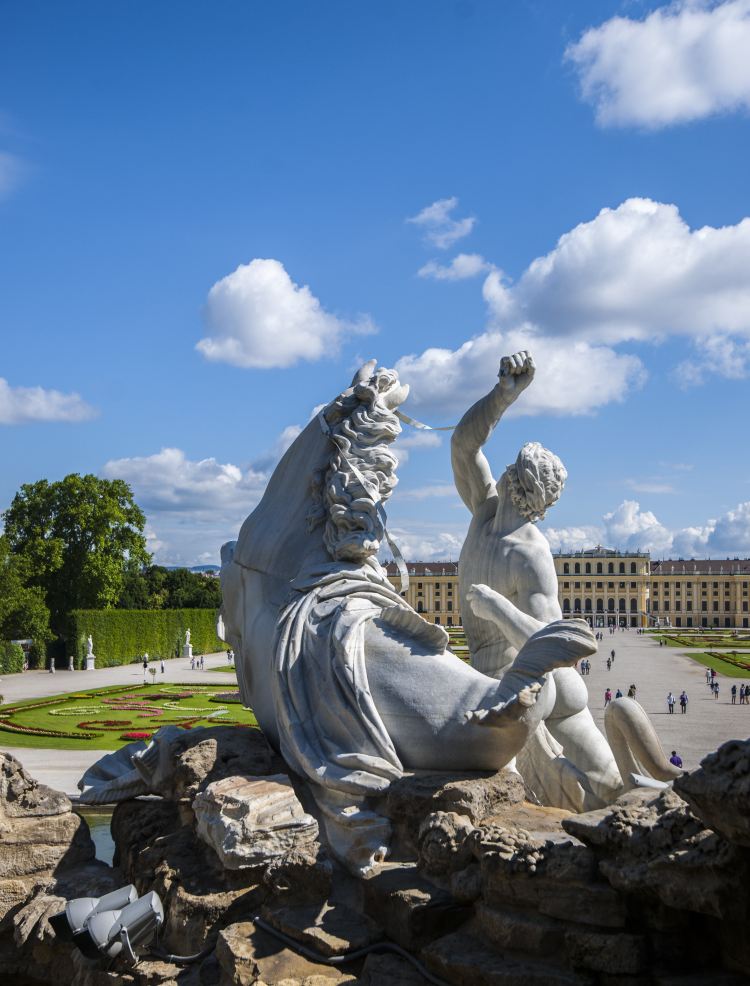
The Hofburg Palace stands as a testament to the grandeur and history of the Austrian monarchy, offering visitors a chance to immerse themselves in the imperial past. This palatial complex, once the political center of the monarchy and now the democratic Republic of Austria, is a significant cultural landmark with a rich history dating back over 600 years. Visitors can explore the opulent Imperial Apartments, which have been furnished and decorated to historical authenticity, providing a glimpse into the private world of Emperor Franz Joseph and Empress Elisabeth, also known as Sisi.
The Sisi Museum, dedicated to the enigmatic Empress Elisabeth, showcases personal objects that offer insights into her official and private worlds, revealing the woman behind the myth. Additionally, the Imperial Treasury houses the regalia of the Holy Roman Empire and the Austrian Empire, while the Silver Collection displays the splendor of imperial banquets. The Hofburg Palace is not just a historical site but also a place where visitors can experience the legacy of the Habsburgs through various attractions housed within its walls.



Belvedere Palace
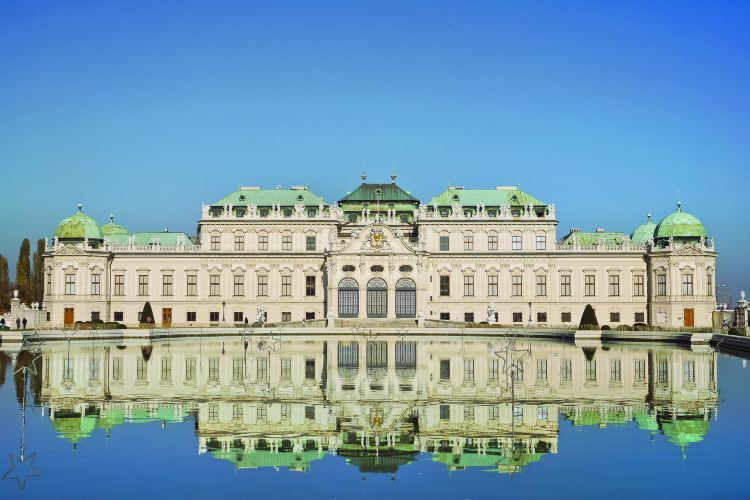
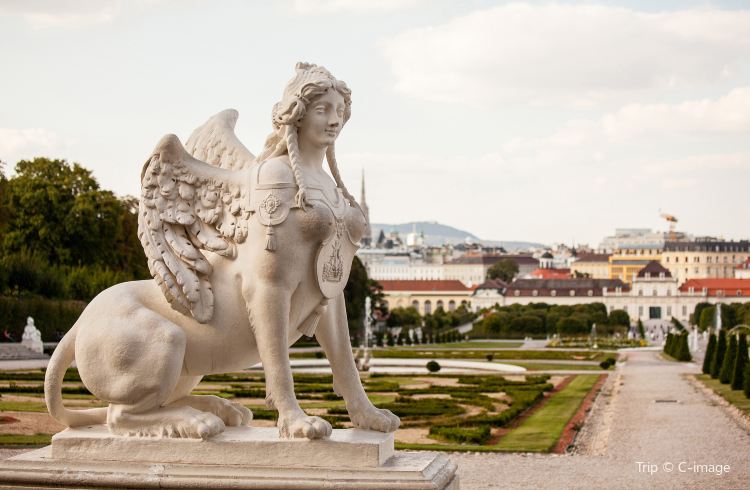
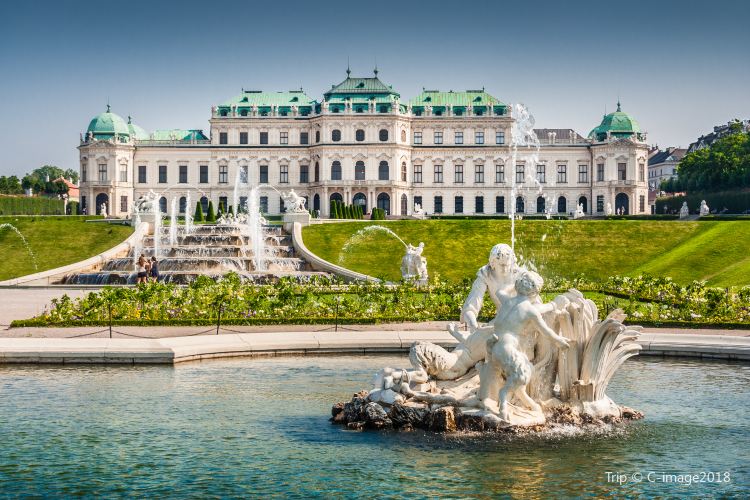
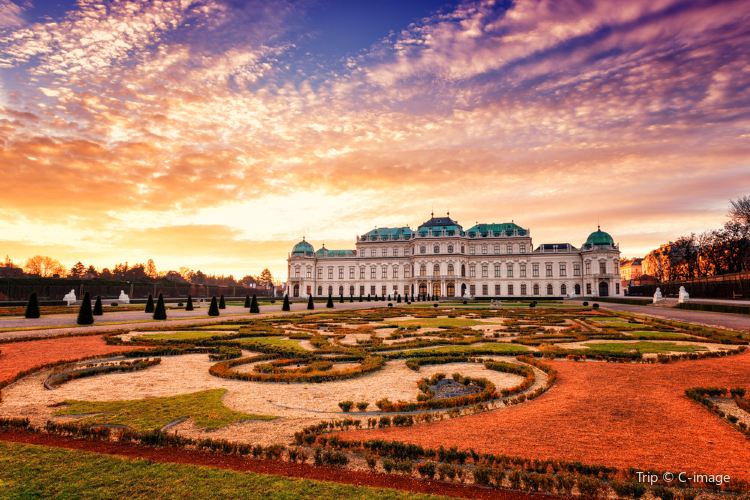
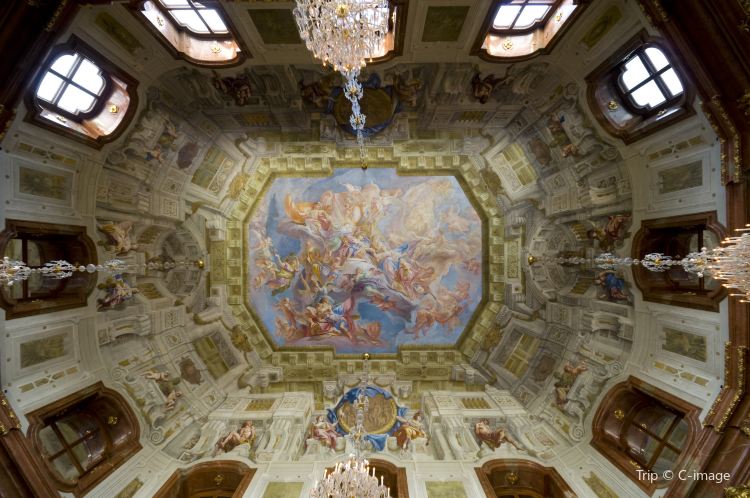
Belvedere Palace is a historic Baroque architectural ensemble that includes the Upper and Lower Belvedere palaces, set amidst extensive gardens with decorative fountains and sculptures. As a former summer residence for Prince Eugene of Savoy, the complex now houses the Belvedere Museum, renowned for its art collection featuring works by Gustav Klimt, among others.
Visitors can explore the grandeur of the Marble Hall, the Sala Terrena, and the lavish interiors that once served as Prince Eugene's residence. The gardens offer a tranquil Baroque horticultural experience, while the museum's exhibitions provide a journey through Austrian art history, from the Middle Ages to contemporary works.


Kunsthistorisches Museum
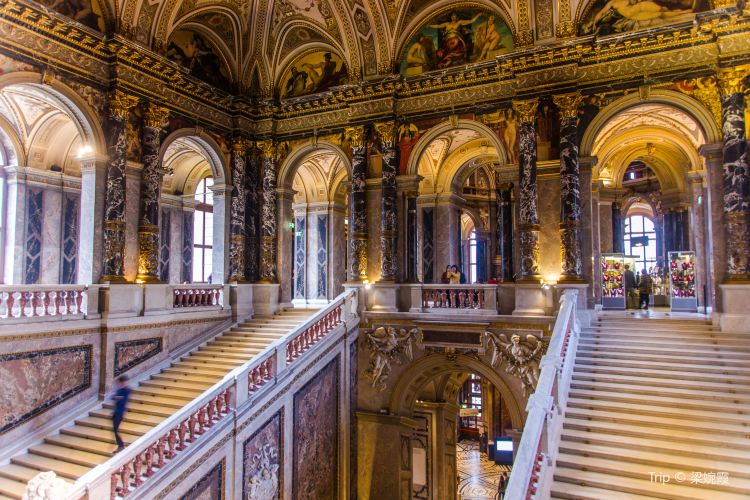
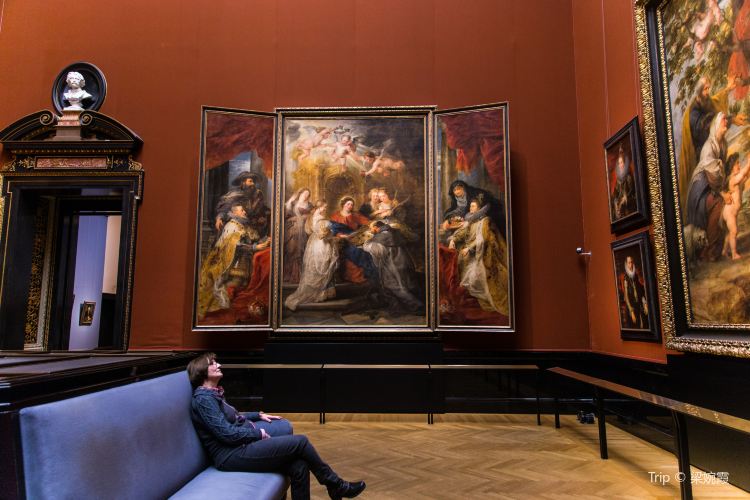
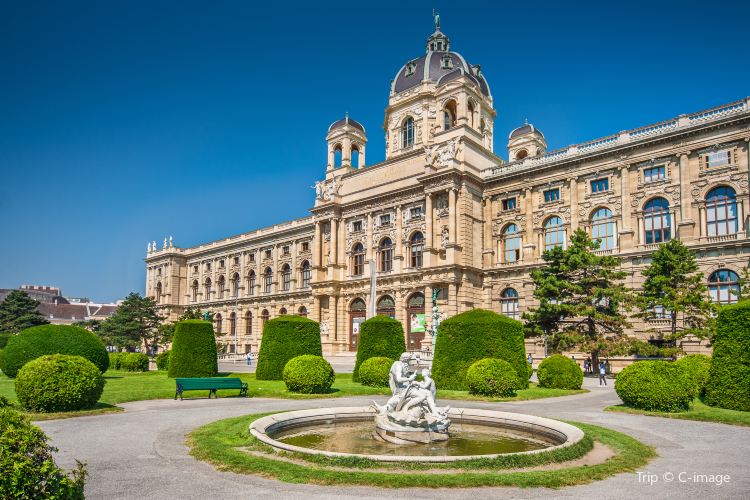
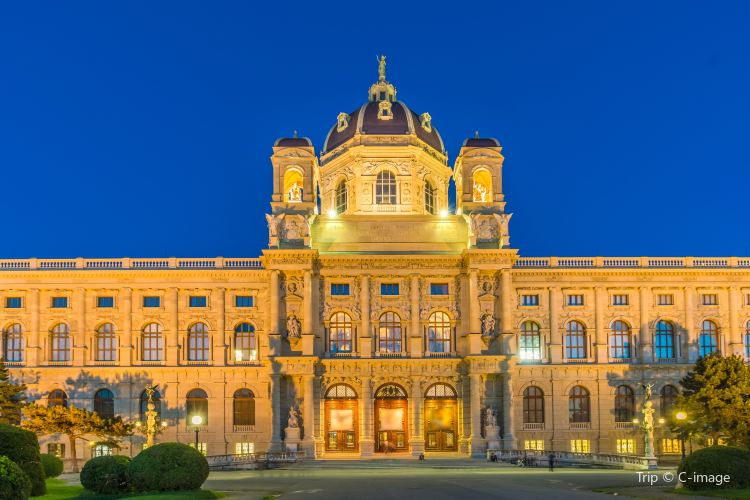
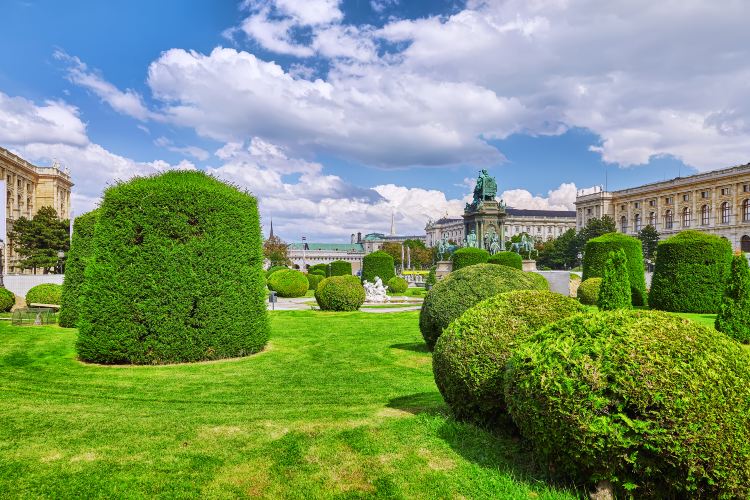
The Kunsthistorisches Museum, established near the Imperial Palace in 1891, is a treasure trove of art history, showcasing an extensive collection from the imperial family. Renowned for housing the world's largest Bruegel collection, it is considered one of the most eminent museums globally. Visitors can explore major European art history works, including Raphael's "Madonna in the Meadow," Vermeer's "The Allegory of Painting," and masterpieces by Rubens, Rembrandt, Dürer, Titian, and Tintoretto.
The museum's Kunstkammer Vienna is a highlight, presenting rarities from the Habsburgs' treasure chambers and cabinets of curiosities, with the famous "Saliera" as a centerpiece. The museum's architecture and interior design reflect the splendor of its collections, offering an immersive experience into the grandeur of its Imperial sponsor.


Vienna Food Guide
Vienna's food scene is epitomized by its iconic Wiener Schnitzel, a breaded and fried veal cutlet, and the Schnitzel Wiener Art, a local variation using pork, turkey, or chicken, both reflecting the city's rich culinary traditions and diverse taste preferences.
Apple Strudel
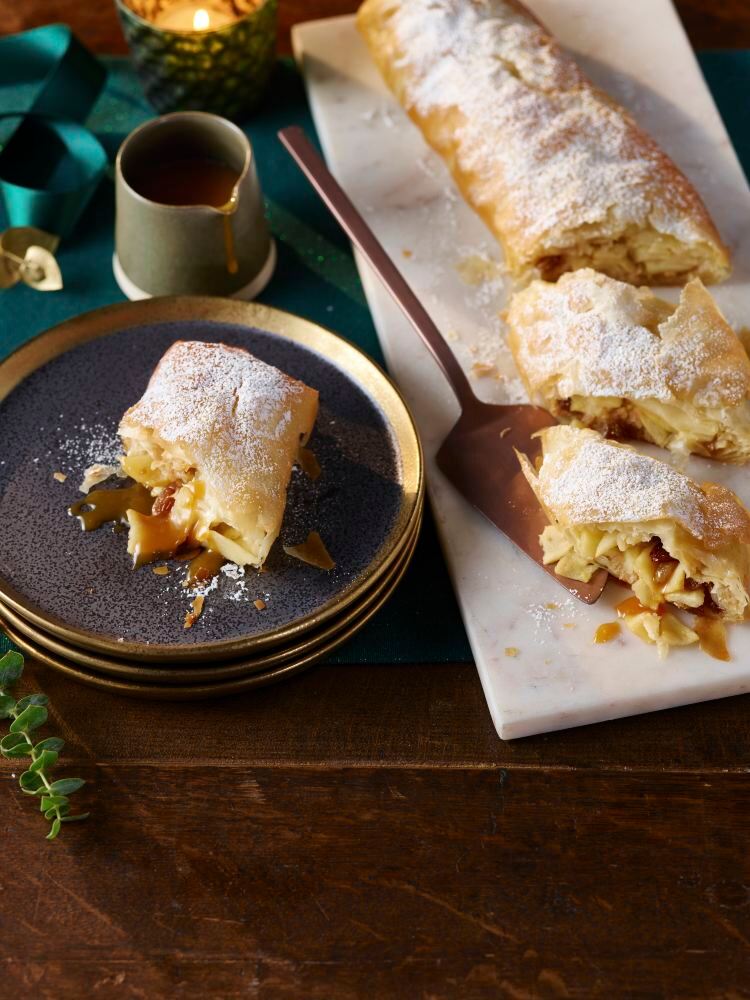
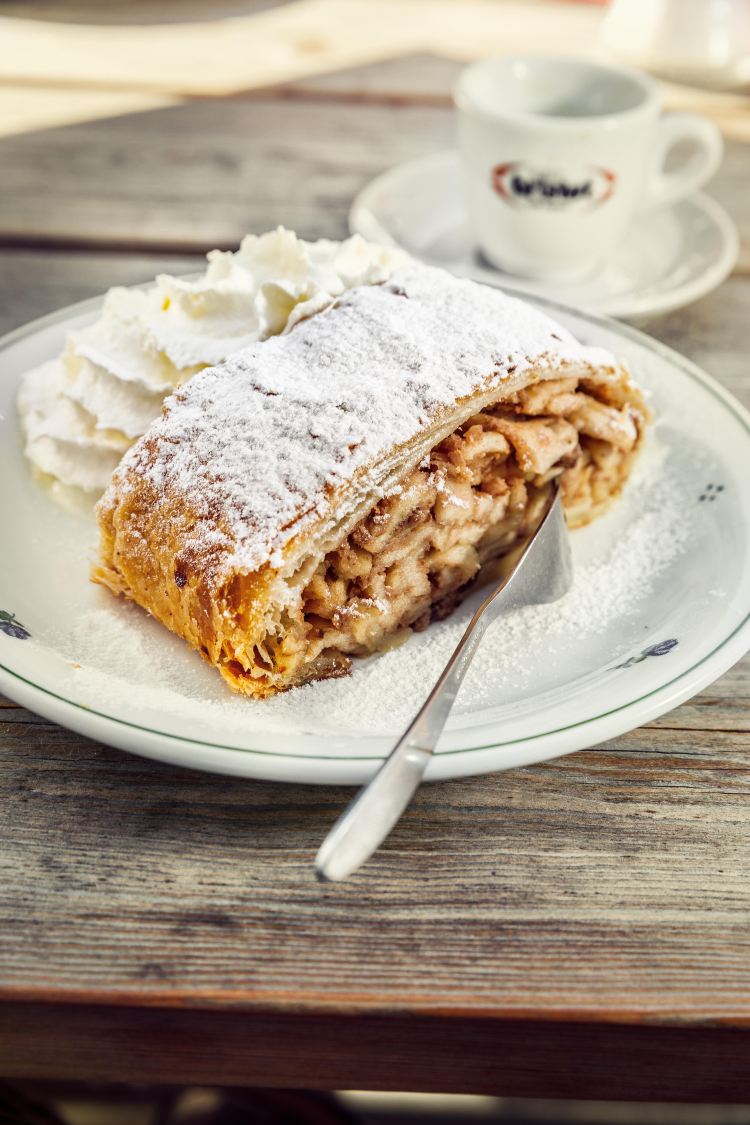
Vienna's beloved apple strudel, known for its flaky exterior and tender interior, may appear simple but is quite challenging to perfect.
The key lies in kneading the dough to just the right elasticity for rolling out a thin, unbroken crust that bakes into a perfectly flaky shell. The experience of biting into this pastry is delightful, with the crisp crust and the sweet filling mingling to produce a marvelous interplay of textures.
Wiener Schnitzel
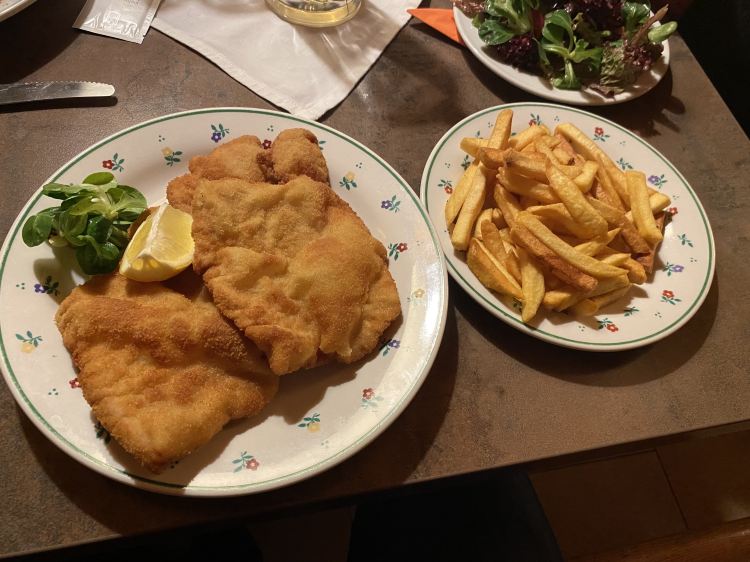
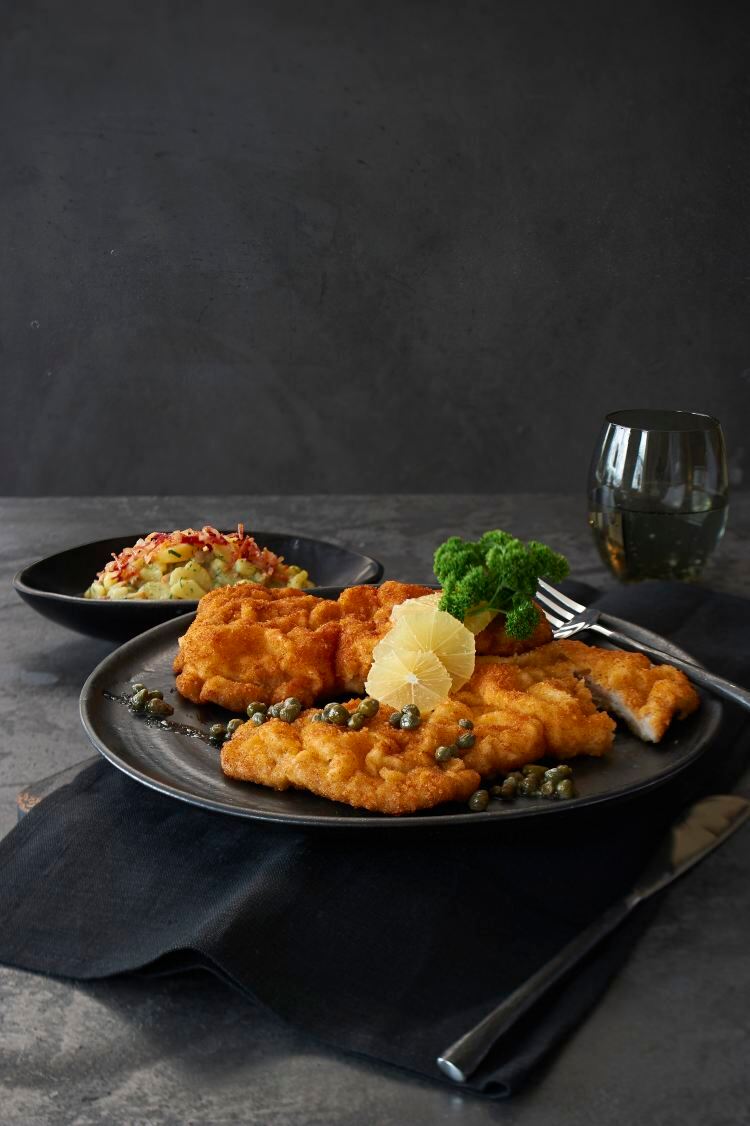
A celebrated Viennese dish, traditionally a breaded and fried veal cutlet, served with a slice of lemon and often accompanied by lingonberry jam and potato salad. This culinary staple, deeply rooted in Vienna's gastronomic culture, is said to have originated locally, with historical references dating back to a cookbook from 1801.
For those seeking the authentic taste, it is essential to have it prepared from veal, as only then can it be called a true Wiener Schnitzel, with Figlmüller and Meissl & Schadn among the recommended venues in Vienna.
Vienna Transportation
How to Get There
Vienna is well-connected by air, train, or bus, with seamless links to the city center from its airport and main stations.
By Air:
Vienna International Airport (VIE), 18 km (11 miles) southeast of the city, handles most international and domestic flights.
To City Center
- City Airport Train (CAT): A non-stop express train takes approximately 16 minutes to reach Wien Mitte station and operates every 30 minutes. The first train to the airport departs at 5:37 AM, and the last train leaves at 11:07 PM. From the airport, the first train departs at 6:07 AM, with the last train at 11:37 PM. Tickets can be purchased online, at ticket machines, or via the CAT app.
- S-Bahn (S7): A local commuter train operates to Wien Mitte and other central stations, taking around 25 to 30 minutes. Trains run every 30 to 37 minutes from approximately 4:06 AM to 12:36 AM. This service integrates with Vienna's public transport tickets, which can be purchased at ticket machines or through the Wiener Linien app.
- Buses:
Vienna Airport Lines (VAL) operates three routes:
- VAL1: This route runs 24/7, connecting Vienna Airport to Vienna Westbahnhof and Vienna Main Station. Every 30 minutes, except between 00:30 and 02:30, when there's only one bus at 01:30.
- VAL2: Operating every 30 minutes from 3:30 AM to 11:30 PM, this route takes passengers to Morzinplatz/Schwedenplatz.
- VAL3: This route runs hourly from approximately 4:58 AM to 7:58 PM, serving the Donauzentrum.
Tickets can be purchased online, at ticket machines, or directly from the bus driver. The buses provide comfortable seating and have ample luggage space.
- Taxis: Readily available at dedicated ranks, expect to pay approximately €35 to €65, depending on the vehicle type, destination within the city, and traffic conditions, with some special fixed-price airport taxis starting from around €27 to €29 for a sedan. Standard metered taxis can cost more during off-peak hours and on holidays, so confirming the price with the driver or using a taxi app for a fixed rate is recommended.
By Train:
Wien Hauptbahnhof, the central station, offers high-speed connections from Munich (4 hours), Budapest (2.5 hours), Prague (4 hours), and other European cities via ÖBB or operators like RegioJet. Tickets can be purchased online or at the train station.
By Bus:
Vienna International Busterminal (VIB) at Erdberg or Hauptbahnhof serves international coaches like FlixBus or RegioJet from Bratislava (1 hour), Zagreb (6 hours), and other destinations.
Local Transportation
Vienna is highly walkable in the historic center, but its efficient Wiener Linien public network of U-Bahn, trams, and buses covers the city extensively. Taxis and ride-shares offer convenience, while biking is popular through shared systems.
Tickets and Vienna City Card: The Vienna City Card offers unlimited travel on Wiener Linien’s U-Bahn, trams, and buses in the Vienna core zone, plus many discounts on attractions, museums, theaters, restaurants, and shops. It’s available in 24-hour, 48-hour, 72-hour, or 7-day options. Purchase the card or regular tickets at:
- Multilingual ticket machines at U-Bahn and S-Bahn stations.
- Wiener Linien booking offices or their online store.
- Most tobacconists (Tabaktrafik) across the city.
- WienMobil app for digital tickets.
Single tickets for one journey with transfers are also available onboard trams from drivers (with a surcharge).
Payment methods include cash (exact change preferred on trams), contactless cards (Visa, Mastercard), and mobile payments (Apple Pay, Google Pay) at machines, offices, or through the app.
Validate timed tickets before traveling at blue machines at U-Bahn/S-Bahn entrances or on trams and buses. Regular ticket inspections by Wiener Linien mean you should keep your validated tickets until you exit.
U-Bahn (Subway): network comprises five lines with over 100 stations, operating from 5 AM to midnight on weekdays and 24 hours on weekends and before holidays. Trains run every 2-5 minutes during peak hours.
Trams: 30 lines provide scenic routes throughout the city, running from 5 AM to midnight with frequencies every 5-10 minutes.
Buses: Vienna bus lines offer over 100 routes and primarily operate from around 5:00 AM to 12:00 AM or 1:00 AM on weekdays. For those traveling at night, there is a network of night buses that runs daily from approximately 12:30 AM to 5:00 AM. These night buses are identified by an "N" prefix before their route numbers.
Hop-on, hop-off sightseeing bus: Big Bus Tours or Vienna Sightseeing cover landmarks like the State Opera and Belvedere, with 24/48-hour tickets including audio guides.
Taxis: Metered cabs are available at ranks or via apps like Taxi 31300. Expect higher rates at night. Each taxi can accommodate up to four passengers.
Ride-Shares: Uber and Bolt provide services through their apps, with fares similar to taxis.
Bike Rentals: To rent a WienMobil Rad (Citybike) in Vienna, you must first register for free using the Nextbike app or the WienMobil app. Once registered, you can scan the QR code on a bike to unlock its electronic frame lock. Payment is charged by the half-hour, and you can use options such as Visa, Mastercard, or PayPal. When you're finished, return the bike to either a physical or digital station by placing it on the docking feet and locking the electronic frame lock.
Car Rentals: Available at the airport or city centers, but challenging due to traffic, limited parking, and ZTL zones; best for day trips outside Vienna.
Vienna Where to Stay
Vienna, the capital of Austria, is a city that seamlessly blends imperial traditions with contemporary creativity, making it a top destination for travelers seeking culture, history, and modern amenities. The city's accommodation options are distributed across various districts, each offering unique characteristics and experiences for visitors.
Vienna City Centre
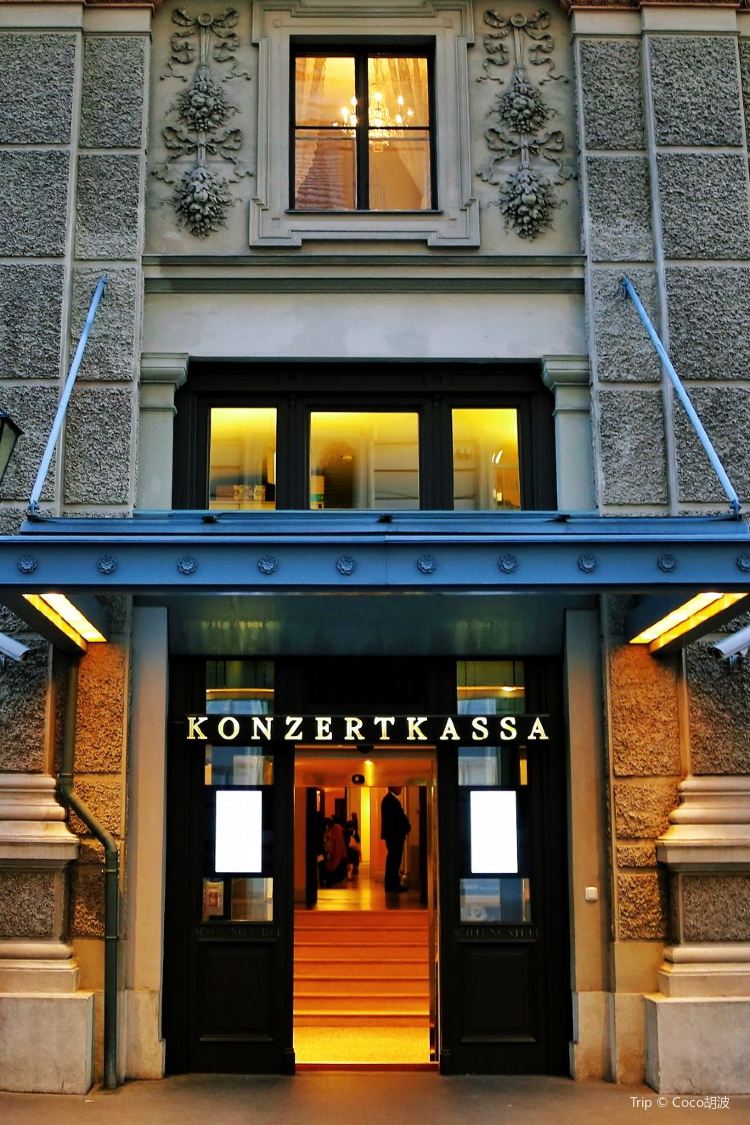
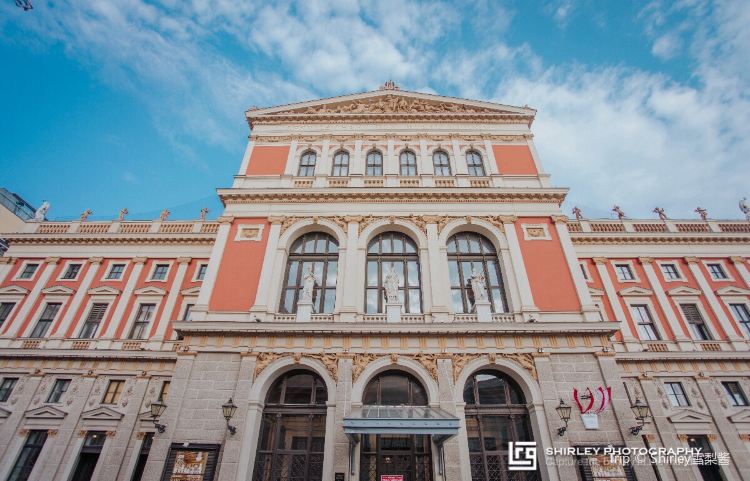
The Vienna City Centre, also known as Innere Stadt, is the heart of the city, where travelers can immerse themselves in Vienna's historic charm and cultural landmarks. This district is home to iconic attractions such as St. Stephen's Cathedral, the Hofburg Imperial Palace, and the Vienna State Opera.
With its upscale shopping streets like Graben and Kärntner Straße, the city center is a haven for luxury seekers. The area boasts a mix of high-end hotels and boutique accommodations, offering stunning views of Baroque architecture and easy access to Vienna's famous coffee houses. Public transportation, including the U-Bahn and trams, makes exploring the city effortless, while the pedestrian-friendly streets invite strolls through the district's elegant ambiance.
Messe Wien Exhibition Congress Center
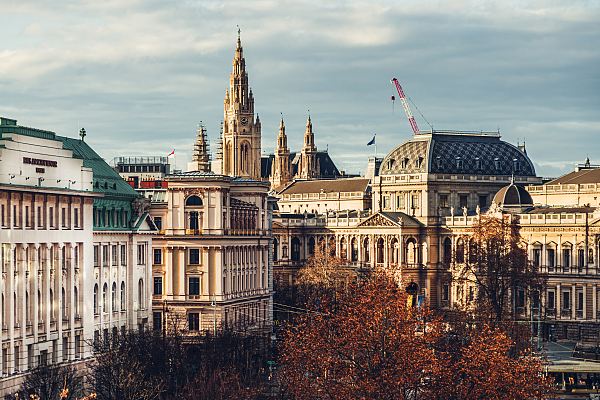
Located in the Leopoldstadt district, the Messe Wien Exhibition Congress Center is a modern facility surrounded by green spaces like Prater Park. This area is ideal for business travelers attending conferences or exhibitions, offering contemporary hotels with state-of-the-art amenities.
Visitors can enjoy leisurely walks in the Prater or along the Danube, providing a balance of work and relaxation. The district is well-connected by public transport, with the U2 subway line and various bus routes offering easy access to the city center and other parts of Vienna. The proximity to the Vienna International Centre also makes it a strategic location for those involved in international affairs.
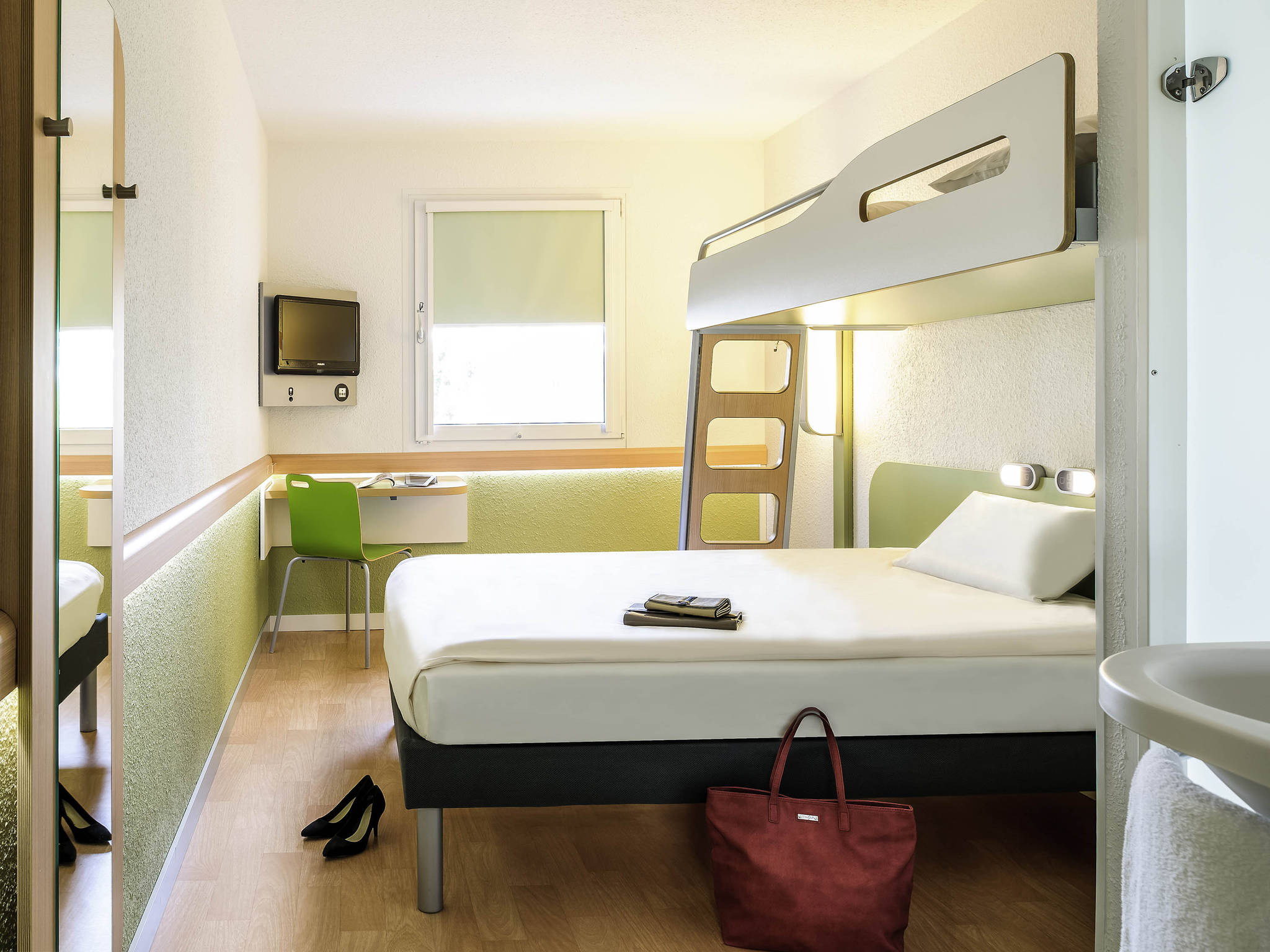
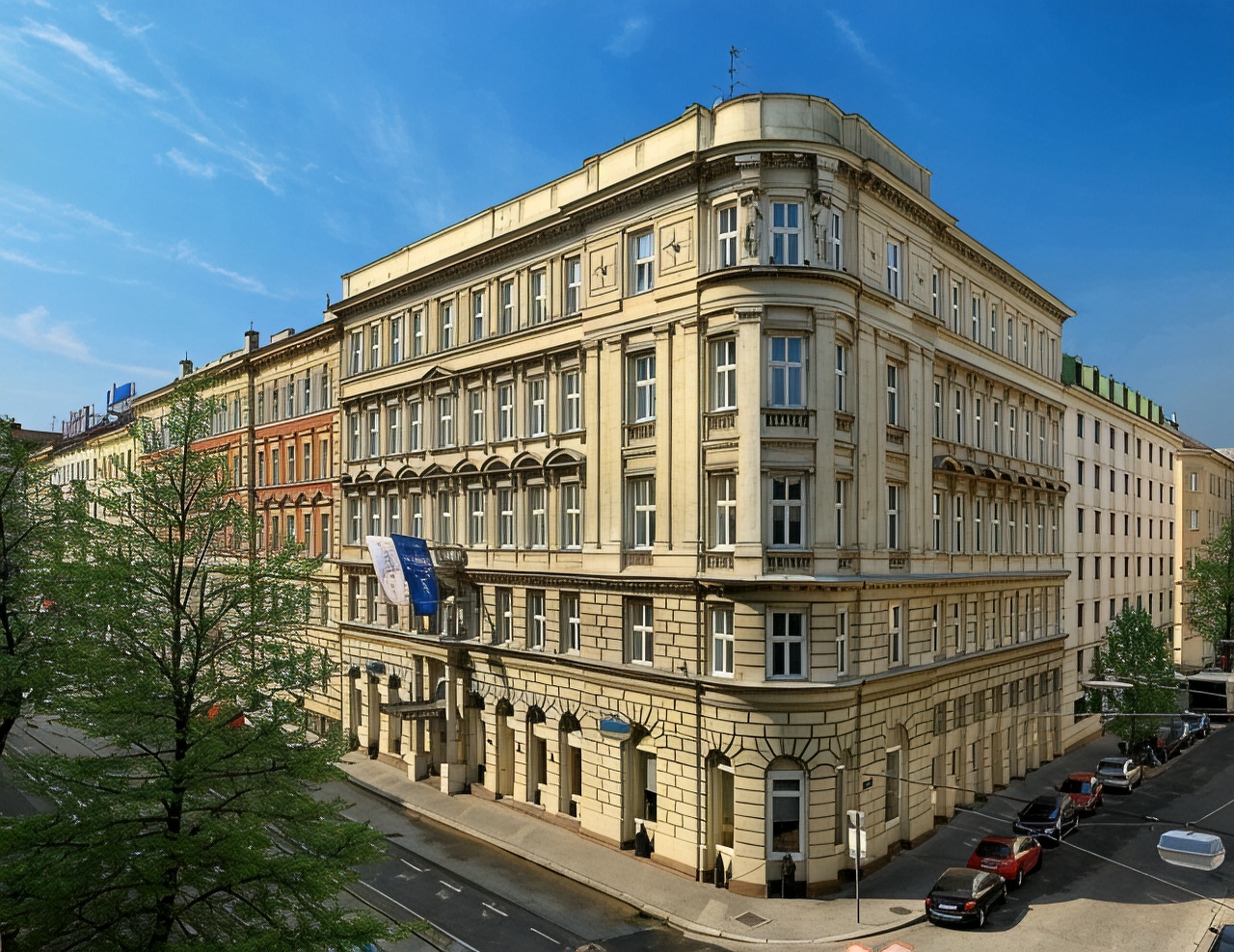
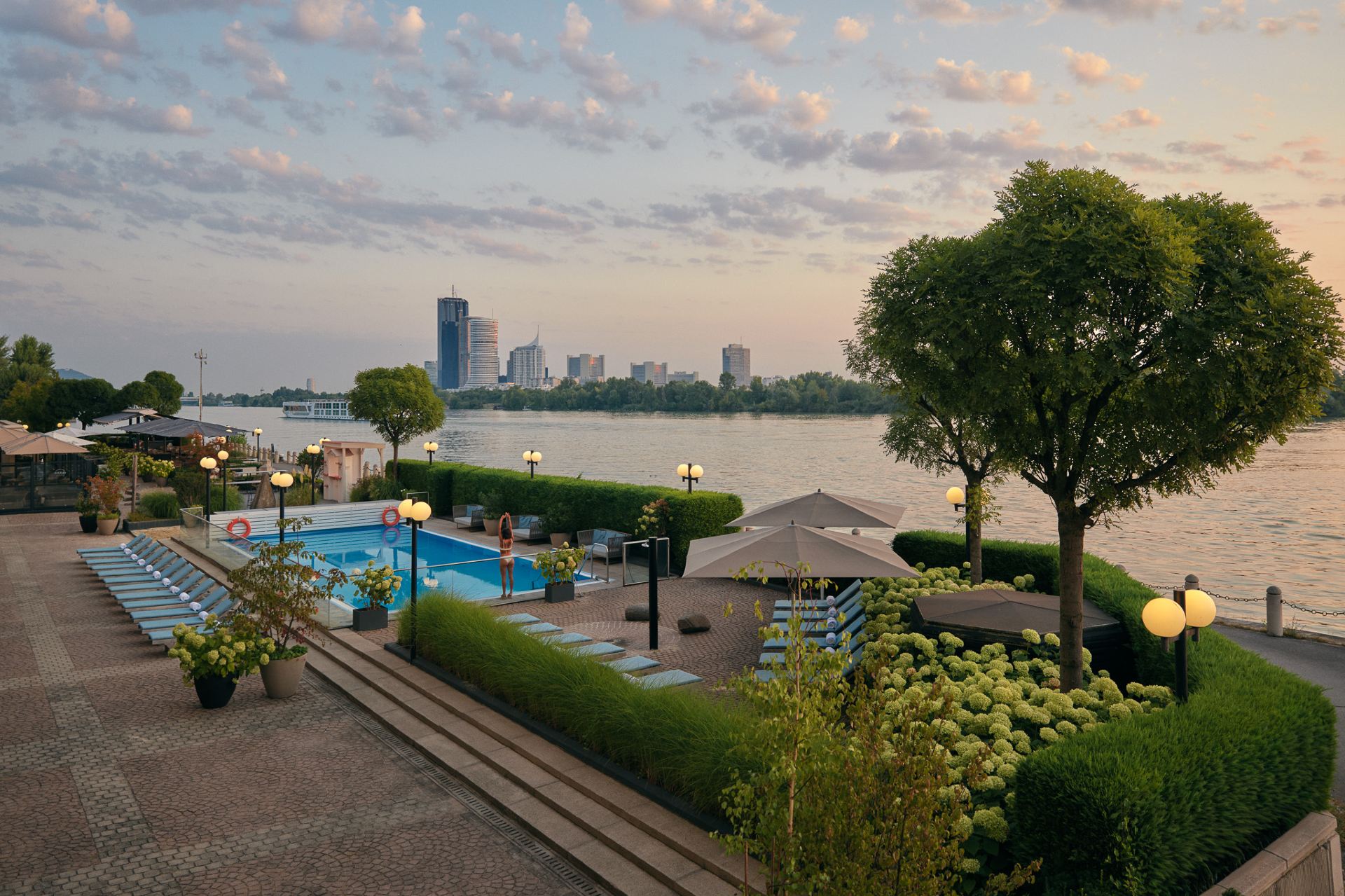
Wieden
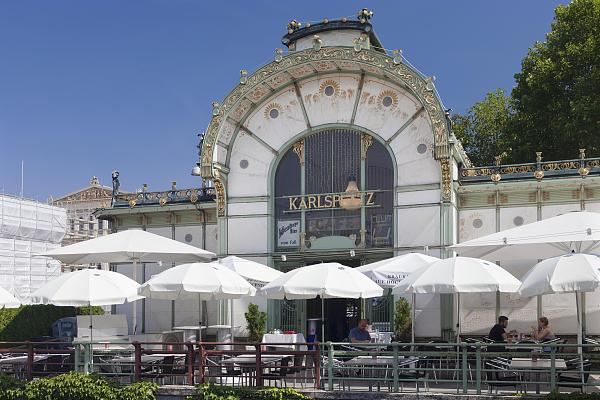
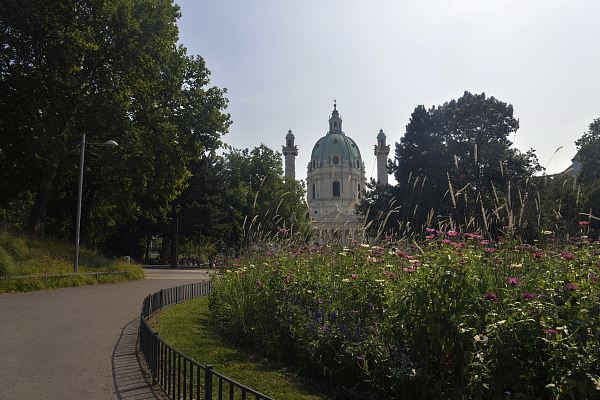
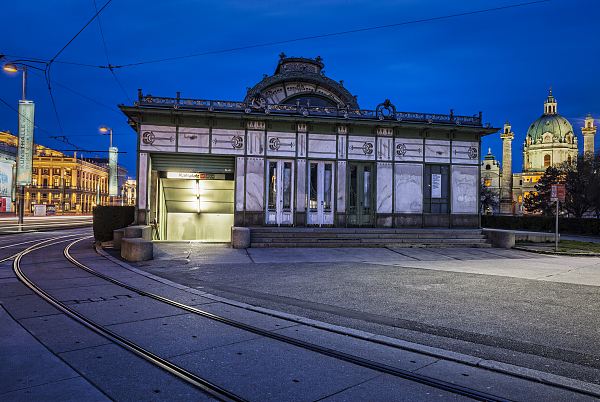
Wieden, the 4th district, exudes a bohemian flair with its artistic vibe and culinary diversity. This district is known for its vibrant atmosphere, with an array of galleries, theaters, and hip bars. Food enthusiasts will appreciate the variety of dining options, from traditional Austrian cuisine to international flavors.
Wieden's accommodation features reflect its lively spirit, with boutique hotels and guesthouses nestled among historic buildings. The district's central location and excellent public transport connections, including multiple U-Bahn lines and trams, make it a convenient base for exploring Vienna's many facets. The Karlskirche, a baroque architectural gem, stands as a testament to the district's rich cultural heritage.
Vienna Best Time to Visit
Best Time to Visit
Vienna’s cultural charm shines year-round, but the best periods balance pleasant weather, unique events, and manageable crowds. Late April to early June and mid-September to mid-October offer ideal conditions for exploring palaces and parks, with vibrant festivals and fewer tourists. December stands out for its magical Christmas markets and festive atmosphere, despite colder weather.
Vienna Travel Tips
1. Carry Small Euro Bills
Use Visa or Mastercard at most shops and restaurants in Vienna, but carry small euro bills (€5–10) for cafés, markets, or small purchases, as larger notes may be refused and difficult to exchange. Exchange currency at banks for better rates than at airports. Check for cash discounts at local bakeries.
2. Use Metro or Tram with WienMobil
Ride Vienna’s metro (U-Bahn) or trams (Straßenbahn) with e-tickets via the WienMobil app or paper tickets activated at blue platform machines. Buy 24-, 48-, or 72-hour passes at stations for unlimited travel, valid from the time of first use. Keep tickets ready for occasional checks by staff.
3. Tip 5–10% for Service
Tip 5– 10% at restaurants or taxis for good service, as it’s not included in the bill. State your total when paying to add the tip. Not tipping at restaurants may signal dissatisfaction with service. No tips are expected at markets or fast-food stalls.
4. Feel Safe in Vienna
Vienna is generally safe, with low crime rates, but use common sense in crowded areas like Westbahnhof or Stephansplatz to avoid the rare occurrence of pickpockets. Keep wallets in secure pockets or cross-body bags. Stay aware in busy squares, especially during festivals or markets.
5. Book Attractions and Concerts Early
Reserve tickets for Schönbrunn Palace, the Vienna State Opera, or Golden Hall concerts 2–4 weeks in advance via the official websites, especially during the summer or Christmas season. Check schedules for guided tours if performances are unavailable.
6. Dress Smart for Concerts
Wear smart-casual or formal attire (e.g., dresses, collared shirts) for Vienna State Opera or Musikverein concerts to fit the formal atmosphere. Avoid wearing shorts or sandals, as some venues have strict dress codes in place. Silence your phones during performances. Arrive on time to respect the venue’s etiquette.
7. Pack Toiletries and Plug Adaptor
Pack toothpaste, toothbrushes, or slippers, as some Vienna hotels don’t provide them. Bring a Type C/F plug adapter (230V, 50Hz) for use with US and UK devices. Wear comfortable shoes for exploring cobblestone streets in the old town.
8. Save Emergency Numbers
Call 112 for police, ambulance, or medical emergencies, or 122 for fire in Vienna. Keep your hotel’s address in your phone.
Vienna Useful Guide
Local Language
German is the primary language, spoken with an Austrian dialect.
English Usage: English is commonly used in tourist areas, hotels, restaurants, shops, and transportation hubs. Navigating is easy with English, as most signs and menus are bilingual.
Local APP
WienMobil: Real-time U-Bahn, tram, and bus schedules, ticket purchases, and route planning; English interface.
ivie: Official tourism app for attraction guides, walking tours, events, and maps.
VOR AnachB: Comprehensive transport navigation for public routes, walking, and biking.
Uber: Books cashless rides across the city.
Vienna City Card: App for transport tickets, attraction discounts, and guides.
ÖBB: Train schedules and bookings for regional day trips.
Internet and Communication
eSIM: A1, Magenta (T-Mobile), or Drei offer prepaid plans. Buy online via Airalo, Holafly, or Saily for instant activation, or at the airport.
Physical SIM: Available at airport booths, supermarkets, or phone shops like A1 or MediaMarkt.
Pocket Wi-Fi: Rent online or at airport counters, ideal for groups.
Free Wi-Fi is widespread in hotels, cafés, public spaces via Wien Energie hotspots (often requiring registration), and transport hubs.
Pre-book eSIMs or Wi-Fi online for convenient airport pickup.
Currency and Payment
Currency: Euro (EUR, €).
In Vienna, credit and debit cards are widely accepted, especially in tourist areas, though cash is preferred in some small spots or markets.
Credit/debit cards: Visa and Mastercard are common, with contactless options; American Express is less so. Accepted at most shops and restaurants.
Cash: ATMs are plentiful, requiring a 4-digit PIN; check for fees. Useful for small purchases.
Mobile payments: Apple Pay and Google Pay are popular at stores, transport, and restaurants.
Notify your bank of your travel to avoid card blocks.
Weather in Vienna

19°
/
7°

18°
/
10°
18°
/
7°

22°
/
7°
23°
/
9°
24°
/
10°
25°
/
12°
 Trending in Vienna
A sonic adventure at Vienna's Haus der Musik@House of MusicA sonic adventure at Vienna's Haus der Musik
MQ Summer Stage: Celebrate 25 Years of Culture in Vienna@MuseumsQuartier WienMQ Summer Stage: Celebrating 25 Years of MuseumsQuartier Wien
Vienna Aquarium: Dive into an Underwater Wonderland@Haus des Meeres – Aqua Terra ZooVienna Aquarium: Dive into an Underwater Wonderland
Vienna: FAQ

What's the most popular attractions in Vienna?
What is the best season to visit Vienna?
What currency is used in Vienna?
Popular destinations
Bangkok
Tokyo
Kuala Lumpur
Los Angeles
Shanghai