2026 Hangzhou’s Hottest & Trendiest Travel Trending(Constantly Updated) | Trip.com

Hangzhou
Date
Sort
All
Newly opened
🔆Summer Vibes🏄🏻♀️
Nightlife🌠
In season
New routes
Events

China's first place to truly run for your lifeHOT
China’s first live natural-disaster experience and immersive safety education center. Hands-on disaster-prevention training from China is making waves overseas, and one visit imprints life-saving skills into muscle memory!
🌊 2,400 tons of floodwater, pouring down in 9 seconds
Not movie effects, not a theme park ride
It’s the first natural-disaster experience center in China
A realistic re-creation of a flash flood
Water rises slowly, then surges in an instant
You only understand when you’re there—
the power of nature is beyond imagination
🚨 More important than the experience: learn to spot danger
No dry lectures
Instructors lead, and kids learn for themselves:
✔️ Water suddenly turns muddy → a danger sign
✔️ Hear a sustained rumble → evacuate immediately
✔️ Sudden surge from upstream → get to high ground at once
Experiencing it once sticks far better than hearing it a hundred times
🪢 Not just watching a flood—this is real survival training
🌊 Flood fundamentals
Impact forces, debris flows, and barrier lakes explained clearly
🏞️ Riverbed sandbox experiments
Build a dike by hand and see why it collapses or piping occurs
🪢 Rope knots for rescue
Figure-eight, bowline, quick-release—the right knot can save a life
💦 Flood field experience
Watch instructor demos → learn anti-drowning positions → practice floating self-rescue → face the impact of 2,400 tons of torrent
🌍 Why choose the Lvxing base?
📍 Hangzhou Linping · Lvxing Basic Training Base
Not your average facility
Professional rescue teams train here too
Realistic disaster simulation system + immersive life-safety curriculum
Kids take away more than knowledge:
✔️ Judgment in the face of danger
✔️ Mental resilience when facing fear
✔️ Teamwork
✔️ Real self-rescue skills
There are no rehearsals for life.
👉 Before you go see the world, learn how to handle a crisis first. Limited spots this summer—book now!
Hangzhou

No Monastery Required: Short Zen Retreats to Beat BurnoutHOT


More and more people are stepping away from the city grind and choosing short temple retreats that are open to all and require no prior experience. There’s no need to take refuge or perform rituals—just immerse yourself in quiet, unplug, and soothe everyday burnout. Many accredited temples in China and Thailand welcome public stays with a relaxed vibe and no gimmicks, making it easy for anyone to discover a slower, more secluded pace of life. So how do you choose, and what can you do there?
🇹🇭 Two classic retreat temples in Thailand
Chiang Mai | Wat Umong Suan Putthatham retreat
🌳 Address: An ancient forest temple at the foot of Suthep Mountain in Chiang Mai. Serene and tranquil.
🧘 Retreat experience: Forest and cave mindfulness, walking meditation among the trees, and light temple chores, with basic English guidance for meditation.
✨ Highlights: Zero pressure for beginners. No enforced silence or phone surrender. Balances a calm retreat with travel vibes.
Bangkok | Wat Mahadhatu Yuvaraj Rangsarit Rajavaramahavihar Section 5 insight center
🏛️ Address: In the royal core of Bangkok’s old city—peaceful amid the bustle.
📖 Retreat experience: Authentic, systemized insight meditation with scheduled mindfulness sittings. Monks teach and answer questions throughout. Options for single-day experiences or overnight retreats.
✨ Highlights: Cultivate inner calm in the heart of the city. Prime location, ideal for short urban getaways.
🇨🇳 Five top accredited retreat temples in China
Suzhou | Xiyuan Temple retreat
🏞️ Address: A classic garden-style ancient temple in Suzhou. Elegant and quiet.
🌿 Retreat experience: Sutra copying, seated meditation, tea meditation, and communal vegetarian meals. Morning chanting is optional, with lots of flexibility.
✨ Highlights: A top choice for short getaways from the Shanghai region. Gentle and healing atmosphere, great for first-time retreat-goers.
Guangdong | Donghuachan Temple retreat
⛰️ Address: A traditional monastic complex deep in the mountains of Shaoguan. Pure and noncommercial.
🌾 Retreat experience: An immersive blend of farming and meditation—morning chanting, daily labor, and evening dharma talks that reflect true forest-monastery life.
✨ Highlights: Authentic, nonprofit practice with a deep digital detox. Helps ease serious mental burnout.
Hangzhou | Yongfu Temple retreat
☁️ Address: Within the Lingyin Feilai Peak Scenic Area by West Lake in Hangzhou. A tranquil ancient temple by the mountains and lake.
🌌 Retreat experience: Mindfulness in the West Lake mountains and forests, seated meditation, sutra copying, and zen-inspired walks. Official short mindfulness programs with a relaxed, restorative pace.
✨ Highlights: A lesser-known zen retreat by West Lake with fewer crowds. Combines scenic landscapes with light practice. Beginner-friendly with immersive ambiance.
Lushan National Park | Donglin Temple retreat
🙏 Address: The millennium-old ancestral home of Pure Land Buddhism on Lushan. Solemn and dignified.
📿 Retreat experience: Chanting practice, temple tours, lamp-lighting blessings, and a structured daily schedule.
✨ Highlights: An orthodox site with over a thousand years of history—ideal for resetting your routine and calming a restless mind.
Yixing | Dajue Temple retreat
🌸 Address: A modern zen temple by the Yixing Bamboo Sea. Clean and tasteful.
🎐 Retreat experience: Culture-centered zen activities such as flower arranging, tea meditation, and mindful reading circles—light and low-pressure.
✨ Highlights: Relaxed rules with low religious overtones. A great spot for gentle, restorative downtime.
You don’t have to run far or embrace strict ascetic practice. Whether it’s a poetic temple in China or an ancient forest monastery in Thailand, a short temple retreat can press pause on life. Set down anxiety and burnout, and find healing in the rhythm of morning bells, evening drums, seated meditation, and mindful walking—an inviting, restorative way to travel off the beaten path.
Chiang Mai

Surprising ways to seek blessings at Asia's unique templesHOT


More and more travelers now put Asia’s temples on their “must-experience” list—not just to admire the buildings, but to step inside and spin prayer wheels, shake fortune sticks, drop coins into copper bowls, or receive a white string bracelet. These are moments you can experience only on-site, impossible to copy anywhere else. Which brings us to the question: at 6 top temples in China and Thailand, what can you see and do at each one?
🇹🇭 Thailand
Bangkok Wat Pho · A historic temple with three layers of blessings
📍 Address: 2 Sanam Chai Rd, Phra Nakhon, Bangkok
🪙 Blessing experience: Drop a coin in 108 copper bowls
Redeem a handful of coins, then walk along the Reclining Buddha hall, placing one coin in each of the 108 copper bowls. The steady clinking follows you from start to finish; every bowl represents one of the Buddha’s auspicious qualities, turning the walk into a moving meditation.
✨ Highlights: The 46 m gold-plated Reclining Buddha lies almost within arm’s reach, its serene nirvana pose truly awe-inspiring. After paying your respects, visit the temple’s massage school for an authentic Thai massage—Wat Pho is the birthplace of Thai massage, a one-of-a-kind combination you won’t find anywhere else.
Chiang Mai Wat Phra That Doi Suthep · A blessing earned after the climb
📍 Address: Doi Suthep Mountain, Suthep, Mueang Chiang Mai
🪷 Blessing experience: Sai Sin white-string blessing
Seek out a senior monk offering blessings. Kneel, receive a sprinkling of holy water to cleanse your aura, then have a consecrated white cotton thread tied around your wrist. The string symbolizes protection and good fortune and should be left to fall off naturally—never cut it.
✨ Highlights: Reach the temple only after conquering 306 steps guarded by intricately carved seven-headed Naga serpents—the climb itself is an act of devotion. The golden chedi atop the mountain enshrines a Buddha relic. Circle it three times, ring the blessing bell, and hear its echo drift over the city of Chiang Mai far below.
🇨🇳 China
Hangzhou Lingyin Temple · Fortune sticks, divination, and sutra copying—the full Mahayana experience
📍 Address: No. 1 Lingyin Rd, Xihu District, Hangzhou, Zhejiang
📜 Blessing experience: Drawing fortune sticks & sutra copying
In the Hall of Five Hundred Arhats, shake the bamboo cylinder, draw a fortune stick, and read its guidance—an oracle practice unique to Chinese Buddhism and rarely seen elsewhere. At the Zhizhi Hall’s scripture room, copy the Heart Sutra with a brush in complete silence to calm the mind; no Chinese skills required.
✨ Highlights: Nearly 1,700 years of history. Pray for wealth and protection from ill fortune in the Garbha Hall, light a lamp for your wishes in the Medicine Buddha Hall, and admire the millennium-old Buddhist grotto carvings on Feilai Peak—all in one densely packed visit.
Chengdu Wenshu Monastery · The best starter spot for Han Buddhist rituals
📍 Address: No. 66 Wenshuyuan Rd, Qingyang District, Chengdu, Sichuan
🍵 Blessing experience: Sutra copying + Chinese tea culture
At Xiangyuan Fuhui Hall, copy scriptures with a calligraphy brush while sipping traditional gaiwan tea—the perfect introduction to Eastern mindfulness. In the Wenshu Pavilion, pay homage to Manjushri, the bodhisattva of wisdom, and pray for success in studies, exams, and creative breakthroughs.
✨ Highlights: Free entry, subway at the doorstep, open year-round—one of the most visitor-friendly temples in China, welcoming travelers of every background.
Beijing Yonghe Temple (Lama Temple) · Tibetan Buddhism meets imperial majesty
📍 Address: No. 12 Yonghegong St, Dongcheng District, Beijing
🔁 Blessing experience: Spin prayer wheels + toss coins into the Treasure Basin
In the Hall of the Wheel of Dharma, turn the prayer wheels clockwise; in Tibetan Buddhism, each spin equals reciting all the sutras inside—an effortless yet powerful way to pray. Outside stands the “Treasure Basin,” once the imperial baby-bath of Emperor Qianlong. Drop in a coin to invite wealth and career success.
✨ Highlights: Inside the Pavilion of Ten Thousand Happinesses rises an 18 m sandalwood statue of the Maitreya Buddha, listed by Guinness World Records in 1990 as the world’s largest single-wood carving. The blend of royal history and sacred serenity is simply unmatched.
Songzanlin Monastery, Yunnan · A “Mini Potala Palace” on the plateau
📍 Address: Jiantangzhen, Shangri-La, Diqing, Yunnan
🔆 Blessing experience: Corridor of prayer wheels + butter-lamp offerings
Walk clockwise along the golden prayer wheel corridor encircling the monastery, each spin glittering under the high-altitude sun. Inside the main hall, hundreds of yak-butter lamps burn day and night; add your own butter to a lamp and make a wish—surrounded by flickering light, statues, and fragrant incense, all five senses are immersed.
✨ Highlights: Perched at 3,380 m and modeled after Lhasa’s Potala Palace, this “Little Potala” was founded in 1679 on a site chosen and named by the 5th Dalai Lama. Azure skies, gilded roofs, and snow-capped peaks make the journey here well worth it.
Different rituals, one shared hope for a better life—these six Asian temples each deserve to be experienced in person at least once.
Bangkok

Sip free Longjing tea at West Lake, 10 locationsHOT


From July 23–October 7, 2026, 10 locations in the West Lake Scenic Area in Hangzhou will simultaneously launch this year’s free iced-tea program. The tea is authentic West Lake Longjing from the core production area, so visitors can savor true Longjing aroma right by the lake.
🍃 Orioles Singing in the Willows tea station
As one of the Ten Scenes of West Lake, Orioles Singing in the Willows is shaded by lush greenery and cooled by a gentle breeze. This year’s tea station has a refreshed selection provided as a public service by tea companies in the scenic area, featuring core-area West Lake Longjing with a delicate, refreshing fragrance.
🍂 Autumn Moon on the Calm Lake tea station
Renowned for its lake and mountain views and its moonlit fall nights, Autumn Moon on the Calm Lake offers a tea station with free iced tea. Enjoy authentic West Lake Longjing and the poetic charm of fall.
⏰ Time: July 23–October 7, 2026
💡 Travel tip: We recommend visiting outside peak times to avoid the crowds.
Come to West Lake in Hangzhou to savor Longjing tea and cool off this summer!
Hangzhou

Hangzhou–Qingdao–Vancouver flights resume, nonstop to visa-free BruneiHOT


On Oct 2, 2026, Capital Airlines will resume the Hangzhou–Qingdao–Vancouver, Canada route with 1 flight every Friday, restarting operations after 6 years.
✈️ Hangzhou–Qingdao–Vancouver route
Flight numbers: JD471 (outbound)/JD472 (return)
Operating airline: Capital Airlines
Service resumes: inaugural flight on Oct 2, 2026
Schedule: 1 flight every Friday
Plane model: Airbus A330-300 (inaugural flight on Oct 2), switching to A330-200 from Oct 16
Outbound JD471 (China → Vancouver)
Hangzhou Xiaoshan 8:35 AM departure → Qingdao Jiaodong 10:20 AM arrival
Stop in Qingdao for about 2 hours
Qingdao Jiaodong 12:20 PM departure → Vancouver 8:40 AM arrival (same day, Pacific Time)
Return JD472 (Vancouver → China)
Vancouver 10:40 AM departure (Pacific Time) → Qingdao Jiaodong 3:40 PM arrival (next day, GMT+8)
Stop in Qingdao for about 2 hours
Qingdao Jiaodong 5:40 PM departure → Hangzhou Xiaoshan 7:25 PM arrival (next day)

Cooling upgrades safeguard summer visits to Lingyin and Feilai PeakHOT


The Lingyin Feilai Peak Scenic Area in Hangzhou is seeing peak summer crowds, drawing many visitors—especially families—with its lush ancient trees and rich cultural heritage.
🌳 Heat relief facilities
Large fans and chilled-water misting systems are installed in queuing areas. As the atomized chilled water evaporates, it absorbs heat and lowers the local temperature. In open areas such as the habitat plaza, large shade canopies have been added. Shaded walkways along the main routes have been upgraded, combining natural vegetation with man‑made shade to create continuous cool spaces.
🌲 Sawtooth Oak Ancient Tree Cultural Park
The park is hosting an exhibition of ancient and notable trees and has launched an immersive journey of gratitude and healing that blends the five blessings with the five senses, inviting visitors to find renewal amid towering old trees.
⏰ Business hours: 7:30 AM–5:00 PM (morning session 7:30 AM–12:00 PM, afternoon session 12:00–5:00 PM)
💡 Travel tips: Visit outside peak times and consider the afternoon session (12:00–5:00 PM). In summer, stay cool and bring a sun hat, sun-protective clothing, and a handheld mini fan.
🚗 Transportation: From Subway Line 1, Longxiangqiao Station (Exit A), transfer to Bus 7 or the Longxiangqiao–Lingyin express line. From Subway Line 3, Huanglong Cave Station (Exit B), transfer to Bus 103 or 505. From Subway Line 10, Wensan Road Station (Exit E), transfer to Bus 278M. If driving, set navigation to the parking lot at 608 Xixi Road, then take the shuttle for a 15-minute ride straight to Lingyin.
Come to the Lingyin Feilai Peak Scenic Area in Hangzhou and enjoy a refreshing summer and the charm of a thousand years of culture!
Hangzhou



Hangzhou–Ho Chi Minh City nonstop takes off this summerHOT


From July 5 to August 30, 2026, Hangzhou Xiaoshan International Airport will add a seasonal Hangzhou–Ho Chi Minh City route operated by Xiamen Airlines, operating 3 times weekly.
✈️ Hangzhou–Ho Chi Minh City
🛫 Outbound: MF8701
Departure: Morning, Hangzhou Xiaoshan International Airport
Arrival: Noon, Tan Son Nhat International Airport
🛬 Return: MF8702
Departure: Afternoon, Tan Son Nhat International Airport
Arrival: Evening, Hangzhou Xiaoshan International Airport

Lingyin Temple has a fresh lookHOT


Lingyin Temple, a famed monastery with a 1,700-year history on the western slopes of Lingyin Mountain near West Lake, is welcoming visitors with a fresh new look. Former high-rent storefronts have been turned into “Smile Pavilion” booths that offer friendly guidance; pricey ritual items have quietly made way for affordable prayer bead bracelets; the coffee stand is now a free hot tea station; and you won’t even find a QR code on the donation box—a monk’s gentle “as you wish” says all you need to know about the temple’s Zen spirit.
This is not only where the legendary Jigong took his vows—it’s also a living museum. The “Yunlin Chan Temple” plaque in the Hall of Heavenly Kings was inscribed by Emperor Kangxi. The stone pagoda before the Mahavira Hall and the stone sutra pillar outside the Hall of Heavenly Kings date to the Five Dynasties. Inside, treasures like palm-leaf sutras and gilded Buddha statues are beyond price. Set between North Peak and Feilai Peak, the temple lets you experience both the awe of a southern grotto art gem—more than 340 Buddhist carvings from the Five Dynasties onward etched into Feilai Peak—and the quiet grace of an ancient monastery, infused with the playful spirit of Jigong: prayer beads in one hand, a fan in the other.
Whether you come for the bustling incense offerings on the 1st and 15th days of the lunar month or for a tranquil moment of Zen on any ordinary day, Lingyin Temple now feels more welcoming and down-to-earth than ever. Visit this transformed thousand-year-old sanctuary and feel history and modern life in perfect harmony
Hangzhou
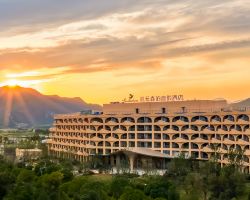

Hangzhou Songcheng summer fun, romance show and splash partyHOT


In summer 2026, Songcheng Park in Hangzhou is rolling out a lineup of events: The Romance of the Song Dynasty, Water Splashing Night, and potted plant NPC interaction. These experiences are great for families, couples, and students.
🎭 The Romance of the Song Dynasty
✨ Highlights:
• One of the world’s three great live shows and the signature performance at Songcheng.
• The show runs for 60 minutes in a climate‑controlled indoor venue at 20–22°C, perfect for beating the heat.
• Ideal for couples. Pair it with a costume experience for an immersive vibe.
🎪 Water Splashing Night
✨ Highlights:
• Daytime session: Usually opens in the afternoon. Great for kids and a refreshing way to cool off.
• Night session: A more vibrant atmosphere with lighting and a DJ, plus larger‑scale splash battles.
Start times may be adjusted based on the evening schedule for The Romance of the Song Dynasty and typically fall between 7:00 PM–8:30 PM.
🌱 Potted plant NPC interaction
🎫 Admission: Free
✨ Highlights:
• Popular with students and a top summer trend.
• Have fun interacting with potted plant NPCs.
💡 Travel tip: Plan your time in advance and choose the activities that suit you. The night splash event is family‑friendly. Bring waterproof gear.
Come to Songcheng Park in Hangzhou and unlock a summer full of diverse, exciting experiences!
Hangzhou

West Lake's Xiaoyingzhou by night, Song-era lotus lights bloomHOT


On midsummer nights, West Lake sets a relaxed, romantic mood with painted boats, evening breezes, and the poetry of Xiaoyingzhou.
⛵ Painted boat cruise from No. 5 Park Pier
At No. 5 Park Pier, painted boats rest quietly, waiting for night cruisers. The moment you step aboard, the gentle sway seems to shake off the day’s fatigue. As the boat eases away from shore, a rosy haze blooms over the lake. The rhythm of the oars syncs with your heartbeat while the guide shares stories of Su Dongpo in a warm, steady voice. Lights from both shores shimmer on the water—scattering, gathering, scattering again—as if time itself stands still.
🌙 Xiaoyingzhou at night
At night, Xiaoyingzhou floats at the lake’s heart like a jade seal warmed by moonlight. On shore, a gallery of giant projections brings classical paintings of the lake’s four seasons to life. A mist system sends a fine veil of vapor drifting around the Nine-turn Bridge, spinning a dreamlike aura. The showstopper is the water-screen light display of the “Song lotus,” modeled on a millennium-old lotus seed. Petals open one by one in a repeating bloom, as if they’ve crossed a thousand years to be here.
🎭 Song-dynasty experiences on the islet
In Yaobi Pavilion, a Song-style whisked tea performance draws a crowd, with delicate lotus patterns blooming in the tea foam. Beneath Wanzi Pavilion, children guess poetic riddles and watch tricks; laughter erupts when they win Song jiaozi notes. Beside My Heart Echoes Pavilion, a guzheng rendition of “Prelude to Water Melody” floats across the lake, joined by the mellow tones of a xiao flute. Poetry ripples over the water, and it is easy to lose yourself in the moment.
🌌 The night’s final notes
As you depart, the painted boat glides away and Xiaoyingzhou settles back into quiet. Pier lights quiver on the water as if waving goodbye. Most passengers ride in silence, faint smiles on their faces, as though a piece of their hearts still lingers in that Song-poetry dream.
Take a night cruise to Xiaoyingzhou on West Lake and savor this beautiful blend of poetry and summer night!
Hangzhou

East China waterside escapes and nighttime splash partiesHOT


Shanghai, Jiangsu, Zhejiang, and Anhui are rolling out waterside getaways—from water parks and cool forest retreats to lake play—perfect for family trips, romantic nights out for couples, and outings with friends.
🐋 Shanghai Haichang Ocean Park Orca Wave Festival
⏰ Dates: Jul 18–Aug 31, 2026
⏰ Business hours: night session open until 9:00 PM
✨ Highlights:
• 4 splash parties featuring 14 popular guest performers.
• 6 nighttime shows to light up summer nights, plus 10 upgraded signature productions.
• Indoor marine pavilions at 20°C and outdoor wave play.
• An exotic splash festival in the east zone and vibrant night visits for couples all summer.
🏝 Shanghai Sun Island Resort Tropical Rainforest Water World
✨ Highlights:
• Amazon-style cave adventure and rainforest rafting for double the fun.
• A vertical skylight waterfall and a panoramic outdoor infinity pool.
• Rainforest slides and forest cold springs for carefree all-day play.
• Rainbow surf slides and an emerald wave pool.
💦 BFC Bund Finance Center water park
✨ Highlights:
• A supersized water world pops up on the Bund with family splash areas and a floating bar.
• Thai-style splash party and soft-foam shallow pools.
• At night, pulsing EDM syncs with the waves, and timed water-gun battles kick off.
🏖 Bi Hai Jin Sha
✨ Highlights:
• Seaside swimming, kayaking, water bikes, and more.
• Beach go-karts and starlit night sailing for all-ages fun.
• Insta-worthy photo spots that look great in every snap.
💧 Pearl Spring Scenic Area
✨ Highlights:
• Clap lightly at the spring source to summon bubbles for an immersive cool-down.
• Jingshan Lake boating and wading the stone weir to scoop fish and shrimp.
• Pearl Spring Water World’s giant funnel slide and real-sand beach.
🌲 Changzhou Maoshan Forest World
✨ Highlights:
• Jungle stream trekking and a 1 km jungle rafting run—fun by day and by night.
• Southeast Asian–style creek tracing and a natural spring at Maoshan Reservoir.
• ATV off-roading and a forest playground for families and friends.
🐠 Huai'an Dragon Palace Ocean World
✨ Highlights:
• An indoor, climate-controlled water play zone keeps you cool all day.
• Water-gun festivals and marine science exhibits.
• Meet belugas and dolphins in the polar marine zone.
⛵ Suqian Luoma Lake Tourist Resort
✨ Highlights:
• Beach park amphibious vehicles and rubber duck boats.
• Luoma Lake Happy Water World with a lazy river and wave pool.
• Zhongwu Amusement City water park and Ferris wheel.
🏞 Hangzhou Lin'an Tianmu Future Valley Water World
✨ Highlights:
• A 100,000 sq m forest water world with deep shade so you can splash around and breathe easy.
• Tower of the Future combo slides and time-gear slides.
• A star-surfer robotic arm ride that hoists rafts for high-speed dives.
🌊 Shaoxing Jinghu Park Fantasy Water World
✨ Highlights:
• Ocean blue-hole float rafts and high-speed spins in a giant funnel.
• High-speed slides with giant waves and a Love Storm Tide wave pool.
• A dreamy atmosphere blended with immersive visuals.
🏝 Jinhua Forest Island Water World
✨ Highlights:
• An extreme tsunami pool and a king cobra slide.
• The slide trio: rainbow racer slides and raft slides.
• 31 hot spring pools to soak away the day’s fatigue.
🧜♀️ Wenzhou Wonderful Mermaid Water World
✨ Highlights:
• A giant funnel and flying fish slides for an adrenaline rush.
• A dizzying spiral slide and a lazy river.
• Large and small splash forts perfect for families.
🏕 Hefei Motan Tourist Resort
✨ Highlights:
• Water go-karts and electric boats for cool, thrilling fun.
• The Weiweigu Elf Tribe spray-and-play zone.
• Bird Camp camping and a dopamine beach.
🌊 Fuyang Nezha Makes Waves Water Park
✨ Highlights:
• A giant funnel and sky-loop spiral slide for maximum weightless thrills.
• A tsunami wave pool and a meandering circular river.
• A Nezha-themed stage show and an Investiture of the Gods character parade.
🏞 Huangshan Shilin Water World
✨ Highlights:
• A giant funnel slide and a flying dragon water slide.
• High-speed combo slides and a kids’ combo slide zone.
• An Amazon splash fort and water jump balls for great photo ops.
🚤 Lu'an Wanfo Lake Happy Water World
✨ Highlights:
• Water supercars and flying fish rides for on-trend water fun.
• Kayaks and electric boats for family boating.
• At dusk, watch the sunset glow spill across the lake.
💡 Travel tips: Bring sun protection and wear non-slip footwear. Keep an eye on kids during water activities to avoid accidents.
Come to Shanghai, Jiangsu, Zhejiang, and Anhui to unlock cool summer water fun!
Shanghai

Open late on summer weekends at Zhijiang Cultural CenterHOT


In summer 2026, the four venues and one center at Zhijiang Cultural Center will offer extended evening hours every Sat and Sun, staying open until 7:00 PM.
🏛 Zhejiang Provincial Museum
⏰ Dates: July 18–August 30, 2026 (every Sat and Sun)
⏰ Opening hours: 9:00 AM–7:00 PM (last entry 6:30 PM)
✨ Highlights:
• The Zhijiang campus, Gushan campus, Huangbinhong Memorial Hall, and Former Residence of Sha Menghai all join the evening extension.
📚 Zhejiang Library
⏰ Dates: July 18–August 30, 2026 (every Sat and Sun)
⏰ Opening hours: 9:00 AM–7:00 PM
✨ Highlights:
• Floors B1, 1, and 2 stay open later.
• The east-side literature reading area is open until 9:00 PM.
• The City Study on B1 is open until 8:00 PM.
🏤 Zhejiang Intangible Cultural Heritage Museum
⏰ Dates: July 18–August 30, 2026 (every Sat and Sun)
⏰ Opening hours: 9:00 AM–7:00 PM (last entry 6:30 PM)
✨ Highlights:
• Extended evening hours available every Sat and Sun during summer.
📖 Zhejiang Provincial Literature Museum
⏰ Dates: July 18–August 30, 2026 (every Sat and Sun)
⏰ Opening hours: 9:00 AM–7:00 PM (last entry 6:30 PM)
✨ Highlights:
• Summer evening extensions run every Sat and Sun.
🏢 Public Service Center
⏰ Dates: July–August 2026
⏰ Opening hours: 10:00 AM–9:00 PM
✨ Highlights:
• Summer hours extended to 9:00 PM.
💡 Travel tip: No reservation required for individual visits. Please bring a physical ID to swipe for entry.
Come to Zhijiang Cultural Center and enjoy a rich lineup of evening cultural experiences this summer!
Hangzhou

Free! Splash around in ancient towns near Shaoxing this summerHOT


There are several free ancient water towns around Shaoxing that are perfect for a same-day round trip and a cool summer getaway.
🏯 Huigang Ancient Village, Fengchuan Street
⏰ Dates: July 4–August 31, 2026 (Tue, Thu, Sat, Sun)
⏰ Business hours: 11:30 AM–6:00 PM
📍 Location: Huigang Ancient Village, Fengchuan Street, Tonglu County, Hangzhou
🎫 Admission: Free, no booking required
✨ Highlights:
• 300-year-old "street washing" folk tradition: the bluestone old street turns into a flowing spring water street. Mountain spring water runs over the road, only 3–5 cm deep, perfect for splashing barefoot.
• Cool down in Shen'ao Ancient Village: an 800-year-old water-system village where breezes flow through corridors to beat the heat.
• Film and TV location: Zhang Ruonan and Wang Anyu have filmed new dramas here.
🚗 Transportation: approx. 1 hour by car from Shaoxing, with free parking at the cultural hall parking lot at the village entrance.
🌊 Puyuan Fashion Resort
⏰ Dates: July 4–August 31, 2026
⏰ Business hours: daily 5:00–10:00 PM
📍 Location: Puyuan Town, Jiaxing
🎫 Admission: Nighttime splash areas are free. A daytime full-scenic-area visit requires a ticket.
✨ Highlights:
• Song-style living water street: an immersive splash zone of crisscrossing lanes connecting Candle Street main waterway, Taiping Lane drizzle alley, and the Dyehouse splash zone.
• Splash party: held every evening on a schedule, with traditional performances and a riverside market.
• Instagrammable rain alley: soft rain falls overhead—walk, play with water, and snap great photos.
• Free changing area: convenient for handling wet clothes.
🚗 Transportation: approx. 1 hour by car from Shaoxing. Navigate to PetroChina Jiaxing Puyuan Gas Station; the dedicated entrance is right across the road.
🏞 Nanxun Ancient Town
⏰ Dates: July–August 2026
⏰ Business hours: from 5:00 PM daily
📍 Location: Nanxun District, Huzhou
🎫 Admission: Nanxun Ancient Town, Baijianlou, and the entire water street area are free
✨ Highlights:
• Ditang Folk Street: opens at 5:00 PM daily, great for kids to splash and enjoy water fights.
• Best splash spots: the running-water lane on Nanxi Street, the shallow area beside Jili Lake Silk Museum, and the riverside piers along Baijianlou.
• Water bus: Silk Wharf round-trip to Shizigang Wharf, cruising canals past white-walled residences. Operating hours 9:00 AM–4:30 PM, every 30 mins.
🚗 Transportation: about 1.5 hours by car from Shaoxing. Navigate to the South Gate parking lot or East Gate parking lot of Nanxun Ancient Town.
💡 Travel tips: wear anti-slip sandals or water shoes, and carry a change of clothes and a dry towel; bring water guns, fishing nets, mosquito repellent, and sun protection, and take precautions against mosquitoes and sun; play only in gently sloping, shallow areas. Stay away from deep channels and under-bridge currents, and keep a close eye on children; leave no trace—pack out all trash to help protect water quality in the canals.
Head out from Shaoxing and unlock these refreshing water towns!
Tongxiang

Temple Worship Guide: First-Time Visitors, Pray the Right WayHOT


China and Thailand are both well-known Buddhist destinations. Temples are popular year-round for blessings and prayers, offering countless people a calming space for healing and a place to make sincere wishes. Thailand follows Theravada Buddhism, with etiquette that emphasizes making offerings, circling stupas clockwise, and revering monks—formal and distinctly regional. In China, Chinese Buddhist rites are gentle, solemn, simple, and orthodox, and each famous temple has its own rules. Newcomers can easily commit a faux pas without knowing them. How do you pray properly and make a sincere request? Keep this practical, step-by-step guide handy.
🚪 Entry etiquette basics | White Horse Temple in Luoyang (China’s first Buddhist temple)
As a globally renowned cradle of Chinese Buddhism, White Horse Temple has strict, orthodox etiquette. Enter through the small side doors, and never step on the threshold—this shows respect for the sacred space. The central cushion in the main hall is reserved for monastics; lay visitors should use the side kneeling mats. In all halls and around pagodas, follow the tradition of circumambulating clockwise, in line with ancient monastic practice.
🕯️ Standard incense-offering steps | Lingyin Temple in Hangzhou (a millennium-old Jiangnan landmark)
Famed at home and abroad, Lingyin Temple follows standard Chinese Buddhist ritual for incense. Take 3 sticks, light them, and extinguish the flame by gently fanning with your hand—do not blow with your mouth. Hold the incense with both hands at your brow to settle your mind. Insert the sticks upright in this fixed order: center, right, then left, honoring the Three Jewels—Buddha, Dharma, and Sangha. Make your wish sincerely and solemnly.
🙇 Standard three prostrations for making a wish | Songshan Shaolin Scenic Area (the cradle of Chan Buddhism)
At the world-famous Shaolin site, the three prostrations symbolize complete practice. With the first, sincerely repent past distractions and faults to cultivate self-reflection. With the second, vow to do good, build virtue, and discipline yourself. With the third, pray for safety and smooth sailing for yourself and your family. Perform the three bows in sequence with reverence, sincerity, and composure.
📸 Photo etiquette to avoid missteps | Jokhang Temple in Lhasa (a world-class pilgrimage site)
The Jokhang holds priceless relics and supreme religious status, so photo rules are strict. You may capture the exterior walls, courtyards, and outdoor scenes, but photography is strictly prohibited inside halls, including Buddha statues, ancient murals, and sacred instruments. Turn off shutter sounds, do not secretly photograph monks, and do not disturb pilgrims who are praying or prostrating.
✨ Advanced tips for blessings | Puji Temple on Mount Putuo (a renowned Guanyin pilgrimage site)
As a globally known Guanyin sanctuary, worship here follows a clear order. Pray in sequence through the Hall of Heavenly Kings, the Mahavira Hall, the side halls, and then the main hall—do not skip ahead. Wear modest, neat clothing and avoid revealing outfits. Keep quiet inside the halls, avoid showy posing for photos, and make wishes with a calm, sincere heart for more meaningful blessings.
Every centuries-old temple carries its own spirit and etiquette. Approach with reverence, follow the customs, and set out on a restorative journey of practice that brings peace of mind.
Hangzhou

Hilarious immersive Liangshan show debuts at Hangzhou SongchengHOT


Hangzhou Songcheng Park No. 2 Theater presents a brand-new immersive, interactive show, "Liangshan’s Annual Party Is On!" The Liangshan heroes from Water Margin gather at a company annual party for a hilarious take on office life.
🎭 Liangshan heroes bring workplace hijinks
Classic characters take on new roles as the Liangshan heroes enter the corporate world and face year-end challenges. Department face-offs, awards ceremonies, and budget wrangling turn absurd yet relatable—and laugh-out-loud funny—in their retelling.
🎉 Grand prizes unveiled at the annual party
The Slacker Award, Overachiever Award, and many more are revealed one by one. Audience members can join the action and help create the fun.
⏰ Time: summer 2026
💡 Travel tip: The show content may change due to weather or on-site conditions. We recommend checking park notices.
Head to Hangzhou Songcheng Park No. 2 Theater to experience the hilarious workplace antics of the Liangshan heroes!
Hangzhou

After-dark adventures return for summer at Hangzhou Safari Park!HOT


Hangzhou Safari Park’s summer night program is back in a big way, featuring an immersive animal character adventure and a splash and EDM festival for a unique after-dark experience.
🦁 Immersive animal character adventure
Across the park, 80+ animal-themed characters interact with visitors to deliver an immersive story adventure. Whether you’re acting out scenes with adorable animal characters or exploring the animal world after dark, surprises and fun await.
🎶 Splash and EDM festival
Waves and beats collide as a splash party meets an EDM party to ignite your summer. Cool splashes and pulsing music intertwine, and Hangzhou Safari Park gets livelier as the night goes on.
⏰ Dates: summer season
Head to Hangzhou Safari Park and unlock fresh new ways to enjoy summer nights.
Hangzhou

Direct summer shuttle from Hangzhou to Longjing Gorge Drifting opensHOT


In midsummer, Lin'an Public Transport has launched a summer direct bus from Hangzhou East Railway Station to Longjing Gorge Drifting, making it easy for residents to reach Zhexi Dalongwan Scenic Spot for a cool water getaway.
🌊 Longjing Gorge Drifting
⏰ Time: Operates every Sat and Sun from July–August
📍 Location: Zhexi Dalongwan Scenic Spot
✨ Highlights:
• 928m of mountain spring water at a constant 18°C year-round for a refreshing cool-down.
• A 3 km canyon course with a 128m vertical drop and 7 consecutive plunge dams for thrilling rafting.
• A new on-water stage with occasional live performances to elevate the vibe.
• Gentle, shallow zones perfect for water-gun battles and splash parties so everyone can let loose.
🌉 Sando cliff glass rafting
📍 Location: Zhexi Dalongwan Scenic Spot
✨ Highlights:
• China’s first cliffside glass rafting course featuring a 1,200m suspended waterway and a 68m start-to-end drop, with high-speed dives that feel up to 10°C cooler.
• A 360° all-transparent glass design for sweeping views of elegant peaks and rolling forests—an immersive blend of speed and scenery.
🏞 Sando Adventure Park
📍 Location: Zhexi Dalongwan Scenic Spot
✨ Highlights:
• 10+ signature outdoor activities for all ages—from adrenaline rushes like luge and a cliffside roller coaster to laid-back fun like Little Deer Climb, Dreamweaver Camp, and Forest Knight.
• Forest air rich in negative ions keeps it fresh and cool—ideal for beating the heat, breathing easy, and playing to your heart’s content.
💡 Travel tip: Plan your time in advance. The direct bus runs 1 trip per day on a fixed schedule.
Come to Zhexi Dalongwan Scenic Spot and unlock a refreshing summer splash adventure!
Hangzhou

Hangzhou OMG Heartbeat Park: Family Splash EscapeHOT


Hangzhou OMG Heartbeat Park stays at a cool, constant 18 °C and offers a wide range of family-friendly activities, making it a popular summer escape.
🎉 Chuiyun shouting fountain and outdoor fishing
Set amid shady greenery, enjoy the interactive fun of the Chuiyun shouting fountain, go fishing with your child, and bottle-feed the fish for joyful family time.
🚤 Boat ride through a million-year karst cave
Inside the Tongtian River karst cave, it’s a steady 18 °C—nature’s air-conditioned room. Glide through by boat to explore awe-inspiring geological wonders in cool comfort.
🎢 Skyroad super coaster and automatic sky escalator
Feel the speed and thrills on the Skyroad super coaster, while the automatic sky escalator provides an easy route so guests of all ages can play without tiring.
🌳 Dream Forest and space-themed scenes
A fairytale atmosphere meets space-themed installations for a childlike adventure filled with surprises at every turn.
🍉 Rafting and chilled watermelon
Pair a refreshing rafting experience with ice-cold watermelon to beat the heat and savor a carefree summer moment.
⛱️ Cooling station in the park
Take a break at the cooling station, sample tasty bites, and enjoy the perfect blend of mountain breezes and good food.
💡 Travel tips: Wear comfortable hiking shoes—great for families. In summer, remember sun protection and hydration. Cooling rest spots are available in the park.
Come to Hangzhou OMG Heartbeat Park for a wind-in-your-hair, splash-filled adventure!
Tonglu
1
2
3