Panda Zoos in China 2026: Chengdu, Wolong & 12 More Parks

Contents
- China Panda Parks at a Glance: All 14 Zoos and Bases
- Sichuan Panda Bases: Chengdu, Dujiangyan and Wolong
- Chengdu Research Base of Giant Panda Breeding
- Panda Valley (Dujiangyan Field Research Centre)
- Dujiangyan Chinese Giant Panda Garden (Panda Paradise)
- Wolong Shenshuping Base
- North China: Beijing, Dalian, Jinan and Luoyang
- Beijing Zoo
- Dalian Forest Zoo
- Jinan Zoo
- Luoyang Luanchuan Bamboo Sea Wildlife Park
- East China: Shanghai, Nanjing and Hangzhou
- Shanghai Wild Animal Park
- Nanjing Hongshan Forest Zoo
- Hangzhou Zoo
- South and West China: Guangzhou, Chongqing and Xi'an
- Guangzhou Chimelong Safari Park
- Chongqing Zoo
- Shaanxi Qinling Four Treasures Science Park
- Practical Tips: When to Go, Booking and Travelling With Kids
- When is the best time to see pandas?
- How do I book cheaper tickets?
- Which park should I pick if I am short on time?
- What should I know before visiting with children?
- Where to Stay Near the Chengdu Panda Base
- Jingli Hotel, Chengdu Panda Base
- Ji Hotel (Chengdu Panda Base Longtan Temple)
- Giant Panda FAQs
- Which zoo is Meng Lan in?
- Where can I see Yu Ke and Yu Ai?
- What to know before you visit the pandas
- Fun facts about giant pandas
Show more
Where do you see pandas in China? Chengdu, Dujiangyan and Wolong are the big three bases, and zoos in Beijing, Shanghai, Guangzhou and Chongqing all keep pandas too. This guide covers 14 panda parks across the country, with ticket prices, transport and opening hours for each, so you can plan the trip before you fly.
Start with the table below to compare cities and ticket prices, then pick the parks that fit your route. Prices are in RMB, and concession tickets and booking rules follow each park's own announcements.
| Park | City | Adult ticket | Opening hours | Panda highlights |
| Chengdu Research Base of Giant Panda Breeding | Chengdu | CNY 55, students 27 | Mar-Oct 7:30-17:00; Nov-Feb 8:00-16:30 | Largest colony, He Hua |
| Panda Valley (Dujiangyan) | Dujiangyan | CNY 55, students 27 | May-Oct 7:30-18:00; Nov-Apr 8:00-17:30 | Semi-wild valley, fewer crowds |
| Dujiangyan Chinese Giant Panda Garden | Dujiangyan | Closed | Closed, reopening TBA | Check before travelling |
| Wolong Shenshuping Base | Wenchuan | CNY 90, concession 45 | 9:00-17:00, last entry 16:30 | High altitude, snow scenes |
| Beijing Zoo | Beijing | CNY 15 peak, combo 19 | Peak 7:30-18:00 last entry | Meng Lan, Meng Da, Meng Er |
| Dalian Forest Zoo | Dalian | CNY 120 peak, 100 off-peak | 8:30-16:00 May-Oct; 9:00-16:00 Nov-Apr | Fei Yun, Jin Hu, Miao Yin |
| Jinan Zoo | Jinan | CNY 25, half 12.5 | 6:30-17:30, last entry 17:00 | Hua Ao and Ya Ji |
| Luoyang Luanchuan Bamboo Sea Wildlife Park | Luoyang | CNY 85, combo 190 | 8:00-18:00 | Ling Yan and Mai Mai |
| Shanghai Wild Animal Park | Shanghai | About CNY 190 | 9:00-17:00, night sessions in summer | Xue Bao's hand-on-hips pose |
| Nanjing Hongshan Forest Zoo | Nanjing | CNY 70, annual card 120 | 8:30-16:30 | Ping Ping, Jiu Jiu, He He |
| Hangzhou Zoo | Hangzhou | CNY 20, half 10 | 7:00-17:30 Apr-Oct; to 17:00 Nov-Mar | Xiang Guo and Chun Sheng |
| Guangzhou Chimelong Safari Park | Guangzhou | CNY 300 weekday, 350 peak dates | 9:30-18:00 | Panda triplets Meng Meng, Shuai Shuai, Ku Ku |
| Chongqing Zoo | Chongqing | CNY 25 peak, 20 in December | 8:00-18:00, last entry 16:30 | Yu Ke and Yu Ai |
| Shaanxi Qinling Four Treasures Science Park | Xi'an | CNY 30 peak, 20 off-peak | 9:00-17:30; closed Mondays | Qi Zai the brown panda |
Sichuan is still the main event for pandas in China. The province runs several separate park systems with different tickets, transport and styles, so it is worth working out the differences before you book - otherwise you can lose a day travelling to the wrong gate.
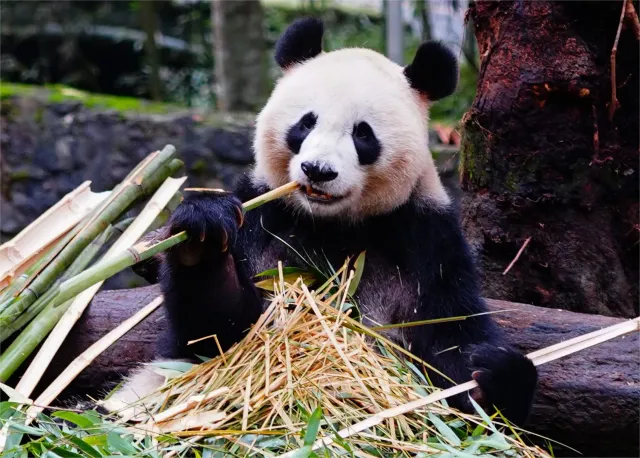
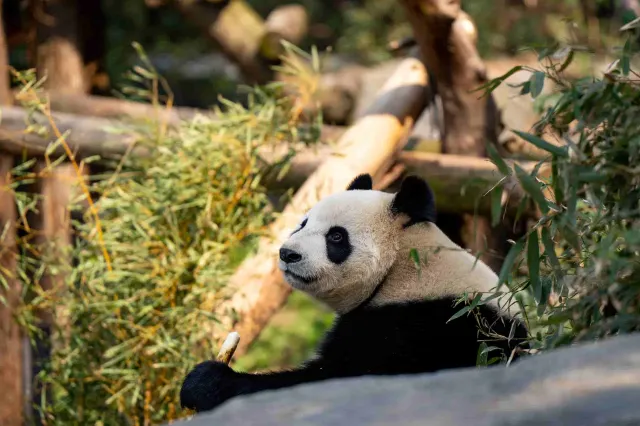
The Chengdu base is one of the world's largest captive giant panda breeding centres, with everything from the cub nursery to the adult panda villas. The site is big enough to fill half a day, and the celebrity panda He Hua (Hua Hua) was born here, which is why almost every Chengdu itinerary starts at this gate.
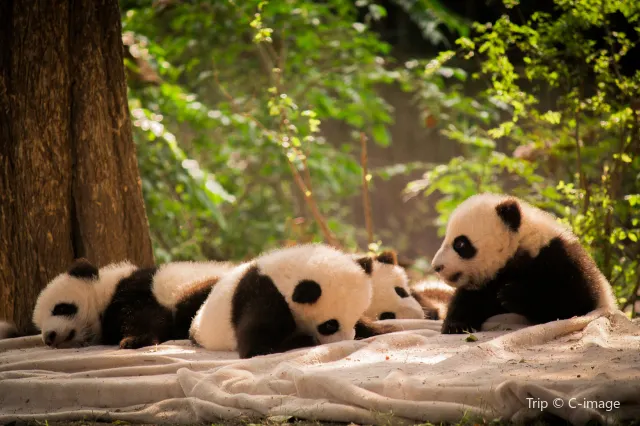
Tickets: CNY 55 for adults, CNY 27 for students; free for visitors aged 60 and over, children under 6 or under 1.3 m.
 Definitely worth a visit. I suggest going in the morning because the pandas are more active. The centre is very easy to navigate with signs everywhere.
Opening hours: 7:30-17:00 from March to October (site cleared at 18:00); 8:00-16:30 from November to February (cleared at 17:30). Entry is split into morning and afternoon sessions and must be booked online with real-name registration.
Getting there: Metro Line 3 to Junqu General Hospital (exit B) then shuttle 409 to the West Gate, or to Panda Avenue (exit A) then bus 408 to the South Gate. A taxi from Shuangliu Airport takes about 40-50 minutes.
Go in at opening time. Pandas are lively over breakfast, and after 10am most of them head indoors for the air conditioning and a long nap.
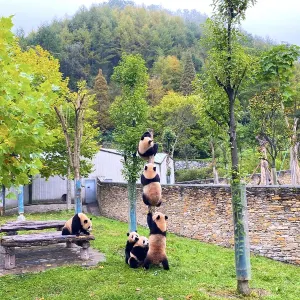
Panda Valley is the Chengdu base's semi-wild field research centre near Dujiangyan, set in a valley of bamboo with far fewer visitors than the city base. If you want unhurried photos without the crowd, this is the one to pick.
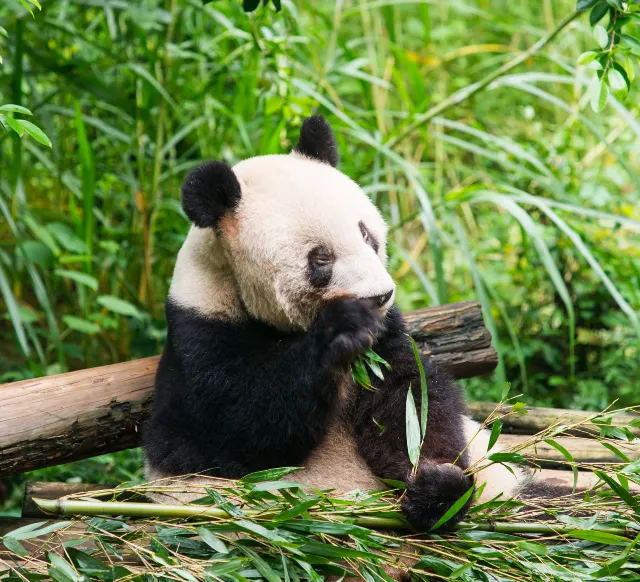
Tickets: CNY 55 for adults, CNY 27 for students.

Opening hours: 7:30-18:00 from May to October (last entry 17:00); 8:00-17:30 from November to April (last entry 16:30). Bookings are also split into morning and afternoon sessions.
Getting there: intercity train from Chengdu Xipu to Dujiangyan station, then a local bus into the valley; the shuttle timetable follows the park's daily notice.
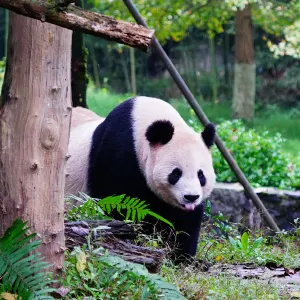
This is the park many visitors still call Dujiangyan Panda Paradise. It is currently closed with no reopening date announced, so check before you travel; Panda Valley is the reliable Dujiangyan option in the meantime.
Location: S106 (Western Sichuan Tourist Loop), Dujiangyan, Chengdu, Sichuan.
Status: temporarily closed, reopening to be announced by the park.

Getting there: about 20 minutes by taxi from Dujiangyan town centre; public transport details will follow the reopening notice.
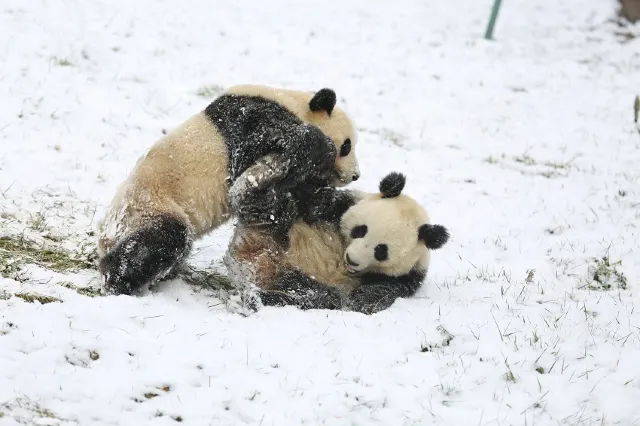
Wolong Nature Reserve is famous for protecting wild pandas, and Shenshuping is the section open to visitors. It sits at high altitude, where winter brings snow - the well-known pictures of pandas rolling in the snow were mostly taken here.
Tickets: CNY 90 for adults, CNY 45 concession; the sightseeing bus is CNY 20 return and optional.
Opening hours: 9:00-17:00, last entry 16:30.
Getting there: direct shuttles leave from the Chunxi Road area of Chengdu and take about 2.5 hours; by car take the Duwen expressway towards Wenchuan.
Ticket prices in the north vary a lot: Beijing is cheap, Dalian is on the pricey side, and Luoyang pulls visitors in with its internet-famous pandas. If you want to save money and still see pandas comfortably, pick whichever fits your route.
Beijing Zoo has been open since the 32nd year of the Guangxu Emperor's reign, more than a century ago, and its Panda House was one of the first in China. The pandas Beijing fans know best - Meng Lan, Meng Da, Meng Er, Meng Bao, Meng Yu, Fu Xing (Pang Dahai) and Gu Gu - live here; Ya Ya and Dian Dian are not currently on display.
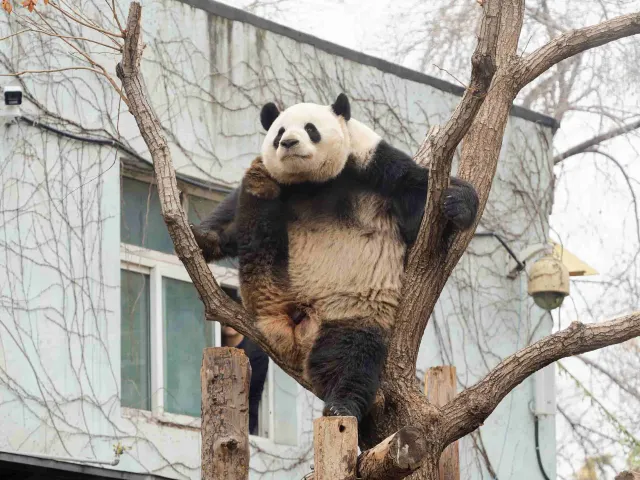
Tickets: CNY 15 in peak season (1 April to 31 October), CNY 19 for the combo ticket including the Panda House; CNY 10 and CNY 14 respectively off-peak (1 November to 31 March).
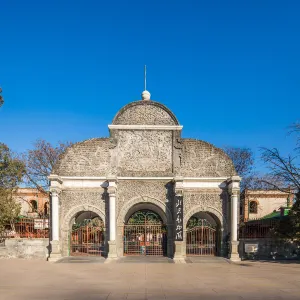

Opening hours: peak season opens 7:30, last entry 18:00, closes 19:00; off-peak last entry 16:00, closes 18:00. The Panda House starts checking tickets at 8:00.
Getting there: Metro Line 4 to Beijing Zoo, exit A or C1, about 3 minutes' walk to the main gate.
Dalian Forest Zoo is split into an enclosed area and a free-range area, with the Panda House in the southern free-range zone. The enclosure is large, and Fei Yun, Jin Hu and Miao Yin live there in comfort. Summer on the coast is not too muggy, so you can combine a hill walk with the animals.

Tickets: CNY 120 peak season, CNY 100 off-peak; one ticket covers both the enclosed and free-range areas.
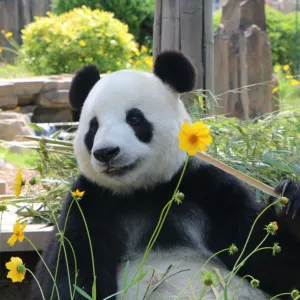

Opening hours: 8:30-16:00 from May to October; 9:00-16:00 from November to April. Last entry is 15:00, so do not leave it to the afternoon.
Getting there: there is no direct metro. For the free-range area's south gate take buses 5, 47, 49, 501, 541 or 702; for the enclosed area take 715, 525 or 529 and walk about 1 km through Baiyun Yanshui Park.
Jinan Zoo is cheap and compact, and its panda house has mist cooling and central air conditioning. Hua Ao is the lively one and Ya Ji the calm one - a budget option if you are travelling through Shandong with children.
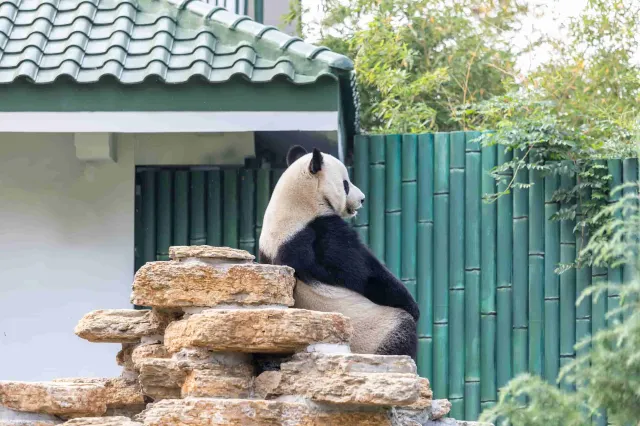
Tickets: CNY 25 for adults, CNY 12.5 concession; free for visitors under 1.4 m or 6 years old, and over 60.
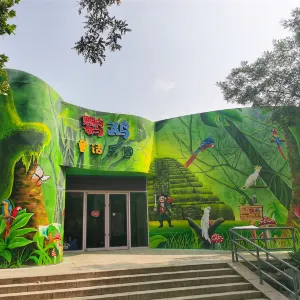
Opening hours: 6:30-17:30, tickets and entry stop at 17:00.
Getting there: Metro Line 2 to Jiluo Road then a bus; buses 4, 5, 12, 15, 30, 35, 66, 85, 108, 111, 112, 114 and 130 all stop at Dongwuyuan (Zoo).
Two internet-famous pandas made this park: Ling Yan, who dances and pushes a snack cart around, and the formerly demure Mai Mai, who eventually joined in. The bamboo-sea scenery at the foot of the mountain is worth the walk as well.
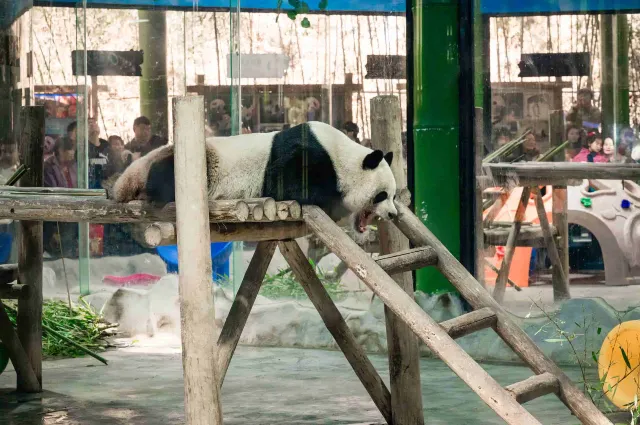
Tickets: CNY 85 for entry; the CNY 190 combo includes entry, the Zhuye cable car return and the shuttle bus. The official site lists the entry portion of the combo at CNY 60, so check what is included before you buy.
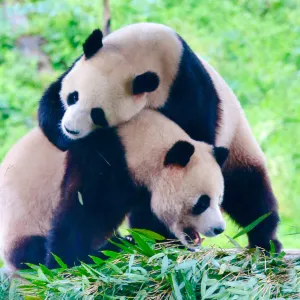

Opening hours: 8:00-18:00.
Getting there: no metro. The nearest high-speed station is Luoyang Longmen, with buses to Luanchuan from the coach station beside it taking about 2 hours; by car take the Luoluan expressway to the Chongdugou exit, 7 km from the park.
The Yangtze Delta parks are easy to reach by metro or frequent buses, which makes them a good fit for short itineraries and day trips.
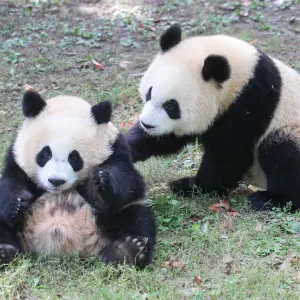
Shanghai Wild Animal Park is divided into a walking area, a drive-through area and a water area, with pandas Xue Bao, Qi Qi, Qian Jin, Jia Jia and Kang Kang. Xue Bao went viral for standing hands-on-hips towards the keepers at feeding time, and the whole herd is easy to see from the boardwalk.
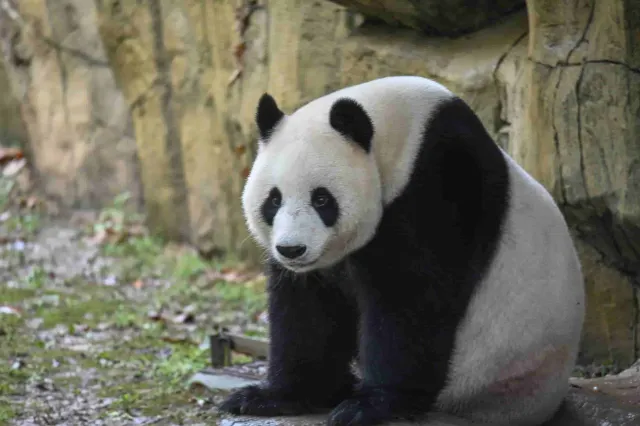
Tickets: about CNY 190 for adults. The official site publishes concessions only (half price for 65+, 10% off for 60-64, 20% off in August, free under 6 or 1.3 m), so the standard price follows the booking platform of the day.

Opening hours: 9:00-17:00 normally (February to June, weekdays in September, and from National Day to 30 November); night sessions run until 21:00 in July, August and September weekends; 9:00-16:30 in December and January.
Getting there: Metro Line 16 to Shanghai Wild Animal Park, exit 2, about 100 m away - the easiest transfer of all 14 parks.
Nanjing Hongshan Forest Zoo is built into the hills in three zones - Xiaohongshan, Dahongshan and Fangniushan - with a panda house for Ping Ping, Jiu Jiu and He He. The zoo also keeps white-faced saki Du Du and golden snub-nosed monkey Rui Rui, so one ticket covers several star animals.
Tickets: CNY 70 for adults, CNY 120 for an annual card (in force since 18 October 2025).

Opening hours: 8:30-16:30.
Getting there: Metro Line 1 to Hongshan Zoo, exit 1, about 450 m to the north gate.
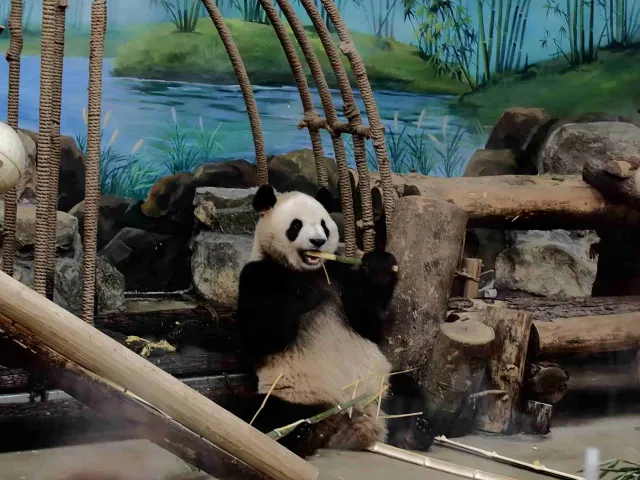
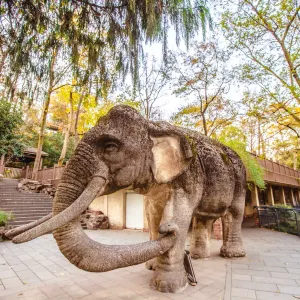
Hangzhou Zoo is a hillside zoo that pairs well with Hupao Dream Spring and the Liuhe Pagoda. The panda house holds Xiang Guo and Chun Sheng; Chun Sheng is energetic and eats at lightning speed, while Xiang Guo takes the elegant approach.
Tickets: CNY 20 for adults, CNY 10 concession.

Opening hours: 7:00-17:30 from April to October; 7:00-17:00 from November to March.
Getting there: no direct metro. Buses 4, 31, 180, 194, 197, 314, 315 and 318 stop at Dongwuyuan (Zoo); for the metro, take bus 4 or 314 to Yan'an Road Yinmajing Lane and change to Line 1.
If you are using Chengdu as your base, our guide to Chengdu train stations covers how to get between the East, South and West stations before you add the panda bases to your plan.
Each of the three has its own draw: Chimelong does panda luxury at scale, Chongqing has the sheer numbers, and Xi'an is where you can see a brown panda.
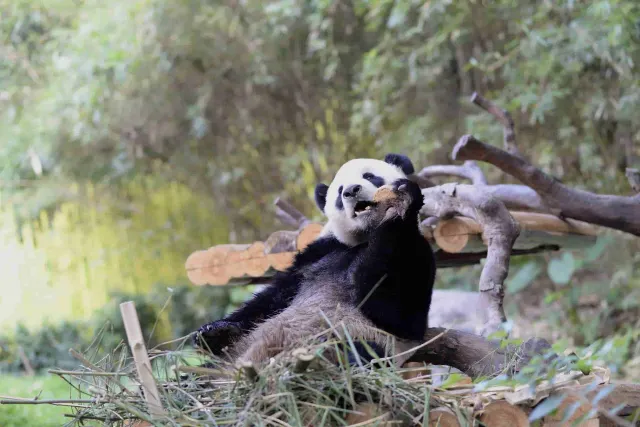
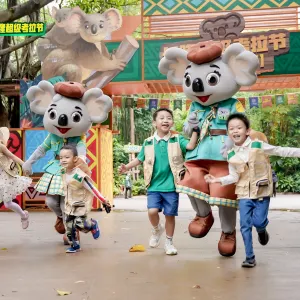
Chimelong keeps more than a dozen giant pandas, including the world's first surviving panda triplets, Meng Meng, Shuai Shuai and Ku Ku. The park is famous for spoiling them: Ku Ku has his own train, every panda gets an ice bed in summer, and there are bamboo props carved to look like Moutai bottles.
Tickets: CNY 300 on weekdays and CNY 350 on specific dates; children aged 3-12 or 1.0-1.5 m and visitors aged 65+ pay CNY 210-245.

Opening hours: 9:30-18:00 (November).
Getting there: Metro Line 3 or 7 to Hanxi Changlong, exit E, then a 5-minute walk to the shuttle hub; buses 129, 304 and 526 also serve the park.
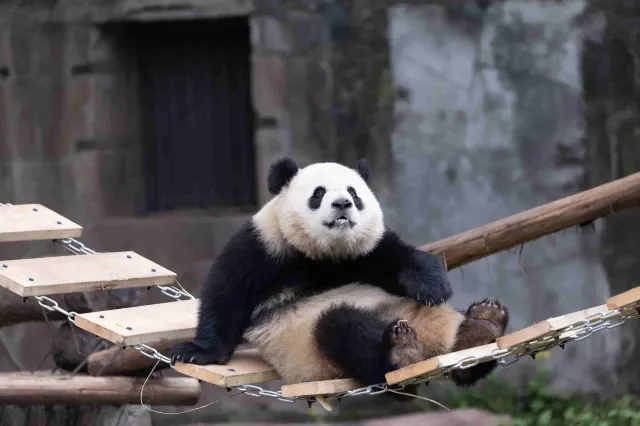
Chongqing Zoo is one of the zoos with the most giant pandas in China, home to the contrasting twins Yu Ke and Yu Ai, the mother-and-son pair Mang Zai and Mang Xiao Wu, and the Sixi Wanzi group. The zoo holds more than 230 species and over 4,000 animals in total.
Tickets: CNY 25 in peak season (January to November) and CNY 20 in December; half price, CNY 12.5, for students and visitors aged 60-65.
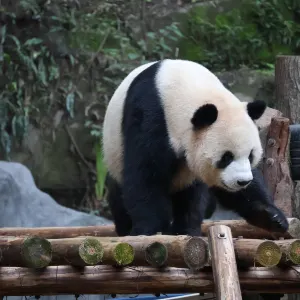
Opening hours: 8:00-18:00, last entry 16:30, open all year.
Getting there: Metro Line 2 to Chongqing Zoo, exit 1; buses 412, 413, 416 and 419.
The Qinling Four Treasures Science Park is the public section of the Qinling Giant Panda Research Centre, and it is notable for Qi Zai, a rare captive brown panda, along with A Bao and Jin Xiao Qi. If you want to see a panda in a different colour, this is one of the few places where you can.
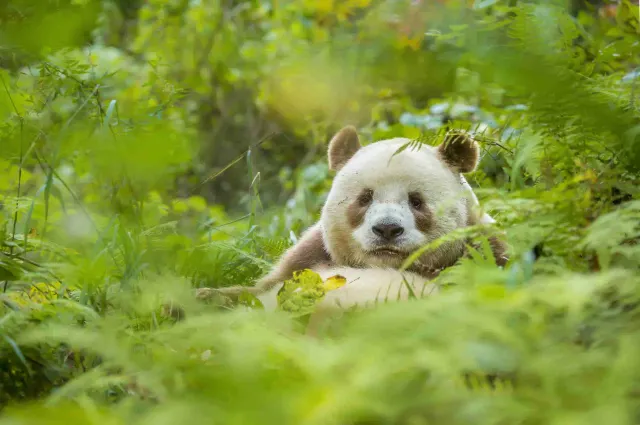
Tickets: CNY 30 in peak season and CNY 20 off-peak; half price CNY 15 and CNY 10.


Opening hours: 9:00-17:30 in peak season (tickets until 16:30); 9:30-16:30 off-peak (tickets until 16:00). Closed on Mondays except public holidays.
Getting there: no metro. Take Huanshan Line 1 from Dayan Pagoda North Square to Qinling Sibao, about 2 hours; or a Louguantai bus from Xi'an bus station.
Pandas are visible all year, but autumn and winter are the safer bet if you want them active. Chengdu's summers are hot and humid, and after breakfast the pandas retreat into air-conditioned rooms, leaving a pile of black-and-white fur by the afternoon. Arriving at opening time is the reliable way to catch them eating bamboo or climbing.
The Chengdu Base and Panda Valley require real-name booking through official channels, with a Home Return Permit or passport for verification. Chimelong and Shanghai Wild Animal Park are usually cheaper booked online in advance, especially in peak season. Weekend and holiday slots go quickly, so do not leave it until the night before.
With one day, stay in Chengdu: the Chengdu Base in the morning and Panda Valley in the afternoon by intercity train, booking separate time slots. With three days, add Wolong for the snow-scene experience. If your trip already covers Beijing, Shanghai or Guangzhou, their city zoos have panda houses, cost less and need no detour.
Keep quiet, no flash photography and no feeding - the rules are the same at every park. Pandas are dangerous animals, so do not climb the barriers and do not shout when a crowd gathers. Parks are large and half a day of walking is normal, so bring water and snacks.
Staying near the Chengdu panda base area is convenient: you get into the park before the morning traffic, and you can rest afterwards without crossing the city.
In the panda base commercial district, with restaurants and convenience stores a few minutes downstairs and a short drive to the West Gate - a good fit for families on early flights.
A chain hotel with consistent rooms and friendly prices, close to a Metro Line 3 station and convenient for both the city centre and the panda base.
Meng Lan lives at Beijing Zoo, where the Panda House is one of the oldest in China. Meng Da, Meng Er and Fu Xing are at the same site, so one ticket covers all of them.
Both twins live at Chongqing Zoo, one of the zoos with the most giant pandas in China. Mang Zai and Mang Xiao Wu are in the same Panda House.
- Keep it quiet: pandas have far more sensitive hearing than humans and startle easily.
- No flash photography: cubs' eyes are very sensitive to light, and a flash can hurt them.
- Do not feed the pandas: keepers set each panda's daily diet.
- Never climb the barriers: pandas are predators and can attack instinctively when stressed by a crowd.
- Pandas are not cats: they belong to the order Carnivora, family Ursidae, subfamily Ailuropodinae, and are the only mammal in the genus Ailuropoda.
- They are short-sighted: roughly 800 degrees of myopia, although their sense of smell and hearing are excellent.
- They have six fingers: a pseudo-thumb evolved to grip bamboo.
- They walk pigeon-toed: the slow, inward-turned gait saves energy.
- They eat and poop fast: up to 40 bowel movements a day.
- Females come into oestrus once a year, with a peak of only two to three days.
Still planning? See where giant pandas live outside China in our guide to giant pandas in zoos around the world, work the panda bases into a 2-week China itinerary, and check what else to do in Guangzhou before you visit Chimelong.
Popular recommendations

Prince Harry Joins Ctrip Group Global Partners Conference: Advancing Sustainable Travel Together
 _TS***4m

Top 19 Hippest Mid-Size US Cities
_TS***4m
Latest Trip.com Promo Codes, Flight Discounts & Hotel Savings (Weekly Update)
 Trip.com Official

6 Things to know before Exploring the Montmorency Falls, Quebec
_TS***4m