Things to do in Fujian
Explore top experiences
Top 10 attractions in Fujian


Kulangsu
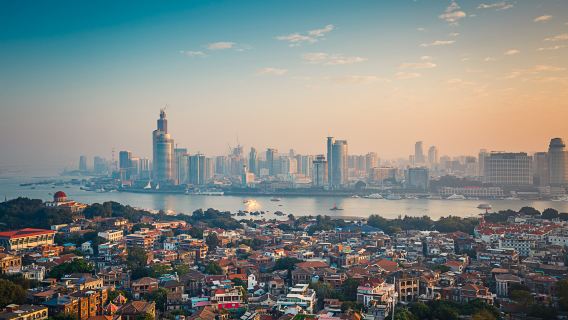
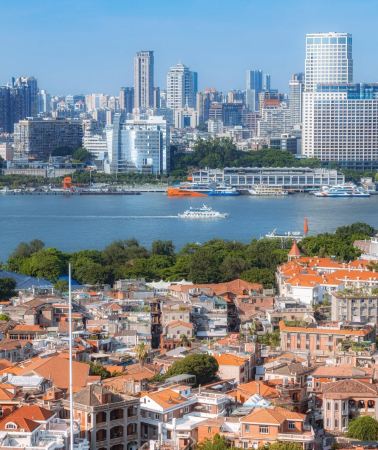
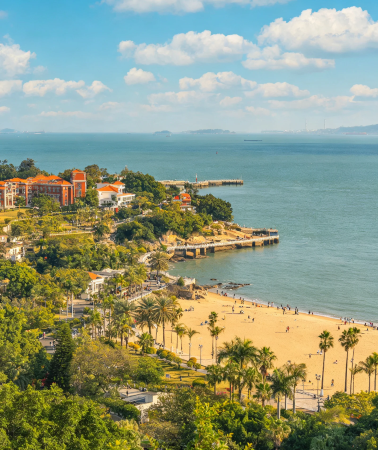
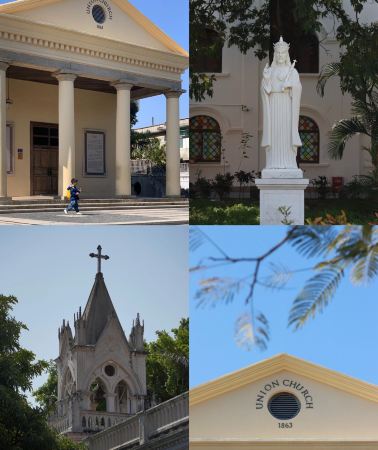
Kulangsu is located in the southwest of Xiamen, Fujian province, China, facing Xiamen island across the Lujiang strait. With an area of approx. 1.88 km², it is a "sea garden, piano island and international architectural exposition" blending nature and culture. In 2017, it was inscribed as "Kulangsu: A historic international settlement".UNESCO World Heritage ListIt is a national 5A tourist attraction and a national scenic area. Kulangsu is a bedrock island with a winding coastline featuring numerous natural harbors and reefs. The terrain is predominantly hilly, with its highest peak, Sunlight Rock, standing at an elevation of 92.7 m.Subtropical maritime monsoon climateWith its warm, humid climate and spring-like weather all year round, the average annual temperature is 20.9°C, making it suitable for visiting any season. The entire island is car-free, free from the hustle and bustle of traffic, accompanied only by birdsong, floral scents, and the sound of waves. Kulangsu preserves historical buildings dating from the late 19th century to the mid-20th century.Over 1000 buildingsIt encompasses various architectural styles including Gothic, Victorian, Baroque, Nanyang shophouses, and Minnan ancient dwellings, earning the reputation as the "Expo of international architectureIt is a living specimen of an internationalized community in modern East Asia. Representative buildings: Bagua building (organ museum), Shuzhuang garden, Haoyue garden, former HSBC building, Trinity church, Lin Yutang's former residence, etc. Kulangsu boasts a profound musical heritage, with western music introduced through missionary schools from the late Qing dynasty. By the mid-20th century, the island had the highest piano density in China, nurturing renowned musicians like Yin Chengzong and Xu Feiping, earning it the title of "Piano islandKnown as the "island of music". Cultural landmark:Piano museum(Houses century-old pianos),Organ museum(Home to a giant pipe organ), the sound of music often fills the streets, and the tradition of family concerts continues to this day. Core attractions of Kulangsu: Sunlight rockThe highest point of Kulangsu, offering a 360° panoramic view of the entire island, Xiamen and the Taiwan strait. There's a saying: "A visit to Xiamen isn't complete without climbing Sunlight Rock." Shuzhuang gardenThe private residence of Taiwanese tycoon Lin Erjia, where "the sea is hidden in the garden and the mountains are embraced as views," blends Jiangnan-style gardens with coastal landscapes. The piano museum within the garden is renowned far and wide. Haoyue gardenAdjacent to the Zheng Chenggong memorial hall stands a 15.7 m tall granite statue of Zheng Chenggong, facing the sea with majestic grandeur, built to commemorate the national hero's recovery of Taiwan. Bagua building (organ museum)A landmark building on Kulangsu, blending Chinese and Western architectural aesthetics, housing hundreds of antique organs and regularly hosting organ concerts. Kulangsu bagua building Yuyuan garden, Gulang stone, Yanweishan ecological parkThe cultural and natural views scattered across the island weave together the century-old charm and poetic beauty of Kulangsu's mountains and sea. Tour tips Island access: Requires taking a ferry from Xiamen main island ferry terminal, no general admission ticket, core attractions require separate tickets or combo tickets. Transportation: Explore the entire island on foot or by sightseeing electric cart (for a fee). Motor vehicles are prohibited. Recommended season: Suitable all year round, with comfortable weather in spring and fall (April-May, October-November) when bougainvillea blooms and the scenery is particularly beautiful.China · Xiamen

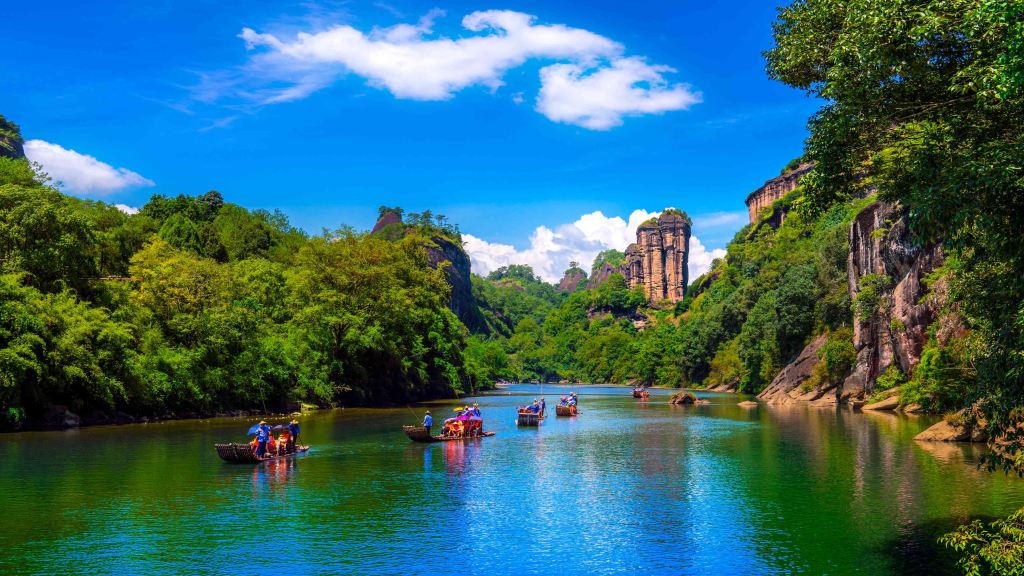
Wuyishan National Park
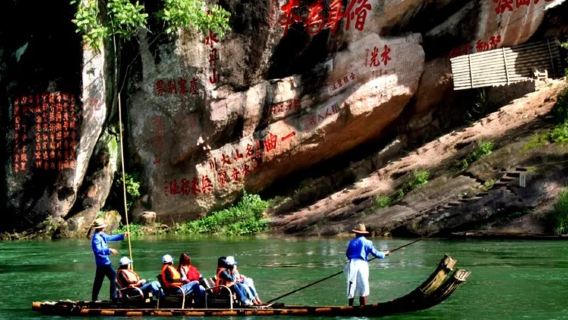
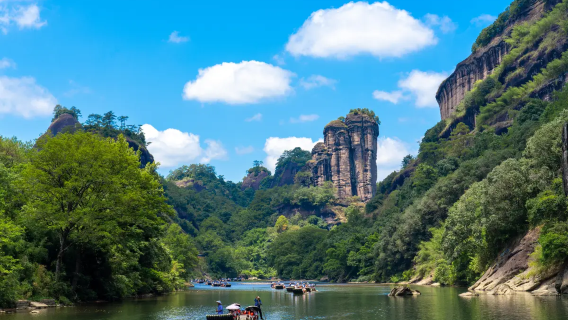
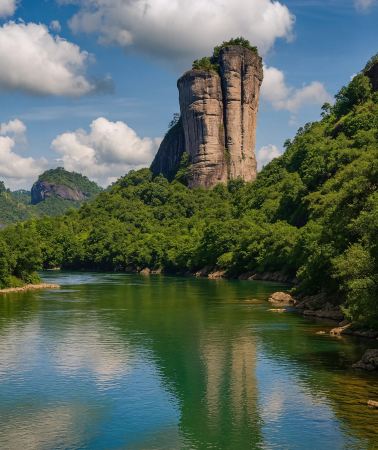
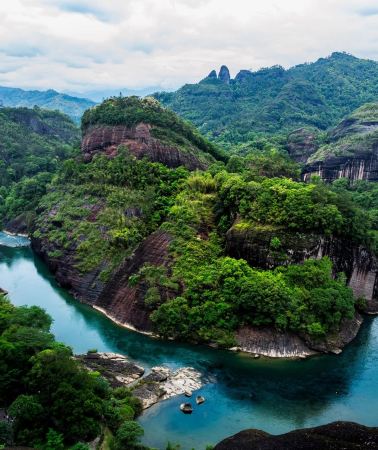
Wuyishan National Park is located in the northern section of the Wuyishan mountain range in northwestern Fujian, stretching across the border area between Fujian and Jiangxi provinces. It is one of China's first established national parks, and Wuyishan itself was inscribed as a UNESCO World Heritage Site for both culture and nature as early as 1999. The park was formed by integrating the former Wuyishan National Nature Reserve and Wuyishan Scenic Area: the Tongmu area in the north focuses on ecological conservation and scientific research, preserving a rare intact mid-subtropical forest ecosystem at this latitude. The main peak of the Wuyishan range, Mount Huanggang, is also located here, and this core area does not offer regular tourism activities. Sightseeing activities are concentrated in the scenic areas along both banks of the Nine-bend Stream, namely the four major sections: Tianyou Peak to Taoyuan Cave, Nine-bend Stream to Wuyi Palace, One-line Sky to Tiger Roaring Rock, and Dahongpao to Water Curtain Cave. The attractions in the scenic area are relatively scattered with considerable distance between them. A leisurely visit typically requires two to three days. If you only have one day, start by ascending Tianyou Peak for a panoramic view of the emerald waters and crimson mountains along the Nine-bend Stream, then take a bamboo raft downstream from Xingcun Wharf. Along the way, you'll pass landmarks like Jade Maiden Peak, Great King Peak, cliff inscriptions, and suspended boat coffins. The rafting journey ends at Wuyi Palace, making it an ideal classic route. Tea enthusiasts may prefer spending time on the leisurely Rock Bone Floral Trail between Dahongpao and Water Curtain Cave. This gentle path connects core Wuyi rock tea production areas like Liuxiangjian and Huiyuankeng, offering a uniquely fragrant experience. With two days, you can cover all four major sections. For more time, consider visiting the ancient tea merchants' residences in Xiamei Village, the starting point of the ancient Tea Horse Road, or exploring the ruins of the Minyue King's City near Chengcun Village—the latter also being part of Wuyishan's world heritage site. Bamboo rafting is very popular, so please make arrangements in advance during peak season. To get close to the ecological heart of the park, you can take the Wuyishan National Park No. 1 scenic route. Places like Moon Bay and Qinglong Waterfall are suitable for self-drive or private charter. As for food, street snacks like flat meat dumplings and Vietnamese noodles are common, while Langu smoked goose and local dishes cooked with alpine bamboo shoots and mushrooms are also worth trying.China · Wuyishan

Pingtan Island
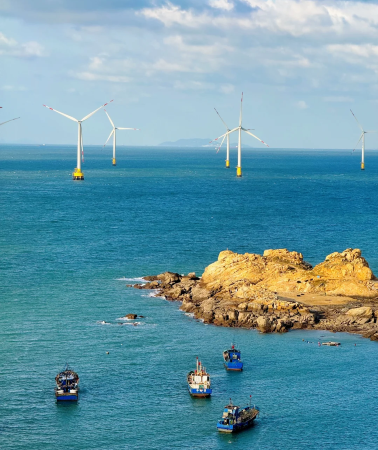
Pingtan Island, also known as Haitan Island, is located in Pingtan County, Fuzhou. As China's fifth largest island, it's often shrouded in mist from the east, earning it the nickname "Eastern Mist." The island boasts a winding coastline stretching over 400 km with pristine sandy beaches. Notable attractions include Thirty-Six Feet Lake, Shipaiyang Reef, Immortal Well, Yipianwa, and the Keqiutou Site. Leisure facilities like Longfengtou Resort and Tannanwan Beach make it an ideal coastal getaway. Pingtan Island boasts three stunning beaches—Changjiang'ao to the north, Haitan Bay to the east, and Tannan Bay to the south—featuring powdery white sand and crystal-clear azure waters. These interconnected shores are backed by lush windbreak forests and dotted with picturesque islets and rock formations, creating an exceptionally scenic coastal landscape.China · Pingtan County

Xiamen Botanical Garden
Xiamen Botanical Garden, also known as Wanshi Botanical Garden is set amidst Wanshi Mountain in the Southeastern part of Xiamen Island. It is an integral part of the Gulangyu Islet – Wanshi Mountain National Key Scenic Spot, covering an area of 4.93 square kilometers. The garden has more than ten segments that showcase a variety of rare plants, including Chinese larch, hoop pine, strangely-shaped cacti, and other exotic foliage. In addition to the unique foliage, the park also brings together many natural wonders and human creations, including stone carvings, lakes, lawns, temples, and other attractions.China · Xiamen

Zhonggu Cableway
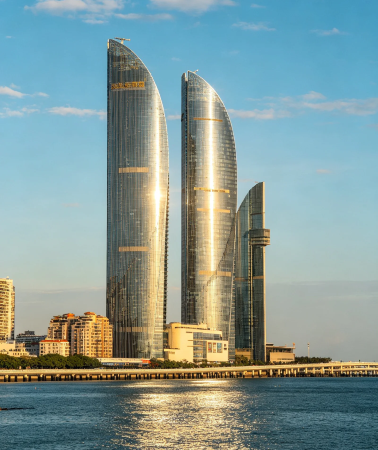
The Zhonggu Cableway is an elevated sightseeing cable car spanning the Wanshi mountains in Xiamen. Its lower station is located near the west gate of Xiamen botanical garden and the Zhonggu Mountain tunnel entrance. The route passes the botanical garden, Huxi Rock, and Hongshan area, extending all the way to the Wulao Peak behind Nanputuo temple, covering over 1,000 m in total. The cable car features semi-open two-person gondolas without window panes, offering unobstructed views where mountain breezes brush past your face. Once seated, you'll be suspended above layers of greenery and city rooftops. The round-trip itinerary takes approx. 40 mins. Upon reaching the terminal station, the train returns along the same route without requiring transfers. From this elevated vantage point, you can take in Xiamen's mountains, sea, and cityscape all at once: below lies the lush forest and rugged rocks of the botanical garden, while a turn of the head reveals the temple eaves of Nanputuo temple. In the distance, Gulangyu island, the twin towers, and the open sea unfold in sequence—on clear days, you can even spot the islands toward Kinmen. Along the way, the train passes original wartime tunnels and wind-eroded boulders, adding a touch of historical ambiance to this aerial journey. For a more enjoyable experience, you may choose the departure time slot around sunset when the sea and city skyline under the evening glow make for particularly stunning photos. This time slot is often in high demand. The cable car baskets are open on all sides, so travelers who are sensitive to wind should pick a clear and less windy day. The cable car may suspend operations in case of strong winds, thunderstorms, or other adverse weather conditions. It is advisable to check the day's situation before departure.China · Xiamen

Three Lanes And Seven Alleys
"Three Lanes and Seven Alleys" is located in the heart of Fuzhou, collectively referring to ten historic lanes and alleys lining both sides of Nanhou Street from north to south. The "three lanes" are: Shuixie Stage, Wenru Lane, and Guanglu Lane. The "seven alleys" are: Yangqiao Alley, Langguan Alley, Anmin Alley, Huang Alley, Ta Alley, Gong Alley, and Jibi Alley. "Who would have thought the recluse of Five Willows and Lone Pine would dwell amidst Three Lanes and Seven Alleys?" This entire ancient residential quarter, first built during the Ming Dynasty, has been remarkably preserved through centuries of history spanning both Ming and Qing dynasties. The neighborhood houses former residences of numerous historical figures and even features a folk culture museum. As the saying goes, to understand a city, you don't need to traverse every street—just stroll down one historic lane at a leisurely pace. Walking through Three Lanes And Seven Alleys brings you closer to the heart of Fuzhou.China · Fuzhou

Yunshuiyao Ancient Town
Yunshuiyao Ancient Town was originally named Changjiao, but gained fame after the film "The Knot" was filmed here. The ancient village subsequently adopted the movie's name and has now become a highly popular stop in the Fujian Tulou area. The attraction consists of three parts—Yunshuiyao Ancient Town, Hegui Building, and Huaiyuan Building—stretching along the Changjiao River. The ancient village sits in the middle, with the two tulou buildings at either end of the river, all connected by a walkable route. The five-story Hegui Building stands out with its striking square structure, a rare tall rectangular tulou. What's more remarkable is that it was built entirely on marshland, supported by pinewood piles that have held firm for over 200 years, earning it the nickname "Noah's Ark on land." In its central courtyard lies a small sunken pebble area that remains perpetually damp - stepping on it and gently stomping reveals subtle vibrations beneath your feet. The compound also features two ancient wells positioned close together: one with clear water and the other with turbid water, locally called the "yin-yang wells." In contrast, the Huaiyuan Building embodies a different character. This concentric circular tulou features an ancestral hall named "This Is the Room" at its inner ring's center, which once served as the Jian family's private school. Its intricately carved beams and rafters showcase exquisite craftsmanship, inviting close examination of the tulou's interior artistry. Nestled between buildings, this ancient town invites leisurely exploration: A dozen century-old banyan trees line the stream with aerial roots dipping into the water. Cobblestone paths wind along the bank beside creaking waterwheels, while stone bridges span murmuring streams where white ducks waddle—painting a pastoral scene.China · Nanjing County

Quanzhou Kaiyuan Temple
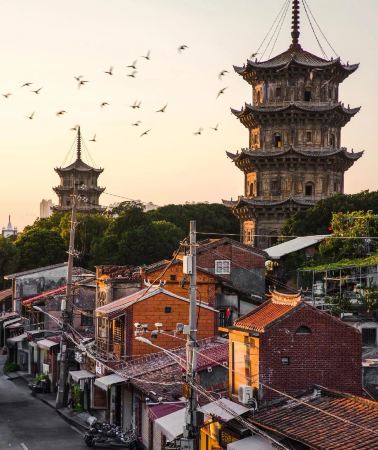
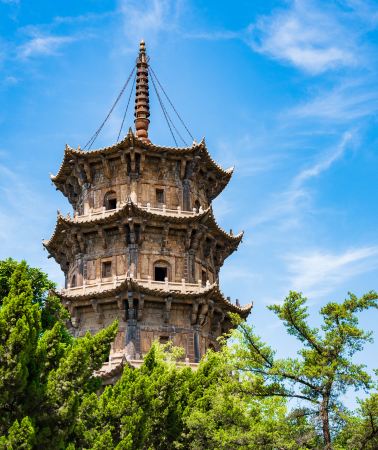
Kaiyuan Temple is located in QuanzhouWest Street, Licheng DistrictBuilt in the second year of the Chuigong era during the reign of Empress Wu Zetian of the Tang Dynasty, it has a history of over 1,300 years. It is an important cultural relic along the southeastern coast of China and one of the larger-scale Buddhist temples in Fujian Province. The attractions of the monastery are arranged along the central axisWorship pavilion, the Baiting, the main hall of Kaiyuan Temple, the Sangpeng historic site, the Kaiyuan Temple's Sweet Dew Ordination Platform, the scripture depository, etc.Also,, as well as the stone pagodas on the east and west sides and the east and west corridors. Quanzhou Kaiyuan Temple - The heavenly king hall, also the mountain gate of the temple, was built in 1925. The stone pillars are slightly thinner at the top and bottom, thicker in the middle, shaped like a shuttle, reflecting the Tang dynasty stone pillar style. A wooden couplet hangs on the stone pillars, reading "This place is called the land of Buddha, where every street is filled with saints." It was composed by Zhu Xi, a great Neo-Confucian scholar of the Southern Song dynasty, and written by the modern eminent monk Hongyi. Crossing the mountain gate brings you toWorship pavilionStanding here, you can see the east and west pagodas rising from the ground and the spacious, bright east and west corridors symmetrically arranged on both sides. The east and west pagodas are among the more famous attractions in the area. The east pagoda is called "Zhenguo Pagoda (East Pagoda)," while the west pagoda is named "Renshou Pagoda." Standing over 40 m tall, they are one of the tallest pairs of stone pagodas in China and serve as landmarks and symbols of the ancient city of Quanzhou. Worship pavilionIn front, there is a large stone courtyard where officials and commoners from ancient and modern times gather for activities, becoming particularly lively during events. On both sides of the stone courtyard stand eight large banyan trees, beneath which are arranged 11 ancient sutra pillars and small stupas from the Tang, Song, and Ming dynasties in various styles, as well as two stone tortoises. Then there is the main structure, the Mahavira Hall of Kaiyuan Temple. The Mahavira Hall of Kaiyuan Temple also has an elegant name, "Hundred-Pillar Hall." Originally, the hall was planned to have one hundred pillars, but later, to accommodate the placement of Buddha statues and create space for Buddhist activities, the beams were extended, and the number of pillars was reduced, resulting in the "Hundred-Pillar Hall" with 86 pillars.China · Quanzhou

Xianrenjing
Xianrenjing, located within the Donghai Fairyland attraction, is a remarkably typical sea-eroded skylight formation. Nearly circular in shape with sheer rocky cliffs, it presents a spectacular sight where towering waves crash against the precipitous coastal bluffs. Alongside "Shipaiyang" and "Haitan Tianshen," it's celebrated as one of Pingtan's three extraordinary rock formations. This site derives its name from the profound natural well-like topography. Local legends claim it was once a cultivation ground for immortals, adding an aura of mystique to the location. Visitors can follow the trail deep into the attraction to admire the spectacular cliffs and crystal-clear springs, experiencing nature's breathtaking craftsmanship. The tranquility and beauty here make it hard to leave, offering an ideal escape from the hustle and bustle of city life for relaxation and rejuvenation.China · Pingtan County

South Shaolin Temple
First built during the Longshuo era and abandoned in the Tianyou era. According to Cai Yongjian's "Xishan magazine" from the Qing Dynasty, which cited the Tang Dynasty's "Minzhong records," before the first year of Longshuo in the Tang Dynasty (661 AD), "Zhikong entered Minzhong and built the Shaolin Temple at the foot of Qingyuan Mountain, consisting of thirteen courtyards." "The Shaolin Temple had thirteen sections, surrounded by walls three zhang high, with vast fields and lush forests." "Beside the celestial altar stood the Shaolin Temple, where Zen master Zhikong met with Governor Wang at the celestial altar." Zhikong (styled Daoguang) was one of the thirteen staff-wielding monks from the Songshan Shaolin Temple renowned for saving the Tang emperor. His arrival in Min marked the beginning of martial monks in Fujian, and he trained twelve disciples—some capable of capturing tigers or lifting massive cauldrons, others skilled in wielding heavy crossbows, mastering chain hammers, or moving with extraordinary speed... The "Minzhong records" also states: In the first year of the Tang Tianyou era (907), "the Shaolin Temple rebelled against Wang Shenzhi's allegiance to the Liang Dynasty and was destroyed." Shi Mengshuo of the Southern Song Dynasty wrote in his "Donglu poetry collection": "The Shaolin Temple was built in Qingyuan, with ten grand gates and towering walls; a hundred acres of fields across three ridges, where a thousand monks practiced martial arts to rebel against the Wang regime." The "Wang regime" refers to the Min King Wang Shenzhi. Wang Shenzhi's destruction of the South Shaolin Temple in Quanzhou marks its first destruction. Prospered during the Taiping Xingguo era and declined during the Zhiyuan era The "Xishan magazine" records that in the sixth year of the Taiping Xingguo era of the Northern Song Dynasty (981 AD), an imperial decree was issued to rebuild the South Shaolin Temple in Quanzhou. This marked the second revival of the South Shaolin Temple in Quanzhou. Liu Changyan of the Northern Song Dynasty wrote in his poem: "The legacy of Qingyuan was built during the Xingguo era, the Shaolin spirit pervades throughout southern Quanzhou." "Xingguo" refers to the reign era of Emperor Taizong of Song, Taiping Xingguo (976–983). A copy of the Zhang family genealogy preserved in Donghu village, Dongqiao town, Hui'an county, states: "Shizhi, styled Fayi, renowned for stone carving, his craftsmanship was unparalleled, such as the stone lions in front of the Shaolin Temple in Quanzhou..." Zhang Shizhi was the younger brother of Zhang Shixun, a figure from the Song Dynasty, indicating his involvement in carving the stone lions at the entrance of the Shaolin Temple in Quanzhou during the Song Dynasty. Northern Song Dynasty records document that the South Shaolin Temple originally comprised a mountain gate, Mahavira Hall, dharma hall, Bodhidharma ancestral hall, thirteen halls, arhat hall, xuannü hall, scripture repository, heavenly king hall, Guanyin hall, Ksitigarbha hall and other supporting facilities, covering 400 mu of land. During the 2002 reconstruction of the heavenly king hall, over 40 stone temple components were excavated underground, including 1 pagoda base, 1 pagoda cover, 7 finials resembling those of Yinggeng Pagoda at Chengtian Temple, 4 stone caps, 4 column bases, 6 stone pillars, and notably 20 intact mortise stones measuring 1 m in diameter - all testifying to the temple's grand architectural scale. Numerous roof tiles and covers were also unearthed. Experts speculate these components likely belonged to the Quanzhou South Shaolin Temple's structures during the Tang and Song dynasties. During the peak periods of the Tang and Song dynasties, the temple housed thousands of martial monks. The "Xishan magazine · general records" also records: "In the first year of the Song Jingyan era (Yuan Dynasty's Zhiyuan 13th year, 1276), a thousand monks from the Qingyuan Shaolin Temple rebelled against Pu Shougeng's surrender to the Yuan Dynasty. The abbot of the Shaolin Temple, Yuan Miao... commonly known as Zhao Mengliang... (Yuan troops) pursued them to the Shaolin Temple... The vanguard, Qi Wotunsi, known for his cruelty, ordered an assault on the Shaolin Temple, provoking the fury of the thousand monks. Amidst the clash of swords, each monk fought like ten, leaving Yuan soldiers' corpses strewn across the east of Qingyuan city, with bones littering the fields. When Suodu arrived, he ordered arrows to be shot, killing most of the thousand monks, with only a hundred surviving... The survivors fled to Dehua (Daiyun Temple)." This marks the second destruction of the South Shaolin Temple in Quanzhou. In the mid-Ming dynasty, Li Sen (born in 1398), a wealthy philanthropist from Anxi, funded the purchase of large tracts of wasteland on Dongyue Mountain to establish charitable burial grounds for the free interment of remains by Quanzhou residents. These burial sites appear to have been the same wastelands where the Shaolin Temple was destroyed after its thousand monks resisted the Yuan dynasty in the late Southern Song period. Prospered during the Hongwu era and declined during the Qianlong era The "Xishan magazine" records: In the tenth year of the Hongwu era of the Ming Dynasty (1377 AD), Faben of the Xuanmiao Temple (a Shaolin monk who fled to Dehua after the resistance of a thousand monks against the Yuan Dynasty in the late Song period, aged 135) persuaded the local official Huang Zhongli to "petition the court for imperial approval to rebuild the Shaolin Temple." The monks then spread martial arts throughout southern Quanzhou. This marked the third revival of the South Shaolin Temple in Quanzhou. The Annals of Jinjiang County, Volume 69, from the Daoguang era of the Qing Dynasty records: "The South Shaolin Temple is located by the East Lake outside Renfeng... It was rebuilt in the 10th year of the Xuande era (1435) during the Ming Dynasty, but later fell into disrepair. Monks restored one-tenth of its original site and also enshrined County Magistrate Peng Guoguang, as Peng had helped monks reclaim temple lands." In the book "Records of Shaolin warrior monks" by master Deqian of the Shaolin Temple on Mount Song (published by Beijing Sports University Press, 1988), it is stated: "According to the 'Internal Chronicles of Shaolin Temple,' monk Yuanran possessed extraordinary martial arts skills and was commended by Emperor Jiajing of the Ming Dynasty (reigned 1522-1566). His eminent disciple, master Yuekong, was ordered to lead over 30 warrior monks who had proven their skills to Quanzhou, Fujian, to suppress Japanese pirates and establish merits. There, they built the South Shaolin Temple, where he became the abbot." This confirms that the "Internal Chronicles of Shaolin Temple" from the northern Shaolin Temple clearly records the existence of a South Shaolin Temple in Quanzhou during the Ming Dynasty, while the claim of it being newly built is a misconception. To this day, southern Fujian still circulates stories of northern Shaolin warrior monks suppressing Japanese pirates. During the Qianlong era of the Qing Dynasty, Emperor Qianlong toured southern China and feared that the warrior monks of the South Shaolin Temple might collude with the remnants of Zheng Chenggong (see "Quanzhou biographical records: Zheng Chenggong"). "In the fall of the 28th year of Qianlong's reign (1763), an imperial decree ordered the burning of the Shaolin Temple... From then on, no one dared to rebuild it." Some temple monks took refuge at Yipian Temple in Nan'an. This marks the third destruction of the South Shaolin Temple in Quanzhou. After the burning of Shaolin Temple, the monk Zhishan sought refuge among the people, continuing to recruit Shaolin disciples to oppose the Qing dynasty and restore the Ming. Zhishan, Hong Xiguan, and their disciples spread to Guangdong, further developing Southern Shaolin boxing, which produced the Southern Shaolin boxing champion Wong Fei-hung. Later, Wong Fei-hung's disciples brought the art to Hong Kong and spread it as far as the United States.China · Quanzhou
Experiences you can't miss in Fujian
Featured Cultural experiences in Fujian
View all Cultural experiences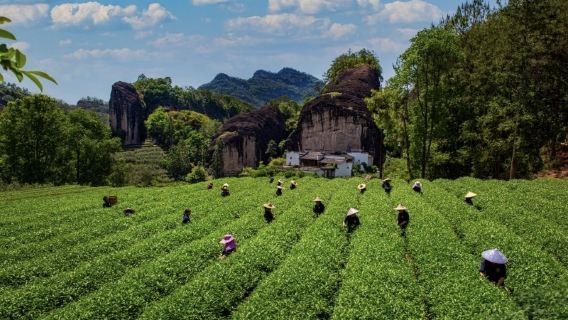
5.0/5
· 5 reviews· 48 bookedInstant confirmation
FromPKR 9,395.33
4.5/5
· 4 reviews· 45 bookedFree cancellation
Instant confirmation
FromPKR 9,865.09
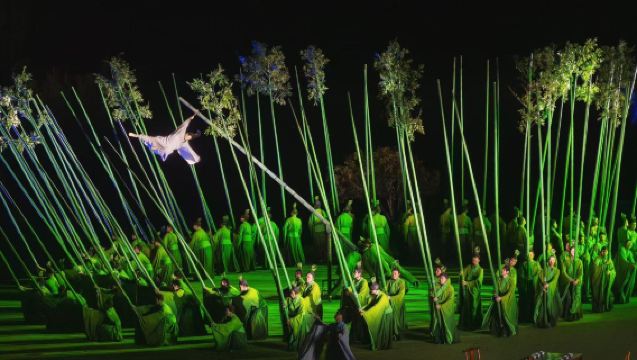
5.0/5
· 1 review· 22 bookedFree cancellation
FromPKR 9,838.78

Free cancellation
Instant confirmation
FromPKR 5,167.43
![Xiamen Gulangyu Island Private Half-Day Tour[Flexible Departure + Hustle-Free!]](https://ak-d.tripcdn.com/images/0355512000snu64dc11A4_C_568_320.jpg?_fr=wc)
Free cancellation
Instant confirmation
Save PKR 158.54
FromPKR 15,696.34PKR 15,854.88
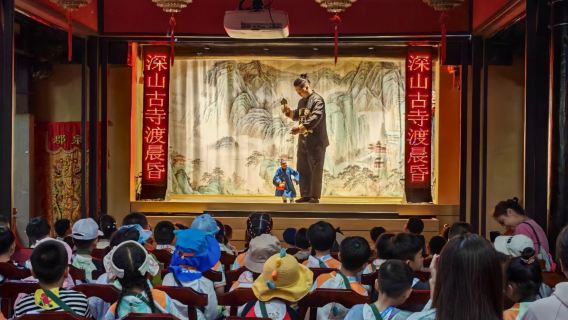
FromPKR 1,653.58
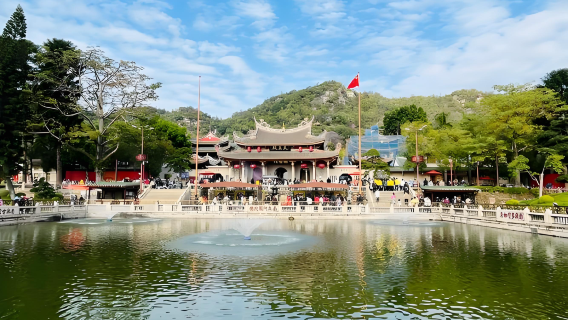
3.0/5
· 1 review· 29 bookedInstant confirmation
FromPKR 1,221.40
Featured Food & drink in Fujian
View all Food & drink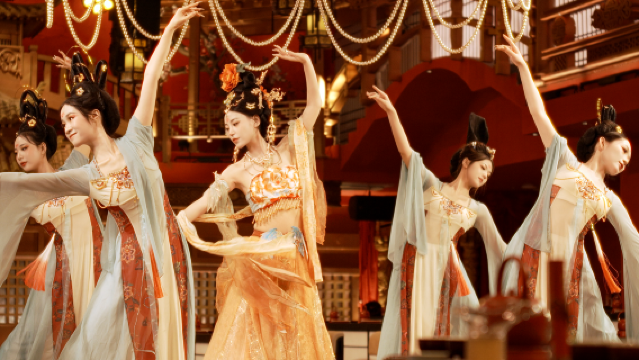

5.0/5
· 12 reviews· 197 bookedFree cancellation
Instant confirmation
Book now for tomorrow
FromPKR 16,453.08
5.0/5
· 3 reviews· 64 bookedFree cancellation
Instant confirmation
Save PKR 69.82
FromPKR 6,911.95PKR 6,981.77
5.0/5
· 4 reviews· 55 bookedFree cancellation
Instant confirmation
Book now for tomorrow
FromPKR 5,704.84

38 booked
Free cancellation
Instant confirmation
Book now for tomorrow
FromPKR 23,067.39
5.0/5
· 9 reviews· 192 bookedFree cancellation
FromPKR 5,787.52
26 booked
Free cancellation
Instant confirmation
Book now for tomorrow
FromPKR 16,453.08
![Kulangsu private tour 1-day tour [Shuzhuang Garden + VIP afternoon tea in Republic of China style + 1-hour travel photo shoot]](https://ak-d.tripcdn.com/images//0581z12000nkcf1y1F6E5_C_568_320.jpg?_fr=wc)
5.0/5
· 11 reviews· 33 bookedFree cancellation
Instant confirmation
Book now for tomorrow
FromPKR 65,522.95
Free cancellation
Instant confirmation
FromPKR 53,741.22
Featured Spa & wellness in Fujian
View all Spa & wellness![[Spa + buffet] Xiamen Huangjia Water Resort: Massage + spa + star-rated buffet](https://ak-d.tripcdn.com/images/0355b12000t0bl2xbD5BC_C_568_320.png?_fr=wc)
4.5/5
· 2 reviewsFree cancellation
Instant confirmation
Save PKR 104.73
FromPKR 10,367.92PKR 10,472.65
![[Foot therapy + buffet] Xiamen Shoujia health club: Foot massage + star-rated buffet](https://ak-d.tripcdn.com/images/0350u12000s7wtp589EB6_C_568_320.jpg?_fr=wc)
5.0/5
· 1 reviewFree cancellation
Instant confirmation
Save PKR 178.22
FromPKR 17,643.66PKR 17,821.88

Save PKR 124.99
FromPKR 12,374.11PKR 12,499.1
Free cancellation
Instant confirmation
Save PKR 56.96
FromPKR 5,638.70PKR 5,695.66
![[Hot spring getaway] Xiamen Shengzhixiang hot spring resort: A leisure experience of nature and hot springs](https://ak-d.tripcdn.com/images/0356a12000syzqvua4095_C_568_320.jpg?_fr=wc)
Free cancellation
Instant confirmation
Save PKR 74.42
FromPKR 7,366.68PKR 7,441.1
![Xiamen Shengzhixiang hot spring resort half-day tour | Top choice for leisure trips [Private car + tickets]](https://ak-d.tripcdn.com/images/0350312000syzr2645176_C_568_320.jpg?_fr=wc)
Free cancellation
Instant confirmation
Save PKR 149.79
FromPKR 14,829.67PKR 14,979.46

Free cancellation
Instant confirmation
Save PKR 114.84
FromPKR 11,368.33PKR 11,483.17
Free cancellation
Instant confirmation
Book now for tomorrow
Save PKR 165.84
FromPKR 16,418.56PKR 16,584.4
Featured Outdoor experiences in Fujian
View all Outdoor experiences
4.9/5
· 19 reviews· 155 bookedFree cancellation
Instant confirmation
Book now for tomorrow
69 travelers saved
FromPKR 20,628.36
4.8/5
· 4 reviews· 33 bookedFree cancellation
Instant confirmation
Save PKR 153.2
FromPKR 15,166.70PKR 15,319.9

4.9/5
· 71 reviews· 740 bookedFree cancellation
Instant confirmation
Book now for tomorrow
28 consecutive positive reviews
FromPKR 43,406.37

Xiamen Island Ring Road + Jimei University Village + Sea Train + Shapowei + Nanputuo Temple Day Trip
4.7/5
· 32 reviews· 216 bookedFree cancellation
Instant confirmation
Book now for tomorrow
90.6% of travelers recommend
FromPKR 44,977.27
Free cancellation
Instant confirmation
Save PKR 168.28
FromPKR 16,659.29PKR 16,827.57
4.3/5
· 9 reviews· 45 bookedFree cancellation
Instant confirmation
Book now for tomorrow
Save PKR 116.73
FromPKR 11,555.58PKR 11,672.31
Free things to do in Fujian
Wuyishan National Park
China · WuyishanImmediate access, Book now for today, Cancel anytimePingtan Island
China · Pingtan CountyThree Lanes And Seven Alleys
China · FuzhouQuanzhou Kaiyuan Temple
China · QuanzhouSouth Shaolin Temple
China · Quanzhou
Xiamen University (Siming Campus)
China · Xiamen
Dongshan Island
China · Dongshan County
Nanputuo Temple
China · Xiamen
China Wuyi Tea Exhibition Garden
China · Wuyishan
The Jimei School Village
China · Xiamen
More ways to travel from Fujian
Private Tours in Fujian
View More Private Tours in Fujian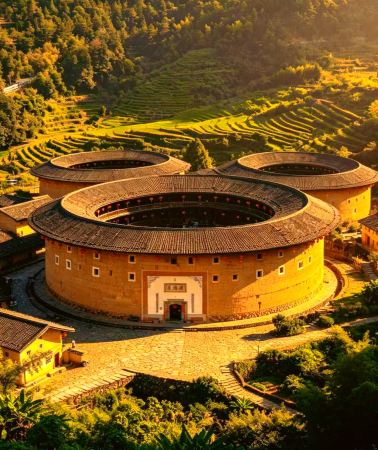

Group Tours in Fujian
View More Group Tours in Fujian


What travelers say about Fujian

Anonymous userOctober 9, 2026
5.0
Early autumn on Gulangyu Island in October is gentle and pleasant. An immersive stroll through the entire island, visiting numerous key attractions, offers a healing and fulfilling island journey where natural scenery, cultural heritage, and artistic atmosphere intertwine.
Climbing to the summit of Sunlight Rock, the highest point on the island, is the biggest visual surprise of the trip. Ascending the steps, lush greenery and ancient stones line the path. From the top, one can overlook the red-tiled villas and winding streets of Gulangyu, surrounded by the azure sea. The cityscape of Xiamen on the opposite shore is clearly visible, a breathtaking panorama where mountains, sea, and city merge seamlessly. All the fatigue from the climb instantly disappears.
Shuzhuang Garden perfectly blends the charm of Jiangnan gardens with coastal scenery. The Forty-Four Bridges, built along the sea, meander across the water. The ingenious design of the seascape is unique, offering picturesque views at every turn. The garden is tranquil and elegant, with sea breezes flowing through the corridors, showcasing the unique charm of an island garden. Adjacent to the island, Haoyue Garden stands by the sea, its majestic Zheng Chenggong statue towering above the water, exuding grandeur and combining natural seascape with a profound sense of history, creating a captivating atmosphere.
The cultural experiences on this trip were particularly outstanding. The Gulangyu Palace Museum's cultural exhibition boasts exquisite collections; the quietly displayed artifacts tell stories of centuries of court exchanges, adding a rich historical dimension to the island's charm, allowing for an immersive experience of traditional culture. The most moving experience was undoubtedly the pipe organ performance; the magnificent and melodious tunes resonated throughout the retro-style venue, their rich and soothing tone providing an immersive auditory feast that perfectly embodied the artistic romance of this "Piano Island."
A leisurely day trip allowed for a harmonious blend of mountain and sea scenery, classical gardens, historical artifacts, and elegant music. Gulangyu is more than just a trendy island; it's a hidden gem, brimming with local life, art, and history. Every step reveals gentle surprises and delights, making for a truly unforgettable experience.
Kulangsu

沈墨凡October 13, 2026
5.0
There's no excessive commercialization, and the bamboo raft boatmen are quite interesting and don't charge extra. A special shout-out to the "One Line Sky"! Having climbed countless "One Line Skys" across the country, only this one is truly authentic!! A place where you can calmly focus on the scenery, a truly peaceful and beautiful landscape.
Wuyishan National Park

吃一朵玫瑰花叭~~September 19, 2026
5.0
The 68-nautical-mile scenic area is well worth a visit. It's the closest point between mainland China and Taiwan. Be careful not to cross the yellow lines marked in the scenic area, as it can be dangerous. The staff are very responsible and will blow whistles to warn you if you cross the yellow lines. It's a great place for taking photos, and it's not too hot to walk around in the scenic area right now.
Pingtan Island

🌸 无心🌸October 9, 2026
5.0
Parking at the South Gate underground parking lot is convenient; take the elevator directly to the ticket checkpoint. After entering the park, walk a few hundred meters to take the escalator directly to the South Gate viewing platform for a beautiful panoramic view of the Dadan Islands. Afterwards, you can take a sightseeing bus to the succulent plant area and the tropical rainforest; the tour isn't too tiring. The downside is that the sightseeing bus and elevator stop operating at 5:30 PM.
Xiamen Botanical Garden
Anonymous userOctober 9, 2026
5.0
Visiting the Zhonggu Cableway in early October, with its clear skies and gentle breezes, offered the perfect opportunity to experience the breathtaking aerial views, far removed from the sweltering heat of midsummer. The Zhonggu Cableway traverses the Wanshi Mountain forest, and the gentle ascent in the cable car provides a unique and immersive experience, offering panoramic views of Xiamen from above.
The cable car cabins are open-plan, offering unobstructed views. As the cable car slowly ascends, lush subtropical forests line both sides, their verdant foliage and fresh mountain air filling the air. With each ascent, the view gradually expands, revealing the verdant Zhonggu Mountain range nearby, and in the distance, the red-tiled roofs of Xiamen's old town, along with the high-rise buildings and the bay, unfolding in a harmonious tapestry. Reaching the highest point, one can gaze upon Gulangyu Island and the boundless sea, taking in the panoramic view of the city, mountains, and azure ocean blending seamlessly into a breathtaking panorama.
The entire journey takes approximately forty minutes one way, with a smooth and leisurely ride, ideal for savoring the scenery at a leisurely pace. Along the way, you'll see towering boulders in the valleys and forest trails, with constantly changing mountain scenery from different angles. Compared to hiking, the cable car saves you the effort of climbing, yet offers a panoramic view unmatched by ordinary observation decks.
The only drawback is the long queues during peak hours; it's recommended to travel during off-peak times. The cabins offer no shade, so remember to wear sunscreen when the sun is strong. Sitting in the cable car, with the mountain breeze in your ears and overlooking the entire city, you'll feel incredibly relaxed.
The Zhonggu Cableway is more than just a transportation route; it's a window into the panoramic view of Xiamen's mountains and sea. Here, the wild beauty of the mountains and the coastal cityscape converge, allowing you to experience the tranquility of nature while enjoying breathtaking urban views. If you're tired of the bustling city streets, climbing here and gazing at the unique mountain and sea scenery of Xiamen from mid-air is a pleasant and unforgettable experience.
Zhonggu Cableway

数羊小狗October 9, 2026
5.0
When visiting Fuzhou, a leisurely stroll through the Three Lanes and Seven Alleys is a must. Walking on the cool cobblestone streets, looking up at the staggered saddle-shaped walls, white walls and gray tiles, you'll see the quintessential old Fuzhou.
No need to rush to see the must-see spots; just wander into any alley, and you'll find ancient houses and courtyards brimming with stories. The streets are bustling with the aroma of everyday life—meat dumplings, fish balls, and peanut soup fill the air—a truly blissful experience as you stroll and savor the delicious treats.
Three Lanes And Seven Alleys

M12***74October 8, 2026
5.0
Surrounded by green mountains, the Changjiao River flows through the village. The ancient earthen buildings and towering banyan trees are full of charm. Away from the hustle and bustle, stroll along the ancient paths and immerse yourself in the leisurely years of an ancient Minnan village.
Yunshuiyao Ancient Town

菁菁 者莪July 23, 2026
5.0
Kaiyuan Temple, a thousand-year-old temple, boasts imposing twin pagodas and towering banyan trees, offering a tranquil escape from the bustling city. Just a wall away lies West Street, a vibrant hub of activity, with its exquisitely carved ancient buildings that blend the diverse cultures of the Maritime Silk Road, making it a worthwhile destination to savor and appreciate the rich heritage of Quanzhou.
Quanzhou Kaiyuan Temple

Dr12bOctober 4, 2026
4.0
This is a small attraction. We visited the place when it was just opened in the morning. We found the visit more pleasant as there were fewer visitors and it was easier for you to take photographs. Plus you can take photographs of early morning sun. Do wear some mosquito repellent during summer as they would welcome you as early visitors.
Xianrenjing

300***34October 7, 2026
5.0
The performance, priced at around seventy yuan, was well worth it. The Shaolin monks all gave their all, and the applause was constant throughout the performance. This was not only an affirmation of their performance but also a praise and expression of confidence in the spirit of traditional Chinese martial arts. There was especially a cute little monk, about four or five years old, who could even make a hand gesture, eliciting constant laughter.
South Shaolin Temple
Frequently asked questions
What are the must-do things in Fujian?
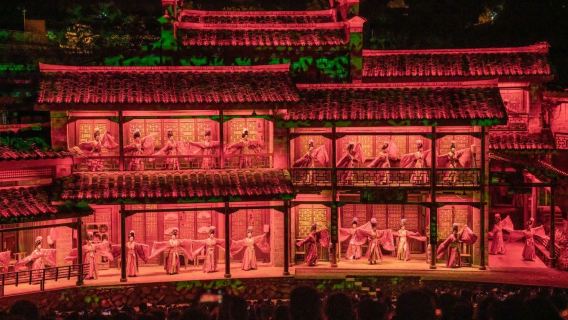
Don't miss these attractions in Fujian: Kulangsu, Wuyishan National Park, and Pingtan Island. If you like Cultural experiences, try Wuyishan Shijiamingyuan tea picking experience (immersive tea picking + handmade tea fragrance + intangible cultural heritage tea making). If you enjoy Food & drink, try Fuzhou "Imperial Banquet Immersive Chinese Cultural Feast" (Intangible Cultural Heritage Cuisine + Dance Performance + Tang Dynasty Historical Experience) | Lunch/Dinner Options Available | Makeup/Photographer Services Optional.
What are the must-try foods and restaurants in Fujian?
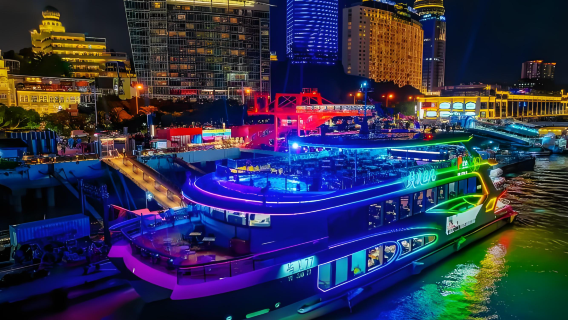
You can give Fuzhou "Imperial Banquet Immersive Chinese Cultural Feast" (Intangible Cultural Heritage Cuisine + Dance Performance + Tang Dynasty Historical Experience) | Lunch/Dinner Options Available | Makeup/Photographer Services Optional and Lujiang Yujian 77: Xiamen Night Magic-Luxury Cruise+Breathtaking Harbor Views & Cuisine a try. Before you go, please check their opening hours and menus online. Reservations are recommended, especially during peak hours.
How can I contact Trip.com customer support?
Get help anytime, anywhere within 30 secondsContact customer support
Can I change or cancel my booking?
Change and cancellation policies vary by attractions and tours. Please check the product details page for more information.
How can I get discounted prices?
Ticket prices may vary between weekdays and weekends, as well as during peak and off-peak seasons. When booking with Trip.com, you can also use Trip Coins to get extra savings. For more tips on booking discounted tickets, please visit Trip.com for the latest information.
Trip.com picks
Popular cities in China
Top Tours in Fujian
Best Experiences in Fujian
Recommended Car Rentals in China
Things to do in ChengduThings to do in SanyaThings to do in YangshuoThings to do in BeijingThings to do in TaipeiThings to do in SuzhouThings to do in ShanghaiThings to do in HangzhouThings to do in JiuzhaigouThings to do in GuangzhouThings to do in DujiangyanThings to do in HarbinThings to do in ShenzhenThings to do in ZhangjiajieThings to do in Chongqing
Hangzhou Private Day Tour to Putuo Mountain Scenic Area: Private Car Service+ TicketSalida desde Shanghái : Shanghái - lugar pintoresco del monte Putuo Salida desde Zhoushan: retiro de meditación de un día en el Monte PutuoFujian Sports & AdventureFujian Cultural ExperienceFujian Group ToursFujian Costume ExperienceFujian SIM CardFujian Travel ServicesFujian Day ToursFujian ActivitiesFujian TransportationFujian Connectivity SolutionsFujian Yacht CharterZhoushan Day ToursCar rentals in MacauCar rentals in BeijingCar rentals in Hong KongCar rentals in TaichungCar rentals in ShenzhenCar rentals in ShanghaiCar rentals in TaipeiCar rentals in Kaohsiung