
Things to do in Tibet
Explore top experiences
Top 10 attractions in Tibet




Traveler favorites curated for you


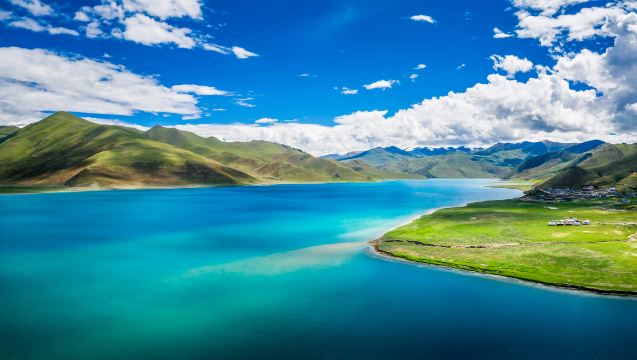
 8D7N • Lhasa + Nyingchi + Basomtso + Yamdrok Yumtso + Namtso + Potala Palace
Enjoy an exclusive journey with a private car and guide throughout as you explore Tibet's history and sacred plateau lakes and experience the true essence of Tibet. | Stay at carefully selected oxygen-enriched hotels in downtown Lhasa, with complimentary consultation for upgrades to Shangri-La or The St. Regis. | Travel with authentic Tibetan experts, including veteran local drivers and guides, and enjoy oxygen-supported journeys, customizable tours, and seamless support throughout your holiday.From TWD 73,346

4D3N • Flight and Train Ticket Bookings Available: Tibet + Lhasa + Potala Palace + Jokhang Temple + Sera Monastery + Drepung Monastery
Flight and train ticket bookings can be arranged; customizable itineraries are available. Enjoy Tibetan gifts, travel maps, airport and train transfers, and medical oxygen in vehicles. | Enjoy a complimentary welcome dinner in Lhasa and a sweet-tea experience on Barkhor Street. | Discover Lhasa's top sights in one trip, including Potala Palace, Jokhang Temple, Barkhor Street, and Sera and Drepung Monasteries.From TWD 20,990
Experiences you can't miss in Tibet
Featured Day tours in Tibet
View all Day tours
10% off
Limited-time sale
FromTWD 51,980TWD 57,756

4.6/5
· 8 reviewsFree cancellation
Book now for tomorrow
5% off
Limited-time sale
FromTWD 1,056TWD 1,112

5.0/5
· 7 reviewsFree cancellation
Book now for tomorrow
5% off
Limited-time sale
FromTWD 12,647TWD 13,313
4.5/5
· 16 reviewsFree cancellation
Book now for tomorrow
5% off
Limited-time sale
FromTWD 9,474TWD 9,973
More things to do
Private Tours in Tibet
View More Private Tours in Tibet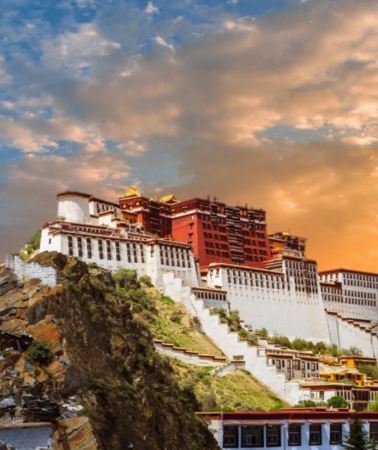

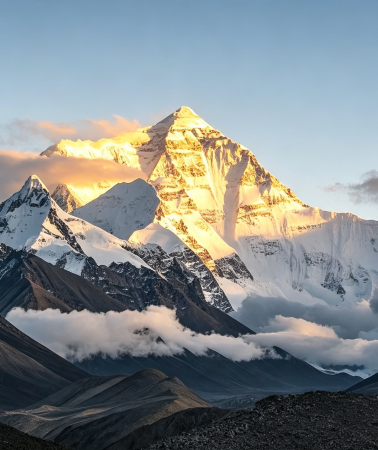

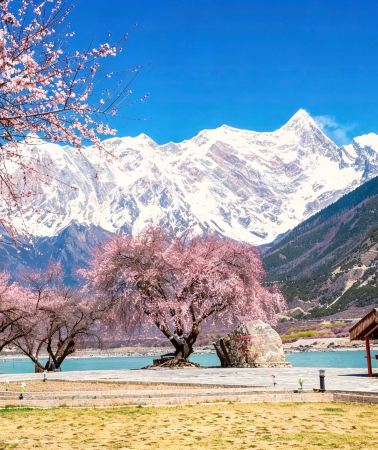
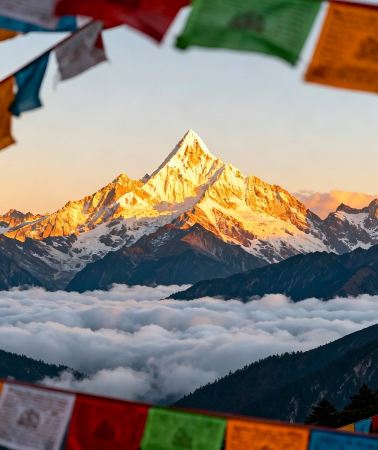
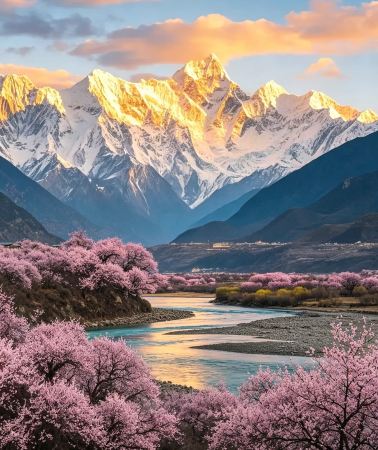
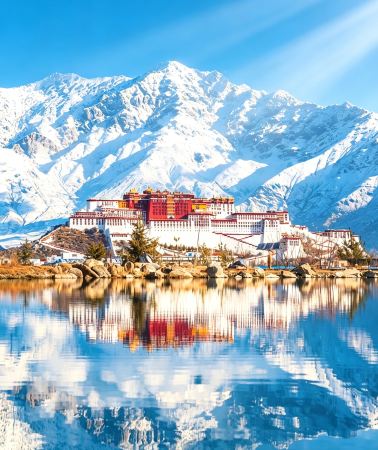
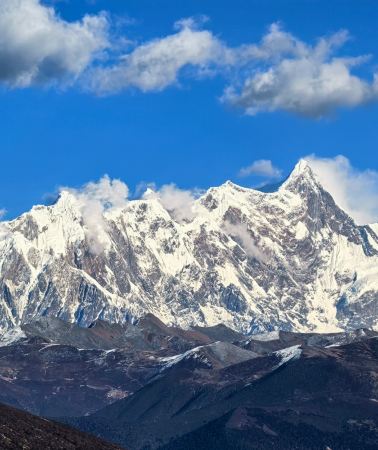
Group Tours in Tibet
View More Group Tours in Tibet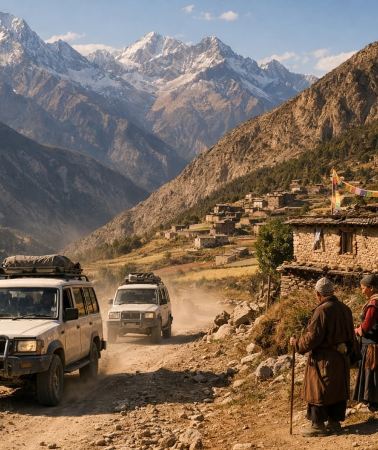
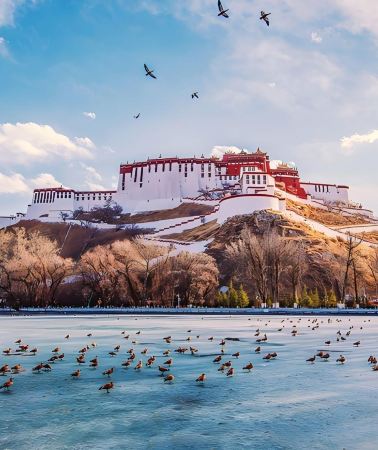
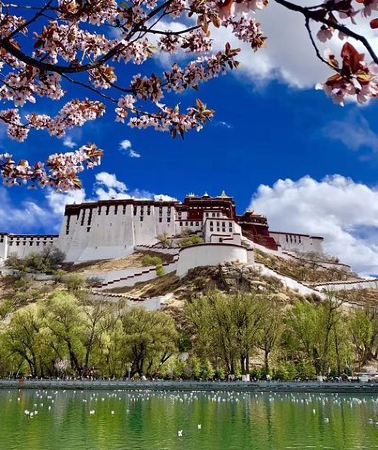
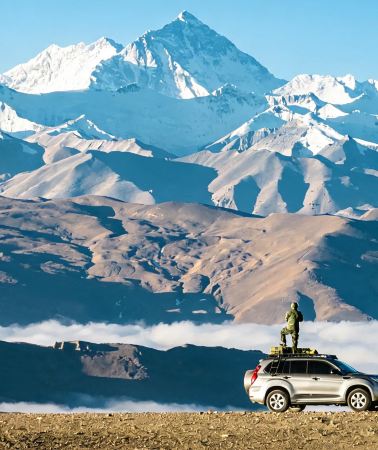

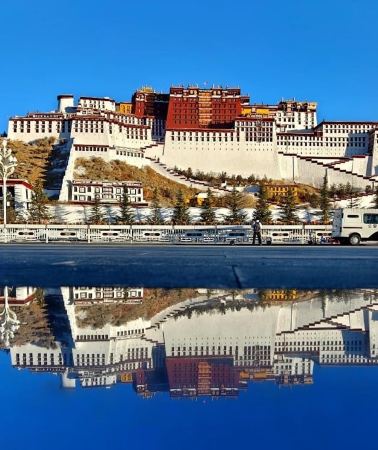
Free things to do in Tibet


What travelers say about Tibet

M29***03September 30, 2026
5.0
Our tour guide, Mr. Cheng, was very handsome, gave a very detailed explanation, and had excellent service. If you have the chance, you must experience the charm of the Potala Palace. Highly recommended! 👍👍👍
Potala Palace

M22***09October 16, 2025
5.0
You can't drive in, you can only take the scenic area's sightseeing bus. This is necessary to protect the ecological environment, so support it!
The lake is huge, with varying shades of blue from shallow to deep. There are many birds around the lake, and it's truly beautiful. A must-see when you're in Lhasa.
Namtso National Park

设拉子楚庄王October 21, 2026
5.0
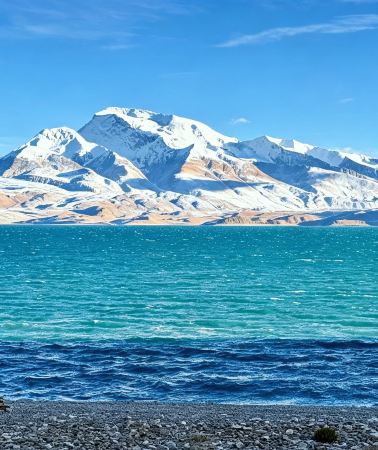
The shuttle bus takes an hour round trip. The scenery is quite beautiful, different from Yamdrok Lake; it's more like the sea, but the colors are stunning. It's windy, so remember to wear warm clothes. The cattle are exceptionally clean and very docile.
Namtso

Anonymous userOctober 26, 2026
5.0
The experience was excellent, with no hidden costs. The driver, Xiao Hei, explained everything throughout the trip and was very enthusiastic. He helped open the car door when we got in and out, and even stopped the car during the journey to let us take photos. He didn't rush us at all.
Basomtso
Anonymous userOctober 29, 2026
5.0
The Yarlung Tsangpo Grand Canyon is incredibly magnificent, with the river rushing forward. I was fortunate enough to see the summit of Namcha Barwa emerging from the water. The snow-capped mountains and the canyon reflected each other, and the immense power of nature struck my heart. I must come here in my lifetime!
Yarlung Zangbo Grand Canyon

闲庭漫步30October 16, 2026
5.0
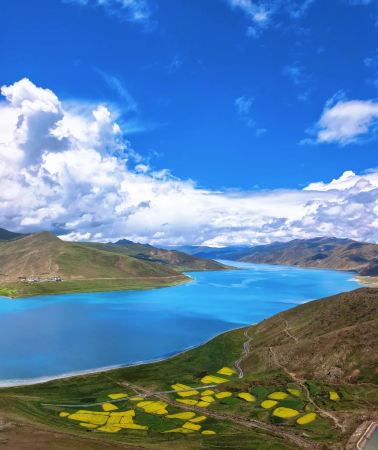
The experience was excellent. It's so convenient for tourists who don't drive to get to Yamdrok Lake. The driver was also very nice and made sure to stop at each viewpoint for a good amount of time so that tourists could enjoy the view and take photos. Thumbs up!
Yamdrok Yumtso

李肢强October 8, 2026
5.0
Visiting Jokhang Temple again after many years, the entrance has been significantly improved, making it look more like a proper tourist attraction. The interior remains the same, but the management is more comprehensive; however, the third floor is no longer open to the public. It's a must-see attraction on any trip to Lhasa.
Jokhang Temple

139***62October 29, 2026
5.0
Because it was the off-season, the staff were noticeably less attentive. Also, it was raining when we went, so we didn't see the sunrise over the mountains, and the water was quite murky. The experience wasn't great, and I felt the scenery wasn't worth the price.
Mount Namcha Barwa
Anonymous userJuly 31, 2026
5.0
When visiting Lhasa, seeing the Princess Wencheng Theater is a must-do attraction. The theater is quite large, with a museum nearby, and the Potala Palace is visible in the distance directly opposite. It's definitely worth a visit.
Princess Wencheng Theater
Anonymous userOctober 7, 2026
4.0
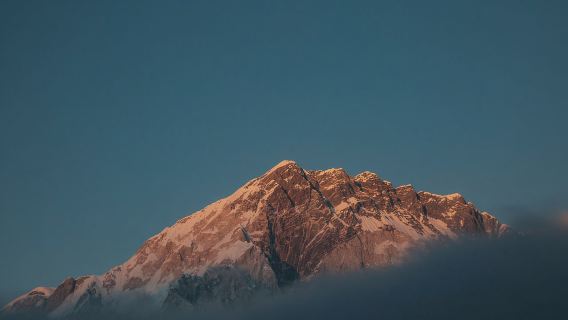
The scenery was stunning; we were lucky with the weather and managed to capture the golden sunrise over the mountains and the Milky Way. However, aside from taking photos, the long drive was exhausting, so be aware of altitude sickness and the need for wind protection and warmth. Other services were limited, and there wasn't much to do, making it less convenient. Overall, it's worth a visit!
Mt Qomolangma Base Camp
Trip Moments in Tibet


Tibet travel guides


Frequently asked questions
What are the recommended tours and excursions in Tibet?
When choosing a tour, start with how much time you have and the kind of experience you're looking for. Trending options right now include Sichuan-Tibet Highway: An Adventure Across the Roof of the World, Shared Jeep Transfer from Kathmandu to Salleri, and Kathmandu: Mt Everest Scenic Flight by plane (window seat). Check the real-time availability and itinerary before you book.
What's the typical cost of day tours and activities in Tibet?
As of November 2, 2026, the reference price for day tours and activities in Tibet is around TWD 1,056 – TWD 51,980. Rates vary by duration, group size, transportation, tickets, meals, and any special admission requirements. Before you book, please confirm the billing currency and whether the price is quoted per person or per group.
How can I contact Trip.com customer support?
Get help anytime, anywhere within 30 secondsContact customer support
Can I change or cancel my booking?
Change and cancellation policies vary by attractions and tours. Please check the product details page for more information.
How can I get discounted prices?
Ticket prices may vary between weekdays and weekends, as well as during peak and off-peak seasons. When booking with Trip.com, you can also use Trip Coins to get extra savings. For more tips on booking discounted tickets, please visit Trip.com for the latest information.
Trip.com picks
Popular cities in China
Top Tours in Tibet
Best Experiences in Tibet
Recommended Car Rentals in China
Things to do in ChinaThings to do in SanyaThings to do in ChongqingThings to do in ZhuhaiThings to do in ShenzhenThings to do in TaipeiThings to do in JiuzhaigouThings to do in HangzhouThings to do in YulongThings to do in DujiangyanThings to do in ZhangjiajieThings to do in MacauThings to do in QingdaoThings to do in YangshuoThings to do in Beijing
Explore Shenzhen with ex-employees from tech industry: Drones, EVs, Wearable devices...Shenzhen Tour Panorámico del Paisaje UrbanoExperiencia de medio día en tecnología futurista de Shenzhen | Robots + entrega con drones private car transfer + flexible itinerary + customizableShenzhen Coastal Life: Food, Art & Sea View WalkGuangzhou departure - Shenzhen Rose Coast + Judiaosha Beach 1-day tour with bilingual service Excursión privada de un día en Shenzhen: Spa termal de Aquila, actividades DIY para familias y juegos recreativosShenzhen, China: Private charter 1-day tour | Customizable itinerary | Adjustable attractions | Travel with peace of mindShenzhen 1-day tour to rose coast + Judiaosha Beach + Yangmeikeng with Chinese/English serviceTour de un día por la tecnología avanzada de Shenzhen: Mercado electrónico, conducción autónoma y arte digitalShenzhen Private Day Tour: Overseas Chinese Town East Valley & Dameisha Coastal ParkShenzhen Xuyan Chang'an Ode: 360° Tang Immersive Dinner Show1-Day Shenzhen Sightseeing Tour –Dameisha Beach, Chung Ying Street & Other Attractions/ Shared Group Tour or Private Charter AvailableExcursión de medio día tecnológico en Shenzhen | Tecnología de conducción autónoma | DJI | Tienda insignia Inno100Instructor oficial contratado en el Mundo de Nieve Qianhai de Shenzhen Shenzhen Bus TicketsTibet Local Tour GuidesShenzhen City PassShenzhen ActivitiesShenzhen Travel ServicesWellness & Spa in ShenzhenShenzhen Flight ExperienceShenzhen SurfingShenzhen Day ToursShenzhen Shopping DiscountsShenzhen Cultural ExperienceTibet Connectivity SolutionsShenzhen Spa & MassageTibet Group ToursTibet Airport ServicesCar rentals in ShenzhenCar rentals in KaohsiungCar rentals in Hong KongCar rentals in ShanghaiCar rentals in TaipeiCar rentals in BeijingCar rentals in TaichungCar rentals in Macau