China Where to Visit: Top 15 China Destinations and When to Go

Contents
- China Where to Visit at a Glance
- The Best Places to Visit in China
- Beijing: Palaces, Walls and Imperial Scale
- Shanghai: Skyline, Art Deco and Day Trips
- Xi'an: The Terracotta Army and the Silk Road
- Chengdu: Pandas, Teahouses and Sichuan Food
- Chongqing: The Vertical Megacity
- Guilin and Yangshuo: The Karst Landscape
- Hangzhou: West Lake and Tea Country
- Suzhou: Gardens and Canals
- Zhangjiajie: Avatar Mountains
- Nanjing: Ming Walls and Republican History
- Lijiang: Old Town and Snow Mountain
- Harbin: China's Ice City
- Xiamen: Gulangyu and the Fujian Coast
- Qingdao: Beer, Beaches and Bavarian Streets
- Sanya: Tropical Beaches in Winter
- Where to Visit in China by Month
- January: Ice Festivals and a Warm South
- February: Spring Festival and Ski Season
- March: Yunnan Blooms and Jiangnan Spring
- April: Classic China at Its Best
- May: Go Early, Then Head West
- June: Dragon Boat Season and Green Landscapes
- July: Escape the Heat in the Mountains
- August: Coast and the Far West
- September: The East Cools Down
- October: Wait for Golden Week to End
- November: The South at Its Finest
- December: Cold North, Warm South
- Where to Stay in China
- More China Travel Guides
Show more
China is roughly the size of a continent, so the honest answer to "where should I go in China?" depends on how much time you have and which month you can travel. A first trip usually means Beijing's imperial core, Xi'an's terracotta army and one big landscape — the karst peaks of Guilin, the sandstone pillars of Zhangjiajie or the beaches of Hainan.
This guide narrows China down to 15 destinations worth planning a trip around, explains what makes each one worth the detour and lists the sights you should not skip. It then flips the question around and shows where to go in China month by month, because weather, crowds and scenery change dramatically between Harbin's ice festivals in January and Sanya's beach season in December.
The table below is the short version: which city suits which season, and the one sight that justifies the trip. Use it to shortlist two or three bases, then read the city sections for the detail.
| City | Best months | Why go | Don't miss |
|---|---|---|---|
| Beijing | April–May; September–October | Imperial palaces, the Great Wall and the country's best museums | Forbidden City, Mutianyu Great Wall, Temple of Heaven |
| Shanghai | March–May; September–November | China's most cosmopolitan skyline and easiest city to navigate | The Bund, Yu Garden, former French Concession |
| Xi'an | April–May; September–October | Start of the Silk Road and the Terracotta Army | Terracotta Army, City Wall, Muslim Quarter |
| Chengdu | March–June; September–November | Pandas, teahouses and the gateway to western Sichuan | Panda Base, Wuhou Shrine, Leshan Giant Buddha |
| Chongqing | March–May; September–November | A vertical, neon-lit megacity on the Yangtze | Hongya Cave, Liziba monorail, Wulong Karst |
| Guilin | April–May; September–October | The classic karst river landscape of Chinese painting | Li River cruise, Yangshuo, Longji Rice Terraces |
| Hangzhou | March–May; September–November | Tea hills, temples and a lake that has inspired poets for centuries | West Lake, Lingyin Temple, Longjing tea villages |
| Suzhou | April–May; September–November | Classical gardens and canals, an hour from Shanghai | Humble Administrator's Garden, Pingjiang Road |
| Zhangjiajie | April–June; September–October | Quartz-sandstone pillars that inspired Avatar | Wulingyuan, Tianmen Mountain, Glass Bridge |
| Nanjing | March–May; September–November | Ming and Republican history without the capital's crowds | Sun Yat-sen Mausoleum, Ming City Wall, Confucius Temple |
| Lijiang | March–May; September–November | A UNESCO old town at the foot of a snow mountain | Lijiang Old Town, Jade Dragon Snow Mountain |
| Harbin | December–February; July–August | China's ice city, with the world's biggest ice-sculpture festival | Ice and Snow World, St Sophia Cathedral, Central Street |
| Xiamen | March–May; October–November | Colonial-island charm, seafood and a subtropical coast | Gulangyu, Nanputuo Temple, Fujian tulou |
| Qingdao | May–October | Beer, beaches and German-era architecture on the Yellow Sea | Tsingtao Brewery, Badaguan, Mount Lao |
| Sanya | November–April | Tropical beaches and resort comfort when the north freezes | Yalong Bay, Wuzhizhou Island, Nanshan Temple |
Most first-time itineraries combine two or three of these cities by high-speed rail. If you want a ready-made route, our 7-day China itinerary and 2-week China itinerary already sequence Beijing, Xi'an, Chengdu, Guilin and Shanghai.
Each entry below explains why the destination earns a place on a China trip, what to see there and when it works best. City names link to the full Trip.com destination guides, where you can check hotels, transport and current opening hours.

Beijing is where most China trips start, and for good reason: no other city packs imperial architecture, world-class museums and a Great Wall section within day-trip distance. Allow at least three full days, more if you want the hutongs and the 798 art district at an unhurried pace.
Must-see: the Forbidden City, the Temple of Heaven, the Summer Palace, a hutong walk around Nanluoguxiang or Shichahai, and one Great Wall section — Mutianyu for fewer crowds and the toboggan descent, Badaling for the easiest train access.

 Worth the visit, though we were told this is the less busy section at the time of booking. I think China in general has went through a travel boom so it was pretty busy. Still, if you are deciding to go to Mutianyu section they were very helpful in how to get around and booking tickets you need on the bus. They take you to a lounge area for trip.com which you can get starbucks and it like a small cafe.
Mutianyu is the most rewarding Great Wall section for a first visit: restored ramparts, forest views and a toboggan run back down.
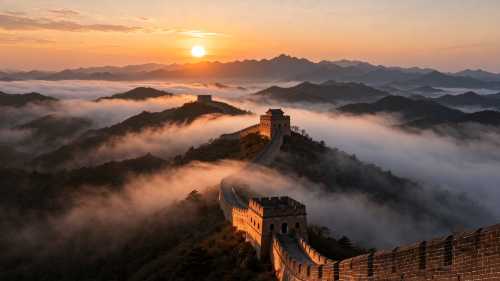
This ticket bundle includes the shuttle bus that connects the visitor centre to the cable car station.
Spring (April–May) and autumn (September–October) bring clear skies and comfortable walking weather; summer is hot and humid, winter is dry and cold but very quiet. Read our Great Wall guide before choosing a section, and our Peking duck guide before booking dinner.

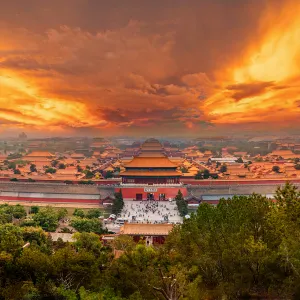

Book Forbidden City tickets in advance: daily numbers are capped and the palace is closed on Mondays.
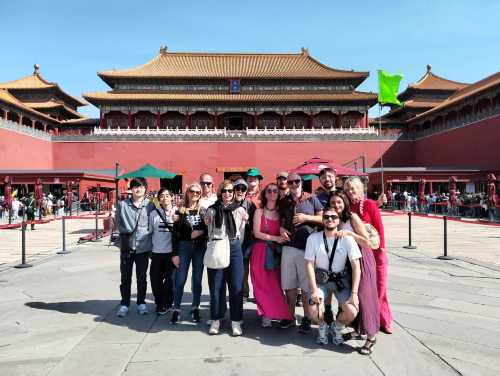
Two more Beijing classics deserve their own half-day: the Temple of Heaven and the Summer Palace.
Shanghai is the easiest introduction to China for a first-time visitor: an efficient metro, English-friendly hotels and a walkable historic core. It is also the best base for the water towns of the Yangtze Delta.
Must-see: the Bund at dusk, Yu Garden and the old town, the plane-tree streets of the former French Concession, the Shanghai Museum, and a half-day in Suzhou or Zhujiajiao if you want canals without the crowds. Families usually add Shanghai Disneyland.
Spring and autumn are ideal; July and August are hot, sticky and busy with domestic school holidays. Shanghai pairs naturally with Hangzhou and Suzhou on a five- to seven-day loop.
Xi'an was the capital of thirteen dynasties and the eastern end of the Silk Road, and it still feels like an open-air history museum. Two full days cover the essentials; three let you slow down in the Muslim Quarter.
Must-see: the Terracotta Army (go early, hire a guide), cycling the Ming City Wall, the Great Mosque and Muslim Quarter food streets, the Big Wild Goose Pagoda, and the Shaanxi History Museum for context.
April–May and September–October are the sweet spots. Xi'an is four to five hours from Beijing by high-speed rail and connects easily onward to Chengdu; our guide to buying train tickets explains the booking process.
Chengdu is China at its most relaxed. The city is famous for giant pandas, but the real appeal is the pace: bamboo teahouses, spicy hotpot and day trips to mountains and Buddha statues.
Must-see: the Chengdu Research Base of Giant Panda Breeding (arrive at opening, when the pandas are active), Wuhou Shrine, Jinli and Kuanzhai alleys, and a day trip to the Leshan Giant Buddha or Mount Emei.
March–June and September–November are comfortable; summer is hot and humid. Chengdu is also the gateway to Jiuzhaigou and western Sichuan. For more panda options across the country, see our panda parks guide.
Chongqing is the most cinematic city in China: monorails run through apartment blocks, streets stack eight levels high and the riverside glows neon after dark. It is also the home of the fiery hotpot that bears its name.
Must-see: Hongya Cave at night, the Liziba monorail station, Ciqikou old town, the Yangtze River cableway, and a day trip to the Wulong Karst. A Yangtze cruise downstream to the Three Gorges starts here.
Spring and autumn are best; the city is famously hot in July and August. Chongqing and Chengdu are 90 minutes apart by high-speed rail, so many travellers do both in one trip.
Guilin is the postcard China of limestone peaks, rice paddies and bamboo rafts. The scenery is best outside the city, in Yangshuo and along the Li River.
Must-see: a Li River cruise from Guilin to Yangshuo, cycling the Yulong River valley, Xianggong Hill for sunrise, the Reed Flute Cave, and the Longji Rice Terraces at Ping'an or Dazhai.
April–May brings green terraces and mist; September–October is clear and dry. July and August are hot and crowded. Allow three days minimum, four with the terraces.
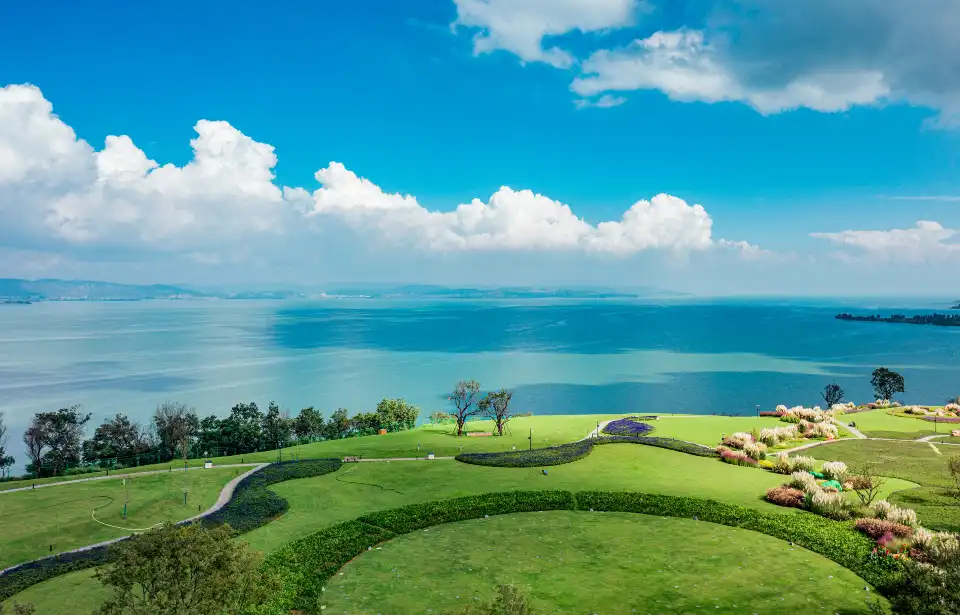
Hangzhou is the most romantic of China's big cities, built around a lake that has been painted, poemed and photographed for a thousand years. It is 45 minutes from Shanghai by high-speed rail, which makes it an easy two-day add-on.
Must-see: a West Lake loop by boat and on foot, Lingyin Temple and the Feilai Feng grottoes, the Longjing tea villages, Hefang Street, and the Xixi wetlands.
March–May for blossoms and tea picking, September–November for crisp air. Avoid the first week of October, when domestic tourism peaks.
Suzhou is the elegant counterpoint to Shanghai: classical gardens, whitewashed houses and stone bridges, and a silk tradition that goes back centuries. It works as a day trip or a relaxed overnight.
Must-see: the Humble Administrator's Garden, the Master of the Nets Garden, Pingjiang Road and Shantang Street, the Suzhou Museum, and a canal boat ride at dusk.
April–May and September–November are ideal. Suzhou is 25 minutes from Shanghai by high-speed train, so it fits neatly into any Yangtze Delta itinerary.
Zhangjiajie's quartz-sandstone pillars are the real-world inspiration for the floating mountains in Avatar, and the scenery is even stranger in person. This is a landscape destination rather than a city break.
Must-see: Wulingyuan Scenic Area (Yuanjiajie and Tianzi Mountain), the Bailong Elevator, Tianmen Mountain and its cliff walkways, the Grand Canyon Glass Bridge, and Fenghuang Ancient Town if you have an extra day.
April–June and September–October are the best windows; summer is hot and rainy, winter can be icy. Our Zhangjiajie itinerary explains how to sequence the parks without wasting days on shuttles.
Nanjing has been a capital six times, and its sights reflect that layering: Ming city walls, the Sun Yat-sen Mausoleum, the Presidential Palace and the solemn Memorial Hall of the Victims in Nanjing Massacre.
Must-see: the Sun Yat-sen Mausoleum and Ming Xiaoling, the Ming City Wall and Zhonghua Gate, the Confucius Temple and Qinhuai River, and the Nanjing Museum.
Spring (plum blossom and cherry blossom) and autumn are the best seasons. Nanjing is about 70 minutes from Shanghai and 3.5 hours from Beijing by high-speed rail.
Lijiang's UNESCO-listed old town is a maze of cobbled lanes, canals and Naxi courtyards at the foot of Jade Dragon Snow Mountain. It is the most atmospheric base in Yunnan.
Must-see: Lijiang Old Town and Black Dragon Pool, Jade Dragon Snow Mountain (book the cable car ahead), Baisha village, and a side trip to Tiger Leaping Gorge or Shangri-La.
March–May and September–November bring clear mountain views; the rainy season runs June–August. Lijiang sits at 2,400 metres, so give yourself a day to acclimatise before heading higher.
Harbin is a winter destination first and foremost: the Ice and Snow World festival builds a temporary city of illuminated ice, and the Russian-influenced architecture looks its best under snow. In summer it is a cool escape from the southern heat.
Must-see: Ice and Snow World (late December to February), the Ice Lantern Festival at Zhaolin Park, St Sophia Cathedral, Central Street, the Songhua River and a day trip to Yabuli for skiing.
December–February for the festival; expect −20°C and below, so pack accordingly. July–August is pleasant and green. If you want to combine the festival with skiing, our China ski resorts guide covers Yabuli and the northern resorts.
Xiamen is a laid-back subtropical port with a car-free colonial island, a lively seafood scene and easy access to the Hakka earth buildings of Fujian.
Must-see: Gulangyu island and its piano museums, Nanputuo Temple, the coastal boardwalk at Huandao Road, Shapowei for coffee and street food, and a day trip to the Fujian tulou clusters.
March–May and October–November are the most comfortable. Ferries to Gulangyu sell out in peak season, so reserve a slot online in advance.
Qingdao mixes German-era red-roofed architecture, a working brewery and some of the best beaches in northern China. It is a relaxed summer city rather than a sight-heavy one.
Must-see: the Tsingtao Brewery museum, Badaguan's villa streets, Zhanqiao Pier and the Old Town, St Michael's Cathedral, and Mount Lao for hiking.
May–October is beach weather; the Qingdao International Beer Festival runs in summer. Spring and autumn are quieter and cheaper.
Sanya is China's tropical resort: warm water, palm-lined bays and a duty-free mall, all on the southern tip of Hainan. It is the obvious choice when the rest of the country is cold.
Must-see: Yalong Bay and Dadonghai for swimming, Wuzhizhou Island for snorkelling, Nanshan Buddhist Cultural Park, and the Yanoda rainforest.
November–April is the dry, sunny season and also the most expensive; May–October is hot, humid and cheaper, with a higher chance of typhoons. Sanya is a natural add-on to a Hong Kong or Guangzhou trip.
China's weather is continental in the north, subtropical in the south and high-altitude in the west, so there is always somewhere at its best. Use this month-by-month guide to match your dates to the right region; if you want a deeper weather breakdown, our best month to visit China guide covers temperatures and packing in detail.
January splits the country in two. Harbin's Ice and Snow World is in full swing, Beijing is cold but crowd-free, and the southern coast — Sanya, Xiamen, Hong Kong — is mild enough for a light jacket. Avoid the last week, when Chinese New Year travel begins.
The Lunar New Year falls in late January or February, bringing the year's biggest domestic travel wave. Book trains and hotels early, or lean into it in a city with lantern fairs. Ski resorts in Harbin, Chongli and Jilin are at their best, and Yunnan stays dry and sunny.
March is when southern China wakes up: rapeseed flowers in Yunnan and Jiangxi, plum and cherry blossoms in Nanjing and Wuhan, tea picking in Hangzhou. The Yangtze Delta is mild and manageable before the spring crowds arrive.
April is arguably the single best month for a first trip. Beijing, Xi'an, Suzhou and Hangzhou are warm and clear, Guilin's terraces are filling with water, and the crowds are still moderate outside the Qingming holiday.
Early May is excellent; the Labor Day holiday (the first few days of the month) is not. After it, head to Sichuan, Yunnan or Gansu as the high-altitude west opens up, or take advantage of long daylight in Beijing and Xi'an.
June brings the Dragon Boat Festival, rice terraces at their greenest and the start of the western travel season. Guilin, Zhangjiajie and Huangshan are lush but wet; Qinghai and Xinjiang are turning into the best-value big-landscape destinations in the country.
Lowland China bakes in July, so follow the locals uphill: Chengdu to Jiuzhaigou, Zhangjiajie's forest parks, Lhasa and the Tibetan plateau, or Harbin and the northeast for cool summer weather. Book mountain hotels well ahead.
August is beach season in Qingdao, Xiamen and Sanya, and the best month for Xinjiang — Kanas, Sayram Lake and the Taklamakan oases. It is also peak domestic holiday time, so expect busy attractions and higher prices.
September is a sweet spot: Beijing and Xi'an lose their heat, Shanghai and Hangzhou become walkable again, and Guilin and Zhangjiajie dry out. Mid-Autumn Festival brings mooncakes and a short travel peak.
The first week of October is National Day Golden Week, when every major sight is at capacity. From the second week onward, October is the best all-round month: clear skies, comfortable temperatures and autumn colour in Beijing, Jiuzhaigou and the Yellow Mountains.
November is the connoisseur's month. Guilin, Xiamen, Yunnan and Hong Kong are dry and mild, autumn foliage peaks around Beijing and Nanjing, and prices fall before the winter holidays. Harbin's ice season has not started yet.
December is for Harbin's ice festival (usually opening in the last week), Beijing's quiet palaces and Sanya's high season. Hotel rates in the south rise around Christmas and New Year, so book early; northern cities are at their cheapest.
Accommodation in China ranges from international five-star towers to courtyard guesthouses in old towns. For a first trip, stay inside the second ring road in Beijing, near the Bund or the French Concession in Shanghai, and inside the city wall in Xi'an; you will spend far less time in traffic.
These three Beijing hotels cover the main styles — a mid-range base near the Forbidden City, a design hotel in the old city and a modern option with easy metro access.
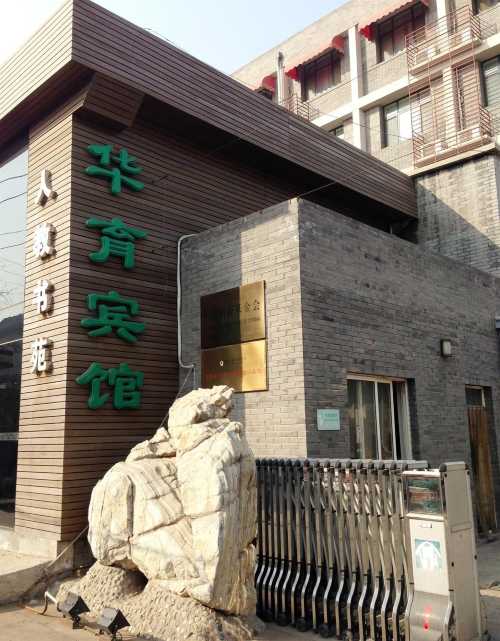
King Parkview Hotel
King Parkview Hotel sits in the hutongs a short walk from the Forbidden City and Jingshan Park.

The PuXuan Hotel and Spa

PuXuan is a quieter luxury choice with a spa and a highly rated restaurant.
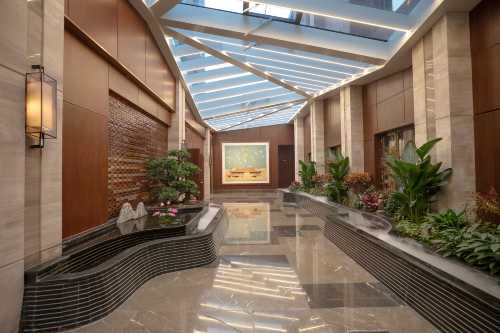
City point hotel(Forbidden city)
 No. 11 of 4-Star Select Hotels in Beijing
City Point offers modern rooms close to the metro for straightforward sightseeing.
Planning the rest of the trip? These guides cover the pieces that trip-planning articles usually skip.
Popular recommendations

7 Reasons to Put Cancun Mexico Into Your Vacation Bucket List.
 _TS***4m

Latest Trip.com Promo Codes, Flight Discounts & Hotel Savings (Weekly Update)
 Trip.com Official

6 Things to know before Exploring the Montmorency Falls, Quebec
_TS***4m
2026 Guide to Shanghai Pudong Airport: Transit Visa & PVG Airport Shuttle
_TS***4m