Are you interested in Tropical Palm Tree Paint Night?
245 people have participated in this
poll
Yes
No
50%
50%
×
已複製至剪貼簿
Type
Activity Categories
Trip.com Ticketing
All types
Exhibitions
Concerts
Cultural Experiences
Conferences
Celebration
Sports & Fitness
Arts
Family Events
Location
All locations
Switzerland
Zurich
Date
PopularityNew Arrivals
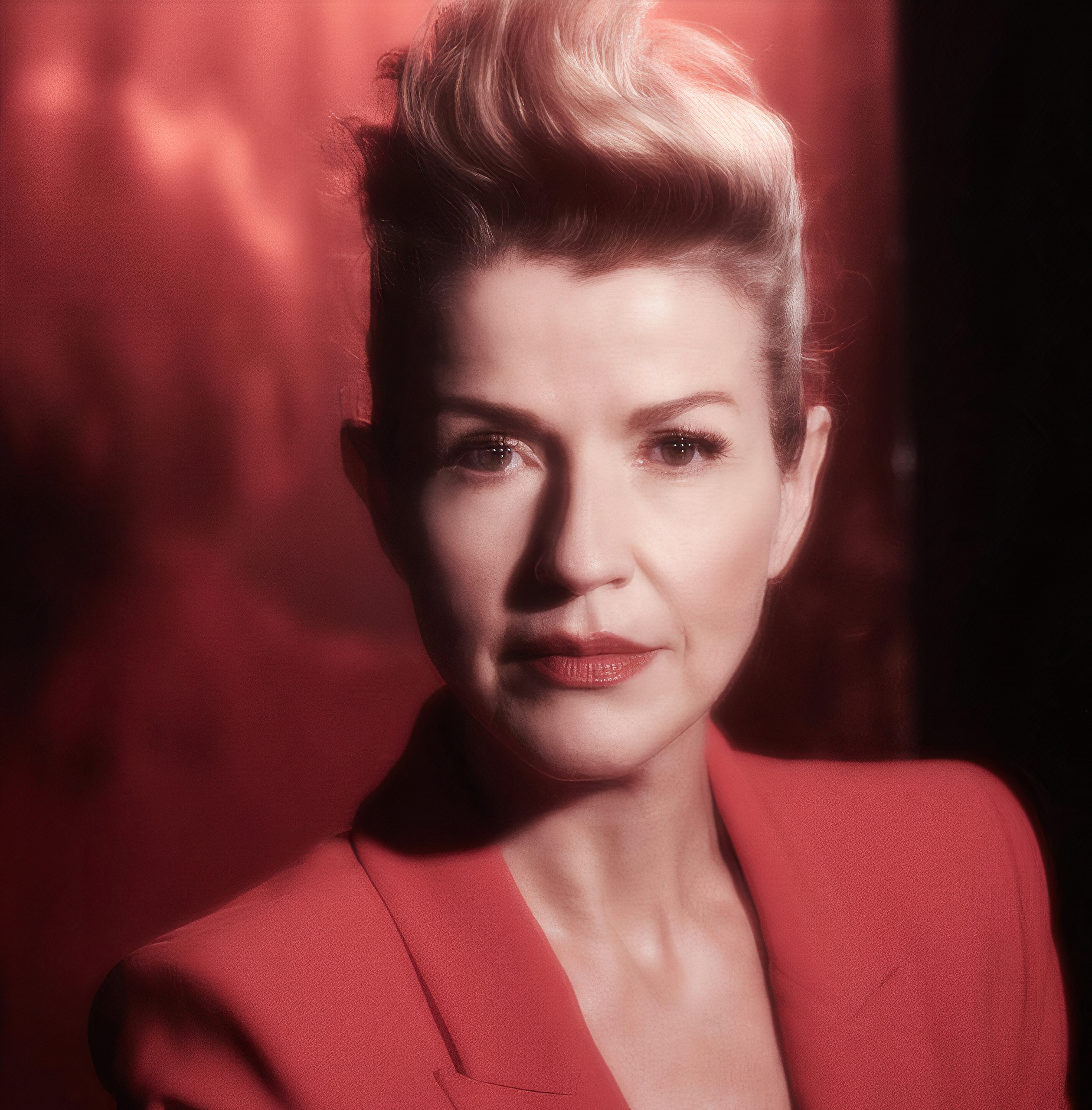
Zurich | Anne-Sophie Mutter Concert | Tonhalle Gesellschaft
Oct 3, 2026 (UTC+1)
Zurich
Arts
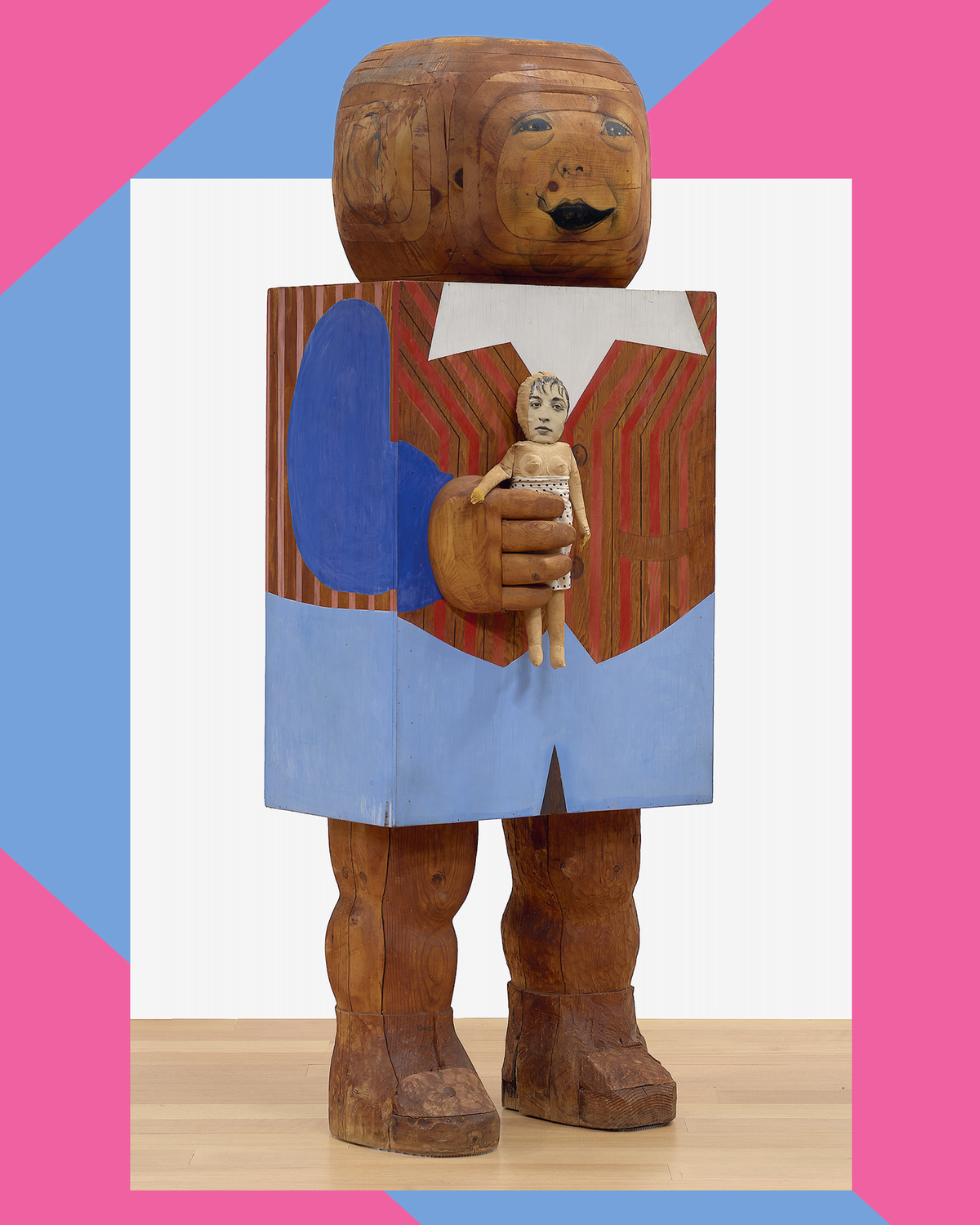
Marisol Solo Exhibition | Museum of Art (Kunsthaus Zurich)
Apr 17–Aug 23, 2026 (UTC+1)
Zurich
Exhibitions
Maria Saul Escobar is one of the most distinctive artists in Pop Art. In her sculptural works, she blends pop culture, satire, and self-performance to create a unique visual language. Her work gained fame in the 1960s and is now being rediscovered—precisely and strikingly navigating between Pop Art and Neorealism. Maria Saul Escobar (1930–2016), also known as Maria Saul, was one of the most representative figures in the New York art scene of the 1960s. Her painted wood sculptures, often life-size, combine everyday objects with elements of popular culture, Dadaism, and folk art, creating a unique and often ironic visual language. Her work straddles the line between American Pop Art and European Neorealism, yet defies easy categorization into either. Early in her career, she developed a distinctive art form that intertwined self-portraits, social roles, and carefully crafted identities. The exhibition at the Kunsthaus Zurich is part of an international collaboration with the Louisiana Museum of Modern Art (in Hummelbek), the Boijmans van Berningen Museum in Rotterdam, and the Salzburg Museum of Modern Art. These institutions jointly present Marisol's first comprehensive retrospective in Europe. The exhibition was prepared in close collaboration with the Marisol Estate Management Committee at the AKG Museum of Art at Buffalo.
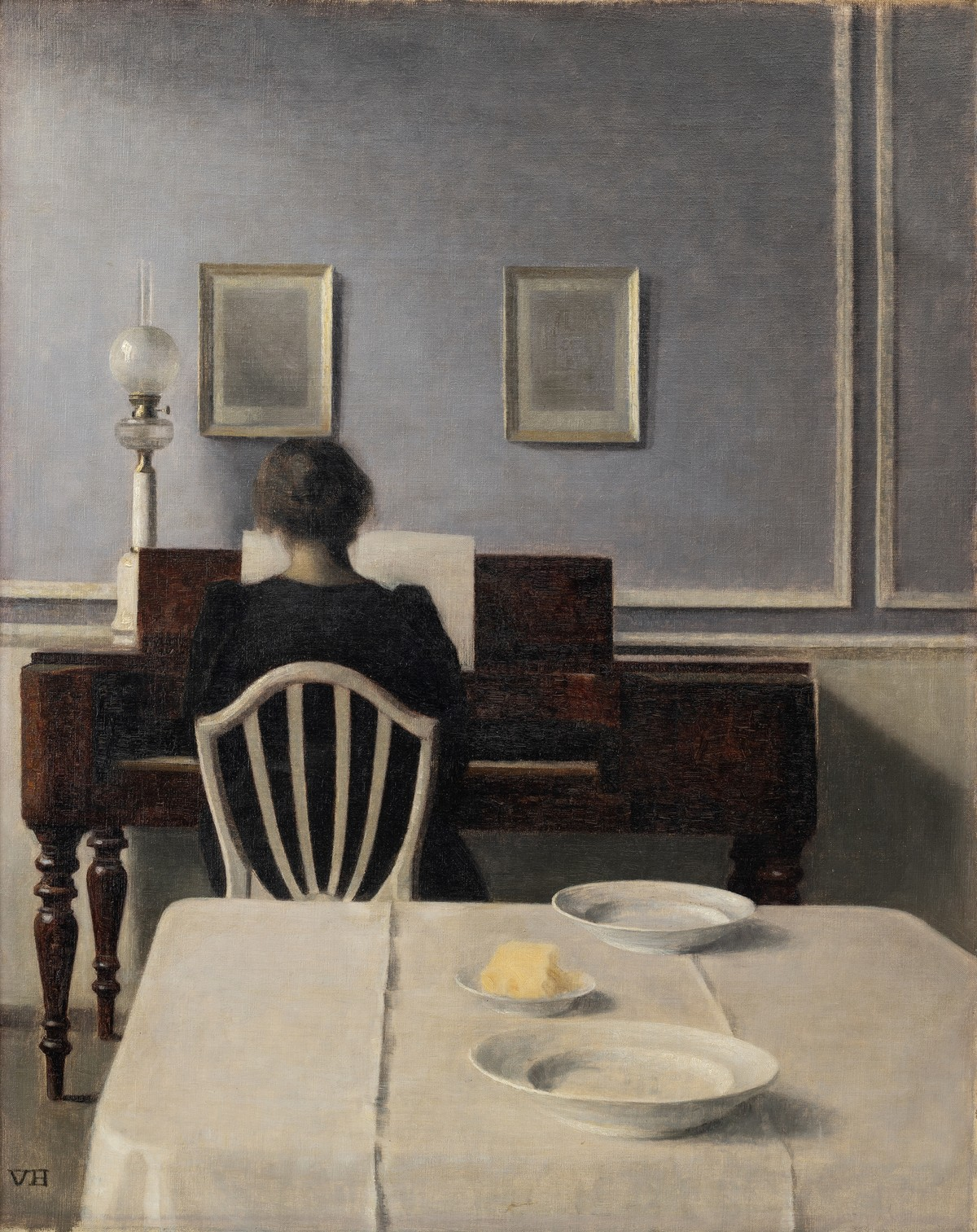
Vilhelm Hammershøi: "The Eye That Listens" | Museum of Art (Kunsthaus Zurich)
Jul 3–Oct 25, 2026 (UTC+1)
Zurich
Exhibitions
A tranquil space, soft light, and subtle alterations to the familiar: the Kunstmuseum Zurich will host Switzerland's first comprehensive museum exhibition of Wilhelm Hammershøi's work. His paintings emphasize perception, atmosphere, and the delicate tension between space and objects.Empty rooms, closed doors, figures with their backs to the viewer: Hammershøi's paintings eschew narrative. There is no action, but rather a sense of focused concentration. The space is both familiar and strange, light gently sweeping across the walls, objects presenting a serene presence.His work is characterized by the most subtle gradations of soft color. The almost imperceptible variations within recurring themes sharpen the viewer's perception, making perception itself the subject of the work.Through interaction with the international art movements of his time, Hammershøi developed a unique visual language. His similarities to James McNeill Whistler are evident in his minimalist approach and focus on formal elements. At the same time, his work exhibits a surprising modernity, comparable to artists such as Giorgio Morandi. His focus on music further expands the dimensions of his art: instruments such as the cello or piano appear in his paintings, creating a tense stillness—like the moment before the first note. In addition to his signature interior paintings, this exhibition also features his portraits, cityscapes, and landscapes, placing his work within a broader art historical context.
Zurich | J. Cole: The Fall-Off Tour | Hallenstadion
Oct 9, 2026 (UTC+1)
Zurich
Concerts
Zurich | BONEZ MC & RAF CAMORA<10 JAHRE PALMEN AUS PLASTIK>Tour | Hallenstadion
Dec 12, 2026 (UTC+1)
Zurich
Concerts
Wolfgang Laib and the Collection of Kunsthaus Zürich | Museum of Art (Kunsthaus Zurich)
Oct 3, 2025–Oct 4, 2026 (UTC+1)
Zurich
Exhibitions
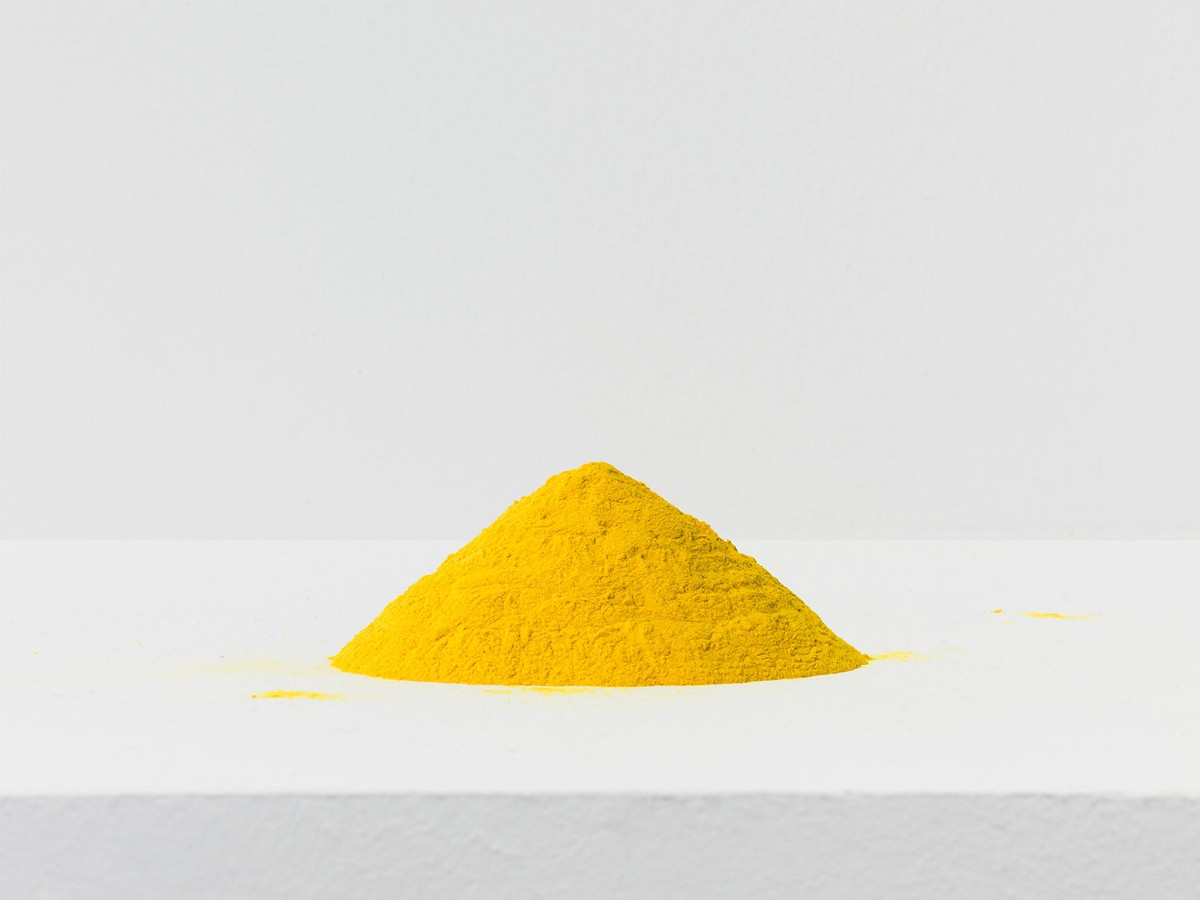
As part of the “ReCollect!” series, Wolfgang Leib's work encounters masterpieces from the Kunsthaus Zurich's collection. Since the late 1970s, Leib has been dedicated to developing a minimalist, serene yet highly impactful art style, using materials such as pollen, wax, milk, rice, and stone in his creations. Leib's work engages in a cross-historical dialogue with approximately 30 pieces from the Kunsthaus Zurich's collection—works spanning art history from the Middle Ages to the 20th century. The exhibition features works by Fra Angelico (circular), Matteo di Giovanni, Philippe de Champagne, Claude Monet, Ferdinand Hodler, Alberto Giacometti, Constantin Brancusi, Giorgio de Chirico, Wassily Kandinsky, Verena Lovensberg, Peter Mondrian, Barnett Newman, Mark Rothko, Robert Ryman, Sophie Tauber-Arp, and Lee Ufan, among others. Approximately 50 representative works by Leib vividly showcase his visual language: large pollen sculptures, pebbles (oval stone carvings), milkstones, pyramidal towers, walk-in wax rooms, rice houses, lacquer staircases, and other sculptures, paintings, and photographs. In addition, we will exhibit representative works of Asian art, particularly from India—including the important Jain marble sculpture, Jain Risaba, on special loan from the Rietberg Museum. The exhibition is held on the ground floor of the Mueller Building, an area that will be regularly used in the future to foster dialogue between the museum's collection and contemporary art. Leib, both an artist and curator, co-curated this exhibition with senior curator Philippe Bitner. Their long-standing collaboration dates back to a major retrospective exhibition held by the Beyeler Foundation in 2005. This new encounter between Leib's works and masterpieces from seven centuries ago not only allows visitors to gain a deeper understanding of Leib's sculptural techniques and material usage, but also opens up a refreshing perspective for re-examining the classic works in the museum's collection. Thus, a multi-dimensional space is constructed, where silence, time, and the presence of art intertwine and resonate.
Wars and us | Swiss National Museum
Apr 17, 2026–Jan 17, 2027 (UTC+1)
Zurich
Exhibitions
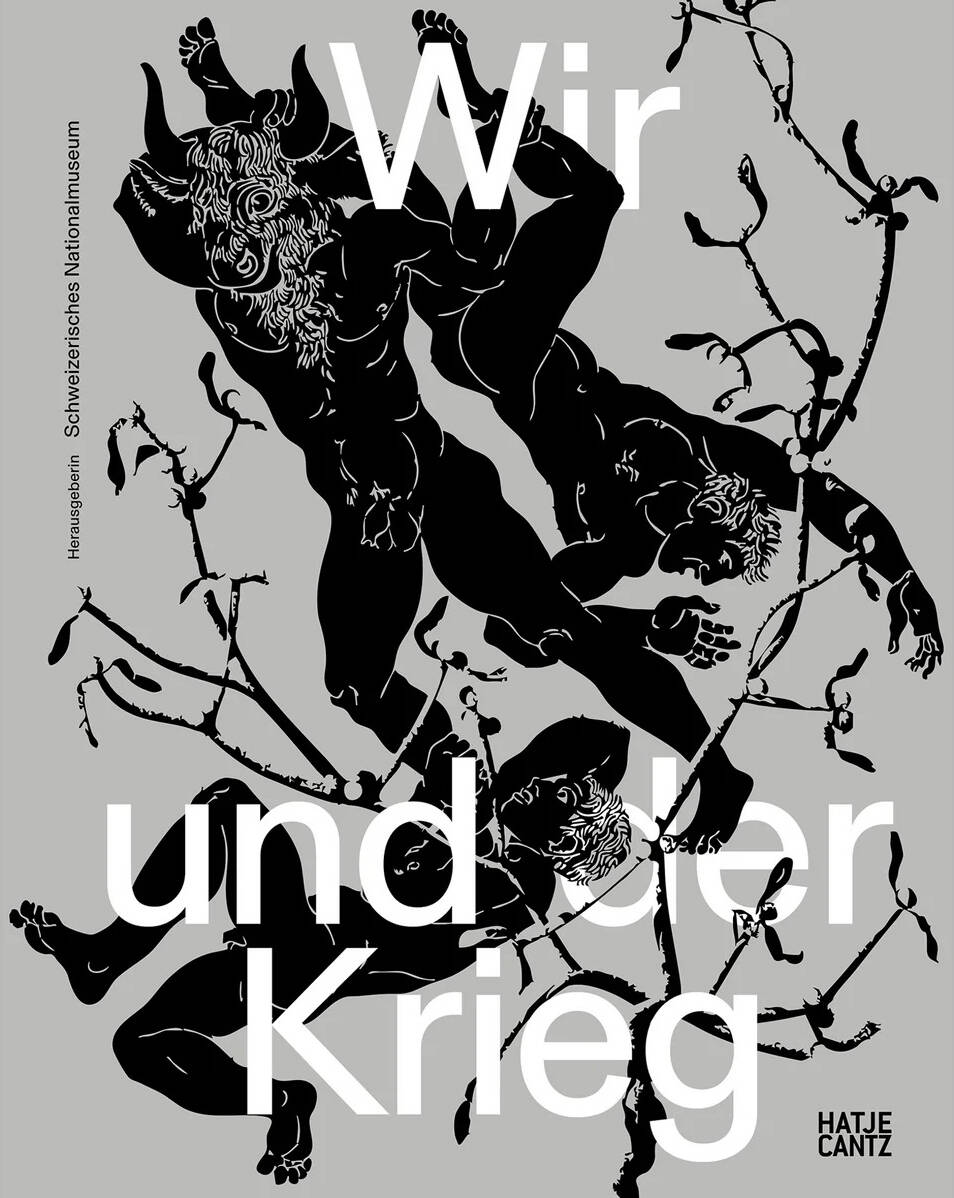
War, past and present, has been an integral and vital part of Swiss history. This exhibition brings together multiple perspectives to showcase how war has influenced Switzerland's political structure, economic interests, and social order from the late Middle Ages to the present.From the myths that built identity around the Battle of Mülten, to internal conflicts such as the Peasants' War of 1653 and the Sondnes War of 1847, and even the potential threat posed by World War II: war in all its forms has shaped Switzerland's self-perception. Whether wars occurred within or outside modern Switzerland, they gave rise to new power relations and social contradictions—for example, the accumulation of capital through the arms and mercenary trade, the exacerbation of class conflict, and the transformation of gender roles.
Blood Orange: Tour 2026 2026 (Zürich) | Komplex 457
Aug 25, 2026 (UTC+1)
Zürich Nord
Concerts
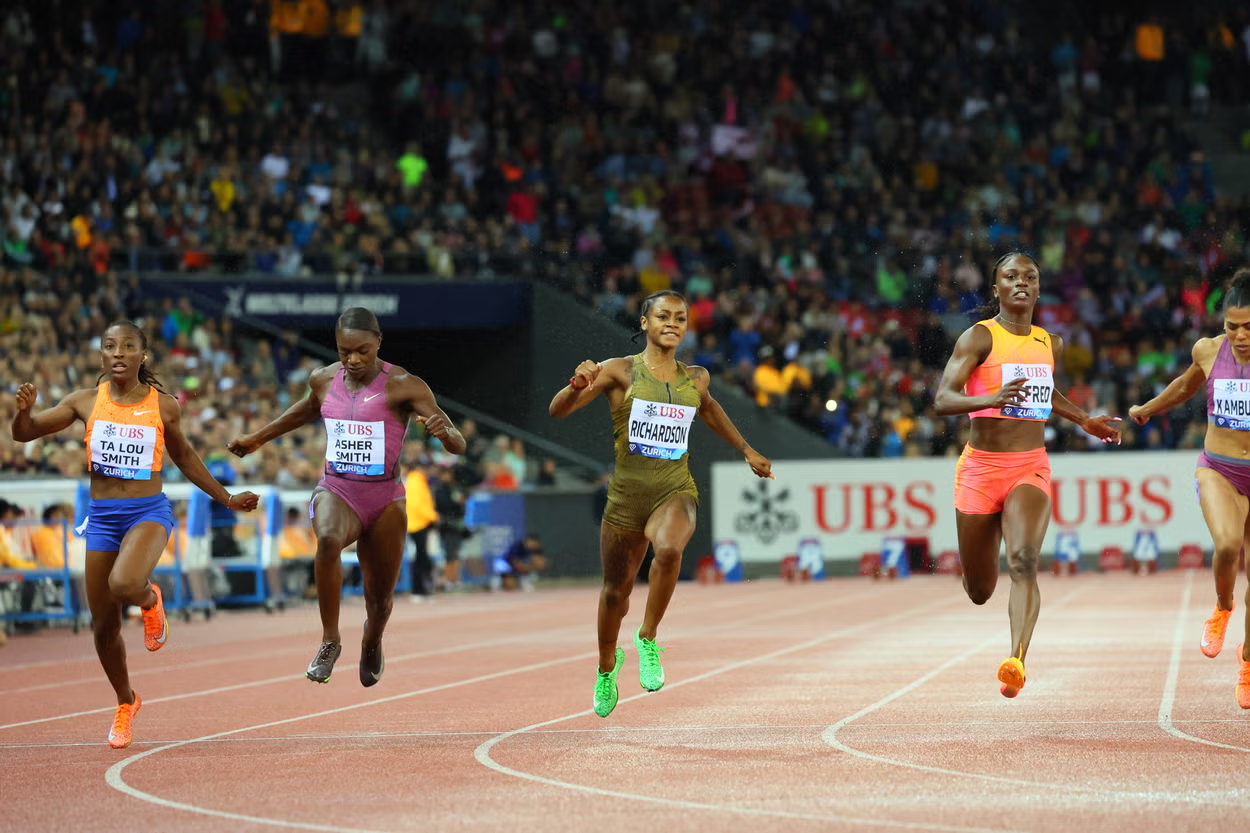
Zurich Diamond League | Stadion Letzigrund
Aug 27, 2026 (UTC+1)
Zurich
Sports & Fitness
Limeburn Hill Vineyard Tour & Tasting | Limeburn Hill Vineyard