
Top Shanghai Day Tours
Discover 278 Day tours in Shanghai on Trip.com, updated February 20, 2026, with experiences lasting from 1 to 14 hours. Find the perfect adventure for your day!
From DKK 231.17 per person, with an average total of DKK 864.96. Choose the option that suits your plan.
With 407 verified reviews, Day tours Shanghai boast an average rating of 4.9.
This week's most popular Day tours: "Shanghai Yu Garden + City God Temple Traditional Culture Experience: Preview the Lunar New Year Lantern Festival with Optional Chinese Tea", with 67 reviews and a 4.8 rating.
Now on Trip.com: "Shanghai Zhujiajiao + Yu Garden + The Bund One-Day Tour (English Guided Tour)", a 1-hour adventure in Shanghai!
The next available day tour departs on February 21, 2026. Book now to secure your spot!
Shanghai Day tours usually take about 1 hours — perfect for a relaxed, immersive experience!
100% of Shanghai Day tours now offer English-speaking guides
February is the perfect time to visit Shanghai! Choose from Day tours available day tours, including seasonal favorites like Shanghai Yu Garden + City God Temple Traditional Culture Experience: Preview the Lunar New Year Lantern Festival with Optional Chinese Tea.
Your trip, worry-free! All day tours are run by licensed suppliers with verified reviews, and many include free cancellation before departure.
278 results for Shanghai Day tours
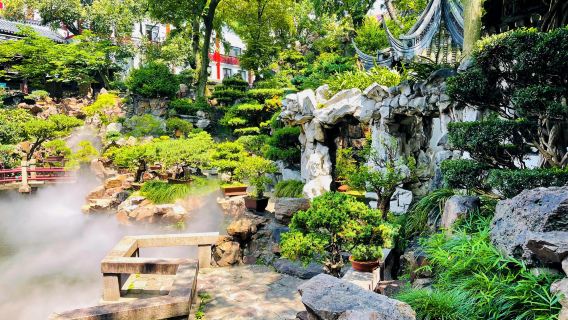 In just half a day, experience the local charm of the Old Town, the classical gardens, then head straight to Zhujiajiao's water town elegance, and finally embrace the dazzling nightscape of the Bund.Free cancellationInstant confirmationDuration: 1.6 hrs5% offLimited-time saleFromDKK 696.77DKK 733.45
 Trip.Select
 Enjoy a relaxing half-day tour to the remarkable ancient water town Zhujiajiao with your local lovely guideFree cancellationInstant confirmationDuration: 5 hrs5.0/5Excellent· 9 reviews· 215 bookedSave 14.61FromDKK 277.68DKK 292.29
 Trip.Select74 travelers savedFree cancellationInstant confirmationDuration: 6.5 hrs4.7/5Very good· 3 reviews· 111 bookedFromDKK 481.67
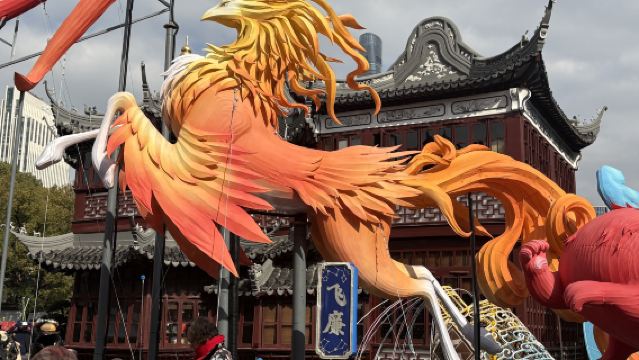 Trip.Select94% of travelers recommendFree cancellationInstant confirmationBook now for todayDuration: 2 hrs4.8/5Very good· 67 reviews· 533 bookedFromDKK 262.73
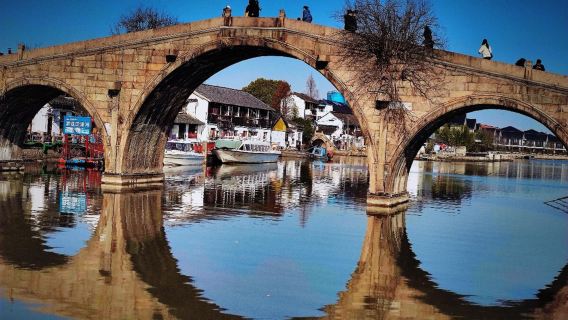 Trip.SelectVisit Zhujiajiao and experience the charm of Shanghai's water townFree cancellationDuration: 6.5 hrs5.0/5Excellent· 4 reviews· 69 bookedFromDKK 1,561.38
 Trip.Select
Shanghai Yu Garden + City God Temple Taoist Temple + Shanghai City God Temple + Huangpu River cruise
Explore the old town of Shanghai to experience traditional Chinese culture—Confucianism, Taoism, and Buddhism—while freely indulging in Shanghai's culinary delights like shengjianbao, xiaolongbao, and guantangbao.Free cancellationBook now for todayDuration: 5 hrs4.1/5Good· 7 reviews· 62 bookedFromDKK 424.75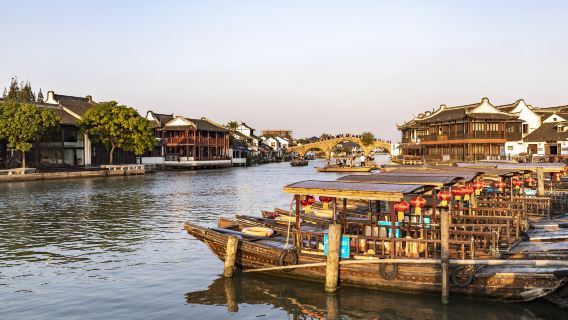 23 consecutive positive reviewsFree cancellationDuration: 2 hrs5.0/5Excellent· 23 reviews· 301 booked5% offLimited-time saleFromDKK 353.59DKK 372.2
 Explore "Shanghai's Venice": Glide by boat in Zhujiajiao's ancient canals. Stroll stone bridges & see traditional water town life.Free cancellationInstant confirmationDuration: 4.5 hrs5% offLimited-time saleFromDKK 467.98DKK 492.62
 Private guide and car for the whole tourFree cancellationInstant confirmationDuration: 7 hrsFromDKK 1,293.93
 Private guide and car for the whole tourFree cancellationInstant confirmationDuration: 6.5 hrsFromDKK 1,045.43
 Experience the seamless blend of ancient Chinese heritage and modern urban vibrancy in one curated tour.Free cancellationInstant confirmationDuration: 7.9 hrsFromDKK 367.82
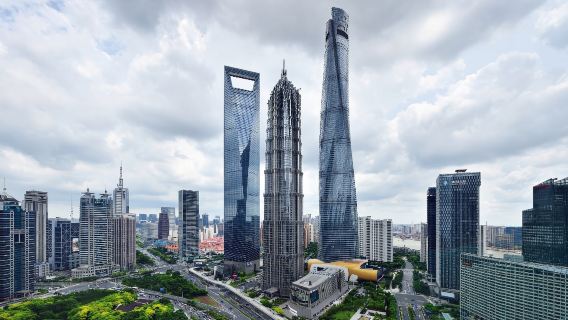 Trip.SelectCovering Shanghai's classic attractions: A concentrated showcase of traditional Chinese culture including Confucianism, Buddhism, and Taoism; featuring classical Chinese gardens with 400 years of history.Instant confirmationDuration: 10.6 hrs5.0/5Excellent· 1 reviewFromDKK 3,392.45
 31 consecutive positive reviewsFree cancellationInstant confirmationDuration: 5.5 hrs5.0/5Excellent· 31 reviews· 199 booked5% offLimited-time saleFromDKK 519.98DKK 547.35
 Trip.Select34 consecutive positive reviewsFree cancellationInstant confirmationDuration: 4 hrs5.0/5Excellent· 34 reviewsSave 26.05FromDKK 495.03DKK 521.08
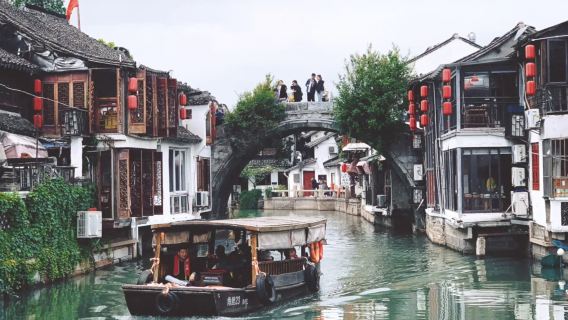 Trip.SelectEnjoy hotel pick-up and private car transfers. Travel seamlessly between the modern city and the ancient water town in comfort.Free cancellationInstant confirmationDuration: 9.5 hrs4.7/5Very good· 14 reviews· 382 bookedSave 13.62FromDKK 258.96DKK 272.58
 Trip.Select44 consecutive positive reviewsFree cancellationInstant confirmationDuration: 5.8 hrs5.0/5Excellent· 44 reviews· 112 booked5% offLimited-time saleFromDKK 259.99DKK 273.68
 Wander through Old Street, Yu Garden, Chenghuang temple where history meets modernity.Free cancellationInstant confirmationDuration: 8 hrs5.0/5Excellent· 1 review· 30 bookedFromDKK 349.43
 Trip.SelectExplore the real Shanghai in a local way - not check-the-box experience. We'll visit iconic landmarks as well as venturing into quiet alleysFree cancellationInstant confirmationDuration: 10.7 hrs5.0/5Excellent· 5 reviews9% offLimited-time saleFromDKK 908.58DKK 1,009.53
 Trip.SelectPrivate car and guide for the whole tourFree cancellationInstant confirmationDuration: 6.5 hrs4.8/5Very good· 6 reviews· 35 bookedFromDKK 569.24
![Shanghai Film Park + Zhujiajiao Ancient Town [Includes changing into Republic of China era costumes or Hanfu, and a rowboat ride]](https://ak-d.tripcdn.com/images/1lo2712000e1456cq4881_C_568_320.jpg?_fr=wc) Trip.SelectCustomized itineraries: Routes are designed based on your needs, with slower-paced options for seniors/children and enhanced experiences like hiking or photography for younger travelers.Free cancellationDuration: 8.2 hrs5.0/5Excellent· 6 reviewsFromDKK 2,846.2
Trip.SelectCustomized itineraries: Routes are designed based on your needs, with slower-paced options for seniors/children and enhanced experiences like hiking or photography for younger travelers.Free cancellationDuration: 8.2 hrs5.0/5Excellent· 6 reviewsFromDKK 2,846.2 Departure guaranteed with just 2 people, complimentary bottled water, and 24-hour real-person concierge service via WeChat.Duration: 8.5 hrsFromDKK 642.76
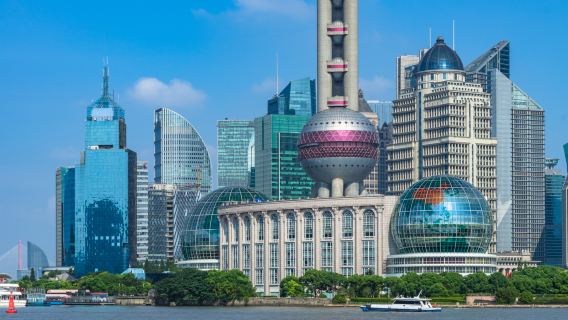 Theme Depth: "Buddhist & Taoist Culture - Jiangnan Gardens - Urban Finance - River Ecology", catering to diverse needs from historical exploration and nature sightseeing to urban leisure.Free cancellationInstant confirmationDuration: 8.9 hrs4.8/5Very good· 10 reviews· 57 bookedFromDKK 602.08
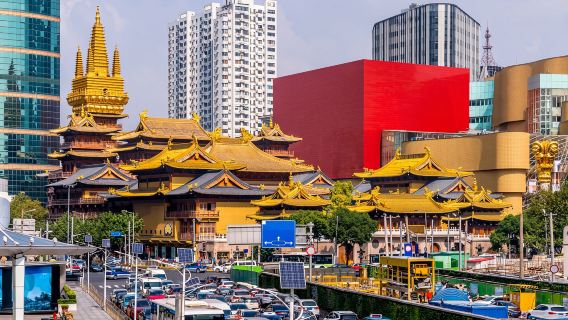 26 bookings in 7 daysFree cancellationInstant confirmationDuration: 7.8 hrs5.0/5Excellent· 7 reviews· 79 bookedFromDKK 383.15
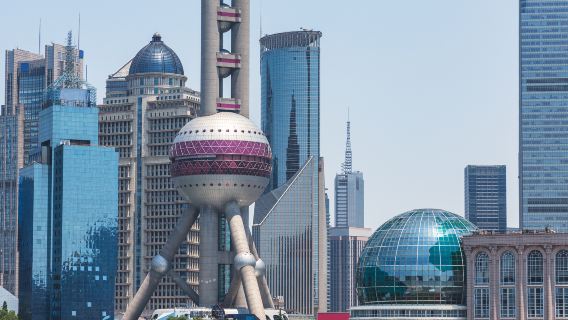 Explore a 400-year-old classical garden, glimpse the epitome of scholar life, and enjoy a touch of nature amid urban bustle. Savor local delicacies: pan-fried buns, soup dumplings, steamed buns, and scallion pancakes.Free cancellationInstant confirmationBook now for todayDuration: 5.3 hrs5.0/5Excellent· 1 reviewFromDKK 778.33
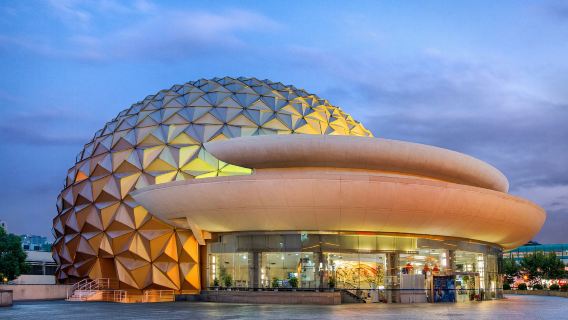 Trip.SelectChoose from Zone A or Zone B at great pricesFree cancellationInstant confirmationBook now for todayDuration: 1 hr4.9/5Excellent· 7 reviews· 202 bookedFromDKK231.17
 Trip.Select34 consecutive positive reviewsFree cancellationInstant confirmationDuration: 8.1 hrs5.0/5Excellent· 34 reviews· 125 booked5% offLimited-time saleFromDKK238.25DKK250.79
 Trip.Select95.6% of travelers recommendFree cancellationInstant confirmationDuration: 8 hrs4.8/5Very good· 45 reviews· 197 booked5% offLimited-time saleFromDKK310.76DKK327.12
 Trip.Select"The Spine-Tingling Motorcycle Globe of Death"Free cancellationInstant confirmationBook now for todayDuration: 2.1 hrs5.0/5Excellent· 6 reviews· 132 bookedFromDKK302.26
 Trip.SelectOpen-cage vehicle feeding: Traverse through the wild animal zones of lions, tigers, bears, and wolves, where wild animals pounce on windows and bite, providing an extremely thrilling experience (vehicle body has protective bars).Free cancellationInstant confirmationDuration: 14 hrs4.3/5Good· 10 reviews· 48 bookedFromDKK2,873.15
 Trip.SelectFantastic acrobatic show.Miss it you Miss ShanghaiFree cancellationInstant confirmationDuration: 1 hr4.7/5Very good· 26 reviews· 687 bookedFromDKK250.79
 Trip.SelectOne ticket for unlimited access to popular rides, with a private concierge who optimizes routes based on real-time crowd flow to avoid peak times and detours, making your day more enjoyable and relaxed.Free cancellationInstant confirmationDuration: 11.3 hrs5.0/5Excellent· 1 review· 49 bookedFromDKK3,805.43
 Trip.SelectEnjoy authentic Chinese breakfast treats at 5+ restaurants to start your dayFree cancellationInstant confirmationDuration: 7 hrs5.0/5Excellent· 5 reviews· 32 booked9% offLimited-time saleFromDKK426.89DKK474.32
Explore top experiences
See what other travelers love, based on ratings and bookings
Frequently asked questions about Shanghai Day tours
How many Day tours are available in Shanghai on Trip.com?
What are the best Day tours in Shanghai?
What are the top-rated Day tours in Shanghai?
What are the recommended itineraries in Shanghai?
How can I contact Trip.com customer support?
Can I change or cancel my booking?
How can I get discounted prices?
Reviews/Trip Moments
Trip.com Picks
Top Tours in Shanghai
Best Experiences in Shanghai
Popular Products
Trending Searches
More Popular Destinations




About






of the year 2025



Site Operator: Trip.com Travel Singapore Pte. Ltd.