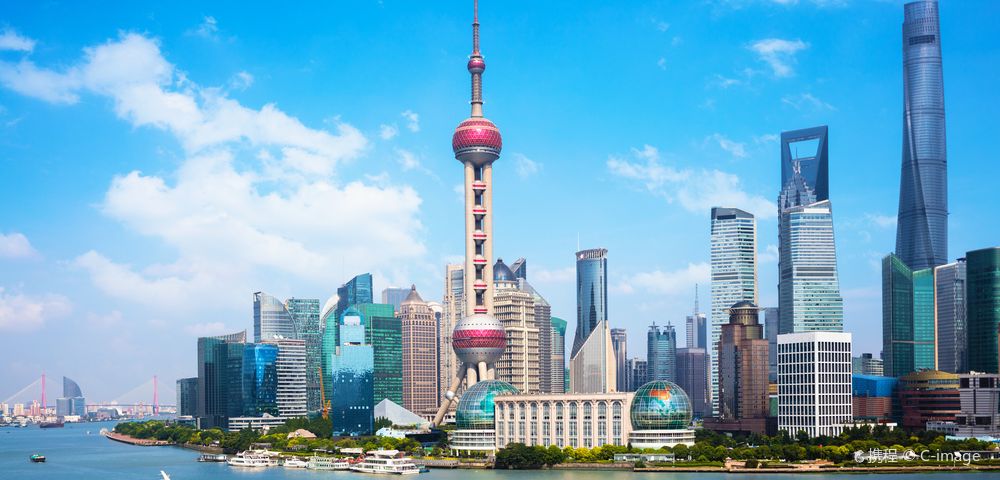
Top picks for Shanghai
Search attractions or local attractions & tours
Attractions & Tours category
Top Picks
8 results for Shanghai
 Explore the Giza Pyramids and Great Sphinx, the most famous monuments of ancient Egypt, with a licensed Egyptologist guideFree cancellationInstant confirmationDuration: 7 hrs5.0/5Excellent· 5 reviews· 23 booked10% offLimited-time saleFrom$53.46$59.41
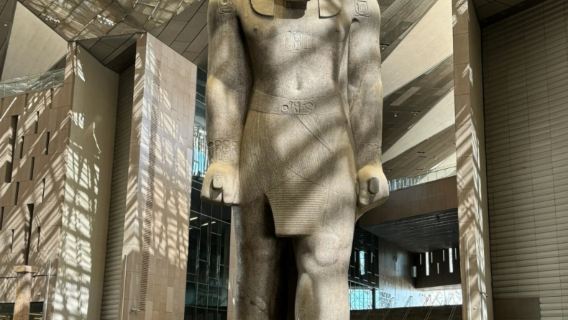 Comfortable Vehicle + Round-trip Hotel Transfer + Guide Service + General Admission Ticket + Grand Egyptian Museum Guided TourFree cancellationDuration: 4 hrsFrom$130.32
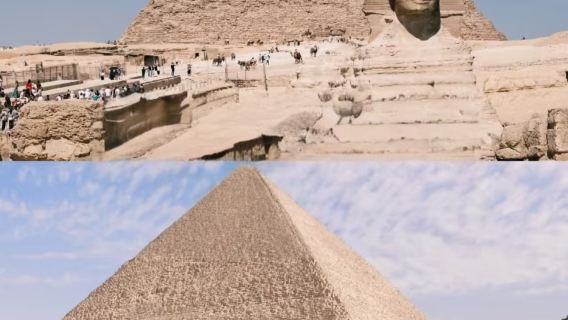 From the Shadows of Pyramids to the Starlight of the Nile: Decoding the Secrets of Ancient Egyptian Civilization in 10hr in CairoDuration: 7.5 hrs5% offLimited-time saleFrom$242.09$254.84
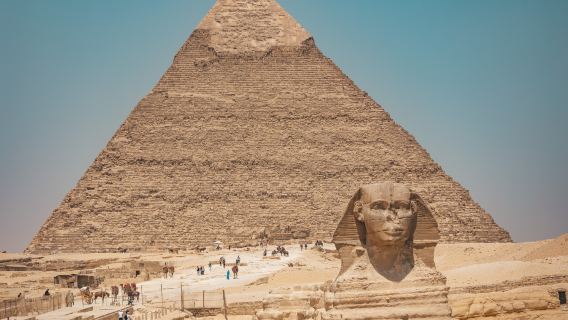 All-inclusive price with no hidden costs, no forced shopping, no extra tips, private car and guide, and local Egyptian travel agency service throughout the trip.Free cancellationDuration: 8.5 hrsFrom$101.36
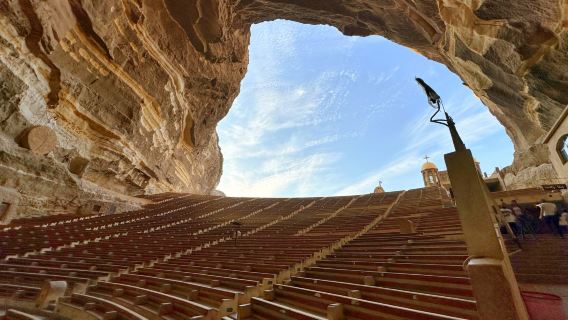 Private car with dedicated guide, Chinese or English speaking guide availableFree cancellationDuration: 1.6 hrs5.0/5Excellent· 1 reviewFrom$89.78
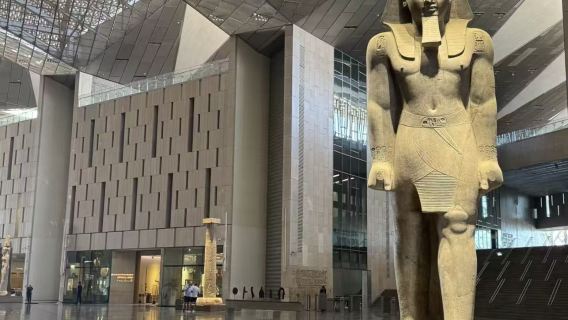 Private tour itinerary with no need to share with others, offering high comfort levelFree cancellationDuration: 3.8 hrsFrom$103.53
![Pyramids + Grand Egyptian Museum + Cairo Citadel + Khan el-Khalili [Chinese/English Guide + Private Transfer]](https://ak-d.tripcdn.com/images/0351c12000q6q9wetF2E7_C_568_320.jpg?_fr=wc) All-inclusive pricing with no hidden costs, no forced shopping, and no additional gratuities. Private vehicle and dedicated guide service available with options for Chinese or English-speaking guides. Fully serviced by a local Egyptian travel agency throughout the trip.Free cancellationDuration: 10.5 hrsFrom$128.71
All-inclusive pricing with no hidden costs, no forced shopping, and no additional gratuities. Private vehicle and dedicated guide service available with options for Chinese or English-speaking guides. Fully serviced by a local Egyptian travel agency throughout the trip.Free cancellationDuration: 10.5 hrsFrom$128.71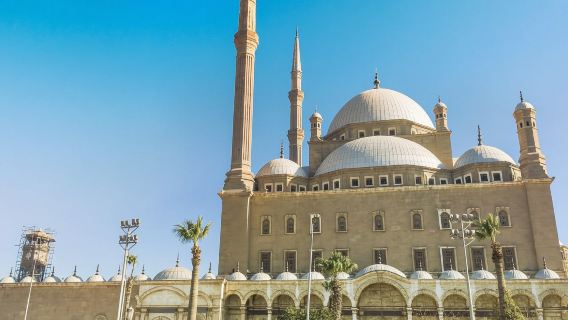 Includes meals and general admission ticketFree cancellationDuration: 3 hrsFrom$89.78
Explore top experiences
See what other travelers love, based on ratings and bookings
Day tours (277)Travel photography (10)Wi-Fi (1)SIM card (27)Local cuisine (77)Food & drink (77)Sports experiences (7)Riding & driving (5)Cultural experiences (123)Costume experiences (9)Yachts & sailboats (3)Boat experiences (3)Spa & beauty (1)Spa & wellness (1)Outdoor experiences (6)Equipment rental (1)Visas (9)Travel extras (1)Luggage delivery (1)City pass (1)Transport (2)
Frequently asked questions about Shanghai
How many are available in Shanghai on Trip.com?
What are the best in Shanghai?
What are the top-rated in Shanghai?
What are the recommended itineraries in Shanghai?
How can I contact Trip.com customer support?
Can I change or cancel my booking?
How can I get discounted prices?
Reviews/Trip Moments
★
★
★
★
★
Reviews: Giza Pyramids, Great Sphinx & Grand Egyptian Museum Private Guided Tour with lunch
Guest User2026-01-28
The trip was very wonderful and well-organized. We learned many new things, experienced camel riding, and entered the heart of Egyptian civilization with its precious monuments and landmarks. We met Bilal. He accompanied us throughout the journey and drove us from place to place. He is a kind and gentle person, and he made our trip more comfortable and easier🙏🏻😊 and Professor Saber was keen on our comfort and introducing us to the history of civilization. He also took many beautiful pictures of us☺️☺️My friend and I enjoyed our time very much, and unforgettable moments were etched in my memory.❤️❤️🥰★
★
★
★
★
Reviews: Cairo Citadel 1-day tour: The Cave Church + Hanging Church + Mosque with private car and guide
Guest User2026-01-27
Convenient to see all the city attractions in one dayTrip.com Picks
Top Tours in Shanghai
Best Experiences in Shanghai
Popular Products
Trending Searches
More Popular Destinations
Excursión de un día al pueblo acuático de Zhujiajiao en Shanghái + paseo en barco + comida local + guía privado y cocheTour privado por Shanghái: Torre de la Perla de Oriente + espectáculo acrobático ERA + El Bund + calle NanjingShanghai Zhujiajiao Water Town Day Tour+Boat Ride+Local Lunch+Private Guide and CarShanghai English Group Tour : Zhujiajiao Ancient Town, Yu Garden, The Bund, God TempleShanghai Day Tour:Zhujiajiao Ancient Watertown+ERA Acrobatic Show+Hanfu PhotoshootMuseo de Historia Natural de Shanghai: Una vasta colección de especímenes incomparables; visitas guiadas opcionales en grupo con guías profesionales bilingües .Banquete Inmersivo Nocturno del Palacio Tang en Shanghái|Incluye espectáculo temático de "Nezha" + banquete de fusión creativaMuseo de la Noche Estrellada Van Gogh de Shanghái + ERA2 Circus World - Espectáculo acrobático de viajes en el tiempo Shanghai Yuyuan Garden + Sihang Warehouse Anti-Japanese War Memorial Hall in-depth guided tour1.5hr live guide at Shanghai Sihang Warehouse Battle Memorial including Jinyuan Memorial Square by PeiermaiMemorial del Primer Congreso Nacional del Partido Comunista de China en Shanghái, Memorial del Segundo Congreso Nacional o Memorial del Cuarto Congreso Nacional · Visita guiada con explicaciones en grupo privado con expertoShanghai Guangfulin Relics Park + Zhujiajiao Ancient Town 1-day tourShanghai Food and Culture Tour Shanghai Huaihai Middle Road + iapm mall + Xintiandi + Nanjing Road Pedestrian Street + The Bund 1-day TourExcursión de un día en grupo reducido en inglés por Shanghái: Pueblo Antiguo de Zhujiajiao y Parque Cinematográfico de Shanghái
Shanghai Group ToursShanghai SIM CardShanghai Travel EssentialsBoat Experiences in ShanghaiShanghai Local Tour GuidesShanghai Sports & AdventureShanghai Spa & MassageShanghai Transport CardShanghai Day ToursShanghai Driving ExperienceFood & Drink in MauritiusWater Activities in KinmenKinmen Local Tour GuidesAnnecy Day ToursWellness & Spa in FujianFujian SurfingShanghai Spa & MassageShenzhen Day ToursHangzhou Bus TicketsHunan Walking Tours Includes Buffet Lunch at Swissotel Nankai OsakaTour privado en moto por Hanói - Descubrimiento de comida y culturaBangkok: White Orchid Chao Phraya Dinner CruiseChiang Mai: Santuario de elefantes y viaje organizado a la cascadaSkyWalk y SkyJump de AucklandEl Distrito Financiero de Toronto: Un tour de audio autoguiadoExcursión de un día a Phu Quoc para hacer snorkel en los arrecifes de coral de An Thoi The Palace Museum English-Speaking Guide for Private Tour Cu Chi Tunnels Half-Day Tour: The Ultimate Wartime Underground AdventureTour auténtico por el Delta del Mekong en grupo privadoThings to do in HubeiThings to do in JiangxiThings to do in Wiang Pa PaoThings to do in YunnanThings to do in Iskandar PuteriThings to do in HakoneThings to do in BrisbaneThings to do in JapanThings to do in MongoliaThings to do in AzerbaijanThings to do in BusanThings to do in ChengduThings to do in MaltaThings to do in Genting HighlandsThings to do in Cebu



About
Payment methods


Our partners




Contact Center
of the year 2025
of the year 2025



Trip.com is part of Trip.com Group Limited, one of the world's leading providers of travel services.
Copyright © 2025 Trip.com Travel Singapore Pte. Ltd. All rights reserved
Site Operator: Trip.com Travel Singapore Pte. Ltd.
Site Operator: Trip.com Travel Singapore Pte. Ltd.