

View all 20 photos
From Shanghai: Zhujiajiao ancient town 1-day tour - experience traditional Chinese water towns by rowing boat
4.7/5
Good(6 reviews)
71 bookedPrivate tour
Pick-up available
Free cancellation by 12:00 PM, 1 day before the date of use
From
MYR 349.00
per person
Select package
Highlights
Private car and guide service: Local drivers and guides accompany throughout, solving transportation connections and avoiding the hassle of planning for self-guided tours; allows for deeper understanding of the ancient town.
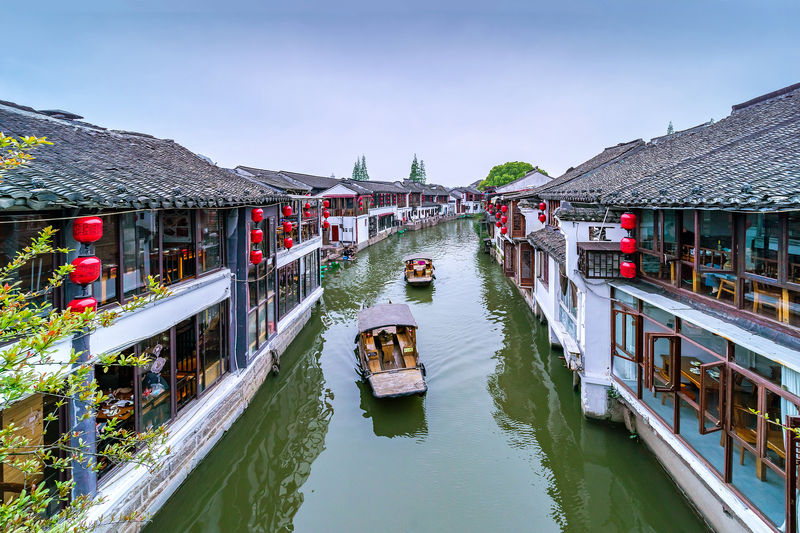
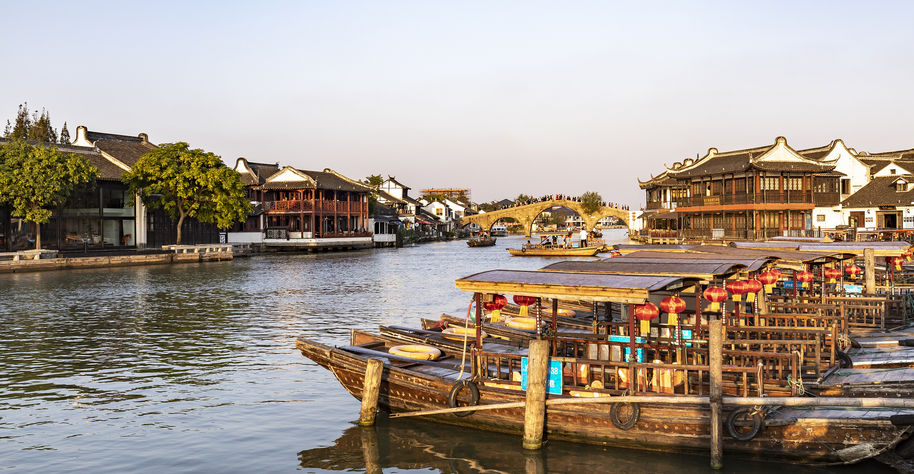
Experience the pristine water town charm: Preserving architectural complexes from the Ming and Qing dynasties, with cobblestone paths, ancient bridges over flowing water, and white walls with black tiles, it's hailed as the "Venice of Shanghai".
Transparent pricing: Pure play tour with no shopping stops. Fees cover transportation, guide services, and admission tickets, with no hidden costs or mandatory optional activities (fees excluded).

Package and price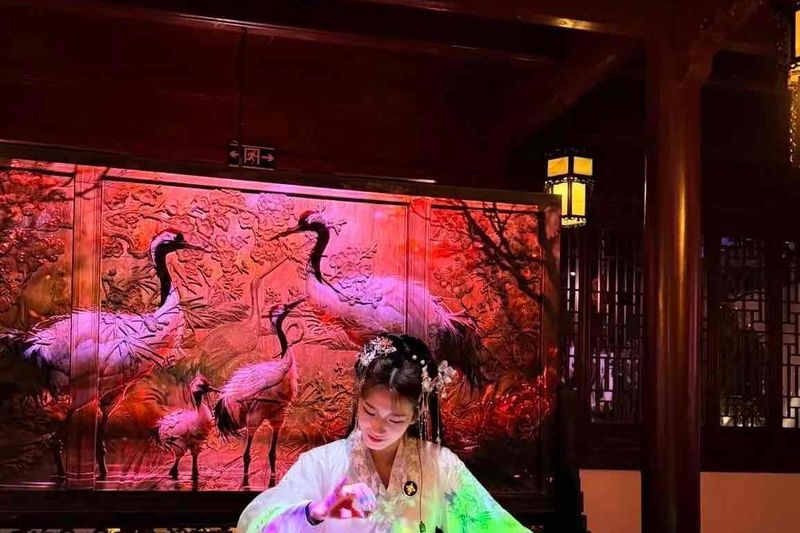
Date of use
2026-08-18
2026-08-19
2026-08-20
All
Local timeCurrency: USDPrices shown are the lowest prices for the current date
Package
Private charter with English-speaking guide, departure at 9:00
From$349.00
Private charter with English-speaking guide - departure at 13:00
From$349.00
Booking information
From$349.00
per person
Book now
Overview
Departs from Shanghai
Starts at 8:50 AM and ends at 3:00 PM
Tour guide (English)
Transportation options: Car, Boat/Different types of boats, Business 7 seater
Details
Pick-up available
8:50 AM pick-up in Shanghai middle ring road, Shanghai
Pick-up and drop-off services outside the designated area are available for an additional charge
Pick-up and drop-off service is available from the airport, train station, high-speed rail station and cruise terminal.
Transportation via Car
Driving duration depends on the actual point of departure.
Travel time: Approx. 1 hour30 minutes
Kezhi Garden Details
Enter attraction
Enter attraction
Entry tickets included
Change into traditional Chinese attire before entering Kezhi Garden for photography.
40 minutes
Hexinyuan Details
Enter attraction
Enter attraction
Entry tickets included
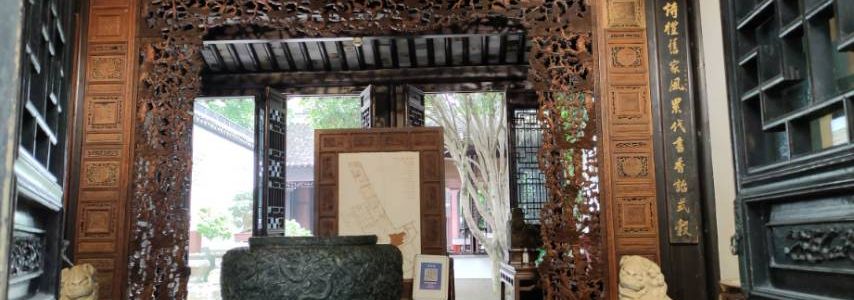
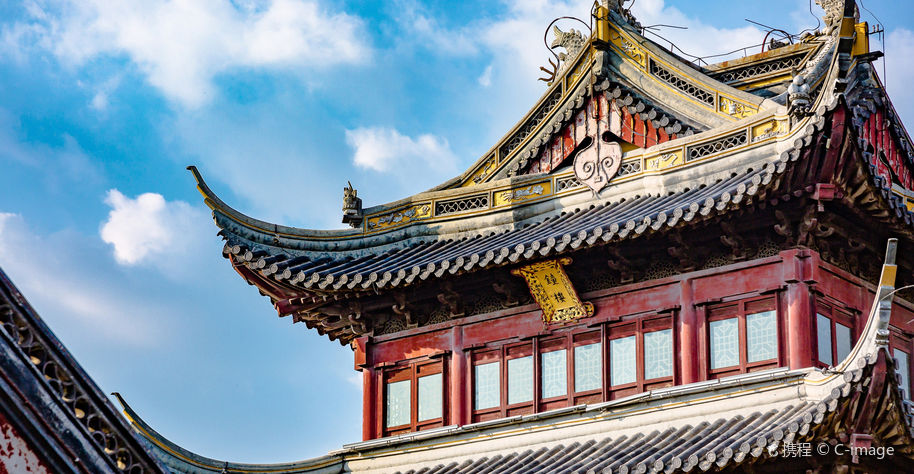
Hexinting - A double-story wooden ancient pavilion originally built in rural Sichuan during the Jiaqing period of the Qing Dynasty, relocated and reconstructed here due to the Three Gorges Project.
30 minutes
Transportation via Boat/Different types of boats
Take a rowing boat cruise (fee included) and experience the charm of the water town.
Travel time: Approx. 20 minutes
Lunch
At your own expense
Lunch not included, restaurants can be recommended for selection.
45 minutes
Zhujiajiao Ancient Town Details
Enter attraction
Enter attraction
Free entry
Activity:Cruise&Kezhi garden&Hexinyuan&Enzu-in Zen temple&City god temple&Helong art museum, Shanghai
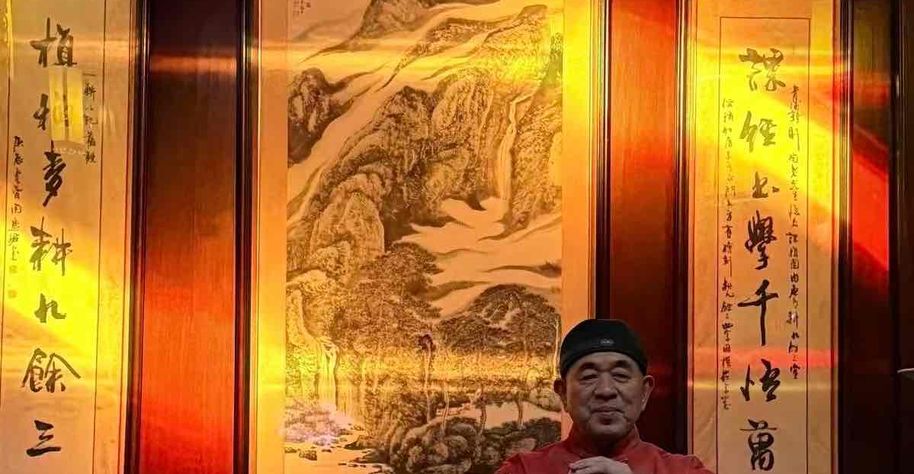
Explore Zhujiajiao ancient town (including costume experience, tea drinking, opera listening, local delicacies, Chinese calligraphy, and handicraft experiences)
1 hour
Fangsheng Bridge Details
Enter attraction
Enter attraction
Free entry
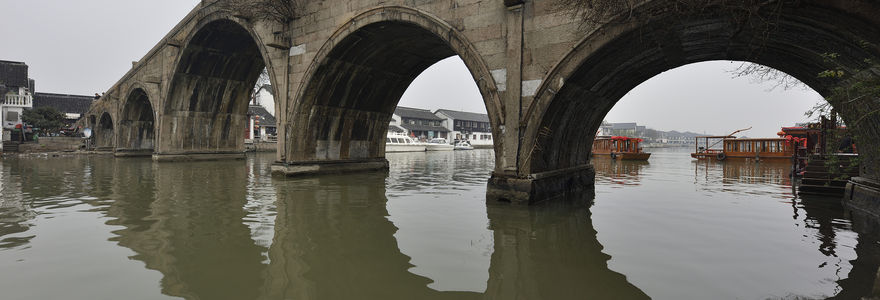
Fangsheng Bridge is the iconic landmark of Zhujiajiao Ancient Town and the largest existing five-arch stone bridge in Shanghai. Standing on the bridge, visitors can enjoy a panoramic view of the ancient water town's scenery.
15 minutes
Provide drop-off service
3:00 PM drop-off in Shanghai middle ring road, Shanghai
Pick-up and drop-off services outside the designated area are available for an additional charge
Default departure point
All times are in local time and may change due to weather, road conditions, or other factors. Thank you for your understanding.
What's included
Trip.com picks
Top Tours in Shanghai
Best Experiences in Shanghai
Trending Searches
Popular products
More Popular Destinations
Tour privado por Shanghái: Torre de la Perla de Oriente + espectáculo acrobático ERA + El Bund + calle NanjingExcursión de un día en grupo reducido en inglés por Shanghái: Pueblo Antiguo de Zhujiajiao y Parque Cinematográfico de Shanghái Shanghái: Tour de los lugares destacados de la ciudad con recogida en el hotel Shanghai Zhujiajiao Ancient Town English half-day tourMemorial del Primer Congreso Nacional del Partido Comunista de China en Shanghái, Memorial del Segundo Congreso Nacional o Memorial del Cuarto Congreso Nacional · Visita guiada con explicaciones en grupo privado con expertoMuseo de Historia Natural de Shanghái - Amplia colección de especímenes únicos, opción de visita guiada profesional en chino e inglésShanghai Wild Animal Park – One Day TripShanghai Sihang Warehouse Battle Memorial 1.5-hour Chinese/English guide optionalBanquete Ritual Tang de Shanghái | Experiencia Hanfu del Festín Yanle Bajo el CieloEspectáculo de Banquete al Estilo Tang de Shanghái | Experiencia Hanfu Xuyan Chang'an OdeExcursión de un día en Shanghái con visita guiada con explicaciones en idioma extranjero y tour privado | Jardín Yuyuan + Templo del Dios de la Ciudad + Zhujiajiao + Bund, incluye entradas y transporteShanghai Yuyuan Garden + Sihang Warehouse Anti-Japanese War Memorial Hall in-depth guided tour8-ride express pass + guide 8 hr service Shanghai English Group Tour : Zhujiajiao Ancient Town, Yu Garden, The Bund, God TempleShanghai Food and Culture Tour
Shanghai SIM CardBoat Experiences in ShanghaiShanghai Local Tour GuidesShanghai Travel EssentialsShanghai Transport CardShanghai Group ToursShanghai Sports & AdventureShanghai Spa & MassageShanghai ActivitiesShanghai Day ToursShanghai Driving ExperienceChina SIM CardXi'an Travel ServicesBangkok Travel ServicesHong Kong Travel ServicesBangkok Connectivity SolutionsChina City PassXi'an TransportationXi'an Shopping DiscountsWater Activities in KinmenKinmen Local Tour GuidesJapan Rail Pass (JR Pass)JR East Pass — Eastern Japan Rail PassJR West Pass — Western Japan Rail PassJR Hokkaido Rail PassJR Kyushu Rail PassJR Shikoku Rail Pass / All Shikoku Rail PassJR Pass All Kyushu Rail PassJR Pass Kansai Hiroshima AreaJR All Kyushu Electronic VoucherJR Pass Tottori Area 3 DaysThings to do in Hong KongThings to do in ShanghaiThings to do in BeijingThings to do in VancouverThings to do in Las VegasThings to do in BangkokThings to do in Xi'anThings to do in CopenhagenThings to do in Kuala LumpurThings to do in DubaiThings to do in TaipeiThings to do in TokyoThings to do in Rio de JaneiroThings to do in BudapestThings to do in Mexico City