Jingde

Things to do in Jingde

Search attractions or local attractions & tours
Search

Explore top experiences

Top 10 attractions in Jingde

View all Attractions
Mount Huangshan Scenic Area
2026 Asia 100 - Best Things to Do

Mount Huangshan Scenic Area

9.1
4.8/5
73.6k reviews

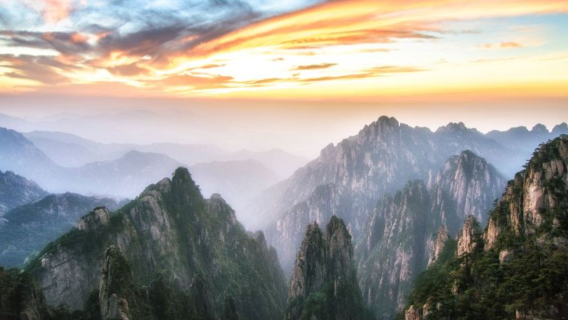
Mount Huangshan Scenic Area is located in Tangkou Town, Huangshan District, Huangshan City. Since ancient times, Mount Huangshan has been one of China's most renowned mountains. Its peculiar pines, strange rocks, sea of clouds, and hot springs are known as the "Four Wonders" of Mount Huangshan. In addition to these, rime, snowscapes, and sunrises are also views that visitors will not miss. There is an ancient saying: "Having visited the Five Great Mountains, one need not look at any other mountains; having visited Mount Huangshan, one need not look at the Five Great Mountains." The attraction is divided into the south gate, west gate, and north gate. The vast majority of visitors enter and exit through the south gate, which has two entrances and exits—front mountain and back mountain—both close to Tangkou Town at the foot of the mountain. The town has also become a transfer hub for visiting Huangshan, and many visitors arrive here in advance to stay overnight. From Tangkou Town to the attraction entrance, you need to take the Huangshan New National Line shuttle bus, which stops at the front mountain gate (Ciguang Pavilion), the back mountain gate (Yungu Temple), and the Huangshan-Hot Spring attraction. Visiting the attraction mainly involves two routes up the mountain, the front mountain and the back mountain, both leading to one of the main peaks, Bright Summit. On the other side of Bright Summit, there is also a loop route — the West Sea Grand Canyon. Front mountain The front mountain refers to the hiking route starting from Ciguang Pavilion to Yuping Tower at the summit (accessible directly by the Yuping Cable Car), as well as the Mount Huangshan Scenic Area - Lotus Peak and Tiandu Peak areas at the summit. The scenery of the front mountain is grand and majestic, making it very suitable for enjoying panoramic views from the cable car. Both the highest peak, Mount Huangshan Scenic Area - Lotus Peak, and the other main peak, Tiandu Peak, are located here (the two peaks open alternately). There are also classic attractions such as the Guest-Greeting Pine, Jiulong Peak - Carp Back, Hundred-Step Ladder, One-Line Sky, and Tianhai. Back mountain The back mountain refers to the hiking route from Yungu Temple to Bai'e Ridge (accessible directly by the Mount Huangshan Yungu Cableway), as well as the mountaintop areas behind Bai'e Ridge such as Shixin Peak, Mount Huangshan Scenic Area - Shizi Peak, and West Sea Grand Canyon - Paiyun Pavilion. The scenery of the back mountain consists mostly of exquisite mountain views, suitable for enjoying on foot along the way. Flying Stone and Monkey Watching the Sea are both located here. West sea grand canyon West sea grand canyon officially opened in 2000. The canyon is deep and the scenery is very magnificent, and it is known as the true gathering place of Huangshan's essential scenery. West sea grand canyon can be entered from West Sea Grand Canyon - Paiyun Pavilion in the summit area of the back mountain, and after looping around inside the canyon, you return to the main peak area of Tianhai. It takes about 2 hours to walk down from West Sea Grand Canyon - Paiyun Pavilion to the bottom of the canyon, and then you can take a cable car to Tianhai. Route recommendations The standard way to visit Huangshan is a two-day tour, with routes divided into ascending via the front mountain and descending via the back mountain (front mountain - West Sea Grand Canyon - back mountain) or ascending via the back mountain and descending via the front mountain (back mountain - West Sea Grand Canyon - front mountain). Ascending via the front mountain and descending via the back mountain is suitable for taking the cable car up and walking down, which is both relaxing and allows you to enjoy the exquisite scenery of the latter half. However, since the essential route of the West Sea Grand Canyon runs from West Sea Grand Canyon - Paiyun Pavilion to Tianhai, you will have to backtrack along a section of the trail. It is possible to visit Huangshan in just one day, but the itinerary will be tight. It is recommended to ascend via the rear mountain and descend via the front mountain, taking the cable car both ways, and to either skip climbing the main peaks of the front mountain (Mount Huangshan Scenic Area - Lotus Peak / Tiandu Peak) or skip the West Sea Grand Canyon. Stay selection There are several accommodation options at the summit, mainly concentrated in areas such as Guangming Peak Tianhai, West Sea Grand Canyon-Paiyun Pavilion, Bai'e Ridge, and North Sea. Guangming Peak Tianhai is a great spot for watching the sunrise, and it is also suitable for storing luggage while exploring the West Sea Grand Canyon. Bai'e Ridge is the upper station of the Huangshan Yungu Cableway on the rear mountain; if you typically enter the attraction from the rear mountain in the afternoon, staying here is quite convenient.

Huangshan City · 40 km from Jingde
Zhuwangcun

Zhuwangcun

3.7
3.5/5
83 reviews

Zhuwang Village is an ancient village built more than 1,300 years ago. It is one of the five ancient civilized villages in Jingde County. All the houses are Hui-style buildings. It has a profound cultural heritage, a long human history, and unique architectural landscape. It is said to be the residence of the descendants of Zhu Xi, a great Neo-Confucianist in the Song Dynasty. There are 47 preserved ancient buildings from the Ming and Qing Dynasties. The layout of the residential buildings is reasonable and unique, with a typical Hui-style architectural style. There are also well-preserved private schools - "Fushan Academy" and "Chazihao" old pawnshops. The Zhuxi River in Zhuwang Village was dug by the ancestors of the Zhu family at that time, presenting a unique north-south water system. There are nine wells in the river and on the riverside that were used for drinking water at that time. There are thirteen stone bridges built with huge bluestones on the river. The nine wells and thirteen bridges are called "Nine Wells and Thirteen Bridges". According to the legend of the older generation in Zhuwang Village, nine Jinshi will be born in Zhuwang Village, and the Zhu family will have thirteen dynasties. The "Xianyuntan" in the upper reaches of Zhuxi River is where Zhu Zedan, one of the two Hanlin brothers Zhu Zedan and Zhu Zebo, studied with the moon. The four characters "Xianyuntanying" written by Zhu Zedan himself are clearly visible, and the ruins of the ancient stage beside the pond are vaguely visible. "Longtan Waterfall" is a three-fold cloth; "Guanyin Temple" and "Dragon King Temple" express the ancient people's hope for the prosperity of their offspring and good weather. Zhuwang Village was established nearly a thousand years ago, and the folk customs are simple. There are mainly several surnames, Zhu, Wang, Fang, Lv, Zhong, and Liu. The majority of them are surnamed Zhu, who are descendants of Zhu Xi (1130-1200), a Neo-Confucianist in the Southern Song Dynasty. The village is full of Hui-style buildings, with blue bricks, black tiles, and horse-head walls. In the Ming and Qing Dynasties, there were two ancestral halls, four temples for land, Guanyin, and Prince, and two chastity archways. Famous business names include "Caizi", "Qianyuan", and "Xinglong". During the Ming and Qing Dynasties, Zhuwang Village was prosperous, with towering stone archways, majestic ancestral halls, incense-filled temples, ancient music on the stage, and merchants and shops. According to legend, there was also a master of environmental layout who made a legend. It is said that the Zhu family offended the Cai family because the Zhu family built a Caijia Bridge on the Huishui River. The pigs (Zhu) crossed the bridge and ate all the vegetables (Cai), causing the Cai family to decline. In order to vent their anger, the Cai family asked a geographer to persuade them to dig an artificial river in the middle of Zhuwang Village. Imagine, if the pig (Zhu) was opened, would it still be alive? Legends are legends, and they cannot withstand scrutiny, let alone verification. But this thousand-year-old village still has its unique charm, and it has survived through ups and downs to this day.

Jingde · 9.5 km from downtown
Xuan Paper Cultural Park
No. 10 of Family-friendly Attractions in Anhui

Xuan Paper Cultural Park

6.5
4.5/5
2.2k reviews

Xuan Paper Cultural Park is a specialized attraction dedicated to the craftsmanship and cultural heritage of Xuan paper production. Located in Jing County, Xuancheng City, Anhui Province—the birthplace of Xuan paper—it is renowned as the "Hometown of Chinese Xuan Paper." The park consists of seven sections: the ancient Xuan paper workshop, the Four Treasures of the Study experience area, the Xuan Paper and World Paper Exhibition Hall, the calligraphy and painting gallery (including artists' studios), the Four Treasures of the Study and art market, the ancient book printing area, and the Jiangnan folk culture garden. As a showcase for China's national intangible cultural heritage, Xuanzhi Culture Park is not only the heart of Xuan paper production but also a place to explore traditional Chinese papermaking techniques. Visitors to the cultural park can witness the entire process of Xuan paper production firsthand, from material selection, steaming, and pulping to paper forming and sun drying. Each step showcases the exquisite craftsmanship and meticulous attention to detail in this traditional art. The park features a Xuan Paper Museum housing extensive historical documents and precious paper artworks, along with detailed exhibits on the origin, development, and artistic significance of Xuan paper in calligraphy and painting. Additionally, the cultural park offers interactive experiences where visitors can personally participate in Xuan paper making, experiencing the joy and challenges of handmade paper production. The park's calligraphy and painting exhibitions, along with regularly held cultural lectures, provide art enthusiasts with a platform for exchange and learning. Xuanzhi Culture Park is not just a window to understand traditional craftsmanship, but also an ideal place to experience the charm of Chinese culture. Whether you're a visitor fascinated by historical culture or someone passionate about artistic creation, this place offers unique and profound experiences.

Jing County · 32.1 km from Jingde
Huizhou Ancient City
No. 1 of Family-friendly Attractions in Anhui

Huizhou Ancient City

8.1
4.2/5
2.7k reviews

The ancient city of Huizhou is located in Shexian County.LianjiangNorth Bank, originally built in the Qin Dynasty, became the seat of the ancient Huizhou Prefecture after the Tang Dynasty. Tang Xianzu's line, "My life's most cherished dream, yet I never dreamt of Huizhou," has captivated countless hearts. The city gates, archways, and the unique prefectural government offices still allow visitors to experience the ancient charm.Huizhou PrefectureThe legacy of the past. There are several roads leading into the ancient city, and it doesn't really matter which road you choose. The ancient city isn't very big; you can visit all the main attractions by walking around. It's near Renhe Tower in the north.Huiyuan GardenTicket offices are available at both the Nanqiao Tower and the Duojingyuan visitors Center outside the southern barbican. Among the several city gates of Huizhou Ancient City, the Nanqiao Tower is quite unique, with 13 pairs of pillars forming the gate frame, arranged in a row inside the gate opening to support the tower. It is said that this "row of pillars" is the authentic city gate style of the Northern Song Dynasty. The Xu Guo Stone Archway, located inside the East Watchtower (Yanghe Gate), is the essence of the entire ancient city, built in the twelfth year of the Wanli reign of the Ming Dynasty (1584 AD). The archway has eight pillars, with a cross-section shaped like the Chinese character "口" (kou), creating a three-dimensional structure. Both the four exterior and four interior sides can be viewed. Twelve stone lions guard the base of the pillars, and the upper part features exquisite stone carvings. Currently, this is the only ancient archway of its kind, highlighting the distinguished status of its owner, Xu Guo, a veteran of three reigns. Many attractions in the ancient city radiate from the Xu Guo Stone Archway. To the west, you can visit the Huizhou Prefectural Government Office, a modern reconstruction modeled after the Ming Dynasty government office; to the east, you can visit the memorial hall of Tao Xingzhi, a native of Shexian County; and to the north, you can visit...Huiyuan Garden,butHuiyuan GardenThe area is filled with antique-style buildings. Doushan Street, located in the northeast of the ancient city, brings together Hui-style ancient residences, archways, and ancient wells. Strolling along the ancient street paved with bluestone slabs and cobblestones is a truly delightful experience. Leaving the ancient city from the barbican, cross the "Taiping Bridge," a stone bridge built during the Hongzhi era of the Ming Dynasty, and you will arrive at...LianjiangSouth bank, here isTaibai TowerHe Xin'an Stele Garden.Taibai TowerBuilt to commemorate Li Bai, the Xin'an Stele Garden houses the Ming Dynasty calligraphic works *Yu Qingzhai Tie* and *Qingjiantang Tie*, which are worth visiting for calligraphy visitors. Along...LianjiangHeading east, the Changqing Temple Pagoda, built in the second year of the Xuanhe era of the Northern Song Dynasty (1119 AD), is rarely visited. However, it offers a truly unexpected surprise to visitors who get close: each layer of the outer pagoda has colorful murals, which have become blurred over the years and cannot be seen from a distance. The last attraction, Yuliang Scenic attraction, is located 2 kilometers east of the ancient city. The entrance is at...LianjiangThe north bank is the only way to get back to the north bank after visiting Changqing Temple Pagoda; if you're coming from the south bank, you'll need to cross Taiping Bridge again.Yuliang DamYou have to go around to Ziyang Bridge to cross the river. The main attractions of Yuliang attraction areLianjiangMing DynastyYuliang DamWhether or not you can walk up to the dam depends on...LianjiangThe water level is high; if it floods the ancient dam, it becomes impossible to climb it. When you reach the dam, remember to look for the small stone slabs, called "ingot locks," embedded horizontally between the long stone slabs; these help stabilize the dam. Also, look for the sluice gate in the center of the dam for drainage. If you'd like to take a ride on one of the locals' small boats along the shore...LianjiangThe price is negotiable. Residents still live on Yuliang Old Street on the north bank, and as always, they hang their bedsheets to dry in front of the ancient buildings; time seems to stand still here. The ancient city is lit up at night, offering stunning night views. (The text abruptly shifts to a description of the ancient city.)Tao Xingzhi Memorial HallThe nearby Shexian Jiuyue Huizhou Inn (Huizhou Ancient City Branch) offers accommodation, and there are more options outside the ancient city. Restaurants are concentrated in...Huiyuan GardenIn addition, local specialties include Huizhou Yipin Guo (a type of hot pot), a large pot layered with chicken, duck, meat, and fried tofu, garnished with egg dumplings, which is very tempting. Other dishes worth trying include hairy tofu and stinky mandarin fish. If you come across a vendor selling preserved vegetable pancakes, you can buy some to eat while you stroll around; they are very delicious.

She County · 47.8 km from Jingde
Cheng Kan
No. 2 of Fall Viewing Attractions in Anhui

Cheng Kan

7.8
4.3/5
4.9k reviews

Cheng Kan is located in Huizhou District, Huangshan City. It is a thousand-year-old ancient village whose site and layout were chosen according to the yin-yang and bagua theory in the I Ching. At the end of the Tang Dynasty, the Luo family moved here from Nanchang, Jiangxi, and built the village according to the mountains and terrain. The streets and alleys extend in all directions, and entering the village is like entering a bagua maze. Eight peaks surround the village, and the Congchuan River flows through it in an "S" shape, naturally forming the dividing line of the yin-yang fish of the bagua. The entire village is like a living feng shui scroll. The ancient village preserves a large number of buildings from the Song, Yuan, and Ming dynasties, and such a wide chronological span is very rare among Hui-style villages. Changchun She in the southeast corner was first built in the Song Dynasty and is a community house for worshiping the earth god; Huanxiu Bridge in the northeast was built in the Yuan Dynasty, with a pavilion at the bridgehead, and Huanxiu Xuan beside the bridge houses many old Huizhou wood carvings and embroideries; Luo Huitai Residence, also from the Yuan Dynasty, also has a long history. When it comes to exquisite architecture, the Zhenjing Luo Dongshu Ancestral Hall (Baolun Ge) in the northeast of the village is the first choice. The hall of the second courtyard of this three-courtyard ancestral hall hangs a plaque written by Dong Qichang, and several thick and tall golden nanmu pillars stand in the hall; the two ends of the beams and architraves in Baolun Ge of the third courtyard are exquisitely carved, and many painted patterns on the beams can still be vaguely recognized today. The Ming Dynasty Yanyi Hall is three stories high, and its gate covered with iron nails and its beam and pillar components are impressive; the window railing carvings of Luo Runkun Residence are exquisite, and the beauty's leaning rail upstairs is also quite distinctive. Longxing Bridge in the southeast corner outside the village is a relatively large surviving Ming Dynasty single-arch stone bridge in southern Anhui, spanning the river with a majestic appearance. At the village entrance, white walls and black tiles are reflected in Yongxing Lake, making it a great place to photograph a panoramic view of the ancient village. In spring, rapeseed flowers bloom outside the village; in summer, lotus flowers in the lake shine in the sun; different seasons reveal village scenery with different charms. The village still preserves traditional folk customs such as the Lantern Festival fish lantern parade and autumn shaiqiu, and the ancient breath of life continues among the white walls and dark tiles.

Huangshan City · 47.8 km from Jingde
West Lake
2026 Global 100 - Best Things to Do

West Lake

10
4.7/5
37.4k reviews

West Lake is the core scenery of Hangzhou, with cloud-covered mountains on three sides and the city on one, and the two long causeways, Su Causeway and Bai Causeway, lie across the lake surface, dividing the water into several stretches large and small. Among the lakeside highlights, the "Ten Scenes of West Lake" handed down from the Southern Song dynasty rank first, and together with the later "New Ten Scenes of West Lake" and the "Three Reviews of the Ten Scenes of West Lake," over a hundred attractions spread out along the lake shore and the surrounding mountains, with pavilions, terraces, temples, and pagodas, gardens, causeways, and islands setting off one another against the distant mountains and nearby waters; the legend of the Broken Bridge, where Bai Niangzi and Xu Xian met, adds a touch of story to the lake and hills. There is no need to insist on visiting every spot; simply choosing a stretch of shoreline and wandering slowly is pleasant enough. You can explore West Lake on foot, by cycling, by the sightseeing electric shuttle that circles the lake, or by boat. The shuttle route makes exactly one full loop around the lake, saving effort and being convenient; cycling along the lakeside is leisurely and romantic, with many public bicycle rental points along the shore; if you want to take a boat, the several piers around the lake offer different boat types and routes, and it is recommended to take a boat to Three Pools Mirroring the Moon in the center of the lake while enjoying the lake views from the water along the way; alternatively, you can hail a rowboat at the lakeside and let the boatman row you around the lake for a more free and flexible experience. Attractions on the north shore are concentrated. The usual route starts from Lingering Snow on the Broken Bridge in the northeast corner, follows Bai Causeway to Solitary Hill, and along the way you can see cultural views such as the Xiling Seal Art Society, the Zhejiang Provincial Museum, the China Seal Museum, and Zhongshan Park–Pavilion for Releasing Cranes, taste a bowl of authentic West Lake vinegar fish at Louwailou, and then pass Xiling Bridge to the Temple of King Yue and Breeze-Ruffled Lotus at Quyuan Garden. In summer when the sun is strong, you might instead walk along Beishan Road, hide under the dense shade of the trees, and look at the curve of Broken Bridge and the swaying weeping willows on Bai Causeway; along the way there are many entrances where you can climb Baoshi Hill for high views; in the evening, the live performance Impression West Lake on Yue Lake is also well worth seeing. If you have plenty of time and energy, you can also get on the Su Causeway from around the Temple of King Yue and walk to enjoy the full view of West Lake. Hubin Road to Nanshan Road along the southeast shore is another area with a dense concentration of attractions. Hubin Road sits at the junction of the urban area and the scenic area, right next to the downtown commercial district, making it suitable for a short stop for travelers on a tight itinerary; by the lake there is also the iconic musical fountain and a cruise pier. From Hubin Road heading south along Nanshan Road, Orioles Singing in the Willows, the Long Bridge, Leifeng Pagoda, and Evening Bell at Nanping Hill line up one after another, and further west is Viewing Fish at Flower Harbor. The distances between adjacent attractions are convenient to cover on foot or by sightseeing bus, and you can choose a few to visit according to your preferences. Leifeng Pagoda and Evening Bell at Nanping Hill are best scheduled for the evening—listening to the bell at Jingci Temple and climbing Leifeng Pagoda to look down over the lakes and hills in the twilight are both excellent experiences.

China · Hangzhou
Ancient Huizhou Cultural Tourism Area
No. 2 of Night Attractions in Anhui

Ancient Huizhou Cultural Tourism Area

7.6
4.3/5
255 reviews

The Ancient Huizhou Cultural Tourism Area is located in Huangshan City, Anhui Province, the birthplace of Huizhou culture. The ancient city of Huizhou is the seat of the Huizhou government and is one of the four best-preserved ancient cities in China. The Tangyue Archway Group is the largest archway community in China. It consists of seven closely connected stone arches in the Ming and Qing Dynasties. Tang Mo has the reputation of the first village of Shuikou Garden in China. The idyllic scenery is elegant and chic, and the French romantic style is closely related to the ancient villages of Huizhou. Chengkan is known as the first Fengshui village in China. It integrates natural landscapes as a whole. According to the location and layout of the Eight Diagrams Fengshui theory in the Book of Changes, it interprets the philosophical theory that the heaven and the earth are interdependent. The Qiankou Residential House is known as a living monograph of the folk architectural art of the Ming and Qing Dynasties in my country, and it is a collection of the most classic and representative Huizhou Residential Houses in Huizhou during the Ming and Qing Dynasties. The Ancient Huizhou Cultural Tourism Area presents the "Hui culture", one of the three major regional cultures of China, perfectly and vividly to the world through the gathering of ancient city life, ancestral hall culture, archway culture, Huizhou merchant culture, village culture and residential culture.

She County · 48 km from Jingde
Hongcun Village
No. 1 of Night Attractions in Anhui

Hongcun Village

8.6
4.5/5
50.1k reviews

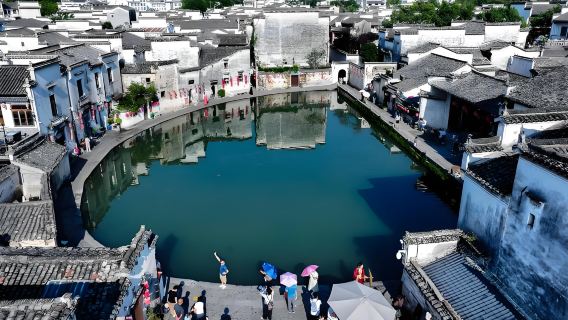
Hongcun Village is a classic Huizhou-style ancient village, renowned as a "village in a Chinese painting." A visit here offers two unmissable experiences: first, the water landscapes shaped by its irrigation system, with Nanhu Lake and Yuezhao Pond as the crown jewels; second, the exquisite "three carvings" of Huizhou architecture—brick, stone, and wood carvings—intricate enough to rival paper-cut art. Here, cultural heritage and natural beauty blend seamlessly into a harmonious whole. The ancient village was first built during the Shaoxing era of the Southern Song dynasty and gradually developed from the Yongle era of the Ming dynasty into a unique "ox-shaped village" layout. The two ancient trees at the village entrance form the "ox horns," the densely packed Ming and Qing Huizhou-style buildings in the village form the "ox body," the four bridges over the stream west of the village form the "ox feet," Yuezhao Pond is the "ox stomach," Nanhu Lake is the "ox belly," and the water channels flowing past every household are the "ox intestines." Sightseeing can begin at Nanhu Lake in the south of the village. Nanhu Lake is a bow-shaped artificial lake dug during the Wanli era of the Ming dynasty, with a broad expanse of water; the Huabridge crossing the lake is where Li Mubai led his horse in the film Crouching Tiger, Hidden Dragon. On the north bank of the lake, Nanhu Academy was formed by merging six original private schools by the lakeside, and its layout is exceptionally spacious. Heading north along the lake's north bank, visitors can also stop by ancient residences such as Jingde Hall and Wang Daxie's Former Residence (Zhenqi Hall). Continuing north leads to Yuezhao Pond at the village center, a half-moon-shaped pond dug during the Yongle era of the Ming dynasty, surrounded by Huizhou-style buildings reflected in its waters—one of the best spots for photography in the ancient village. However, visitors crowd around Yuezhao Pond year-round, so patience is needed to capture an empty shot. At the center of Yuezhao Pond's north bank stands Lexu Hall, also known as the Wang Clan Ancestral Hall, a surviving Ming dynasty building in the village with a simpler style than Qing dynasty architecture. On the western end of Yuezhao Pond's north side is Jingxiu Hall, built during the Qing dynasty. Further north, visitors can tour Chengzhi Hall, the residence of late Qing salt merchant Wang Dinggui. The residence is fully equipped with a study, kitchen, stable, bodyguard room, and servants' quarters, and even includes a "Paishan Pavilion" for playing mahjong; the house has its own pond and well, so water is available without leaving the premises. The exquisite Huizhou three carvings are worth examining closely—some wood carvings are even coated with gold powder, lavish and magnificent. Other ancient buildings in the village worth seeing include Deyi Hall, Shuren Hall, and Taoyuan Residence.

Yi County · 61.6 km from Jingde

Experiences you can't miss in Jingde

Featured Culture & history in Jingde

View all Culture & history
Yi CountyXidi+Hongcun Village1-day Tour
󱌍
Duration: 8 hrs
English
Free cancellation
Instant confirmation
Book now for tomorrow
FromPKR 40,926.39
Hongcun ancient village and Huizhou cultural experience (departing from Huangshan)
󱌍
Duration: 10.5 hrs
English
Free cancellation
Instant confirmation
10% off
Limited-time sale
FromPKR 15,614.91PKR 17,349.9
Xidi & Ox-Shaped Hongcun Village, UNESCO World Heritage Huangshan Day Private Tour
󱌍
Duration: 7.6 hrs
English
Free cancellation
Instant confirmation
FromPKR 21,853.07
Huangshan Huizhou Ancient Villages One-Day Tour (Hongcun + Xidi)
󱌍
5.0/5
· 1 review
Duration: 6.5 hrs
English
Free cancellation
Book now for tomorrow
FromPKR 22,244.70
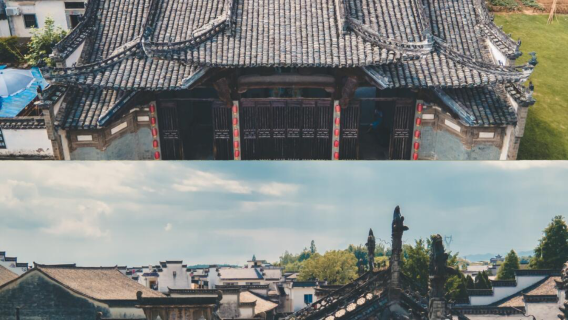
She County 1-day tour to Huizhou Ancient City + Tangyue Archway Cluster + Cheng Kan with English guide
󱌍
FromPKR 21,853.07
[Premium private tour] One-day private chartered car tour to Mount Huangshan Xidi Ancient Village + Hongcun
󱌍
Duration: 4 hrs
English
Free cancellation
Instant confirmation
Book now for tomorrow
FromPKR 29,905.69
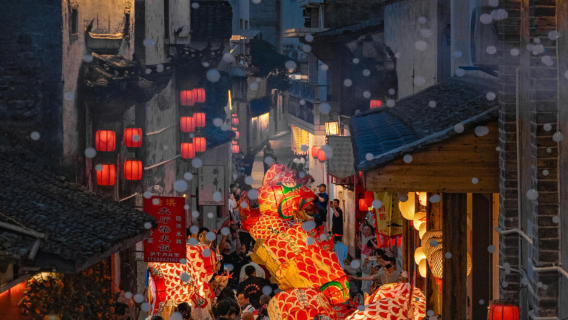
She County 1-day tour to Hu Kaiwen Ink Factory + Huizhou Ancient City + Yuliang Dam + Cheng Kan with English-speaking guide
󱌍
FromPKR 32,917.92

Featured Outdoor & sports in Jingde

View all Outdoor & sports
Huangshan: Yellow Mountain Small-Group Day Tour & Transfers
󱌍
Duration: 7.8 hrs
English
Free cancellation
Instant confirmation
FromPKR 32,298.14
Hongcun & Huangshan Express Day Trip, Optional Mtn Overnight
󱌍
Duration: 10 hrs
English
Free cancellation
Instant confirmation
FromPKR 35,196.69
Huangshan: Yellow Mtn. Xidi & Hongcun 1+1Day Cultural Tour
󱌍
Duration: 13 hrs
English
Free cancellation
Instant confirmation
FromPKR 20,703.94
[One-Day Outdoor Hiking Tour] One-Day Huihang Road Hiking Tour from Hangzhou
󱌍
Duration: 4 hrs
English
Free cancellation
Instant confirmation
FromPKR 15,393.99
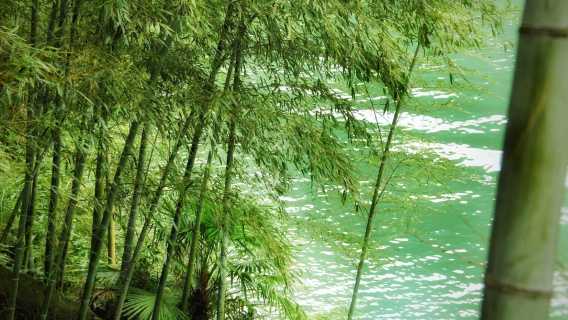
Jingde Today's weatherOvercast 11-18℃
Jingde weather for the next 2 days11/12: 10-18℃, 11/13: 12-19℃

Free things to do in Jingde

What travelers say about Jingde

user-avatar
KKanthidaNovember 10, 2026
5.0
It was absolutely worth the climb and spending the night on the mountain to witness the sunrise.If you plan to stay overnight on the mountain, I recommend staying at Guangmingding Hotel or Baiyun Hotel. Take the Yuping Cable Car up and descend via the Yungu Cable Car.However, if you're planning a one-day trip, I recommend taking the Yungu Cable Car up and descending via the Yuping Cable Car instead.

Mount Huangshan Scenic Area

user-avatar
D60***26October 15, 2026
5.0
A very historic ancient town, especially the Hu Clan Ancestral Hall, which showcases the rich history of the Hu family, as well as the Hui-style architecture and memorial archways. Be sure to hire a guide to learn more about the stories and anecdotes. It's a great place.

Longchuan Scenic Zone

user-avatar
M49***48July 3, 2025
5.0
江村,这座千年古村落,以“小桥流水人家”的徽风皖韵闻名。青石板巷蜿蜒于白墙黛瓦间,文昌阁与聚秀湖倒映着明清古建的沧桑。村中进士第、孝子祠等古迹林立,木雕石刻诉说着“旌德文脉”的厚重。夏日荷塘浮翠,秋日晒秋斑斓,四季皆可在此触摸时光的纹理。

Jiangcun

user-avatar
Anonymous userOctober 26, 2026
5.0
Overall, it was a good experience. The staff at the scenic area were very welcoming, the village was beautiful, and a small river ran through it, giving it a charming atmosphere. Everyone in the village seemed energetic and vibrant, creating a very peaceful and comfortable feeling.

Zhuwangcun

user-avatar
Anonymous userNovember 8, 2026
5.0
📍Xuancheng ~ Jingxian ~ China Xuan Paper Museum The building's shape resembles a stack of neatly arranged Xuan paper sheets or a "paper boat." Its minimalist modern design blends perfectly with the landscape of southern Anhui, making it incredibly photogenic. #AnhuiXuancheng #VisitingMuseums #ChinaXuanPaperMuseum

Xuan Paper Cultural Park

user-avatar
M54***51November 9, 2026
5.0
Our second stop in Huizhou was a charming, quaint place, less commercialized. Compared to other tourist attractions that feel like copycat sites, Huizhou Ancient City has its own unique character and is definitely worth recommending.

Huizhou Ancient City
user-avatar
锡城阿真November 10, 2026
5.0
📍Location: Huizhou District, Huangshan City, Anhui Province. A national 5A-level scenic spot and a national historical and cultural village, belonging to the ancient villages of Huizhou in southern Anhui. Famous saying: "Visit Chengkan, and your life will be free of obstacles." Originally named Longxi, it was first built in the Eastern Han Dynasty, about 1800 years ago. Zhu Xi praised it: "Chengkan, the village of two sages, is the number one village in Jiangnan." Key attractions: 1. Luodongshu Ancestral Hall (Baolun Pavilion) | Top priority. Known as the number one ancestral hall in Jiangnan, it is one of the two national protected sites in the village and a masterpiece of Ming Dynasty ancestral halls. 1. **Hall 1:** Four massive golden nanmu pillars inside the hall, with Ming Dynasty painted beams—the ceiling of this ancient Huizhou building is a must-see. 2. **Yongxing Lake:** A lake at the village entrance, reflecting the white walls and black tiles, perfect for daytime photos; also the main venue for the fish lantern parade, creating a strong atmosphere at night. 3. **Bagua Gate:** A popular photo spot, a filming location for the TV series "Joy of Life," featuring an arched gate; great for creating depth-of-field shots with a telephoto lens. 4. **Changchun Society:** One of the oldest existing community houses in Huizhou, used for worshipping the land and grains, a remnant from the Song Dynasty. 5. **Huanxiu Bridge, Autumn Harvest Square, and Numerous Ming and Qing Dynasty Residences:** Over 150 ancient buildings from the Song, Yuan, Ming, and Qing dynasties are preserved. The number of Ming Dynasty buildings is among the highest in southern Anhui. Ancient bridges, wells, and watchtowers are scattered throughout the village, giving it a more vibrant, lived-in atmosphere than Hongcun and Xidi, while attracting fewer tourists. **Reminder:** Recommended visit duration: 2-3 hours during the day; for a more leisurely stroll and photo opportunity, an overnight stay is recommended.

Cheng Kan

user-avatar
Anonymous userOctober 14, 2026
5.0
My second visit to West Lake was great; the boat tour was excellent. The dock was easy to find, the staff were very friendly, provided clear explanations, and helped with any issues. There were also sightseeing buses, which were nice but a bit pricey. Taking the boat tour and then walking around was both perfectly fine.

West Lake

user-avatar
五行缺土26October 4, 2026
4.0
A combined ticket for the Tangyue Memorial Archway Complex and the Bao Family Garden is available. The Tangyue Memorial Archway Complex comprises seven archways from the Ming and Qing dynasties belonging to the Bao family. The stone carvings are rich in historical significance, and a guided tour is highly recommended. The Bao Family Garden primarily features Hui-style bonsai and can be visited briefly. The combined ticket costs 98 yuan, which is slightly high overall.

Ancient Huizhou Cultural Tourism Area

Trip Moments in Jingde

Popular cities near Jingde

Frequently asked questions

What are the must-do things in Jingde?

Don't miss these attractions in Jingde: Mount Huangshan Scenic Area, Longchuan Scenic Zone, and Jiangcun. If you like Culture & history, try Yi CountyXidi+Hongcun Village1-day Tour. If you enjoy Outdoor & sports, try Huangshan: Yellow Mountain Small-Group Day Tour & Transfers.

Get help anytime, anywhere within 30 secondsContact customer support

Change and cancellation policies vary by attractions and tours. Please check the product details page for more information.

Ticket prices may vary between weekdays and weekends, as well as during peak and off-peak seasons. When booking with Trip.com, you can also use Trip Coins to get extra savings. For more tips on booking discounted tickets, please visit Trip.com for the latest information.