

Photos
Suwon
Suwon Travel Guide 2026: Top Attractions, Local Food & Travel Tips | Trip.com
About Suwon
Current weather conditions
 3°C
Suwon Local Experiences Map
View local experiences on map










Trending in Suwon
View more
Trip.Best: Suwon
View more

Plan Your Suwon Trip
What to do
Looking for things to do in Suwon? We provide up-to-date info on everything from must-see scenic spots to local hangouts.
View more
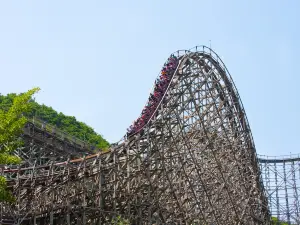
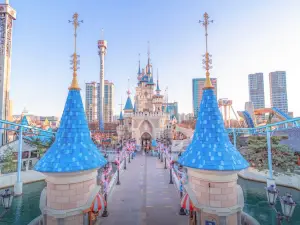
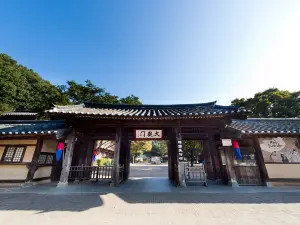
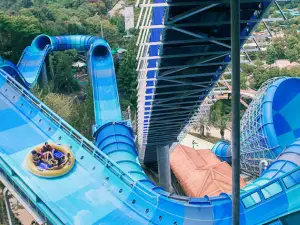
Caribbean Bay
5.6
4.7/5331 Review

Seoul Grand Park
6.0
4.6/5207 Review


AUBL 2026-2027 Season Seoul Opening Match Yonsei University vs. Shanghai Jiao Tong University
5.0
This user hasn't left any comments yet
Sports
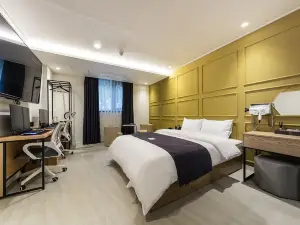
Where to stay
Discover the most popular places to stay in Suwon, complete with recommendations from fellow travelers and special hotel offers
View more



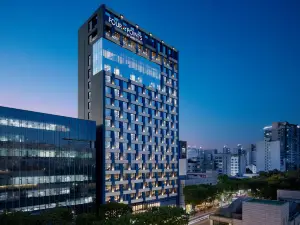
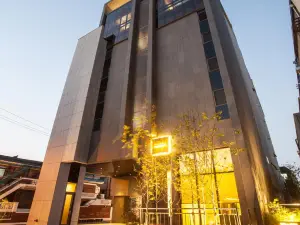

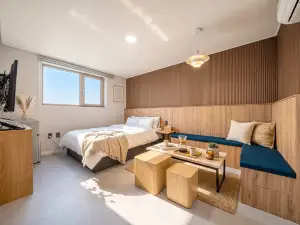


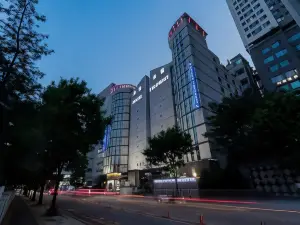
What to eat
Want to eat like a local? Don't miss out on these top Suwon dishes and foodie spots.
View more


Suwon Moments: Through Travelers' Eyes
Post
#Recommended
#수원여행
#수원
#핫플
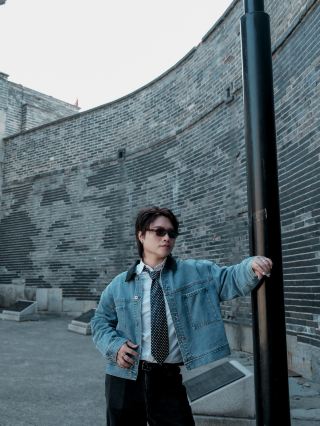
hwaseongfortress
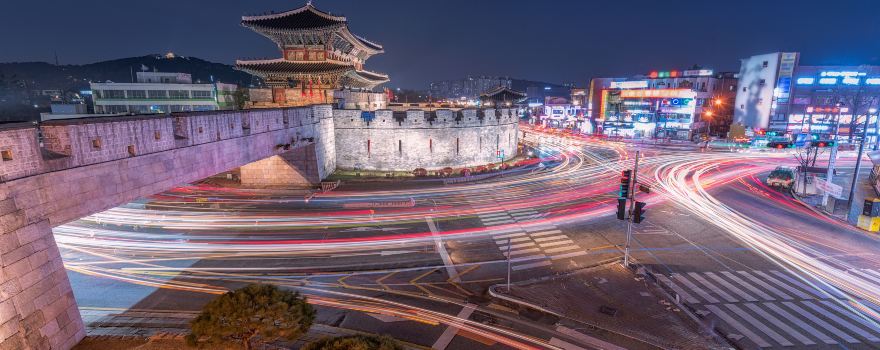
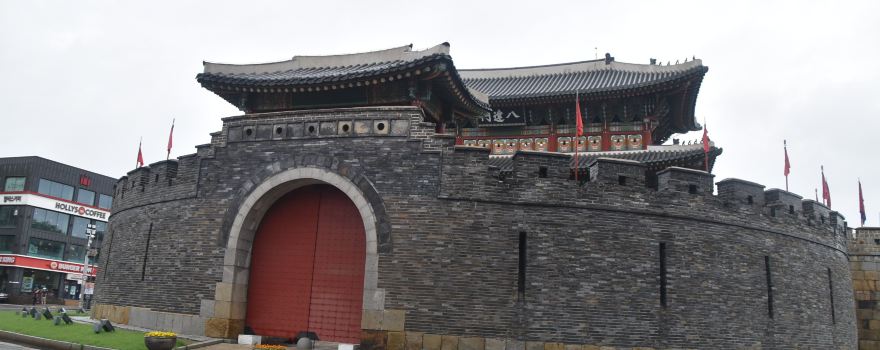
🏯 A Fortress from the Joseon Dynasty | Hwaseong Fortress (수원화성) 🇰🇷 When it comes to countries with a long and rich history and royal dynasties, South Korea is definitely one of the most fascinating. Today, I'm taking you to see the grandeur of Hwaseong Fortress, a large fortress in Suwon with walls approximately 5.7 kilometers long. It was registered as a UNESCO World Heritage Site in 1997. This fortress was built during the reign of King Jeongjo, the 22nd king of the Joseon Dynasty, between 1794 and 1796. The reasons for its construction included national defense, the creation of a new political center, and importantly, it was built in remembrance of his father, Crown Prince Sado. Many might wonder why this fortress is connected to King Jeongjo's father? The story begins in 1762 when Prince Sado, son of King Yeongjo, clashed with his father amidst political turmoil within the royal court. Historical records also detail his behavior and mental instability. Ultimately, King Yeongjo ordered Prince Sado imprisoned in a wooden rice storage chest, where he died after several days. This event became one of the most famous tragedies in the history of the Joseon Dynasty. Later, when Prince Yi San ascended the throne as King Jeongjo in 1776, he sought to restore his father's honor. In 1789, he moved Prince Sado's tomb from Yangju to Mount Hwasan in Suwon, an area considered highly auspicious at the time (UNESCO World Heritage Centre). Subsequently, King Jeongjo envisioned developing Suwon and constructed Hwaseong Fortress, serving as a fortress, a political center, and a new city reflecting his vision. The design was significantly influenced by Jeong Yak-yong, a prominent scholar of the Silhak school (UNESCO World Heritage Centre). Interestingly, this fortress was not merely a city wall, but incorporated military, scientific, and architectural concepts from both the East and West of the time, earning it recognition as one of the most outstanding military architectural works of the 18th century (UNESCO World Heritage Centre). Subsequently, during the Korean War (1950–1953), Hwaseong Fortress suffered extensive damage before undergoing restoration and reconstruction. Modern restoration began in earnest in 1964, utilizing historical evidence from original construction documents as key information for the restoration process (UNESCO World Heritage Centre). In 1801, the Hwaseong Seongyeok Uigwe was compiled, detailing the construction of Hwaseong Fortress, including blueprints and construction procedures. The details of the project are therefore very important documents in preserving this fortress to this day (UNESCO World Heritage Centre). 🗓️ Simplified Timeline 1762 — Prince Sado dies after being imprisoned in a wooden chest. 1776 — Prince Yisan ascends the throne as King Jeongjo. King Jeongjo, the 22nd king of the Joseon Dynasty. 1789 — King Jeongjo moved his father's tomb to the Hwasan Mountain area in Suwon. 1794–1796 — Construction of Hwaseong Fortress began. 1801 — The construction record, Hwaseong Seongyeok Uigwe, was compiled. 1950–1953 — The fortress suffered damage during the Korean War. 1964 onwards — Serious restoration and conservation efforts began. 1997 — Hwaseong Fortress was listed as a UNESCO World Heritage Site. For those wanting to visit, it's easy to get from Seoul to Suwon, taking less than an hour by most routes. Unfortunately, the sun was very strong on the day I visited 🥵☀️, so I couldn't explore the entire wall. But just seeing the grandeur of the place in person was worth it. ⏰ Opening Hours and Activities 🏯 Hwaseong Fortress Wall · Open 24 hours a day · Open day and night · Free admission (Suwon City) 🏯 Hwaseong Haenggung Palace · Open daily 09:00–18:00 · In 2026, there will be a Night Opening from May 1st–November 1st, only on Fridays–Sundays and public holidays. · Nighttime hours: 18:00–21:30, ticket sales/entry close at 21:00 (Suwon City) 🎈 Flying Suwon · Weekdays 13:00–21:30 · Saturdays, Sundays and public holidays 11:00–21:30 · Last flight 21:30 · Service is subject to weather and wind conditions, so please check flight status again on the day you plan to go (flyingsuwon.com) 🏹 Traditional Korean Archery (국궁체험) · March–October 09:30–17:30 · November–February 09:30–17:00 · Lunch break 12:00–13:00 · Sessions run every 30 minutes · Location: Yeonmudae (연무대) (Suwon City) 📍 Hwaseong Fortress (수원화성) Suwon, Gyeonggi-do, South Korea 🇰🇷 #HwaseongFortress #Suwon #SuwonHwaseong #TravelKorea #SAILORMAX

SAILOR MAX
6

sailormax
Starfield Library Suwon: More Than Just a Place for Books 🇰🇷
SAILOR MAX
25
คิดถึงธรรมชาติ
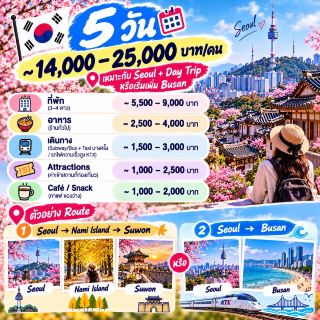
Traveling to South Korea for 3 / 5 / 7 / 9 Days: How Much Budget Should You Prepare? 🇰🇷

By My Side : ผลัดกันถ่าย
44
คิดถึงธรรมชาติ
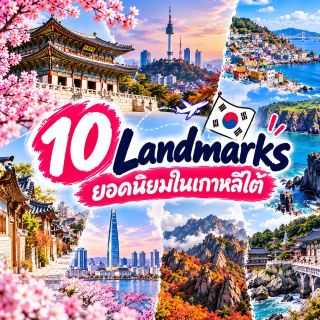
10 Popular Landmarks in South Korea
By My Side : ผลัดกันถ่าย
10
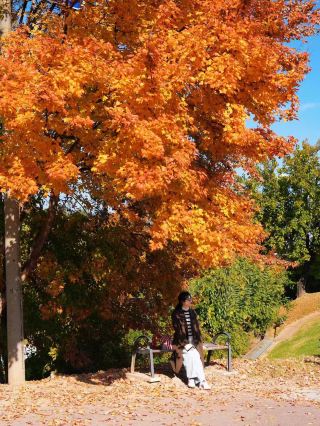
Autumn in Gyeonggi-do | Suwon: Where ancient autumn and romance perfectly blend

VoyagingVagabond
1

koreatravel
18 Must-Visit Cities in South Korea.
By My Side : ผลัดกันถ่าย
143

中浪首爾玫瑰公園
Rose Season! Suwon Hwaseong Fortress!

NicoleHeiTong
33

ร้านอร่อยราคาดี
Castle-View Cafe in Suwon.

Journeycalls Official
34
View more
Best of Suwon
Popular Best Things to Do Near Suwon
View more
Caribbean Bay
4.7/5331 Review
Seoul Grand Park
4.6/5207 Review
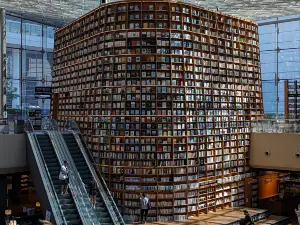

SEA LIFE COEX, Seoul Aquarium
4.6/51,280 Review

Kidzania Seoul
4.4/536 Review
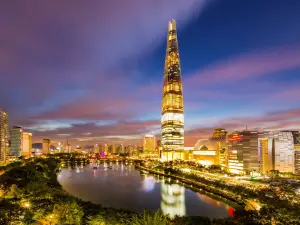


Lotte World Aquarium
4.6/5313 Review
Popular Family-friendly Attractions Near Suwon
View more
SEA LIFE COEX, Seoul Aquarium
4.6/51,280 Review

Seoul Grand Park
4.6/5207 Review

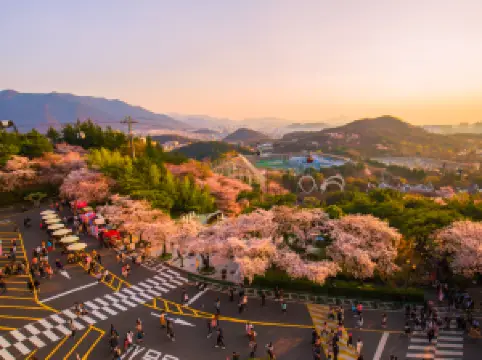

Vivaldi Park Ski World
4.7/5159 Review

Zoolung Zoolung Animal Theme Park (SEOUL TIMES SQUARE)
4.7/5109 Review

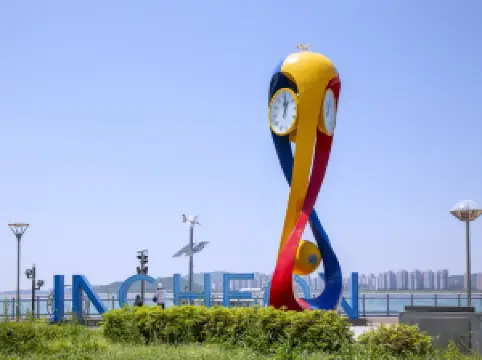
Kidzania Seoul
4.4/536 Review
Popular Family Hotels Near Suwon
View more
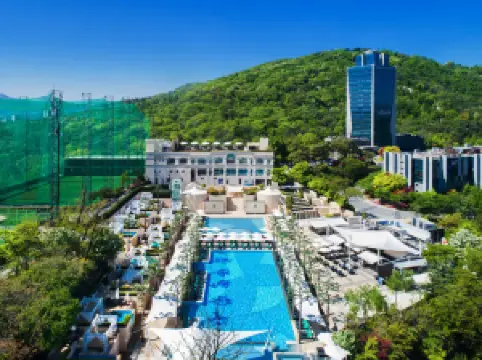
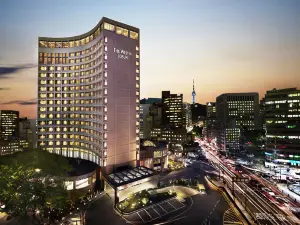

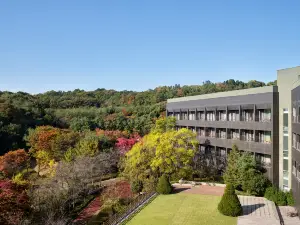
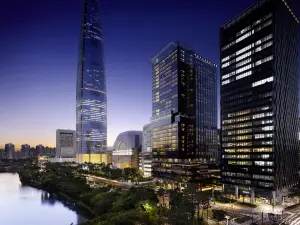


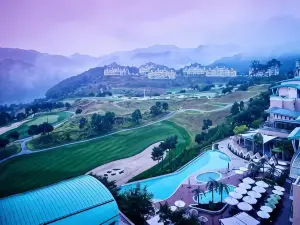


Popular Fall Viewing Attractions Near Suwon
View more


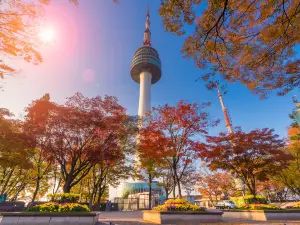



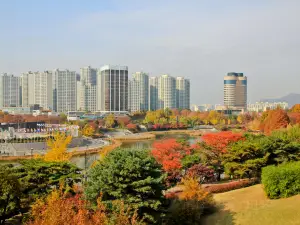

Popular Scenic Hotels Near Suwon
View more
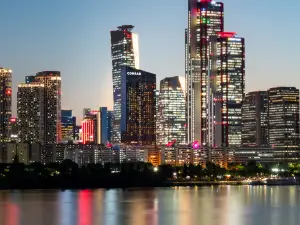

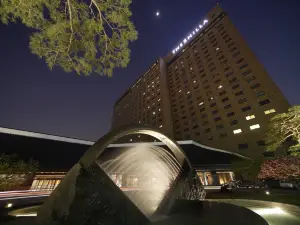

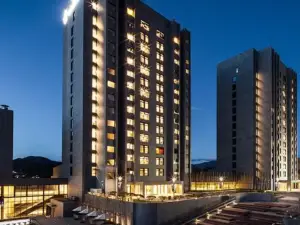
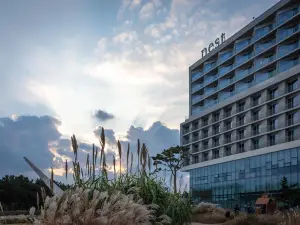
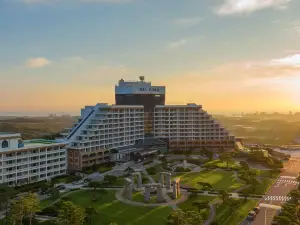
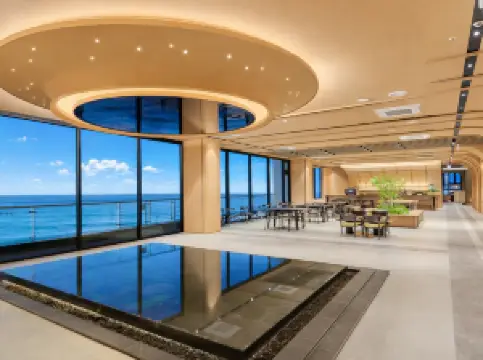
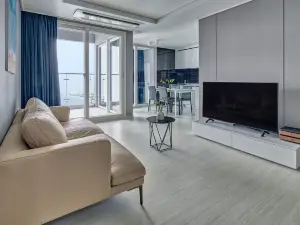
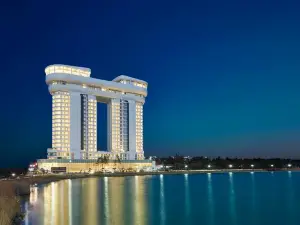
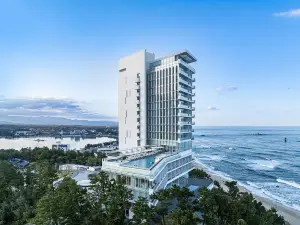
Popular Instagrammable Hotels Near Suwon
View more

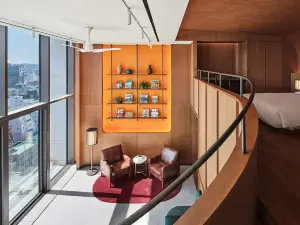
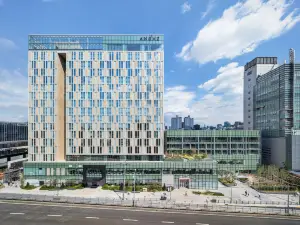
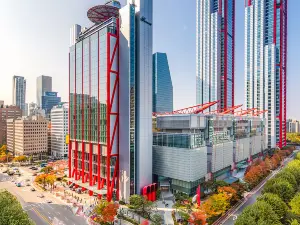

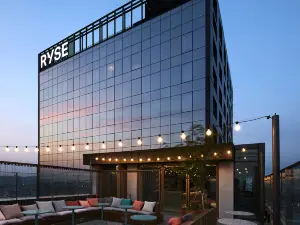
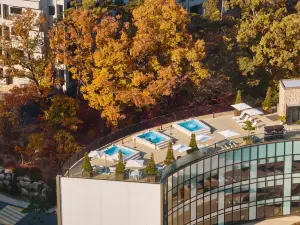
Popular Hot Spring Hotels Near Suwon
View more


Popular Ski Hotels Near Suwon
View more
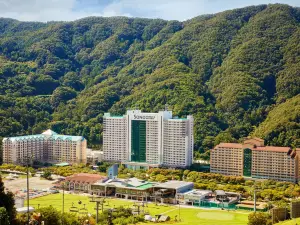
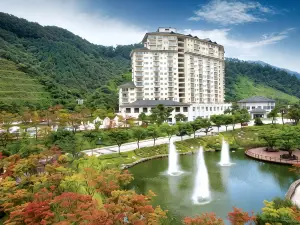
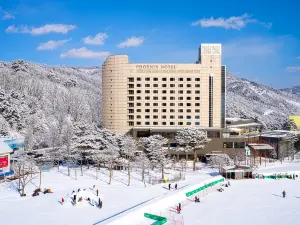
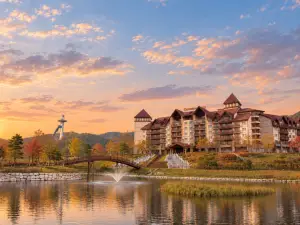
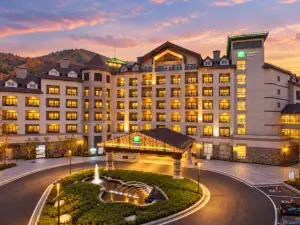
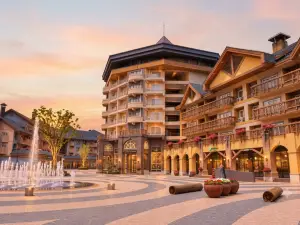
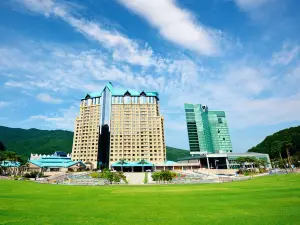
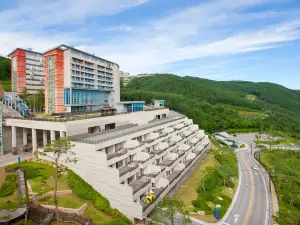
Popular Gourmet Hotels Near Suwon
View more
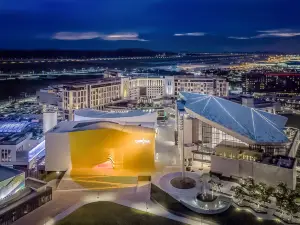
Popular Premium Hotels Near Suwon
View more



Other recommended cities

Seoul
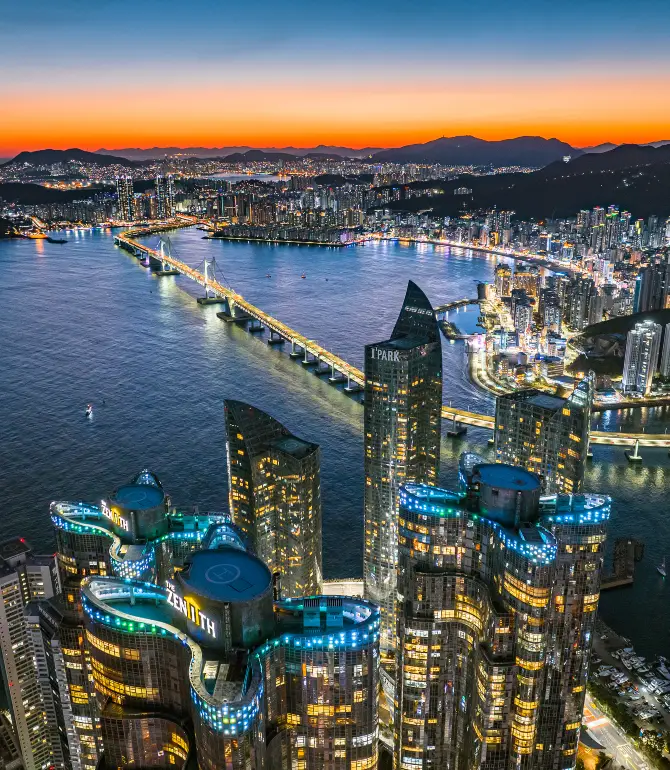
Busan
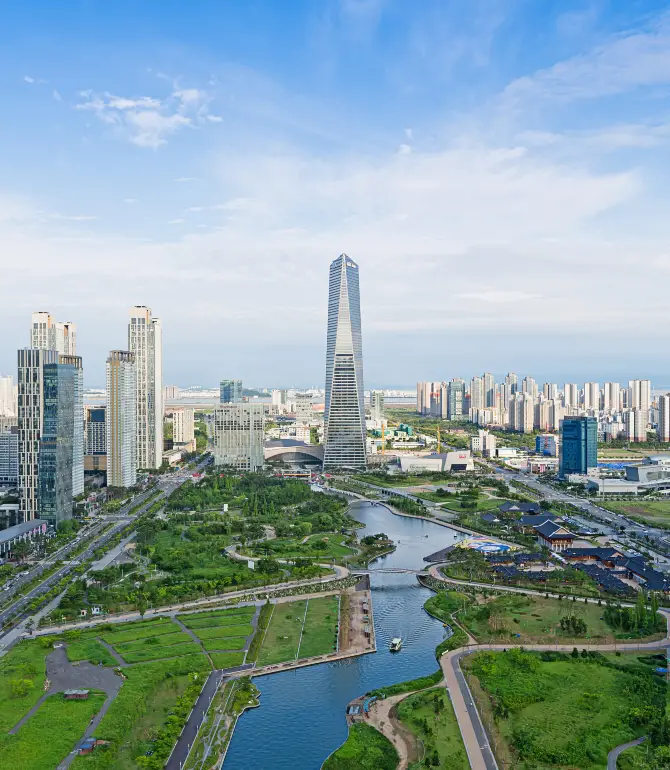
Incheon
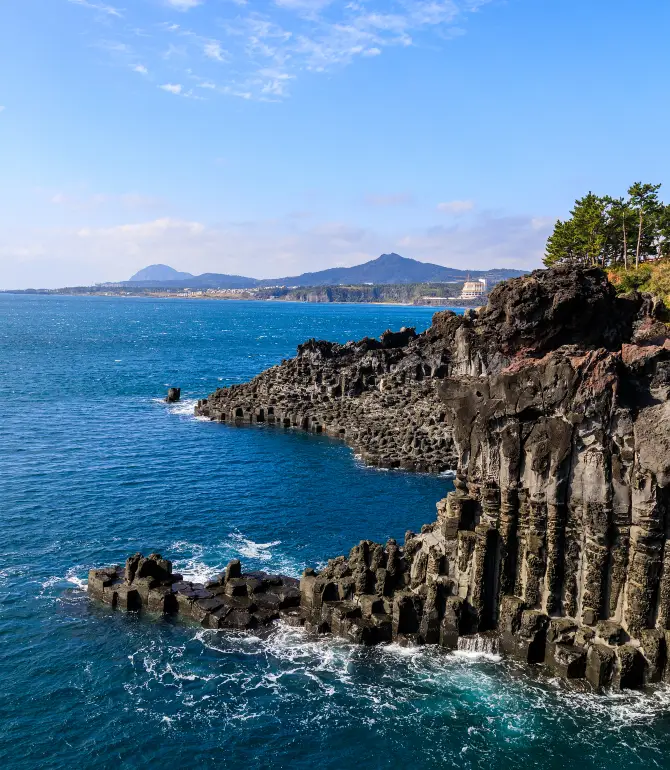
Seogwipo
Popular Types of Attractions in Suwon
Sightseeing tours | Night view | Boat tour | Cable car | Nature and wildlife | Natural scenery | Mountain climbing | Beaches and shores | Parks | Amusement parks | Film and television bases | Exhibitions & events | Performances | Concerts | Exhibitions | Leisure activities | Spa/massage | Farms and pastures | Camping and campsites | Cultural institutions | Themed exhibition halls | Science & technology museums | Museums | Historical attractions | Outdoor activities | Shooting | Mountain climbing | Water sports
Popular Attractions in Suwon
Suwon Grace Church | Samsung Innovation Museum | Bongnyeongsa Temple | Manseok Park Sports Field | Suwon Rodeo Street | Suwon Museum | Smart Park | Boom Takgu Yongpum | Suwon Hwaseong Museum | Monument of Jijidae | Ajou University Pacific ocean Square | Aqua Planet, Gwanggyo | Wolhwawon Garden | Gwanggyo 1(il)-dong Catholic Church | Statue of Kim Woo-joong | Suwon Hwaseong Fortress | Ssookcheonyeon Hyosobang | Statue of Peace | Hyowon Park | National Agricultural Museum | Irwol Botanic Garden
Popular Ranked Lists
Top 10 Global Traveller-Picked Attractions in Hohhot | Top 20 Global Traveller-Picked Restaurants in Leshan | Top 20 Global Traveller-Picked Hotels in Qingdao | Popular Premium Hotels in Obertauern | Top 20 Global Traveller-Picked Restaurants in Hefei | Top 20 Global Traveller-Picked Restaurants in Liuzhou | Top 20 Global Traveller-Picked Attractions in Kunming | Top 20 Global Traveller-Picked Hotels in Harbin | Top 50 Global Traveller-Picked Attractions in Wuhan | Top 20 Global Traveller-Picked Restaurants in Huzhou | Top 20 Global Traveller-Picked Hotels in Zhongshan | Top 10 Global Traveller-Picked Attractions in Beihai | Popular Premium Hotels in Shinyanga | Top 20 Global Traveller-Picked Restaurants in Rizhao | Top 50 Global Traveller-Picked Hotels in Shanghai | Top 10 Global Traveller-Picked Attractions in Lingshui | Top 10 Global Traveller-Picked Attractions in Kaifeng | Top 20 Global Traveller-Picked Hotels in Wuhan | Top 20 Global Traveller-Picked Restaurants in Tengchong | Top 10 Global Traveller-Picked Attractions in Nanning | Top 50 Global Traveller-Picked Hotels in Xi'an | Top 20 Global Traveller-Picked Attractions in Shaoxing | Top 50 Global Traveller-Picked Hotels in Shenzhen | Top 20 Global Traveller-Picked Restaurants in Lhasa | Top 50 Global Traveller-Picked Restaurants in Chaozhou | Top 20 Global Traveller-Picked Attractions in Dalian | Top 20 Global Traveller-Picked Restaurants in Jinghong | Top 50 Global Traveller-Picked Attractions in Shenzhen | Popular Global Traveller-Picked Attractions in Hunchun | Top 10 Global Traveller-Picked Attractions in Leshan
Popular Restaurants in Suwon
Himalaya Garden | Bonsuwon Galbi | Kabojung Kalbi | Suwon Mandu | Cocky Pub Ingye | Wooriso Yangpyeong Haejanggook | Boyoung Mandoo | BTJ Coffee | Nang Saigon | Shinla Galbi | Eatalia | P.F Chang's | August Gust | Yeonpo Galbi | Songpung Garden | Kkang Udong | Sem Peure Bene | Yuchi Hall | Cheongung | Tokkijung Gwanggyo Avenue France | Siru Scent | Bak Gunja Jinju Cold Buckwheat Noodles | Gabojeong Galbi | Thai Smile | A Twosome Place | Outback Steakhouse Suwon Station | Mom's Touch | Boyeong Dumplings | Grotto | La Via
Popular Destinations
Willoughby Travel | Chioggia Travel | Lake Geneva Travel | Toms River Travel | Khargone Travel | Port Fairy Travel | Khanh Hoa Province Travel | Tacheng Prefecture Travel | Puyallup Travel | Clinton County Travel | Wells Branch Travel | Rutland Travel | Waterford Travel | Campos do Jordao Travel | Taormina Travel | Michigan City Travel | Fitzgerald Travel | Manjung Travel | Suffolk County Travel | Bath Travel | Middelfart Travel | Horsens Municipality Travel | Muskoka Lakes Travel | Tulsa Travel | Belleville Travel | Ajax Travel | Hailar Travel
Recommended attractions at popular destinations
Popular Attractions in Bangkok | Popular Attractions in City of Manila | Popular Attractions in Tokyo | Popular Attractions in Taipei | Popular Attractions in Hong Kong | Popular Attractions in Seoul | Popular Attractions in Kuala Lumpur | Popular Attractions in Los Angeles | Popular Attractions in Shanghai | Popular Attractions in New York | Popular Attractions in Shenzhen | Popular Attractions in Osaka | Popular Attractions in Singapore | Popular Attractions in London | Popular Attractions in Guangzhou | Popular Attractions in San Francisco | Popular Attractions in Beijing | Popular Attractions in Macau | Popular Attractions in Bali | Popular Attractions in Jakarta | Popular Attractions in Paris | Popular Attractions in Ho Chi Minh City | Popular Attractions in Istanbul | Popular Attractions in Phuket | Popular Attractions in Chicago | Popular Attractions in Seattle | Popular Attractions in Toronto | Popular Attractions in Orlando | Popular Attractions in Cebu | Popular Attractions in Chiang Mai
Popular Trip Moments
The most beautiful library in the world is in Korea? | Seoul to Suwon by KTX: Hwaseong Haenggung Palace (filming location of "Dae Jang Geum") + Autumn Street Scenery Day Trip | A sweet combination of pistachio cheesecake and banana pudding! 'Sogongwon,' a trendy cafe in Haenggung-dong ☕🍌🍰 | 🐟 Enjoy a luxurious tuna course in Ingye-dong, Suwon, Minami Tuna | Orange Bagel, famous for its delicious bagels in Suwon, opens a new branch in Gwanggyo🍊🥯 | Thick fresh pork belly, grilled kimchi, and fried rice—perfect! 'Dakchigo Samgyeopsal,' a meat restaurant in Suwon with an old-school vibe 🥓🥘🍚 | Visually stunning pasta and juicy steak! 'D-Day House,' a Western restaurant with a great atmosphere in Haenggung-dong 🍝🥩🍷 | Even adults will lose track of time once inside! A giant toy paradise nestled in the alleys of Haenggung-dong where memories and childlike wonder explode simultaneously. | A sunny spot where Suwon locals gather with their mats 🍃 | Suwon Food Guide: 9 Must-Try Foods You Can't Miss! | If you love crab, you will 100% regret not visiting The Square, a Suwon hotel buffet for weekend dinner. | 💕 A Gomtang specialty restaurant in Hwaseong boasting a deep and rich broth flavor, brewed intensely over a wood fire in a traditional cauldron. | First Time in Suwon? 8 Things You Can’t Miss! | Retro film vibes inside a Hanok! The top visual spot on Haengnidan-gil where every click turns into a photoshoot. | A traditional temple nestled between the foothills of Mt. Paldal and the alleyways of Haenggung-dong, offering tranquil rest and a secluded atmosphere in the heart of the city. | How to walk the eastern wall of Hwaseong Fortress without doing the whole loop | Where History Meets Everyday Life: Suwon, South Korea | 🍕 Suwon Gwanggyo Wood-fired Pizza Restaurant — Half-and-Half Calzone and Cream Pasta | The fantastic combination of whole octopus rice bowl and marinated mantis shrimp set meal! 'Haenggung Aewol,' a home-style restaurant with a Haenggung-dong vibe 🐙🦐🍚 | There are still festivals to enjoy in Suwon this October! 。 | [Suwon] Enjoy Tea with a View of Suwon Hwaseong’s Janganmun Gate at "Paletscent." | [Suwon Eats] Incredible Value! A Local Favorite for Korean Chinese Cuisine. | [Suwon] The Stunningly Beautiful "Starfield Library" (Byeolmadang). | [Suwon] Hwaseong Fortress: Why I Highly Recommend Visiting from Dusk to Night | [🇰🇷Suwon] The variety of side dishes is amazing! 👏 Famous BBQ restaurant 'Kabojon Galbi' | Starfield Library Suwon: More Than Just a Place for Books 🇰🇷 | Explore South Korea with Trip.com: 5G eSIM for a Seamless Journey! | A museum where you can vividly experience the construction process of Suwon Hwaseong Fortress and the history and culture of the Joseon Dynasty | 💕 A local favorite on Suwon Chicken Street featuring crispy old-fashioned whole chicken and generous cauldron-cooked chicken
More Things To Do in Suwon
Suwon Hwaseong Fortress, Starfield Suwon & Gwangmyeong Cave Day Tour from Seoul | Seoul: Suwon Full-Day Trip to UNESCO Fortress & Trendy Spots | Seoul: Suwon Hwaseong, Starfield Library, Folk Village Tour | From Seoul: Starfield Library, Hwaseong, Gwangmyeong Cave | odt.mode selfie experience | Korean Folk Village & Suwon Hwaseong Fortress + Nammun MarketOne Day Tour (From Seoul) | Seoul: Suwon Hwaseong Fortress & Folk Village or Starfield | Korean traditional folk painting experience in Haenggung-dong, Suwon (Non-Korean Nationals Only) | Korea | Suwon Hwaseong Fortress + Jebudo Marine Cable Car + Korean Folk Village Day Tour | UNESCO World Heritage & Scenic Cable Car | From Seoul | Professional English/Chinese-speaking Guide | Seoul Departure | Suwon Hwaseong Cherry Blossom + Gakwonsa Temple Cherry Blossom Viewing Day Trip | Day Tour from Seoul | Suwon Hwaseong Fortress + Starfield Library + Haengridan-gil | [Departing from Seoul] One-Day Summer Tour to Suwon Hwaseong Fortress + Starfield Library + Jangtaesan | Seoul: Suwon Hwaseong & Palace & Starfield & Waujeongsa Tour | 1-day tour to Suwon: Suwon Hwaseong Fortress + Waujeongsa Temple + Starfield Library + hanbok & gimbap | Haenggungdong Oil Pastel One Day Class 1hour Experience | Seoul: Suwon Hwaseong, Palace, Starfield Library, Gwangmyeong Cave tour | Free snowsuits for children | Korea Vivaldi Park snow world X Alpaca World X strawberry picking day tour | [Paju] DMZ · Paju Heyri Art Village selected private chartered tour (full-day) | 1-Day Tour Near Seoul: Alpaca World + Gangchon Rail Bike + The Garden of Morning Calm | Seoul Suburbs | Private Charter Tour | Nami Island + Rail Bike + Samaksan Mountain Lake Cable Car | Personal Styling & Premium Scalp Head Spa (Mariem Hair & Head Spa) | Seoul GN perfume workshop Fangbei store perfume making experience (non-Korean nationals only) | Luxury Swiss Perfection Facial & Body Spa | L'Escape Hotel Myeongdong | Vivaldi Park Winter Ski Resort + Eobi Ice Valley Day Tour (From Seoul, Ski Snowboard Sled, with Clothes & Basic Lesson) | Kimchi Cooking Class in Traditional Hanok House & Donate | 1-day tour from Seoul to Nami Island + Waterfall Cafe + Mountain Trail | From Seoul: Nami Island + Eobi Valley + Petite France + The Garden of Morning Calm | Tio De Santa Barbara Songdo Central Park Main Store | AquaField Steam Spa & Rooftop Pool | AHEAD Korean-style Premium Head Spa & Scalp Care