



Sydney Travel Guide 2026: Top Attractions, Local Food & Travel Tips | Trip.com
About Sydney
Recommended trip: 3–5 day(s)
Recommended trip: 3–5 day(s)Current weather conditions
 15°C
Sydney Local Experiences Map










Trending in Sydney
Sydney Local Travel Guide 2026
Sydney Brief Guide
Sydney is one of Australia's oldest, biggest, and most diverse cities, which is wrapped around the beautiful and iconic Sydney Harbour. From the center of downtown out to the suburbs, there is an endless array of charming and interesting things to see. The dazzling sites of Darling Harbour and the Sydney Harbour Bridge complement each other. The historic city center is a fascinating place to spend the day. The many beaches surrounding the city and Blue Mountains National Park—a World Heritage Site—are great places to either relax or be active.
Sydney Must-try local experiences
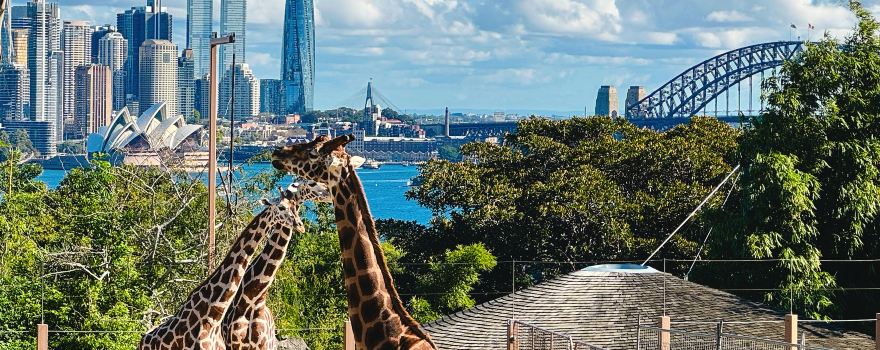
1. Attend a Performance at the Sydney Opera House No trip to Sydney is complete without witnessing the Sydney Opera House. Experience world-class performances, including opera, ballet, and theatre, at the Sydney Opera House. 2. Discover Sydney's Beaches From Bondi Beach to Manly, Sydney offers a diverse coastline. Learn to surf, enjoy a coastal walk and views of the Pacific Ocean and dramatic cliffs, or relax on the golden sands. 3. Explore the Rocks Historic District Step back in time at The Rocks, Sydney's oldest neighborhood. Wander through cobblestone streets, visit heritage buildings and vibrant markets, enjoy local crafts and food. 4. Visit Taronga Zoo See native Australian wildlife and exotic animals at Taronga Zoo, which also offers breathtaking views of the Sydney skyline. 5. Experience Darling Harbour Darling Harbour is a vibrant area with attractions like the SEA LIFE Sydney Aquarium and the Australian National Maritime Museum, perfect for family-friendly activities. 6. Visit the Art Gallery of New South Wales The Art Gallery of New South Wales showcases an impressive collection of Australian, European, and Asian art. 7. Indulge in Australian Wines Visit local wine bars and restaurants to sample Australian wines, particularly from regions like the Hunter Valley, paired with local cheeses and charcuterie. 8. Enjoy a Day Trip to the Blue Mountains Escape the city and immerse yourself in the natural beauty of the Blue Mountains. Hike through ancient rainforests and enjoy panoramic views from Echo Point. 9. Take a Whale Watching Tour Embark on a whale-watching tour during the migration season (May to November) for a chance to witness these majestic creatures in their natural habitat. 10. Climb the Sydney Harbour Bridge For an unforgettable experience, join a guided climb of the Sydney Harbour Bridge for spectacular views and a sense of achievement.
Sydney Must-see Attractions
Sydney is a vibrant city renowned for its iconic Sydney Opera House, diverse wildlife at Taronga Zoo, the bustling Circular Quay, the aquatic wonders of SEA LIFE Sydney Aquarium, and the entertainment-rich Darling Harbour, each offering unique experiences and cultural significance. The Sydney Opera House, an architectural marvel and cultural icon, stands as a testament to the daring vision and innovation of Danish architect Jørn Utzon. Recognized worldwide for its distinctive sail-like design, the Opera House has become synonymous with Sydney and modern Australia. Since its opening in 1973, it has served as a bustling center for the performing arts, hosting a diverse array of events including concerts, ballets, operas, and theater productions. As a UNESCO World Heritage site, it not only captivates visitors with its stunning architecture but also offers a rich array of cultural experiences, making it a must-visit destination for art and architecture enthusiasts alike. Sydney Harbour Bridge, facing the world-famous Sydney Opera House across the sea, is also a symbol of Sydney. Taronga Zoo Sydney, set against the backdrop of Sydney Harbour, is a renowned attraction that offers visitors the opportunity to connect with a diverse array of wildlife and engage in conservation education. The zoo is home to over 4,000 animals, including native Australian species and rare and endangered exotic animals, providing a unique experience to observe and learn about wildlife in a picturesque harbourside setting. With a history dating back to 1916, the zoo has evolved into a conservation-focused institution, actively participating in breeding programs for endangered species and offering educational programs to foster wildlife awareness. Visitors can immerse themselves in various habitats and trails, participate in animal encounters, and even opt for overnight stays to extend their wildlife experience. Circular Quay in Sydney is a vibrant and bustling hub, renowned for its iconic landmarks and rich historical significance. As the "gateway to Sydney," it offers breathtaking views of the Sydney Harbour Bridge and the Sydney Opera House, making it a prime location for sightseeing and photography. Visitors can immerse themselves in the area's cultural offerings, including the Museum of Contemporary Art Australia and the Justice and Police Museum, which preserve the Quay's historical influence. With a plethora of dining options, from fine restaurants to casual cafes, Circular Quay caters to a variety of culinary tastes while providing stunning waterfront views. The precinct is also a focal point for community celebrations and cultural events, ensuring that there is always something to experience in this dynamic area. SEA LIFE Sydney Aquarium, a prominent feature of Sydney's tourist landscape, offers an immersive experience of the aquatic world, showcasing over 700 species and 13,000 individual marine creatures. With a history dating back to 1988, it has been recognized for having the world's largest Great Barrier Reef exhibit, providing visitors with a simulated day and night experience of this iconic ecosystem. The aquarium's themed zones, such as the Jurassic Seas and Shark Valley, allow guests to encounter unique animals like dugongs, sharks, stingrays, and sub-Antarctic penguins, enhancing the educational aspect with a focus on conservation through their "Breed, Rescue, Protect" program. Engaging exhibits like the Penguin Expedition and Dugong Island, along with the opportunity to participate in experiences such as the penguin encounter and shark dive, make SEA LIFE Sydney Aquarium a destination that combines entertainment with education. Darling Harbour is a vibrant leisure and entertainment precinct that offers a plethora of activities and sights for visitors. Known for its scenic waterfront and bustling atmosphere, the area is home to a variety of attractions including the SEA LIFE Sydney Aquarium, the Australian National Maritime Museum, and Madame Tussauds Museum. With its rich history, once being Sydney's commercial port and undergoing significant redevelopment, Darling Harbour has transformed into a modern hub of tourism and entertainment. Visitors can enjoy the dynamic environment, especially during evenings and weekends, with an array of dining options and pedestrian boardwalks that provide stunning water views.
Sydney Food Guide
Sydney's food scene is renowned for its distinctive offerings like the celebrated Sydney Rock Oyster, known for its unique flavor profile and significant contribution to the local economy, and kangaroo meat, which is both a sustainable and nutritious option, though it faces cultural hesitancy among some Australians. Australia is renowned for its steaks, and Sydney boasts specialized eco-farms dedicated to cattle rearing, yielding a variety of beef types. Only the finest cuts are chosen for steak preparation. When perfectly grilled, the steak is crispy on the outside and succulent within, revealing a tender pink flesh. A single bite releases a burst of savory juices, creating a delightful and memorable culinary experience. A gourmet delight native to the coast of Australia, celebrated for its distinctive taste that includes sweetness, creaminess, brininess, minerality, and umami. This oyster variety has been a cornerstone of New South Wales' aquaculture for over a century. Cultivated using methods like stick and tray culture, Sydney Rock Oysters take about three to four years to reach market size, and their farming is integral to the state's economy. A distinctive feature of Australian cuisine, often cooked rare to medium to prevent drying out due to its low fat content. At Firedoor in Sydney, kangaroo is prepared over a live fire, creating a beautiful sear and served with a pepperberry dressing, highlighting the meat's unique flavor. Despite its health benefits and sustainability, the consumption of kangaroo meat faces cultural resistance, with some Australians reluctant to eat their national emblem. Australian lobsters are often seen as a symbol of premium seafood, known for their large size and textured meat. You can choose how to cook them based on your own preferences. Regardless of the cooking method, the result is always a lobster with firm, yet tender and springy meat that tastes incredibly fresh and delicious. Moreover, Australian lobsters are packed with nutrients, making them a must-try when visiting Sydney.
Sydney Transportation
Sydney, a major global hub, is accessible by air, train, bus, or sea, with efficient connections to its city center. By Air Sydney Kingsford Smith Airport (SYD), 8 km (5 miles) south of the city, is Australia’s main gateway, serving domestic and international airlines. Direct flights connect from North America, Asia, Europe, and the Pacific. To City Center: - Airport Link Train: Fastest option to Central Station or Circular Quay. Runs frequently between 5:00 AM and 12:30 AM. Pay via Opal card or contactless payment (debit/credit card). - Taxis/Ride-Hailing: Taxi ranks are located at the front of all terminals. For ride-shares, arrange with the driver to meet at a designated pick-up area. Expect to pay between $45 and $55 AUD. - Public Bus: Sydney Airport is served by several bus routes. Route 350 connects the Domestic Terminal to Bondi Junction via Mascot, Maroubra, and Coogee. Route 420 links Burwood to Mascot Station, serving both terminals. The late-night Route N20 runs between Riverwood and the City via the International Terminal. By Train Central Station connects Sydney with other hubs like Melbourne and Brisbane. Train travel is affordable but slow. By Bus Greyhound and Firefly Express serve routes from Melbourne or Canberra to Central Station. By Ferry/Cruise Sydney’s Port of Circular Quay or White Bay receives cruise ships from New Zealand and some Pacific islands. Sydney’s integrated public transport system is efficient, tourist-friendly, and uses the Opal card or contactless payments. Trains: Sydney Trains’ Network includes intercity/regional lines. Key routes: T1 (North Shore), T2 (Airport), T4 (Eastern Suburbs). It generally runs from 4:00 AM to midnight. Use an Opal card or contactless for payment. Metro: M1 Metro Tallawong to Sydenham serves Barangaroo, Martin Place, and Waterloo. More lines are under construction and will open in the near future. Buses: An extensive network covers the CBD, Bondi, and suburbs like Manly. Buses generally operate from early morning until late at night, with some routes running 24/7, especially on weekends. Many routes have increased frequency during peak hours, and some offer late-night or early morning services. Ferries: Scenic routes from Circular Quay to Manly, Watsons Bay, or Taronga Zoo. First/last ferries vary; generally available from 6:00 AM to 11:30 PM. Use Opal or contactless. Light Rail: The network consists of 3 passenger routes: L1: Dulwich Hill Line (Central to Dulwich Hill), L2/L3: Combined Randwick/Kingsford Line (Circular Quay to SE suburbs). Operating from 5 AM to 1 AM the following morning. Taxis/Ride-Hailing: Taxis are plentiful in the CBD. Uber, DiDi, Ola, and 13cabs offer cashless rides. Book via apps for transparency. Hop-On Hop-Off Buses: Big Bus Sydney covers the Opera House, Bondi Beach, and other main attractions. Multilingual audio guides included.
Sydney Where to Stay
Sydney is a vibrant city with a diverse range of accommodation options spread across its iconic neighborhoods. The city's lodging is concentrated in key areas, each offering unique experiences and amenities for travelers. The Sydney Central Business District (CBD) is the hub of activity, offering a dynamic urban experience with a mix of high-end and budget accommodations. Renowned for its proximity to cultural attractions like the Sydney Opera House and Harbour Bridge, the CBD is ideal for those who appreciate a blend of modern amenities and historic charm. The area boasts excellent transport links, including train stations and bus routes, making it easy to explore the city's attractions. Shopping enthusiasts will enjoy a variety of retail options, from designer boutiques to local markets. The CBD's vibrant nightlife and diverse dining scene cater to all tastes, ensuring a memorable stay in the heart of Sydney. Darling Harbour is a family-friendly destination known for its entertainment precincts and waterfront dining options. With attractions such as the SEA LIFE Sydney Aquarium and the Australian National Maritime Museum, it's a great area for those traveling with children. The accommodation here ranges from luxury hotels to more affordable options, all within walking distance of the harbor's attractions. The area is well-connected by public transport, including ferries and light rail, offering easy access to other parts of the city. At night, Darling Harbour transforms into a lively spot with a more relaxed atmosphere compared to the CBD, perfect for those looking to unwind by the water. Bondi Beach epitomizes Sydney's beach culture, offering iconic beachside living and a laid-back vibe. Accommodations in Bondi range from boutique hotels to casual beachfront stays, catering to surfers and sun-seekers alike. The area is known for its coastal walks, such as the Bondi to Coogee trail, and vibrant social scene with numerous cafes, bars, and restaurants. Public transport options include buses and trains from Bondi Junction, providing connectivity to the city and other beaches. Bondi is particularly lively in the summer months, with a host of activities and events that showcase the best of Sydney's seaside lifestyle.
Sydney Best Time to Visit
Sydney’s temperate climate makes it a year-round destination. As Sydney is in the Southern Hemisphere, its summer aligns with Northern Hemisphere winter (December-February), and its winter corresponds to Northern Hemisphere summer (June-August). Late spring (October to early November) is the best time to visit Sydney. Spring (September-November): Mild temperatures (15-22°C) and blooming jacarandas in Kirribilli create picturesque settings for exploring the Royal Botanic Garden or the Bondi to Coogee coastal walk. Crowds are moderate, and hotel prices are reasonable. Ideal for outdoor activities with fewer tourists than in peak season. Summer (December-February): Warm and humid (22-28°C), perfect for Bondi and Manly beaches, but peak season brings large crowds and higher prices. Major events like the Sydney to Hobart Yacht Race (December 26) and New Year’s Eve fireworks at the Harbour Bridge attract millions, requiring bookings 3-4 months in advance. Expect occasional summer storms; pack sunscreen and light clothing. Autumn (March-May): Pleasant (18-25°C) with clear skies, ideal for climbing the Harbour Bridge or ferry rides to Watsons Bay. Crowds thin out, and hotels are slightly cheaper than in summer. Sydney Mardi Gras (February-March) adds vibrant energy with parades and parties. Less humidity makes it comfortable for city walks. Winter (June-August): Cool (10-18°C) and quieter, with budget-friendly hotel rates. Whale-watching cruises (June-July) to spot humpbacks and the Sydney Film Festival (June) offer unique experiences.
Sydney Travel Tips
1. Book Sydney Opera House Tours in Advance: To avoid disappointment, it's best to book your Sydney Opera House tours and performances well in advance as they often sell out quickly, especially during peak season. Tours are subject to availability, and booking ahead ensures you get your preferred time slot and avoid missing out due to rehearsals or performances. 2. Rip Current Awareness: Be aware of rip currents at beaches. If caught in one, stay calm, float, and signal for help. Don't try to swim against the current. Swim parallel to the shore to escape, and look for signs like deeper, darker water or fewer breaking waves to spot rips. 3. Wildlife Caution: Respect wildlife and keep a safe distance. Don't feed wild animals, and be cautious of potentially dangerous creatures like jellyfish and snakes. Wear protective clothing, stay on designated paths, and avoid driving at dawn or dusk to prevent wildlife accidents. 4. Strict Anti-Littering Laws: Sydney has strict anti-littering laws with heavy fines. Always dispose of your rubbish properly and use recycling bins where available. Fines can be issued for littering small items, with higher penalties for dangerous materials or larger quantities. Non-compliance with clean-up notices can also result in significant penalties.
Sydney Useful Guide
English is the official language, spoken universally across Sydney with an Australian accent. MySydney: Official Transport for NSW app for real-time train, bus, ferry, and metro schedules, plus Opal card top-ups. TripView: Detailed transit schedules and route planning for trains, ferries, and buses. Uber: Popular for cars and premium rides; cashless and English-friendly. DiDi: Budget-friendly alternative to Uber. Ola: Offers car and shared rides. 13cabs: Connects to traditional taxis; reliable in CBD and Bondi. Google Maps: Reliable for trains, ferries, and walking routes; less accurate for buses. HappyCow: Finds vegetarian/vegan eateries, especially in Newtown or Surry Hills. Weatherzone: Real-time updates for Sydney’s variable climate, crucial for beach days or ferry trips. eSIM: Telstra, Optus, or Vodafone offer prepaid eSIMs. Buy online or at the SYD airport. Physical SIM: Available for purchase at the airport, Coles, or phone shops. Pocket Wi-Fi: Rent online or Travel WiFi at SYD airport, ideal for groups. Free Wi-Fi is widespread in cafés, malls, and public spaces like Circular Quay, often requiring registration. 4G/5G is reliable in CBD and Bondi; suburbs like Manly may have weaker signals. Pre-book eSIMs or Wi-Fi for instant connectivity. Currency: Australian Dollar (AUD, $). Cards: Visa, Mastercard, and contactless payments are universal at hotels, restaurants, and shops (e.g., The Rocks markets). Small vendors may have AUD 10 minimums. Mobile Payments: Apple Pay, Google Pay, and Samsung Pay are widely accepted, including at Opal terminals and some taxis. Cash: Useful for small purchases (e.g., Paddington Market stalls, AUD 2-10) or some taxis.There are many ATMs available. Notify your bank of your travel to avoid card blocks. Exchange currency at banks or reputable offices in the CBD (e.g., Travelex) for better rates. Tipping is not expected but appreciated (5-10% at restaurants for exceptional service).
Trip.Best: Sydney







Plan Your Sydney Trip
What to do




Where to stay




What to eat








Sydney Moments: Through Travelers' Eyes
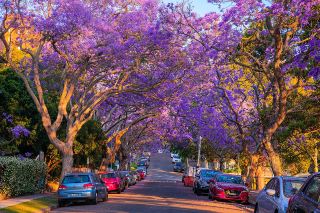
The Jacaranda season in New South Wales has begun


#SydneyStay | Base yourself in the CBD for a city stroll within walking distance Journey to Australia in the Southern Hemisphere. This continent possesses a unique charm, where bustling c

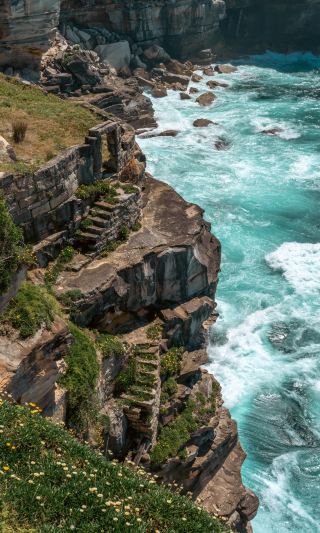
Who wouldn't fall in love with Sydney?


Sydney Bondi Beach | Bringing local life into your journey

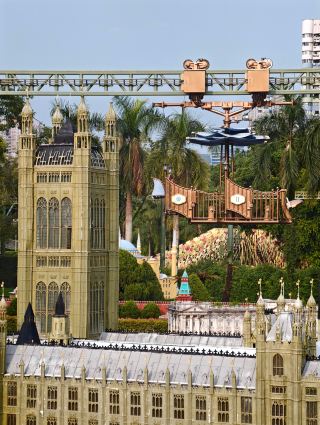
Check out this guide for visiting Window of the World


Sydney Peakhurst | 5-bedroom, 3-bathroom dream home for gatherings!

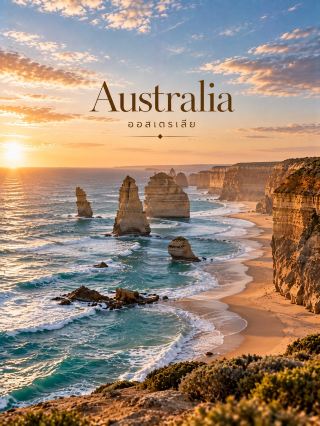
5 Australian Photo Spots That Outshine the Famous Landmarks

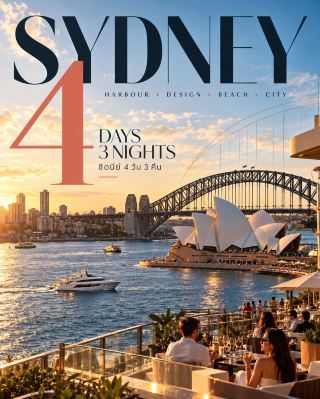
SYDNEY 4 DAYS 3 NIGHTS — A single city that offers Harbors, Beaches, Design, and Food.

Sydney FAQ

What's the most popular attractions in Sydney?

How to get to Canberra from Sydney?
What is a good souvenir from Sydney?
What is the most beautiful place in Sydney?
What is the best season to visit Sydney?
Best selfie spot in Sydney?
Best of Sydney
Top 20 Instagrammable Hotels in Sydney






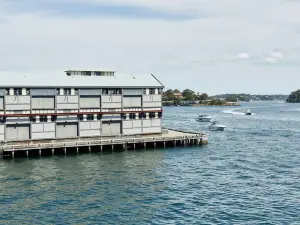
Popular Gourmet Hotels in Sydney


Top 20 Premium Hotels in Sydney


Top 20 4-Star Select Hotels in Sydney







Popular Best Things to Do Near Sydney


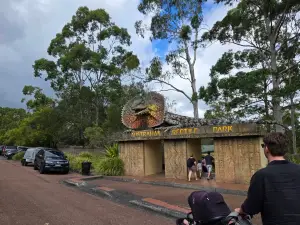


Popular Family-friendly Attractions Near Sydney

Popular Scenic Hotels Near Sydney









Popular Premium Hotels Near Sydney
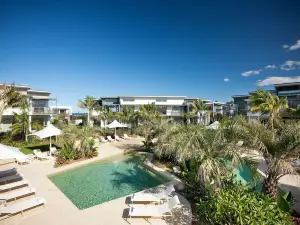







Popular 4-Star Select Hotels Near Sydney








Other recommended cities

Melbourne

Gold Coast

Brisbane
