


Melbourne Travel Guide 2026: Top Attractions, Local Food & Travel Tips | Trip.com
About Melbourne
Recommended trip: 3–5 day(s)
Recommended trip: 3–5 day(s)Current weather conditions
 7°C
Melbourne Local Experiences Map











Trending in Melbourne
Melbourne Local Travel Guide 2026
Melbourne Brief Guide
Melbourne, Victoria’s lively pulse, mixes cool streets with a creative kick. Laneways tuck away top-notch eats, galleries spill art, and trams rattle through a city that flips from sun to rain in a flash—four seasons might hit by lunch. Beyond the skyline, the Great Ocean Road carves wild shores and Phillip Island’s penguins strut, while St Kilda’s waves lap close. This isn’t just urban swagger; it’s a gateway to Victoria’s rugged charm—where flat white fuels the buzz and coastlines steal the show.
Melbourne Must-try local experiences
1. Melbourne’s Iconic Landmarks Step into Melbourne’s core—where golden-arched stations meet sprawling botanic gardens and artsy plazas hum with life. Wander Flinders Street Station’s bustle, the Royal Botanic Garden’s green calm, or Federation Square’s edgy pulse—hit them early for a quiet blend of history and modern flair. 2. Street Art in the Laneways Roam Hosier Lane and AC/DC Lane—walls burst with murals and stencils, a living canvas that shifts fast. Melbourne’s street art bites hard; grab shots before noon when light’s soft and crowds ease off—urban grit in full color. 3. Feel the Sporting Thrills Catch Melbourne’s sport buzz—January’s Australian Open at Melbourne Park spikes tennis fever, while the MCG roars with cricket Tests or AFL clashes. Gates swing open early; dive into the city’s game-day soul—stadiums hum with local pride. 4. Great Ocean Road Drive Drive the Great Ocean Road—Twelve Apostles tower over wild waves, seaside towns like Torquay (90 mins from Melbourne) beckon. Kick off at sunrise to dodge the bus rush; this coastal stretch delivers Victoria’s raw edge—wind in your hair, cliffs in your sights. 5. Arts Centre Melbourne Show Catch a show at Arts Centre Melbourne—its spire lights up theatre, opera, or live tunes. Book early online, or grab a Yarra-side gig nearby. Evenings spark the city’s creative beat—Melbourne’s stage calls loud and clear. 6. Visual Art Immersion Explore the National Gallery of Victoria—world art meets Aussie icons, free for permanent galleries. Then hit the Ian Potter Centre at Fed Square, all about local talent. Melbourne’s visual story unfolds here—brushstrokes big and bold. 7. History & Heritage Exhibits Step into Melbourne Museum—culture, history, and nature tangle in Carlton Gardens. Next door, the Royal Exhibition Building stands grand, a heritage gem. Grab a combo ticket; mornings keep it calm—Melbourne’s past comes alive here with every exhibit. 8. Moomba Festival Join Moomba in March—Melbourne’s Yarra turns wild with parades, fireworks, and waterski flips. Free and loud, it’s the city’s big splash; stake a riverside spot at Alexandra Gardens early for the full blast of fun. 9. Queen Victoria Market Hit Queen Victoria Market—fresh produce, hot jam donuts, and lively stalls make it a Melbourne must. Open Tuesday-Sunday, Saturday’s the peak; roll in hungry and snag a Market Lane coffee nearby—local flavor in every bite. 10. Sky-High City Views Rise to Eureka Skydeck—88 floors up, the Yarra bends and Dandenongs peek at sunset ($25 entry). Step into the Edge glass cube if you dare; Melbourne sprawls wide below—city and beyond in one bold sweep. 11. Coastal Beach Escapes Dip into Melbourne’s beach scene—snap the rainbow bathing boxes at Brighton Beach with sea breezes swirling (train to Brighton Beach station, 20 mins from Flinders; weekdays dodge the Insta crowd), or unwind at St Kilda Beach with sand, sunsets, and pier strolls (hit Acland Street for cake after). Midweek keeps St Kilda mellow, while summer weekends buzz—two shores, one coastal soul. 12. Wildlife Encounters Visit Melbourne Zoo in Royal Park—lions roar, platypuses paddle, a wild draw for all. Take Tram 58 from Flinders; early entry beats the family rush—nature’s right in the city’s lap. 13. Laneway Coffee Rituals Skip chains for Melbourne’s coffee heart in laneways like Degraves Street—sip an artisanal flat white, a local obsession, and watch the city stir. Settle streetside at a café before the morning suits swarm in—a mellow start to the day’s rhythm.
Melbourne Must-see Attractions
Melbourne is a vibrant Melbourne’s got a lineup of heavy hitters—five spots blending history, nature, and skyline thrills. Here’s where to point your compass. This steam train puffs through the Dandenong Ranges, an hour east of Melbourne, winding past lush fern gullies, towering mountain ash forests, and quaint wooden bridges. Built in 1900 to link rural communities, it’s now a living relic—open-sided carriages let you dangle your legs out, soaking in the misty air and whistle blasts. Book the classic Lakeside run tickets ahead for summer or holidays when families flock. The Menzies Creek Museum dives into its engineering past, and nearby trails—like the Emerald Lake loop—pair it with a quick hike. It’s a nostalgic escape that feels timeless. Tucked in the CBD by the Yarra, this aquarium pulls you under with sharks gliding overhead, a massive croc named Pinjarra lurking in his lair, and penguins waddling through icy tunnels. The Oceanarium’s glass walkway is a highlight—rays swoop past—while the Jelly Lab lets you peek at breeding tanks. Midweek mornings dodge the school groups, leaving you room to linger. Conservation’s big here—talks on coral rescue and plastic bans add context—making it more than just a show. Step outside, and enjoy the riverfront views while you're there. Rising 88 floors in Southbank, Melbourne Skydeck claims the Southern Hemisphere’s highest perch—nearly 300 meters up, with views stretching from the CBD’s spires to the Dandenong Ranges on clear days. The Edge glass cube juts out, floor dropping away below your feet—an adrenaline jolt with a killer panorama. VR pods trace Melbourne’s story in 8K, but the real draw’s the raw view—Port Phillip Bay glints south, the Yarra snakes east. Late afternoon beats midday haze; queues shrink post-4 PM. In Carlton Gardens, this museum unravels Victoria’s layers—a blue whale skeleton suspended mid-flight, First Peoples’ artifacts at Bunjilaka Aboriginal Cultural Centre, and Phar Lap’s preserved bulk, the racehorse that gripped a nation. The Forest Gallery’s a living slice of bushland—birds chirp overhead—while the Dinosaur Walk lines up prehistoric bones. Pair it with the Royal Exhibition Building’s gilded halls next door (UNESCO-listed). Mornings are calm—skip weekends unless you love a crowd. The IMAX nearby ups the ante for kids or film buffs with its giant screen. An hour west in Ballarat, Sovereign Hill resurrects the 1850s gold rush—60+ buildings recreate a dusty boomtown where costumed blacksmiths hammer away and miners recount tales. Pan for gold in the creek (yours to keep), tour the Red Hill Mine’s damp tunnels, or catch the Gold Pour—molten metal shaped into a $150,000 bar. The AURA night show (extra fee) lights up the sky with goldfields lore. Train from Southern Cross (75 mins) beats the drive—weekends pack out, so midweek’s your best shot at breathing room. It’s history you can touch.
Melbourne Food Guide
A Melbourne coffee icon—espresso with velvety steamed milk, less frothy than a latte. Born here via Italian migrants, it’s the city’s caffeine soul. Sip it at Axil Coffee Roasters in Hawthorn—baristas geek out on single-origin beans; mornings hum with locals. Go early—by 10 AM, seats go fast. This ruby-red crustacean from Victoria’s coast brings sweet, meaty luxury—grilled or boiled, simplicity is key. Waterfront Southgate’s got it fresh (~$50 half); summer’s peak season—book a riverside table. Sustainable and lush, it’s seafood with swagger. Melbourne's local waters are a rich source of oysters, often referred to as raw oysters. These freshly harvested oysters are succulent and alluring, offering a delicate and fresh flavor. Additionally, they can be cooked in numerous ways to cater to a range of culinary tastes. Lean, gamey, and wild-caught—kangaroo’s a Melbourne delicacy, sourced sustainably from population control. Try it seared at The Meat & Wine Co (~$40)—tender with a red-wine jus, or stir-fried for softer chew. It’s high-protein, low-fat—ask for medium-rare; overcooking toughens it fast. Flaky pastry stuffed with minced beef, gravy, and a ketchup squirt—Australia’s handheld hug. Bakeries like Pie Face dish out classics (~$6), but hit Bourke Street Bakery in the CBD for a next-level bite—pepper steak’s a standout. Grab it hot; football season (March-Sept) pairs it with a beer. Sponge cake rolled in chocolate and coconut—a sweet Melbourne treat, often with a jam layer. Find them at Candied Bakery in Spotswood (~$4)—soft, fresh, and gone by noon. Afternoon tea’s the local ritual; they’re messy, so napkins are your friend.
Melbourne Transportation
By Air: Melbourne Airport (MEL, Tullamarine), approximately 25 km (15 miles) northwest of the city, handles most international and domestic flights. To the City: - CenterSkyBus: locate the marked SkyBus stops outside Terminals 1, 3, and 4 at Melbourne Airport, then either buy a ticket from a self-service kiosk or the mobile app, or use a pre-purchased online ticket. Board the red, double-decker Melbourne City Express bus, store your luggage downstairs, and ride to the Southern Cross Station, which is the central city terminus. - Public Bus and Train: To travel from Tullamarine Airport, take Bus 901 from the T4 terminal to Broadmeadows Station. From there, transfer to the Craigieburn train line, which will take you to either Flinders Street Station or Southern Cross Station. Before boarding the bus, ensure you have a Myki card, which is the public transportation card used in Melbourne. You can purchase a Myki card from the machine located inside Terminal 4. - Taxis and Ride-Shares: Available at ranks outside terminals.. Avalon Airport (AVV), approximately 55 km (34 miles) southwest, serves some low-cost carriers like Jetstar. To the City: CenterSkyBus: To catch the SkyBus, head to the bus stop located right outside the terminal. Look for the red SkyBus signs and buses. You can purchase a ticket at the self-service kiosk using a credit card or through the app/online. After obtaining your digital ticket, board the bus. The SkyBus Avalon City Express goes to Southern Cross Station in Melbourne's CBD and makes stops in Werribee as well. At the Werribee Station, you can also transfer to a train heading to Flinders Street Station in the city. By Train: Southern Cross Station is situated in Melbourne's Central Business District (CBD). You can travel to Melbourne by train from other major Australian cities, such as Sydney and Adelaide. The route from Sydney to Melbourne is operated by NSW TrainLink, which offers both daytime and overnight services, including sleeper cabins. To travel from South Australia, you can take the Overland train from Adelaide to Melbourne. If you are coming from Perth, you can also take a train, but this is a very long journey that typically requires changing trains in Adelaide. By Bus: Companies like Greyhound Australia and Firefly Express offer services between major cities in Australia and Melbourne, arriving at Melbourne's Southern Cross Station. Melbourne’s walkable CBD and inner suburbs are well-served by the Public Transport Victoria (PTV) network of trains, trams, and buses. Taxis, ride-shares, and bike-sharing options are easily accessible. While driving is convenient in outer areas, it can be challenging in the city center due to traffic and parking. Tickets and Myki Card: A Myki card is required for all PTV services (trains, trams, buses) in Melbourne’s zones. Buy a Myki card at the airport or major stations upon arrival. Load with Myki Money for pay-as-you-go or Myki Pass for unlimited travel (7 days or 28-365 days). Purchase or top up Myki at: - Ticket machines at train/tram stations or major stops. - PTV Hubs, 7-Eleven stores, or other retailers. - Online via the PTV website or app. Payment methods include cash, contactless credit/debit cards, or mobile payments at machines or via the app. Touch on (and off for trains/buses) with Myki at readers to validate; no validation needed on trams in the Free Tram Zone (CBD). PTV conducts inspections, so keep your card ready. Trains: The metro network consists of 16 lines that radiate from Flinders Street and Southern Cross stations, serving suburbs such as St Kilda and Footscray. It operates daily from 5 AM to midnight, with trains running frequently every 10 to 20 minutes. The Night Network provides all-night train, tram, and bus services on Fridays and Saturdays, operating from approximately midnight to 6:00 AM. Some services run hourly or every half hour, depending on the line. Additionally, services are available on selected public holidays. Trams: Melbourne boasts the world's largest tram network, featuring 24 routes that are perfect for accessing the Central Business District (CBD) and surrounding areas like Fitzroy. The tram services operate from 5 AM to 1 AM, with trams running every 5 to 10 minutes during peak times. Some routes operate less frequently during the night on Fridays and Saturdays as part of the Night Network. Additionally, Melbourne has a Free Tram Zone within the CBD, allowing passengers to ride any tram without a ticket. This free zone includes popular landmarks such as Federation Square, Queen Victoria Market, and Docklands. Buses: Extensive bus routes connect outer suburbs, airports, and areas lacking tram or train service. Regular bus routes typically operate from around 5:00 AM to midnight, while a 24-hour service is available on Fridays and Saturdays through the Night Network. Taxis: Metered taxis often wait in designated cab ranks at clearly signposted locations and busy areas such as Flinders Street Station. You may also hail a taxi from the street. Alternatively, download a taxi service app like 13cabs, Silver Top Taxi, or Rydo. Accommodating up to 4-5 passengers. Ride-Shares: Uber is available, and its fares are similar to those of taxis. It is particularly popular for airport transportation and late-night rides. Bike Rentals: To use a bike-sharing service, first download the Lime app for e-bikes or the Melbourne Bike Share app for traditional bikes. Next, create an account and enter your payment information. You can then use the app to locate and unlock a nearby bike by scanning its QR code. For traditional bike shares that operate from fixed stations, ensure you return the bike to a designated station. In contrast, for on-demand e-bike shares, make sure to park the bike within the designated zones indicated in the app. Car Rentals: Renting a car in Melbourne is a great option for road trips outside the city, such as to the Great Ocean Road or Yarra Valley. However, for exploring the city itself, it may be unnecessary and could even be inconvenient, as public transport and free trams in the CBD are readily available.
Melbourne Where to Stay
Melbourne’s neighborhoods offer an option for every traveler—whether you crave city buzz, suburban calm, or a cultural mix. Here’s the rundown on three top spots to coose from. The CBD puts you right into Melbourne’s pulse—Flinders Street Station’s golden glow, Federation Square’s artsy hum, and Queen Vic Market’s bustle are steps away. Hotels like The Langham lean luxe with Yarra views, while QT Melbourne mixes quirky design with rooftop sips—budget travelers can bunk at Space Hotel. Trams (free in the zone) and trains from Southern Cross make it really easy to navigate; it’s loud with trams rattling till late—earplugs help if you’re noise-shy. Perfect for culture hounds and urban explorers who want it all on their doorstep. Out east, 20km from the CBD, Glen Waverley swaps city clamor for a laid-back suburban feel—think quiet streets and a killer Asian food scene along Kingsway, from dumplings at Din Tai Fung to spicy Sichuan at Dainty. The Novotel’s a comfy mid-range pick with train access; homestays pop up too for a local touch. The Glen Waverley station (Lilydale/Belgrave lines, ~30 mins to Flinders) links you in—buses fill the gaps. It’s a breather from the city noise, ideal for foodies or those craving calm with a city lifeline nearby. Halfway out (15km east), Box Hill thrums with multicultural energy—think Cantonese BBQ joints, Vietnamese pho spots, and Korean dessert cafés crowding Box Hill Central. Stay at Best Western Plus for modern ease or scout for short-term rental apartment steals—guesthouses are rare despite the hype. The train (Lilydale/Belgrave, ~20 mins to CBD) and trams (Route 109) keep it well-connected; Whitehorse Road’s a shopping hub too. It’s lively but less polished than the CBD—great for travelers who look for diverse eats and a suburban pulse without the downtown noise.
Melbourne Best Time to Visit
Melbourne’s location in the Southern Hemisphere flips its seasons compared to the Northern Hemisphere. March to May (autumn) and September to November (spring) are ideal for mild weather, vibrant festivals, and fewer crowds, perfect for exploring laneways or coastal trails. January brings the excitement of the Australian Open, while November hosts the iconic Melbourne Cup. Spring (September–November): Temperatures range from 10°C to 20°C (50°F–68°F), with sunny days, occasional rain, and blooming gardens. Events like the AFL Grand Final (September) and Melbourne Cup (first Tuesday in November) create a lively atmosphere. Moderate crowds and pleasant conditions make it great for outdoor markets, Yarra River walks, or day trips to the Dandenong Ranges. Book early for Cup week due to high demand. Summer (December–February): Expect 15°C to 30°C (59°F–86°F), with warm, dry days, occasional heatwaves, and long daylight hours. Peak season sees bustling beaches, the Australian Open tennis (January), and festive Christmas events. Crowds increase 20-30%, and prices rise, so book accommodations 3-4 months ahead, especially for major events. Autumn (March–May): Temperatures between 10°C and 25°C (50°F–77°F) bring crisp air, colorful foliage in parks, and fewer tourists. Perfect for laneway coffee stops, Great Ocean Road trips, or exploring street art with mild, sunny days. Winter (June–August): Cooler at 5°C to 15°C (41°F–59°F), with frequent rain, shorter days, and occasional fog. Lower crowds and prices make it budget-friendly; pack layers and umbrellas for variable weather.
Melbourne Travel Tips
1. Ride the Free Tram Zone Melbourne’s central area and Docklands let you hop on trams without a ticket—stretching from bustling stations to artsy plazas and waterfront stops. They run frequently from day to night; no travel card’s needed inside this zone. Step beyond—like to Southbank—and you’ll want a myki card with a small upfront cost plus fare. 2. Stay Safe at the Beach Swim between the red-and-yellow flags at beaches like St Kilda or Brighton—lifeguards watch those zones, and hidden rips can pull you off guard. Look out for jellyfish warning signs; avoid night swims when visibility fades to nothing. Bring water and sunscreen—summer rays sting hard, even under clouds. 3. Master BYO Dining Bring-your-own booze is a Melbourne dining perk—cuts costs on wine at many spots. Ring ahead to check if it’s welcome (some stick to bottles, not cans) and ask about a corkage fee, typically modest. Italian haunts around Lygon Street often nod yes—pick up a bottle nearby and savor the meal. 4. Mind the Smoking Rules Smoking or vaping’s banned in outdoor cafés, on beaches, and near entrances—breaking it brings a hefty fine. Parks like the botanic gardens mostly forbid it too; hunt for rare “smoking permitted” signs if you must light up. A portable ashtray saves you from a littering penalty—locals hate the mess. 5. Keep Alcohol in Check Public drinking’s off-limits in the city center and during big events like Moomba—stick to bars or homes to avoid a penalty. A quiet beer at a small picnic in parks like Carlton Gardens can slide if you keep it discreet. 6. Layer Up for Four Seasons in a Day Melbourne’s weather flips fast—sun to rain in an hour. Pack a light jacket, scarf, and foldable umbrella, even in summer—20°C mornings can drop to 12°C by dusk. Locals swear by layers; check BOM (bom.gov.au) for hourly updates to stay ahead. 7. Score Cheap Eats at Happy Hours Snag early dinner bargains at pubs and bars in Fitzroy or Collingwood—late afternoons often bring affordable plates like parmas or pizzas. Spots like The Standard or Marquis of Lorne get in on it; book ahead for Friday nights when tables disappear fast amid the buzz. 8. Watch for Tram Hook Turns Driving in Melbourne? Right turns at tram-heavy intersections—like Collins or Bourke Streets—need a “hook turn”: slide left, wait, then swing right after trams pass. Signs mark it; miss the drill, and you’ll snag a fine or a local’s honk—master it for a smoother ride.
Melbourne Useful Guide
English is the primary language, spoken with an Australian accent. Citymapper: Maps trams, trains, and walks—tells you exact stops and times. Public Transport Victoria (PTV): Real-time train, tram, and bus schedules, Myki top-ups, and route planning. TramTRACKER: Live tram arrivals and routes. 13CABS: Books taxis across the city. Uber: Books rides and food delivery. BOM Weather: Hour-by-hour forecasts for Melbourne's changeable climate. Beachsafe: Beach weather, tides, hazards. Time Out Melbourne: Guides to events, dining, and attractions. eSIM: Providers like Airalo, Holafly, Saily, or local Optus, Telstra, Vodafone offer prepaid plans for travelers. Buy online for instant activation or at Tullamarine Airport kiosks. Physical SIM: Available at airport booths (Optus, Vodafone), supermarkets like Coles, or phone stores. Pocket Wi-Fi: Rent from providers like Travel WiFi or airport counters, suitable for groups. Free Wi-Fi is widespread in hotels, cafés, public libraries, and hotspots via networks like VicFreeWiFi (registration may be required). Pre-book eSIMs or pocket Wi-Fi online for easy airport pickup. Currency: Australian Dollar (AUD, $). In Melbourne, credit/debit cards and contactless payments are dominant, especially in tourist areas, with cash useful for markets or small vendors. Credit/debit cards: Visa and Mastercard are widely accepted, including contactless; American Express is less so. Notify your bank of your travel to prevent blocks. Cash: ATMs (plentiful at airports, malls) require a 4-digit PIN; withdraw AUD but check fees. Carry some cash for small purchases or emergencies. Mobile payments: Apple Pay, Google Pay are popular at shops, transport, and restaurants.
Trip.Best: Melbourne



Plan Your Melbourne Trip
What to do







Where to stay





What to eat





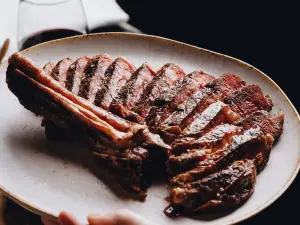
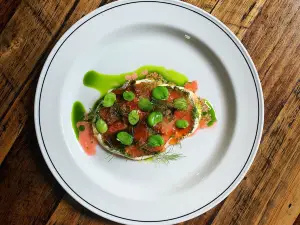


Melbourne Moments: Through Travelers' Eyes
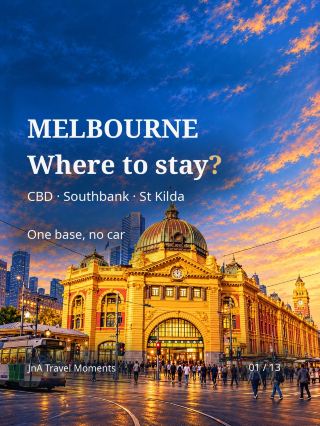
Melbourne Stay Planner: CBD, Southbank or St Kilda?

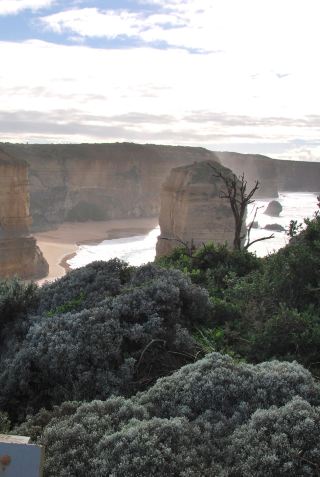
Australia, Melbourne, Great Ocean Road: A World Heritage spectacular coastline

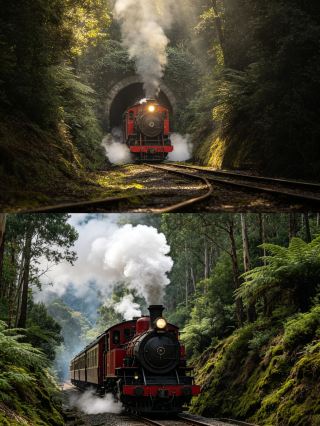
Melbourne: 4 hidden gems for your second trip

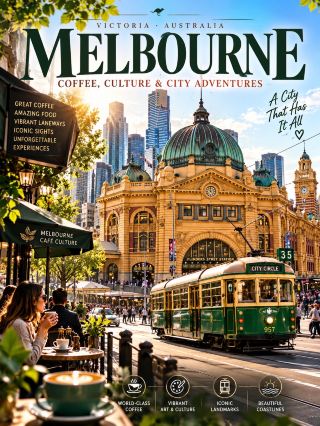
🇦🇺 MELBOURNE: COFFEE, CULTURE & COASTLINES ☕️🌊

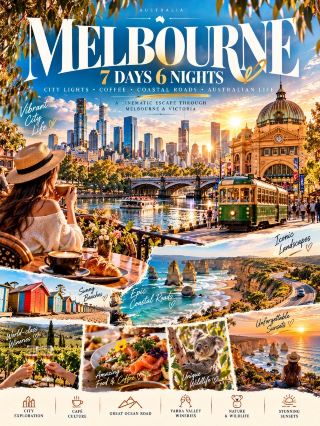
🇦🇺 Melbourne in 7 Days: City Lights, Great Ocean Road & Golden-Hour Escapes ✨
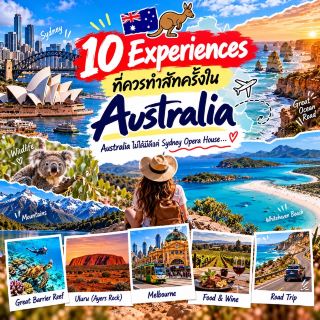
10 Must-Have Experiences to Truly Discover Australia

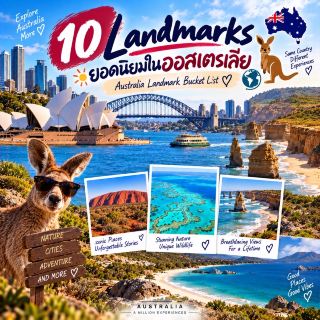
Top 10 Most Popular Landmarks in Australia: The Ultimate Bucket List 🇦🇺
Melbourne Park Slacking Guide | Give yourself permission to "lie flat" for a while

Melbourne FAQ

What's the most popular attractions in Melbourne?

What is the best season to visit Melbourne?
Best selfie spot in Melbourne?
What do I need to know before visiting Melbourne?
What is a good souvenir from Melbourne?
How to get to Mornington from Melbourne?
Best of Melbourne
Top 20 4-Star Select Hotels in Melbourne
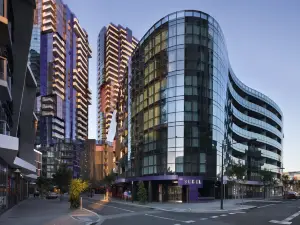
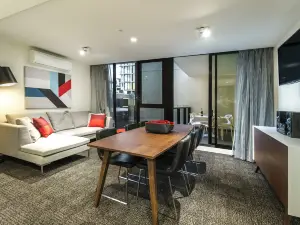
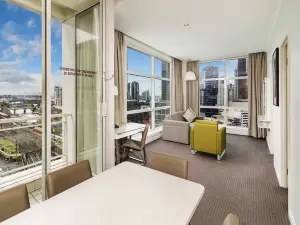
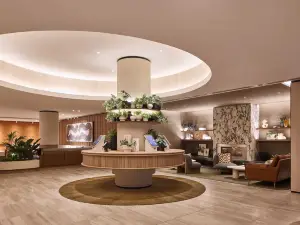
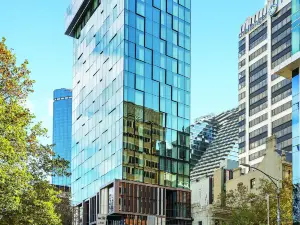
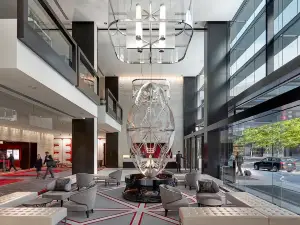
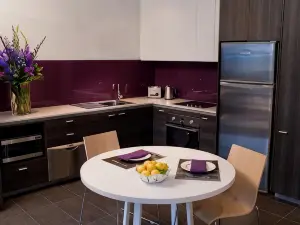
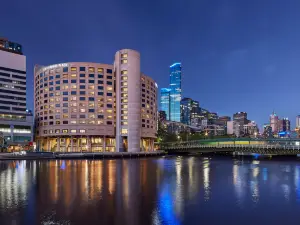
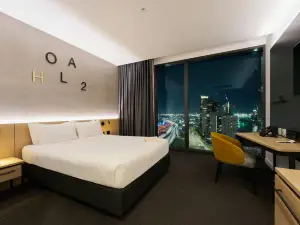
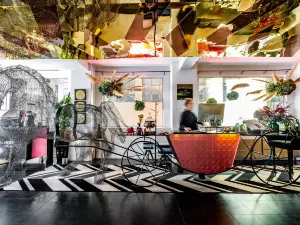
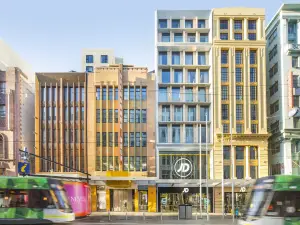
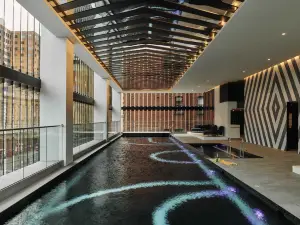
Popular Premium Hotels Near Melbourne
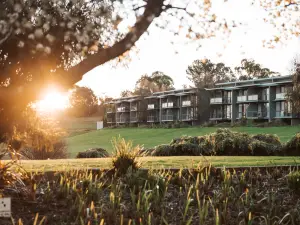


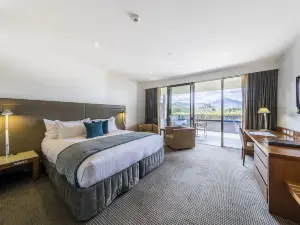



Popular Best Things to Do Near Melbourne




Popular Scenic Hotels Near Melbourne


Popular Family-friendly Attractions Near Melbourne

Popular 4-Star Select Hotels Near Melbourne

Other recommended cities

Sydney

Gold Coast

Brisbane
