

View all 9 photos
The site of the first CPC National Congress + Yu Garden in-depth guide with headsets
5.0/5
Excellent(4 reviews)
13 bookedJoin-in tour
Meet at meeting point
Free cancellation by 5:00 PM, 1 day before the date of use
From
$65.65
per person
Select package
Highlights
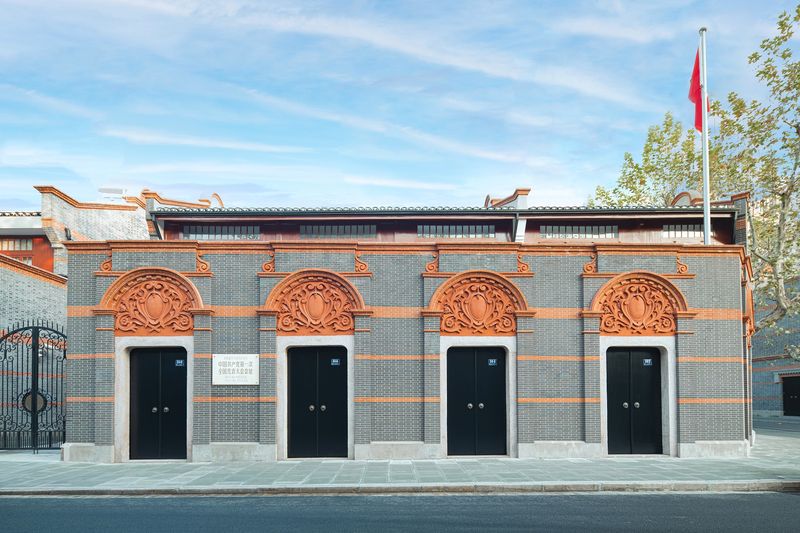
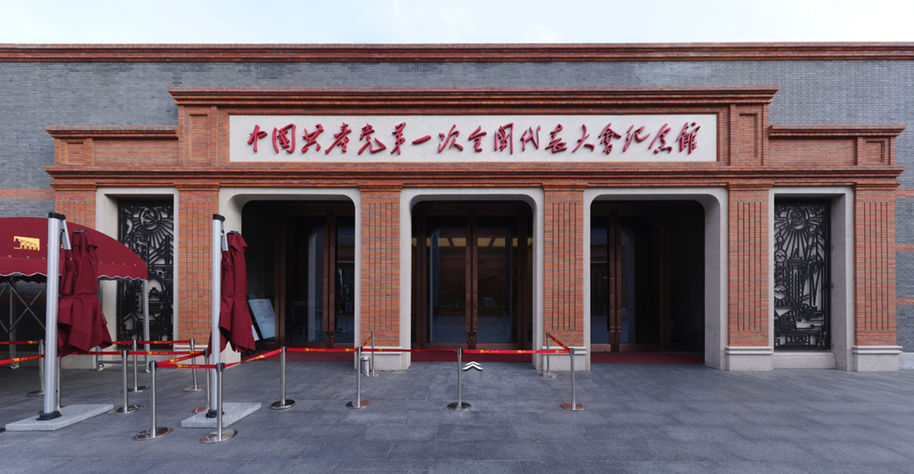
Classic red venues, remembering history and honoring the spirit of our ancestors' struggles.
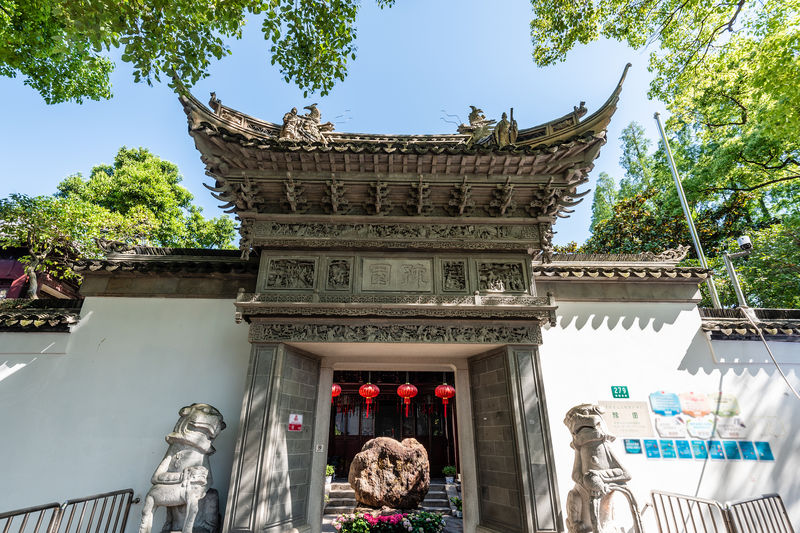
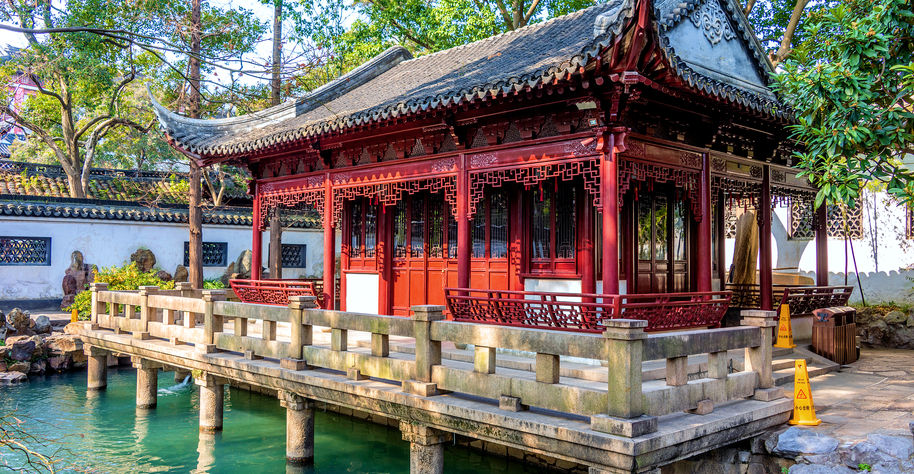
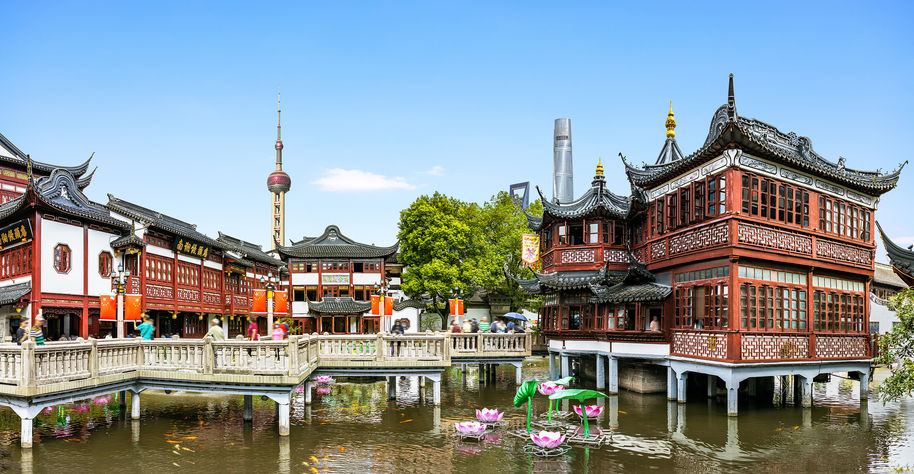
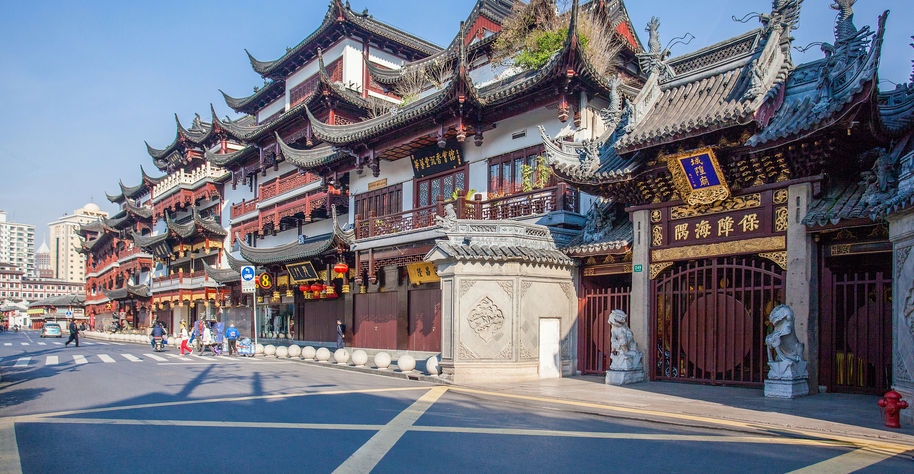
Explore a 400-year-old classical Chinese garden, experience the epitome of scholar's lifestyle, and discover an oasis of greenery amid urban bustle.
Small group tours with more interaction time with the guide.

Package and price

Date of use
2026-10-27
2026-10-28
2026-10-29
All
Local timeCurrency: USDPrices shown are the lowest prices for the current date
Package
English guide, join-in tour, includes earphones
From$65.65
Quantity
Select at least 3 travelersNumber of people
3
Booking information
From$65.65
per person
Book now
Overview
Departs from Shanghai
Starts at 9:20 AM and ends at 1:27 PM
Tour guide (English)
Transportation options: Subway
Details
Meet at meeting point
9:20 AM meet at Yu Garden, Shanghai Details
Location: Intersection of Fuyou Road and Anren Street, which is the north entrance of Yu Garden; this location is easily accessible by subway (Exit 7 of Yu Garden Station, Metro Line 14), car, or on foot.
If you need to park, it is recommended to use the parking lot on Zhoujin Road.
Yu Garden Details
Enter attraction
Enter attraction
Paid attraction
Entry tickets not included
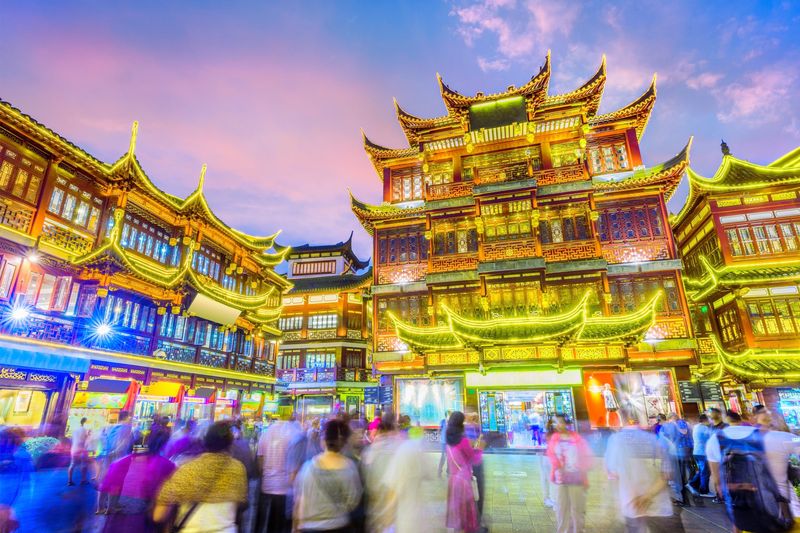
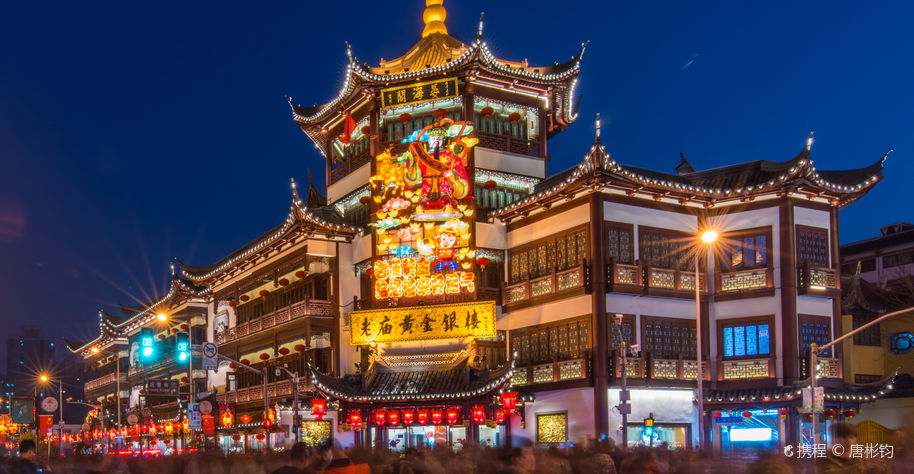
The Shanghai City God Temple is a commercial area that includes Yu Garden. If you wish to enter the City God Temple, an additional ticket of CNY 10 is required for self-guided visits.
1 hour
Shanghai City God Temple Tourist Area Details
View from outside
View from outside
Free attraction
Entry tickets included
The Shanghai City God Temple is a commercial area that includes Yu Garden. If you wish to enter the City God Temple, an additional ticket of CNY 10 is required for self-guided visits.
30 minutes
Transportation via Subway
Travel time is subject to actual driving conditions.
Travel time: Approx. 30 minutes
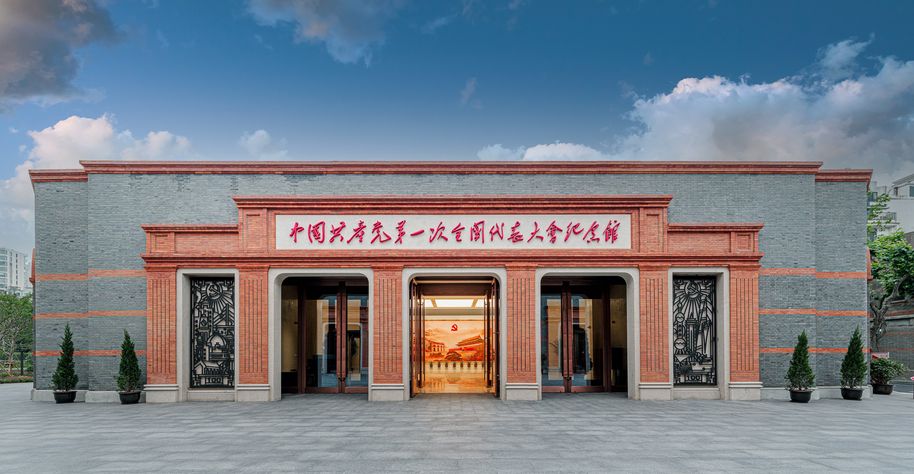
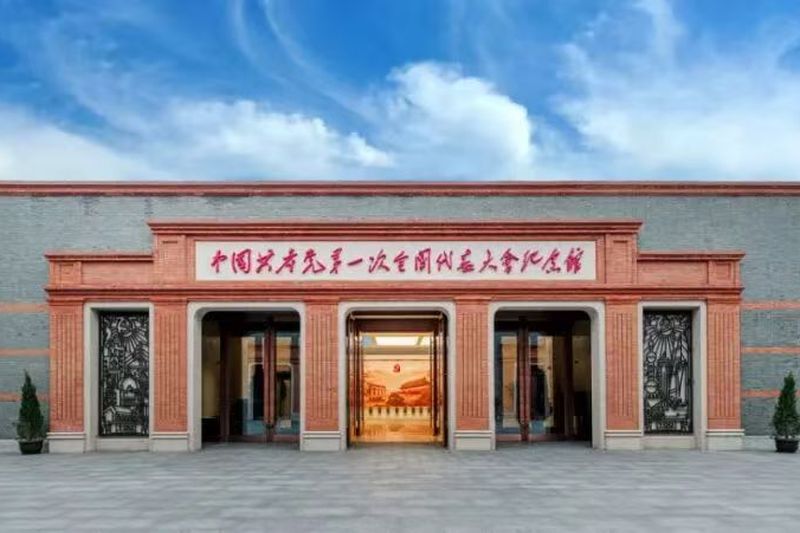
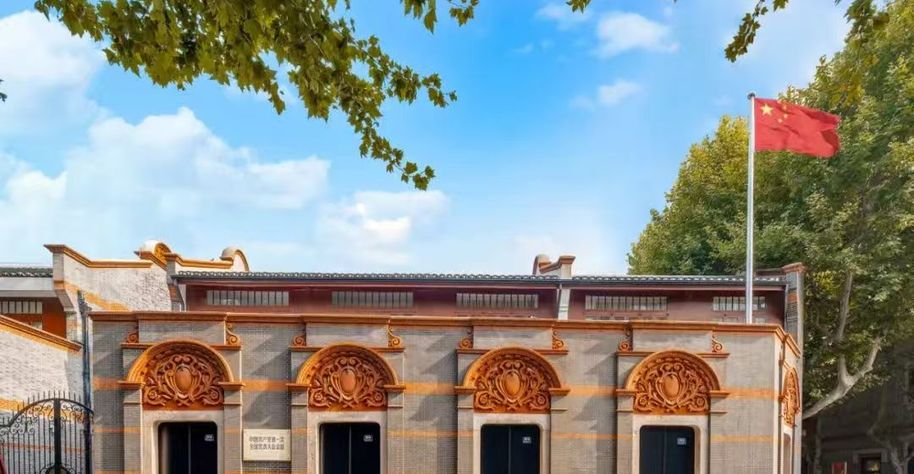
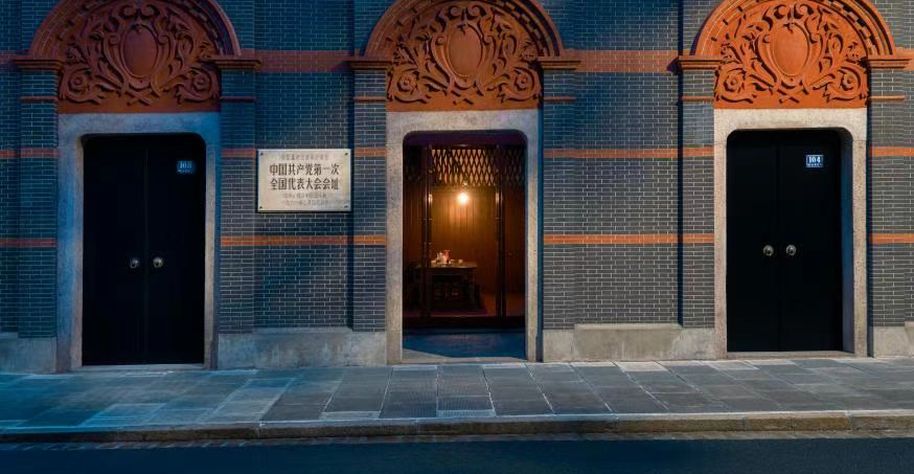
The site of the first CPC National Congress Details
Enter attraction
Enter attraction
Free attraction
Entry tickets included
30 minutes
Memorial of the First National Congress of the Communist Party of China Details
Enter attraction
Enter attraction
Entry tickets included
1 hour30 minutes
Guests leave on their own
All times are in local time and may change due to weather, road conditions, or other factors. Thank you for your understanding.
What's included
Trip.com picks
Popular Destinations
Popular activities
Unique experience
Top Tours in Shanghai
Best Experiences in Shanghai
Things to do in ShanghaiThings to do in BeijingThings to do in Hong KongThings to do in OsakaThings to do in ZhangjiajieThings to do in SingaporeThings to do in ChongqingThings to do in TokyoThings to do in GuangzhouThings to do in Xi'anThings to do in ChinaThings to do in JapanThings to do in ThailandThings to do in VietnamThings to do in South Korea
Nagoya 1-day tour to Kokkeizan Eihouji Temple + Korankei gorge + Obara Shikizakura, autumn limited routeMutianyu Great Wall 1-day tour & includes chairlift cableway and toboggan ticket/optional private charter from 2 people Tiananmen Square, Forbidden City &Treasure Museum Small-Group TourOne-Day Tour of Zhangye Danxia Rainbow Mountains & Mati Temple Lo imprescindible de Dunhuang: Excursión privada de un día al Paso Yumen, Parque Geológico Nacional de Yardang y la Zona Escénica de YangguanMaui: Sunset Cocktail CruiseExcursión en autobús a la Gran Muralla de Mutianyu en Pekín Excursión de un día a la Gran Muralla de Mutianyu y al Palacio de Verano, con teleférico incluido o tour privado disponible .Shanghai Huangpu River Night Cruise - Shiliupu Wharf / Options include Dragon Boat, Crystal Boat, or Happy Captain BoatBoston: Tour en trolebús turístico Hop-on Hop-off por el casco antiguoBeijing ActivitiesHong Kong Travel ServicesHong Kong TransportationShanghai Day ToursChengdu ActivitiesSydney Airport ServicesBeijing Day ToursHong Kong ActivitiesZhangjiajie Travel ServicesSeoul Travel ServicesTrace roots at Guangfulin, capture moments in Thames Town, and admire the beauty of Zuibaichi Park - one day in Songjiang, a millennium of ShanghaiShanghai Sihang Warehouse Battle Memorial 1.5-hour Chinese/English guide optionalExcursión de un día en Shanghái con visita guiada con explicaciones en idioma extranjero y tour privado | Jardín Yuyuan + Templo del Dios de la Ciudad + Zhujiajiao + Bund, incluye entradas y transporteSalida desde Shanghái: excursión de un día con servicio de coche privado con conductor al lago Perla de Xisha y el bosque forestal Dongping en Chongming Shanghái: Grupo Privado por los Puntos Destacados de la Ciudad con Recogida en el HotelShanghái: excursión de un día al pueblo antiguo de Fengjing en servicio de coche privado con conductor | Recepción profesional de invitados extranjeros en múltiples idiomas | Servicio personalizableShanghai English Group Tour : Zhujiajiao Ancient Town, Yu Garden, The Bund, God TempleShanghai Wild Animal Park – One Day TripMuseo de Historia Natural de Shanghái - Amplia colección de especímenes únicos, opción de visita guiada profesional en chino e inglés8 fast track items + butler 8 hr service Memorial del Primer Congreso Nacional del Partido Comunista de China en Shanghái, Memorial del Segundo Congreso Nacional o Memorial del Cuarto Congreso Nacional · Visita guiada con explicaciones en grupo privado con expertoTour de un día en Shanghái: Torre de la Perla de Oriente+Espectáculo acrobático ERA+Bund+Calle NanjingBanquete Ritual Tang de Shanghái | Experiencia Hanfu del Festín Yanle Bajo el CieloShanghai private 1-day tour | Oriental Pearl Radio & Television Tower · Yu Garden · The Bund · Nanjing Road Pedestrian Street | Private car transfer with admission ticketShanghai One-Day English Small-Group Tour: Zhujiajiao Ancient Town and Shanghai Film ParkShanghai Costume ExperienceShanghai Travel EssentialsShanghai Day ToursShanghai ActivitiesShanghai TransportationShanghai Sports & AdventureShanghai Spa & MassageShanghai SIM CardShanghai Driving ExperienceShanghai Cultural ExperienceWellness & Spa in ShanghaiEurope SIM Card